2027 How Online MSN Programs Compare on Cost, Flexibility, and Career Outcomes

Co-Founder and Chief Data Scientist
Balancing work, family, and advancing in nursing roles presses many professionals to weigh online MSN programs carefully. With over a 35% increase in online enrollment among graduate nursing students noted by the National Center for Education Statistics since 2024, flexibility no longer means sacrificing program quality or future income potential. Yet, not all programs equally accommodate clinical hour requirements or offer pathways aligned with fast-evolving healthcare specialties.
These distinctions can impact licensure timing, eligibility for advanced certifications, and employer recognition, complicating both return-on-investment calculations and career timelines. This article compares online MSN programs on cost, scheduling adaptability, and career outcomes to help prospective applicants select options matching their practical constraints and professional goals.
Key Things You Should Know
- Online MSN programs vary widely in total cost, with public state schools offering averages 35% lower than private institutions per the National Center for Education Statistics, forcing tradeoffs between affordability and niche specialization.
- Employers increasingly favor MSN graduates from accredited programs with clinical practicum integration, as evidenced by a 2024 Nurse Journal survey linking such credentials to 22% higher hiring rates in advanced practice roles.
- Extended time-to-completion for part-time online MSN students often exceeds four years, according to the American Association of Colleges of Nursing, impacting career advancement timing and cumulative opportunity costs.
What Is an Online MSN Program?
Selecting an online MSN nursing program in the US demands a clear-eyed assessment of clinical placement feasibility, state licensure compliance, and program flexibility beyond mere coursework convenience. While these programs promise adaptability through blended asynchronous and synchronous modules, the burden of securing in-person clinical hours often falls heavily on students, especially those in rural areas with limited local healthcare facilities.
Cost considerations are complex. The National Center for Education Statistics cites the average yearly cost of an online healthcare master's degree, including MSN programs, at roughly $11,000 before aid, with a net price near $9,600 after financial support. This differential influences long-term value, as employers increasingly scrutinize program reputation alongside clinical competence and licensure validity.
Practical workforce outcomes vary by specialization. For example, nurses pursuing leadership roles might benefit from flexible online MSN degree options for nurses that enable remote networking and management skill development. In contrast, clinical tracks such as nurse practitioner require intensive local practicum arrangements, which can be a significant barrier. This divide impacts job readiness and employability in nuanced ways.
Prospective students should prioritize programs that transparently align with state board clinical requirements and prepare candidates for standardized competencies expected by employers. Self-discipline for distance learning and technology fluency also factor heavily into success. Among available paths, accelerated MSN psychiatric NP programs may offer expedited entry into high-demand mental health roles with potentially streamlined clinical placement options, as detailed at accelerated MSN psychiatric NP programs.
How Do Online and Campus MSN Programs Compare?
Cost differences between online and campus MSN programs often fail to account for nuanced tradeoffs in flexibility and workforce integration. The average MSN degree costs about $19,000 annually regardless of delivery mode, but online formats reduce ancillary costs like commuting-an advantage for working nurses balancing family or rural constraints.
However, campus-based programs maintain an edge where in-person clinical residencies and face-to-face mentoring foster stronger professional networks, which employers in hospital systems and advanced practice roles may prioritize. Online MSN programs serve those requiring flexibility to continue employment, though students frequently must secure clinical placements independently, which can hinder timely graduation or limit regional job prospects.
Students evaluating online vs campus MSN program flexibility in the United States should also consider the subtle impact of employer perceptions about rigor and collaboration skills gained through direct interaction. Employers often associate campus experiences with immersive clinical support and sustained mentorship that online formats may struggle to replicate.
Financially, campus programs may offer more scholarships or employer tuition partnerships, offsetting tuition and improving return on investment. Online programs sometimes charge premiums for convenience, complicating cost-benefit analyses beyond sticker price. Prospective nurses should factor in lost wages and living expenses to assess true program value.
Those interested in further advanced studies can explore options such as the online PhD nursing programs, which also reflect these considerations of cost, flexibility, and career outcomes.

Which MSN Programs Are Accredited and Approved?
Accreditation by the Commission on Collegiate Nursing Education (CCNE) or the Accreditation Commission for Education in Nursing (ACEN) is a decisive factor for any MSN program aspiring to meet licensure requirements and workforce expectations across the United States. Employers in hospital systems and specialty clinics consistently require degrees from such accredited programs to avoid licensure delays or employment barriers.
For instance, a nurse moving into a Nurse Practitioner role at a major urban hospital must confirm their MSN degree is from a CCNE- or ACEN-accredited program to maintain seamless licensure portability, especially relevant in states with strict nursing boards like California or New York.
Choosing between approved MSN nursing programs nationwide involves weighing accreditation status, program quality, and cost. Tuition ranges from $18,000 to $57,000, often reflecting these factors - less expensive, unaccredited programs may appear attractive but can result in hidden long-term costs, including failing certification exams or lost federal aid eligibility. These tradeoffs impact career trajectories and financial investment significantly.
When evaluating options for online MSN program accreditation in the United States, prospective students must verify accreditation through official databases before enrollment. Practical considerations include the risks of state board non-approval, which could require graduates to pursue additional certifications, delaying employment.
The financial aspect cannot be overlooked; for relevant tuition benchmarks, see the RN to BSN online programs cost comparison, which highlights pricing patterns that correlate with accreditation and program legitimacy.
What Are MSN Admission Requirements?
Admission challenges for online MSN programs commonly hinge on a baseline of practical qualifications rather than purely academic credentials. Candidates typically need an active RN license, a bachelor's degree in nursing with around a 3.0 GPA, and often one to two years of clinical experience. This reflects workforce demand for nurses who can navigate complex clinical environments before advancing their education.
For example, nurses aiming for management or specialized clinical roles must often submit letters of recommendation and a professional resume, sharpening the alignment between admission requirements and job market expectations. Such online MSN application requirements and prerequisites vary with the program's focus, demanding stronger self-discipline for asynchronous courses or managerial experience for education-related tracks.
Standardized tests like the GRE remain selectively relevant; programs frequently waive them if applicants demonstrate substantial work experience or certifications. Failure to submit verified licensure or meet deadlines can delay graduation and employment, underscoring the importance of administrative precision.
Financially, institutions such as Fitchburg State University offer tuition significantly below national averages, charging about $3,289 annually, which may appeal to return-to-study nurses balancing cost against institutional reputation. Evaluating tradeoffs between affordability and career impact is crucial when scrutinizing MSN program admission criteria in the United States.
Prospective students navigating these nuances should consider how varied prerequisites affect long-term employability. Those seeking efficient credentialing might explore shortest online PMHNP certificate programs as strategic alternatives to traditional routes.
How Long Does an Online MSN Take?
Completion timelines for online MSN programs vary notably based on enrollment status and prior credentials, with full-time students typically finishing within 18 to 24 months versus part-time learners who often need 30 to 36 months due to outside commitments. Programs tailored for working nurses through asynchronous coursework offer necessary flexibility but require strategic planning to avoid delays related to course sequencing or limited availability.
Accelerated paths targeting nurses with bachelor's degrees compress timelines by focusing on core clinical skills while shedding redundant classes, though this intensity demands a significant weekly time investment. Conversely, bridge programs for registered nurses holding associate degrees generally lengthen duration due to prerequisite coursework.
These tradeoffs matter; timely completion directly influences employers' perception of reliability and efficiency, impacting access to higher salary brackets. For example, Missouri State University's online MSN alumni report median earnings of $194,363, tying economic advantage to efficient program navigation.
Clinical practicum requirements persist as a logistical hurdle, frequently necessitating in-person attendance and geographic flexibility. Prospective students should rigorously coordinate with admissions advisors to align cohort start dates, course loads, and clinical placement opportunities. This nuanced planning is essential, since each additional semester defers elevated compensation and professional momentum.
How Much Do Online MSN Programs Cost?
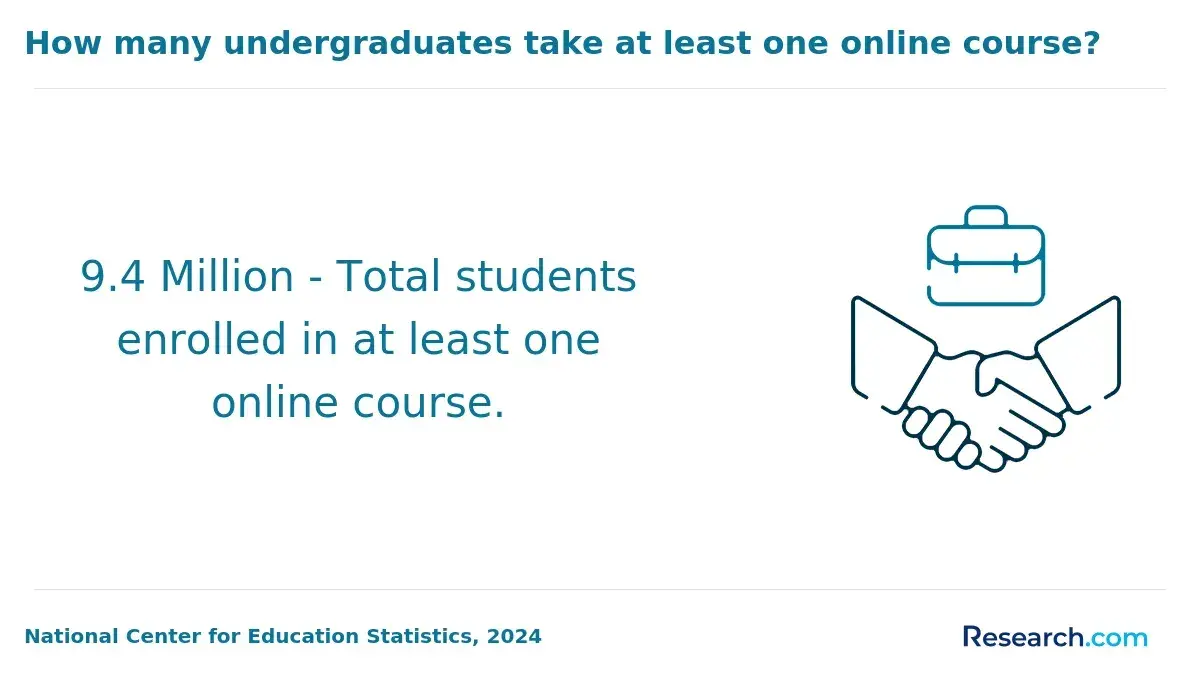
Tuition for online MSN programs varies widely, typically between $30,000 and $70,000, influenced by institutional reputation, program structure, and clinical requirements. State schools often provide substantial discounts for residents, reducing costs by up to 50%, whereas private universities generally charge premium rates, signaling broader access to resources and alumni networks. Beyond tuition, candidates must budget for clinical placement fees, technology, and licensure preparation expenses.
Financing these programs carries notable tradeoffs. While loans or employer tuition reimbursement can ease initial expenses, they may increase long-term debt if post-degree salary advancements do not sufficiently offset repayments. For example, clinical nursing roles often see 15-35% salary increases several years after graduation, but niche specialties experience wider variability.
Data from OnlineU reveals that graduates from the University of San Francisco's RN-to-MSN pathway achieve median earnings near $158,515 four years post-completion, illustrating how higher costs may correlate with accelerated wage growth in leadership or advanced practice roles. Conversely, programs with lower tuition frequently align with community-focused roles often accompanied by slower salary progression.
Part-time or asynchronous study options mitigate income disruption by enabling continued employment but extend program duration, increasing total tuition paid and delaying financial returns. Strategically leveraging employer tuition assistance and precise scheduling can optimize net financial outcomes for working professionals pursuing online MSN degrees.
What Courses Are in an MSN Curriculum?
The practical value of an MSN curriculum lies in its dual emphasis on advanced clinical proficiency and leadership within complex healthcare systems. Graduates are expected to deliver specialized patient care while navigating operational challenges that frontline managers face. Core coursework, including Advanced Health Assessment, Pharmacology, and Pathophysiology, equips nurses for roles demanding precise clinical judgment across diverse medical environments.
Leadership and evidence-based practice training address real-world demands to streamline team coordination and apply research findings to improve patient outcomes. Healthcare Policy and Ethics courses prepare students for compliance and decision-making in institutions balancing strict regulatory frameworks with evolving ethical standards.
Specialization tracks such as nurse practitioner or nurse anesthetist add clinical practicum requirements that significantly influence program accessibility, particularly for online students. These require local healthcare affiliations for hands-on training, representing a logistical barrier that must be mitigated for successful completion.
Balancing rigorous theoretical knowledge with extensive clinical hours affects how students and employers assess program sufficiency. For example, the University of Texas at Arlington's online MSN, with nearly 1,000 recent graduates as reported by OnlineU, demonstrates high scalability but also sets expectations for standardized competency at scale.
Prospective candidates need to evaluate how course demands and practicum logistics align with job market certification requirements and long-term role expectations. Misalignment can lead to costly credentialing gaps or underpreparedness for specialized clinical settings.
Which Nursing Careers Use an MSN Degree?
Employers in nursing demand an MSN credential for advanced clinical roles that carry significant responsibility and licensure requirements, such as nurse practitioners, certified nurse midwives, and nurse anesthetists. These positions typically serve primary care, pediatrics, women's health, or acute care, where independent patient management hinges on an accredited MSN. Nurse educators must pair clinical expertise with instructional skills.
Nurse administrators with an MSN fill critical managerial roles, balancing healthcare delivery quality with regulatory compliance and fiscal oversight. For example, hospitals prioritizing improved patient outcomes alongside budget constraints seek leaders possessing combined clinical and administrative mastery at the master's level.
Clinical nurse specialists apply their MSN training to enforce evidence-based protocols in focused settings like oncology or critical care, meeting employer demands for measurable clinical improvements. Meanwhile, nurse informaticists must integrate health IT systems and data analytics, roles shaped by an MSN's technical and healthcare blend.
Online MSN pricing varies notably; Xavier University's $739 per credit rate totals $26,604, illustrating how per-credit costs cumulatively impact program affordability for working nurses. Students should verify that their licensing bodies explicitly require an MSN, as this directly affects eligibility and long-term employability.
- MSN roles align with advanced practice, education, administration, clinical specialization, and informatics demands.
- Specific employer expectations often necessitate MSN accreditation for independent practice or leadership.
- Cost considerations must balance tuition with realistic market gains tied to MSN credentials.
What Salaries Do MSN Graduates Earn?
Salary expectations for MSN graduates vary significantly by role and region, influencing return on investment calculations. Nurse anesthetists, practitioners, and midwives with MSN credentials often exceed $120,000 annually, while those pursuing education or administration roles tend toward $85,000-$95,000. This differential creates a strategic consideration when choosing programs and specializations aligned with employment markets supporting higher salaries.
A critical cost factor is tuition disparity, exemplified by West Virginia University's online MSN program charging $1,668 per out-of-state credit compared to $596 in-state. This adds up to roughly $50,000 more for out-of-state students, potentially undermining net financial benefit unless post-graduation salaries consistently surpass six figures.
Practical clinical experience and certifications tied to high-demand specializations accelerate salary growth and employment competitiveness. For example, those targeting nurse practitioner or anesthesia careers justify investment in extensive clinical training found in costlier programs. Conversely, candidates focused on nursing education or leadership should weigh regional salary scales and job availability that may limit returns relative to tuition outlays.
Additional considerations include licensure exam pass rates, program length affecting opportunity cost, and the possibility of lost income during study. Budgeting for out-of-pocket expenses is essential to avoid unexpected financial strain. These factors collectively inform a nuanced decision-making process balancing program costs against realistic career outcomes.
How Do You Choose the Best Online MSN Program?
Choosing an online MSN program involves balancing tuition cost, curriculum depth, and employer recognition-factors directly affecting career mobility and financial return. The NCES data shows an average graduate tuition of $20,513, indicating that many online options reduce the financial barrier compared to traditional programs. However, focusing solely on price risks missing accreditation and industry alignment, two elements heavily weighted by hiring managers.
Flexibility often dictates program suitability for working nurses managing clinical hours and family demands. Asynchronous courses paired with local clinical placements typically offer better practical training without the burden of on-campus attendance, which can introduce hidden costs like travel and schedule disruption.
Specialization within the curriculum should be matched to specific career goals:
- Advanced pharmacology and diagnostics benefit nurse practitioners targeting primary care roles.
- Health systems management courses align with leadership track aspirations.
Such targeted study can translate into up to 15% higher salaries within two years post-graduation. Employment outcomes hinge on institutional networks. For instance, a nurse pursuing acute care administration in urban hospitals should prioritize programs linked to local health systems with established job pathways, minimizing job search time.
Lastly, total cost considerations must extend beyond tuition to fees, textbooks, and technology expenses to avoid unplanned financial strain and promote sound budgeting.
Other Things You Should Know About MSN
Balancing full-time work with an online MSN program depends heavily on the program's structure and your personal time management. Most online MSN programs require significant clinical hours and rigorous coursework, which can conflict with a full work schedule. Prioritize programs offering flexible deadlines and asynchronous classes if maintaining full employment is essential. Realistically, expect to reduce work hours or negotiate flexible shifts to accommodate clinical requirements and intensive study periods.
Many employers increasingly accept online MSN degrees from accredited institutions without bias, but perceptions vary by region and specialty. Programs affiliated with well-known universities or with rigorous clinical partnerships face less skepticism. If your goal involves competitive roles or leadership positions, graduating from programs with strong reputations and in-person clinical components reduces hiring doubts. Carefully research employer preferences in your target job market before committing.
Yes. Most online MSN programs require an unencumbered, active registered nurse license before admission, plus graduation from an accredited BSN program. Many also ask for a minimum GPA, often 3.0, and an official background check before clinical placement.
Online MSN students in 2027 can apply for federal student aid, scholarships specific to nursing, and grants from professional nursing organizations. Some schools offer tuition discounts for online learners. Check eligibility criteria and application deadlines to maximize financial assistance opportunities.
References
- How Do Online BSN Degree Programs Work? https://www.allnursingschools.com/msn/online-or-on-campus/
- Salary Expectations for MSN Graduates: What to Expect? https://amazingworkplaces.co/salary-expectations-for-msn-graduates-what-to-expect/
- The 10 Best Online MSN Programs Ranked https://betternurse.org/msn-degree-programs/
- Online MSN Program https://www.chamberlain.edu/academics/nursing-school/master-of-science-in-nursing
- How Does an Online MSN Compare to a Traditional On-Campus MSN Program? https://www.bestmasterofscienceinnursing.com/faq/online-msn-compare-traditional-oncampus-msn-program/
- Online MSN - Master of Science in Nursing | Galen College of Nursing https://galencollege.edu/nursing-programs/online-msn
- Where Could a Master of Science in Nursing (MSN) Take You? https://blog.methodistcollege.edu/where-could-a-master-of-science-in-nursing-msn-take-you
- Best Online Nursing School Master's Programs for 2025 https://www.princetonreview.com/nursing-school-rankings
- 50 Cheapest RN to MSN Online Programs | Starting at $19,000 https://www.rntomsn.org/programs/cheapest-online-rn-to-msn-programs/
- Available MSN Jobs with a Master of Science in Nursing | Neumann https://learn.neumann.edu/neuperspectives/msn-jobs-with-a-master-of-science-in-nursing