2027 Best MSN Careers for Nurses Who Want Less Physical Strain

Co-Founder and Chief Data Scientist
Registered nurses frequently confront the physical exhaustion and musculoskeletal strain tied to demanding shifts and patient handling. For nurses seeking MSN careers that limit such physical toll, choices must align with roles that emphasize clinical expertise or leadership without continuous direct patient contact.
Recent data from the National Center for Education Statistics shows a 15% increase in MSN program enrollments by adult learners over the past two years, reflecting growing demand for flexible programs accommodating working professionals aiming to reduce physical burden while advancing their qualifications. This article identifies MSN career paths with lower physical demands and actionable strategies for evaluation and selection.
Key Things You Should Know
- MSN careers emphasizing telehealth nursing grew 45% in demand in 2025, yet entry requires advanced informatics skills, limiting faster pivot opportunities for generalist RNs.
- Facilities increasingly prefer nurse educators with MSN credentials focused on online curriculum design, reflecting a 37% workforce shift towards remote academic roles but reducing clinical practice time.
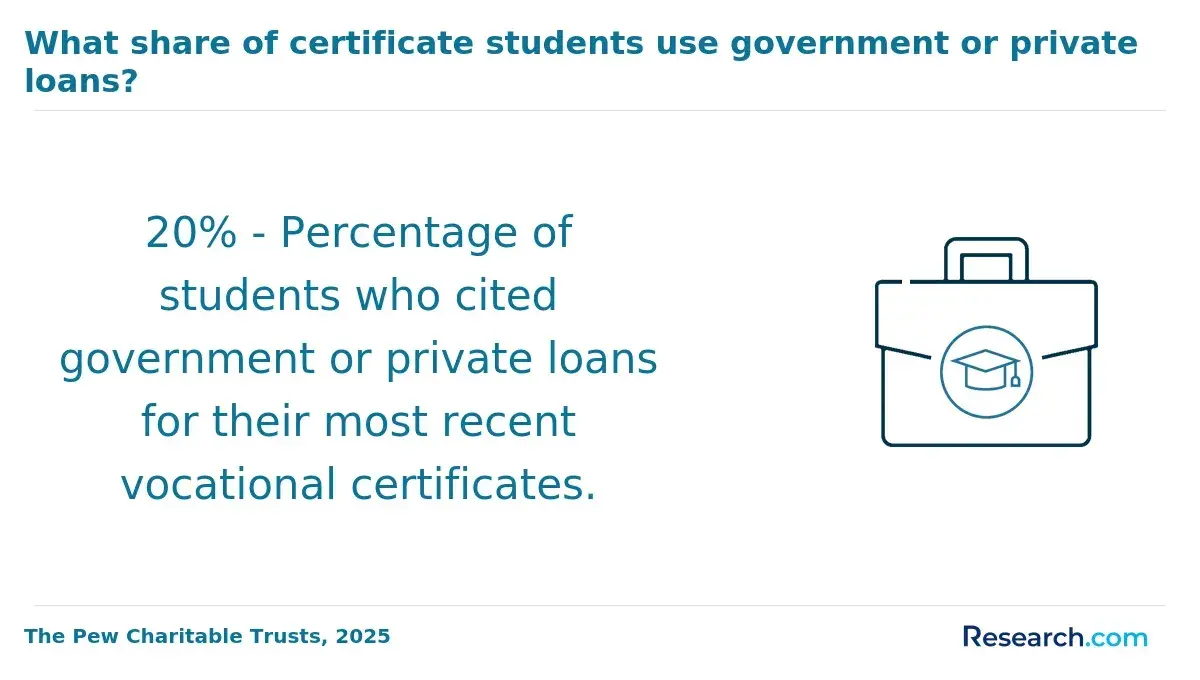
- MSN programs averaging 24 months and $45,000 tuition pose a financial and timing barrier; employer tuition assistance often excludes non-traditional part-time paths, pressuring candidates to weigh debt against long-term physical strain reduction.
What are the best MSN career paths for nurses seeking less physical strain?
Nurses seeking MSN career options for nurses with reduced physical demands often find roles in education, administration, informatics, and case management to be the most sustainable alternatives to bedside care. Such positions-like nurse educators, clinical nurse specialists, nurse informaticists, and nurse administrators-minimize intense physical labor without sacrificing clinical insight.
For example, nurse educators in post-secondary settings primarily engage in designing curricula, mentoring, and research, involving mostly sedentary work that can help mitigate musculoskeletal strain. The average salary for nurse educators in universities is around $86,530 per year, reflecting viable compensation in these less physically demanding paths.
Choosing the right program requires nurses to weigh the importance of leadership and research skills against the need for hands-on clinical hours, as some non-clinical MSN nursing roles for less physical strain emphasize certifications beyond an MSN, such as Nurse Executive (NE-BC) or Clinical Informatics (RN-BC). Employers increasingly demand expertise in data management, policy development, and technology integration alongside clinical backgrounds.
These career pivots often come with tradeoffs, including reduced direct patient contact that may lead to skill dilution, and work schedules that shift towards asynchronous or off-shift hours. Prospective students should consider regional demand and pursue relevant internships or mentorships. Those looking to prepare effectively can start by exploring specialized ASN online programs to establish foundational nursing credentials with reduced physical strain before advancing.
How does an MSN degree reduce bedside demands and physical workload for nurses?
An MSN degree repositions nurses from physically taxing bedside work toward roles centered on leadership, informatics, education, and administration, substantially reducing repetitive physical strain. For instance, nurses focused on informatics optimize healthcare data systems and provide technical training, minimizing exposure to musculoskeletal risks common in direct patient care.
This strategic pivot aligns with evolving employer priorities that increasingly seek clinical workflow oversight and technology integration rather than manual labor. The practical impact of an MSN degree on nursing workload reduction extends beyond injury prevention; it reflects in workforce demands and compensation. Informatics nurses earn an average of $98,409 annually in the U.S.
However, this shift entails tradeoffs, including heightened cognitive load, administrative responsibilities, and liability, which can extend work hours despite decreased physical exertion. MSN career options with reduced physical demands often involve competencies in policy development, virtual clinical instruction, or quality improvement initiatives, tasks frequently based in office or remote settings.
For example, a nurse educator may design simulation labs, engaging intellectually without the physical burdens of bedside care. Prospective students should recognize that certification often supplements an MSN degree to validate specialized expertise. Aligning focus areas with personal career goals and labor market needs is essential for leveraging the degree's dual benefits of reduced physical workload and sustained employability.
Those exploring flexible options may consult resources for nursing online programs to find pathways that accommodate these requirements.
Which MSN roles offer the lowest physical strain while still using clinical expertise?
MSN nurse practitioner roles with low physical demands often shift the focus from bedside strain to clinical expertise applied through technology, education, or remote assessment. For example, telehealth nursing minimizes physical workload by enabling RNs to conduct patient evaluations and coordination virtually, with salaries averaging $95,000 to $102,000. This model suits professionals prioritizing less physical exertion without sacrificing the clinical impact of patient care.
Similarly, MSN clinical nurse specialist jobs requiring less physical strain include nurse informatics positions. These roles emphasize managing electronic health records, data analytics, and system optimization rather than direct patient handling, allowing nurses to influence care outcomes through technology integration within hospital IT or healthcare firms.
Nurse educators with an MSN primarily engage in curriculum development and clinical instruction, demanding limited physical activity compared to bedside roles. Teaching in academic or clinical settings, coupled with possible certifications like the Certified Nurse Educator credential, prepares future nurses while avoiding physical strain.
Planning for these paths involves grappling with tradeoffs: telehealth nurses must adapt to multi-state regulatory variability and virtual communication challenges, while informatics specialists require ongoing technical skill development. Those weighing efficient educational options might explore the shortest RN to BSN program as a step toward MSN preparation.
What education and licensing are required to move from bedside nursing into MSN roles?
Shifting from bedside nursing to MSN roles entails more than earning an advanced degree; it demands strategic assessment of how licensing and certification needed for MSN nursing roles align with both professional goals and practical constraints. Direct clinical positions such as nurse practitioners require national certification and state licensure, imposing regulatory complexity and ongoing credential maintenance.
Administrative tracks, by contrast, prioritize leadership credentials over clinical licenses but expect demonstrable business acumen and management expertise, which might involve additional certifications outside nursing. The MSN nursing education requirements for career advancement typically include a master's degree accredited by the Commission on Collegiate Nursing Education or the Accreditation Commission for Education in Nursing, often built on a BSN foundation or equivalent.
Some accelerated paths ease entry for ADN-prepared nurses, especially through flexible, hybrid a BSN programs like hybrid aBSN programs, which accommodate working professionals balancing clinical hours and coursework. Program duration and practicum demands vary significantly based on specialization and role, necessitating careful consideration of full-time versus part-time tracks.
Job market realities illustrate the tradeoffs: nurse managers enjoy median wages around $117,960 annually, substantially higher than bedside RNs, but bear responsibilities requiring leadership and strategic oversight. Meanwhile, clinical MSN roles require a sustained commitment to advanced clinical practice and licensure renewal, affecting career flexibility and employability across settings.
Navigating these pathways pragmatically requires weighing licensure burdens, employer expectations, and the balance between clinical versus administrative skillsets.
How do online MSN programs compare with campus options for nurses wanting career change?
Choosing between online and campus MSN programs requires weighing clear operational tradeoffs related to scheduling, clinical access, and employer recognition. Online formats excel in flexibility, allowing nurses-such as one in a rural hospital aiming to become a nurse consultant earning around $98,278 annually-to complete coursework asynchronously while maintaining a work schedule. This avoids the financial and logistical burdens of commuting or relocating.
Campus programs offer structured mentorship and hands-on clinical networking that can accelerate skill development essential in specialized nonclinical roles. However, hybrid models are narrowing this gap by integrating local clinical placements into online curricula. Successful navigation of online programs demands disciplined time management due to reduced immediate peer and instructor contact, increasing the risk of delays.
Employers filling less physically demanding roles prioritize certification and practical expertise over degree delivery method. Graduates from accredited online MSN programs that meet clinical hour requirements face no systemic hiring disadvantage, aligning with data from the National Council of State Boards of Nursing. Key considerations for prospective students include:
- Verification of online program accreditation and clinical support to avoid licensure or employment delays
- Personal capacity for self-motivation and time management
- Regional access to clinical sites that complement online coursework

What specialization tracks in MSN programs align with less physically demanding nursing careers?
Specialization tracks within MSN programs that minimize physical demands primarily orient professionals toward leadership, education, administration, informatics, and research domains. These roles shift away from bedside nursing, focusing instead on intellectual, organizational, and technological responsibilities.
For instance, nurse educators concentrate on curriculum development, lecturing, and evaluating students rather than patient care, directly reducing physical strain while demanding pedagogical expertise. Similarly, nurse informaticists and administrators operate largely within healthcare systems or office environments, managing electronic health records, policy implementation, and staff oversight.
These positions require proficiency in technology and strategic communication but typically exclude hands-on clinical tasks, offering a pragmatic balance for practitioners seeking to limit physical workload. From a labor market standpoint, nursing instructors at the postsecondary level have a median annual salary near $79,940, according to Bureau of Labor Statistics data.
This figure reflects steady demand for academically oriented nursing roles that prioritize cognitive and organizational skills over physical effort. Yet, transitioning to these tracks often entails meeting additional certification standards or pursuing doctoral qualifications, making the pathway more demanding academically but less physically taxing.
Career seekers must weigh the tradeoff between reduced physical exertion and the need for advanced credentials and administrative acumen. Navigating this shift effectively requires deliberate planning to acquire relevant experience and meet position prerequisites. Ultimately, nurse educator, administrator, informaticist, and research roles represent viable strategic pivots for MSN graduates aiming to sustain professional growth with diminished physical demands.
What are the typical MSN curriculum and practicum requirements for non-bedside nursing roles?
Non-bedside MSN pathways emphasize leadership, healthcare policy, informatics, and advanced nursing theory over direct clinical care, reflecting the distinct expectations of administrative and population health roles. The standard curriculum demands 30 to 45 credit hours, including courses such as healthcare organizational management, epidemiology, healthcare finance, and quality improvement methodologies.
These foundational areas equip nurses to transition into roles where hands-on patient care is limited or absent, replacing bedside tasks with systemic health problem analysis and regulatory navigation. Practicum requirements typically involve 500 to 600 clinical hours, performed outside hospital settings-in environments like community health agencies, corporate wellness, or government health programs.
For instance, nurses pursuing occupational health specialties often complete projects on workplace injury prevention and federal compliance, aligning with the duties of medical and health services managers. Such placements predominantly focus on program development and policy implementation instead of patient procedures.
This approach responds directly to employer demands for professionals who can lead multidisciplinary teams and manage complex organizational structures within healthcare systems. Graduates gain critical skills that lower physical strain and position them in a sector growing at 9% through 2034, per U.S. Labor Department projections. Balancing practicum logistics with full-time employment remains a key challenge, as daytime clinical hours can extend the timeline to completion.
Effective navigation requires rigorous time management and communication, underscoring the real-world tradeoffs prospective MSN students face when prioritizing leadership development over bedside clinical expertise.
How much do low-strain MSN nursing careers pay, and what affects salary levels?
Low-strain MSN nursing roles typically yield salaries between $70,000 and $90,000 annually, influenced by specialization, region, and employer types. Public health nursing, with an average salary of $78,437 according to 2025 ZipRecruiter data, illustrates a niche where physical demands are reduced and schedules more predictable compared to hospital bedside care.
Salary variations hinge on several practical factors:
- Geographic region: Higher living costs in states like California or New York correspond to increased wages, whereas rural areas often pay less.
- Employer setting: Government and non-profit roles offer stability but generally lower pay than private healthcare or consulting positions.
- Experience and certifications: Advanced credentials in fields like epidemiology or healthcare administration justify higher salaries.
- Job scope: Policy development or leadership duties in community health typically command more pay than direct client-support jobs.
For instance, nurses moving from bedside care to community health coordinator roles often face trade-offs: reduced physical strain and overtime but a salary aligned to less direct patient interaction. Employers expect skill sets in data analysis and program management, reflecting the complexity of these roles.
This pragmatic view helps align educational choices with realistic financial and lifestyle expectations, making the transition within MSN careers a strategic decision rather than an abstract goal.
What is the job outlook for less physically demanding MSN-level nursing careers?
Non-bedside roles for nurses with an MSN reduce physical strain but introduce distinct workforce challenges that prospective students must consider. Jobs like medical writing, health coaching, and medical device sales require different skill sets that blend clinical expertise with communication or sales acumen. For instance, transitioning into medical writing demands mastering how to make complex medical language accessible.
Financially, these roles can outperform traditional bedside nursing: nurse medical writers earn an average $81,001 annually, while medical device sales nurses average $103,662. However, the shift away from patient care means facing performance indicators like meeting sales quotas or content deadlines instead of hourly clinical tasks.
Employers look for MSN-prepared nurses who bring clinical knowledge alongside strong interpersonal, technical, or educational skills. Facility-centered roles prioritize hands-on patient care, whereas alternative careers emphasize writing, presentation, or regulatory competencies. Navigating this shift requires practical experience in areas such as informatics, health education, or regulatory affairs to bridge clinical expertise with corporate or educational sectors.
Those weighing these career pivots should assess how reduced physical burden contrasts with increased mental and deadline-driven demands and select educational routes aligned with market realities rather than defaulting to traditional clinical tracks.
How can nurses evaluate and choose an accredited MSN program for lower-strain roles?
Choosing an MSN program without verified accreditation from recognized bodies like the Commission on Collegiate Nursing Education (CCNE) or the Accreditation Commission for Education in Nursing (ACEN) risks non-recognition by employers and nursing boards, effectively closing doors to advanced licensure and roles with reduced physical demands. This baseline criterion directly impacts a nurse's ability to pivot into lower-strain positions such as nurse informatics or nurse educator.
Beyond accreditation, program content must align with career goals focused on minimizing physical workload. For instance, nurses targeting health informatics roles benefit from programs emphasizing data analytics and health policy rather than heavy clinical hours. Such curricular focus can significantly reduce the physical strain typically associated with bedside care.
Flexibility in delivery-part-time, online, or hybrid formats-further mitigates physical and scheduling challenges for working nurses. It's essential to rigorously inquire about clinical hour requirements and clinical placement settings since on-site rotations often involve prolonged standing or high-mobility environments.
Financially, advanced practice nurses earn a median annual salary near $132,050, approximately 41% higher than registered nurses' $93,600, making the return on investment contingent on program quality and employer connections. Schools integrated with healthcare systems or technology firms enhance access to less physically demanding roles, shortening job search times and reducing transition effort.
- Verify accreditation rigorously to ensure licensure recognition
- Seek programs prioritizing leadership, informatics, or education to reduce physical clinical hours
- Choose flexible delivery formats to accommodate current work and reduce physical strain
- Assess clinical hour demands and placement settings carefully
- Consider employer networks that facilitate non-clinical role entry with better compensation
Other Things You Should Know About MSN
Pursuing an MSN can improve work-life balance by shifting nurses away from physically demanding bedside roles into advanced practice or administrative positions. However, these roles often come with increased responsibility, longer hours, and additional stress from decision-making and management duties. Nurses should prioritize programs and roles that clearly align with their desired lifestyle, acknowledging that less physical strain does not guarantee less emotional or cognitive workload.
The choice of MSN specialization significantly affects career flexibility and job stability. Specializations like nurse education or informatics typically offer more stable, predictable hours with less physical demand, while advanced clinical roles may involve variable shifts and some patient contact. Candidates should weigh current strain reduction goals against future job market trends and employer expectations, favoring fields with broad applicability and growing demand to avoid future career bottlenecks.
In 2027, some of the best MSN careers for nurses who want less physical strain are Nurse Educator, Healthcare Administrator, and Nurse Informaticist. These roles focus more on knowledge application and management rather than direct patient care, offering a more comfortable work environment and reduced physical demands.
Many nonclinical MSN roles require national board certification, such as ANCC or AANP for nurse practitioners, plus an active RN license and state APRN licensure. Nurse educators and administrators usually need a completed MSN; some employers also require a DEA number for prescribing authority.
References
- Direct-Entry Master’s in Nursing (MSN) Programs https://nursinglicensemap.com/nursing-degrees/masters-in-nursing/direct-entry-programs/
- Where Could a Master of Science in Nursing (MSN) Take You? https://blog.methodistcollege.edu/where-could-a-master-of-science-in-nursing-msn-take-you
- 12 Low-Stress Medical Jobs (Entry Levels & High Paying) https://ccitraining.edu/blog/low-stress-medical-jobs-happiest-careers-to-consider/
- Sign Up for the Journal of Nursing. https://www.asrn.org/journal-nursing/3377-highest-paying-msn-jobs-for-nurses.html
- The Least Stressful Nursing Jobs https://onlinedegrees.rockhurst.edu/blog/least-stressful-nursing-jobs
- Work-life balance | Careers Crossroads | RCN Careers Resources | Royal College of Nursing https://www.rcn.org.uk/Professional-Development/Your-career/Nurse/Career-Crossroads/Career-Ideas-and-Inspiration/work-life-balance
- 14 Great Non-Bedside Nursing Jobs https://credenzahealth.com/career-advice/13-great-non-bedside-nursing-jobs
- NueCareer: Discover Your Perfect Career https://nuecareer.com/blog/registered-nurse-salary-guide
- Guide to Master’s in Nursing Programs: What is an MSN, Why Get It & What Types of Master’s Degrees in Nursing Are There? https://nightingale.edu/blog/masters-in-nursing-programs.html
- Alternative jobs for nurses: 11 derivative nursing jobs in 2026 https://www.sermo.com/resources/nurse-alternative-careers/