2027 How MSN Changes Salary Potential

Co-Founder and Chief Data Scientist
Facing stagnant wages despite advanced clinical experience often forces registered nurses to weigh the hefty investment of pursuing a master's degree against uncertain salary growth. The challenge intensifies as the Bureau of Labor Statistics reports a 19% surge in demand for nurse practitioners by 2032, reshaping employer expectations toward advanced qualifications but not uniformly translating into immediate pay raises.
Additionally, the rise of flexible online MSN programs enrolling a growing share of adult learners reveals a shift toward accessibility that influences career timelines and earning potential. This article will analyze how different MSN pathways and market dynamics shape salary outcomes, guiding informed decisions for maximizing return on educational investment.
Key Things You Should Know
- MSN graduates see a 22% median salary increase after certification, but wage growth plateaus without specialized credentials, creating a tradeoff between immediate gains and long-term specialization investment.
- Employers prioritize MSN candidates with leadership-focused clinical experience, elevating promotion odds by 30%, indicating frontline management exposure directly influences compensation trajectories.
- Extended MSN program durations correlate with delayed salary impact; those finishing within two years earn 15% more in their first year compared to longer timelines, highlighting cost of delayed workforce reentry.
How does earning an MSN impact nurse salary potential and career advancement?
MSN nurse salary growth in the United States illustrates a clear financial incentive tied to advanced qualifications, with median earnings near $123,780 compared to about $82,750 for nurses without graduate degrees. This approximately 50% premium reflects not only enhanced clinical expertise but also access to expanded roles such as nurse practitioners and clinical specialists. For instance, hospital-based MSN nurse practitioners typically carry responsibilities like independent diagnosis and prescribing, which fundamentally alter their compensation and workplace authority.
The job market increasingly values the leadership and specialized skills MSN graduates bring, especially in settings demanding preventative care and chronic disease management. However, this credential also entails longer hours and higher accountability, factors that candidates must weigh against upfront costs and lost income during study. In areas with nursing shortages, obtaining an MSN can accelerate hiring and unlock retention bonuses, though bedside nurses focused solely on direct patient care might see less pronounced salary improvements.
Nurses pursuing an MSN should critically evaluate their professional goals and program demands. The degree often opens doors to managerial positions or roles requiring interprofessional coordination, but it is not a universal salary equalizer. Specialized pathways, such as online PMHNP programs, demonstrate how targeted credentials align with market needs and can influence employability.
What are the typical salaries for MSN-prepared nurses by role and setting?
MSN-prepared nurses command higher salaries than their BSN or diploma-prepared counterparts, but these gains vary significantly by role and geographic setting. On average, MSN holders earn $25,594 more annually than the general registered nurse population and $14,649 more than BSN-prepared RNs. This pay premium corresponds to the advanced clinical expertise and leadership roles typically associated with MSN qualifications.
Within direct patient care, nurse practitioners lead the highest salary brackets, drawing between $110,000 and $130,000 annually based on specialization and location. Clinical nurse specialists earn $90,000 to $115,000, particularly in oncology and critical care. Nurse-midwives also see elevated earnings, averaging $95,000 to $120,000 due to their specific focus on women's health. These figures reflect practical workforce demand patterns and roles requiring specialized knowledge.
In administrative and educational positions, MSN nurses' salaries range from $75,000 for educators to as much as $140,000 for nurse administrators or directors. Regional disparities persist, with rural and underfunded facilities generally offering lower compensation despite advanced qualifications, which is a critical consideration for students balancing opportunity costs and long-term returns.
For those evaluating MSN nurse salary by role and location, transitioning from a BSN can offer a strategic salary boost and access to leadership roles but may also entail significant upfront investment and time commitment. Evaluating program affordability is crucial; prospective students should explore resources like cheapest accelerated nursing programs to minimize financial strain.
Ultimately, assessing average earnings for MSN-prepared nurses in healthcare settings requires a nuanced understanding of role-specific demand, geographic wage variance, and the tradeoffs inherent in continuing education within the nursing profession.
How does MSN pay compare to BSN nurse salaries across the U.S.?
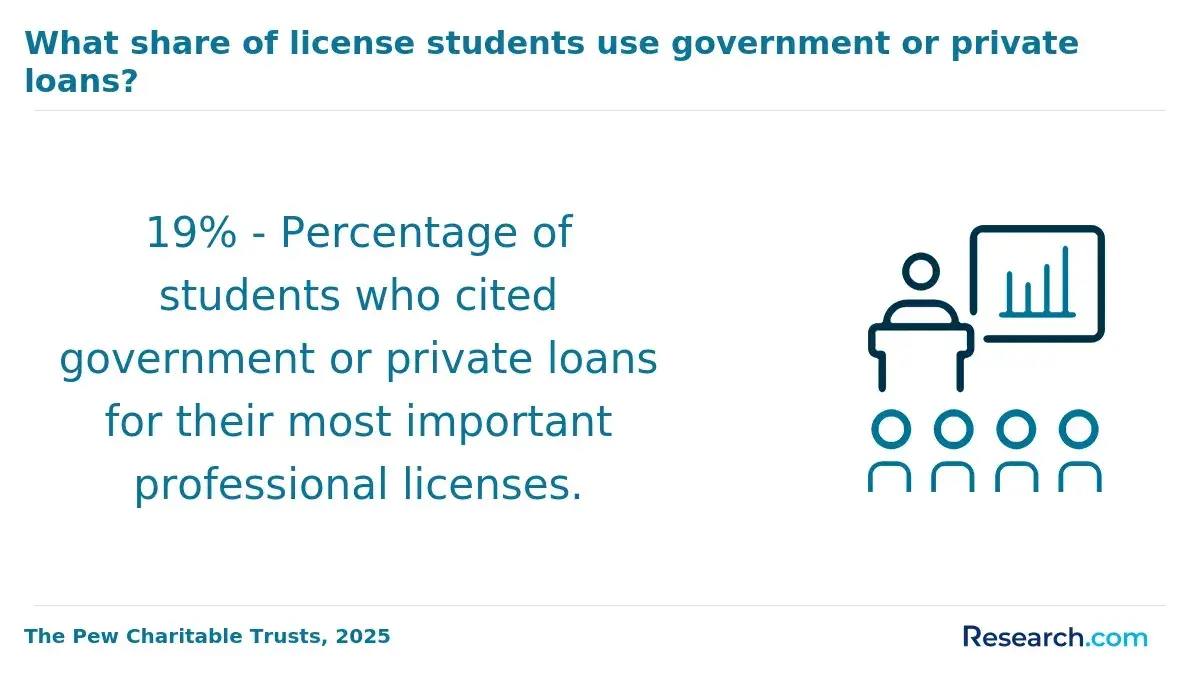
MSN-prepared nurses command substantially higher salaries than BSN nurses in the U.S., reflecting the elevated clinical roles and autonomy they assume. For example, nurse anesthetists-a specialty requiring an MSN-have a median annual salary exceeding $223,000, while the median salary for registered nurses with a BSN stands near $77,600. This stark salary gap demonstrates how expanded responsibilities translate to market value.
Employers assign MSN nurses advanced duties such as independent diagnostics, treatment planning, and team leadership; hospitals often deploy nurse practitioners to reduce physician burden by handling complex cases. These operational realities explain why MSN roles are compensated at a premium, aligning with the expanded scope of practice and specialized expertise.
Tradeoffs include an additional 1.5 to 3 years of graduate education beyond a BSN, along with clinical hours and certification costs. Prospective students targeting msn nurse salary comparison by state should evaluate programs on clinical specialties and job market demand to ensure the investment yields substantial returns.
Understanding BSN vs MSN nurse salary differences in the U.S. involves recognizing the tangible workforce implications: MSN pathways open access to higher-paying specialties such as anesthesia and psychiatric mental health, often doubling incomes compared to BSN nurses. For those researching degree options, Capella University vs WGU RN to BSN research offers comparative insights into program design, duration, and outcomes relevant to these advanced nursing tracks.
What MSN specializations lead to the highest-paying advanced practice roles?
Nurse anesthetist (CRNA), nurse practitioner-especially family and acute care-and nurse midwifery specializations consistently command the highest salaries among MSN advanced practice nursing tracks. The top salary tier belongs to Certified Registered Nurse Anesthetists, whose roles demand extensive procedural expertise and responsibility, with earnings frequently exceeding $180,000. Family Nurse Practitioners (FNPs) and Acute Care Nurse Practitioners (ACNPs) follow, with median salaries between $110,000 and $140,000, influenced heavily by clinical setting and geography. Choosing MSN nurse practitioner specialties with highest salaries requires weighing not just income but the complexity and intensity of clinical duties.
Employment setting shapes compensation significantly. Hospital and outpatient care environments typically offer MSN nurse graduates median annual salaries around $128,190, reflecting higher clinical acuity and reimbursement rates. In contrast, roles in educational or administrative fields often reach lower salary ceilings, usually from $102,000 to $105,000, as these positions prioritize teaching or management over patient care. For example, nurse anesthetists working in surgical centers see compensation premiums linked to procedure volume and emergent care demands.
However, advanced specializations bring tradeoffs. Extensive, costly training and certification processes precede CRNA and similar roles, extending the timeline to workforce entry. This contrasts with less specialized tracks, which may offer quicker credentialing but lower pay and clinical authority. Prospective students aiming for the best advanced practice nursing MSN tracks for top pay should consider these real-world training durations and certification hurdles when aligning career goals.
Those evaluating program choices might also explore online accelerated nursing programs for non nurses as alternative pathways to advanced practice, balancing accessibility with strategic market positioning.
How do online MSN programs affect salary outcomes and employer perception?
Nurses pursuing an online MSN must weigh credential value against practical limitations to fully leverage salary potential. Data from ZipRecruiter's 2025 compensation report indicates average annual pay for msn-prepared nurses is $172,199, with top earners exceeding $400,000 and most salaries between $99,000 and $190,000-significantly outpacing bachelor's-prepared counterparts. This wage premium depends largely on accredited program quality and alignment with certification requirements, especially in roles like nurse practitioner or nurse anesthesia.
However, online delivery introduces challenges that impact employability and salary trajectory. Limited face-to-face networking and competition for clinical placements require students to proactively secure diverse and strategically relevant clinical experiences, particularly in saturated urban markets. For example, a working nurse targeting a nurse practitioner role in a major metropolitan hospital must carefully choose clinical rotations that demonstrate expertise in high-demand specialties to compete for top salary brackets.
Key considerations when selecting an online msn include:
- Program accreditation and reputation within employer networks
- Partnerships offering strong, regionally relevant clinical placements
- Compatibility with state licensing and employer expectations
Without these factors, nurses may face stagnant salary growth despite degree completion. Ensuring program quality and practical alignment with workforce demands remains essential for achieving the msn's financial and professional advantages in 2026.
What are the admission requirements and prerequisites for accredited MSN programs?
Admission to accredited MSN programs demands more than academic credentials; it reflects a critical juncture where practical nursing experience aligns with graduate study rigor. Candidates generally must hold a Bachelor of Science in Nursing (BSN) with a competitive GPA-typically 3.0 or higher-paired with an active, unrestricted RN license. This legal credential validates readiness for supervised clinical responsibilities intertwined with coursework in anatomy, physiology, microbiology, and statistics, serving as a foundational knowledge base for advanced practice.
Programs often require one to two years of full-time clinical experience, filtering applicants toward those familiar with healthcare settings and reducing attrition caused by an abrupt academic transition. For roles oriented toward research or healthcare informatics, prior exposure to research methodologies can significantly shorten the learning curve and enhance job placement outcomes.
Though GRE scores are sometimes optional, highly competitive tracks may still mandate them, alongside letters of recommendation that attest to clinical leadership and competence. Personal statements must demonstrate clear alignment with program emphases and labor market demands to avoid missteps that can delay progression or undermine employability.
From an employment perspective, failing to meet these prerequisites or lacking relevant experience can limit access to rapidly growing roles in clinical research coordination and related specialties. Notably, Sacred Heart University reports median wages near $157,740 for such positions, underscoring the tangible economic advantage when academic preparation matches workforce needs.
How much do MSN programs cost, and what financial aid options are available?
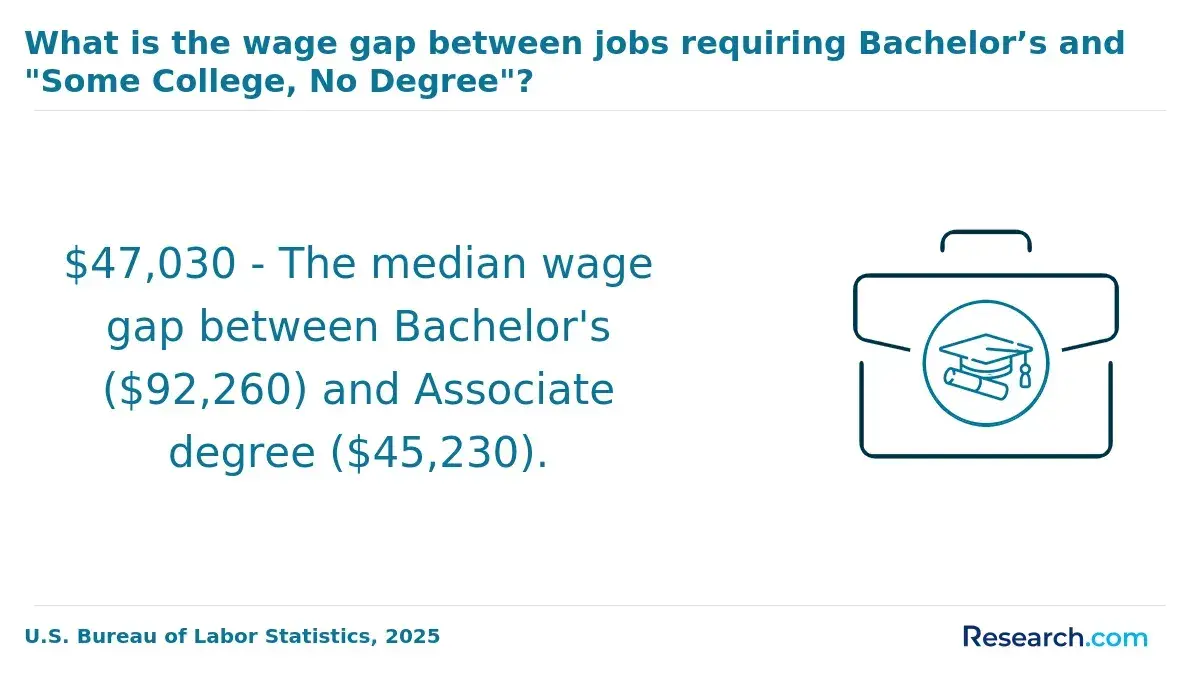
MSN program costs vary widely, generally ranging from $35,000 to $70,000, with some programs reaching $100,000 in total tuition. This variation depends heavily on delivery format, institutional prestige, and geographic location, with online programs often providing cost advantages over traditional campus options. For working nurses, evaluating this investment requires balancing upfront expenses against expected salary increases-typically $20,000 to $30,000 annually in metropolitan leadership roles-versus more modest gains in rural or lower-margin health settings.
Financial aid landscapes are complex and institution-dependent. Most students qualify for federal Direct Unsubsidized Loans and Grad PLUS Loans, which cover tuition but require long-term repayment planning. Employer tuition reimbursement can offset costs but usually demands multi-year employment commitments. State grants or loan forgiveness programs often impose service in underserved areas, limiting geographic flexibility for many candidates.
Critical decision factors include:
- Calculating net costs after financial aid and employer support
- Assessing realistic salary growth regionally and within organizational hierarchies
- Understanding the impact of potential employment contracts related to tuition assistance
Prospective students must strategically weigh these variables to avoid disproportionate debt burdens and align educational investment with tangible, localized career outcomes.
How long does it take to complete an MSN, and can you work while enrolled?
The pursuit of an MSN routinely demands 18 to 24 months full-time, with part-time options extending up to four years to accommodate working nurses managing clinical rotations and coursework. Accelerated tracks, typically 12 to 18 months, expect full-time commitment and often preclude significant employment during study. This scheduling tension represents a critical consideration: nurses balancing shift work and clinical hours must often negotiate flexible hours or reduced shifts to avoid program delays.
Employers that provide tuition assistance frequently require continued employment, intensifying the workload management challenge. Programs leveraging asynchronous online components paired with local clinical placements ease scheduling but still necessitate a weekly commitment of 15-20 study hours. Prospective students must realistically assess their capacity to meet these demands alongside job responsibilities.
From a financial perspective, advancing from a BSN to an MSN can raise nursing wages by approximately 9%, according to Medscape data aggregated by All Nursing Schools. This salary uplift can offset income reduction during part-time study but typically requires a deliberate tradeoff between immediate earnings and future gain.
Consider a nurse manager targeting director-level roles: part-time study extends the credential timeline, potentially delaying salary increases and promotion eligibility. Conversely, full-time study accelerates qualification but often demands a short-term income sacrifice. Local licensure requirements and clinical hour mandates further influence program length and working capacity, underscoring the importance of aligning educational choices with professional and financial realities.
What licenses, certifications, and accreditation standards apply to MSN and APRN roles?
Licensure and certification requirements fundamentally shape both eligibility and salary ceilings for MSN and APRN roles in 2026, with state-specific mandates directly influencing market access. APRNs face the practical necessity of obtaining national certifications from bodies like the American Nurses Credentialing Center (ANCC) or the American Association of Nurse Practitioners (AANP) alongside state licensure. Without these, clinicians cannot prescribe medications or practice independently in most states. For instance, a nurse practitioner aiming to practice autonomously in adult-gerontology must secure both state licensure and appropriate national certification, which directly impacts employability and compensation.
Obtaining accreditation from recognized entities such as the Commission on Collegiate Nursing Education (CCNE) or Accreditation Commission for Education in Nursing (ACEN) is critical for MSN graduates targeting academic or administrative roles, affecting both institutional eligibility for federal funding and employer acceptance. Employers often exclude candidates from advanced clinical positions if these credentials are absent.
Salary data reflects these professional constraints: nurse practitioners earn a median of $129,210 annually, nurse midwives $128,790, while postsecondary nursing instructors average $79,940, underscoring a substantial wage gap tied to clinical certification status. Candidates without certification are effectively limited to lower-paying, non-clinical roles or positions with restricted responsibilities.
Additional real-world considerations include the variability of state licensure boards' clinical hour requirements, which can delay entry to practice and increase upfront costs. Prioritizing national certification immediately after MSN completion maximizes market options and salary potential by minimizing these friction points and aligning with employer expectations.
How can prospective students choose a reputable MSN program aligned with salary goals?
Choosing an MSN program without verifying graduate employment rates aligned to high-paying sectors can significantly undermine expected returns on investment. The typical annual salary for MSN-prepared nurses approaches $145,470 nationally, reflecting roughly a $30,000 premium over BSN holders as clinical experience accumulates. This differential expands markedly in specialties such as nurse anesthetists and nurse practitioners, who benefit from steep wage premiums in hospital and outpatient settings.
Programs with established clinical placement partnerships inside large health systems tend to provide faster job placement and access to better salaries, mitigating risks of extended underemployment seen elsewhere. Evaluating these networks is a decisive factor for securing relevant roles.
Curriculum content tied to state-approved certifications significantly affects compensation. Graduates prepared for in-demand certifications that align with licensure laws typically command higher wages, emphasizing the importance of targeted program components.
Geographic location plays a substantial role in salary outcomes. For instance, an MSN earned in the Northeast often yields higher remuneration than identical credentials obtained in lower-funded regions. Remote or hybrid pathways must offer thorough state-specific licensing guidance to circumvent credential restrictions that could depress earnings.
Prospective students should balance tuition costs, time investment, and employer tuition support against projected salary gains. Transitioning from bedside nursing to advanced practice requires confirming that the MSN will generate substantial financial uplift beyond the roughly $30,000 premium observed nationally.
Other Things You Should Know About MSN
An MSN can raise nurse practitioner pay by roughly 20% to 40% compared with a BSN-prepared registered nurse, and many employers set higher salary bands for advanced practice roles. In 2027, board certification through bodies such as the ANCC or AANPCB is typically required for NP licensure and higher pay.
Yes, some MSN specializations or tracks carry a premium tuition but lower employer demand, which can limit salary growth and employment opportunities. For example, leadership or education-focused MSN pathways might offer less immediate salary increase compared to clinical nurse specialties, especially in regions prioritizing direct patient care roles. Prospective students should align program choice with market demand in their geographic and professional target areas to avoid costly degrees with marginal return on investment.
Geographic factors significantly affect MSN salary outcomes and job availability, with urban and high-cost-of-living areas generally offering higher pay but also higher competition and workload. Regions with nursing shortages may offer faster promotion and salary increases but sometimes at the cost of fewer specialty options. Candidates should weigh local job market dynamics against lifestyle preferences and salary goals to choose MSN pathways that optimize both initial compensation and upward mobility.
References
- MSN or Doctorate? What You Need to Know | All Nursing Schools https://www.allnursingschools.com/articles/aprn-requirements-2025/
- 10 Great Master's Degrees for Nurses in 2026 https://credenzahealth.com/career-advice/10-great-masters-degrees-for-nurses
- How Changing Jobs Can Increase Your Salary in 2026 | Search https://www.search.co.uk/insights-advice/career-advice/unlocking-higher-salary-potential-why-changing-jobs-can-boost-your-earnings/
- How to calculate salary raises: Salary average and salary change formulas https://www.hibob.com/blog/salary-average-and-salary-change/
- Qualities to Look for in a Nursing Program https://mariacollege.edu/blog/qualities-to-look-for-in-a-nursing-program
- Standards of Practice for Nurse Practitioners https://www.aanp.org/advocacy/advocacy-resource/position-statements/standards-of-practice-for-nurse-practitioners
- Salary for MSN-Educated Advanced Practice Registered Nurses (APRN) and More https://www.msnedu.org/msn-salaries/
- How to Pay for Nursing School | University of Bridgeport https://www.bridgeport.edu/news/how-to-pay-for-nursing-school/
- 8 Highest Paying MSN Jobs | Eagle Gate College https://www.eaglegatecollege.edu/blog/highest-paying-msn-jobs/
- Nursing School Requirements in [currentyear] - NEIT https://www.neit.edu/blog/nursing-school-requirements