2027 Which MSN Path Is Best for Remote Opportunities?

Co-Founder and Chief Data Scientist
Facing a rapidly evolving healthcare landscape, nurses aiming to transition into remote roles confront a tangle of decisions about which msn path offers true career mobility and flexibility. The National Center for Education Statistics recently reported that online graduate enrollments surged 15% between 2022 and 2024, signaling a shift toward accessible, flexible programs designed for working adults.
Yet, not all online or hybrid msn tracks equate to employer recognition or remote work readiness, complicating choices. This article breaks down core msn pathways by their practical alignment with remote opportunities, enabling nurses to make informed decisions based on program structure, accreditation, and workforce trends.
Key Things You Should Know
- Specialty-focused MSN paths like Nurse Informatics report 12% higher median remote salaries but require 1.5x longer certification times, constraining mid-career pivots despite increased pay, per 2025 BLS workforce projections.
- Employers increasingly prioritize MSN graduates with direct telehealth competencies; 68% of surveyed healthcare organizations in a 2024 HIMSS report prefer hybrid clinical-digital training, intensifying pressure to select programs with integrated tech modules.
- Regional licensing restrictions extend remote eligibility determination by 20% for MSN graduates lacking cross-state accreditation, raising hidden costs and delaying remote role entry compared to those completing nationally aligned programs, based on 2024 NCSBN data.
Which MSN specialties offer the strongest remote and telehealth career opportunities today?
Remote work feasibility in msn specialties is far from uniform; nurse informatics emerges as the most adaptable due to its emphasis on health IT management and digital systems. This specialty aligns with the broader sector trend where about 11% of U.S. workers held fully remote jobs by August 2025, with professional services reaching 25-26%, supporting strong employer demand for remote nurse informatics roles.
Primary care nurse practitioners (NPs) providing telehealth services highlight practical opportunities and barriers simultaneously. Their work-virtual consultations, chronic disease management, and medication adjustments-caters notably to rural and underserved areas. Yet, state-specific licensure requirements pose real hurdles, affecting where and how they can practice remotely. These challenges underscore the need for strategic navigation in states' scope-of-practice laws when considering remote roles within these specialties.
Psychiatric-mental health NPs are another msn specialty demonstrating rapid adoption in telehealth. Telepsychiatry addresses accessibility gaps but demands strong technology skills and communication adaptability to establish therapeutic rapport without in-person contact.
Conversely, specialties such as nurse midwifery or acute care remain tethered to hands-on interventions, restricting remote job availability. For those assessing msn specialties with the highest remote job availability, a combined focus on nurse informatics with clinical specialization often offers a more sustainable path in an evolving digital health environment.
Students should carefully weigh practical factors including employer expectations, licensure portability, and patient demographics. Exploring the most affordable MSN programs also helps balance financial investment against remote career trajectories.
How do online MSN programs compare with campus-based options for remote-focused nursing careers?
Online MSN programs for remote nursing careers prioritize flexibility but require deliberate planning to overcome limited face-to-face networking and clinical immersion compared to campus-based options. Employers increasingly value accredited online programs with established clinical partnerships, especially for roles in medical and health services management, a field projected to grow 28% from 2022 to 2032 according to the U.S. Bureau of Labor Statistics. This demand favors MSN graduates skilled in managing remote healthcare teams and digital platforms.
Campus-based MSN versus online programs for nursing telework presents a clear tradeoff: campus programs offer immersive faculty interaction, on-site simulations, and direct clinical supervision-advantages for executives requiring in-person leadership presence. However, their geographic rigidity and limited accommodations for full-time professionals may hinder nurses targeting virtual care coordination or telehealth management roles.
Effective online MSN programs integrate synchronous classes, facilitate robust alumni networks, and secure local clinical placements to address logistical challenges. For example, nurse leaders overseeing multi-state telehealth services gain from curricula emphasizing technology-driven care over traditional hospital-centric models. Choosing the right pathway requires matching program design to specific employer expectations and regional labor trends.
Prospective students interested in advancing beyond an MSN might explore additional educational options like PhD nursing programs online to deepen their specialty expertise and leadership potential within evolving healthcare environments.
What accreditation and state licensure requirements must remote MSN graduates meet to practice?
Graduates seeking to work remotely with an msn must prioritize obtaining degrees from programs accredited by nationally recognized agencies like the Commission on Collegiate Nursing Education (CCNE) or the Accreditation Commission for Education in Nursing (ACEN). Without this accreditation, state boards often reject transcripts, delaying or blocking licensure. State-specific rules are pivotal: licensure typically requires an active RN license in that state and sometimes passing jurisprudence or practical exams. This reflects how state licensure requirements impose real constraints on the portability and immediate usability of online nursing credentials.
Many states demand additional advanced practice registered nurse (APRN) licensure and certification for nurse practitioner roles, requiring credentialing from bodies such as the American Nurses Credentialing Center (ANCC). In states like California and New York, stringent scope-of-practice laws and mandates for collaborative agreements with physicians add layers of complexity. For example, an msn-prepared Family Nurse Practitioner (FNP) might face hurdles practicing across state lines due to these restrictions, limiting flexibility despite holding a national certification.
While the Nurse Licensure Compact (NLC) eases the burden for RN licensure across 39 states, it does not cover APRN licenses, meaning advanced practice nurses must navigate individual state approvals. This fragmentation affects both licensure logistics and employer verification, influencing career mobility for remote MSN graduates. These practical realities underscore the value of carefully selecting programs aligned with state accreditation standards for online msn nursing programs and anticipating jurisdictional variations.
The U.S. Bureau of Labor Statistics projects 40% job growth for nurse practitioners from 2022 to 2032, but successfully accessing these positions depends on navigating the state licensure maze. For those comparing educational pathways, resources like Capella university vs WGU RN to BSN illuminate differences that affect later credentialing and practice options.
Which MSN roles are most commonly remote, hybrid, or flexible in schedule and location?
Psychiatric mental health nurse practitioners (PMHNPs) lead MSN nursing positions offering flexible schedule opportunities, uniquely combining telehealth service delivery with an anticipated 40% job growth. Their workflow often blends remote patient consultations with essential onsite duties, reflecting evolving employer expectations for versatile telehealth competency in behavioral health settings. This dual demand illustrates a practical tradeoff: while PMHNP roles afford robust remote flexibility, inpatient or acute care MSN roles remain largely site-dependent, limiting remote or hybrid options.
Hybrid models predominate in nurse informatics and nurse educator roles, where on-site collaboration occurs alongside significant remote responsibilities such as data analysis, system optimization, and virtual instruction. Nurses in informatics must navigate clinical-IT intersections, often balancing irregular in-person tech team meetings with extended telework periods. Nurse educators similarly juggle between lab or clinical supervision onsite and remote curriculum development or student engagement, though contractual terms frequently constrain full remote access during hands-on sessions.
Prospective students targeting the most common MSN roles with remote and hybrid options should concentrate on programs emphasizing telehealth integration or technological fluency. Prioritizing these pathways aligns with workforce demands yet requires judgment on real-world role limitations. For those exploring alternatives, online DNP programs without clinicals may also offer structured flexibility, particularly for career pivots that tolerate broader remote education components.
What admission prerequisites do remote-friendly MSN programs typically require from applicants?
Remote-friendly MSN programs consistently require an active, unencumbered RN license verified by state boards to establish clinical eligibility. The majority of these programs also insist on a bachelor's degree in nursing (BSN) or a related field combined with an RN license, ensuring applicants meet baseline clinical and academic standards. Practical nursing experience-usually 1 to 2 years-is essential to prepare students for advanced coursework and meet employer expectations, particularly for telehealth and informatics positions.
Applicants lacking a BSN face significant hurdles, such as limited program access or mandatory bridge courses, which increase both time and financial burden. For example, a nurse aiming for remote leadership in digital health records must verify the MSN program's post-BSN admission policy to align with employer standards reflected by federal health IT workforce data. Informatics-oriented MSN graduates often pursue roles like health information technicians, who earned a median $50,250 in 2024, showing federal investment driving market demand.
Some accelerated or executive routes require employer verification or sponsorship, limiting flexibility for independent candidates. Prospective students must carefully evaluate whether clinical practicum placements are available locally or via employer partnerships, as these practical factors affect the feasibility of fully remote education. Accreditation and prerequisite fulfillment-especially in statistics, pathophysiology, or health assessment-carry weight in workforce acceptance across specialized MSN fields such as telehealth, nurse leadership, and clinical informatics.
How long do different remote-focused MSN pathways take, and what do they cost?
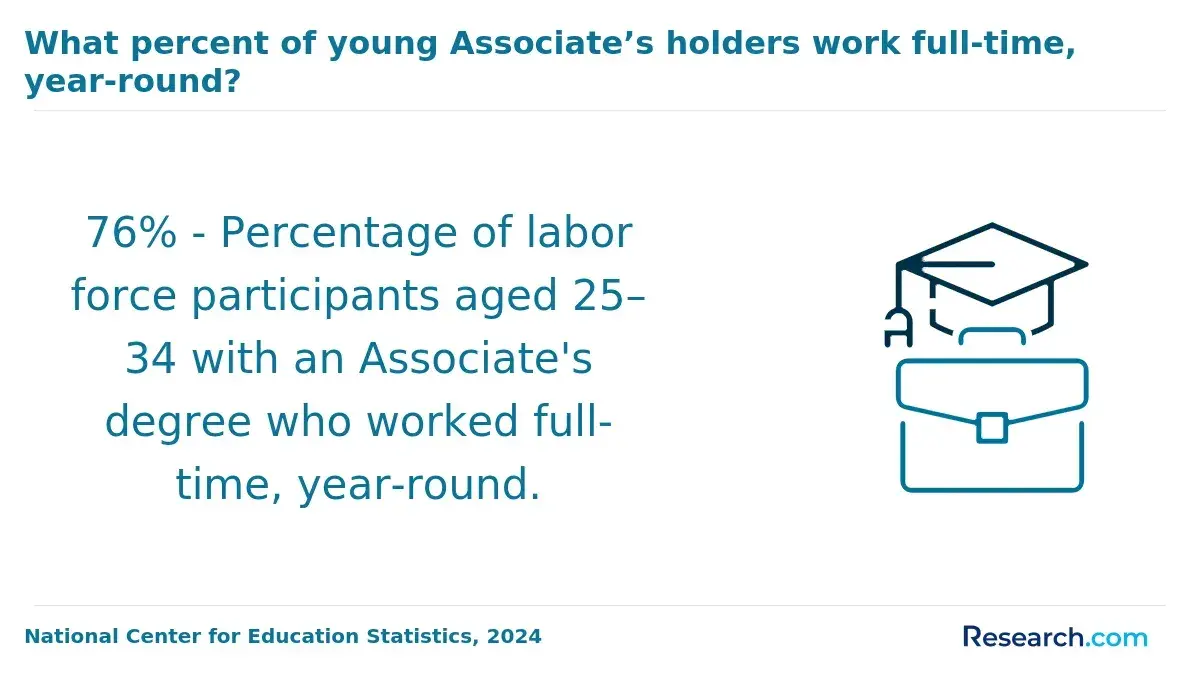
Choosing a remote MSN program requires weighing time investment against financial and career outcomes. Accelerated pathways for registered nurses with a BSN typically span 1.5 to 2 years full-time, appealing to those prioritizing swift reentry into advanced roles. Conversely, non-nursing degree holders face 3 to 4 years due to foundational course requirements, which delays income gains but builds essential clinical skills. Part-time or specialty tracks, such as nurse educator or nurse informatics, may extend up to 5 years, accommodating working professionals but potentially postponing salary increases.
Cost is a critical variable with programs at public universities ranging from $25,000 to $45,000, while private institutions can surpass $60,000. Online delivery reduces commuting and housing expenses but may add fees for technology and clinical labs. Nurse practitioner programs are often the priciest because of their extensive practicum components. Candidates should verify employer tuition assistance or loan forgiveness options since master's-prepared nurses in academic or leadership roles often command six-figure salaries, with job growth outpacing many other sectors.
Practical tradeoffs include balancing program intensity with work demands and verifying accreditation and licensure prerequisites to safeguard eligibility for remote positions. For example, a working registered nurse choosing a slower, part-time pathway may delay financial advancement but maintain steady income, whereas a career changer might favor accelerated tracks for faster market entry.
What core courses and clinical experiences prepare MSN students for remote nursing practice?
MSN programs preparing nurses for remote practice demand more than clinical proficiency; they require mastery of technology-driven care coordination and a deep understanding of regulatory complexity. Core coursework extends beyond advanced health assessment to emphasize telehealth communication, electronic health record management, and remote patient monitoring. These skills translate into practical challenges such as performing effective video-based clinical evaluations and synchronizing patient care across dispersed teams.
Clinical experiences typically utilize virtual simulations and telehealth practicum placements, which differ fundamentally from traditional hands-on rotations. Without these focused experiences, graduates risk being underprepared for the distinct demands of virtual care delivery in varied community or institutional settings.
Data analytics and population health competencies are increasingly central to remote nursing roles, with leadership positions requiring the ability to interpret health informatics for preventive strategies and chronic disease management. For example, nurse executives managing telehealth units must coordinate multi-site teams via digital platforms, blending clinical oversight with remote staff management. Consistent with findings on Rowan University's Rowan Blog, such leadership roles often command salaries over $100,000, reflecting the market premium on these combined skills.
Moreover, navigating telehealth's legal landscape-including patient privacy laws and interstate licensure-is critical. Programs aligned with telehealth providers offer candidates a crucial workforce advantage by embedding these regulatory frameworks within clinical practice, thus reducing liability and enhancing compliance readiness for virtual care environments.
What salaries and benefits can remote MSN nurses expect across major specialties?
Remote MSN nursing roles vary significantly in compensation and requirements based on specialization, with public health and population-focused paths offering broader remote flexibility and strong job growth. For example, medical and health services managers, often graduates of these tracks, face a projected employment increase of 28% from 2022 to 2032, with salaries typically ranging from $95,000 to $130,000 annually. Benefits in these positions frequently include telecommuting allowances and flexible schedules, aligning with the realities of managing healthcare remotely.
By contrast, clinical specialties such as family or psychiatric nurse practitioners earn between $110,000 and $120,000 working remotely, but access is more restricted to telehealth providers with established virtual care systems. Benefits focus more on continuing education and technology support rather than extensive remote work perks, emphasizing the need for ongoing clinical competency and licensing adherence.
Administration-oriented roles like nurse informatics or healthcare quality management offer salaries from $90,000 to $115,000 and emphasize data analytics skills, with employers commonly providing home office reimbursements and flexible hours.
Candidates should weigh tradeoffs: clinical MSN paths often require state-specific licenses limiting remote flexibility, while public health administration offers wider remote opportunities but demands stronger business acumen. When evaluating programs, prospective students must consider job placement rates and employer connections in telehealth and healthcare systems to realistically estimate their salary and benefits potential in remote nursing careers.
What is the job outlook for remote MSN roles in telehealth, informatics, and administration?
Growth in healthcare digitization is shifting demand toward remote MSN roles in telehealth, informatics, and administration, but this transition carries practical tradeoffs. Telehealth coordinators and nurse informatics specialists face projected employment growth rates exceeding 15%, outpacing traditional nursing. However, candidates must navigate the nuances of digital platform proficiency, privacy regulations, and often complex interstate licensing requirements before securing remote positions.
Online MSN programs without clinical components offer accelerated paths-sometimes under 14 months-allowing quicker entry into these roles. While this speed suits working nurses and career changers aiming for remote-compatible specialties, the lack of clinical exposure can limit broader bedside adaptability or leadership opportunities in non-remote settings.
Informatics roles demand applied technology skills and fluency with electronic health records, which requires prioritizing programs strong in data management training. Administrative nursing leadership increasingly values remote teamwork experience and strategic planning ability, reflecting the intricate coordination challenges of dispersed health teams.
Prospective remote MSN candidates should weigh geographic wage disparities and regulatory licensing variations that limit remote practice eligibility. Building network connections within specialized healthcare sectors and proving agility in fast-evolving digital environments are often decisive for job placement and advancement.
How can students choose a reputable remote MSN program and avoid low-quality options?
Program accreditation and employer recognition directly affect the value and applicability of a remote msn. Without regional accreditation or approval by bodies like CCNE or ACEN, credits often won't transfer, and employment opportunities shrink, reducing return on investment. For example, a nurse pursuing hospital leadership should weigh a clinical nurse leader program with strong job placement over less recognized options, despite possibly higher tuition.
Tuition costs vary widely, from $288 per credit at the University of Central Florida to $1,790 at Johns Hopkins University, reflecting a sixfold difference that rarely correlates with better outcomes. Prospective students must evaluate total cost alongside program length, clinical requirements, and support services rather than tuition alone.
Practical considerations include the availability of clinical placement support-especially crucial for working nurses-as programs embedded in healthcare networks ease placement logistics. Technology platforms also influence learning quality; robust virtual classrooms and digital clinical simulations are essential to meet the hands-on skill demands of nursing practice remotely.
Transfer policies, specialization options, alumni networks, and state board approvals are often overlooked factors. Since licensure for advanced practice can differ by state, nurses targeting multi-state employment or national roles must verify these elements to prevent barriers to practice.
Other Things You Should Know About MSN
A specialized MSN track usually offers more remote work opportunities, especially in fields like nursing informatics or leadership and management. These areas focus on skills more aligned with remote roles, unlike generalist tracks that are often more clinically oriented.
Most remote MSN practicum sites require documented HIPAA training before any patient-facing work begins. Many programs also require an affiliation agreement, background check, and proof of liability coverage, plus completion of site-specific orientation before clinical hours are approved.
MSN graduates seeking remote positions should be proficient in telehealth platforms, electronic health records (EHRs) software, and virtual collaboration tools such as Zoom for Healthcare. Staying updated on emerging healthcare technologies is also crucial to remain competitive in the remote job market in 2027.
Employers tend to favor MSN graduates with concentrations in leadership, administration, or informatics for remote supervisory positions due to the direct relevance of those skills to managing virtual teams and systems. An MSN without a clear focus in these areas may face more competition or require additional certifications to qualify. If your goal is a remote leadership career, prioritize programs that integrate practical management experiences and technology-centered coursework.
References
- Telehealth Nursing Careers and Education (Schools & Salary 2025) https://www.allnursingschools.com/specialties/telehealth-nurse/
- 10 Work-from-Home Nurse Practitioner Jobs https://credenzahealth.com/career-advice/10-work-from-home-nurse-practitioner-jobs
- Discover the Most Affordable RN to MSN Bridge Programs Online https://www.edumed.org/online-schools/nursing-rn-programs/rn-to-msn-bridge/most-affordable/
- Rowan - Rowanblog https://www.rowan.edu/rowanblog
- MSN Admissions Requirements - College of Nursing https://www.unthealth.edu/students/future-students/admissions/msn-admissions-requirements.html
- What Can You Do With an MSN Degree? | Check 11 Career Options https://nursinglicensemap.com/nursing-degrees/masters-in-nursing/what-can-you-do-with-msn/
- Professional Licensure Disclosure: Nursing https://www.baypath.edu/about/assessment-accreditation/professional-licensure-disclosure-nursing/
- The Complete Guide to MSN Programs: Online, Campus, and Hybrid https://www.onlinefnpprograms.com/guides/guide-to-msn-programs/
- Online MSN Program | WCU https://westcoastuniversity.edu/online-programs/msn
- Should You Get an Online MSN Degree? | Tiffin University https://go.tiffin.edu/blog/should-you-get-an-online-msn-degree/