2027 Can You Finish an MSN in 12 Months?

Co-Founder and Chief Data Scientist
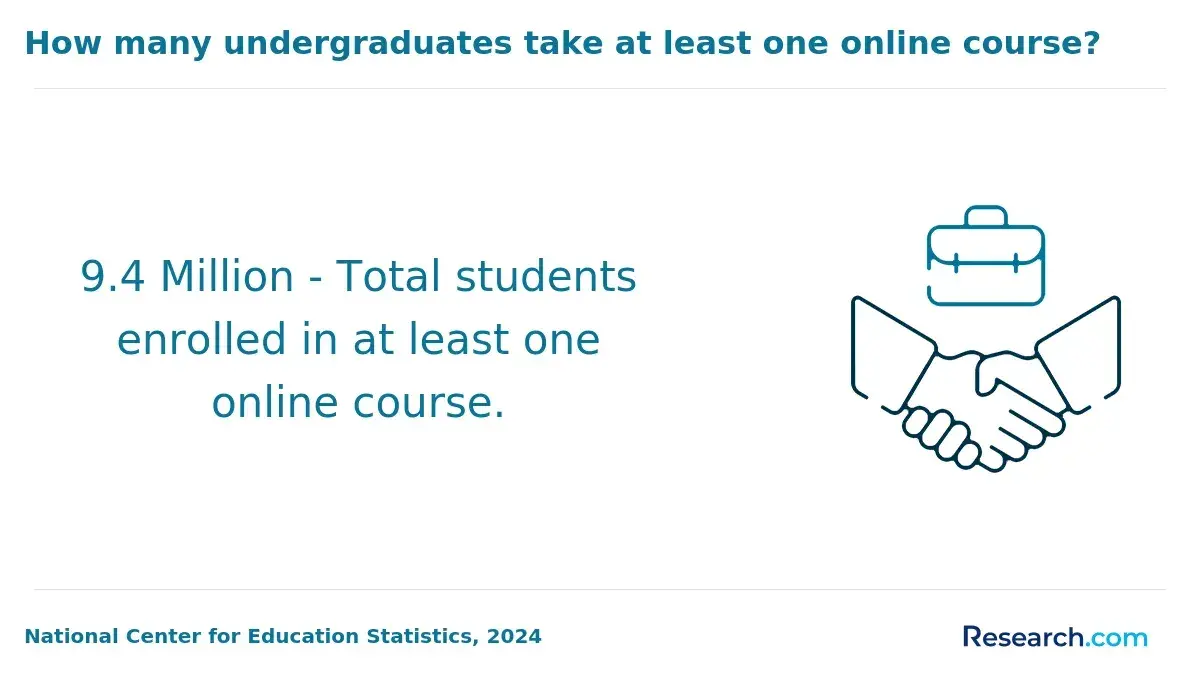
Balancing full-time work with family responsibilities, many nursing professionals face tight timelines when pursuing a master of science in nursing degree. Accelerated programs promising completion within twelve months appeal to these candidates, but such compressed schedules often demand upwards of 40 hours per week dedicated solely to study and clinicals. Data from the National Center for Education Statistics shows a 15% rise in enrollment in accelerated nursing master's programs since 2022, indicating growing demand for flexible yet intensive options.
This trend reflects mounting pressure to upskill rapidly amidst workforce shortages and shifting employer expectations. This article evaluates whether finishing an MSN in 12 months is realistically achievable, outlining key considerations to guide informed enrollment decisions.
Key Things You Should Know
- Accelerated MSN programs demand 45-60 credits completed within 12 months, increasing risk of burnout and reduced clinical mastery, with the National Council of State Boards of Nursing noting 25% higher attrition rates in these formats.
- Employers often prefer candidates from programs exceeding one year due to perceived deeper clinical competence; a 2024 American Nurses Association survey found 62% of managers rank extended clinical hours as critical for hiring.
- Compressed timelines typically entail premium tuition costs, averaging 20-35% above standard durations per National Center for Education Statistics data, pressuring candidates to weigh short-term debt against longer-term earnings gains.
Can you realistically complete an MSN program in 12 months?
Completing an MSN program in 12 months while maintaining full-time employment is rarely feasible without substantial sacrifices. The National Sample Survey of Registered Nurses 2024 indicates that 52.5% of nurses with a master's degree reported difficulty managing full-time work alongside their studies. For example, a registered nurse working 40+ hours per week in a hospital setting faces severe challenges meeting clinical requirements, which alone demand 16-20 hours weekly. This compression complicates effective learning and retention, essential for employer expectations of advanced competency.
Accelerated programs often require reducing work hours or taking unpaid leave, impacting income and increasing burnout risk. Nurses considering fast track MSN program requirements should closely evaluate the tradeoffs between shortened completion time and workforce feasibility.
Practical steps for managing these demands include:
- Securing part-time or flexible employment aligned with academic scheduling.
- Communicating early with employers about adjusted responsibilities or leaves of absence.
- Vetting programs for realistic clinical and credit hour obligations within a single year.
- Choosing programs offering integrated scheduling support or cohort models.
Those seeking a strategic career pivot might explore online direct entry MSN programs that balance accelerated timelines with realistic workload expectations, but careful consideration remains crucial before committing to an intensive one-year plan.
What types of accelerated MSN programs offer one-year completion options?
Accelerated MSN programs with one-year completion options demand a rigorous full-time commitment that few candidates can realistically sustain alongside employment and personal obligations. Among these, RN-to-MSN bridge programs for BSN-prepared nurses comprise the most streamlined pathway, leveraging existing clinical experience and academic credits to compress typical graduate requirements into an intensive year-round format. This design reflects a pragmatic recognition of workforce entry points, addressing the 37% of registered nurses holding a bachelor's degree but lacking graduate credentials per the 2024 National Sample Survey of Registered Nurses by HRSA.
Direct-entry MSN degree options for non-nurses typically extend beyond one year because foundational nursing knowledge must be developed before graduate-level specialization can commence. Post-master's certificates may offer fast-track opportunities but hinge heavily on prior graduate coursework, limiting their accessibility.
Employers value the accelerated credential but expect candidates to demonstrate exceptional stamina and adaptability given the compressed curricular and clinical demands. Key success factors often include hybrid or online coursework paired with concentrated clinical rotations that require proactive time management and employer cooperation for clinical placements.
Prospective students evaluating these pathways should also consider practical financial pressures and the need for supportive employer policies. Those seeking affordable online nursing programs might find additional viable options outside one-year accelerated tracks, balancing cost with manageable pacing and workplace flexibility.
What prerequisites and nursing experience are required for a 12-month MSN?
The prerequisites for completing a 12-month MSN program reflect a stringent balance between prior clinical expertise and academic preparation, ensuring candidates can manage the accelerated curriculum. Typically, candidates must hold a registered nursing license and a bachelor's degree in nursing (BSN) or complete an equivalent pathway such as an RN to BSN bridge. Programs require 1,000 to 2,000 clinical hours or one to two years of full-time professional nursing experience, a critical threshold that aligns with employer expectations for readiness in acute or specialty care environments.
The required nursing experience for accelerated MSN degrees is not merely procedural but directly shapes students' capacity to rapidly apply advanced concepts in clinical settings without extended foundations. Prerequisite coursework often covers advanced pathophysiology, health assessment, and pharmacology, which if unfinished, may extend the timeline through conditional admission or remedial study. This upfront investment scaffolds competencies valued by employers looking for evidence-based practice and leadership skills developed under pressure.
Graduates from these programs demonstrate practical workforce impact: longitudinal data indicates 70% transition within a year to new roles emphasizing research or quality improvement. However, intensive time management is mandatory, as many face compressed semesters with continuous clinical placements, which can limit outside employment. Missing prerequisites risks prolonging education beyond 12 months, undermining the accelerated program's primary appeal and delaying professional advancement.
How do online one-year MSN programs compare to campus-based formats?
Accelerated one-year MSN degree comparisons reveal a key tradeoff: online programs offer scheduling flexibility but intensify the challenge of meeting extensive clinical hour requirements. Over 80% of direct-entry and advanced practice MSN tracks mandate at least 500 supervised clinical hours, with nearly one-third requiring more than 700 hours. This volume demands rigorous time management, especially when balancing employment or family responsibilities without the structured daily accountability campus-based programs provide.
Compared to online MSN programs versus traditional campus-based programs, the latter typically facilitate immediate clinical placement and face-to-face mentorship, streamlining hands-on experience integration. Online students, however, often face the operational burden of independently securing clinical sites and coordinating schedules with preceptors. These logistical challenges can extend program completion beyond 12 months despite accelerated coursework.
Employers scrutinize the depth and quality of clinical training; candidates emerging from online one-year MSN programs with compressed clinical hours risk being viewed as less prepared for demanding advanced practice roles such as nurse anesthesia or nurse practitioner specialties. Students must confirm program support for clinical placement, realistically assess their capacity for full-time clinical hours, and consider how accelerated clinical demands could impact skill acquisition.
- Validate the program's assistance in securing clinical sites to minimize delays
- Consider personal limitations when combining clinical obligations with work or caregiving
- Assess potential effects on readiness from an accelerated clinical schedule
Long-term career implications hinge on these factors, influencing employability outcomes and salary potential-data on the DNP salary highlight how clinical preparation quality affects advanced nursing roles.
What coursework, clinical hours, and specialties are included in an accelerated MSN?
Accelerated MSN programs, compressed into 12 months, demand rigorous time management as students juggle 45-60 credit hours without breaks. This intensity compresses essential coursework-like advanced nursing theory, pharmacology, and healthcare policy-while overlapping assignments and clinical obligations create a considerable strain. A practical consequence is limited downtime, which often challenges students balancing personal responsibilities.
Clinical hours, typically 500 to 720, represent a significant bottleneck. Given the rapid timeline, securing diverse and quality placements-ranging from acute care to specialty clinics-increases scheduling complexity. Employers emphasize not just clinical hours but the variety and acuity of experiences, making early and strategic coordination necessary, especially for specialties such as psychiatric-mental health, where inpatient facility access may be constrained.
Common accelerated specializations include family nurse practitioner, adult-gerontology, psychiatric-mental health, and nurse-midwifery. Program availability frequently reflects regional healthcare labor demands and institutional partnerships, influencing practical accessibility for students.
Despite evident challenges, median nurse practitioner wages have risen 10.2% to $126,260 since 2020, according to U.S. Bureau of Labor Statistics Occupational Employment and Wage Statistics 2024, outpacing tuition increases. This wage growth may justify the accelerated MSN's compressed but demanding path for candidates equipped to handle intense workload and clinical demands.
How does accreditation and state board approval impact fast-track MSN programs?
Legitimacy in fast-track MSN programs hinges decisively on both national accreditation and state board approval-without these, graduates face significant barriers to licensure and employment. For example, a nurse aiming to become a nurse practitioner in California cannot achieve state licensure without completing a program accredited by CCNE or ACEN and approved specifically by the California Board of Registered Nursing. This dual requirement illustrates a common workforce challenge: completing an accelerated program that lacks proper authorization can render one's qualifications ineffective within target states.
Accelerated curricula often condense clinical hours and coursework, risking noncompliance with state-mandated clinical hour minimums or specific curriculum components. This compressed structure may hinder graduates from fulfilling licensure prerequisites, delaying their ability to practice or forcing them to undertake additional training.
Data from the Weber State University Annie Taylor Dee School of Nursing MSN Programs Outcomes 2024-2025 report a completion rate above 95% and job placement within 12 months surpassing 90%. These figures indicate that well-structured, accredited, and state-approved fast-track programs meet employer expectations and licensure standards with minimal friction.
Practical considerations for prospective students include:
- Verifying both regional/national accreditation and explicit state board approval relevant to intended practice locations.
- Understanding how clinical placements align with local licensure requirements.
- Assessing employment states' regulations early to avoid costly delays or reenrollment.
What admission standards and application components do one-year MSN programs expect?
Candidates pursuing a one-year MSN program face stringent requirements that reflect the intensity and compressed nature of the curriculum. Most programs demand a bachelor's degree in nursing with a solid academic record, an active and unrestricted RN license, plus recent clinical experience that demonstrates readiness to manage accelerated coursework alongside demanding clinical hours.
Admission committees emphasize the ability to integrate advanced nursing knowledge with real-world practice under tight time constraints. For instance, a working nurse with three years of bedside experience may have an advantage over a new RN by showing mastery of foundational skills and clinical judgment essential for success in a fast-paced environment.
Key admission components include official transcripts, professional recommendations emphasizing leadership and critical thinking, and often a personal statement outlining career objectives. While some programs require GRE scores, many waive this for candidates with proven academic and clinical credentials.
The rise of online and hybrid options-now offered by over 70% of programs-has increased accessibility for employed nurses but reinforces the need for documented clinical competencies upfront. Applicants must submit complete and verified materials early due to small cohorts and fixed clinical start dates, as delays can lead to disqualification.
Ultimately, the one-year MSN path suits nurses who can balance rapid learning with clinical demands, bearing in mind that rushed progression may limit opportunities for experiential depth and broad specialization.
How much does a 12-month MSN cost, and what financial aid is available?
The financial reality of a 12-month MSN program often demands upfront capital outlay between $30,000 and $60,000, with costs varying sharply by public versus private institutions and residency status. Accelerated formats intensify this burden by requiring full-time enrollment, which leaves little flexibility for working students to offset expenses during the program.
Typical charges can include:
- $40,000 at public universities
- Over $55,000 at private institutions
- Additional fees for clinical placements, technology access, and textbooks rarely waived
Financial aid paths exist but require strategic planning. Early FAFSA submission is critical to align federal loans and grants with the compressed academic schedule. Employer tuition assistance can be a pivotal resource, especially in healthcare systems prioritizing nurse practitioner development amid a 44% employment growth in this role from 2019 to 2024. Yet, reliance on private loans as a fallback carries higher interest and fewer borrower protections.
The competitive nature of scholarships-won by roughly 20% of students in APRN-centric MSN programs-signals the need for early and targeted applications. Prospective candidates must account for limited work opportunities during the intense academic period and calculate living expenses carefully to avoid financial interruptions.
Given these factors, investing in a 12-month MSN is a calculated decision where financial structuring can mean the difference between timely program completion and extended debt stress, affecting long-term employability and professional momentum.
What advanced nursing roles and salaries can a one-year MSN lead to?
An accelerated one-year MSN places graduates in advanced nursing roles demanding extensive clinical mastery and independent decision-making, with median salaries ranging roughly from $95,000 to $180,000 depending on specialization. These compressed programs require rigorous clinical hours alongside intensive coursework, making prior healthcare experience critical to successful completion and timely employment.
Data indicates over 60% of applicants to accelerated MSN programs already hold clinical experience beyond an RN license, reflecting employer preferences for candidates who reduce onboarding time and adapt quickly to specialized roles. Without such experience, candidates face steep challenges, including heavier course loads, more limited job options, or the need for additional residencies to meet credentialing standards.
Salary ranges often correspond to setting and role specifics: nurse practitioners in primary care start near $105,000 annually, while nurse anesthetists can earn upwards of $180,000. Clinical nurse specialists typically range between $95,000 and $120,000. In hospital environments, these professionals address specialty care gaps and lead quality and safety initiatives, often under significant workload pressure.
Tradeoffs for accelerated program candidates often involve reduced work hours during study or reliance on employer flexibility. Community health settings may offer shorter clinical rotations but usually with lower initial compensation compared to hospital roles, requiring students to weigh immediate financial strain against quicker access to senior nursing positions.
How can you evaluate and choose a reputable accelerated MSN program?
An accelerated MSNprogram's value is tightly linked to its accreditation, especially by CCNE or ACEN, which directly affects licensure eligibility and employer acceptance. Prospective students must verify that the program aligns with state nursing board requirements, particularly if they plan to work in multiple states with differing standards. Accelerated formats compress clinical hours into shortened timeframes, making transparency regarding clinical site access, supervision quality, and curriculum rigor essential.
Faculty expertise-such as active clinical roles and doctoral qualifications-and measurable student outcomes like graduation and licensure exam pass rates provide critical indicators of whether the program maintains educational quality despite its intensity. For example, a working RN pursuing a clinical nurse specialist role through an accelerated program faces a tradeoff between full-time academic demands and stable income, which can affect financial and personal stability.
Workforce trends reveal a significant shift: by 2024, 46% of nurse practitioner programs had started or planned to transition from MSN to DNP as the baseline credential by 2030, per the American Association of Colleges of Nursing. This evolution signals increasing employer preference for doctoral credentials in advanced practice, potentially limiting the long-term utility of a 12-month MSN for specialized clinical roles.
Key considerations include part-time work compatibility, support services, and financial aid availability-all critical for sustaining student well-being during intense study periods. Balancing these real-world tradeoffs alongside accreditation, program reputation, and credential trajectories leads to a more informed decision about accelerated MSN programs.
Other Things You Should Know About MSN
Finishing an MSN quickly often narrows the range of specialties and electives you can pursue, which may restrict future career options. While rapid completion can fast-track entry into advanced roles, it usually means fewer chances to explore diverse nursing fields or develop specialized expertise. For students unsure about their exact career direction, a longer program might better support broader long-term flexibility.
Some employers regard one-year MSN graduates as well-prepared due to the intensive and focused nature of accelerated programs, but others question whether rapid pacing dilutes depth of knowledge and clinical reasoning. Regions with rigorous licensing or certification demands may favor more traditional program durations. Candidates from fast-track programs should emphasize demonstrated competencies and practical skills during hiring processes to overcome potential skepticism.
A 12-month MSN usually requires at least 500 to 1,000 supervised clinical practicum hours, depending on the specialty and state rules. Programs must also align those hours with national certification standards and, for advanced practice tracks, state board of nursing requirements.
References
- What is a Master’s in Nursing (MSN) Degree? https://nursinglicensemap.com/nursing-degrees/masters-in-nursing/what-is-msn/
- In-Person vs. Online Nursing Programs https://www.chamberlain.edu/blog/in-person-vs.-online-nursing-programs
- 16 Types Of Master's Degrees In Nursing: Roles & Salaries | USAHS https://www.usa.edu/blog/types-of-masters-in-nursing/
- Should You Get an Online MSN Degree? | Tiffin University https://go.tiffin.edu/blog/should-you-get-an-online-msn-degree/
- The Complete Guide to MSN Programs: Online, Campus, and Hybrid https://www.onlinefnpprograms.com/guides/guide-to-msn-programs/
- An MSN Degree Can Boost Your Knowledge and Earnings https://www.allnursingschools.com/msn/salary/
- 30 Best Accelerated Nursing Programs - Better Nurse https://betternurse.org/best-accelerated-nursing-programs/
- Are Accelerated Nursing Programs Right for You? https://credenzahealth.com/career-advice/what-is-an-accelerated-nursing-program
- What’s the Deal with Accreditation? https://nursingcas.org/resources-for-current-schools/whats-the-deal-with-accreditation