2027 How MSN Helps You Move Into Advanced Practice Nursing

Co-Founder and Chief Data Scientist
Balancing clinical responsibilities while navigating a rigid graduate program schedule poses a significant hurdle for nurses targeting advanced practice roles. The latest National Center for Education Statistics report indicates that over 60% of current graduate nursing students are adult learners juggling work and family, underscoring a growing need for flexible program structures. This shift challenges traditional full-time campus models and demands adaptable pathways that align with complex life commitments.
Consequently, program accessibility and scheduling become decisive factors in career mobility, often outweighing curriculum prestige when nurses select an msn program. This article examines how msn degree options meet these real-world constraints and enhance professional advancement strategies.
Key Things You Should Know
- The median tuition for MSN programs rose 5.6% between 2022 and 2024, outpacing inflation, which intensifies cost-benefit scrutiny for mid-career nurses balancing income loss during study periods, per NCES data.
- Employers now prioritize MSN graduates with specialized clinical certifications, as 72% of surveyed healthcare systems in 2025 preferred candidates holding tailored advanced practice credentials to reduce onboarding time and error rates.
- Transitioning to advanced practice nursing via an MSN demands navigating growing clinical hour requirements-averaging 600 hours in 2026-posing scheduling dilemmas for working professionals and influencing enrollment timing decisions, according to AANP workforce reports.
How does an MSN degree prepare you to move into advanced practice nursing?
An MSN degree serves as a critical credential for nurses assuming roles that demand advanced clinical judgment and leadership, such as nurse practitioners, anesthetists, and midwives. Its practical value lies in bridging foundational nursing with specialized knowledge in pharmacology, evidence-based care, and healthcare policy, aligning with employer expectations for advanced practice nursing roles.
For example, nurse practitioners equipped with an MSN can independently perform patient assessments and treatments in primary care environments strained by physician shortages, directly impacting patient flow and access. Nurse anesthetists rely on the advanced physiological and decision-making skills developed through MSN study to manage perioperative care safely. These tangible capabilities distinguish MSN holders in competitive job markets anticipating a 35% employment growth rate through 2034.
Programs emphasize clinical rotations and simulation training, producing graduates ready for multidisciplinary collaboration and complex care settings beyond the preparation of those with bachelor's degrees. Additional competencies in healthcare technology and quality improvement also respond to the shift toward value-based care models. Still, prospective students should weigh time and financial commitments against these outcomes, noting that scope of practice varies considerably by state.
Those considering earlier nursing qualifications may explore an ASN program online to build foundational skills before advancing. Awareness of these strategic educational steps supports informed decision-making on how an MSN degree advances your nursing career.
What are the typical education pathways from RN to MSN and APRN roles?
Choosing a pathway from RN to MSN requires balancing program structure against workforce realities and licensing demands. The RN-to-MSN route condenses BSN and MSN coursework into one track, enabling nurses with an ADN or diploma to bypass earning a separate bachelor's degree. This option may reduce overall time but often demands full-time study, limiting concurrent employment. Alternatively, pursuing a BSN first-via traditional or accelerated RN-to-BSN programs-followed by an MSN with clinical specialization can allow part-time study and income continuity, though it extends total program length. This reflects common considerations within typical education pathways from RN to MSN in the US.
For APRN role requirements and MSN progression, relevant specializations-nurse practitioner, clinical nurse specialist, nurse anesthetist, or nurse midwife-are mandatory, as licensing boards require both classroom and 500 to 1,000 clinical hours. Meeting these prerequisites can delay program entry or add logistical hurdles, especially for working nurses without prior clinical experience at this level.
Employers emphasize accredited MSN qualifications for advanced practice roles due to demonstrated clinical competence, evidence-based decision-making, and leadership capacity. With just 17.4% of U.S. RNs holding a master's degree, demand for graduate-prepared nurses outstrips supply, reinforcing the value of selecting a pathway aligned with one's financial and professional constraints.
Cost efficiency is another critical factor; prospective students often seek cheap nursing programs that still meet accreditation and clinical standards to avoid compromising employability.

What admission requirements do MSN programs have for aspiring advanced practice nurses?
Admission requirements for MSN programs in advanced practice nursing are strategically designed to align clinical readiness with academic rigor, reflecting current workforce demands. Most programs require applicants to hold a bachelor's degree in nursing from an accredited institution and maintain an active RN license in the state where clinical rotations occur. A minimum undergraduate GPA of around 3.0 is typical, although competitive programs may set higher thresholds. Furthermore, at least one year of full-time nursing experience emphasizing direct patient care is expected to ensure candidates can manage advanced clinical responsibilities effectively.
Applications generally mandate official transcripts, proof of licensure, and letters of recommendation verifying professionalism and clinical competence. Many programs also require completion of prerequisites such as statistics, anatomy, physiology, and pathophysiology to confirm foundational knowledge. While GRE scores are less commonly required, some selective programs use them to assess academic research potential. International candidates must demonstrate English proficiency through exams like TOEFL or IELTS.
Employers responding to the 2022 National Nursing Workforce Survey show clear preference trends. Nurse practitioners with an MSN remain the largest group entering advanced practice roles, despite a more rapid increase in doctorates. This reality highlights that meeting MSN program admission requirements remains critical for workforce entry and competitiveness.
Working nurses facing time and clinical experience constraints can consider hybrid or part-time MSN options with rolling admissions. For those lacking sufficient clinical hours, securing direct care roles or volunteer opportunities before applying is a practical path. Additionally, prospective students evaluating foundational steps might explore pathways such as the easiest RN to BSN online program to streamline prerequisite completion and support a well-timed career pivot aligned with advanced practice nursing.
How do online MSN programs compare with campus-based options for advanced practice training?
Online MSN advanced practice nursing programs generally equal campus-based options for core knowledge but diverge in clinical training and networking. Accredited online curricula rely on virtual simulations and asynchronous coursework, allowing working nurses to juggle jobs without pausing their careers. However, campus programs often offer more immediate faculty interaction and hands-on clinical experiences that some employers still value when assessing competence.
Clinical hour requirements in online MSN programs mandate placements at local approved facilities, which can restrict exposure compared to campus-based students who benefit from established clinical networks. This limitation particularly impacts specialties like acute care or psychiatric nursing, where access to high-acuity environments varies by region and influences the intensity of practical experience.
Employers increasingly accept graduates from online MSN advanced practice nursing programs, partly because certification standards are consistent nationwide, and workforce trends favor flexible education models. Key considerations for students include how well clinical opportunities and professional networking in online programs align with their specialty and local job market. Nurses targeting roles demanding deep clinical immersion may find campus programs offer advantages in live experiential learning and reputational recognition.
For professionals evaluating the balance of flexibility and clinical rigor, understanding these tradeoffs is essential. Real-world implications include employer preferences for hands-on training and the challenge online students may face securing high-quality clinical placements. Nurses should also consider salary trajectories tied to their advanced degrees; insights into doctorate in nursing salary can guide long-term career planning.
What core MSN curriculum and clinical training are required for advanced practice roles?
The MSN curriculum and clinical training present a demanding balance of specialized knowledge acquisition and extensive supervised practice, which directly influences employability and time to credentialing. For example, a family nurse practitioner candidate must integrate both pediatric and adult care competencies, whereas a psychiatric nurse practitioner focuses exclusively on mental health. This divergence shapes coursework and clinical hour requirements, ranging from 500 to 1,000 hours, often spread across diverse care settings under qualified preceptors. The time and logistical challenges of securing clinical rotations can extend program duration, particularly for students managing employment or family commitments.
From a workforce perspective, the oversupply of MSN-prepared nurse practitioners-projected to exceed demand by over 270,000 full-time equivalents by 2036-places a premium on demonstrable clinical skills aligned with state accreditation and population health management expertise. Employers favor candidates who not only complete rigorous clinical hours but do so with verified competencies in pharmacology and evidence-based practice decision-making.
Students should anticipate competing priorities in clinical placement coordination, as these arrangements are indispensable for successful certification exam preparation and timely employment entry. Without early, strategic alignment with healthcare systems offering quality preceptorships, students risk delayed graduation and credentialing obstacles. The combination of structured coursework with focused practical training forms the core of MSN programs, shaping graduates' readiness for increasingly complex healthcare roles.
How long does it take to complete an MSN for advanced practice, and what does it cost?
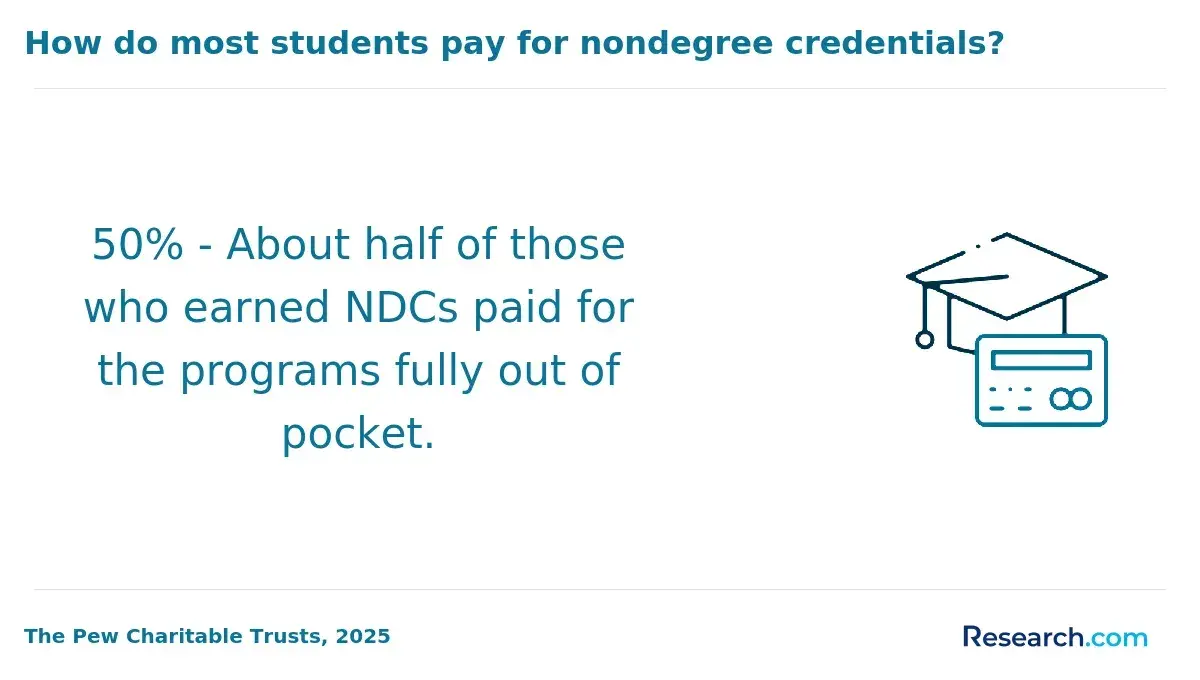
Completing an MSN for advanced practice nursing demands a significant time and financial commitment, typically requiring 2 to 3 years full-time, or up to 5 years part-time depending on clinical hour requirements and program structure. Accelerated tracks may shorten this timeline for post-bachelor's candidates with relevant healthcare experience, but intensify course loads. The balance between full- or part-time study often hinges on employment considerations-a nurse in a high-demand hospital setting may favor part-time enrollment to maintain income, while others may choose full-time to expedite advanced practice entry.
Tuition and fees vary broadly, with total costs ranging from approximately $40,000 to $90,000. Public institutions usually offer lower in-state rates, whereas private programs trend higher. Additional expenses such as licensure exam fees, certifications, clinical supplies, and travel for practicums can increase the overall cost. Candidates relying on employer tuition assistance or federal loans should verify program accreditation and clinical placement support to ensure timely certification and career progression.
Financially, the MSN credential often provides a measurable return on investment. Nurse practitioners with an MSN earn a median annual salary exceeding $130,000 compared to about $97,000 for registered nurses without advanced qualifications. This difference of nearly $33,000 shapes employer expectations and influences individual decisions around balancing the program's upfront cost and duration against long-term wage advantages.
- The clinical practicum requirements often define program length and influence scheduling flexibility.
- Lost wages or reduced work hours represent hidden costs for full-time students without employer support.
- Verification of accreditation and clinical site availability is critical to avoid delays in licensure and employment.
What accreditation and state licensing requirements must MSN graduates meet to practice independently?
Securing programmatic accreditation recognized by the Council for Higher Education Accreditation (CHEA) or the U.S. Department of Education-such as from the Commission on Collegiate Nursing Education (CCNE) or the Accreditation Commission for Education in Nursing (ACEN)-is essential for MSN graduates aiming for advanced practice licensure. Beyond graduation, passing a national certification exam from bodies like the American Nurses Credentialing Center (ANCC) or the American Association of Nurse Practitioners (AANP) is required to qualify for state licensure as an advanced practice registered nurse (APRN).
State-level regulations vary widely, influencing clinical autonomy and job mobility. For instance, about 26 states grant full practice authority, allowing independent diagnosis and treatment, which employers favor for primary care roles that demonstrably reduce emergency visits and healthcare system burdens. Conversely, restrictive states mandate collaborative agreements that limit autonomy, presenting real barriers to implementing independent practice even with national certification.
Graduates moving between states must consider dual licensing requirements, which increase cost and administrative hurdles. Maintaining certification involves ongoing education and periodic re-examination, typically every five years. Therefore, choosing an MSN program aligned with the accrediting bodies accepted by the target state and understanding its scope-of-practice laws are critical steps to avoid costly credentialing delays and maximize employability.
Which advanced practice nursing roles can you pursue with an MSN, and what do they do?
Advanced practice nursing roles accessible via an MSN come with distinct scopes, workforce implications, and practical tradeoffs that strongly vary by state regulations and clinical focus. Nurse practitioners (NPs), for instance, in states with full practice authority can operate primary care clinics independently, significantly broadening patient access and earning potential. Conversely, restricted states limit autonomy through mandatory collaborative agreements, which can constrain patient volume and reduce program appeal.
Certified registered nurse anesthetists (CRNAs) often face a high-demand, high-intensity specialty driven by national anesthesia shortages, yet the necessity for extended clinical training and challenging workloads can complicate work-life balance even as reimbursement rates remain strong. Clinical nurse specialists (CNSs) typically take on roles centered on systemic improvements, clinical expertise, and education rather than direct patient care, making them less visible but integral to healthcare quality and innovation.
Certified nurse-midwives (CNMs) deliver comprehensive prenatal and gynecological care, focusing largely on low-risk pregnancies, which tends to anchor them in community-based or outpatient settings. Importantly, a 2024 border-analysis study by Bae et al. in the Journal of Nursing Regulation correlates full practice authority states with a 12-17% greater APRN supply and improved avoidable hospitalization rates, illustrating regulatory impact on both workforce availability and patient outcomes.
- Full practice states provide wider clinical autonomy and higher APRN demand
- Restricted states impose collaborative agreements that limit practice scope
- Tradeoffs between autonomy, workload intensity, and clinical training vary by role
Selecting an MSN path requires balancing state-level legislation, employment settings, and personal career priorities-whether aiming for operational independence as an NP, specialized clinical consultation as a CNS, or technical anesthetic expertise as a CRNA.
What salary ranges and job outlook can MSN-prepared advanced practice nurses expect?
Advanced practice nurses with an MSN experience significant salary variability influenced by specialization, geography, and healthcare setting. Salaries tend to range from $90,000 to over $140,000 annually, with nurse anesthetists occupying the top tier. This variability demands careful consideration from candidates evaluating metropolitan versus rural opportunities or hospital versus outpatient roles.
The U.S. Bureau of Labor Statistics forecasts a robust 15% employment growth for advanced practice registered nurses through 2032, driven largely by physician shortages and increased chronic disease prevalence. However, this demand intersects with an impending workforce gap: about 40% of registered nurses are expected to retire or leave nursing within five years, creating pressure for MSN-prepared nurses to fill both clinical and leadership vacancies.
Transitioning from RN roles (averaging $77,000 annually) to advanced clinical positions involves weighing tradeoffs between compensation, job stability, and role scope. Specializations like psychiatric mental health or pediatric care may start near $100,000 in urban centers but will fluctuate with regional demand and benefits. Employers increasingly expect MSN-holders to offer competencies beyond clinical skills, including health informatics and policy collaboration, influencing both hiring decisions and salary negotiations.
Prospective students and working professionals must realistically assess whether the anticipated salary premium and expanded responsibilities align with personal career goals and market conditions, avoiding assumptions that advanced degrees guarantee uniform financial uplift or autonomy.
How can you evaluate and choose a reputable MSN program for advanced practice nursing?
Program accreditation from recognized bodies like CCNE or ACEN directly impacts licensure eligibility and employer recognition in advanced practice nursing. Graduate outcomes offer measurable indicators of program quality-seeking programs with national certification exam pass rates above 85% and employment within six months signals stronger workforce alignment. The rising baseline for nursing credentials, with 72.9% holding baccalaureate or higher degrees, requires programs to meaningfully incorporate current healthcare technologies and interprofessional training to meet employer demands.
Choosing an MSN pathway requires balancing work and education realities. Full-time, part-time, and bridge options vary in clinical hour demands, with some specialties requiring upward of 1,000 clinical hours-significantly extending time to degree and tuition costs. For RNs in remote locations, confirming geographically viable clinical placements avoids delays in certification and workforce entry. Programs affiliated with large urban health systems tend to offer more consistent clinical experience and stronger employment networks.
Cost analysis should consider total fees against expected income gains in target specialties. Lack of transparent alumni career data or clinical placement results often signals gaps in program support, limiting real-world employability. Prioritize programs that offer flexibility, proven graduate success metrics, and clear clinical pathways to reduce friction points common among working professionals pursuing advanced practice nursing.
Other Things You Should Know About MSN
No. MSN programs do not require certification before admission, but they usually prepare you for a national exam after graduation. For APRN licensure, most states require an MSN, supervised clinical hours, and certification from bodies such as the ANCC or AANP before the board grants licensure.
Most MSN programs require significant clinical hours and intensive coursework that can be challenging to balance with full-time employment. Part-time enrollment or programs with flexible scheduling tend to accommodate working nurses better but extend completion times. Nurses who plan to work concurrently should evaluate whether the program's clinical site options and online components align with their current job demands to avoid burnout and ensure satisfactory academic outcomes.
Insufficient clinical placement support can delay program completion and reduce the diversity and quality of hands-on training, which are critical for advanced practice eligibility and employer confidence. Graduates from programs lacking robust clinical affiliations may face challenges in licensure and job readiness, especially in states with strict practice regulations. Candidates should assess a program's clinical networks and success rates in arranging placements before enrolling to avoid setbacks in launching their advanced practice careers.
Holding an MSN improves eligibility for advanced roles but does not guarantee immediate career advancement or higher pay without accompanying clinical experience and relevant certifications. Employers weigh work history and specialty skill sets heavily alongside the degree in hiring decisions. Students should consider programs that integrate practical experience opportunities and support certification preparation to maximize the MSN's impact on career trajectory.
References
- Master’s of Science in Nursing (MSN) Degree: The Ultimate Guide https://betternurse.org/msn-degree-program-guide/
- Nurse Practitioner (NP) Licensure Requirements By State https://www.nursingcolleges.com/careers/nurse-practitioner
- RN to MSN Program Online https://www.chamberlain.edu/academics/nursing-school/rn-bsn-to-msn
- The Complete Guide to MSN Programs: Online, Campus, and Hybrid https://www.onlinefnpprograms.com/guides/guide-to-msn-programs/
- How to Choose the Right Advanced Nursing Degree for Your Career Goals | Archer Review https://www.archerreview.com/blog/how-to-choose-the-right-advanced-nursing-degree-for-your-career-goals
- What Can You Do With an MSN Degree? | ACE Blog https://ace.edu/blog/what-can-you-do-with-an-msn-degree/
- How Long Does it Take to Become a Nurse Practitioner (NP)? https://www.onlineeducation.com/nursing/faqs/how-long-to-become-nurse-practitioner
- A Complete Guide to Nursing Career Pathways (Degrees, Licensure & Career Growth Explained) https://www.straighterline.com/blog/nursing-a-complete-guide-to-nursing-career-pathways-degrees-licensure-career-growth-explained
- How Much Do Advanced Practice Registered Nurses Make in The USA? | Shiftmed Blog https://www.shiftmed.com/professionals/blog/how-much-do-aprn-nurses-make/
- Become a Nurse Practitioner without a BSN https://nursinglicensemap.com/advanced-practice-nursing/nurse-practitioner/np-without-bsn-nursing-degree/