2027 Best Online MSN Programs for Case Management Careers

Co-Founder and Chief Data Scientist
Healthcare professionals pursuing or advancing a case management career face a daunting challenge: balancing rigorous clinical demands with acquiring specialized credentials amid fluctuating work schedules. More than 40% of nursing graduate enrollments in 2024 reflect part-time or online learning choices, a shift fueled by workforce pressure and the need for flexible, accelerated programs, according to the National Center for Education Statistics. This indicates growing demand for adaptable learning models that accommodate shift work, family obligations, and geographic constraints without compromising accreditation or employer recognition.
This article evaluates top online msn programs optimized for case management, focusing on accessibility, curriculum relevance, and career impact to guide informed enrollment decisions.
Key Things You Should Know
- MSN programs emphasizing case management face a tradeoff where accelerated curricula boost workforce entry speed but often reduce clinical hours below the 500-hour threshold employers increasingly require, affecting initial hire competitiveness per 2024 nursing employer surveys.
- Employers now prioritize graduates from programs integrating evidence-based population health strategies with case management, given a 22% projected growth in community-based nursing roles through 2031, demanding nuanced interdisciplinary skills beyond traditional care coordination.
- Rising program costs, averaging over $35,000 for online MSN paths with case management emphases per National Center for Education Statistics, significantly impact midcareer nurses' return-on-investment timelines, often necessitating employer tuition partnerships or federal loan prioritization.
What are the best online MSN programs for case management careers?
Programs targeting the best online msn programs for case management careers must balance rigorous clinical and administrative coursework with delivery models that accommodate working professionals. Accreditation by bodies such as the Commission on Collegiate Nursing Education (CCNE) or the Accreditation Commission for Education in Nursing remains essential for ensuring program credibility and facilitating licensure. Employers increasingly expect graduates to possess advanced skills in healthcare informatics, legal and ethical case management, and population health, paired with practical experience gained through strong clinical practicum partnerships or virtual simulations.
Employment projections by the U.S. Bureau of Labor Statistics anticipate a 45.68% growth in medical and health services manager roles from 2021 to 2031, amplifying demand for nurse case managers who synthesize clinical knowledge with administrative leadership. Yet, candidates must carefully navigate state authorizations for online clinical placements-without proper clearance, licensure delays can hinder immediate employability in specialized fields like mental health or chronic disease management.
Choice between accelerated full-time and part-time asynchronous programs presents clear tradeoffs: accelerated paths shorten completion but demand exclusive focus, whereas part-time options offer flexibility at the expense of extended timelines. Candidates should also evaluate programs providing post-graduation career networks emphasizing leadership and financial management competencies alongside clinical proficiencies. For those weighing options, the fastest Psych NP program offers an illustration of accelerated delivery models in advanced nursing.
Top accredited msn case management programs online incorporate these pragmatic considerations, preparing students not only to meet demand but to excel in diverse healthcare settings like hospitals, rehabilitation centers, and insurance firms.
Which accreditation should an online MSN case management program have?
Accreditation by the Commission on Collegiate Nursing Education (CCNE) or the Accreditation Commission for Education in Nursing (ACEN) is foundational for online msn case management program accreditation. Choosing a non-accredited program risks limiting opportunities in integrated health networks or specialized settings such as Medicare care coordination, where employer requirements and credentialing are stringent. For instance, a nurse seeking to transition into case management within Medicare administrative contractors must graduate from an accredited program to meet regulatory standards.
Accreditation standards for msn case management degrees directly influence employability, eligibility for certification, and state licensure portability. Employers prioritize graduates from accredited programs to ensure curriculum alignment with current case management competencies. Conversely, non-accredited programs often do not meet state board criteria for licensure or continuing education, restricting career mobility and complicating multi-state practice.
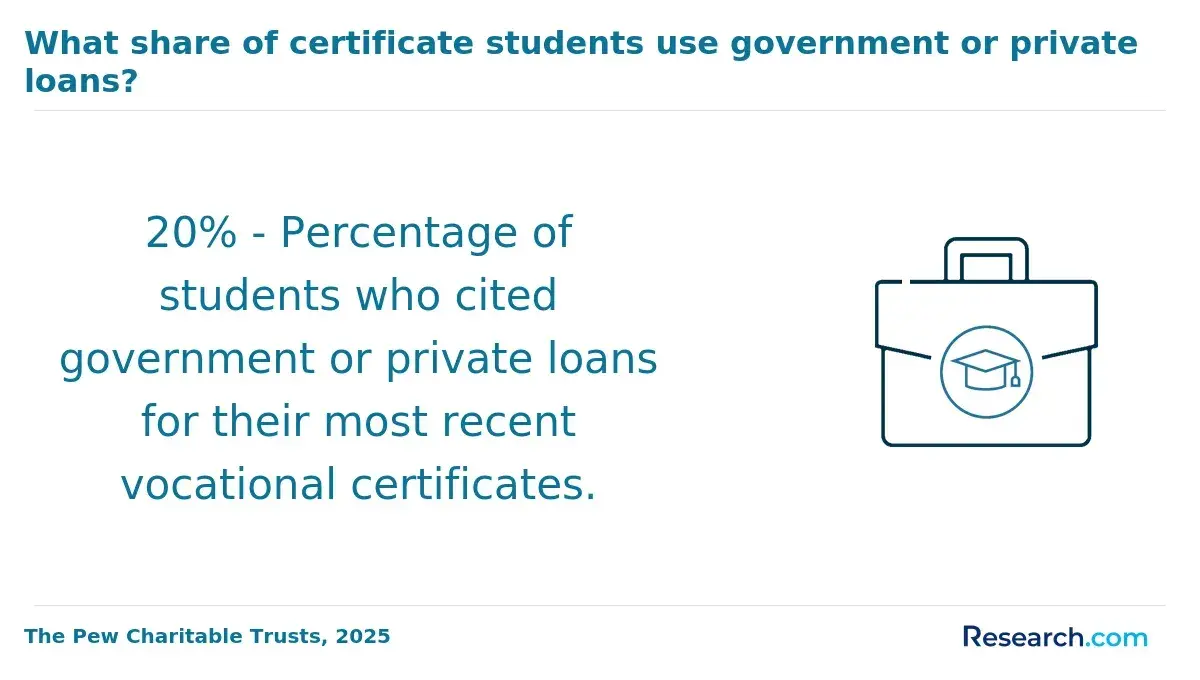
Nurse case managers earn a national average salary of $79,513 per year, reflecting substantial financial merit for accredited graduates. Accreditation also impacts access to federal financial aid, the transferability of credits, and employer tuition reimbursement, all critical factors when evaluating educational investments.
Prospective students should verify the accreditation status of programs early and consider practical factors such as exam requirements-for example, some relevant pathways are highlighted in resources like a lpn program no TEAS required, which can save time and reduce upfront barriers.
Do online MSN programs meet case management licensing requirements?
Online msn programs that fulfill case management licensing criteria must go beyond accreditation to meet state-specific requirements for clinical hours and coursework in leadership, healthcare policy, and population health. A program accredited by CCNE or ACEN is necessary but insufficient if it does not align with regional licensing mandates. For instance, a registered nurse pursuing an online msn with an administration focus may still need supervised practicum experience in case management to qualify for state boards or certification exams from the Commission for Case Manager Certification (CCMC) or the American Case Management Association (ACMA).
Employers typically require both an msn degree and relevant case management credentials, signaling a candidate's readiness to handle complex care coordination legally and effectively. This combination also impacts employability and salary potential within healthcare organizations, making careful selection of programs critical.
Key considerations for prospective students navigating region-specific msn case management licensing requirements include:
- Verifying state board policies for licensure and certification pathways.
- Choosing accredited online msn programs with tailored case management tracks, including mandated clinical practice.
- Ensuring curricula incorporate healthcare policies, ethics, and system operations essential to case management roles.
- Preparing for certification exams through the CCMC or ACMA post-graduation.
- Evaluating tuition costs against long-term career ROI, especially given some programs charge upward of $30,000 annually without case management specialization.
Failing to address these factors risks investing in an online msn program that lacks practical case management components demanded by employers and state regulators. Those seeking foundational nursing degrees might consider alternative pathways such as easiest online RN to BSN programs before advancing to specialized msn tracks.
What coursework is included in an MSN case management track?
Effective msn case management coursework requirements prioritize a balance between clinical competencies and administrative acumen, reflecting real-world expectations where professionals navigate complex healthcare systems and policy environments. Core classes in an msn case management program often cover care coordination, utilization management, health policy, ethics, and evidence-based practice, all tailored to develop skills in patient advocacy and interdisciplinary collaboration. Such training prepares students to engage with legal and regulatory challenges while negotiating between providers, patients, and payers.
Employers increasingly expect case managers to integrate financial management and data analytics into their daily responsibilities. For instance, a nurse managing chronic disease in a hospital needs to interpret reimbursement frameworks and analyze patient data trends to optimize care interventions, aligning clinical decision-making with cost containment goals.
Programs vary in how they blend intensive clinical coursework with administrative subjects, which affects the depth of hands-on patient assessment training. Specialization electives in fields like mental health or gerontology further tailor expertise to fluctuating workforce demands.
Recent comparisons of online BSN-to-msn tracks indicate total program tuition ranging from $14,875 to $15,125, showing a cost efficiency often not afforded by traditional graduate programs. This practical advantage enables working professionals to upskill without prolonged leave. Students interested can explore online accelerated nursing programs as viable alternatives that align financial investment with career pivot strategies.
What are the admission requirements for online MSN programs?
Online msn programs demand verified nursing licensure and meaningful clinical experience before admission, reflecting the profession's rigorous standards and state regulatory frameworks. Holding an active, unrestricted RN license valid in the applicant's intended practice state is mandatory and non-negotiable, given the embedded clinical requirements and scope-of-practice laws. While most programs prefer a Bachelor of Science in Nursing (BSN), select bridge pathways accept associate degree nurses who satisfy extra eligibility criteria.
Employers evaluating MSN candidates often emphasize prior hands-on patient care exposure, with a practical minimum of one to two years of full-time clinical nursing experience required to ensure readiness for specialized case management responsibilities. Certification in Basic Life Support (BLS) or Advanced Cardiovascular Life Support (ACLS) may be requested to confirm clinical preparedness.
Official transcripts must verify prerequisite coursework-such as statistics, pathophysiology, and health assessment-because mastery of these foundational topics directly influences success in advanced case management studies. Applicants should expect to submit letters of recommendation from supervisors or educators that attest to both clinical competency and leadership potential. Additionally, some programs require a focused personal statement articulating specific professional goals aligned with case management roles.
The critical tradeoff for working nurses is balancing ongoing clinical duties with academic rigor; insufficient clinical hours or failure to maintain state licensure can result in immediate disqualification. Therefore, realistic self-assessment of licensure status, clinical experience, and time capacity is essential prior to commitment.
How long does an online MSN in case management take to finish?
Completing an online MSN in case management involves balancing program length against professional and personal demands. Full-time students commonly finish in about two years, but part-time learners-often working nurses-may take up to three years due to clinical hour requirements and employment obligations. Accelerated tracks exist but intensify course loads and limit flexibility, increasing the risk of burnout and reducing work opportunities during study.
The necessity of 500 to 750 clinical practicum hours frequently extends timelines, especially where placement options are scarce or students juggle full workloads. Early scheduling of practicum components can ease this bottleneck, optimizing progression. Nurses pivoting into case management amid career changes must also weigh how timeline length impacts earnings delay and work-life balance.
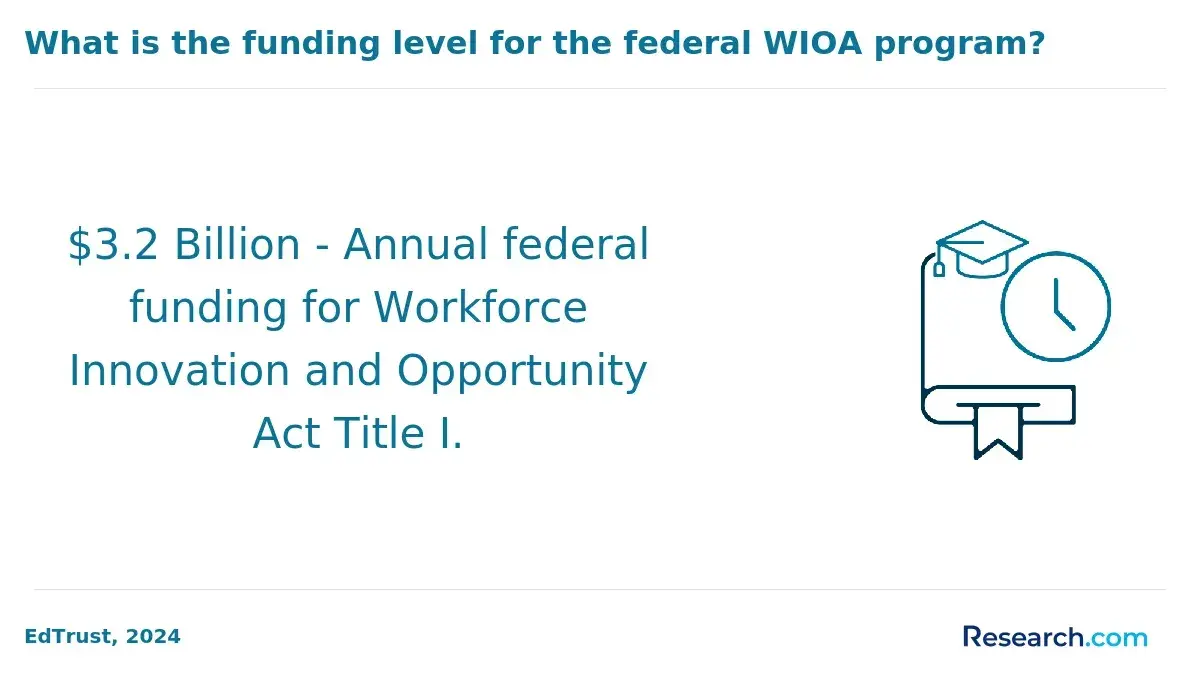
From a financial perspective, an average net price near $22,253 coupled with median ten-year earnings around $71,513 indicates a reasonable return on investment for these specialized MSN programs. Employers consistently seek candidates with substantial clinical training combined with academic rigor, making program duration and practicum integration critical selection factors.
- Shorter durations accelerate workforce reentry but risk overload.
- Longer paths enable steady income and reduce stress but postpone salary growth.
- Program structuring should reflect personal capacity and career timelines.
Ultimately, selecting the right timeline requires realistic assessment of workplace commitments and financial priorities to ensure completion does not become a prolonged obstacle but a strategic step toward advanced nursing roles.
How much do online MSN case management programs cost?
Tuition for online msn case management programs varies significantly, commonly between $12,000 and over $40,000, reflecting differences in program focus, duration, and institutional type. For example, Capella University offers a nursing degree in Care Coordination-closely related to case management-with accelerated tuition as low as $11,940, illustrating that specialized tracks can sharply reduce investor cost compared to broader msn programs.
Public institutions typically price case management options in the $15,000 to $30,000 range, particularly when permitting part-time study that accommodates ongoing employment. Private programs often begin around $25,000 and can surpass $40,000. Additional expenses-including textbooks, technology fees, clinical placements, and certification prep-commonly add thousands more, a frequent blind spot for candidates.
Employers prioritize demonstrated competencies over the prestige of the degree-granting school. A working nurse aiming to transition into a hospital case manager role should weigh program length, curriculum relevance, and total cost to minimize workforce interruption and debt load. Accelerated, focused degrees like those emphasizing care coordination reduce opportunity costs by shortening time out of practice.
Effective affordability often depends on factors beyond sticker price, such as financial aid, tuition reimbursement, and scholarships, but extended program length can inflate total expense despite lowering monthly payments.
What jobs can you get with an MSN in case management?
An MSN in case management offers a pathway distinct from bedside nursing by focusing on system-level leadership roles that optimize clinical and operational workflows. Positions such as nurse case manager, clinical care coordinator, and utilization review nurse typically exist in hospitals, insurance companies, and community health organizations where care coordination and regulatory compliance are vital.
For example, nurse case managers in hospitals are tasked with managing discharge processes to reduce patient readmissions, while those in insurance firms handle claim evaluations and authorization management. This highlights the need for both clinical insight and data management skills, which an MSN curriculum tailored to case management aims to develop.
Practically, candidates must weigh the approximately $23,000 tuition for a 40-credit online MSN program-often without clinical hours-against certification costs like the Certified Case Manager exam, which can add around $1,000. Employer preferences also affect value, as some expect certification or provide specialized software training post-hire. Graduates positioned for roles influencing population health initiatives or payer-provider collaboration must be ready to navigate these requirements.
Key considerations include:
- Median nurse case manager salary around $90,000
- Program focus on systems and data competencies, not direct patient care
- Certification and training costs beyond tuition impacting total investment
The evolving demand for clinicians skilled in both care coordination and business processes underscores the distinct career dynamics an MSN case management degree entails, directing candidates to assess both educational content and workforce expectations carefully.
What is the salary for case management nurses with an MSN?
The salary range for case management nurses holding an MSN typically spans from $85,000 to $115,000 annually, with variation driven heavily by location, healthcare setting, and credentialing. Hospital-based nurse case managers usually earn near the lower threshold, around $90,000, while those in specialized outpatient or insurance sectors frequently exceed $110,000 due to increased responsibilities and care complexity.
Employers consistently value formal certifications-such as CCMC, ACM, ANCC Nurse Case Manager, or CCCTM-in conjunction with the graduate degree. These certifications often translate into salary premiums of $5,000 to $10,000 per year, particularly for roles requiring oversight of complex, interdisciplinary care plans like oncology case management.
Pay can also fluctuate depending on the reimbursement model and organizational priorities; for example, positions within value-based care or accountable care organizations tend to reward cost-effective coordination outcomes more generously. Candidates must balance the upfront cost and time for obtaining certifications with the long-term earning potential and mobility, influenced by differing state licensure requirements.
- Entry-level roles in smaller community systems may start closer to $85,000.
- Senior-level oncology case managers overseeing multidisciplinary teams can approach or surpass $115,000 annually.
- Certification acquisition drives both salary potential and access to more complex care coordination roles.
Strategic job seekers should target employers and regions with explicit demand for credentialed nurse case managers to maximize the return on an MSN investment while accounting for practical constraints tied to certification and licensure variability.
How do you choose the right online MSN case management program?
Selecting an online msn case management program requires scrutiny beyond accreditation; the curriculum must align with CCNE or ACEN standards and embed specialized clinical courses relevant to your targeted sector. For instance, nurses focused on managing chronic illness in healthcare systems benefit from programs emphasizing care coordination and healthcare informatics, while those aiming for social service or community settings should seek coursework in resource navigation and policy.
Program flexibility directly impacts feasibility for working professionals. Asynchronous classes can accommodate full-time jobs, but inflexible clinical hour requirements or mandatory on-site intensives often slow progress and increase costs. Candidates should also evaluate credit transfer policies and graduation timelines to avoid delays that erode return on investment.
Job market data points to starting salaries around $53,530 annually for case managers, with experienced professionals earning near $79,513. Employers prioritize evidence of interdisciplinary communication skills and leadership, which correlate with better compensation and advancement. Programs incorporating case management certification exam preparation, such as for the Accredited Case Manager credential, offer tangible advantages during hiring.
Finally, technology platforms and faculty expertise with practical case management backgrounds influence the quality of training and readiness for real-world challenges. Aligning tuition expense against anticipated wage growth is essential to ensure that program costs do not outweigh financial benefits.
Other Things You Should Know About MSN
An online MSN case management program should hold accreditation from the Commission on Collegiate Nursing Education, or CCNE, to show it meets national graduate nursing standards. CCNE accreditation also helps support eligibility for federal aid, licensure review, and some employer tuition or advancement requirements.
Hands-on clinical experience is essential despite the online delivery format because case management demands practical skills in patient interaction, care coordination, and interdisciplinary communication. Programs that require in-person residencies or local clinical placements ensure students build real-world competencies employers expect. Choosing a program without meaningful clinical components risks gaps in readiness for complex employer demands.
The workload in MSN case management programs is intensive, combining rigorous coursework with applied projects and clinical hours. Working professionals often underestimate the time commitment, especially for assignments requiring critical analysis and multi-source coordination. Effective time management and employer support improve completion odds. Prospective students should be realistic about personal capacity and choose programs with flexible pacing and strong academic advising.
References
- Know before you apply: Are you eligible to take the CCM exam? https://yourcommission.org/blog/know-you-apply-are-you-eligible-take-ccm-exam
- Top 20 Online Master's Degrees in Nursing Administration and Leadership - Healthcare Management Degree Guide https://www.healthcare-management-degree.net/best/online-masters-degrees-in-nursing-administration-and-leadership/
- ACM Information https://www.acmaweb.org/net/chapter_site.aspx
- Where Could a Master of Science in Nursing (MSN) Take You? https://blog.methodistcollege.edu/where-could-a-master-of-science-in-nursing-msn-take-you
- What Types Of Jobs Can I Get With A Master's In Nursing In Case Management? https://www.bestnursingmasters.com/faq/what-types-of-jobs-can-i-get-with-a-masters-in-nursing-in-case-management/
- Which Case Management Certification Should I Choose? (Updated February 2024) | Case Management Institute https://casemanagementinstitute.com/which-case-management-certification-should-i-choose/
- Best Online Nursing School Master's Programs for 2025 https://www.princetonreview.com/nursing-school-rankings
- What Can You Do With an MSN Degree? | Check 11 Career Options https://nursinglicensemap.com/nursing-degrees/masters-in-nursing/what-can-you-do-with-msn/
- How Much Do Case Management Nurses Make? | NursingEducation https://nursingeducation.org/careers/case-management-nurse/salary/
- What is a Nurse Case Manager? (How to Become One & Salary) https://www.allnursingschools.com/specialties/nurse-case-manager/