2027 MSN Interview Questions and How to Prepare

Co-Founder and Chief Data Scientist
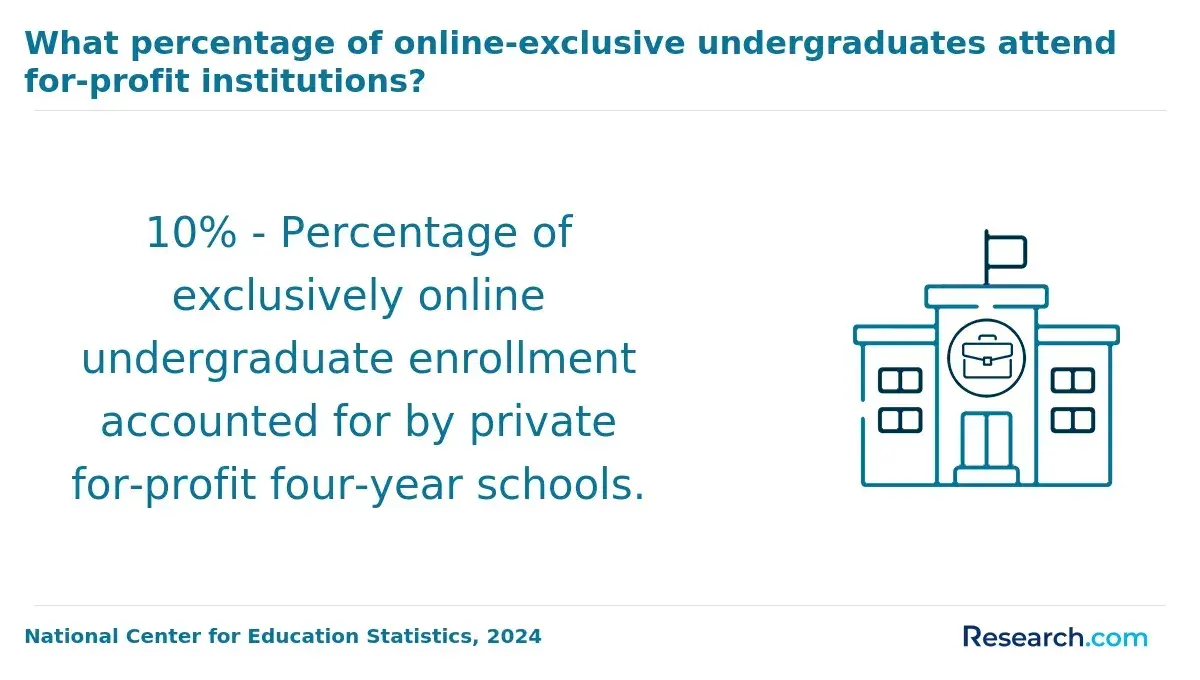
Facing a competitive selection process, many nursing professionals encounter the challenge of precisely anticipating the range and focus of msn interview questions, a hurdle compounded by shifting program expectations and varying admission standards. With over 60% of graduate nursing programs expanding online options according to the National Center for Education Statistics 2024 report, applicants must also navigate format changes influencing how questions are posed and evaluated. This transition affects preparation strategies, as candidates balance in-depth clinical knowledge with communication skills tailored to virtual or hybrid interviews. This article outlines key interview questions and targeted preparation tactics to help applicants confidently meet evolving demands and secure admission.
Key Things You Should Know
- MSN interview preparation reveals a tradeoff between clinical specialization and leadership focus; data from the National Council of State Boards of Nursing shows 63% of hiring managers prioritize demonstrated management skills over pure clinical expertise.
- Employer demand trends indicate 48% of healthcare organizations require MSN candidates with proficiency in health informatics, making data literacy a decisive workforce differentiator beyond traditional nursing competencies.
- Given that median MSN program costs exceed $45,000 and extend 2-3 years, candidates must weigh opportunity costs against faster certifications when timing their career pivot, according to the National Center for Education Statistics.
What are the most common MSN interview questions and what do they assess?
Interviewers evaluating common MSN interview questions and their evaluation criteria place strong emphasis on clinical judgment under pressure and leadership capacity within complex healthcare environments. For example, a candidate might be asked to demonstrate how they managed a high-risk patient scenario, revealing problem-solving acuity and adherence to safety protocols integral to advanced roles such as nurse practitioners or clinical nurse leaders.
Beyond clinical skills, interviewers assess teamwork and conflict resolution abilities, critical for navigating multidisciplinary settings where effective communication influences care outcomes. MSN candidates must articulate specific collaboration strategies that prepare them for roles demanding both leadership and cooperative support.
Questions grounded in evidence-based practice often require applicants to interpret clinical research or integrate updated guidelines into patient care workflows. This speaks to employer expectations for analytical rigor and a commitment to continuous knowledge integration, key competencies not just in theory but in operational clinical settings.
Leadership challenges and ethical decision-making scenarios further distinguish MSN-prepared nurses from those with bachelor's credentials, as advanced practice roles involve staff management, resource prioritization, and navigating sensitive dilemmas. The rising median wage to $134,330 amplifies expectations that candidates will demonstrate measurable clinical and administrative impact.
Preparation also entails readiness to discuss balancing direct clinical duties with administrative leadership, particularly where resource constraints exist. Those evaluating MSN direct entry programs online should note these real-world challenges reflect the complexity and heightened responsibilities embedded in this advanced degree pathway.
How should you prepare your clinical experience and patient-care stories for an MSN interview?
Effective preparation for msn interview success requires selecting patient-care stories that align tightly with the clinical specialty and scope you intend to practice. Employers prioritize candidates who demonstrate advanced clinical decision-making and leadership during critical situations, especially examples showing measurable impact, such as early recognition of patient deterioration followed by prompt intervention that improved outcomes. This practical emphasis moves beyond generic assertions and speaks directly to hiring managers expecting real-world problem-solving under pressure.
Integrating quantifiable data-like patient caseload volumes, procedural skills competency, or treatment success rates-addresses the workforce need for candidates ready to operate in a labor market growing 38% faster than average, according to U.S. Bureau of Labor Statistics projections. Candidates preparing clinical experience examples for msn interview panels should also foresee behavioral questions by connecting personal narratives to core competencies like ethical judgment and evidence-based practice. Organizing these anecdotes with the STAR method (Situation, Task, Action, Result) enhances clarity and precision under interview time constraints.
Clinical portfolios should cover diverse patient populations, chronic disease management, and emergent care scenarios reflecting the complexity of evolving nurse practitioner roles. For those evaluating educational paths, including options like nursing programs that don't require TEAS test may reduce initial entry barriers and streamline preparation.
Applying patient-care story tips for msn interview success in this structured, data-informed manner is essential to respond effectively to increasing employer demands while demonstrating readiness for high-responsibility healthcare environments.
How can you best answer MSN interview questions about your professional goals and fit?
Effective strategies to discuss professional goals in MSN interviews require more than rehearsed answers; candidates must demonstrate concrete alignment with employer needs, especially given that behavioral questions dominate 82% of graduate nursing interviews. Employers prioritize evidence of adaptability, ethical judgment, teamwork, and conflict-resolution drawn from past roles. For example, a nurse who led a cross-disciplinary hospital team during a surge in patient volume can detail how these experiences enhanced leadership and communication skills, directly responding to an employer's demand for interprofessional collaboration.
When discussing career ambitions, avoid vague goals. Instead, specify how you intend to impact measurable patient care quality or lead clinical protocol advancements. Integrating how to demonstrate cultural fit in MSN nursing interview answers strengthens your positioning by addressing organizational priorities like patient-centered care or diversity initiatives. Acknowledging tradeoffs, such as experience gaps, and presenting targeted continuing education or mentorship approaches is critical to maintaining credibility. Those considering an MSN should also evaluate pathways carefully, comparing them with options like affordable RN to BSN online programs to balance cost, time investment, and career trajectory realistically.
What MSN interview questions explore your readiness for advanced practice and leadership?
Employers interviewing msn candidates for advanced practice roles prioritize demonstrated clinical decision-making under pressure and leadership effectiveness. The 2024 National Sample Survey of Nurse Practitioners shows that 71% of NPs rate prior hands-on patient care as "very important" or "essential" when securing their first APRN position, reflecting why interview questions probe detailed clinical scenarios and patient management outcomes.
Questions often require candidates to explain specific instances where they identified complex patient needs, adapted care plans in real time, or coordinated interdisciplinary teams. For example, a nurse moving into a hospital-based msn role might be asked how they managed urgent care for a deteriorating patient, balancing protocol with individualized intervention. This type of question evaluates both operational judgment and priority-setting under stress, offering insight into readiness for advanced practice.
Leadership skills assessment focuses on conflict resolution, managing change, and quality improvement initiatives. Candidates must present clear, measurable examples of influencing policies, leading teams, or advancing patient safety, demonstrating capability to both envision and implement practical improvements within healthcare systems. Preparing for these requires reflection on clinical autonomy, rapid decision-making, and collaborative leadership, helping bridge the gap between theory and applied practice common in hiring evaluations.
Those considering strategic advancement should also weigh educational pathways carefully. Exploring the shortest DNP program online complements msn clinical skills with doctoral-level leadership training, but the tradeoff involves balancing time investment against immediate employability in leadership-focused roles.
These insights clarify how msn interview questions assessing leadership and clinical decision-making skills serve as practical gatekeepers, helping employers target candidates with adaptable, evidence-based experience suited to evolving healthcare demands. Advanced practice readiness interview topics for msn candidates demand nuanced articulation of both clinical expertise and leadership impact to differentiate candidates beyond baseline qualifications.
How do MSN interviewers evaluate communication, teamwork, and conflict-resolution skills?
Hiring managers for msn roles prioritize candidates' ability to communicate and collaborate effectively within complex healthcare environments where operational decisions often hinge on nuanced interpersonal dynamics. Behavioral questions frequently probe how applicants manage conflicts such as disputes over patient care protocols, demanding narratives that showcase diplomacy and focus on resolution rather than avoidance.
Evaluators listen keenly for evidence of active listening, culturally competent communication, and adaptability in team settings-qualities that translate into coordinated cross-disciplinary care during high-stress periods. Candidates who provide measurable outcomes from these interactions stand apart, as vague or theoretical responses risk immediate disqualification.
The American Organization for Nursing Leadership reports that 59% of nurse leaders have increased scrutiny on leadership and teamwork skills during hiring, reflecting a shift toward valuing these capabilities on par with clinical knowledge. This creates a practical necessity for practitioners to master structured storytelling techniques like the STAR method (Situation, Task, Action, Result), which articulate clear examples of impact and learning. Given workforce shortages and complexity in U.S. healthcare systems, msn candidates ignoring these soft skills may face diminished employment prospects despite strong clinical credentials.
What MSN interview questions address academic preparation, prerequisites, and GPA concerns?
Admissions teams use prerequisite coursework and GPA metrics to filter candidates, but these academic benchmarks only partially predict practical readiness for msn roles. Required courses such as advanced pathophysiology, pharmacology, and research methods form the baseline knowledge employers demand. However, a common 3.0 GPA threshold on a 4.0 scale functions more as a screen than a definitive qualification. In some cases, documented clinical experience or certifications mitigate a marginally lower GPA, granting candidates additional consideration.
Hospitals and health systems increasingly emphasize candidates' involvement in evidence-based practice, with 76% integrating related questions into msn interviews, per a 2024 AACN survey. Employers expect not only theoretical familiarity but also applied demonstration-such as describing contributions to quality improvement initiatives or clinical audits. For example, a nurse practitioner applicant might explain the impact of implementing a new patient protocol or data-driven intervention within a hospital unit.
Besides academic credentials, interviewers evaluate time management and resilience by probing how candidates balance scholarly demands with professional responsibilities. This dual focus gauges readiness for the intensive workload in clinical settings. Preparing specific examples of research participation alongside prerequisite completion and GPA allows candidates to address employer expectations substantively, beyond formulaic answers.
How should you prepare for MSN interview questions about online vs. campus learning?
Online and campus MSN programs diverge significantly in how they prepare nurses for clinical demands and cultural competence, directly impacting employability and readiness. Campus programs deliver immersive clinical placements with on-site mentorship, facilitating hands-on skill development crucial for managing diverse patient populations. In contrast, online students gain scheduling flexibility but must proactively secure virtual simulations and community engagement to approximate real-world practice and cultural scenario exposure.
This difference has tangible workforce implications. Employers increasingly value graduates who demonstrate culturally competent care-an area where structured campus interactions tend to yield measurable advantages. The 2024 National Healthcare Quality Report links strong cultural competence training to a 24% drop in patient communication issues, reinforcing why candidates must articulate how their education format shaped this skill.
For nurses balancing shifts, the online format's flexibility supports continuous education but demands robust self-motivation and time management. To offset limited direct peer interaction, online learners must prioritize virtual collaborations and communication skill-building to meet employer standards for post-graduate clinical readiness.
What MSN interview questions focus on licensure, certification eligibility, and accreditation?
Licensure, certification eligibility, and program accreditation function as gatekeepers in the msn field, shaping both employability and legal compliance. Employers rigorously verify active nursing licenses and expect applicants to demonstrate eligibility for advanced certifications, such as those from recognized bodies like the ANCC or AANP. Lapses in licensure or failure to comply with renewal timelines often result in immediate disqualification from clinical roles, effectively stalling career progress.
Consider this scenario: a candidate who neglects timely state nurse practitioner license renewal may face employer rejection due to incomplete continuing education documentation or disciplinary flags. This not only jeopardizes immediate employment but carries long-term liability risks for the institution. Accrediting bodies also influence hiring decisions; candidates from non-accredited msn programs risk ineligibility for national certification, narrowing job prospects.
Employers frequently integrate ethical and legal compliance questions tied to licensure and certification processes into interviews. According to a 2024 Joint Commission analysis, 35% of sentinel events involved failures in ethical decision-making or adherence to policy. As a result, nurse practitioners must actively manage their credentialing and anticipate how lapses could compromise patient safety and institutional standing.
How do MSN interviews explore your understanding of role, salary, and job outlook?
MSN interviews evaluate candidates not only on clinical knowledge but also on their grasp of how scope of practice adjusts across settings, including tradeoffs between autonomy in primary care and the structured demands of acute care environments. Employers weigh candidates' ability to articulate these distinctions alongside salary expectations contextualized by local market variations and role-specific workload. For instance, a nurse practitioner targeting a rural clinic must balance the reality of lower salaries with loan repayment benefits, whereas urban hospital roles may offer higher pay but also greater administrative responsibility and patient volume.
Effective salary negotiation has measurable impact: nurse practitioners who negotiated their starting offer earned approximately $8,500 more annually, demonstrating that interviewers see negotiation preparedness as a proxy for market savvy and professional maturity. Discussing workforce outlook requires similarly nuanced awareness of shifts in healthcare policy, telehealth adoption, and specialty demand driven by demographic trends such as an aging population and rising chronic conditions.
Candidates who integrate these factors into their interview narrative-acknowledging work-life tradeoffs alongside longer-term career trajectories-are better positioned to pursue roles aligned with sustainable professional growth rather than short-term gains. Such comprehensive role, salary, and outlook insight is increasingly demanded by employers to ensure hires can strategically navigate evolving healthcare environments.
What strategies and practice techniques most effectively improve MSN interview performance?
Mastering structured interview frameworks, such as STAR, is essential for msn candidates given that 93% of healthcare employers use these formats, according to Incredible Health's 2026 employer data. Success depends on preparing specific examples tied to Situation, Task, Action, and Result, especially with quantifiable patient outcomes rather than vague claims. For instance, demonstrating leadership by detailing a clinical situation with measurable improvements in patient care is more impactful than general statements.
Mock interviews with seasoned msn professionals help identify gaps in addressing complex behavioral and situational questions. Simulating pressures from virtual or panel interviews, which often involve multiple evaluators with varying criteria, enhances adaptation and preparedness. Tailoring answers to fit the facility's patient demographics and specialized role demands increases relevance.
Technical proficiency remains a significant hiring criterion; candidates must integrate evidence-based protocols and health informatics with leadership skills in quality improvement. Practicing responses to scenario-based questions on crisis management and interdisciplinary teamwork and supporting these with data on improved care metrics or workflow efficiency is advisable. Finally, systematically analyzing job descriptions to align examples with priority competencies-tracked and refined via recordings or feedback-is a practical approach to meet evolving employer expectations in msn hiring and maintain competitiveness.
Other Things You Should Know About MSN
Business professional attire is expected for most MSN admissions interviews. Wear a suit or blazer, closed-toe shoes, and minimal accessories. For virtual interviews, choose solid colors, test your camera and microphone, and use a neutral background. First impressions matter in nursing admissions.
Clinical practice demands often outweigh academic coursework in terms of time and intensity, especially in nurse practitioner and clinical nurse leader tracks. Candidates must be prepared for irregular hours and high patient-care responsibility during clinicals, which can impact personal and professional commitments. When evaluating programs, confirm that clinical hours are feasible with your lifestyle and that you receive sufficient faculty support during placements, as poor clinical experiences can undermine skill development and job readiness.
Not all MSN graduates must pursue additional certifications right away; clinical roles typically require nurse practitioner or specialized certifications, while administrative or education tracks may not. Prioritize obtaining credentials directly aligned with your career goals to maximize employability and salary potential. Employers expect timely certification for practice authority, so plan your post-graduation timeline to include exam preparation and application processes to avoid employment delays.
References
- 14 Top Nurse Practitioner Interview Questions and Answers | Incredible Health https://www.incrediblehealth.com/blog/nurse-practitioner-interview-tips/
- How to answer: ‘What are your salary expectations?’ - SEEK https://au.seek.com/career-advice/article/how-to-answer-what-are-your-salary-expectations
- Measuring Communication Skills: Methods, Scoring & Red Flags https://www.assesscandidates.com/how-to-measure-communication-skills/
- Salary Expectations in an Interview: What to Say? https://isprox.com/en/expectations-salary-interview-what-to-say/
- Top 50 Nursing School Interview Questions https://www.mometrix.com/blog/top-50-nursing-school-interview-questions/
- Common Nursing Interview Questions and How to Answer Them | Aspen University https://www.aspen.edu/altitude/common-nursing-interview-questions/
- The best interview questions to measure conflict resolution skills https://www.metaview.ai/resources/interview-questions/conflict-resolution
- 5 Steps to Improve Your Job Interview Performance https://milewalk.com/mwblog/5-steps-to-improve-your-job-interview-performance/
- Nursing Interview Questions and Answers | University of Phoenix https://www.phoenix.edu/articles/nursing/common-nursing-interview-questions-and-answers.html
- Most-Asked Nursing School Interview Questions | BAYADA Education https://bayadaeducation.org/resources/most-asked-nursing-school-interview-questions