2027 MSN Accreditation Explained

Co-Founder and Chief Data Scientist
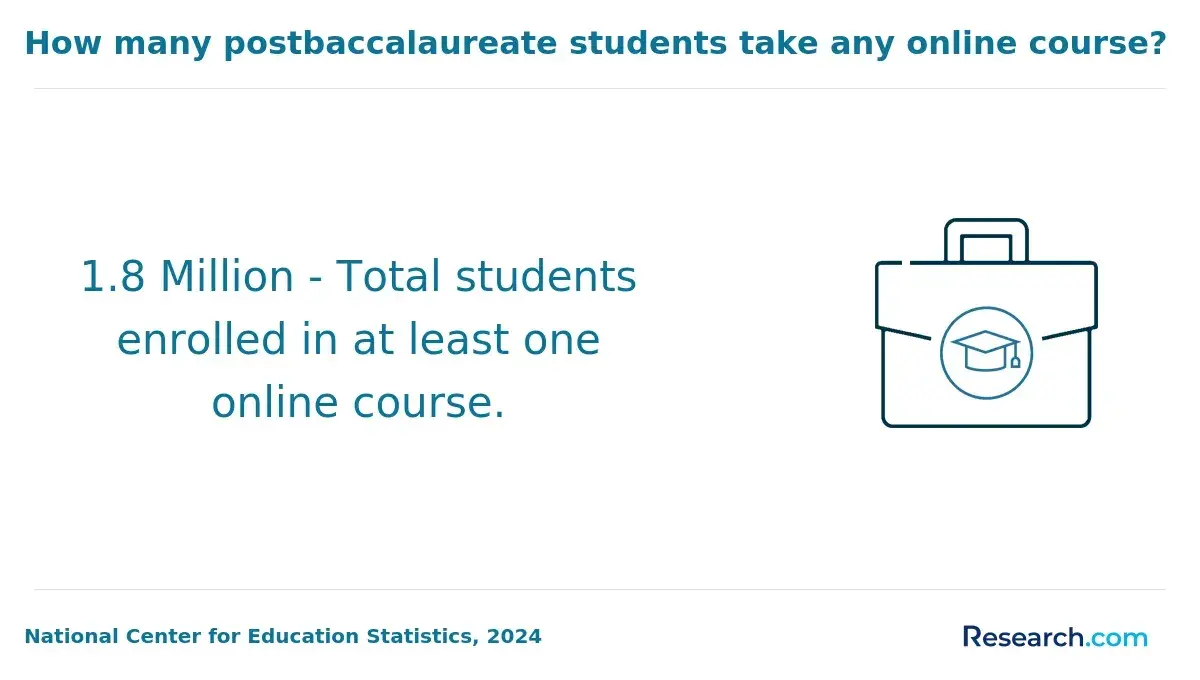
Facing the decision of where to enroll for an MSN program often hinges on whether a school's accreditation aligns with employer standards and licensing boards. With nearly 60% of working adult learners prioritizing flexible online formats according to the National Center for Education Statistics, the demand for accessible, verified accreditation grows.
This shift reflects a need to reconcile career advancement with pragmatic scheduling. Institutions offering accelerated or part-time options may vary widely in accreditation status, directly affecting graduates' eligibility for specialized roles and certifications. This article clarifies MSN accreditation criteria and their tangible consequences, guiding prospective students toward informed, workforce-aligned choices.
Key Things You Should Know
- MSN accreditation increasingly prioritizes clinical practicum hours, with new 2024 standards raising minimums by 20%, forcing candidates to weigh longer completion times against stronger hospital credentialing prospects.
- Employer surveys from the National Nursing Workforce Center reveal 65% of top healthcare systems now require accredited MSN graduates for roles involving advanced practice, limiting opportunity for nonaccredited program graduates despite potential cost savings.
- The median program cost for accredited MSNs rose 12% in 2025, intensifying financial barriers for working professionals seeking career shifts, necessitating consideration of loan debt versus salary premiums tied to accredited credentials.
What does MSN program accreditation mean, and why does it matter for nursing careers?
Accreditation status directly influences nursing career trajectories by determining access to licensure, employment, and certification eligibility. With 237 master's (MSN) programs accredited by the Commission on Collegiate Nursing Education (CCNE), students must critically evaluate program credentials versus their career goals. For nurses targeting advanced practice roles like nurse practitioner or educator, graduating from nonaccredited MSN programs can create concrete barriers.
Employers frequently use accreditation as a filter to mitigate risk and maintain quality standards. Consider a nurse pursuing leadership within a hospital system with strict credentialing policies: lacking an accredited MSN often disqualifies candidates regardless of experience. This dynamic underscores the operational importance of accredited MSN programs in nursing, where certification exam eligibility and federal financial aid also depend on recognized accreditation.
Choosing between programs with similar costs but differing accreditation status involves evaluating downstream returns on investment. Students must verify program standing as 2024 CCNE data confirms uneven nationwide adoption. Practical decision-making also involves transfer credit acceptance and alignment with specific employment pathways, especially for those exploring RN to NP programs where accreditation is often non-negotiable.
For detailed analysis of advanced nursing pathways and accredited options, see RN to NP programs.
Which accreditation bodies and standards apply specifically to MSN nursing programs in the U.S.?
Choosing an MSN nursing program without recognized accreditation bodies for U.S. MSN nursing education can create significant barriers for licensure and employment. In practice, agencies like the Commission on Collegiate Nursing Education (CCNE) and the Accreditation Commission for Education in Nursing (ACEN) impose standards that go beyond institutional reputation, directly influencing clinical readiness and workforce eligibility.
For instance, nurse practitioner residencies require applicants from accredited programs in 99.5% of cases, a threshold critical to secure post-graduate clinical training slots. Unlike broader regional institutional approval, programmatic accreditation specifically affects financial aid qualification, state board licensure, and the ability to sit for certification exams.
State nursing boards may also impose additional rules tied to certain accreditations, creating variance in MSN program acceptance across states. Students must cross-reference their target state requirements to avoid costly delays or denials. Deciding on accreditation involves tradeoffs: programs lacking CCNE or ACEN recognition might offer easier entry but restrict clinical placement options and reduce employer trust.
Those weighing alternative paths could explore options such as easy nursing schools to get into, but must consider long-term mobility limitations. Ultimately, accreditation standards for MSN nursing programs in the U.S. signal foundational competency, ensuring graduates meet national workforce expectations, which is essential for advanced clinical practice roles and professional advancement.
How does MSN accreditation affect eligibility for RN, APRN, and NP licensure and certification?
Accreditation status decisively shapes eligibility for registered nurse (RN), advanced practice registered nurse (APRN), and nurse practitioner (NP) licensure, directly tied to state board and national certification mandates. State boards exclude graduates from non-accredited MSN programs from licensure exams, creating immediate professional barriers.
For those targeting NP certification, especially in states requiring CCNE-accredited education, selecting a non-accredited program results in disqualification from specialty certification exams and limits employment opportunities in settings enforcing Joint Commission standards. This dynamic exemplifies how MSN accreditation requirements for rn aprn licensure operate as gatekeepers within the workforce pipeline.
Employers actively verify accreditation to assess candidate readiness, with the 2025 Mississippi report confirming all approved MSN programs maintain CCNE or ACEN accreditation. Graduates from accredited programs benefit from streamlined licensure application processes and clearer career trajectories. Conversely, non-accredited degrees often impose additional coursework and delays, inflating costs and extending timelines, complicating practical entry into nursing roles.
Monitoring accreditation through recognized bodies ensures compliance with clinical hour mandates, curriculum standards, and faculty qualifications, which translate into workplace competencies. Consider a nurse aiming for NP certification encountering strict state and employer requirements: enrollment in a properly accredited MSN program not only controls access to licensure exams but also avoids costly rework.
- Verification steps include consulting state board listings and accreditation agencies such as CCNE or ACEN.
- Graduates from accredited programs gain eligibility for licensure and certification without remediation.
- Employers prioritize accredited preparation to meet credentialing standards.
For nurses exploring educational pathways, comparing accredited MSN options with alternatives like an RN to BSN program can inform decisions based on licensure and certification goals. Ultimately, the impact of MSN accreditation on np certification eligibility is a pivotal factor shaping nursing career feasibility and institutional choices.
What is the difference between regional, national, and programmatic MSN accreditation?
Employers and state nursing boards consistently prioritize graduates from regionally accredited MSN programs, recognizing the practical advantages in credit transferability and licensure portability that impact career mobility. National accreditation, often tied to career-specific institutions, may restrict professional flexibility and complicate credit acceptance across licensing jurisdictions.
Understanding the difference between regional and national MSN accreditation helps students navigate these tradeoffs before committing to a program. Programmatic accreditation, such as that granted by the Commission on Collegiate Nursing Education (CCNE), assesses curriculum quality directly linked to clinical competence and certification success. For family nurse practitioner (FNP) candidates, a CCNE-accredited program correlates strongly with higher licensure exam pass rates.
Arkansas State University reports a 2024 FNP certification pass rate near 93%, underscoring the importance of this accreditation type in effective workforce preparation. Choosing an MSN pathway with both regional and programmatic accreditation reduces bureaucratic obstacles and maximizes ROI for working professionals balancing time and finances. Employers prefer degrees from programs that demonstrate validated clinical readiness and seamless certification processes.
Conversely, credits from nationally accredited schools may not meet diverse state requirements, limiting career advancement or geographic relocation options. Students evaluating types of programmatic accreditation for MSN degrees] should verify that their program meets both sets of standards to avoid regulatory issues that delay credentialing.
For those considering advanced nursing degrees, options like DNP programs online offer additional career pathways but require similar scrutiny regarding accreditation and licensure alignment.
How do online MSN programs meet accreditation requirements compared with campus-based MSN programs?
Online MSN programs maintain accreditation standards identical to traditional campus-based programs through oversight by bodies such as the Commission on Collegiate Nursing Education (CCNE) and the Accreditation Commission for Education in Nursing (ACEN). Their curricula, faculty qualifications, and clinical requirements are held to the same rigorous benchmarks, but the delivery relies on digital coursework, virtual simulations, and remote clinical placements.
Students still must complete verified clinical hours, yet securing local clinical sites is often more challenging for online learners, necessitating active coordination between schools and healthcare providers. Employers and state nursing boards regard online and campus MSN credentials equivalently for licensure and employment, placing accreditation status over program format. However, logistical hurdles in clinical placements can affect an online student's timeline and experience.
For example, a working nurse in a rural area may need to identify regional clinical partners independently, unlike campus students who benefit from institution-affiliated hospitals. Workforce data from the Detailed Licensure Data Assessment Cycle 2025-2026 reveals an 18% increase in MSN-prepared advanced practice nurses in a southern state in 2025, compared to 4% for BSN-only RNs, illustrating employer preference for accredited graduate-level credentials regardless of delivery mode.
.
What admissions, clinical, and faculty requirements do accredited MSN programs typically follow?
Admission into accredited MSN programs hinges on more than academic metrics; employers expect candidates with active RN licenses, a GPA near 3.0, and demonstrated readiness through prerequisite coursework. Practical healthcare experience-often 1-2 years in acute or community settings-is weighted heavily, balancing academic rigor with real-world exposure.
Clinical training demands between 500 and 700 supervised hours across diverse settings such as hospitals and specialized clinics, overseen by board-certified advanced practice nurses or physicians. Omitting or delaying this component not only extends program duration but also postpones licensure, a critical risk for working professionals managing employment alongside education.
Faculty composition also influences program credibility and graduate competitiveness. Accredited programs require at least 75% of instructors to hold doctoral degrees with current clinical certifications, actively maintaining up-to-date curricula that integrate evidence-based practice. Programs without this emphasis risk accreditation challenges and reduced graduate marketability, particularly for leadership positions.
Financially, graduates recoup investment faster in accredited programs-median paybacks occur in just over 5 years versus over 8 for RNs without graduate preparation-demonstrating the long-term career value tied to these standards.
- RN licensure and minimum GPA 3.0
- 1-2 years relevant clinical experience preferred
- 500-700 supervised clinical hours with certified mentors
- Faculty with doctoral credentials and active clinical roles
- Median tuition recovery in 5.2 years for accredited program grads
How does accreditation influence MSN program curriculum, clinical hours, and specialization options?
Accreditation directly influences the clinical rigor, curriculum quality, and specialization breadth of MSN programs, shaping graduate preparedness and employability. For instance, CCNE-accredited programs require integration of competencies like evidence-based practice and health policy, aligning training with employer expectations for leadership and specialist roles.
Clinical hours represent a critical differentiator: accredited programs typically mandate 500 to 700 supervised hours tailored to licensure standards. Graduates from non-accredited pathways often face barriers obtaining licensure or competitive positions due to insufficient hands-on training. This is particularly consequential in specialties such as nurse anesthesia or midwifery, where clinical proficiency directly impacts patient outcomes.
Specialization offerings in accredited programs reflect workforce demands in primary care, acute care, and population health management. The expansion of online and hybrid programs-now comprising 63% of CCNE-accredited MSN options-introduces logistical challenges for students securing local placements that satisfy accreditation criteria while balancing work and study.
Prospective students must evaluate these tradeoffs carefully: flexible online formats provide accessibility but risk less structured clinical experiences, whereas traditional campus programs offer consistent, site-based clinical training valued by employers. Understanding these distinctions is crucial for aligning educational choices with desired career trajectories and regulatory compliance.
What role does accreditation play in MSN tuition costs, financial aid, and transfer credits?
Tuition costs and financial aid eligibility for MSN programs are directly tied to accreditation status, which functions as a gatekeeper for funding and credit transfer. While accredited programs often have higher tuition due to compliance expenses, federal financial aid makes the net cost more manageable. Students enrolled in nonaccredited MSN programs typically face substantial out-of-pocket expenses, as these programs do not qualify for federal grants or loans.
Transfer credit acceptance depends heavily on accreditation; credits earned from fully accredited MSN programs are usually honored by other accredited institutions, whereas those from programs with conditional or absent accreditation frequently are not. This presents a significant obstacle for working nurses aiming to leverage prior coursework for specialization or doctoral study.
In Mississippi, 7.4% of MSN programs are under "continuing accreditation with conditions," signaling potential future loss of accreditation. Students in such programs risk retroactive denial of financial aid and diminished degree value in employer and licensing board evaluations.
Consider a nurse seeking to pivot into clinical leadership roles: without fully accredited credentials, the employer recognition and eligibility for advanced practice roles may be compromised, limiting career mobility despite the time and money invested.
- Accreditation maintains eligibility for federal financial aid and transfer credit.
- Programs with conditional accreditation risk financial aid denial and reduced transferability.
- Employer and state board recognition of degrees relies on full accreditation status.
How does MSN accreditation impact salary potential, employment options, and long-term career growth?
Accreditation directly shapes the professional value and market viability of an MSN degree, frequently resulting in a 10-20% higher starting salary compared to nonaccredited counterparts, according to U.S. Bureau of Labor Statistics data. Employers and state licensing boards employ accreditation status as a filter for legitimacy and quality, often excluding candidates from nonaccredited programs regardless of individual merit.
For instance, hospitals and advanced practice settings typically require nurses to graduate from accredited programs to qualify for positions such as nurse practitioner or clinical nurse specialist. Without verification through primary sources like the CCNE public directory-which maintains over 2,000 regularly updated accredited nursing programs-graduates risk limited employment options and diminished licensure mobility.
Critical differences in long-term career trajectories hinge on accreditation:
- Access to leadership roles, doctoral studies, and specialized certification paths depends heavily on credentials recognized by employers and licensing bodies.
- Accredited curricula reflect evolving industry standards, preserving skill relevance that supports promotions and role diversification.
- Nurses from unaccredited programs frequently face stalled wage growth and restricted upward mobility due to skepticism of their educational background.
Prospective students should prioritize verifying accreditation status proactively to avoid underemployment and salary suppression. Using tools like the CCNE directory prevents costly mistakes by confirming program legitimacy before enrollment, safeguarding professional and economic outcomes in a competitive healthcare labor market.
How can prospective students verify that an MSN program's accreditation is current and legitimate?
Employers in advanced nursing roles increasingly require graduates from MSN programs with clearly verified and relevant accreditation. Beyond simply holding accredited credentials, nurses must confirm that the accreditation aligns specifically with their intended APRN specialty, as this directly impacts certification eligibility and marketability in competitive healthcare settings. For example, enrolling in a nurse practitioner track without program accreditation for that specialty can limit licensure opportunities and reduce employment prospects.
The growing demand for MSN-qualified nurses-projected to rise by 26% in enrollment by 2030-reflects an emphasis on programs that demonstrate rigorous clinical standards and practical competencies verified through current accreditation bodies. Two dominant agencies govern this validation: the Commission on Collegiate Nursing Education (CCNE) and the Accreditation Commission for Education in Nursing (ACEN).
Prospective students must independently verify accreditation status and expiration through these organizations' official platforms, not relying on institutional claims alone. Practical steps to reduce risk include:
- Checking program and campus accreditation on CCNE or ACEN websites to ensure current approval.
- Cross-referencing with state nursing boards for licensure-relevant program recognition.
- Confirming the duration of accreditation validity to avoid enrolling in programs nearing expiration.
- Monitoring accreditor announcements on substantive changes that may affect curriculum or delivery formats.
Other Things You Should Know About MSN
Not all MSN programs maintain the same academic or clinical rigor if they lack recognized accreditation. Programs without proper accreditation often have less oversight on curriculum quality, clinical hour requirements, faculty qualifications, and assessment standards. This difference affects licensure readiness and employer confidence, meaning selecting an accredited program usually ensures a more consistent and rigorous educational experience relevant to current nursing standards.
Yes, prioritizing accredited programs offering your intended MSN specialization is critical. Specializations vary in clinical hour mandates and curriculum depth, and accreditation confirms these meet professional standards. Choosing a specialization from an accredited program assures alignment with employer expectations and qualifies you for relevant certifications, which directly influences job prospects and career advancement within that focus area.
Accredited MSN programs differ significantly in length and intensity depending on full-time or part-time enrollment options and clinical component structures. Programs with accelerated timelines may have heavier weekly workloads, increasing stress and limiting work-life balance. When choosing, weigh your capacity to manage clinical and academic demands alongside employment and personal obligations to avoid burnout and ensure successful completion.
In the United States, MSN programs are usually accredited by the Commission on Collegiate Nursing Education (CCNE) or the Accreditation Commission for Education in Nursing (ACEN). Some programs also hold regional institutional accreditation, which many state boards of nursing and employers expect for licensure and job screening.
References
- Master's Education https://www.aacnnursing.org/students/nursing-education-pathways/masters-education
- What to Know About Nursing School Accreditation https://www.edumed.org/resources/nursing-school-accreditation/
- Why Accreditation Matters | C-RAC https://www.c-rac.org/why-accreditation-matters
- How to Become a Nurse Practitioner | 2026 Edition https://nursinglicensemap.com/advanced-practice-nursing/nurse-practitioner/
- MSN in Nursing Practice Innovation https://www.unthealth.edu/college-of-nursing/msn-in-nursing-practice-innovation.html
- How Do Online BSN Degree Programs Work? https://www.allnursingschools.com/msn/online-or-on-campus/
- The Importance of Accreditation When Choosing an RN to BSN Program https://www.chamberlain.edu/blog/the-importance-of-accreditation-when-choosing-an-rn-to-bsn-program
- Regional vs. National Accreditation for Nursing Programs | Maryville Nursing https://nursing.maryville.edu/blog/regional-vs-national-accreditation-nursing
- What’s the Deal with Accreditation? https://nursingcas.org/resources-for-current-schools/whats-the-deal-with-accreditation
- Nurse Practitioner Degree vs MSN: What to Choose ? https://learntastic.com/blog/earn-an-msn-or-np-degree-which-is-right-for-you