
2027 How to Become a Medical Biller & Coder in Tennessee

Co-Founder and Chief Data Scientist
Becoming a medical biller and coder in Tennessee is a practical route into healthcare for people who want a patient-adjacent career without becoming a clinician. The role matters because hospitals, clinics, public health agencies, and private practices depend on accurate coding, clean claims, and compliant records to get reimbursed and keep patient information organized. This guide explains the education options, certification choices, costs, financial aid, salaries, employers, challenges, and advancement paths so you can decide whether medical billing and coding is the right career move in Tennessee.
Quick Answer: Becoming a Medical Biller and Coder in Tennessee
Medical billers and coders in Tennessee generally need a high school diploma or GED, postsecondary training in coding and billing, and an employer-recognized certification such as CPC, CCS, or CBCS. Tennessee does not require a state license for this occupation, but certification can make a major difference in hiring and advancement. Reported salary figures vary by source: medical billers in Tennessee earn an average annual salary of $42,329, while 2025 estimates also place total pay around $48,000 and average salary around $41,500 per year. Job demand is supported by Tennessee’s large healthcare sector, with 21.5% growth expected in relevant jobs and broader healthcare support projections also reporting a 60% increase across selected roles.
- Education requirements for medical billing and coding in Tennessee
- Certification requirements for Tennessee medical billers and coders
- How to prepare for medical billing and coding certification
- Financial aid options for Tennessee medical billing and coding students
- Reasons to choose this career path in Tennessee
- Major employers for medical billers and coders in Tennessee
- Career advancement options in medical billing and coding
- Professional organizations for coders and billers in Tennessee
- Moving from billing and coding into nursing
- Future-proofing your billing and coding career
- Soft skills Tennessee employers look for
- How cross-disciplinary training can expand your options
- Medical billing and coding salary in Tennessee
- Job outlook for medical billing and coding in Tennessee
- Common challenges and mistakes to avoid
- Alternative careers for Tennessee medical billers and codersKey insights
What are the education requirements for medical billing and coding in Tennessee?
Tennessee does not set a state licensing requirement for medical billers and coders, but most employers expect formal training. At minimum, applicants usually need a high school diploma or GED. From there, students can choose a short certificate, a longer associate degree, or targeted exam-preparation coursework depending on their budget, timeline, and career goals.
Medical billing and coding programs usually cover medical terminology, anatomy, healthcare reimbursement, claims processing, insurance procedures, privacy rules, and coding systems such as CPT, ICD-10-CM, and HCPCS. Some programs also include electronic health record workflows, revenue cycle management, and practical coding exercises that mirror the work done in healthcare offices.
| Education path | Typical length | Best for | What to check before enrolling |
| Certificate program | Often less than a year | Students who want the fastest route to entry-level billing or coding jobs | Whether the curriculum prepares students for CPC, CCS, CBCS, or another recognized exam |
| Associate degree program | Typically two years | Students who want broader health information, general education, and advancement options | Transfer policies, accreditation, tuition, certification exam preparation, and employer partnerships |
| Short exam-prep course | Varies by provider | Students who already have healthcare experience or prior coursework | Whether the course includes coding practice, exam simulations, and current coding manuals |
Examples of Tennessee institutions and training providers mentioned for this field include Nashville State Community College, Austin Peay State University, the University of Tennessee, Tennessee Professional Training Institute, and Tennessee College of Applied Technology. Some online options may require students to be at least 18 years old and have reliable access to a computer and internet connection.
Before choosing a program, ask whether it is accredited, whether certification exam fees are included, whether students receive hands-on coding practice, and whether graduates qualify for internships or employer-connected job placement support.
Do you need certification to work as a medical biller and coder in Tennessee?
No state-issued certification or license is required to work as a medical biller and coder in Tennessee. However, certification is often important in the hiring process because it gives employers evidence that you understand coding rules, documentation standards, payer requirements, and compliance expectations.
The right credential depends on the type of work you want to do. Outpatient physician coding, inpatient hospital coding, and billing-focused roles can require different knowledge.
| Credential | Issuing organization | Primary focus | When it may make sense |
| Certified Professional Coder (CPC) | American Academy of Professional Coders | Outpatient and physician-based coding | You want to work in physician offices, outpatient clinics, or ambulatory settings |
| Certified Coding Specialist (CCS) | American Health Information Management Association | More advanced coding, often associated with inpatient and facility-based work | You want to pursue hospital coding, complex coding, or health information roles |
| Certified Billing and Coding Specialist (CBCS) | National Healthcareer Association | Billing, claims, coding basics, and reimbursement workflows | You want a broad entry-level credential that covers both billing and coding tasks |
Most certification pathways require passing an exam, and some may have experience recommendations or practical requirements. If you are comparing schools, ask which certification exam the program is designed around. A program that says it teaches “medical billing and coding” may not automatically prepare students equally well for CPC, CCS, and CBCS.
How can aspiring medical billers and coders in Tennessee prepare for certification?
The best certification preparation starts before exam registration. Students should first master medical terminology, anatomy, coding guidelines, claims workflows, and payer documentation rules. After completing coursework, build a study plan that combines review, timed practice, and error analysis.
- Review the exam outline. Use the certifying organization’s official content guide so you study the correct topics instead of relying only on class notes.
- Practice with real coding scenarios. Coding exams reward accuracy and speed, so students should work through case examples rather than only memorizing definitions.
- Take timed practice exams. Practice exams help you identify weak areas and get comfortable with the pressure of exam day.
- Use review classes strategically. Local community colleges, training providers, and Tennessee College of Applied Technology may offer workshops or targeted review sessions.
- Attend webinars and seminars. Organizations such as the American Academy of Professional Coders provide updates that can help students understand current expectations in the field.
- Join a study group. Peer review can be useful for discussing difficult coding cases, reimbursement rules, and exam-taking strategies.
Students who want a structured training route can compare medical coding accredited programs before committing to a school. This is especially useful if you need online study, a clear certification pathway, or a program that fits around work and family responsibilities.
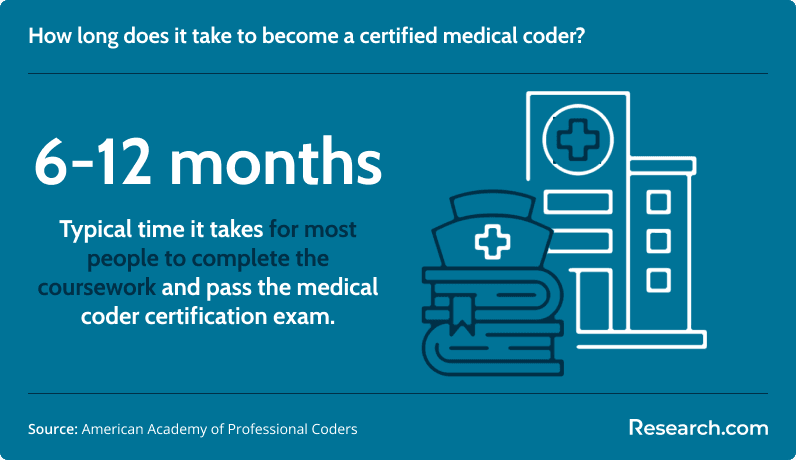
Because medical billing and coding jobs have been included among fields projected to grow by 60% over the next decade in Tennessee, strong preparation can help applicants compete for entry-level roles. The path can also be shorter than many other healthcare careers, but shorter does not mean effortless. Accuracy, coding judgment, and compliance knowledge take focused practice.
Are there financial aid programs for medical billers and coders in Tennessee?
Yes. Tennessee students may be able to reduce training costs through state scholarships, adult learner grants, workforce funding, institutional aid, and regional healthcare workforce programs. Eligibility varies, so students should verify deadlines, enrollment rules, residency requirements, and whether a specific certificate or degree program qualifies.
| Financial aid option | Amount or support described | Who it may help | Important question to ask |
| Tennessee Promise | Up to $5,000 per year | Eligible high school graduates entering community colleges or technical schools | Does the medical billing and coding program qualify under the scholarship rules? |
| Tennessee HOPE Scholarship | Up to $3,000 annually | Undergraduate students who meet GPA and enrollment requirements at accredited institutions | Can this scholarship be applied to the credential or degree you plan to pursue? |
| Tennessee Reconnect Grant | Up to the total cost of tuition and fees at community colleges or technical schools | Adults returning to school or changing careers | Does the grant cover the exact program length and format you need? |
| Local Workforce Development Boards | Grant and scholarship amounts vary by region | Students training for high-demand occupations | Are books, exam fees, and supplies covered, or only tuition? |
| HRSA Delta Region Rural Health Workforce Training Program | A $1.2 million grant awarded to Jackson State Community College | Medical coding students in West Tennessee | Are you eligible for tuition, program fees, books, certification exam fees, and stipend support? |
The HRSA Delta Region Rural Health Workforce Training Program is especially notable for rural learners. Through Jackson State Community College, Jackson-Madison County General Hospital, the Rural Health Association of Tennessee, and the Southwest and Northwest Tennessee Workforce Boards, approximately 60% of the grant directly benefits students. Over the four-year grant period, up to 90 students will receive full support.
When comparing programs, look beyond tuition. Certification exam fees, textbooks, coding manuals, technology requirements, background checks, and retake fees can affect the real cost. Students researching medical billing and coding certification cost should ask each school for a complete cost breakdown in writing.
Why become a medical biller and coder in Tennessee?
Medical billing and coding can be a strong fit in Tennessee for people who want a stable healthcare role built around accuracy, documentation, technology, and problem-solving. The work supports patient care indirectly by helping providers document services correctly, submit claims, and maintain organized records.
- Healthcare presence across the state. Tennessee has large hospitals, academic medical centers, physician groups, community clinics, and public health organizations that need revenue cycle and records support.
- Multiple entry points. Students can begin with a certificate, an associate degree, or certification preparation depending on their prior education and career timeline.
- Room for specialization. Experienced coders may move toward compliance, auditing, risk adjustment, inpatient coding, revenue cycle management, or health information roles.
- Potential for remote or hybrid work. Some employers offer coding and billing roles outside a traditional office setting, although entry-level workers may need onsite training first.
- Lower clinical exposure than patient-care careers. This path may appeal to people who want to work in healthcare but do not want direct bedside responsibilities.
This career is not ideal for everyone. If you dislike detailed rules, frequent software use, repetitive documentation review, or changing payer requirements, the work may feel frustrating. The strongest candidates tend to enjoy precision, independent focus, and solving administrative problems that affect payment and compliance.
What are the top employers for medical billers and coders in Tennessee?
Medical billers and coders in Tennessee may find opportunities in hospitals, physician groups, outpatient clinics, public agencies, insurance-related organizations, and third-party billing companies. Large healthcare systems often have dedicated billing, coding, revenue cycle, and health information departments, while smaller clinics may expect one employee to handle a wider mix of administrative duties.
- Vanderbilt University Medical Center (VUMC): A major academic medical center in Nashville with a wide range of specialty services, research activity, and healthcare administration roles.
- Memphis Health Department: A public health employer where billing, records, and documentation work supports community health services.
- HCA Healthcare: One of the nation’s largest healthcare providers, with multiple hospital and administrative operations across Tennessee.
- Erlanger Health System: A Chattanooga-based healthcare system known for specialized services and collaborative clinical environments.
- Saint Thomas Health: Part of the Ascension family, with facilities across Middle Tennessee and roles tied to patient services, billing, and healthcare operations.
When evaluating employers, ask whether the position is coding-focused, billing-focused, denial-management focused, or a blended administrative role. Job titles can look similar but involve very different daily responsibilities.
How can I advance my career in medical billing and coding in Tennessee?
Career growth usually comes from combining experience, stronger credentials, software fluency, and specialization. Entry-level workers often begin with claims processing, charge entry, basic coding, front-office billing, or insurance verification. With time, they may move into coding quality review, auditing, compliance, revenue cycle analysis, team leadership, or health information management.
| Career goal | Useful next step | Why it helps |
| Move from billing into coding | Earn a coding-focused credential and practice case-based coding | Employers often need proof that you can code accurately, not just process claims |
| Qualify for hospital coding | Build stronger knowledge of facility coding and documentation requirements | Hospital coding can involve more complex records and stricter compliance expectations |
| Enter compliance or auditing | Gain experience reviewing denials, documentation gaps, and coding accuracy | Auditing roles require judgment, policy knowledge, and attention to risk |
| Broaden healthcare employability | Consider related training such as medical assistant certification in Tennessee | Cross-training can help if you want a role that blends administrative and clinical support |
Advancement is rarely automatic. Keep a record of productivity, accuracy, denial reductions, software platforms used, and continuing education completed. Those details can make your resume stronger when applying for higher-level roles.
What professional organizations support medical billers and coders in Tennessee?
Professional organizations can help Tennessee billers and coders stay current, prepare for certification exams, complete continuing education, and connect with peers. The American Academy of Professional Coders and the American Health Information Management Association are two of the most recognized national organizations in this field.
- American Academy of Professional Coders: Useful for CPC-focused training, outpatient coding resources, local chapter networking, webinars, and continuing education.
- American Health Information Management Association: Useful for health information management, coding standards, data governance, privacy, compliance, and credentials such as CCS.
- Local employer training groups: Hospitals, clinics, and workforce boards may offer workshops tied to payer updates, claims workflows, electronic health record systems, and denial management.
Professional organizations are especially valuable because coding rules, payer expectations, and healthcare technology change over time. If you are comparing healthcare career timelines more broadly, you can also review related paths such as how long it takes to become a pharmacist in Tennessee.
Can medical billing and coding professionals transition to nursing roles in Tennessee?
Yes, but moving from billing and coding into nursing is not a simple promotion; it is a career change. Billing and coding experience can help you understand healthcare documentation, insurance, patient records, and clinical terminology, but nursing requires accredited clinical education, supervised patient-care training, and state licensure.
Someone considering this switch should compare prerequisite courses, admission requirements, clinical hour expectations, program format, tuition, and licensure steps. Start by reviewing how to get a nursing license in Tennessee so you understand the difference between administrative healthcare work and licensed patient-care practice.
How can you future-proof your career in medical billing and coding in Tennessee?
Future-proofing in this field means becoming more valuable than software alone. Automation, computer-assisted coding, payer portals, electronic health records, and AI-supported tools can speed up parts of the workflow, but employers still need people who can interpret documentation, catch errors, resolve denials, communicate with providers, and understand compliance risk.
- Stay current on coding updates. Coding rules and payer requirements change, so continuing education is not optional for long-term success.
- Learn the technology stack. Become comfortable with electronic health records, billing systems, payer portals, spreadsheets, and audit tools.
- Build denial-management skills. Understanding why claims fail can make you more valuable to revenue cycle teams.
- Develop compliance judgment. Accuracy is important, but knowing when documentation is insufficient is equally important.
- Consider long-range healthcare paths. If you want advanced clinical responsibility, explore options such as how to become a nurse practitioner in Tennessee, while recognizing that this requires a separate nursing pathway.
What essential soft skills do medical billers and coders need in Tennessee?
Technical knowledge gets you started, but soft skills often determine whether you succeed in a busy healthcare setting. Tennessee employers commonly value accuracy, discretion, communication, persistence, and the ability to work calmly with complex records and deadlines.
| Soft skill | Why it matters in billing and coding | How to demonstrate it |
| Attention to detail | Small coding or demographic errors can delay payment or create compliance issues | Show accuracy rates, audit results, or coursework with case-based coding practice |
| Communication | Billers and coders often clarify documentation with providers, insurers, and office staff | Prepare examples of resolving claim questions or explaining documentation needs |
| Problem-solving | Denied claims, missing information, and payer rules require investigation | Describe how you researched and corrected an error or workflow issue |
| Adaptability | Coding guidelines, software systems, and payer processes can change | List continuing education, software training, or new responsibilities you learned quickly |
| Professional judgment | Healthcare information is sensitive and must be handled carefully | Explain your understanding of privacy, confidentiality, and ethical documentation |
Students who want to understand broader healthcare communication and coordinated care may find useful context in curricula from top nursing schools in Tennessee, although nursing and coding remain distinct career tracks.
How can cross-disciplinary training benefit medical billers and coders in Tennessee?
Cross-disciplinary training can make a medical biller or coder more flexible. For example, learning healthcare administration can support movement into office management or revenue cycle leadership. Training in clinical terminology can strengthen documentation review. Understanding allied health fields can also improve communication with providers and care teams.
This does not mean every coder should pursue another healthcare credential. Additional training is most useful when it supports a clear goal, such as compliance, clinic administration, population health documentation, or a future clinical transition. Those considering a broader allied health move can compare requirements for paths such as how to become a registered dietician in Tennessee.
How much do medical billers and coders earn in Tennessee?
Medical billing and coding pay in Tennessee varies by job title, employer, location, certification, experience, and whether the role is focused on basic billing, complex coding, auditing, or management. Reported salary figures also differ by source and methodology.
| Salary point mentioned | Amount | How to interpret it |
| Average annual salary for medical billers in Tennessee | $42,329 | A general state-level figure that may reflect billing-focused roles |
| Estimated total salary as of 2025 | Around $48,000 | Total compensation estimate, which may include more than base salary depending on the source |
| Average salary as of 2025 | Around $41,500 per year | A base-pay estimate that can vary by employer and experience |
| Entry-level positions | Around $39,500 | A reasonable expectation for workers starting out in the field |
| Mid-level experience | Approximately $41,200 | A figure associated with workers who have built some experience |
| Advanced roles | Exceeding $51,000 | More likely for specialized, managerial, or highly experienced coders |
Students who want stronger credentials for advancement may consider a medical coding associate degree, especially if they want broader health information training or a path toward supervisory roles. A degree is not always required, so compare the cost against the roles you actually want.
What is the job outlook for medical billing and coding in Tennessee?
The outlook is favorable, but students should understand the data carefully. The article’s cited figures include 21.5% growth expected in relevant jobs and a Tennessee Department of Labor and Workforce Development projection of a 60% increase in jobs across various healthcare support roles, including medical billing and coding positions. These figures may refer to different occupational groupings, so they should not be read as a guaranteed growth rate for every billing and coding job title.
- Healthcare demand supports the field. As healthcare services expand, employers need staff who can document services, submit claims, manage records, and support reimbursement.
- Job settings are diverse. Tennessee opportunities may appear in hospitals, clinics, private practices, specialty groups, public health departments, and outsourced billing companies.
- Certifications can improve competitiveness. Employers often prefer applicants who can show readiness for coding guidelines and payer compliance.
- Fast training options exist. Students who need a shorter route can compare accelerated medical billing and coding programs, but should verify whether a short course is enough for the jobs they want.
The best job strategy is to search current Tennessee postings before enrolling. Look at required credentials, software tools, years of experience, remote-work rules, and whether employers ask for CPC, CCS, CBCS, or another credential.
What are the challenges for medical billers and coders in Tennessee?
Medical billing and coding can be steady work, but it is not low-pressure work. Accuracy standards are high, deadlines matter, and coding or billing errors can affect reimbursement, compliance, and patient accounts.
| Challenge or mistake | Why it causes problems | Better approach |
| Choosing a program without checking accreditation or employer recognition | A low-quality program may not prepare you for certification or hiring requirements | Ask which certification exam the program supports and whether local employers recognize it |
| Looking only at tuition | Books, coding manuals, technology, exam fees, and retake fees can raise the total cost | Request a full written cost estimate before enrolling |
| Assuming certification guarantees a job | Employers also consider experience, accuracy, software knowledge, and communication skills | Build a portfolio of practice cases, pursue internships if available, and tailor your resume to job postings |
| Ignoring coding updates | Outdated coding knowledge can lead to errors and denied claims | Use continuing education, professional organizations, and employer training to stay current |
| Underestimating insurance complexity | Different payers may have different claim rules, documentation standards, and appeal processes | Learn denial trends, payer portals, and documentation requirements early |
| Not developing technology skills | Most roles require electronic health records, billing platforms, and digital claim workflows | Practice with common healthcare software concepts and become comfortable learning new systems |
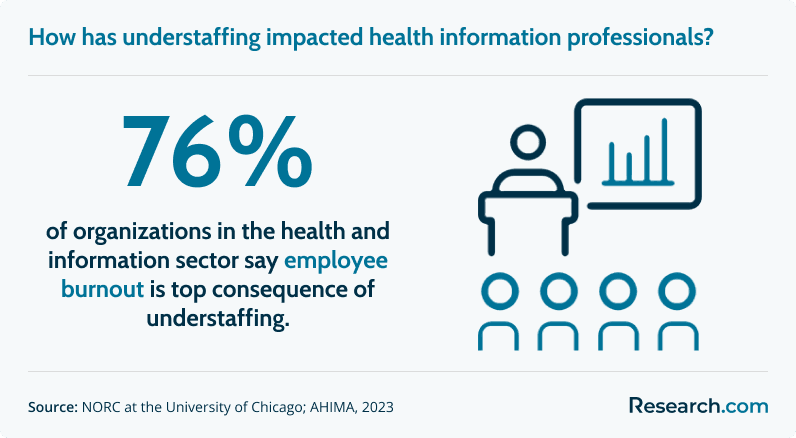
Other common pressures include staffing shortages, changing regulations, heavy workloads, and the need to communicate clearly with providers, insurers, patients, and other administrative staff. People who succeed in this field usually treat change as part of the job rather than an occasional disruption.
What alternative career paths can medical billers and coders in Tennessee pursue?
Medical billing and coding can lead to several related healthcare business and health information careers. These paths use similar strengths: records accuracy, compliance awareness, healthcare terminology, data organization, and process improvement.
- Health Information Technician: This role focuses on organizing, protecting, and maintaining patient information. The average salary for health information technicians in Tennessee is around $44,000 per year.
- Medical Office Administrator: This path suits workers who enjoy scheduling, staff coordination, patient flow, billing oversight, and office operations. In Tennessee, the average salary for this role is approximately $50,000 annually.
- Coding Compliance Specialist: This role reviews coding accuracy, documentation quality, and regulatory alignment. The average salary for coding compliance specialists in Tennessee hovers around $56,000 per year.
- Healthcare Consultant: This option may fit professionals who like analytics, workflow improvement, and compliance strategy. In Tennessee, healthcare consultants earn an average of $70,000 per year. To compare this path with coding-specific work, review more details on medical coder salary.
If you are unsure which path fits, review job postings for each title and list the credentials, software skills, and experience employers request. That will show whether you need another certification, a degree, or simply more targeted work experience.
What Medical Billers and Coders in Tennessee Say About Their Careers
• Working in Tennessee medical billing and coding has given me a way to contribute to healthcare without being in a direct clinical role. I value knowing that accurate records and claims support the care patients receive. Kyle
• The Tennessee healthcare environment has pushed me to keep learning. Coding rules, software, and payer expectations keep changing, but that challenge has helped me become more confident and adaptable. Clive
• This field has offered stability and growth. State programs, employer partnerships, and ongoing training helped me turn difficult early experiences into a career with better long-term options. Elise
Related Articles for Nearby States
- 2027 How to Become a Medical Biller & Coder in Kentucky
- 2027 How to Become a Medical Biller & Coder in Mississippi
- 2027 How to Become a Medical Biller & Coder in Alabama
- 2027 How to Become a Medical Biller & Coder in Georgia
- 2027 How to Become a Medical Biller & Coder in North Carolina
- 2027 How to Become a Medical Biller & Coder in Missouri
- 2027 How to Become a Medical Biller & Coder in Arkansas
- 2027 How to Become a Medical Biller & Coder in Virginia
- 2027 How to Become a Medical Biller & Coder in Indiana
- 2027 How to Become a Medical Biller & Coder in South Carolina
References:
- AAPC. (n.d.). How long does it take to become a certified medical coder? American Academy of Professional Coders. Retrieved April 14, 2025.
- Glassdoor. (2025, April 10). How much does a medical coder and biller make in Tennessee? Glassdoor.com. Retrieved April 14, 2025.
- NORC, & American Health Information Management Association. (2023, October). Health information workforce: Survey results on workforce challenges and the role of emerging technologies. NORC at the University of Chicago. Retrieved April 14, 2025.
- TDLWD. (2024, December). Workforce Innovation and Opportunity Act (WIOA): Program year 2023 annual report. Tennessee Department of Labor & Workforce Development. Retrieved April 14, 2025.
- TDLWD. (n.d.). Medical billing: Best practices for workers’ compensation in Tennessee. Tennessee Department of Labor & Workforce Development. Retrieved April 14, 2025.
- THEC, TDLWD, TNECD, & TDOE. (2023). Improving the pipeline for Tennessee’s workforce: Academic supply for occupational demand report 2023. Tennessee State Government. Retrieved April 14, 2025.
- U.S. BLS. (2024, April 3). Occupational employment and wages, May 2023: 29-2072 medical records specialists. U.S. Bureau of Labor Statistics. Retrieved April 14, 2025.
Key Insights
- Tennessee does not require a state license for medical billing and coding, but employers often prefer formal training and certification.
- Certificate programs can be faster, while associate degrees may provide broader preparation for advancement in health information and revenue cycle roles.
- CPC, CCS, and CBCS serve different career goals; choose the credential that matches the setting where you want to work.
- Salary figures vary by source, but reported Tennessee estimates include $42,329, around $41,500 per year, and total pay around $48,000, with advanced roles exceeding $51,000.
- Financial aid may be available through Tennessee Promise, Tennessee HOPE Scholarship, Tennessee Reconnect Grant, workforce boards, and the HRSA Delta Region Rural Health Workforce Training Program.
- The strongest long-term strategy is to pair certification with software skills, denial-management experience, compliance awareness, and continuous coding education.
- Before enrolling, verify accreditation, certification alignment, total program cost, job placement support, and whether local employers recognize the training provider.
Other Things You Should Know About Medical Billers and Coders in Tennessee
In 2027, aspiring medical billers and coders in Tennessee typically need to complete a certificate or associate degree program in medical billing and coding. These programs should be accredited and cover key topics like medical terminology, coding systems, and healthcare laws. While certification isn’t mandatory, credentials like CPC or CCA are highly recommended.
Tennessee does not issue a state license for medical billers and coders, but many employers prefer national certification such as the AAPC’s CPC or AHIMA’s CCA. These credentials show coding knowledge, and some jobs ask for one to two years of experience or approved training.


