2027 How to Become a Licensed Pharmacist in Tennessee

Co-Founder and Chief Data Scientist
Becoming a pharmacist in Tennessee requires more than earning a pharmacy degree. You must complete an accredited Doctor of Pharmacy program, document required practice experience, pass national and state law exams, clear the background-check process, and keep your license active through renewal and continuing education. For students comparing pharmacy school options, pharmacy technicians planning a next step, and healthcare professionals considering a career change, understanding the sequence matters because missed requirements can delay licensure.
This guide explains the Tennessee pharmacist licensure pathway in practical terms: how long it usually takes, what education is required, what exams and internship hours are involved, what costs to expect, how online applications work, and what career outcomes may look like after licensure. It also highlights decision points, common mistakes, and questions to ask before committing to a pharmacy program.
Quick answer: How do you become a licensed pharmacist in Tennessee?
To become a licensed pharmacist in Tennessee, you generally need to complete prerequisite undergraduate coursework, earn a Doctor of Pharmacy (PharmD) from an accredited pharmacy school, complete at least 1,700 internship hours, pass the North American Pharmacist Licensure Examination (NAPLEX) and the Multistate Pharmacy Jurisprudence Examination (MPJE), submit an online application to the Tennessee Board of Pharmacy, complete fingerprinting and a criminal background check, and maintain your license through continuing education.
| Step | What it involves | Why it matters |
| Complete academic preparation | Finish undergraduate prerequisites and a PharmD program from an accredited pharmacy school. | Tennessee licensure depends on professional pharmacy education that prepares you for medication safety, patient care, and pharmacy law. |
| Earn practical experience | Document at least 1,700 internship hours under appropriate supervision. | Internship training connects classroom learning to real patient-care and pharmacy operations. |
| Pass required exams | Take the NAPLEX and MPJE after meeting eligibility requirements. | The NAPLEX assesses pharmacy practice knowledge; the MPJE assesses pharmacy law and regulations. |
| Apply through the state | Use the online system, upload required documents, pay fees, and maintain your practitioner profile. | Incomplete applications, missing documents, or outdated profiles can slow approval. |
| Keep the license active | Renew as required and complete continuing education, including at least 30 hours every two years. | Pharmacists must stay current with medication changes, safety practices, and regulatory expectations. |
Key things to know before starting the Tennessee pharmacist licensure process
- The application process is online: Initial pharmacist licensure applications are handled through an online system, which makes it easier to submit information and track requirements.
- Your practitioner profile matters: Applicants must create and maintain an online practitioner profile. Keep it accurate because it supports licensure and professional verification.
- Fees can be paid electronically: The application system accepts credit cards, debit cards, and e-checks.
- Many documents can be uploaded: Instead of relying only on paper submissions, applicants can upload many required materials directly through the online system.
- Fingerprinting and background checks are required: Tennessee uses criminal background checks as part of the licensing process.
- Requirements can change: Always confirm current rules with the Tennessee Board of Pharmacy before applying, scheduling exams, or assuming a program meets licensure requirements.
- What does a licensed pharmacist do?
- How many years does it take to become a pharmacist in Tennessee?
- How do you earn a pharmacy degree in Tennessee?
- What are Tennessee’s pharmacist licensure requirements?
- What does it cost to become a pharmacist in Tennessee?
- Can the Tennessee pharmacist license process be completed online?
- What is the pharmacist job description in Tennessee?
- What should you do if your Tennessee pharmacist license expires?
- Which healthcare skills transfer from pharmacy to other careers?
- How much do pharmacists earn in Tennessee?
- What continuing education options are available?
- How should you choose a pharmacy school?
- Can pharmacists support substance abuse counseling work?
- How is online learning affecting pharmacy practice?
- Why does interprofessional collaboration matter?
- What challenges do Tennessee pharmacists face?
- How can specialization support advancement?
- How can associations and mentorship help?
- How does pharmacist licensure compare with nursing licensure?
- How do pharmacists support public health?
- What is the job outlook for pharmacists in Tennessee?
- What alternative careers can licensed pharmacists pursue?
- What does a Tennessee pharmacist career path look like?
What is a licensed pharmacist?
A licensed pharmacist is a healthcare professional authorized to prepare, dispense, evaluate, and manage medications for patients. In Tennessee, pharmacists work in community pharmacies, hospitals, outpatient care centers, health systems, clinics, and other healthcare settings. Their work goes beyond filling prescriptions; they help patients use medications safely, identify drug interactions, support immunization services, and collaborate with prescribers on treatment plans.
Licensure is the state’s way of confirming that a pharmacist has completed the required education, practical training, examinations, and background-review steps needed to practice safely. For future students, that means the path should be planned early, especially when choosing prerequisites, comparing pharmacy schools, and budgeting for exams and licensing fees.
- Professional degree: The usual academic requirement is a Doctor of Pharmacy degree from an accredited pharmacy school. A PharmD typically combines biomedical science, pharmacology, patient-care coursework, and experiential training. Students who need more flexibility may want to compare traditional programs with online pharmacy doctorate program options, while still confirming accreditation and in-person clinical requirements.
- Supervised practice: Tennessee requires hands-on experience before licensure. This is where students apply classroom knowledge in real pharmacy settings under licensed supervision.
- Licensure testing: Candidates must pass the NAPLEX and MPJE. These exams test whether the applicant is prepared for pharmacy practice and understands the legal framework governing pharmacy work.
- Ongoing competence: Licensure is not permanent without maintenance. Pharmacists must complete continuing education and renew their credentials to remain authorized to practice.
In practical terms, a licensed pharmacist is both a medication expert and a patient-care professional. The strongest candidates prepare for both sides of the role: the science of drug therapy and the communication skills needed to help people use medications correctly.
How long does it take to become a licensed pharmacist in Tennessee?
The full path to pharmacist licensure in Tennessee typically takes 6 to 8 years. The timeline depends on how quickly you complete prerequisite coursework, whether you attend pharmacy school full time, how your internship hours are structured, and how soon you can schedule and pass the required examinations.
| Stage | Typical requirement | Planning note |
| Undergraduate prerequisites | At least two years of undergraduate coursework before entering a PharmD program. | Some students complete more than the minimum, especially if they pursue a bachelor’s degree before pharmacy school. |
| PharmD program | Usually four years of full-time professional study. | Experiential education may be built into the curriculum, but confirm how internship hours are documented. |
| Internship experience | Minimum of 1,700 hours of practical internship experience. | Students who do not meet the hour requirement through school placements may need additional supervised experience. |
| Licensure exams | NAPLEX and MPJE after education and experience requirements are met. | Exam scheduling is handled by an external vendor, so testing availability can affect your timeline. |
| Background check and license processing | Criminal background check typically takes 2 to 4 weeks; license processing is usually about five business days after complete documentation and passing scores are received. | Plan for another 10 to 14 business days to receive the physical license by mail. |
If you are still exploring healthcare roles, a shorter training route such as a pharmacy technician associate degree online may help you enter the pharmacy field sooner while you decide whether the PharmD pathway is right for you.
How do I get a pharmacy degree in Tennessee?
To become eligible for pharmacist licensure, you need a Doctor of Pharmacy degree from an accredited pharmacy school. In Tennessee, one prominent option is the University of Tennessee Health Science Center (UTHSC) College of Pharmacy, which is ranked 19th nationally among over 140 pharmacy programs and has a history of more than 125 years.
When evaluating a pharmacy degree program, do not choose based only on name recognition. Look closely at accreditation, experiential training, tuition, location, class format, board-exam preparation, student support, and whether the program’s structure fits your academic background and schedule.
- Experiential learning: UTHSC emphasizes hands-on training and includes a $36.7 million simulation center designed to help students practice clinical and patient-care skills before working in live settings.
- Dual-degree options: Students may be able to combine the PharmD with degrees such as a Master of Business Administration or a Master of Public Health, which can support careers in leadership, healthcare administration, population health, or managed care.
- Research environment: UTHSC ranks 13th in the nation for National Institutes of Health (NIH) research funding, giving students opportunities to engage with pharmaceutical sciences research.
After earning the PharmD, graduates must complete the Tennessee licensure process, including the NAPLEX and Tennessee-specific MPJE. For the 2024-2025 academic year, UTHSC tuition is listed as $23,364 for in-state students and $28,590 for out-of-state students. Compare those figures with other direct and indirect costs, including fees, housing, books, transportation, exam fees, and living expenses.
If you are comparing pharmacy roles before committing to a doctorate, it may also help to review pharmacy technician compensation so you can understand the difference between technician-level work and pharmacist-level education, responsibility, and earning potential.
What are the requirements to become a licensed pharmacist in Tennessee?
Tennessee pharmacist licensure has several required components: education, supervised practice, examinations, an application, a background check, and ongoing renewal. The details can affect your timeline, so it is best to map the requirements before you graduate rather than waiting until the end of pharmacy school.
| Requirement | What Tennessee applicants should prepare | Common risk |
| Accredited pharmacy education | Complete a PharmD program that satisfies licensure expectations. | Assuming any pharmacy-related degree qualifies for pharmacist licensure. |
| Internship hours | Document at least 1,700 supervised practical hours. | Failing to confirm whether school-based rotations cover the full hour requirement. |
| NAPLEX | Pass the national pharmacist licensure exam. | Waiting too long to schedule, especially if testing availability is limited. |
| MPJE | Pass the pharmacy law exam that includes Tennessee-relevant legal requirements. | Underestimating state law and regulation content. |
| Online application and profile | Create the required practitioner profile, submit documents, and pay fees online. | Submitting incomplete or inconsistent information. |
| Background check | Complete fingerprinting and the required criminal background check. | Delays from late fingerprinting or unresolved documentation questions. |
| Renewal and continuing education | Complete at least 30 hours of approved continuing education every two years. | Waiting until renewal time to locate CE records. |
For students still building pharmacy experience, online pharmacy technician training programs may provide exposure to pharmacy workflows, medication terminology, and patient-service expectations. However, pharmacy technician training is not a substitute for the PharmD required to become a licensed pharmacist.
How much does it cost to become a licensed pharmacist in Tennessee?
The largest cost is pharmacy school. Tuition varies by institution, residency status, and program type, and students should also budget for exams, licensing, continuing education, transportation to clinical sites, and living expenses. A realistic budget should include both required fees and the opportunity cost of several years of professional study.
| Cost category | Amount stated | How to evaluate it |
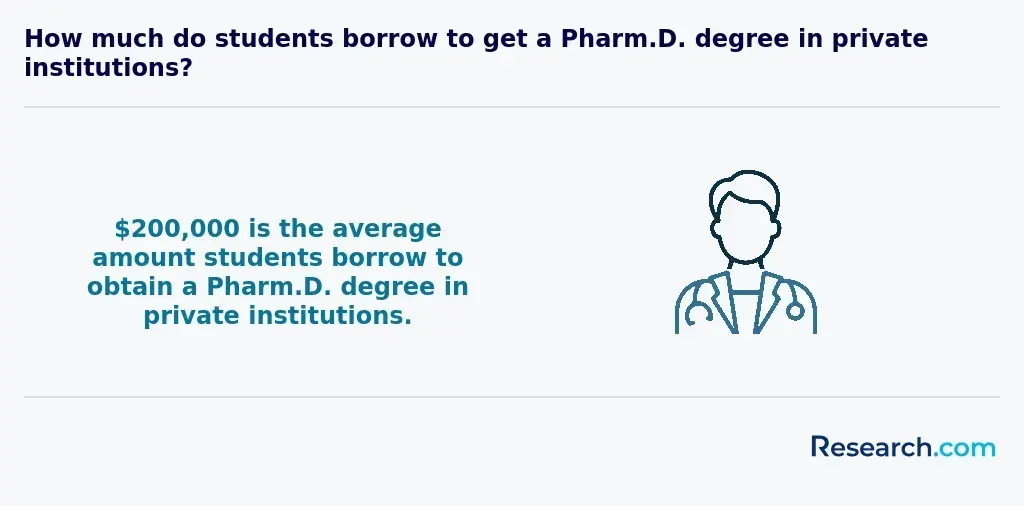
| PharmD tuition | Average annual tuition can range from $20,000 to $60,000, with four-year totals ranging from $80,000 to $240,000. | Compare public and private options, in-state and out-of-state tuition, scholarships, and total debt at graduation. |
| UTHSC tuition example | $23,364 for in-state students and $28,590 for out-of-state students for the 2024-2025 academic year. | Use published tuition as a starting point, then add fees and living costs. |
| NAPLEX fee | Approximately $75. | Budget for exam costs early so testing does not become a last-minute expense. |
| MPJE fee | Around $45. | Remember that both practice knowledge and law testing are part of licensure. |
| Licensing application | About $100. | Check the current fee schedule before submitting an application. |
| Duplicate license | $25 for each copy. | Keep license records secure to avoid unnecessary replacement costs. |
| Continuing education | At least 30 hours every two years; courses may be free, low cost, or several hundred dollars depending on provider. | Choose approved CE that supports your practice area, not just the cheapest option. |
To control costs, compare total program price rather than tuition alone, ask whether clinical placements create travel expenses, apply for aid early, and consider how much debt is reasonable for your expected career setting. If you are still deciding among health professions, Research.com’s overview of healthcare career education and training can help you compare preparation requirements across roles.
Can I get my pharmacist’s license online in Tennessee?
You can complete important parts of the Tennessee pharmacist licensure process online, including the initial application, fee payment, practitioner profile management, and many document uploads. However, becoming a pharmacist is not fully online in the sense that you still need an accredited PharmD education, supervised practice experience, exams, fingerprinting, and background-check completion.
Some pharmacy education may use online or hybrid delivery, but students should be careful: the program must meet professional education requirements, and clinical or experiential components generally require real-world practice sites. Before enrolling, verify accreditation through the Accreditation Council for Pharmacy Education and ask the school how it arranges experiential learning in or near Tennessee.
- Accreditation first: Confirm that the pharmacy program is ACPE-accredited or otherwise acceptable for licensure. Do not rely only on marketing language.
- Curriculum fit: A strong PharmD curriculum should cover areas such as pharmacology, medicinal chemistry, pharmacy practice, medication safety, and patient care.
- Clinical placement logistics: Ask where required rotations occur, whether students must travel, and how placements are approved.
- Student support: Look for advising, exam preparation, tutoring, career services, and licensure guidance.
-
: "
“The online format helped me manage coursework while working part time, but the clinical training still required serious scheduling and accountability. The flexibility was useful, but it did not make the program easy.”
"
The best way to use online education is as a flexible learning tool, not as a shortcut. Pharmacy remains a hands-on healthcare profession, and Tennessee licensure depends on documented preparation and competency.
What is the job description of a licensed pharmacist in Tennessee?
Licensed pharmacists in Tennessee help patients use medications safely and effectively. Their responsibilities vary by setting, but most roles combine medication expertise, patient counseling, regulatory compliance, documentation, and collaboration with other healthcare professionals.
| Responsibility | What pharmacists do | Where it commonly appears |
| Medication review and dispensing | Check prescriptions for accuracy, safety, interactions, allergies, and appropriate dosing. | Community pharmacies, hospitals, outpatient centers |
| Patient counseling | Explain how to take medications, what side effects to watch for, and how to store drugs properly. | Retail pharmacies, clinics, specialty pharmacies |
| Clinical collaboration | Work with prescribers and care teams to adjust or monitor drug therapy. | Hospitals, health systems, ambulatory care |
| Immunization services | Review immunization history and administer vaccines when authorized. | Community pharmacies, public health settings |
| Pharmacy operations | Oversee inventory, controlled-substance processes, workflow, documentation, and compliance. | Retail chains, independent pharmacies, institutional pharmacies |
| Training and supervision | Mentor interns and supervise pharmacy technicians. | Most pharmacy practice settings |
The role can be patient-facing, operations-focused, clinical, or administrative depending on the workplace. Students should seek internships in more than one setting when possible, because community pharmacy, hospital pharmacy, and outpatient care can feel very different day to day.
What do I do if my pharmacist’s license expires in Tennessee?
If your Tennessee pharmacist license expires, do not continue practicing until your status is resolved. Practicing without an active license can create disciplinary and employment problems. The safest first step is to review the Tennessee Board of Pharmacy’s renewal instructions and act quickly.
- Check your license status: Confirm whether the license is expired, inactive, or otherwise restricted.
- Contact or review Board instructions: Use the Tennessee Board of Pharmacy’s process for renewal or reinstatement, depending on your status.
- Complete the renewal application: Prepare personal information, license history, employment updates, and any required disclosures.
- Document continuing education: Gather proof that you completed the required CE hours or determine what must be completed before renewal.
- Pay the required fees: Fees can vary, so check the current schedule before submission.
- Verify good standing: If you hold or held licenses in other states, be ready for the Board to review whether disciplinary issues exist elsewhere.
A common problem is realizing too late that CE records are incomplete. Keep certificates, completion dates, provider information, and course approvals organized throughout the renewal cycle instead of trying to reconstruct them at the deadline.
What are the transferable skills between pharmacists and other healthcare careers?
Pharmacists develop skills that can transfer into other healthcare and health-adjacent roles. These include patient communication, medication-risk assessment, regulatory compliance, documentation, ethical decision-making, data interpretation, and collaboration with physicians, nurses, counselors, and administrators.
These strengths can support transitions into healthcare administration, clinical research, medication safety, managed care, public health, and certain counseling-related environments. For example, pharmacists already understand how medication use affects patient behavior, adherence, and safety, which can be relevant for professionals exploring how to become a mental health counselor in Tennessee.
| Pharmacy skill | How it transfers | Possible related direction |
| Patient counseling | Supports clear communication, adherence coaching, and trust-building. | Behavioral health, public health, care coordination |
| Medication knowledge | Helps teams understand drug effects, interactions, and safety concerns. | Clinical research, substance-use treatment teams, medication safety |
| Regulatory awareness | Builds comfort with documentation, compliance, and professional standards. | Healthcare administration, quality assurance, billing-related roles |
| Interprofessional teamwork | Prepares pharmacists to contribute to broader patient-care plans. | Hospitals, clinics, integrated care teams |
How much do licensed pharmacists in Tennessee make?
Pharmacist pay in Tennessee depends on work setting, experience, location, shift expectations, specialization, and leadership responsibilities. As of May 2023, the average annual salary for pharmacists in Tennessee is approximately $132,570, or about $63.74 per hour.
| Employment setting | Average annual salary stated | What to consider |
| General medical and surgical hospitals | Around $144,270 | Hospital roles may involve clinical rounds, medication protocols, sterile products, or specialized care teams. |
| Health and personal care retail | About $126,990 | Retail work often includes high patient volume, immunizations, counseling, workflow management, and technician supervision. |
| Outpatient care centers | Up to $164,180 | Outpatient roles may emphasize chronic disease support, medication management, and team-based care. |
Salary figures are useful benchmarks, not guarantees. To improve long-term earning potential, pharmacists often pursue specialization, board certification, advanced clinical responsibilities, management roles, or practice settings with higher complexity. Strong communication and leadership skills can matter as much as technical knowledge when competing for advanced roles.
What continuing education and professional development opportunities are available for pharmacists in Tennessee?
Tennessee pharmacists must complete continuing education to keep their licenses active, including at least 30 hours of approved continuing education every two years. Professional development can also help pharmacists move into specialized practice, leadership, teaching, research, or interdisciplinary care.
- State-approved CE courses: These help pharmacists stay current with law changes, medication safety, patient-care standards, and emerging therapies.
- Specialty certifications: Additional credentials can support roles in areas such as pharmacotherapy, oncology, pediatrics, ambulatory care, or other focused practice areas.
- Employer-based training: Hospitals, health systems, and pharmacy chains may provide training related to workflow systems, immunization services, controlled substances, or clinical protocols.
- Interdisciplinary learning: Pharmacists interested in broader patient support may explore related fields, including how to become a marriage and family therapist in Tennessee, while recognizing that each profession has its own education and licensure rules.
How can I select a pharmacy school that matches my admission strengths?
Choosing a pharmacy school should be a fit decision, not just a prestige decision. A program that matches your academic record, prerequisite history, preferred learning style, budget, and career goals may serve you better than a school chosen only for ranking or reputation.
| Question to ask | Why it matters | What to look for |
| Is the program accredited? | Accreditation is central to licensure eligibility. | Confirm status before applying or enrolling. |
| How competitive is admission? | Application strategy should match your grades, prerequisites, experience, and test profile. | Use resources such as the easiest pharmacy school to get into guide as one comparison point, not the only factor. |
| How are rotations arranged? | Experiential learning affects training quality, travel needs, and networking. | Ask about clinical sites, community placements, and hospital opportunities. |
| What support is available? | Advising and exam preparation can affect persistence and licensure readiness. | Look for tutoring, mentoring, career services, and NAPLEX/MPJE preparation. |
| What is the total cost? | Tuition is only part of the financial picture. | Compare tuition, fees, housing, transportation, books, and financial aid. |
Can licensed pharmacists contribute to substance abuse counseling initiatives in Tennessee?
Yes. Licensed pharmacists can contribute meaningfully to substance abuse prevention and treatment teams through medication expertise, controlled-substance safety, patient education, and collaboration with prescribers and counselors. Their role is not the same as a licensed counselor’s role, but their training can strengthen multidisciplinary care.
Pharmacists may help identify medication-related risks, support safe dispensing practices, educate patients about proper use, and participate in treatment planning when medication therapy is involved. Those who want a deeper counseling-focused role should review the separate education and licensure pathway for how to become a substance abuse counselor in Tennessee.
How is online education reshaping pharmacy practice in Tennessee?
Online learning is changing how pharmacists and students access coursework, continuing education, exam preparation, and professional training. For Tennessee pharmacy professionals, digital modules, webinars, and remote certifications can make it easier to complete development activities while working.
Still, online learning should be evaluated carefully. Pharmacy practice requires applied judgment, patient communication, and real-world medication-management experience. Students considering remote or hybrid pathways should confirm accreditation, clinical requirements, state acceptance, and licensure fit. Professionals interested in remote practice models can also review what it means to work as an online pharmacist through Research.com’s guide to how to become an online pharmacist.
How can interprofessional collaboration enhance the role of pharmacists in Tennessee?
Pharmacists are most effective when they are integrated into the broader care team. Collaboration with physicians, nurses, specialists, counselors, and administrators helps improve medication management, reduce duplication, and align prescriptions with patient goals.
In hospitals and clinics, pharmacists may help monitor therapies, advise on medication changes, support antibiotic management, review complex regimens, or educate patients before discharge. Understanding how other healthcare professionals are trained can also improve teamwork; for example, pharmacists who frequently work with nurses may benefit from understanding how to become a registered nurse in Tennessee.
What common challenges do licensed pharmacists face in Tennessee?
Pharmacists in Tennessee face a mix of clinical, operational, and regulatory pressures. The work can involve high prescription volume, patient counseling demands, insurance and documentation issues, staffing constraints, continuing education requirements, and the need to keep pace with digital health tools and medication-management systems.
| Common mistake or challenge | Why it creates problems | Better approach |
| Choosing a program without confirming accreditation | Licensure eligibility may be affected. | Verify accreditation before applying or paying deposits. |
| Looking only at tuition | Total cost includes fees, living expenses, travel, exams, and licensing costs. | Build a full budget for the entire PharmD pathway. |
| Assuming online means fully remote | Pharmacy education still includes experiential requirements. | Ask where and how clinical training is completed. |
| Waiting to track CE | Missing records can complicate renewal. | Save certificates and course details as you complete them. |
| Ignoring administrative skill development | Pharmacists often manage compliance, documentation, and workflow. | Consider training that strengthens operations knowledge, including related areas such as medical billing and coding in Tennessee. |
How can pharmacists leverage interdisciplinary specialization for career advancement in Tennessee?
Pharmacists can advance by combining medication expertise with specialized clinical, administrative, public health, or leadership skills. Specialization may help pharmacists move into roles involving complex therapies, chronic disease management, quality improvement, research, informatics, or multidisciplinary care.
Career advancement often requires more than completing CE hours. Pharmacists should identify the patient population or care model they want to serve, then pursue relevant training, mentorship, and experience. Those interested in broader clinical responsibility may also compare pharmacy advancement with related pathways such as how to become a nurse practitioner in Tennessee.
How can professional associations and mentorship programs advance your pharmacy career in Tennessee?
Professional associations and mentorship can help pharmacists stay informed, build networks, find leadership opportunities, and learn how experienced professionals navigate career decisions. These relationships are especially valuable for students, new graduates, pharmacists changing practice settings, and professionals considering specialization.
- Associations: Membership can provide access to conferences, policy updates, professional advocacy, and practice-area communities.
- Mentorship: A mentor can help with rotation choices, residency decisions, job interviews, specialization planning, and workplace challenges.
- Cross-professional networks: Pharmacists who collaborate with nurses, dietitians, counselors, and administrators may develop broader career insight. For example, partnerships with graduates from top nursing schools in Tennessee can support team-based care initiatives.
How does pharmacist licensure compare to Tennessee nursing licensure requirements?
Pharmacist licensure and nursing licensure both protect patients, but they prepare professionals for different scopes of practice. Pharmacists focus heavily on medication therapy, drug safety, dispensing systems, pharmacy law, and medication counseling. Nursing licensure centers on direct patient care, clinical assessment, nursing procedures, and care coordination under nursing-specific rules.
| Comparison point | Pharmacist pathway | Nursing pathway |
| Primary focus | Medication management, dispensing, safety, and pharmacy law. | Direct patient care, clinical monitoring, and nursing practice standards. |
| Education model | Doctor of Pharmacy preparation plus pharmacy internship experience. | Nursing education and clinical preparation under nursing-specific requirements. |
| Licensure exams and rules | NAPLEX, MPJE, and Tennessee Board of Pharmacy requirements. | Separate nursing licensure requirements overseen by the nursing regulatory process. |
If you are comparing the two professions, review Tennessee nursing licensure requirements alongside pharmacy requirements before choosing a degree plan.
How do pharmacists contribute to public health in Tennessee?
Pharmacists support public health by improving medication access, educating patients, administering vaccines when authorized, supporting chronic disease management, and helping communities use medications safely. Because pharmacists are often highly accessible healthcare professionals, they can play an important role in prevention and early intervention.
Their public health impact can also grow through collaboration. For example, pharmacists who counsel patients on medication use may work alongside nutrition professionals, nurses, physicians, and public health workers. Pharmacists interested in nutrition-related collaboration can review how to become a registered dietician in Tennessee to better understand that complementary profession.
What is the job outlook for licensed pharmacists in Tennessee?
The pharmacist job outlook in Tennessee is shaped by healthcare access needs, population growth, evolving care models, and the continued importance of safe medication use. As of 2023, the profession has a projected growth rate of 5% over the next decade.
- Population and healthcare demand: Tennessee’s increasing population and expanding healthcare needs support continued demand for medication expertise.
- National openings: The outlook includes approximately 18,300 new pharmacist positions nationwide by 2033 and around 14,200 openings each year, including openings created when pharmacists retire or move into other careers.
- Multiple employment settings: Pharmacists may work in retail pharmacies, hospitals, outpatient care centers, clinics, and other healthcare organizations. Work schedules and responsibilities can differ significantly by setting.
Students should interpret job outlook data carefully. Growth does not guarantee a specific job, salary, location, or schedule. The strongest candidates build practical experience, communication skills, licensure readiness, and exposure to the practice settings they want to enter.
What other career paths are available to licensed pharmacists in Tennessee?
A pharmacist license can lead to more than traditional dispensing roles. Depending on experience, interests, and additional training, Tennessee pharmacists may pursue clinical pharmacy, ambulatory care, hospital pharmacy, managed care, pharmaceutical industry roles, informatics, public health, academic pharmacy, research, consulting, regulatory affairs, or healthcare leadership.
Some pharmacists also consider adjacent patient-support careers. For example, professionals interested in counseling may explore how to become a therapist in Tennessee. This does not mean a pharmacy license automatically qualifies someone for counseling licensure; it means pharmacy experience can provide useful patient-care insight for those willing to complete the separate requirements.
What is a licensed pharmacist’s career path in Tennessee?
A Tennessee pharmacist career path usually begins with academic preparation and licensure, then develops through practice experience, specialization, leadership, or advanced clinical work. The path is not identical for everyone, but most pharmacists move through several predictable stages.
| Career stage | Typical focus | Smart next step |
| Pre-pharmacy student | Complete prerequisites, gain exposure to pharmacy, compare PharmD programs. | Shadow pharmacists, work as a technician if appropriate, and confirm admission requirements. |
| PharmD student | Build scientific knowledge, patient-care skills, and experiential hours. | Use rotations to test different settings such as community, hospital, and outpatient care. |
| Licensure candidate | Prepare for the NAPLEX, MPJE, background check, and Tennessee application. | Create a document checklist and schedule exams early. |
| New pharmacist | Develop workflow confidence, patient counseling skill, and regulatory discipline. | Seek mentorship and keep CE records organized from the beginning. |
| Experienced pharmacist | Move toward specialization, management, teaching, public health, or advanced clinical roles. | Pursue targeted certifications, leadership opportunities, or interdisciplinary projects. |
The Tennessee Board of Pharmacy, established in 1893, oversees the profession by regulating licensure, inspections, and disciplinary processes. For pharmacists, that oversight makes professionalism, documentation, ethics, and continuing education central parts of the career, not administrative afterthoughts.

What Tennessee pharmacists say about the licensure journey
“The process was demanding, especially balancing rotations, exam preparation, and application requirements. The supervised training helped me understand what patient care looks like outside the classroom.” Raye
“The exams and licensing steps were thorough, but they reinforced the importance of pharmacy law, ethics, and patient safety. Continuing education keeps me accountable after licensure.” Tim
“What helped most was having mentors who had already completed the Tennessee process. They helped me stay organized, prepare for the MPJE, and understand what employers expected from a new pharmacist.” Lily
Key Insights
- The Tennessee pharmacist pathway usually takes 6 to 8 years: Plan for undergraduate prerequisites, a four-year PharmD, 1,700 internship hours, exams, background review, and state processing time.
- Accreditation is nonnegotiable: Before enrolling in any PharmD program, verify that the education will support pharmacist licensure.
- The process is partly online, not fully remote: Tennessee supports online applications, document uploads, practitioner profiles, and electronic payments, but pharmacy education and supervised practice still require real-world clinical preparation.
- Costs extend beyond tuition: Budget for tuition, fees, exams, application costs, possible travel for rotations, continuing education, and living expenses.
- Exam planning matters: Passing the NAPLEX and MPJE is required, and scheduling through an external vendor can affect how quickly you move from graduation to licensure.
- Renewal is part of the profession: Tennessee pharmacists must complete at least 30 hours of approved continuing education every two years and keep license records current.
- Career options vary by setting: Retail, hospital, outpatient, public health, clinical, administrative, and interdisciplinary roles can offer different responsibilities and salary potential.
- Avoid the biggest mistakes: Do not choose a school without checking accreditation, assume online programs remove clinical requirements, focus only on tuition, ignore CE records, or treat salary averages as guaranteed outcomes.
Related Articles for Nearby States
- 2027 How to Become a Licensed Pharmacist in Kentucky
- 2027 How to Become a Licensed Pharmacist in Mississippi
- 2027 How to Become a Licensed Pharmacist in Alabama
- 2027 How to Become a Licensed Pharmacist in Georgia
- 2027 How to Become a Licensed Pharmacist in North Carolina
- 2027 How to Become a Licensed Pharmacist in Missouri
- 2027 How to Become a Licensed Pharmacist in Arkansas
- 2027 How to Become a Licensed Pharmacist in Virginia
- 2027 How to Become a Licensed Pharmacist in Indiana
- 2027 How to Become a Licensed Pharmacist in South Carolina
References:
- Bureau of Labor Statistics. (29 Aug 2024). Pharmacists. bls.gov https://www.bls.gov/ooh/healthcare/pharmacists.htm
- NABP. (2024). North American Pharmacist Licensure Examination Passing Rates for 2021-2023 Graduates. NAPLEX pass-rate report
- New York State Education Department. (n.d.). License Requirements. op.nysed.gov https://www.op.nysed.gov/professions/pharmacist/license-requirements
- Tennessee Department of Health. (01 Jan 2019). About. tn.gov https://www.tn.gov/health/health-program-areas/health-professional-boards/pharmacy-board/pharmacy-board/about.html
- Tennessee Pharmacists Association. (14 Jun 2014). Pharmacist Services. tnpharm.org https://tnpharm.org/patient-resources/pharmacist-services/
- University of Tennessee Health Science Center. (18 Sep 2024). College of Pharmacy. uthsc.edu https://www.uthsc.edu/pharmacy/
Other Things You Should Know About Becoming a Licensed Pharmacist in Tennessee
To become a licensed pharmacist in Tennessee in 2027, you must complete a Doctor of Pharmacy (Pharm.D.) degree from an ACPE-accredited program and pass both the NAPLEX and MPJE exams. Additionally, you must complete the requisite number of internship hours as mandated by the Tennessee Board of Pharmacy.
To become a licensed pharmacist in Tennessee in 2027, candidates must pass the North American Pharmacist Licensure Examination (NAPLEX) and the Multi-state Pharmacy Jurisprudence Examination (MPJE). Both exams assess pharmacy practice skills and knowledge of state-specific pharmacy law.