
2027 Requirements for a Career in Healthcare: Guide to Career Paths, Options & Salary

Co-Founder and Chief Data Scientist
Choosing a healthcare career is not one decision; it is a sequence of choices about patient care, education level, licensure, cost, work setting, and long-term mobility. The stakes are higher now because hospitals and health systems continue to report serious staffing pressure. A recent American College of Healthcare Executives report found that 98% of hospital CEOs agree workforce challenges, especially labor shortages, are the leading factor hurting growth and operational stability (ACHE, 2024). Shortages in nursing, technical, and therapy roles make the field attractive for job seekers, but they also make it important to understand the exact healthcare job requirements before enrolling in a program.
Healthcare includes direct patient-care roles such as nurses, dentists, pharmacists, physical therapists, physicians, surgeons, and medical laboratory technologists, as well as business, data, policy, and operations roles. Some positions require years of clinical training and state licensure, while others can begin with a high school diploma, certificate, associate degree, or short-term vocational program. For readers interested in leadership rather than bedside care, healthcare administration career paths can lead to management roles in hospitals, clinics, insurers, and public health organizations.
This guide explains the main education paths, entry-level and advanced healthcare requirements, skills employers look for, career outlook, resume priorities, accreditation concerns, financing options, and practical steps for choosing a path. It also connects clinical and administrative options, including healthcare business degree programs, so you can compare routes before committing time and money.
Requirements for a Career in Healthcare Table of Contents
- What degree should I get to work in healthcare?
- Required Skills for Healthcare
- Healthcare Career Outlook
- How to Leverage Specialized Healthcare Programs for Career Growth
- What to Include in Your Healthcare Resume
- What is the ROI of Specialized Healthcare Certifications?
- Can short-term programs fast-track my healthcare career?
- Are Accelerated Programs the Key to Jump-Starting My Healthcare Career?
- How important is accreditation in choosing a healthcare education program?
- How can affordable online doctorate programs enhance my healthcare career?
- What Professional Networking and Mentorship Opportunities Can Boost My Healthcare Career?
- Exploring Careers in Healthcare Administration
- How to Choose the Right Healthcare Career Path
- What are the best options for advancing my education in healthcare?
- What are the financing options for healthcare education?
- What emerging technologies are shaping healthcare careers in 2027?
What degree should I get to work in healthcare?
The best healthcare degree depends on the role you want, how quickly you need to enter the workforce, whether you want direct patient contact, and whether the job requires licensure. Healthcare remains a crucial field, and hospital demand is not limited to one department. Among healthcare executives, 55% expect emergency department demand to rise (Sage Growth Partners, 2024), while in-patient services are also projected to increase. That combination supports demand for clinical, technical, operational, and administrative workers.
For a quick answer: certificates and associate degrees can lead to entry-level healthcare jobs, bachelor’s degrees often improve mobility and access to professional roles, master’s degrees support leadership or advanced practice, and doctorates are required for professions such as medicine, pharmacy, and physical therapy. Before selecting a program, compare required licensure, clinical hours, accreditation, total cost, and transfer-credit options.
One of the most important early decisions is whether you want a clinical role, a technical role, or an administrative role. A student comparing advanced clinical options, for example, should understand the difference between physician assistant and nurse practitioner training before choosing prerequisites or a graduate program.
| Education level | Best fit | Typical healthcare direction | Decision point |
| Certificate or short-term program | Students who want faster entry | CNA, EMT, medical billing and coding, pharmacy technician, medical assisting support | Check whether the credential is recognized by employers in your state. |
| Associate degree | Students seeking clinical or technical training without a four-year degree | Nursing, radiologic technology, medical assisting | Confirm clinical placement quality and licensure eligibility. |
| Bachelor’s degree | Students who want broader career mobility | BSN, health sciences, health information management, administration | Compare whether employers in your target role prefer or require a bachelor’s. |
| Master’s degree | Working professionals moving into leadership, public health, or advanced nursing | MHA, MPH, MSN | Evaluate specialization, flexibility, accreditation, and employer tuition support. |
| Professional doctorate | Students pursuing licensed advanced clinical practice | MD, PharmD, DPT | Plan for admissions prerequisites, licensure exams, clinical training, and total cost. |
How to Start Your Career in Healthcare
Many healthcare careers begin before graduate school. Among public health workers in the United States, 9.2% completed an associate’s degree, while 35.3% held a bachelor’s degree. Associate and bachelor’s programs generally require a high school diploma or General Education Development (GED) certificate. Some schools also use entrance exams such as the Test of Essential Academic Skills (TEAS) or the Health Education Systems, Inc. (HESI) exam to evaluate readiness for health-related coursework.
The following degree examples show how education level, job duties, salary, and licensure requirements can vary across healthcare paths.
Associate Degree in Nursing (ADN)
An ADN is a common route into registered nursing. Students study anatomy and physiology, pharmacology, medical-surgical nursing, pediatric nursing, obstetric nursing, and patient care while completing supervised clinical rotations. Graduates typically work in hospitals, clinics, long-term care facilities, and other settings where registered nurses provide direct patient care.
Median Salary: $48,070
Required certifications/licensures: State licensure as a registered nurse; some employers may also expect Basic Life Support (BLS) or Advanced Cardiovascular Life Support (ACLS).
Associate Degree in Medical Assisting
A medical assisting associate program prepares students for both front-office and basic clinical duties. Coursework may include medical terminology, anatomy and physiology, medical office procedures, patient histories, basic laboratory tasks, and assistance during exams. This path can suit students who want patient interaction without the longer training timeline required for many licensed clinical roles.
Median Salary: $38,808
Required certifications/licensures: Certification such as Certified Medical Assistant (CMA) or Registered Medical Assistant (RMA) is optional, but it may improve hiring options and salary potential.
Associate Degree in Radiologic Technology
Radiologic technology programs train students to perform diagnostic imaging procedures such as X-rays, CT scans, and MRI scans. Students learn radiographic positioning, radiation safety, anatomy and physiology, patient care, and imaging procedures through classroom work and clinical rotations. Graduates commonly work in hospitals, imaging centers, and outpatient care facilities.
Median Salary: $61,370
Required certifications/licensures: Certification from the American Registry of Radiologic Technologists (ARRT) and state licensure are required in most states.
Bachelor of Science in Nursing (BSN)
A BSN prepares students for registered nursing and can expand access to hospital, leadership, specialty, and graduate nursing options. BSN-trained nurses assess patients, administer medication, coordinate with care teams, educate families, and support care planning. Many employers prefer or require the BSN for entry-level nursing roles, and it can also support later study toward nurse practitioner, nurse educator, or nurse manager roles.
Median Salary: $77,600
Required certifications/licensures: Registered Nurse (RN) licensure, which requires passing the National Council Licensure Examination (NCLEX-RN).
Bachelor of Science in Health Sciences
A health sciences bachelor’s degree is broader than a single clinical credential. Students may study healthcare policy, public health, management, health education, and healthcare systems. Graduates may pursue roles in hospitals, clinics, government agencies, nonprofit organizations, pharmaceutical companies, and health services organizations.
Median Salary: $101,340
Required certifications/licensures: Certified Health Education Specialist (CHES) certification from the National Commission for Health Education Credentialing (NCHEC).
Bachelor of Science in Health Information Management (HIM)
Health information management focuses on healthcare data, privacy, electronic health records, information systems, and compliance. Graduates may work for hospitals, clinics, insurers, consulting firms, or health technology organizations as health information managers, informatics specialists, or health data analysts.
Median Salary: $80,792
Required certifications/licensures: Optional credentials such as Certified Medical Manager (CMM) or Fellow of the American College of Healthcare Executives (FACHE).
How to Advance Your Career in Healthcare
Graduate education is usually required for advanced clinical practice, executive leadership, public health leadership, research, and some specialized administrative roles. In 2024, among public health workers in the U.S., 40.0% held a master’s degree and 10.0% held a doctorate degree (PHWINS, 2024).
Admissions requirements vary by school and specialization. Many master’s and doctoral programs require a bachelor’s degree from an accredited institution, and some expect a previous degree in nursing, public health, healthcare administration, or a related field. Relevant work experience is often important, especially for executive, public health, and leadership-focused programs.
Common application requirements include a minimum GPA, often from 2.5 to 3.0 on a 4.0 scale, recommendation letters, a personal statement or essay, and sometimes an interview. Working professionals can also consider completely online degrees when a program does not require in-person clinical training or when campus visits are limited.
Master of Health Administration (MHA)
An MHA prepares students for management and leadership roles in healthcare organizations. This master’s degree in healthcare administration typically covers healthcare policy, finance, operations, strategic planning, quality improvement, compliance, and leadership.
Median Salary: $101,340
Required certifications/licensures: Optional credentials such as Certified Medical Manager (CMM) or Fellow of the American College of Healthcare Executives (FACHE).
Master of Public Health (MPH)
An MPH focuses on population health rather than individual bedside care. Students usually study epidemiology, biostatistics, environmental health, health policy, health promotion, and social and behavioral sciences. Graduates may work in public agencies, nonprofits, research organizations, hospitals, and community health programs.
Median Salary: $78,830
Required certifications/licensures: Optional Certified in Public Health (CPH) credential from the National Board of Public Health Examiners.
Master of Science in Nursing (MSN)
An MSN is designed for registered nurses who want to move into advanced practice, education, leadership, or specialized nursing roles. Coursework often includes advanced nursing theory, evidence-based practice, research methods, healthcare leadership, and track-specific clinical or administrative courses.
Median Salary: $92,080
Required certifications/licensures: Nurse Practitioner (NP) licensure, which requires national certification in a specialty such as Family Nurse Practitioner (FNP) or Adult-Gerontology Primary Care Nurse Practitioner (AGPCNP).
Doctor of Medicine (MD)
The MD is the professional doctorate for physicians. The typical route includes a bachelor’s degree, four years of medical school, and residency training in a chosen specialty. Physicians must also obtain licensure in the state or country where they practice. MD-trained physicians diagnose and treat medical conditions, prescribe medications, and perform procedures. Based on Association of American Medical Colleges (AAMC) data, the U.S. faces a projected shortage of between 15,000 and 125,000 physicians within 15 years (AAMC, 2024).
Median Salary: $208,000
Required certifications/licensures: The United States Medical Licensing Examination administered by the Federation of State Medical Boards and the National Board of Medical Examiners.
Doctor of Pharmacy (PharmD)
The PharmD prepares students for pharmacist licensure. The path usually includes a bachelor’s degree followed by a four-year professional pharmacy program accredited by the Accreditation Council for Pharmacy Education (ACPE). Graduates must pass the North American Pharmacist Licensure Examination (NAPLEX) and may need additional state exams. Some students first explore the field through online pharmacy technician courses. Pharmacists dispense medications, counsel patients, and monitor medication therapy.
Median Salary: $116,375
Required certifications/licensures: North American Pharmacist Licensure Examination (NAPLEX) and state-specific exams.
Doctor of Physical Therapy (DPT)
The DPT is the professional doctorate for physical therapists. Students typically complete a bachelor’s degree or required prerequisite coursework before entering a three-year professional physical therapy program accredited by the Commission on Accreditation in Physical Therapy Education (CAPTE). Graduates must pass a licensure exam and are trained to evaluate and treat patients with movement, mobility, and musculoskeletal conditions.
Median Salary: $95,620
Required certifications/licensures: National Physical Therapy Examination (NPTE).
Can you get a healthcare job with just a certificate?
Yes. A certificate can qualify you for some entry-level healthcare jobs, especially when the role is support-focused or technical rather than advanced clinical practice. Common examples include Certified Nursing Assistant (CNA), emergency medical technician (EMT), medical billing and coding, and pharmacy technician training. Certificate programs usually have admissions requirements similar to associate programs, but they are shorter and more narrowly focused.
| Path | When it makes sense | What to verify before enrolling |
| Certificate | You need a faster, lower-commitment entry point into healthcare. | Employer recognition, exam eligibility, externship availability, and state requirements. |
| Associate degree | You want a clinical or technical role with structured training and possible licensure. | Accreditation, clinical placement sites, graduation rates, and licensure pass preparation. |
| Bachelor’s degree | You want broader advancement options or a role where employers prefer a four-year degree. | Transfer-credit policy, program outcomes, specialization options, and total cost. |
| Graduate or doctoral degree | You are targeting advanced practice, leadership, research, or specialized licensed work. | Prerequisites, accreditation, clinical or residency requirements, licensure alignment, and financing. |
Required Skills for Healthcare
Healthcare employers look for more than a credential. Job requirements often combine technical competence, communication, ethical judgment, accuracy, adaptability, and the ability to work with patients and colleagues under pressure. The exact skill mix depends on whether the role is clinical, administrative, technical, or leadership-focused.
Essential Technical and Clinical Skills
- Clinical care skills. Patient assessment, wound care, medication administration, sterile technique, documentation, and care coordination may be required depending on the profession and scope of practice.
- Specialized technical ability. Radiology, laboratory science, surgical support, medical coding, informatics, and pharmacy work all require role-specific training and careful use of medical terminology.
- Pharmacology knowledge. Healthcare workers who administer, prepare, review, or counsel patients about medications need to understand drug uses, dosage principles, interactions, and possible side effects within their professional scope.
- Digital health literacy. Most healthcare organizations rely on electronic health records, scheduling platforms, billing systems, clinical databases, and secure communication tools, making basic IT fluency essential.
Soft Skills Employers Value
- Communication and empathy. Healthcare workers must explain information clearly, listen carefully, and build trust with patients, families, and colleagues. Globally, 86% of clinicians agreed that soft skills such as listening and empathy have become more important during the last decade (Elsevier Health, 2024).
- Critical thinking. Many healthcare jobs require workers to interpret information quickly, identify risks, escalate concerns, and make sound decisions within protocols and professional standards.
- Adaptability. Technology, regulations, workflows, and patient expectations change quickly. Globally, 91% of clinicians now recognize that patients are more proactive in managing their own health (Elsevier Health, 2024), which affects communication and care delivery.
- Teamwork. Healthcare is rarely solo work. Nurses, physicians, technologists, therapists, pharmacists, coders, administrators, and support staff must coordinate accurately to avoid errors and improve patient outcomes.
| Skill area | Why it matters | How to show it on a resume or interview |
| Patient communication | Patients need clear explanations and respectful support. | Use examples involving education, de-escalation, translation support, or family communication. |
| Accuracy and documentation | Small errors can affect billing, treatment, safety, and compliance. | Mention EHR experience, charting, coding accuracy, lab documentation, or quality checks. |
| Clinical judgment | Patient conditions and priorities can change quickly. | Describe how you followed protocols, escalated concerns, or supported care decisions. |
| Technology use | Digital systems are central to modern healthcare operations. | List relevant software, EHR platforms, telehealth tools, or data systems when applicable. |
| Collaboration | Care depends on coordinated work across disciplines. | Give examples from clinical rotations, internships, volunteer work, or healthcare teams. |
Healthcare Career Outlook
Healthcare has a strong long-term employment outlook, but demand is not identical across occupations, locations, or credentials. Between 2024 and 2034, employment for healthcare occupations is projected to grow 13%, adding about 2 million new jobs over the decade. In addition, replacement needs are expected to create about 1.9 million openings each year. The median annual wage for healthcare practitioners and technical occupations, including registered nurses, physicians and surgeons, and dental hygienists, was $75,040 in May 2024, compared with $45,760 for all occupations (BLS, 2025).
What healthcare careers are in high demand?
Demand depends on state licensure rules, local population needs, hospital staffing patterns, outpatient growth, payer systems, and technology adoption. Some roles require a clinical degree, while others are open to candidates with administrative, technical, or data-focused training. A healthcare major is not automatically one of the highest paid bachelor degrees, so compare salary, cost, licensure burden, and work conditions before choosing.
Are healthcare jobs worth it?
Healthcare jobs can be rewarding and meaningful, especially for people who want their work to improve patients’ lives. The field also offers many career ladders, from entry-level support work to specialized clinical practice, management, policy, education, and research.
The trade-off is that healthcare work can involve stress, physical demands, emotional pressure, documentation requirements, shift work, and strict accountability. A role may be “worth it” if its training requirements, schedule, patient-contact level, salary range, and advancement options fit your goals. It may not be the right match if you want predictable hours, low emotional intensity, or minimal regulatory oversight.
| Potential advantage | Possible drawback | How to evaluate it |
| Strong need for workers | Some workplaces face heavy workloads due to shortages. | Ask about staffing ratios, turnover, onboarding, and overtime expectations. |
| Clear credential pathways | Licensure and certification can add cost and time. | Review state licensing requirements before choosing a school. |
| Meaningful patient impact | Emotional strain can be significant. | Shadow workers or volunteer before committing to a patient-facing role. |
| Many advancement routes | Higher roles may require additional degrees. | Map the next credential before starting the first program. |
Which is the least stressful healthcare job?
No healthcare role is completely free of pressure. Stress levels in healthcare jobs vary by patient acuity, staffing, schedule, management support, workload, emergency exposure, and personal temperament. Before choosing a career, look at the daily environment, not just the job title.
Roles often viewed as lower stress include medical librarians, medical equipment technicians, dietitians, and nutritionists because they may involve fewer immediate life-or-death decisions than emergency, surgical, or intensive-care roles. Still, deadlines, compliance expectations, and patient needs can create pressure in any healthcare setting.
How to Leverage Specialized Healthcare Programs for Career Growth
Specialized healthcare programs can help professionals move from general roles into leadership, public health, informatics, advanced practice, or niche technical work. The best program is not always the fastest or most expensive option; it is the one that aligns with your target role, licensure requirements, employer expectations, and schedule.
Online master’s programs in healthcare administration can be useful for working professionals who want to build leadership skills without leaving the workforce. These programs often cover healthcare policy, operations, finance, quality improvement, informatics, strategic planning, and organizational behavior. The value comes from applying those concepts to real healthcare systems, not simply collecting another credential.
If your goal is executive or senior management work, compare curriculum depth, faculty experience, peer network, capstone requirements, and flexibility. A practical starting point is reviewing online MHA programs that offer accelerated executive formats for professionals who already have relevant experience.
Use specialized programs strategically. Choose one when it fills a clear gap between your current experience and your next role, such as moving from clinical practice into operations management, from public health fieldwork into policy analysis, or from administrative support into healthcare data leadership.
What to Include in Your Healthcare Resume
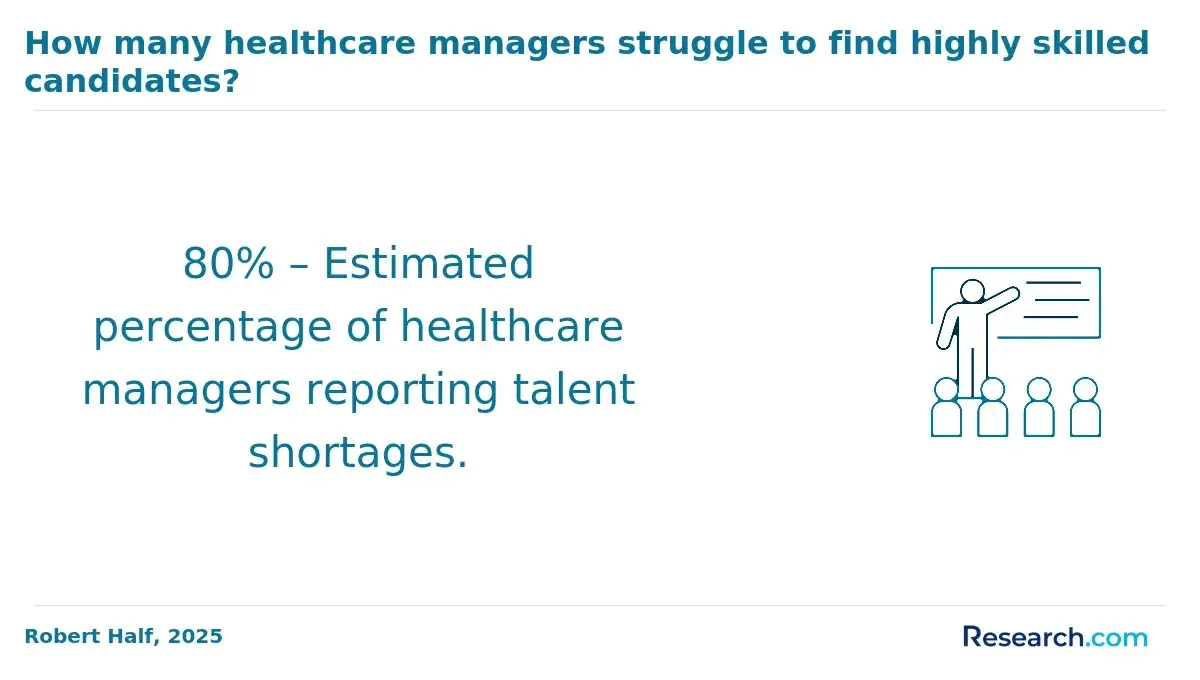
Healthcare hiring can be competitive even during labor shortages because employers must protect patient safety, compliance, and quality of care. The global medical recruitment crisis has increased attention on staffing, and American College of Healthcare Executives members identified shortages among registered nurses (86%), technicians (76%), and therapists (63%) in 2024.
A strong healthcare resume should make your role fit obvious within seconds. Match your experience to the job description, list required licenses and certifications clearly, and emphasize measurable responsibilities. If you want to improve visual clarity, even unrelated resources such as graphic design schools online can help you understand layout basics, but content accuracy matters more than design.
- Healthcare experience. Include clinical rotations, internships, externships, volunteer service, practicums, and paid healthcare roles. Name the setting, patient population, specialty area, and scope of responsibility.
- Licenses, certifications, and memberships. List active licenses, expiration dates when relevant, certification numbers if requested, and professional memberships tied to the role.
- Education and credentials. State your degree, institution, location, graduation year, relevant coursework, honors, and clinical training when it supports the job target.
- Job-specific skills. Include EHR systems, medical equipment, coding systems, laboratory techniques, patient care skills, quality improvement tools, billing platforms, or administrative systems relevant to the position.
| Resume section | What employers want to see | Common mistake to avoid |
| Summary | A concise match between your credential, setting, and target role. | Using vague statements such as “hardworking healthcare professional.” |
| Licensure and certification | Active credentials that meet the job posting requirements. | Hiding required credentials at the bottom of the resume. |
| Experience | Specific duties, patient populations, systems used, and outcomes where appropriate. | Listing tasks without showing setting, scope, or relevance. |
| Skills | Clinical, technical, software, language, and communication skills tied to the role. | Adding every skill you have instead of prioritizing the job description. |
| Education | Degree, school, graduation year, clinical training, and relevant coursework. | Omitting accreditation-relevant or licensure-related details when useful. |
Can you meet the requirements for a career in healthcare?
You can meet healthcare career requirements if you choose a role that matches your education timeline, finances, strengths, and willingness to complete licensure or certification steps. The field offers many starting points, but the wrong program can waste time if it does not qualify you for the job or state license you want.
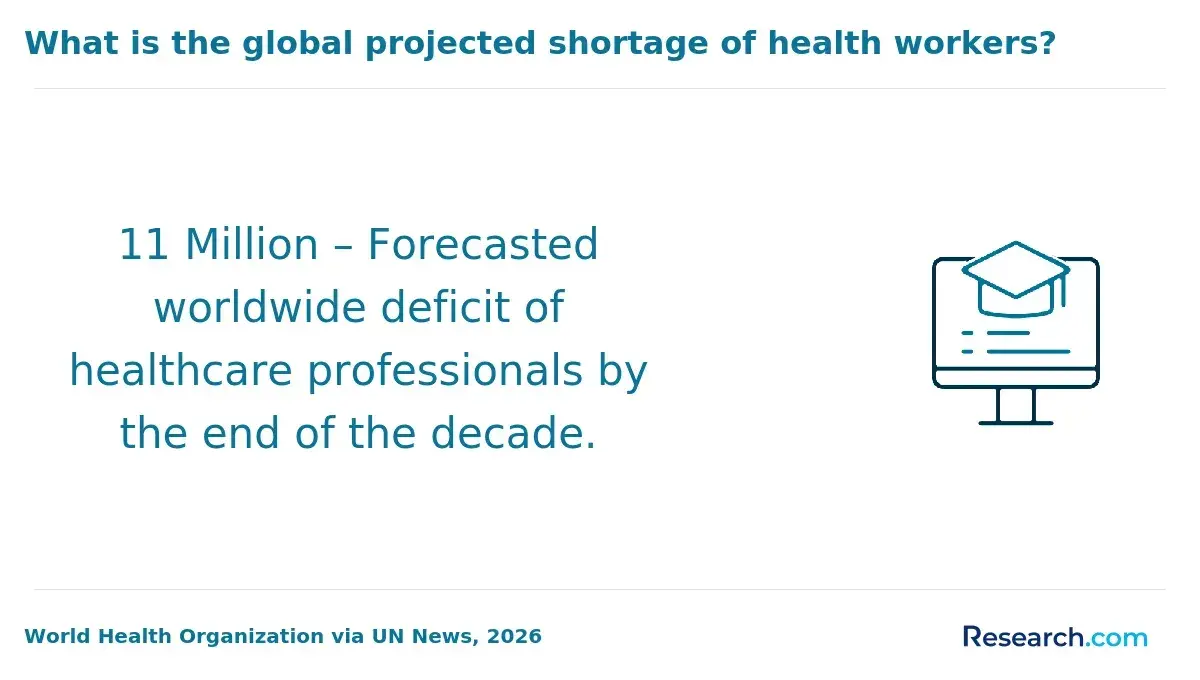
Workforce shortages may create openings, but they do not eliminate standards. Healthcare employers still need workers who can document accurately, follow protocols, communicate with patients, protect confidential information, and continue learning. If your priority is a lower-cost pathway into nursing, compare accredited options such as affordable online nursing programs, but confirm clinical placement and licensure rules before enrolling.
What is the ROI of Specialized Healthcare Certifications?
The return on investment of a healthcare certification depends on cost, time, exam requirements, employer recognition, renewal fees, and whether the credential is required or merely preferred. A certification can be valuable when it unlocks a specific job, improves promotion eligibility, supports a specialty shift, or helps you compete in a regulated field.
Do not evaluate a certification only by tuition. Include application fees, exam fees, textbooks, technology, unpaid clinical or externship hours, transportation, and recertification costs. For medical coding and billing, for example, it helps to compare program prices and career requirements before asking how much does it cost to become a medical coder.
| ROI factor | Why it matters | Question to ask |
| Employer recognition | A credential has limited value if local employers do not request it. | Do job postings in my area list this certification? |
| Licensure connection | Some roles require credentials for legal practice or exam eligibility. | Does this program meet my state’s rules? |
| Total cost | Tuition is only one part of the investment. | What are the exam, renewal, materials, and lost-work costs? |
| Time to completion | A shorter program may help you earn sooner, but only if it is respected. | Will this timeline still prepare me for the exam or job? |
| Career ladder | The best credential should support the next step, not just the first job. | Can credits or experience apply toward a future degree? |
Can short-term programs fast-track my healthcare career?
Short-term programs can speed entry into healthcare when they prepare you for a defined role with real employer demand. They are especially useful for career changers, students testing the healthcare field, and workers who need a quicker credential before deciding on a longer degree.
However, faster is not automatically better. A short program should still provide enough instruction, hands-on practice, exam preparation, and employer connections. Public health professionals seeking a faster graduate route can compare 1 year online MPH programs, but they should verify workload intensity, accreditation, practicum expectations, and whether the accelerated format fits their schedule.
Are Accelerated Programs the Key to Jump-Starting My Healthcare Career?
Accelerated healthcare programs can help students enter or advance in the field sooner by compressing coursework and focusing on job-specific competencies. They may work well for motivated learners who have time to handle intensive schedules, prior healthcare experience, or transferable credits.
The risk is that some accelerated formats leave little room for work, family obligations, or remediation if a student struggles. Before enrolling, ask how clinical hours are arranged, what student support is available, and whether graduates qualify for certification or licensure. If you are considering medical assisting, review program length and structure through resources such as How long is medical assistant school?.
How important is accreditation in choosing a healthcare education program?
Accreditation is one of the most important checks in healthcare education. It signals that a program has been reviewed for quality, curriculum, faculty standards, and student preparation. In many healthcare fields, accreditation affects eligibility for licensure exams, certification exams, clinical placements, transfer credits, employer reimbursement, and graduate school admission.
Always verify accreditation directly through the accrediting organization or state licensing board, not only through a school’s marketing page. This is especially important in fields such as pharmacy, nursing, physical therapy, radiologic technology, and public health. Students comparing accelerated pharmacy options, for example, should look beyond speed and examine whether the fastest PharmD degree options maintain the accreditation needed for licensure.
How can affordable online doctorate programs enhance my healthcare career?
An online doctorate can support advancement into leadership, research, academia, consulting, or specialized clinical roles when the degree matches your field’s requirements. Online delivery can help working professionals continue earning while studying, but not every healthcare doctorate can be fully online because clinical training, labs, residencies, or practicums may be required.
Affordability should be evaluated alongside accreditation, faculty expertise, residency expectations, exam eligibility, and employer recognition. Pharmacy professionals exploring lower-cost doctoral options can review cheap doctorate in pharmacy programs online, but they should confirm whether the program format aligns with licensure and career goals.
What Professional Networking and Mentorship Opportunities Can Boost My Healthcare Career?
Networking matters in healthcare because many career opportunities come through clinical placements, professional associations, conferences, alumni groups, supervisors, and mentors. A strong mentor can help you understand workplace culture, prepare for licensure exams, choose specialties, and avoid training routes that do not match your goals.
Useful networking steps include joining a professional association, attending local healthcare events, asking for informational interviews, building relationships during clinical rotations, and staying connected with faculty and preceptors. Professionals considering management careers can also study market demand and compensation patterns through resources on the highest-paying jobs with a master’s in healthcare administration.
Exploring Careers in Healthcare Administration
Healthcare administration focuses on the business, operational, financial, regulatory, and people-management side of healthcare. Administrators help organizations run safely and efficiently while clinicians deliver care. This path can suit people who want to improve healthcare systems without working primarily in direct patient care.
Why Pursue Healthcare Administration?
Healthcare administrators influence staffing, budgets, patient access, quality improvement, compliance, technology implementation, and policy execution. The role is increasingly important as healthcare organizations respond to workforce shortages, cost pressure, regulation, digital transformation, and changing patient expectations.
Career Opportunities
Graduates with a healthcare administration degree may qualify for roles such as:
- Hospital administrator: Oversees operations, staffing, policies, budgets, and service-line performance.
- Health information manager: Manages patient data, privacy practices, records systems, and compliance procedures.
- Practice manager: Handles scheduling, billing, staffing, patient flow, and business operations for clinics or private practices.
- Healthcare consultant: Advises organizations on efficiency, compliance, workflows, strategy, and financial performance.
Advancing in Healthcare Administration
Career growth in healthcare administration often depends on experience, leadership results, graduate education, and professional credentials. Certifications such as Fellow of the American College of Healthcare Executives (FACHE) may strengthen advancement prospects for experienced professionals, while online MHA programs can offer flexibility for those balancing work and school.
This path is strongest for people who enjoy systems thinking, communication, financial analysis, compliance, and team leadership. It may be less suitable for students who want most of their workday to involve hands-on patient care.
How to Choose the Right Healthcare Career Path
The right healthcare career is the one that fits your temperament, preferred work environment, financial situation, education timeline, and tolerance for responsibility. Start with the daily work, then work backward to the credential.
Assess Your Skills and Strengths
Before choosing a program, answer these questions honestly:
- Do you want frequent patient interaction, or would you rather work with data, equipment, operations, or records?
- Are you energized by urgent situations, or do you prefer structured and predictable tasks?
- Do you prefer science-heavy coursework, administrative systems, technology, counseling, or hands-on technical work?
- How much time can you realistically commit to school, clinical hours, and exam preparation?
If you enjoy direct care, roles in nursing, therapy, medical assisting, or diagnostic technology may fit. If you prefer organization, compliance, data, and processes, healthcare administration, medical billing and coding, or health information management may be a better match.
Consider Your Educational Background and Preferences
Healthcare careers have very different training timelines. Some jobs require short-term training, while others require bachelor’s, master’s, or doctoral education. Students who want a faster administrative entry point may explore accredited medical billing and coding schools, especially if they are detail-oriented and interested in records, reimbursement, and compliance.
Students willing to invest more time may pursue medicine, pharmacy, advanced nursing, physical therapy, dentistry, public health, or healthcare administration leadership. The longer route should be tied to a clear professional goal, not chosen only because the credential sounds prestigious.
Research Career Growth and Job Outlook
Use credible labor-market sources, state licensing boards, professional associations, and local job postings to understand demand. National growth can be strong while local opportunities vary. Compare job openings, salaries, shift expectations, advancement routes, and credential requirements in the state where you plan to work.
Explore Different Specializations
Many healthcare fields allow specialization. Nurses may focus on pediatrics, geriatrics, oncology, emergency care, or education. Medical coders may specialize by service line. Administrators may work in operations, compliance, finance, informatics, or quality improvement. Specialization can improve fit and deepen expertise, but it may also narrow your job market, so choose carefully.
Test the Waters with Internships or Volunteer Work
Shadowing, volunteering, internships, externships, and informational interviews can prevent costly mistakes. A few weeks in a clinic, hospital, public health office, lab, or billing department can reveal whether the work matches your expectations.
| Common mistake | Why it causes problems | Better approach |
| Choosing a program before choosing a target job | The credential may not lead to the role you actually want. | Start with job postings and licensing rules, then choose the program. |
| Ignoring accreditation | You may lose access to licensure, certification, transfer credit, or employer recognition. | Confirm accreditation through official accreditor and state board sources. |
| Looking only at tuition | Fees, exams, books, clinical travel, and lost work time can change total cost. | Calculate full cost of attendance and credentialing. |
| Assuming online programs always meet licensure rules | State requirements may differ, especially for clinical fields. | Ask the program and state board for written confirmation. |
| Relying only on rankings | A highly ranked program may not fit your budget, schedule, or location. | Compare outcomes, support, accreditation, flexibility, and employer connections. |
What are the best options for advancing my education in healthcare?
The best advancement option depends on whether you want clinical authority, management responsibility, public health expertise, research opportunities, or a technical specialization. Working professionals often choose flexible graduate programs in healthcare administration, nursing, public health, informatics, or management. Those interested in public health may compare accelerated MPH programs online, especially if they need a shorter path while continuing to work.
Before selecting an advanced program, compare accreditation, curriculum relevance, faculty background, career services, clinical or practicum requirements, tuition, transfer-credit policy, and graduate outcomes. Ask whether the degree is necessary for the job you want or whether a certification, employer training program, or lateral move would be a better investment.
What are the financing options for healthcare education?
Healthcare education can be funded through federal student loans, grants, scholarships, employer tuition reimbursement, workforce-development programs, military benefits, professional association awards, state-sponsored grants, and payment plans. Some students may also consider income-share agreements, but those should be reviewed carefully because repayment terms can be complex.
To reduce cost, compare public and private programs, online and campus formats, transfer-credit policies, part-time options, employer partnerships, and exam pass support. Students interested in leadership roles can evaluate whether an affordable online MBA healthcare management program provides the right balance of cost, flexibility, and management training.
What emerging technologies are shaping healthcare careers in 2027?
Technology is changing healthcare work across clinical, administrative, and technical roles. Professionals do not need to become software engineers, but they do need to understand how digital tools affect documentation, patient communication, diagnostics, privacy, operations, and decision-making.
- Telemedicine and telehealth. Remote care has expanded how patients access clinicians through video visits, phone consultations, patient portals, and secure messaging. Healthcare workers with skills in virtual communication, remote monitoring, and telehealth workflow management are better prepared for hybrid care models.
- Artificial intelligence and machine learning. AI and ML are increasingly used to support diagnostics, risk prediction, scheduling, documentation, imaging review, and decision support. Workers should understand both the benefits and the limits of AI, including the need for human judgment, privacy protection, and bias awareness.
- Wearable health technology. Devices such as smartwatches and fitness trackers can collect data on activity, sleep, heart rate, and other health indicators. This creates opportunities in remote patient monitoring, health data analysis, and patient education.
- Robotic surgery. Robotic-assisted systems can support minimally invasive procedures and surgical precision. Surgeons, operating room staff, and surgical technologists may need specialized training to work safely with these systems.
- 3D printing. Healthcare uses of 3D printing include custom prosthetics, dental implants, models for surgical planning, and medical device development. Related careers may involve biomedical engineering, prosthetics, dentistry, and device manufacturing.
- Blockchain for healthcare. Blockchain is being explored for secure data sharing, patient record integrity, privacy, and interoperability. Healthcare IT professionals who understand privacy, compliance, and secure architecture may benefit as data systems evolve.
Key Insights
- Healthcare has many entry points. Certificates, associate degrees, bachelor’s degrees, master’s degrees, and professional doctorates can all lead to healthcare roles, but each path serves a different career goal.
- Licensure and accreditation are non-negotiable for many roles. Before enrolling, confirm that the program meets state requirements and prepares you for required exams or certifications.
- Workforce shortages create opportunity, not shortcuts. Hospitals report significant staffing pressure, but employers still require safe practice, documentation accuracy, ethical conduct, and role-specific competence.
- Healthcare career fit depends on daily work. Compare patient contact, stress level, schedule, physical demands, technology use, and advancement options before choosing a major.
- Salary should be weighed against total training cost. Include tuition, fees, exams, renewals, clinical travel, lost work time, and the time needed to qualify for the job.
- Soft skills are now career-critical. Communication, empathy, adaptability, teamwork, and critical thinking matter alongside clinical and technical skills.
- Technology is reshaping every healthcare path. Telehealth, AI, wearables, robotics, 3D printing, and secure data systems are changing expectations for both clinical and administrative workers.
References:
- American College of Healthcare Executives. (2024). Top issues confronting hospitals. https://www.ache.org/learning-center/research/about-the-field/top-issues-confronting-hospitals/top-issues-confronting-hospitals-in-2023
- Association of American Medical Colleges. (2024). New AAMC Report Projects Physician Shortages, Calls for Increased Training Positions. https://www.aamc.org/newsroom/press-releases/new-aamc-report-projects-physician-shortages-calls-increased-training-positions
- De Biasi, A., Sellers, K., Leider, J. P., & Castrucci, B. C. (2024). Public Health Workforce Interests and Needs Survey: 2024 Summary Report. de Beaumont Foundation. https://debeaumont.org/phwins/2024-data/
- Elsevier Health. (2024). Clinician of the Future 2024: Confidence and Care in the Age of AI. https://www.elsevier.com/pro/clinical-solutions/clinician-of-the-future
- Sage Growth Partners. (2024). The 2024 Hospital Executive Outlook Report. https://sage-growth.com/index.php/2024/05/14/new-report-reveals-top-priorities-and-challenges-for-hospital-executives-in-2024/
- U.S. Bureau of Labor Statistics. (2025). Employment Projections 2024-2034. https://www.bls.gov/emp/
- U.S. Bureau of Labor Statistics. (2025). Occupations with the Most Job Growth. https://www.bls.gov/emp/tables/occupations-most-job-growth.htm
- U.S. Bureau of Labor Statistics. (2025). Occupational Outlook Handbook: Healthcare. https://www.bls.gov/ooh/healthcare/
- U.S. Bureau of Labor Statistics via Lincoln Tech 2025/2026 Industry Reports
- Robert Half. (2025). The Best Healthcare Jobs for 2025. https://www.roberthalf.com/us/en/insights/career-development/highest-paying-healthcare-jobs
- UN News. (2026). Global health systems 'at risk' as funding cuts bite, warns WHO. https://news.un.org/en/story/2026/02/1166869
Other Things You Should Know About A Career in Healthcare
To work as a healthcare professional in 2027, you must pass a national certification exam, such as the NCLEX for nurses. Requirements vary by state and specialty, so check with relevant state boards. Continuous education is often needed to maintain licensure.
Many licensed roles require an exam, including registered nurses, practical nurses, physicians, pharmacists, radiologic technologists, and respiratory therapists. Common tests include the NCLEX-RN, NCLEX-PN, USMLE, NAPLEX, and ARRT certification exams, with oversight from state boards or national credentialing bodies.
In 2027, high-demand healthcare careers include nurse practitioners, physician assistants, and health information technicians. These roles are vital due to an aging population and an increasing focus on health data and technology. Pursuing these careers can offer job security and competitive salaries.
Yes, you can work in healthcare with a certificate. In 2027, roles like medical assistants, phlebotomists, and pharmacy technicians only require certification rather than a degree. These roles often provide a good entry point into the healthcare field with less time and financial investment in education.
In 2027, healthcare professionals typically need to complete 20-30 hours of continuing education annually. Specific requirements vary by profession and state, with governing bodies such as the American Nurses Credentialing Center and state medical boards setting exact standards. Compliance is essential for license renewal.


