
2027 How to Become a Pharmacist – Salary & Requirements

Co-Founder and Chief Data Scientist
Becoming a pharmacist is a long, regulated path, but it can lead to a stable healthcare career with strong earnings and multiple practice settings. The U.S. pharmaceutical market was valued $520.38 billion in 2025 and is projected to reach $907.86 billion by 2034. Pharmacists earn a median annual salary of $137,480, while licensed professionals earn $145,908. Those numbers explain why many students are asking the same practical questions: how much school is required, what degree is necessary, how licensing works, and whether the cost is worth it.
This guide is for high school students, college students, career changers, pharmacy technicians, and healthcare professionals comparing pharmacy with other healthcare careers. It explains the education pathway, PharmD admission requirements, degree options, costs, licensing exams, career paths, salaries, school-selection criteria, and technology trends shaping pharmacy practice in 2026.
The goal is simple: help you decide whether pharmacy fits your career goals, budget, timeline, and preferred type of patient care.
How to Become a Pharmacist: Guide Navigation
- What degree do pharmacists need?
- Step-by-step path to becoming a pharmacist
- Pharmacy degree options compared
- How much pharmacy school costs
- 2027 pharmacy schools to review
- Pharmacist jobs, demand, and salaries
- Why financial planning matters before pharmacy school
- How to evaluate a PharmD program
- How healthcare administration training can help pharmacists
- Key factors to compare when choosing a pharmacy school
- How accelerated healthcare training can support career mobility
- How continuing professional development supports pharmacy careers
- How to judge online and accelerated healthcare programs
- How difficult online healthcare programs can be
- How an online Doctor of Pharmacy program may support advancement
- Healthcare career alternatives outside pharmacy
- How interdisciplinary research can broaden pharmacy careers
- How accelerated PharmD programs may shorten the path
- Technology trends changing pharmacy practice
Quick Answer: How Do You Become a Pharmacist?
To become a pharmacist in the U.S., you generally complete prerequisite undergraduate coursework, earn a Doctor of Pharmacy (PharmD) degree from an ACPE-accredited pharmacy school, pass the North American Pharmacist Licensure Examination (NAPLEX), pass the Multistate Pharmacy Jurisprudence Examination (MPJE) or the law exam required by your state, and obtain a state license. Many students spend at least six years in school, while those who complete additional residency, fellowship, or graduate training may spend six to 12 years preparing for advanced roles.
| Stage | Typical Requirement | Why It Matters |
| Prerequisite coursework | Two to three years of biology, chemistry, physics, math, and related courses | Builds the science foundation required for PharmD admission |
| Professional degree | Four-year PharmD program | Required professional preparation for pharmacist licensure |
| Licensure exams | NAPLEX and MPJE, depending on state rules | Confirms pharmacy practice knowledge and state pharmacy law competency |
| Optional postgraduate training | Residency or fellowship, usually one to two years | Useful for clinical, hospital, research, academic, or specialty roles |
What Degree Do Pharmacists Need?
A pharmacist degree is the professional education that prepares students to practice pharmacy, counsel patients, evaluate medication therapy, understand drug interactions, and work within pharmacy law and healthcare systems. In the United States, the standard entry-level credential for pharmacists is a doctoral or professional degree: the Doctor of Pharmacy, commonly called the PharmD.
PharmD students study pharmacology, pharmaceutical sciences, medication therapy management, patient care, pharmacy ethics, pharmacy law, dosage calculations, healthcare communication, and supervised practice. The degree is not only about dispensing medicine. Modern pharmacy education prepares graduates to work with physicians, nurses, insurers, patients, and healthcare organizations to improve medication safety and outcomes.
How long does it take to become a pharmacist? The shortest common pathway is at least six years of schooling: two years of required undergraduate coursework followed by a four-year PharmD program. Some students spend longer if they complete a bachelor’s degree first, pursue a dual degree, repeat prerequisite courses, attend part time, complete a residency, or enter a fellowship.
After the PharmD, graduates must become licensed in the state where they plan to practice. Licensure generally requires passing the NAPLEX and the MPJE. Some pharmacists also complete postgraduate residency or fellowship training. Residencies usually last one to two years and are especially valuable for hospital, clinical, academic, and specialized pharmacy roles.
What Pharmacists Do Day to Day
According to the Bureau of Labor Statistics (BLS), pharmacists are healthcare professionals who help patients and healthcare teams use medications safely and effectively. There are around 360,604 pharmacists in the U.S., and more than half work as community pharmacists in retail drug stores.
Typical pharmacist responsibilities include:
- dispensing prescription medications accurately,
- checking prescriptions for safety, dosage, and completeness,
- explaining how and when patients should take medications,
- identifying drug interactions, allergies, and side effects,
- advising physicians and other clinicians on medication selection and dosing,
- administering vaccinations when permitted by state rules,
- educating patients about general wellness and medication adherence,
- working through insurance billing or prior authorization issues,
- supervising pharmacy technicians, interns, and support staff,
- maintaining patient and medication records, and
- participating in medication therapy management and care planning.
| Pharmacy Setting | Common Work | Best Fit For |
| Community pharmacy | Prescription dispensing, vaccines, patient counseling, insurance coordination | Students who enjoy frequent public interaction and fast-paced service |
| Hospital pharmacy | Medication review, inpatient therapy support, clinical rounds, sterile preparation oversight | Students interested in team-based clinical care |
| Consultant pharmacy | Medication review for older adults, long-term care facilities, compliance support | Pharmacists who like advisory work and complex medication management |
| Pharmaceutical industry | Research, clinical trials, regulatory affairs, sales, safety, quality control | Students interested in drug development, business, or research |
How to Become a Pharmacist
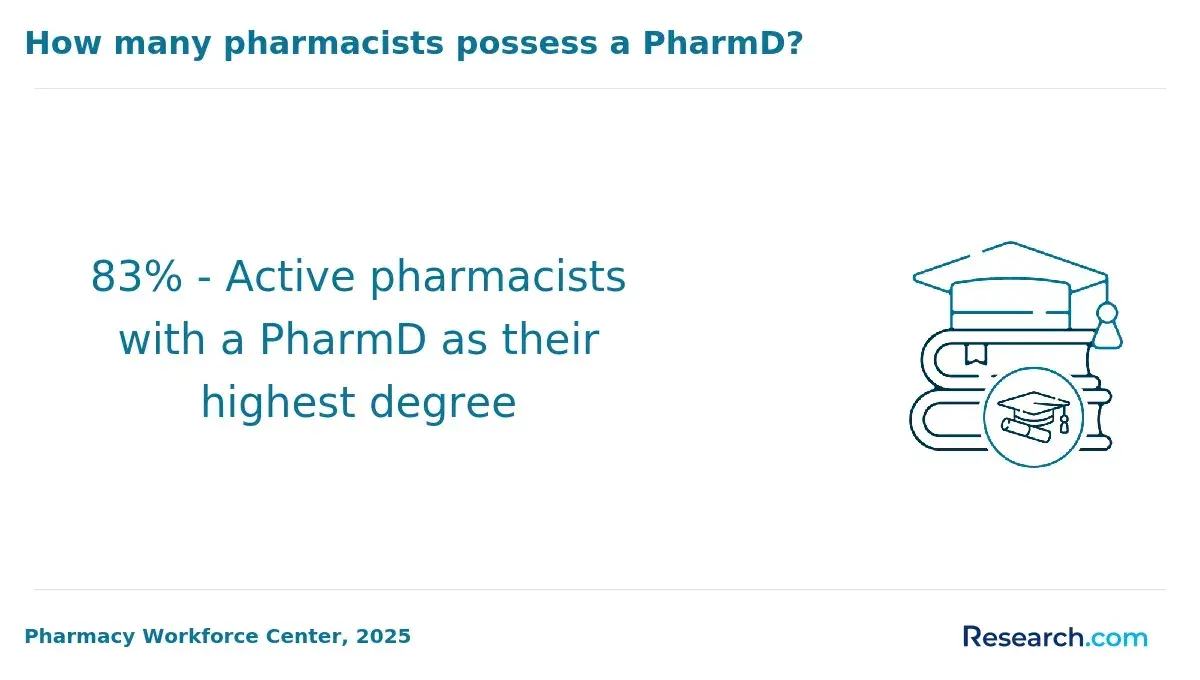
The path to becoming a pharmacist is structured because pharmacy is a licensed healthcare profession. According to the Pharmacy Workforce Center, almost 83% of pharmacists possess a doctorate, and around 76% are in their first year of post-graduate studies. The steps below apply to students preparing for pharmacist licensure rather than those seeking technician roles.
- Complete the prerequisite college courses. Most pharmacy schools expect applicants to finish two years of undergraduate coursework in subjects such as biology, chemistry, physics, and math. Some students complete these prerequisites within a bachelor’s degree, while others enter PharmD programs after meeting only the required pre-pharmacy coursework.
- Check whether an admissions test is required. Some admissions materials may reference the Pharmacy College Admission Test (PCAT). Requirements vary by institution, so applicants should verify current testing expectations directly with each school before applying.
- Apply to an ACPE-accredited PharmD program. PharmD programs typically take four years and include courses in pharmacology, medicinal chemistry, pharmacy law, therapeutics, patient care, and clinical decision-making. Many programs also include hospital, community, and other healthcare rotations.
- Complete supervised experiential training. Pharmacy students build practical skills through introductory and advanced practice experiences. These rotations help students apply classroom knowledge to real patient, medication, and healthcare-system situations.
- Pass pharmacist licensure exams. Graduates must meet state licensure rules, typically including the NAPLEX and MPJE. State boards may also require background checks, internship hours, or additional documentation.
- Consider residency, fellowship, or specialization. Postgraduate training is not required for every pharmacist job, but it can be important for clinical pharmacy, hospital practice, academia, research, managed care, and some specialty areas.
PharmD Admission Requirements
PharmD admission requirements vary by school, but applicants commonly need the following:
- completed prerequisite courses in biology, chemistry, physics, math, and related sciences,
- a GPA of 2.5 or higher on a 4.0 scale, depending on the program,
- test scores if the school still requires or accepts a standardized pharmacy admissions exam,
- letters of recommendation from faculty members, healthcare professionals, supervisors, or others who can evaluate academic and personal readiness,
- a personal statement explaining why the applicant wants to study pharmacy and what career goals they are pursuing, and
- an interview if the pharmacy school includes one in its admissions process.
Strong applicants usually show more than minimum academic eligibility. Pharmacy schools often value healthcare exposure, service experience, communication skills, maturity, and a clear understanding of the profession. Before applying, compare each school’s current requirements through PharmCAS school profiles and admissions details.
Meeting the published minimums does not guarantee acceptance. Competitive candidates should aim to exceed baseline GPA expectations, complete rigorous science coursework, secure meaningful references, and demonstrate readiness for patient-centered healthcare training.
Skills Pharmacists Need Beyond the Degree
Pharmacy school provides the scientific and clinical foundation, but successful pharmacists also need judgment, communication, accuracy, and professionalism. This is similar across healthcare roles: for example, professionals pursuing forensic nurse jobs also need specialized education plus role-specific technical and interpersonal skills.
| Skill Area | Examples | Why It Matters in Pharmacy |
| Clinical accuracy | Attention to detail, dosage verification, medication review | Small errors can create serious patient safety risks |
| Analytical thinking | Interpreting medical histories, spotting interactions, evaluating therapy options | Pharmacists must connect patient information with medication decisions |
| Communication | Patient counseling, provider consultation, insurance communication | Clear explanations improve adherence and reduce medication misuse |
| Ethical judgment | Confidentiality, professional boundaries, regulatory compliance | Pharmacists handle sensitive health information and controlled substances |
| Leadership | Supervising technicians, coordinating workflow, mentoring interns | Many pharmacy roles involve team oversight and operational responsibility |
| Technology use | Electronic health records, pharmacy management systems, automated dispensing tools | Digital systems are central to prescription processing and patient records |
Core Professional Skills
- Attention to detail: Pharmacists must verify prescriptions, dosages, allergies, and instructions with precision.
- Analytical ability: The role requires interpreting medication histories, lab information, and clinical recommendations.
- Communication: Pharmacists explain medications to patients and coordinate with physicians, nurses, insurers, and technicians.
- Ethical practice: Pharmacy work requires adherence to professional standards, privacy rules, and legal requirements.
- Problem-solving: Pharmacists often resolve medication access issues, conflicting prescriptions, drug interactions, or insurance barriers.
Soft Skills
- Empathy: Patients may be anxious, confused, sick, or overwhelmed; pharmacists need to respond with patience and clarity.
- Interpersonal skills: The work involves ongoing interaction with patients, prescribers, coworkers, and healthcare administrators.
- Leadership: Pharmacists may guide pharmacy technicians, interns, and other team members.
- Time management: Many pharmacy settings require safe decisions under heavy workload and customer-service pressure.
Technical Skills
- Medication knowledge: Pharmacists must understand drug uses, dosages, contraindications, side effects, and interactions.
- Pharmacology: They need deep knowledge of how medications affect the body and how patient factors change drug response.
- Prescription processing: Accuracy and efficiency are essential in receiving, reviewing, preparing, and documenting prescriptions.
- Healthcare technology: Pharmacists use electronic health records, dispensing systems, drug databases, and pharmacy software.
Types of Degrees in Pharmacy
Students often confuse “pharmacy degree” with “pharmacist degree.” The distinction matters. In the U.S., you do not need a bachelor’s degree in pharmacy to become a pharmacist; you need the PharmD and a state license. In 2025, around 53% of pharmacists hold a bachelor's degree as their highest educational attainment, but the professional credential required for new pharmacist licensure is the PharmD.
Some schools still offer associate, bachelor’s, master’s, certificate, and dual-degree options related to pharmacy or pharmaceutical sciences. These programs can be useful for pharmacy technician work, research preparation, pharmaceutical business roles, or a pathway into the PharmD. Dual pathways can resemble healthcare bridge programs such as BSN to DNP program online options, where students move from prerequisite or prior professional preparation into doctoral-level training. Nurses may also specialize in areas such as pediatric nurse practice, while pharmacy students may later specialize in areas like clinical, geriatric, nuclear, or psychiatric pharmacy.
Pharmacy Degree Options Compared
| Credential | Average Time to Complete | Primary Purpose | Possible Entry-Level Outcomes |
| Associate degree in pharmacy-related study | 2 years | Introduces pharmacy operations, calculations, basic pharmacology, law, and patient service | Pharmacy technician, pharmacy assistant, pharmacy sales representative |
| Bachelor’s degree in pharmacy or pharmaceutical sciences | 4 years | Provides broader preparation in pharmaceutical sciences, clinical concepts, and pharmacy management | Retail pharmacist, hospital pharmacist, pharmaceutical sales representative, pharmaceutical researcher |
| Master’s degree in pharmacy-related fields | 2-3 years | Supports specialization in clinical pharmacy, pharmaceutical sciences, administration, or research | Clinical pharmacist, pharmaceutical researcher, healthcare administration |
| Doctor of Pharmacy | 4 years | Professional degree required for pharmacist licensure | Consultant, healthcare director, professor |
| Certificate in pharmacy specialization | Varies; usually shorter than a degree | Adds focused training in areas such as geriatric, nuclear, or psychiatric pharmacy | Advanced roles or certifications in the chosen specialty |
Associate Degree in Pharmacy
Average time to complete: 2 years
An associate degree in a pharmacy-related area introduces students to pharmacy calculations, medication basics, pharmacy law, patient care, and drug distribution processes. Programs may be offered by community colleges, vocational schools, or career-focused institutions. Students who want a shorter route into pharmacy support work may also compare online pharmacy technician programs.
Entry-level jobs: pharmacy technicians, pharmacy assistants, or pharmacy sales representatives
Bachelor’s Degree in Pharmacy
Average time to complete: 4 years
A bachelor’s degree in pharmacy or pharmaceutical sciences can cover medicinal chemistry, pharmacotherapy, pharmacokinetics, laboratory science, and pharmacy administration. In the U.S., this degree alone should not be assumed to qualify graduates for pharmacist licensure, so students must confirm whether the program is designed as a pre-PharmD pathway, a research degree, or a non-licensure pharmaceutical sciences credential.
Entry-level jobs: retail pharmacists, hospital pharmacists, pharmaceutical sales representatives, or pharmaceutical researchers
Master’s Degree in Pharmacy
Average time to complete: 2-3 years
A master’s degree in pharmacy-related study can help students focus on pharmaceutical sciences, clinical research, pharmacy administration, drug development, or healthcare operations. Pharmacists who want management training may also consider a healthcare administration degree program. Master’s programs may include advanced science coursework, research methods, practical projects, and applied healthcare management training.
Entry-level jobs: clinical pharmacist, pharmaceutical researcher, or healthcare administration
Doctoral Degree in Pharmacy
Average time to complete: 4 years
The Doctor of Pharmacy, or PharmD, is the professional degree required to become a licensed pharmacist. PharmD coursework emphasizes patient care, medication therapy, pharmacology, pharmacotherapy, pharmaceutical care, pharmacy law, and supervised practice. Graduates must also satisfy state licensure rules before practicing independently.
Entry-level jobs: consultant, healthcare director, or professor
Certificate in Pharmacy
Average time to complete: Varies (typically shorter duration)
Certificate programs provide focused training in specialized areas of pharmacy practice. They are often built for working professionals who want to add expertise in a defined area, such as geriatric pharmacy, nuclear pharmacy, or psychiatric pharmacy. Program length may range from a few months to a year or more.
Entry-level jobs: pursue advanced roles or certifications within the chosen specialization
Cost of Pharmacy Degree
Pharmacy education can be expensive, and the total price depends on the school, residency status, degree level, program length, living costs, fees, books, transportation, and lost income if you reduce work hours. According to the American Association of Colleges of Pharmacy, 142 accredited US pharmacy schools offer professional degrees are accredited by the Accreditation Council for Pharmacy Education (ACPE): 72 are private, and 70 are state universities.
How Much Does Pharmacy School Cost?
In 2025, in-state pharmacy undergraduate tuition and fees averaged $11,310 and $34,386 for out-of-state students. In-state graduate tuition and fees average $12,565 and out-of-state $25,272. Costs vary widely by institution. According to College Tuition Compare, the University of Southern California has the most costly undergraduate and graduate pharmacy tuition and fees. Undergraduate tuition is lowest at Purdue University-Main Campus, and graduate tuition is lowest at The University of Texas at Austin.
According to the National Pharmacist Workforce Survey, students incurred a current student loan debt of $136,817, with many of them anticipating to pay it off in 16.7 years. That makes cost comparison essential before committing to a PharmD program.
| Cost Factor | What to Check | Why It Can Change Total Debt |
| Tuition and mandatory fees | Annual cost, professional program fees, tuition increases | Tuition is usually the largest direct expense |
| Residency status | In-state, out-of-state, and eligibility for residency reclassification | Out-of-state rates can be much higher |
| Program length | Traditional, accelerated, dual-degree, or part-time format | Longer enrollment can increase tuition and living costs |
| Experiential rotations | Travel, housing, background checks, immunizations, required equipment | Clinical placements may add expenses beyond tuition |
| Financial aid | Scholarships, grants, work-study, assistantships, employer support | Gift aid and tuition support can reduce borrowing |
| Living costs | Rent, transportation, food, health insurance, childcare | Cost of living can vary significantly by location |
Is a Pharmacy Degree Worth It?
A pharmacy degree can be worth it for students who want a licensed healthcare career, are prepared for demanding science coursework, and have a realistic plan for managing debt. The U.S. market is large, salaries are competitive, and pharmacists can work in community, clinical, consultant, research, administrative, and industry settings. Pharmacists have a massive market in the US, growing by 6.34% from 2025 to 2034 and reaching $907.86 billion, according to a Precedence Research forecast.
However, “worth it” depends on your total borrowing, the type of pharmacy work you want, your willingness to complete doctoral-level training, and your local job market. A student who attends a high-cost program without scholarships may face a very different return on investment than a student who chooses an affordable accredited option and secures strong experiential training.
2027 Best Pharmacy Schools to Compare
Choosing a pharmacy school should not be based on reputation alone. Accreditation, NAPLEX pass rate, experiential learning sites, faculty expertise, cost, location, career outcomes, and program format all matter. Research.com review experts used current public datasets from credible sources, with attention to program offerings, accreditation, and NAPLEX pass rates. Below are five pharmacy schools students may want to examine closely.
South Dakota State University
The South Dakota State University College of Pharmacy and Allied Health Professions offers a Pharm.D. pathway that combines classroom instruction, simulation, experiential learning, laboratory training, and research exposure.
- NAPLEX pass rate: 97.00%
- Programs: Pharmaceutical Sciences (B.S.)/Pharmacy (Pharm.D.); Pharmaceutical Sciences (M.S.); Pharmaceutical Sciences (Ph.D.); Community Pharmacy Residency; Pharmaceutical Sciences (B.S.)/Pharmacy (Pharm.D.)
- Pharmaceutical Sciences (M.S.)
- Pharmaceutical Sciences (Ph.D.)
- Community Pharmacy Residency
- Accreditation: ACPE
University of North Carolina
The University of North Carolina Eshelman School of Pharmacy offers a Pharm.D. program built around patient-centered care, professional ethics, critical thinking, and problem-solving.
- NAPLEX pass rate: 97.00%
- Programs: Minor in Pharmaceutical Sciences; Doctor of Pharmacy; Doctor of Pharmacy and Masters of Business Administration; Doctor of Pharmacy and Masters of Public Health
- Minor in Pharmaceutical Sciences
- Doctor of Pharmacy
- Doctor of Pharmacy and Masters of Business Administration
- Doctor of Pharmacy and Masters of Public Health
- Accreditation: ACPE
Butler University
Butler University, a private institution founded in 1855 in Indianapolis, Indiana, houses the College of Pharmacy and Health Sciences. Its pharmacy education emphasizes pharmaceutical science, biomedical science, and clinical rotations across multiple practice environments.
- NAPLEX pass rate: 97.00%
- Programs:
- Pre-Pharmacy/Pharmacy; Doctor of Pharmacy; Doctor of Pharmacy Online Pathway
- Pre-Pharmacy/Pharmacy
- Doctor of Pharmacy
- Doctor of Pharmacy Online Pathway
- Accreditation: ACPE
University of California, San Diego
The Skaggs School of Pharmacy & Pharmaceutical Sciences at the University of California, San Diego, offers a 4-year Doctor of Pharmacy (Pharm.D.) program. Because of its connection to the broader UC San Diego research environment and proximity to UC San Diego Scripps Institution of Oceanography, students may find research opportunities connected to marine pharmacology and drugs of the sea.
- NAPLEX pass rate: 96%
- Programs: Doctor of Pharmacy PharmD; Seven-Year B.S. Chemistry/Doctor of Pharmacy; Dual Pharm.D./ Ph.D. Program; Ph.D. Program in Pharmaceutical Sciences and Drug Development; Master’s Degree in Drug Development & Product Management
- Doctor of Pharmacy PharmD
- Seven-Year B.S. Chemistry/Doctor of Pharmacy
- Dual Pharm.D./ Ph.D. Program
- Ph.D. Program in Pharmaceutical Sciences and Drug Development
- Master’s Degree in Drug Development & Product Management
- Accreditation: ACPE
University of Southern California
The University of Southern California is a private research university in Los Angeles, California. The School of Pharmacy emphasizes innovation, research, collaboration, and professional preparation through partnerships within USC and with external organizations.
- NAPLEX pass rate: 96.00%
- Programs: BS in Biopharmaceutical Sciences; BA in Biopharmaceutical Sciences; BS in Pharmacology and Drug Development; BA in Pharmacology and Drug Development; Undergraduate Minor: Biopharmaceutical Business; Trojan Admission Pre-Pharmacy Program (TAP); Doctor of Pharmacy; MS in Pharmaceutical Economics and Policy; MS in Biopharmaceutical Marketing; MS in Molecular Pharmacology and Toxicology; MS in Pharmaceutical Sciences
- BS in Biopharmaceutical Sciences
- BA in Biopharmaceutical Sciences
- BS in Pharmacology and Drug Development
- BA in Pharmacology and Drug Development
- Undergraduate Minor: Biopharmaceutical Business
- Trojan Admission Pre-Pharmacy Program (TAP)
- Doctor of Pharmacy
- MS in Pharmaceutical Economics and Policy
- MS in Biopharmaceutical Marketing
- MS in Molecular Pharmacology and Toxicology
- MS in Pharmaceutical Sciences
- Accreditation: ACPE
Pharmacist Degree Jobs
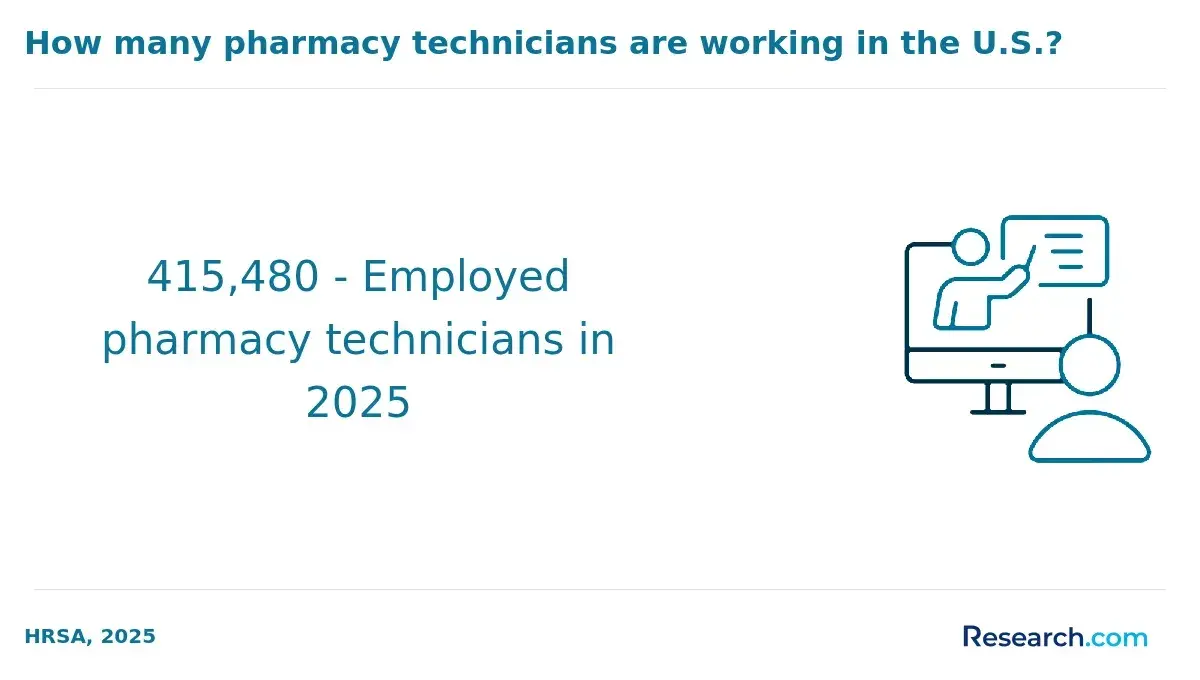
Pharmacy graduates can work in more settings than many students realize. The U.S. workforce includes around 360,604 pharmacists and 415,480 pharmacy technicians. Pharmacists support safe medication use, counsel patients, collaborate with physicians and other healthcare professionals, and help healthcare organizations manage therapies, compliance, and medication systems.
Is Pharmacy in High Demand?
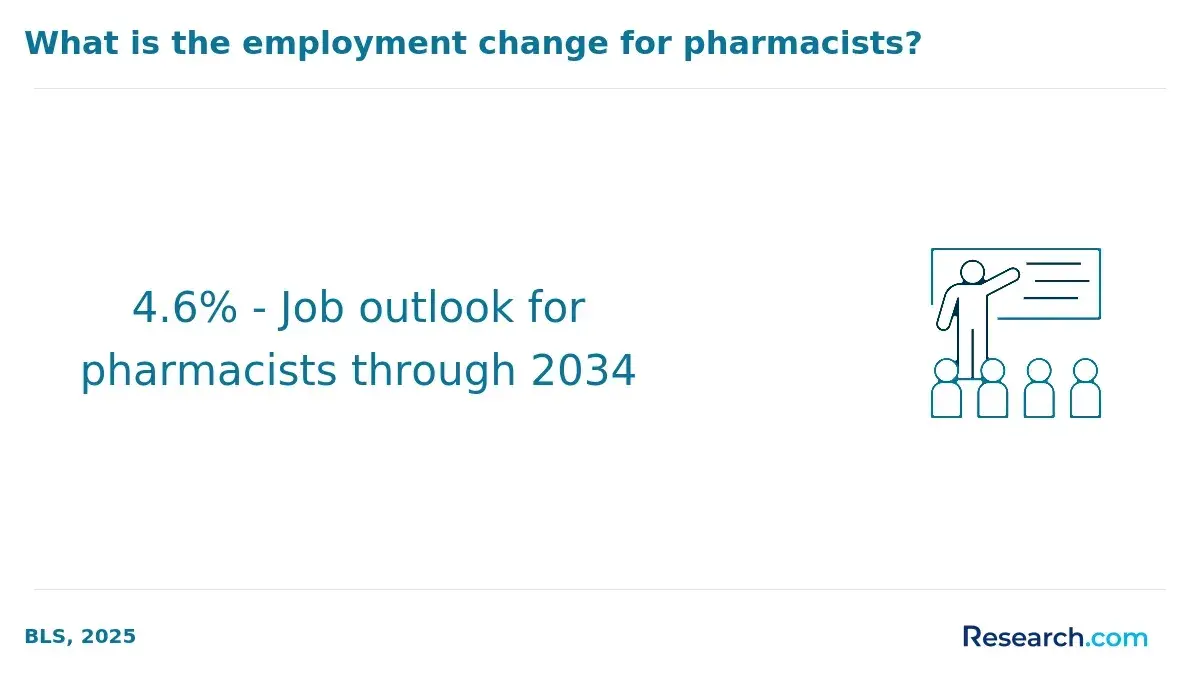
Pharmacy demand is steady, with the pharmacist employment outlook projected to grow 4.6% through 2034. That is faster than the average for all occupations and is expected to produce 14,200 job openings for pharmacists each year because of retirements, career changes, and replacement needs. Students comparing healthcare careers may also want to review related fields, including the occupational therapy job market.
The employers with the highest pharmacist employment include health and personal care retailers, general medical and surgical hospitals, food and beverage retailers, general merchandise retailers, and outpatient care centers. California, Texas, New York, Florida, and Pennsylvania have the highest levels of employment.
What Jobs Can You Get With a Pharmacy Degree?
According to the BLS, pharmacists commonly work in the following roles:
- Community pharmacist: Dispenses medications in chain or independent pharmacies, counsels patients on prescription and over-the-counter drugs, provides services such as flu shots, and offers general health guidance.
- Clinical pharmacist: Works in hospitals, clinics, and other healthcare settings; provides direct patient care; participates in rounds; recommends medications; monitors therapy progress; and may support disease management, including diabetes care.
- Consultant pharmacist: Advises patients and facilities on medication use, often supporting older adults, long-term care settings, medication adherence, and regulatory compliance.
- Pharmaceutical industry pharmacist: Works in research and development, clinical trials, drug safety, quality control, marketing, sales, or regulatory-related functions.
Other options include academia, government agencies, managed care, research organizations, nuclear pharmacy, geriatric pharmacy, and specialized clinical practice areas.
What Salary Can You Earn With a Pharmacy Degree?
Pharmacists earn a median annual wage of $137,480, while licensed pharmacists earn $145,908. The highest-paying industries for pharmacists were insurance and employee benefit funds, outpatient care centers, and office administrative services. By comparison, a pharmacy technician salary is much lower at nearly $ 37,800 annually.
Pay varies by employer, setting, experience, credentials, and state. California, Alaska, Oregon, Washington, and Minnesota were among the highest-paying states for pharmacists. Students comparing healthcare ROI may also compare pharmacy salaries with other professions, such as the starting salary of dentist in USA.
| Career Question | What to Consider Before Choosing Pharmacy |
| Do you want direct patient interaction? | Community and clinical pharmacy involve frequent patient counseling and healthcare communication. |
| Are you comfortable with a long education timeline? | The path usually requires at least six years of schooling, plus licensure exams. |
| Can you manage the cost? | Compare tuition, debt, scholarships, and likely earnings before enrolling. |
| Do you want a clinical, retail, research, or business role? | Different schools and rotations may prepare students better for different settings. |
| Are you willing to keep learning after graduation? | Pharmacy practice changes with new therapies, technology, law, and patient-care models. |
Why Financial Planning Matters in Pharmacy Education
A pharmacy degree can lead to competitive earnings, but the upfront investment is substantial. Tuition, fees, living expenses, rotation costs, licensing exams, relocation, and interest on loans can shape your financial outcome for years after graduation. Students should estimate total cost, not just annual tuition.
One way to control borrowing is to compare accredited, lower-cost options, including programs listed among the cheapest online pharmacy school in USA. Affordability should never replace accreditation, licensure alignment, or experiential quality, but an accredited program with a lower net price can reduce financial pressure.
Scholarships, grants, work-study, employer tuition reimbursement, military or public-service options, and careful borrowing can all help. The most important step is to compare net cost against realistic career goals. A student pursuing a community pharmacy role may use a different cost-benefit calculation than a student planning residency, fellowship, research, or academic work.
What to Look for in a Pharmacist Program
A strong PharmD program should prepare you for licensure, patient care, and the type of pharmacy work you want. Do not rely only on a school’s name, ranking, or marketing claims. Evaluate the program with specific evidence.
- Accreditation: Confirm ACPE accreditation. Accreditation is essential because it signals that the professional curriculum meets pharmacy education standards.
- Curriculum: Review courses in pharmacology, therapeutics, patient care, pharmacy law, ethics, management, communication, and clinical decision-making.
- Faculty: Look at faculty credentials, practice backgrounds, research activity, availability, and student mentorship opportunities.
- Experiential learning: Compare rotations, internships, clerkships, simulation labs, community sites, hospital placements, and specialty practice opportunities.
- Specializations: Check whether the school supports interests such as clinical pharmacy, public health, research, managed care, industry, or administration.
- Student support: Ask about advising, tutoring, wellness resources, licensure preparation, residency advising, and career services.
- Financial aid: Compare scholarships, grants, loans, assistantships, employer partnerships, and total net price.
| Question to Ask a Pharmacy School | Why the Answer Matters |
| Is the PharmD program ACPE-accredited? | Accreditation is central to licensure preparation and program credibility. |
| What are the latest NAPLEX pass rates? | Pass rates can indicate how well graduates are prepared for licensure exams. |
| Where do students complete clinical rotations? | Rotation quality affects practical skills, networking, and career direction. |
| How much do students typically borrow? | Debt levels help you judge affordability and long-term ROI. |
| What residency, fellowship, and job placement support is available? | Career advising matters for competitive clinical or specialized roles. |
| Does the program fit my preferred work setting? | A strong retail pathway may differ from a strong hospital, research, or industry pathway. |
Can an Advanced Degree in Healthcare Administration Benefit Pharmacists?
Yes. A healthcare administration credential, such as a Master of Healthcare Administration (MHA), can help pharmacists move beyond direct dispensing or clinical practice into leadership, operations, compliance, budgeting, policy, and health-system management. This can be especially useful for pharmacists who want to supervise pharmacy departments, lead medication-use programs, manage teams, or work in pharmaceutical and healthcare organizations.
Pharmacists who want a shorter graduate pathway may compare flexible options such as 1 year MHA programs online. These programs commonly cover healthcare finance, law, organizational leadership, operations, and strategic management.
The value of an administration degree depends on your goals. It may be useful if you want leadership roles in hospitals, health systems, managed care, outpatient networks, or the pharmaceutical industry. It may be less necessary if your goal is community pharmacy practice without management responsibility.
What Factors Should You Consider When Choosing a Pharmacy School?
When comparing pharmacy schools, prioritize ACPE accreditation, curriculum quality, experiential training, NAPLEX performance, faculty expertise, cost, financial aid, career placement, student support, and employer connections. Students seeking less competitive admissions options can review resources such as the easiest pharmacy school to get into, but admissions accessibility should not be the only deciding factor.
A lower-admission-barrier program can still be a good choice if it is accredited, affordable, transparent about outcomes, and strong in experiential training. Conversely, a prestigious school may not be the best fit if it produces unsustainable debt or does not support your preferred career path.
Common Mistakes to Avoid When Planning a Pharmacy Career
| Mistake | Better Approach |
| Choosing a program without verifying ACPE accreditation | Confirm accreditation before applying or paying deposits. |
| Looking only at tuition | Compare total cost, living expenses, fees, interest, and net price after aid. |
| Assuming every online or hybrid PharmD meets licensure needs | Ask how the program handles state authorization, rotations, and licensure preparation. |
| Ignoring NAPLEX pass rates | Use pass rates as one indicator of exam preparation, while also reviewing support services. |
| Choosing based only on rankings | Match the school to your budget, location, rotations, career goals, and learning needs. |
| Assuming salary outcomes are guaranteed | Research local employers, work settings, state pay differences, and job competition. |
| Waiting until graduation to think about career direction | Use rotations, internships, faculty mentors, and professional organizations to build a focused path early. |
Is a Pharmacist Program the Right Path for You?
Pharmacy may be a strong fit if you enjoy science, patient education, medication safety, precision work, and healthcare problem-solving. It can also appeal to students who want a respected licensed profession with multiple work environments and competitive pay.
It may not be the best fit if you dislike chemistry-heavy coursework, are uncomfortable with high-stakes accuracy, want a short training path, or are unwilling to manage substantial education costs. Students who want healthcare leadership without medication-focused practice may compare options such as a master of nursing administration. Those coming from nursing may also compare bridge pathways such as RN to MSN online programs.
How Can Accelerated Training Programs Enhance Your Healthcare Career Prospects?
Accelerated allied health training can help healthcare workers build practical skills quickly, explore patient-care environments, or transition into related roles. These programs are not substitutes for a PharmD if your goal is pharmacist licensure, but they can support career exploration, entry-level healthcare experience, or interdisciplinary mobility.
For example, a short, skills-focused option such as a medical assistant fast track program may help students gain exposure to patient care workflows before committing to a longer healthcare degree. This can be useful for applicants who want healthcare experience before pharmacy school.
How Can Continuing Professional Development Enhance Your Pharmacy Career?
Pharmacists must keep up with new therapies, changing regulations, patient-safety expectations, and technology. Continuing professional development helps licensed pharmacists maintain competence, strengthen clinical judgment, and adapt to emerging practice models.
Professional growth can include certifications, workshops, employer training, specialty education, conferences, and advanced clinical learning. Pharmacists who want structured guidance can review pharmacist education resources that address professional preparation, clinical techniques, and therapeutic management.
What Should You Consider When Evaluating Online and Accelerated Healthcare Programs?
Online and accelerated healthcare programs can be convenient, but they require careful screening. Start with accreditation, licensure alignment, board exam outcomes, clinical placement support, faculty access, student services, and employer reputation. A program that is flexible but weak in clinical support may create problems later.
Also compare total financial investment. Tuition is only one part of the cost; students should review fees, required technology, travel for clinicals, lost work time, and financial aid. Non-traditional healthcare students comparing alternative pathways may find cost-focused resources such as affordable ABSN programs for non nurses useful for understanding how accelerated healthcare programs differ in price and support.
Are Online Healthcare Programs as Challenging as Traditional Formats?
Online healthcare programs can be just as demanding as campus-based programs because students still need to master complex material, meet deadlines, complete assessments, and participate in clinical or experiential learning when required. Flexibility does not mean less rigor.
Successful online learners need discipline, time management, reliable technology, and comfort communicating with faculty and classmates digitally. Before enrolling, evaluate course design, faculty engagement, advising, technical support, and the school’s ability to help students meet clinical or licensure requirements. Comparisons such as are RN to BSN online programs difficult show why students should match program format with learning style and work responsibilities.
How Can Pursuing an Online Doctor of Pharmacy Program Enhance Your Career?
An online Doctor of Pharmacy program may help some students pursue the PharmD with more scheduling flexibility, especially if the program is properly accredited and provides reliable experiential placement support. Online or hybrid PharmD study is not automatically easier; students must still meet rigorous academic, clinical, and licensure expectations.
- Flexible learning: Online coursework may help students balance education with work, family, or location constraints.
- Specialized study options: Some programs may offer electives or tracks in areas such as clinical pharmacy, pharmacogenomics, public health pharmacy, leadership, or healthcare systems.
- Leadership preparation: Courses in healthcare systems, management, and policy can support future administrative or executive roles.
- Broader career positioning: Advanced pharmacy training may support opportunities in academia, research, clinical practice, healthcare organizations, or pharmaceutical companies.
- Geographic flexibility: Online delivery may expand access for students who cannot relocate, although clinical rotations may still require in-person participation.
- Competitive credentials: A PharmD can support advancement into roles that require professional pharmacy education and licensure.
Before choosing an online PharmD, ask how the school arranges rotations, prepares students for the NAPLEX and MPJE, supports out-of-state students, and documents licensure outcomes.
What Are Career Options Outside of Pharmacy for Healthcare Professionals?
Students interested in healthcare but unsure about pharmacy can explore nursing, allied health, healthcare administration, medical assisting, occupational therapy, public health, biotechnology, and other clinical or nonclinical paths. Nursing alone offers many practice areas, including pediatric nursing, oncology nursing, community health, acute care, and leadership roles.
To compare alternatives, review role responsibilities, education length, licensure requirements, work environment, stress level, and salary potential. Resources on easiest nursing jobs can help students understand how nursing pathways differ from pharmacy and which healthcare roles may fit their strengths.
How Can Interdisciplinary Research Expand Your Career Prospects?
Pharmacists interested in research can expand beyond traditional pharmacy practice by working across biotechnology, clinical science, regulatory affairs, pharmacogenomics, drug development, and health outcomes research. Interdisciplinary work can lead to roles in pharmaceutical companies, academic labs, clinical research organizations, public health agencies, and healthcare innovation teams.
Students who want to connect pharmacy knowledge with biotechnology may consider advanced study such as an online masters in biotechnology. This type of training can complement pharmacy expertise for professionals interested in drug discovery, biologics, regulatory science, or translational research.
Can Accelerated PharmD Programs Fast-Track Your Career?
Accelerated PharmD programs may shorten the time needed to earn the professional pharmacy degree by compressing prerequisite and core coursework into a more intensive schedule. These programs can appeal to motivated students who want to enter the workforce sooner and are prepared for a demanding pace.
The trade-off is intensity. Accelerated pathways may leave less room for outside work, repeated courses, or schedule flexibility. Before enrolling, compare accreditation, experiential training, academic support, NAPLEX preparation, costs, and student outcomes. Students evaluating shorter pathways can review the fastest PharmD programs.
What Technology Trends Are Changing Pharmacy Practice?
Technology is reshaping pharmacy work by automating routine tasks, improving medication safety, expanding remote access, and changing how pharmacists use patient data. These tools do not remove the need for pharmacists; they shift the role toward oversight, clinical judgment, patient counseling, and data-informed decision-making.
- Telepharmacy: Remote pharmacy consultation and prescription oversight can improve access in rural or underserved areas and allow patients to connect with pharmacists without traveling.
- Automated dispensing systems: Dispensing technology can improve efficiency, support inventory management, and reduce certain types of medication errors while allowing pharmacists to focus more on patient care.
- Artificial intelligence in drug management: AI tools can analyze patient information, flag potential interactions, and support more personalized medication recommendations, though pharmacists remain responsible for professional judgment.
- Electronic prescribing: E-prescriptions reduce problems associated with handwritten orders, improve communication between prescribers and pharmacists, and streamline dispensing.
- Blockchain for drug traceability: Blockchain can create a secure record of medication movement through the supply chain, helping address counterfeit drug risks and transparency concerns.
Key Insights
- The PharmD is the key credential. In the U.S., becoming a licensed pharmacist generally requires a Doctor of Pharmacy degree, not just a bachelor’s degree in pharmacy.
- The timeline is significant. Students should expect at least six years of schooling, with six to 12 years possible when undergraduate degrees, residencies, fellowships, or advanced training are included.
- Licensure is mandatory. After earning the PharmD, graduates typically need to pass the NAPLEX and MPJE to obtain a state pharmacy license.
- The field pays competitively. Pharmacists earn a median annual salary of $137,480, and licensed pharmacists earn $145,908, though pay varies by state, employer, setting, and experience.
- Demand is steady but should be evaluated locally. Pharmacist employment is projected to grow 4.6% through 2034, with about 14,200 openings each year.
- Cost planning is essential. In-state pharmacy undergraduate tuition and fees averaged $11,310 and $34,386 for out-of-state students. In-state graduate tuition and fees average $12,565 and out-of-state $25,272. Student loan debt can materially affect ROI.
- School choice should be evidence-based. Prioritize ACPE accreditation, NAPLEX pass rates, experiential learning, cost, financial aid, licensure preparation, and career support.
- Pharmacy careers are diverse. Graduates can work as community, clinical, consultant, industry, academic, research, government, or specialty pharmacists.
- Technology is changing the job. Telepharmacy, automated dispensing, AI, e-prescribing, and drug traceability tools are increasing the value of pharmacists who combine clinical knowledge with digital fluency.
- The best decision depends on fit. Pharmacy is strongest for students who like science, patient counseling, medication safety, and regulated healthcare practice—and who have a realistic plan for the time and cost required.
References:
- American Association of Colleges of Pharmacy. (n.d.). Academic Pharmacy's Vital Statistics. Retrieved February 2026, from https://www.aacp.org/article/academic-pharmacys-vital-statistics
- Health Resources and Services Administration. (2025, December). State of the U.S. Health Care Workforce, 2025. National Center for Health Workforce Analysis. https://bhw.hrsa.gov/sites/default/files/bureau-health-workforce/data-research/State-of-US-Health-Care-Workforce-2025.pdf
- Mott, D. A., Bakken, B. K., Nadi, S., Arya, V., Doucette, W. R., Gaither, C. A., Kreling, D. H., & Schommer, J. C. (2025, June). Final Report of The 2024 National Pharmacist Workforce Survey. Pharmacy Workforce Center. https://www.aacp.org/article/national-pharmacist-workforce-studies
- Pharmacy Workforce Center. (2026, January). Pharmacy Demand Report Executive Summary 4th Quarter 2025. https://www.aacp.org/sites/default/files/2026-01/pharmacy-demand-report-1.26.26.pdf
- Precedence Research. (2025, November 10). U.S. Pharmaceutical Market Size, Share and Trends 2025 to 2034. https://www.precedenceresearch.com/us-pharmaceutical-market
- U.S. Bureau of Labor Statistics. (2024). Occupational Employment and Wage Statistics (OEWS) Profiles. Retrieved February 2026, from https://data.bls.gov/oesprofile/
- U.S. Bureau of Labor Statistics. (2025, August 28). Occupational projections, 2024–2034, and worker characteristics. Retrieved February 2026, from https://www.bls.gov/emp/tables/occupational-projections-and-characteristics.htm
Other Things You Should Know About Being A Pharmacist
Most U.S. states require 1,500 to 2,000 supervised internship hours before licensure, usually completed during a PharmD program. The hours must be approved by the state board of pharmacy and documented before you can sit for the NAPLEX and, in most states, the MPJE.
In 2027, pharmacists can expect to earn an average salary ranging from $91,000 to $145,000 per year. Factors influencing salary include location, years of experience, and the specific workplace environment, such as retail pharmacies, hospitals, or specialized healthcare settings.
In 2027, to become a licensed pharmacist, you must graduate from an accredited PharmD program, complete required internship hours, and pass the North American Pharmacist Licensure Examination (NAPLEX) and a state-specific exam, such as the Multistate Pharmacy Jurisprudence Examination (MPJE). --- Now, here are four relevant questions from Google’s PAA section: 1. **Question** What steps are involved in becoming a licensed pharmacist in 2027? **Answer** To become a licensed pharmacist in 2027, complete a PharmD program, pass the NAPLEX and MPJE or an equivalent exam, and meet internship requirements as determined by your state's pharmacy board. 2. **Question** How long does it take to become a pharmacist? **Answer** Becoming a pharmacist typically requires six to eight years: two to four years of undergraduate study, followed by a four-year Doctor of Pharmacy (PharmD) program. 3. **Question** What are the admission requirements for a PharmD program? **Answer** Admission to a PharmD program often requires a high GPA, PCAT scores if required, completion of prerequisite courses in sciences and math, and a strong application showcasing experience and motivation in the field. 4. **Question** What skills are required to become a successful pharmacist? **Answer** Essential skills for a successful pharmacist include strong analytical skills, attention to detail, excellent communication, comprehensive pharmaceutical knowledge, and the ability to work well with healthcare teams and patients.
In 2027, pharmacists typically need to complete 30 hours of continuing education every two years to maintain licensure. Requirements include courses in patient safety, pharmacy law, and immunizations. These are governed by the state's Board of Pharmacy to ensure ongoing competence.


