
2027 How to Become a Licensed Pharmacist in North Carolina

Co-Founder and Chief Data Scientist
If you want to practice pharmacy in North Carolina, the main decision is not just where to study. You need to understand the full licensure path: the pharmacy degree, intern hours, exams, state application, continuing education, renewal rules, and the kind of work pharmacists actually do after they are licensed.
This guide is for students comparing pharmacy schools, career changers evaluating whether pharmacy is worth the time and cost, foreign-trained pharmacy graduates, and current healthcare workers who want a clearer roadmap. It explains how to become a licensed pharmacist in North Carolina, how long the process usually takes, what it can cost, what online study can and cannot do, and how to choose a school or career path with fewer surprises.
Quick answer: How do you become a licensed pharmacist in North Carolina?
To become a licensed pharmacist in North Carolina, you generally need to complete an accredited pharmacy degree, register and complete required pharmacy intern experience, pass the North American Pharmacist Licensure Examination (NAPLEX), pass the North Carolina Multistate Pharmacy Jurisprudence Examination (MPJE), clear the required background review, and apply through the North Carolina Board of Pharmacy.
| Requirement | What it means for applicants |
| Pharmacy education | You need a degree from an accredited pharmacy institution, such as a Bachelor of Science in Pharmacy or a Doctor of Pharmacy. |
| Foreign pharmacy graduates | Graduates of international pharmacy schools must obtain the Foreign Pharmacy Graduate Equivalency Certification (FPGEC). |
| Practical experience | North Carolina requires 1,500 hours of practical experience completed while registered as a pharmacy intern and supervised by a licensed pharmacist. |
| Licensing exams | Candidates must pass the NAPLEX and the North Carolina MPJE within the required limits. |
| Background check | Applicants must complete a criminal background check and avoid disqualifying offenses. |
- The fastest realistic path is planned early. Students who complete prerequisites efficiently, enter an accredited Pharm.D. program, and track intern hours during school can avoid delays after graduation.
- Online coursework may help, but licensure is not fully online. Pharmacy training requires supervised practice, clinical rotations, exams, and state application steps that cannot be replaced by online classes alone.
- Cost and debt matter. Tuition, exam fees, application fees, travel for rotations, and living expenses should be evaluated before choosing a program.
- Licensure is only the beginning. Pharmacists in North Carolina must keep up with continuing education, renewal deadlines, technology changes, and evolving patient-care responsibilities.
- What does a licensed pharmacist do?
- How long does it take to become a licensed pharmacist in North Carolina?
- How do I get a pharmacy degree in North Carolina?
- What are the requirements to become a licensed pharmacist in North Carolina?
- How much does it cost to become a licensed pharmacist in North Carolina?
- Can I get my pharmacist’s license online in North Carolina?
- What is the job description of a licensed pharmacist in North Carolina?
- What are the continuing education requirements for pharmacists in North Carolina?
- What do I do if my pharmacist’s license expires in North Carolina?
- How much do licensed pharmacists make in North Carolina?
- What challenges do new licensed pharmacists face in North Carolina?
- What advantages do online doctorate programs in pharmacy offer?
- How can interprofessional networking enhance my pharmacy career in North Carolina?
- How can I effectively prepare for my pharmacist licensing exams?
- How is technology reshaping pharmacy practice in North Carolina?
- What advanced specialization opportunities exist for licensed pharmacists in North Carolina?
- How do pharmacist licensure requirements compare with other healthcare professions?
- What is the job outlook for licensed pharmacists in North Carolina?
- What is a licensed pharmacist’s career path in North Carolina?
- Are there other career paths in healthcare that I can consider?
- Which professional organizations can enhance my pharmacy career in North Carolina?
- How do I choose the right pharmacy school in North Carolina?
What does a licensed pharmacist do?
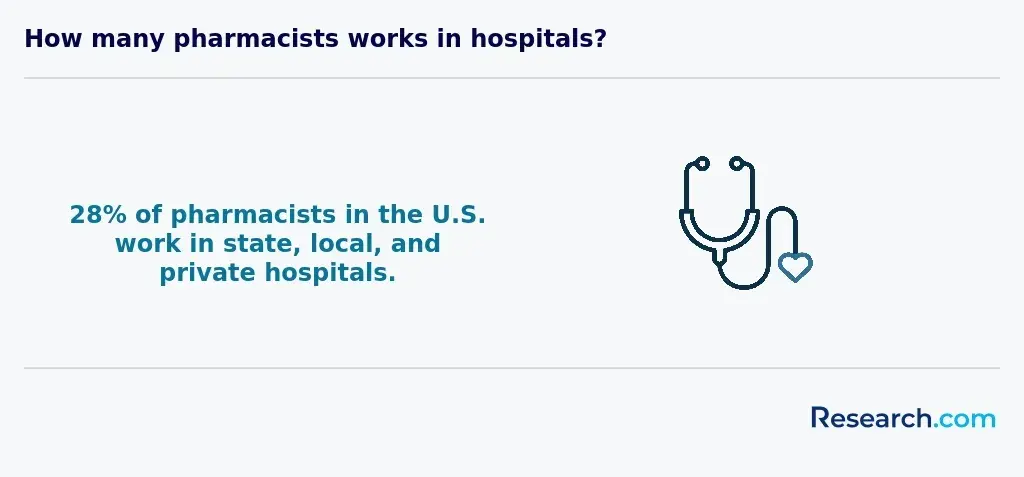
A licensed pharmacist is a healthcare professional authorized to prepare, dispense, monitor, and advise on medications. In North Carolina, pharmacists work in community pharmacies, hospitals, clinics, long-term care settings, managed care organizations, public health programs, and other healthcare environments.
The role has expanded beyond filling prescriptions. Pharmacists help patients understand how to use medications safely, screen for interactions, support chronic disease management, provide immunizations where permitted, coordinate with prescribers, and help reduce medication-related harm. That makes licensure important: the state uses education, supervised experience, exams, and ongoing renewal requirements to confirm that pharmacists can practice safely.
| Part of the path | Why it matters | Decision point for students |
| Accredited pharmacy education | Builds the scientific, clinical, and patient-care foundation needed for pharmacy practice. | Confirm that the program meets the standards needed for licensure before enrolling. |
| Internship experience | Develops real-world judgment under the supervision of a licensed pharmacist. | Ask how the school helps students complete and document the required 1,500 hours. |
| NAPLEX and MPJE | Tests pharmacy knowledge and North Carolina pharmacy law competency. | Review pass-rate support, exam preparation resources, and timing before graduation. |
| Continuing education | Keeps pharmacists current as medications, laws, technologies, and care models change. | Plan for annual CE requirements and renewal costs after licensure. |
Students who need flexible study options may compare campus-based programs with hybrid or online-supported formats, including a doctorate in pharmacy distance learning. However, the key test is not convenience alone. The program must support the education and experiential requirements needed for pharmacist licensure.
How long does it take to become a licensed pharmacist in North Carolina?
Most students should expect the process to take about six to eight years, depending on how quickly they complete prerequisites, enter a pharmacy program, finish supervised experience, and pass licensing exams. The timeline can be shorter for students who enter an accelerated or direct-entry pathway, and longer for students who attend part time, change majors, repeat prerequisites, or need additional time for exam preparation.
| Stage | Typical time involved | What can slow you down |
| Pre-pharmacy coursework | Usually at least two years of undergraduate study | Missing science prerequisites, low prerequisite grades, delayed applications, or needing to retake courses |
| Doctor of Pharmacy program | Generally four years in an accredited program | Academic difficulty, rotation scheduling, leave of absence, or transferring programs |
| Internship hours | 1,500 hours of supervised practical experience | Failure to register as an intern, poor hour tracking, or limited access to practice sites |
| Licensing exams | After education and experience requirements are met | Not passing the NAPLEX or North Carolina MPJE, scheduling delays, or incomplete application materials |
| State application and background check | Several weeks may be needed for processing | Incomplete documentation, background review issues, or missed Board instructions |
Candidates must pass the NAPLEX and the North Carolina MPJE. Each exam allows a maximum of five attempts, and candidates must pass both within a two-year window to remain eligible for licensure under the stated limits. Because retakes can delay employment and add cost, exam preparation should begin before graduation rather than after the application process starts.
How do I get a pharmacy degree in North Carolina?
The standard professional degree for new pharmacists is the Doctor of Pharmacy, often called the Pharm.D. To enter a Pharm.D. program, students typically complete a minimum of two years of undergraduate coursework that includes general education, mathematics, and science prerequisites. A bachelor’s degree is not always mandatory, but it can strengthen an application, especially when admission is competitive.
Campbell University’s College of Pharmacy & Health Sciences is one pharmacy education option in North Carolina. The college has offered pharmacy education for more than 30-plus years and reports a strong first-time pass rate on the national pharmacy board exam that exceeds state and national averages. Its Pharm.D. program combines classroom study, laboratory work, patient-care training, and clinical rotations.
What to look for in a Pharm.D. program
- Accreditation and licensure alignment: Confirm that the program’s accreditation status supports eligibility for pharmacist licensure.
- Prerequisite clarity: Ask for a written list of required courses, minimum grades, application deadlines, and accepted transfer credits.
- Clinical placement support: Strong rotation networks help students gain experience in hospitals, community pharmacies, clinics, and other care settings.
- Faculty access: Students benefit from advisors and faculty who are available for academic planning, exam preparation, and career guidance.
- Dual degree and specialization options: Some students may benefit from public health, clinical research, leadership, or other combined academic pathways.
- Financial support: Campbell University has recently distributed over $1.5 million in scholarships, which illustrates why scholarship availability should be part of your school comparison.
Pharmacy school is not the only way to enter the pharmacy workforce. Some students first work as pharmacy technicians to learn the environment before committing to a Pharm.D. If you are comparing entry-level options, reviewing the pharmacy technician wage can help you understand the difference between technician roles and pharmacist roles.
Questions to ask before applying
| Question | Why it matters |
| Is the pharmacy program accredited for licensure purposes? | Without the right accreditation, you may not qualify for pharmacist licensure. |
| How are clinical rotations assigned? | Rotation quality affects practical skills, networking, and residency competitiveness. |
| What is the program’s first-time NAPLEX pass performance? | Exam outcomes can indicate how well the curriculum prepares students for licensure. |
| How much scholarship aid is available? | Pharmacy school can be expensive, and scholarships can reduce borrowing. |
| Can I complete prerequisites at another college? | Transfer policies affect cost, timing, and application readiness. |
What are the requirements to become a licensed pharmacist in North Carolina?
North Carolina pharmacist licensure is built around five core requirements: qualifying education, supervised practical experience, examination, background review, and formal application. Missing one step can delay approval, even if you have already graduated from pharmacy school.
| Requirement | North Carolina expectation | Applicant tip |
| Education | Earn a qualifying pharmacy degree from an accredited pharmacy institution, such as a Bachelor of Science in Pharmacy or Doctor of Pharmacy. | Check accreditation before committing to a program, not after enrollment. |
| Foreign graduate certification | International pharmacy graduates must obtain the Foreign Pharmacy Graduate Equivalency Certification (FPGEC). | Start the FPGEC process early because document review can take time. |
| Pharmacy intern registration | Practical experience must be completed while registered as a pharmacy intern. | Do not assume work hours count automatically; confirm documentation rules. |
| Supervised practical experience | Complete 1,500 hours under the supervision of a licensed pharmacist. | Keep records of dates, sites, supervisors, and hours. |
| Licensing exams | Pass the NAPLEX and the North Carolina MPJE within the designated attempt and timing limits. | Use practice exams and law review resources before scheduling. |
| Background check | Complete the required criminal background check and avoid disqualifying offenses. | Address any potential issues honestly and according to Board instructions. |
| Licensure application | Submit the required application and fee to the North Carolina Board of Pharmacy. | Review the application checklist carefully to avoid preventable processing delays. |
Common mistakes that delay licensure
- Assuming any pharmacy-related job counts toward intern hours: Hours must meet the state’s requirements and be completed while properly registered.
- Choosing a program without checking accreditation: A convenient or inexpensive program is not useful if it does not support licensure eligibility.
- Waiting until graduation to study pharmacy law: The MPJE requires state-specific legal knowledge that many students underestimate.
- Ignoring the two-year exam window: Candidates must pass both required exams within the designated timeframe.
- Submitting incomplete documentation: Missing transcripts, intern-hour records, background forms, or fees can slow approval.
After licensure, requirements shift from initial qualification to maintenance. Pharmacists must renew their licenses every two years, complete continuing education, pay renewal fees, and remain compliant with state and federal pharmacy rules. The renewal process is not just administrative; it protects the pharmacist’s ability to keep practicing without interruption.
How much does it cost to become a licensed pharmacist in North Carolina?
The total cost depends heavily on the school you choose, whether you pay in-state or out-of-state tuition, whether you receive scholarships, how much you borrow, and how long it takes you to finish. In many cases, the largest expense is the Pharm.D. program itself, but students should also budget for exams, application fees, books, supplies, travel to rotations, living costs, and interest on student loans.
| Cost category | Amount stated | How to plan for it |
| Pharmacy school tuition | Estimated from $20,000 to over $50,000 annually | Compare total program cost, not just first-year tuition. Include fees and expected tuition changes. |
| NAPLEX | Approximately $750 as of 2023 | Budget for the exam before graduation and avoid retake costs by preparing early. |
| MPJE | Around $200 as of 2023 | Include pharmacy law study materials if needed. |
| Licensure application | Non-refundable fee of $100 | Check Board instructions before submitting so the application is complete. |
| Total investment | Can exceed $100,000 when education, exam, and application costs are combined | Estimate debt payments against expected salary and career goals before enrolling. |
How to reduce pharmacy school costs
- Complete prerequisites affordably: If accepted by the Pharm.D. program, lower-cost undergraduate coursework can reduce the total bill.
- Ask about scholarships each year: Some awards are renewable, while others require a separate application.
- Compare rotation travel costs: A program with distant clinical sites may create housing and transportation expenses.
- Use federal aid carefully: Borrow only what you need, and understand interest before accepting loans.
- Evaluate opportunity cost: Four years in pharmacy school may mean fewer full-time earning years during training.
If you are still deciding whether the investment fits your goals, a broader overview of pharmacist career opportunities can help you compare pharmacy with other healthcare careers before committing to a Pharm.D. program.
Can I get my pharmacist’s license online in North Carolina?
No, you cannot complete the entire pharmacist licensure process online in North Carolina. Some coursework may be available online or in hybrid formats, but pharmacist licensure requires supervised practical training, clinical experiences, licensing exams, background review, and state application steps that cannot be replaced by online-only study.
Online-supported pharmacy education can still be useful if it comes from an accredited program and includes the required in-person components. Students who need flexibility should focus on whether the program supports licensure, not simply whether it advertises online learning.
| Online or hybrid component | Can it help? | What to verify |
| Online didactic coursework | Yes, if offered through a qualifying pharmacy program | Confirm accreditation and whether the coursework counts toward the Pharm.D. curriculum. |
| Virtual advising and tutoring | Yes | Ask whether online students receive the same academic support as campus students. |
| Remote networking events | Yes | Look for alumni connections, employer sessions, and professional association access. |
| Clinical rotations | No, these require patient-care or practice-site experience | Ask where rotations occur and whether placements are available near you. |
| Internship hours | No, hours must be completed through approved supervised experience | Confirm how hours are tracked and reported. |
| Licensure exams and state approval | No, these follow formal testing and Board processes | Review NAPLEX, MPJE, and North Carolina Board requirements. |
Do not confuse pharmacy technician education with pharmacist education. Programs such as top online pharmacy technician programs may prepare students for technician roles, but they do not replace the professional pharmacy degree and licensure process required to become a pharmacist.
The most practical approach is to use online learning for flexibility where appropriate while planning carefully for in-person labs, rotations, internship hours, exams, and state paperwork. Students who choose a hybrid program should ask in writing how the school supports North Carolina licensure.
What is the job description of a licensed pharmacist in North Carolina?
A licensed pharmacist in North Carolina helps ensure that medications are safe, appropriate, correctly dispensed, and properly understood by patients. The exact job description varies by setting, but most roles combine medication expertise, patient counseling, documentation, legal compliance, and communication with other healthcare professionals.
| Responsibility | What pharmacists do | Where it shows up most often |
| Medication review | Evaluate prescriptions, dosage, allergies, duplicate therapy, and potential drug interactions. | Retail pharmacies, hospitals, clinics, long-term care |
| Dispensing | Prepare and verify medications, provide instructions, and ensure accuracy before release. | Community pharmacies, hospital pharmacies |
| Patient counseling | Explain how to take medications, what side effects to watch for, and when to contact a provider. | Retail, ambulatory care, specialty pharmacy |
| Clinical collaboration | Work with physicians, nurses, and other professionals to improve medication therapy. | Hospitals, clinics, integrated care teams |
| Compliance and safety | Follow state and federal rules on controlled substances, recordkeeping, privacy, and dispensing. | All pharmacy settings |
| Public health support | Provide vaccinations and medication education where permitted by practice rules. | Community pharmacies, public health settings |
| Technology use | Use electronic health records, dispensing systems, drug databases, and workflow tools. | Most modern pharmacy environments |
Pharmacists must combine speed with judgment. A busy pharmacy may require rapid prescription verification, but patient safety still depends on careful review, clear communication, and sound professional decisions. In clinical roles, pharmacists may spend more time reviewing medication therapy, participating in rounds, and working with care teams.
What are the continuing education requirements for pharmacists in North Carolina?
Licensed pharmacists in North Carolina must complete 15 hours of continuing education annually to renew their license. Continuing education keeps pharmacists current on medication therapy, safety standards, pharmacy law, controlled substances, and changes in professional practice.
| CE requirement | Details stated | Why it matters |
| Total annual CE | 15 hours each year | Required to maintain an active pharmacist license. |
| Live-contact programs | At least 8 hours must be obtained through live-contact programs | Live interaction can support discussion, questions, and practice updates. |
| Drug topics and pharmacy practice | 5 hours should focus on drug topics and pharmaceutical practice | Ensures pharmacists keep current in core professional knowledge. |
| Controlled substance abuse | At least one hour must address controlled substance abuse if the pharmacist regularly dispenses controlled substances | Supports safe dispensing and awareness of misuse risks. |
| Carryover allowance | A five-hour carryover allowance has been introduced | Provides some flexibility in managing annual CE completion. |
Pharmacists can earn CE through seminars, workshops, accredited online programs, professional associations, and employer-supported training. Organizations such as the American Pharmacists Association (APhA) and the North Carolina Association of Pharmacists (NCAP) may offer programs that help pharmacists meet CE expectations.
Continuing education is common across healthcare fields. For comparison, professionals exploring how to become a mental health counselor in North Carolina will also find that ongoing education plays a major role in maintaining competence and professional standing.
What do I do if my pharmacist’s license expires in North Carolina?
If your North Carolina pharmacist license expires, act quickly. North Carolina allows a 60-day grace period after expiration during which pharmacists can continue to practice legally. Practicing after that period can expose you to fines, disciplinary action, employment problems, and reputational harm.
- Stop and confirm your license status. Check the North Carolina Board of Pharmacy portal so you know whether you are within the 60-day grace period.
- Complete the online renewal application. Use the Board’s online renewal system and provide the requested personal and professional information.
- Finish continuing education requirements. Pharmacists must complete 15 hours of continuing education each year, including the required mix of live-contact and topic-specific hours.
- Pay the renewal fee. The stated renewal fee is $135 and can be paid online.
- Attest to CE completion. During renewal, pharmacists confirm they completed the required CE and identify the types of programs taken.
- Save the confirmation page. Keep proof of submission and payment in case an employer or regulator asks for documentation.
The safest strategy is to renew early rather than relying on the grace period. Create calendar reminders, track CE throughout the year, and keep copies of completion certificates. License maintenance is part of professional risk management, not just paperwork.
How does interprofessional collaboration enhance patient care in North Carolina?
Pharmacists increasingly work as part of coordinated healthcare teams. Their medication expertise can help physicians, nurses, behavioral health professionals, and other providers reduce medication errors, manage chronic disease, improve adherence, and identify drug-related problems earlier.
Collaboration is especially valuable when patients have multiple conditions or take several medications. A pharmacist may notice interactions, duplication, or adherence barriers that other team members may not see during a short visit. In return, behavioral health and social-support professionals can provide context about mental health, family stress, substance use, housing instability, or other factors affecting medication use.
Healthcare professionals interested in broader team-based care may also compare adjacent fields, including how to become a marriage and family therapist in North Carolina, to understand how different licensed roles support patient well-being.
How much do licensed pharmacists in North Carolina make?
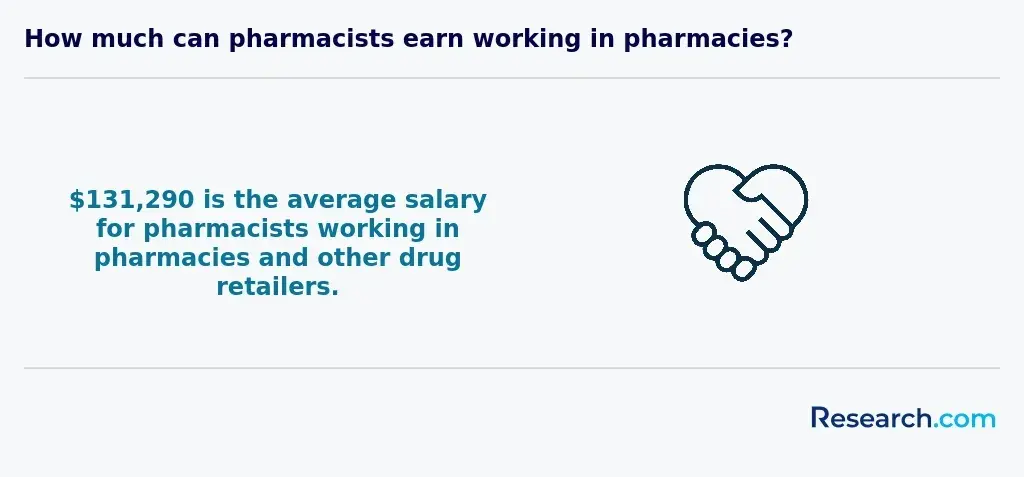
Pharmacist pay in North Carolina varies by employer, location, experience, specialization, and work setting. As of May 2023, pharmacists in the state earn an average annual salary of around $132,570, or approximately $63.74 per hour. Reported salaries also differ by practice environment: pharmacists in general medical and surgical hospitals earn an average of about $144,270 annually, while pharmacists in retail settings typically make around $126,990 per year.
| Salary figure stated | Amount | How to interpret it |
| Average annual salary in North Carolina | Around $132,570 as of May 2023 | A broad statewide average across pharmacist roles. |
| Approximate hourly wage | About $63.74 | Useful for comparing hourly, part-time, or shift-based work. |
| General medical and surgical hospitals | About $144,270 annually | Hospital roles may pay more but can require clinical experience, residency, or specialized skills. |
| Retail settings | Around $126,990 annually | Retail roles are common but can involve high volume, customer interaction, and extended hours. |
| Median salary noted for North Carolina career path | Around $125,842 | Useful as another benchmark when evaluating offers. |
| Salary range noted | Approximately $74,984 to $155,406 | Reflects variation by experience, employer, role, and location. |
Ways pharmacists can improve earning potential
- Build clinical expertise: Specialization in areas such as oncology, pediatrics, ambulatory care, or pharmacotherapy can support advancement.
- Consider residency or certification: Advanced training and board certification may improve competitiveness for clinical roles.
- Move into leadership: Pharmacy management, operations, informatics, and director-level roles may offer higher compensation.
- Develop technology skills: Experience with electronic health records, automation, data tools, and telepharmacy may strengthen job prospects.
- Compare total compensation: Salary is only one part of the offer. Benefits, schedule, loan repayment, continuing education support, and workload also matter.
What challenges do new licensed pharmacists face in North Carolina?
New pharmacists often move from structured school environments into workplaces where they must make high-stakes decisions quickly. Common challenges include workload pressure, controlled-substance compliance, technology-driven workflows, insurance barriers, patient counseling demands, and communication across interdisciplinary teams.
| Challenge | Why it is difficult | Better response |
| High prescription volume | Speed can conflict with careful review and patient counseling. | Use workflow systems consistently and escalate safety concerns early. |
| Pharmacy law complexity | State and federal rules can affect dispensing, documentation, and controlled substances. | Keep pharmacy law references current and complete CE on regulatory topics. |
| Patient communication | Patients may be confused, frustrated, or worried about medication costs and side effects. | Use clear, plain-language counseling and verify understanding. |
| Interprofessional expectations | New pharmacists may need to communicate recommendations to prescribers confidently. | Practice concise clinical communication and document recommendations clearly. |
| Technology overload | Automation, alerts, and digital records can improve care but also create fatigue. | Learn the system deeply and prioritize clinically meaningful alerts. |
Pharmacists working with patients affected by addiction, pain management, or controlled medications may also benefit from understanding related counseling careers. Exploring how to become a substance abuse counselor in North Carolina can provide perspective on interdisciplinary support for patients with substance-use concerns.
What advantages do online doctorate programs in pharmacy offer?
Online and hybrid doctorate-level pharmacy programs can help working professionals or students with scheduling constraints access advanced coursework without relocating for every class. These formats may support clinical knowledge, research skills, leadership development, and exposure to emerging pharmaceutical technologies.
The main advantage is flexibility. The main limitation is that pharmacy cannot be learned entirely through screens. Any program designed to support pharmacist preparation must still address practical experience, patient-care training, and licensure requirements.
| Potential advantage | Best for | Watch out for |
| Flexible coursework | Students balancing school, work, family, or commuting limits | Flexibility does not remove clinical or internship obligations. |
| Access to broader program options | Students who do not live near a campus | Rotation sites may still require travel. |
| Digital learning tools | Self-directed learners who use recorded lectures, simulations, and online resources well | Students who need frequent in-person structure may struggle. |
| Leadership or advanced-practice focus | Licensed pharmacists seeking career growth | Confirm the degree matches your career goal and employer expectations. |
Cost-conscious students can compare online pharmacy schools while still checking accreditation, clinical placement support, and licensure alignment.
How can interprofessional networking enhance my pharmacy career in North Carolina?
Networking helps pharmacists learn from other professionals, discover job openings, stay current on regulations, and build referral relationships. For students, networking can lead to internships, residency guidance, mentorship, and realistic insight into practice settings. For licensed pharmacists, it can open doors to clinical, leadership, academic, industry, or informatics roles.
- Join pharmacy associations: State and national organizations can provide CE, policy updates, and leadership opportunities.
- Attend interdisciplinary events: Conferences and workshops with nurses, physicians, counselors, and public health professionals can broaden your perspective.
- Use rotations strategically: Treat clinical rotations as extended interviews by showing reliability, curiosity, and professionalism.
- Ask for mentorship: A mentor can help you evaluate residency, specialization, management, or nontraditional pharmacy paths.
- Build communication skills: The best clinical recommendation is less useful if it is not delivered clearly to the care team.
Understanding other healthcare roles can also make pharmacists better collaborators. For example, reviewing how to become a registered nurse in North Carolina can help pharmacy professionals appreciate nursing scope, workflow, and patient-care responsibilities.
How can I effectively prepare for my pharmacist licensing exams?
Strong exam preparation starts before graduation. The NAPLEX tests broad pharmacy knowledge and clinical judgment, while the MPJE focuses on pharmacy law, including North Carolina-specific rules. Students who treat the MPJE as a quick add-on often underestimate it.
- Create a study calendar. Block time for pharmacology, therapeutics, calculations, compounding concepts, patient safety, and law.
- Use practice exams. Practice questions reveal weak areas and help build testing endurance.
- Study North Carolina law separately. The MPJE requires careful reading of statutes, rules, and Board guidance.
- Review internship experiences. Real practice examples can help connect legal and clinical concepts.
- Join a study group selectively. Groups are useful when they stay organized and focus on active recall, not passive discussion.
- Plan for scheduling and retake limits. Remember that each exam allows a maximum of five attempts and both must be passed within a two-year window.
Healthcare professionals who want additional administrative knowledge may also explore medical billing and coding in North Carolina, especially if they are interested in pharmacy operations, reimbursement, or managed care.
How is technology reshaping pharmacy practice in North Carolina?
Technology is changing how pharmacists verify prescriptions, track medication histories, communicate with providers, counsel patients, and monitor safety. Electronic health records, automated dispensing systems, telepharmacy tools, clinical decision-support alerts, and data analytics can improve efficiency, but they also require pharmacists to develop stronger digital judgment.
Automation can reduce repetitive tasks, yet it does not remove the pharmacist’s responsibility for clinical review and patient safety. In some settings, technology creates alert fatigue or workflow pressure. The best pharmacists learn how to use digital tools while still asking the essential clinical questions: Is this medication appropriate? Is the dose safe? Does the patient understand it? Are there barriers to adherence?
- Telepharmacy: Can improve access for patients in areas with fewer pharmacy services.
- Automated dispensing: Can increase speed and inventory control, but verification remains critical.
- Electronic health records: Give pharmacists more context, including labs, diagnoses, and medication history.
- Data analytics: Can help identify adherence gaps, interaction risks, or population-health trends.
- Digital counseling tools: Can support patient education, especially when paired with pharmacist explanation.
Pharmacists interested in expanded clinical practice may compare their role with advanced nursing pathways, including how to become a nurse practitioner in North Carolina.
What advanced specialization opportunities exist for licensed pharmacists in North Carolina?
After licensure, pharmacists can pursue advanced training that leads to more specialized clinical, leadership, academic, industry, or technology-focused work. Options may include residency programs, fellowships, and additional certifications in areas such as clinical pharmacy, oncology, ambulatory care, informatics, and other practice areas.
| Specialization route | Best fit | Possible career direction |
| Residency | Pharmacists seeking hospital, clinical, ambulatory care, or specialized patient-care roles | Clinical pharmacist, specialist pharmacist, residency-trained practitioner |
| Fellowship | Pharmacists interested in research, industry, academia, or drug development | Medical affairs, clinical research, regulatory affairs, academic research |
| Board certification | Pharmacists who want to demonstrate advanced competency in a specialty area | Specialist roles, clinical leadership, competitive hospital positions |
| Informatics training | Pharmacists interested in data, electronic health records, automation, or medication-use systems | Pharmacy informatics, health-system technology, medication safety |
| Management development | Pharmacists who want to lead teams, departments, or operations | Pharmacy manager, director, operations leader |
Students interested in team-based healthcare may also review top nursing schools in North Carolina to understand how other clinical professions structure training and advancement.
How do pharmacist licensure requirements compare with other healthcare professions?
Pharmacist licensure is different from nursing, counseling, medical assisting, therapy, and other healthcare pathways because it centers on advanced medication science, supervised pharmacy practice, and pharmacy-specific law. The Pharm.D. path is longer than many allied health routes, but it also leads to a distinct scope of practice focused on medication therapy and safety.
| Profession type | Typical licensure focus | Key difference from pharmacy |
| Pharmacist | Medication therapy, dispensing, patient counseling, pharmacy law, and supervised pharmacy practice | Requires pharmacy-specific professional education and NAPLEX/MPJE exams. |
| Nurse | Patient assessment, care delivery, clinical procedures, and nursing scope of practice | Training and exams follow nursing-specific rules rather than pharmacy law and medication-dispensing authority. |
| Mental health counselor | Counseling, diagnosis or assessment within scope, supervised clinical hours, and behavioral health ethics | Focuses on therapy and mental health support rather than medication dispensing. |
| Medical biller and coder | Healthcare documentation, insurance coding, claims, and reimbursement processes | Usually administrative rather than a medication-focused licensed clinical role. |
For a direct comparison with nursing, review North Carolina nursing licensure requirements. Comparing scopes of practice, training length, cost, and day-to-day work can help students choose the healthcare career that fits them best.
What is the job outlook for licensed pharmacists in North Carolina?
The job outlook for pharmacists reflects both steady healthcare demand and changes in how pharmacy work is organized. Employment of pharmacists is expected to increase by approximately 5% from 2023 to 2033, aligning with national trends. That growth is expected to create around 18,300 new positions across the United States, with additional openings tied to retirements and workers moving into other careers.
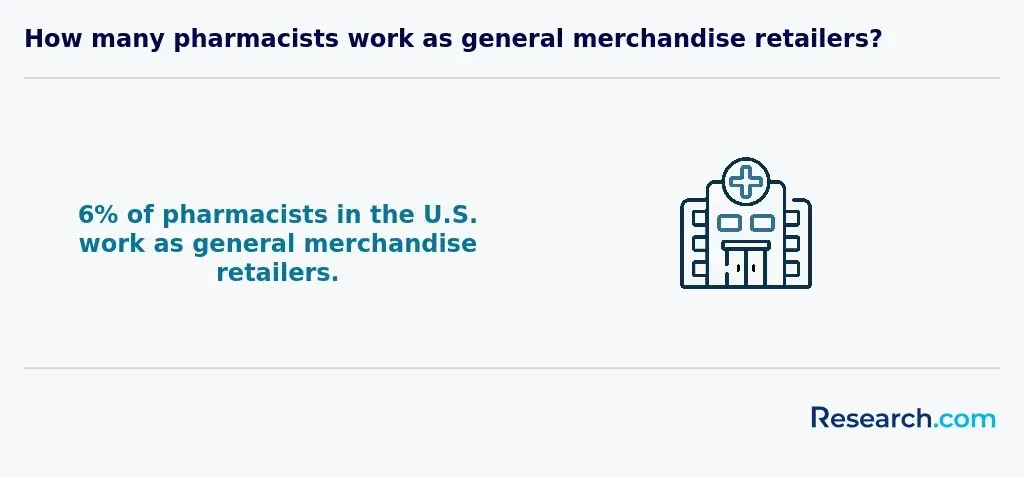
In North Carolina, demand is supported by population needs, medication complexity, chronic disease management, and healthcare systems that rely on pharmacists for safer medication use. Pharmacists may find opportunities in retail pharmacies, hospitals, clinics, specialty pharmacies, managed care, long-term care, public health, and technology-enabled pharmacy services.
| Job outlook factor | What it means |
| Population and healthcare demand | More patients and more complex therapies create ongoing need for medication expertise. |
| Retail pharmacy changes | Retail remains a major employer, but workload, automation, and service models continue to evolve. |
| Hospital and clinical roles | Clinical positions may require residency, specialized experience, or advanced credentials. |
| Technology and telepharmacy | Digital tools may create new opportunities for pharmacists with informatics and remote-care skills. |
| Competition for specialized roles | Students who want advanced clinical jobs should plan early for residency, networking, and strong rotations. |
The outlook is encouraging, but not every pharmacy job is the same. A retail pharmacist, hospital pharmacist, clinical specialist, informatics pharmacist, and managed-care pharmacist can have very different schedules, stress levels, skill requirements, and advancement options.
What is a licensed pharmacist’s career path in North Carolina?
A pharmacist’s career path in North Carolina usually begins with undergraduate prerequisites, continues through the Pharm.D., moves into licensure, and then branches into practice settings or specializations. The best path depends on whether you want direct patient care, hospital practice, community pharmacy, research, management, academia, industry, or technology-focused work.
| Career stage | Typical goal | Examples of next steps |
| Pre-pharmacy student | Complete prerequisites and build a competitive application | Science coursework, volunteer experience, pharmacy technician work, shadowing |
| Pharm.D. student | Develop clinical knowledge and complete rotations | Intern hours, faculty mentorship, professional organizations, exam preparation |
| New licensee | Enter practice and build confidence | Retail pharmacist, hospital staff pharmacist, community pharmacist, residency applicant |
| Experienced pharmacist | Advance into specialization or leadership | Clinical specialist, pharmacy manager, ambulatory care pharmacist, informatics role |
| Senior professional | Lead systems, teach, consult, or shape policy | Director roles, academia, healthcare administration, industry, professional leadership |
North Carolina career information notes a steady annual growth rate of approximately 1.2% for pharmacists. Common roles include clinical pharmacist, hospital pharmacist, and retail pharmacist. Pharmacists also contribute to public health through vaccination services, medication education, and support for safe medication use.
If you are still mapping the academic route, the pharmacist education roadmap can help clarify which degree steps are needed before licensure.
Are there other career paths in healthcare that I can consider?
Yes. Pharmacy is a strong option for students who enjoy medication science, chemistry, patient counseling, and healthcare systems, but it is not the only healthcare career in North Carolina. If you are more interested in mental health, direct bedside care, nutrition, healthcare administration, or medical coding, another path may fit better.
| Career interest | Path to consider | Why it may fit |
| Mental health and counseling | how to become a therapist in North Carolina | Best for students who want to support emotional health, coping skills, and behavioral change. |
| Substance-use support | Substance abuse counseling | Useful for those drawn to addiction recovery, community health, and counseling-based care. |
| Nursing and direct care | Registered nurse or nurse practitioner pathways | Best for students who want broader hands-on patient assessment and care delivery. |
| Nutrition and wellness | Registered dietician pathway | Strong fit for students focused on food, chronic disease prevention, and nutrition counseling. |
| Healthcare administration | Billing, coding, operations, or informatics | Good for students who prefer systems, documentation, data, or reimbursement work. |
Before committing to pharmacy school, compare training length, tuition, licensure rules, daily responsibilities, salary expectations, and long-term fit. A high salary does not automatically make a career right if the work environment does not match your strengths.
Which professional organizations can enhance my pharmacy career in North Carolina?
Professional organizations can help pharmacists stay current, meet continuing education requirements, build leadership experience, and connect with employers or mentors. Students can also benefit from joining early because organization involvement often strengthens professional identity and exposes them to practice areas they may not see in class.
- State pharmacy associations: Useful for North Carolina regulatory updates, local networking, advocacy, and CE.
- National pharmacy associations: Helpful for specialty resources, conferences, policy updates, and career development.
- Student pharmacy organizations: Good for leadership roles, service activities, and residency preparation.
- Specialty groups: Valuable for pharmacists interested in oncology, ambulatory care, informatics, managed care, or health-system practice.
- Interprofessional groups: Helpful for pharmacists working in clinics, hospitals, public health, or integrated care teams.
For students considering allied healthcare roles, learning how to become a registered dietician in North Carolina can provide another example of how professional credentials, continuing education, and patient counseling intersect in healthcare.
How do I choose the right pharmacy school in North Carolina?
The right pharmacy school is the one that supports licensure, fits your budget, prepares you for the NAPLEX and MPJE, provides strong clinical experiences, and aligns with your career goals. Rankings can be helpful, but they should not replace a careful review of accreditation, outcomes, cost, and student support.
| Selection factor | What to check | Why it matters |
| Accreditation | Confirm the program meets pharmacy licensure expectations. | This is the first filter. Do not enroll without verifying it. |
| Total cost | Tuition, fees, living expenses, books, rotation travel, and loan interest. | A lower tuition number may not mean a lower total cost. |
| NAPLEX support | Review curriculum structure, tutoring, exam preparation, and first-time pass performance. | Licensure depends on exam success. |
| Clinical rotations | Ask where rotations occur and how sites are assigned. | Rotations shape skills, references, and job opportunities. |
| Intern-hour tracking | Ask how the program helps students document the 1,500 required hours. | Poor tracking can delay licensure. |
| Career placement | Review residency advising, employer connections, alumni support, and career services. | Strong support can help you move from school to employment. |
| Format | Compare campus, hybrid, and online-supported options. | Choose flexibility only if licensure requirements are still fully supported. |
Who should choose pharmacy school?
- You are interested in medications, science, patient safety, and healthcare communication.
- You can commit to a multi-year professional program and significant tuition investment.
- You are comfortable with responsibility, detail-oriented work, and legal compliance.
- You want a career that can lead to community practice, hospital work, clinical care, research, management, or informatics.
Who should consider a different healthcare path?
- You want a shorter training path than six to eight years.
- You prefer counseling or therapy over medication management.
- You want extensive hands-on bedside care rather than medication-focused practice.
- You are not comfortable with high accountability, controlled-substance rules, or detail-heavy workflows.
- You cannot justify the cost of pharmacy school based on your expected career setting and debt level.
Applicants looking for admissions context can compare pharmacy schools with resources such as the easiest pharmacy schools to get into, but admissions ease should never be the only factor. A school must still prepare you for licensure, practice, and long-term career growth.
Practical advice from North Carolina pharmacy professionals
-
: "
“The most important thing I learned was to treat rotations like the start of my career, not just a graduation requirement. The habits I built there shaped how I counsel patients and communicate with prescribers.” — Alex
"
-
: "
“Licensure felt demanding, but continuing education has been just as important. Pharmacy changes quickly, and staying current is part of protecting patients.” — Kelly
"
-
: "
“North Carolina’s process forced me to take law, ethics, and patient safety seriously. Passing the exams mattered, but learning how to practice responsibly mattered more.” — Jennifer
"
Key Insights
- North Carolina pharmacist licensure requires more than a degree. You need qualifying pharmacy education, 1,500 supervised intern hours, the NAPLEX, the North Carolina MPJE, a background check, and a complete state application.
- The usual timeline is six to eight years. Most students complete at least two years of undergraduate prerequisites followed by a four-year Pharm.D. program, then finish exam and application steps.
- Costs can be substantial. Pharmacy school tuition may range from $20,000 to over $50,000 annually, and the total investment can exceed $100,000 after education, exam, and application costs.
- Online study has limits. Online or hybrid coursework can add flexibility, but clinical rotations, intern hours, exams, and licensure approval cannot be completed entirely online.
- Salary depends on setting and experience. As of May 2023, North Carolina pharmacists earn an average annual salary of around $132,570, with hospital and retail averages differing by practice setting.
- Renewal and CE are ongoing responsibilities. Pharmacists must complete annual continuing education and manage renewal deadlines to keep practicing legally.
- School choice should be practical, not just reputational. Check accreditation, total cost, rotation quality, exam support, intern-hour tracking, and career placement before enrolling.
- Technology and team-based care are reshaping the profession. Pharmacists who build skills in digital systems, collaboration, patient counseling, and specialization will be better positioned for future roles.
Related Articles for Nearby States
- 2027 How to Become a Licensed Pharmacist in South Carolina
- 2027 How to Become a Licensed Pharmacist in Virginia
- 2027 How to Become a Licensed Pharmacist in Georgia
- 2027 How to Become a Licensed Pharmacist in Tennessee
- 2027 How to Become a Licensed Pharmacist in West Virginia
- 2027 How to Become a Licensed Pharmacist in Kentucky
- 2027 How to Become a Licensed Pharmacist in Florida
- 2027 How to Become a Licensed Pharmacist in Maryland
- 2027 How to Become a Licensed Pharmacist in Alabama
- 2027 How to Become a Licensed Pharmacist in Pennsylvania
References:
- ncbop.org (n.d.). Annual Renewal of Licenses, Registrations, and Permits. https://www.ncbop.org/renewal.html
- op.nysed.gov (n.d.). Consumer Information for Pharmacists. https://www.op.nysed.gov/professions/pharmacist/consumer-information
- cphs.campbell.edu (28 Jun 2017). Doctor of Pharmacy. https://cphs.campbell.edu/academic-programs/pharmacy/doctor-of-pharmacy
- oshr.nc.gov (05 Sep 2008). PHARMACIST. https://oshr.nc.gov/migrated-files/guide/compwebsite/profiles/pharmacist-profile/download
- bls.gov (29 Aug 2024). Pharmacists. https://www.bls.gov/ooh/healthcare/pharmacists.htm
- nccareers.org (n.d.). Health Science. https://nccareers.org/occupation-profile/291051/1368
Other Things You Should Know About Becoming a Licensed Pharmacist in North Carolina
To apply for a pharmacist license in North Carolina in 2027, complete a Doctor of Pharmacy (PharmD) program from an accredited school, pass the North American Pharmacist Licensure Examination (NAPLEX), the Multistate Pharmacy Jurisprudence Examination (MPJE), and submit the application with fees to the North Carolina Board of Pharmacy.
In 2027, the North American Pharmacist Licensure Examination (NAPLEX) for pharmacists in North Carolina takes about four hours and 15 minutes to complete. It is a crucial step for obtaining licensure, assessing candidates' knowledge and skills in pharmacy practice.
To become a licensed pharmacist in North Carolina in 2027, the steps include earning a Doctor of Pharmacy (Pharm.D.) degree from an accredited program, passing the North American Pharmacist Licensure Examination (NAPLEX), completing the Multi-State Pharmacy Jurisprudence Exam (MPJE) for North Carolina, and fulfilling any required internship hours.


