2027 Gender & Sexuality Studies Salary Trends Report: Are Wages Keeping Up With Tuition and Inflation?

Co-Founder and Chief Data Scientist
Imagine a prospective Gender & Sexuality Studies student weighing the decision to enroll amid rising tuition fees and a volatile economy. They wonder if the financial return on this degree will offset not just the upfront cost but also the long-term impact of inflation on their earnings.
As education expenses and living costs escalate, understanding the balance between starting salaries, career growth, and educational investment becomes critical. This scenario reflects a growing need to examine beyond initial salary offers to evaluate the real value of a Gender & Sexuality Studies degree.
Salary growth, tuition increases, and inflation often move at different rates, complicating the assessment of a degree's true affordability and payoff. A stagnant wage against climbing education costs and inflation decreases purchasing power, potentially undermining long-term financial stability.
Prospective and current students must consider multiple economic factors rather than relying on salary figures alone. This article explores salary trends, tuition costs, inflation, return on investment, affordability, and the key elements shaping the financial value of a Gender & Sexuality Studies degree over time.
Key Things to Know About Gender & Sexuality Studies Salary Trends
- Median graduate salaries in gender & sexuality studies remain below national averages, lagging behind rising tuition and 7% inflation in 2024, reducing real post-graduation income and increasing debt burden.
- Fields intersecting with policy or social work typically show 15% higher wage growth, highlighting specialization as critical for offsetting initial low earnings in core gender studies roles.
- Long-term earning potential heavily depends on cross-disciplinary skills, as isolated gender & sexuality studies graduates face slower salary gains versus peers combining it with law, data analysis, or education.
- Key Things to Know About Gender & Sexuality Studies Salary Trends Key Things to Know About Gender & Sexuality Studies Salary Trends
- What Is the Current Salary Outlook for Gender & Sexuality Studies Graduates? Salary Outlook
- Are Gender & Sexuality Studies Salaries Keeping Up With Inflation? Inflation Impact
- How Do Tuition Costs Compare With Gender & Sexuality Studies Salary Growth? Tuition vs Salary
- Does a Gender & Sexuality Studies Degree Deliver a Positive Return on Investment? Degree ROI
- Which Industries Offer the Highest Salaries for Gender & Sexuality Studies Graduates? Which Industries Offer the Highest Salaries for Gender & Sexuality Studies Graduates?
- Which States and Cities Offer the Highest Pay for Gender & Sexuality Studies Professionals? Which States and Cities Offer the Highest Pay for Gender & Sexuality Studies Professionals?
- How Do Gender & Sexuality Studies Salaries Grow Throughout a Career? Career Growth
- How Do Gender & Sexuality Studies Salaries Compare With Similar Degrees? Salary Comparison
- How Is Employer Demand Affecting Gender & Sexuality Studies Salary Trends? Employer Demand
- How Can Students Maximize Their Lifetime Earnings With a Gender & Sexuality Studies Degree? Maximizing Earnings
What Is the Current Salary Outlook for Gender & Sexuality Studies Graduates?
The current salary outlook for gender & sexuality studies graduates depends heavily on career choices, geographic factors, and experience levels. Entry-level positions in social services, education, or advocacy typically offer starting salaries between $40,000 and $50,000 annually, with median wages rising to $55,000-$70,000 as professionals gain expertise.
For example, two graduates with the same degree might diverge significantly: one working as a community program coordinator in a mid-sized city might see modest wage growth, while another who attains an advanced certification and specializes as a diversity and inclusion officer in a major metropolitan area may earn substantially more. Such differences illustrate how the salary potential varies widely within fields associated with gender & sexuality studies.
Rather than focusing solely on initial earnings, it is crucial to consider long-term career progression and job demand for interpreting these salary trends. Graduates who pursue additional qualifications or pivot toward interdisciplinary roles can improve their earning capacity over time, especially in nonprofit leadership or academia where salaries frequently exceed $75,000.
However, these gains must be weighed against persistent challenges like tuition inflation outpacing wage increases and the rising cost of living, which affect the real value of starting salaries. The evolving economic landscape means that gender & sexuality studies graduates might also explore complementary fields or roles to enhance their prospects.
In assessing the financial outlook of this degree, students should consider how its intrinsic value in promoting social equity can align with practical career strategies. While salaries may not match those in high-paying STEM fields noted in the latest U.S. Bureau of Labor Statistics and NACE data, this degree opens doors to meaningful work in sectors with steady employment opportunities.
For prospective students weighing costs against benefits, examining resources like degrees that make the most money alongside gender and sexuality studies graduate salary trends can help shape realistic expectations and informed decisions.
Are Gender & Sexuality Studies Salaries Keeping Up With Inflation?
Wage growth for Gender & Sexuality Studies graduates has not consistently kept pace with inflation, undermining the real earning power of many in this field. While nominal salaries may rise by 2% to 3% annually as reported by the National Center for Education Statistics, inflation has averaged around 4% per year according to the U.S. Bureau of Labor Statistics.
This gap means that increased earnings often fail to cover the cost of living adjustments, resulting in stagnant or even declining purchasing power over time. For example, a recent graduate working in a nonprofit role with a 3% raise will struggle to afford rising housing and transportation costs, effectively making their financial situation worse despite a higher paycheck.
The challenge extends beyond wages, as rising tuition fees-growing faster than general inflation-add substantial financial pressure, particularly for those carrying student debt. This dynamic directly affects whether wages for Gender and Sexuality Studies graduates are keeping pace with rising tuition, impacting decisions about pursuing further education or entering related careers.
Sector variability also plays a role; public education and nonprofit salaries tend to grow slower than private sector roles in corporate diversity initiatives, which are competitive and limited in number. Career paths embedded in strategic planning and networking, including exploring specialized offerings like online counseling programs, may provide better financial outcomes despite the overall trend.
How Do Tuition Costs Compare With Gender & Sexuality Studies Salary Growth?
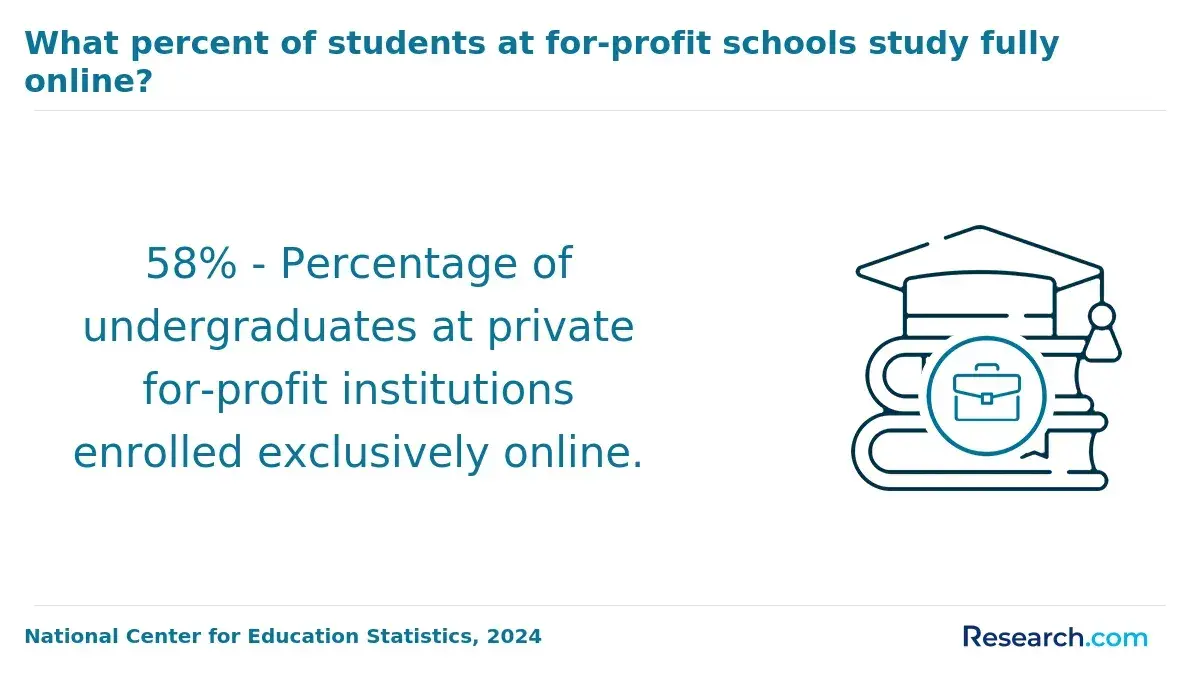
Comparing tuition costs directly with salary growth for gender & sexuality studies graduates reveals a disconnect that often complicates financial decision-making. The National Center for Education Statistics reports average tuition fees near $10,500 annually at public four-year institutions and about $38,000 at private nonprofits, while median starting salaries for graduates linger around $45,000.
Over the first decade of a career, earnings rise to roughly $62,000, which-though steady-increases at a slower pace than tuition inflation and the overall consumer price index. This imbalance means the financial burden of education can outstrip the economic gains from degree-related employment, especially when factoring in loan repayments and rising living costs.
For students, this means evaluating the tradeoffs between immediate education expenses and longer-term salary prospects must go beyond surface figures. Consider one student paying in-state public tuition who might face manageable debt relative to post-graduate income, versus another attending a private college where hefty tuition amplifies debt service, tightening post-graduation budgets regardless of career path.
Wage growth also fluctuates due to geographic location, employer sector, and individual career choices, further complicating the equation. These factors collectively suggest that meaningful financial planning and awareness of market trends are crucial to understanding the degree's real-world return on investment.
One recent gender & sexuality studies graduate recalled the hesitation felt when confronted with rising tuition rates versus expected salaries. After comparing a state university's lower costs against a private program's prestige, they chose the more affordable path despite initial doubts about career opportunities.
This decision allowed more flexibility after graduation, reducing financial stress during transition periods into advocacy work. Their experience underscores how personalized financial strategy can alleviate some pressures of mismatched tuition and salary growth, even when the broader economic trends remain challenging.
Does a Gender & Sexuality Studies Degree Deliver a Positive Return on Investment?
Return on investment (ROI) in higher education involves weighing the financial and professional gains against the costs of earning a degree. For a Gender & Sexuality Studies degree, this balance is especially complex, as median early-career salaries typically fall between $35,000 and $45,000, according to recent data from the U.S. Department of Education's College Scorecard and the National Association of Colleges and Employers.
While these starting figures are lower than those in many STEM or business disciplines, mid-career earnings can increase to approximately $60,000 in some regions, reflecting gradual salary growth that does not always keep pace with inflation or rising tuition costs.
Consider a student graduating with $40,000 in debt who enters nonprofit advocacy or education roles aligned with their degree; despite modest pay, these positions often offer high job satisfaction and societal impact that may offset slower financial advancement.
However, the likelihood of achieving positive ROI improves markedly when graduates pursue advanced degrees or accumulate relevant professional experience, as these factors have been shown to bring earnings closer to or above national median incomes. Economic conditions, geographic location, and individual career paths significantly influence whether the investment in a Gender & Sexuality Studies degree yields long-term financial benefits.
Ultimately, the return on investment for Gender & Sexuality Studies varies widely from person to person and is not solely measured by immediate salary. Prospective students should critically assess their career objectives, potential for graduate study, and the non-monetary value of roles in advocacy, policy, or education against the backdrop of tuition inflation and labor market realities.
Evidence from 2024 higher education analyses underscores that these degrees offer more substantial returns when paired with advanced qualifications and professional growth, suggesting that ROI depends heavily on strategic educational and career choices rather than upfront earnings alone.
Which Industries Offer the Highest Salaries for Gender & Sexuality Studies Graduates?
Graduates with degrees in gender & sexuality studies face unique challenges when evaluating career paths that balance meaningful work with financial stability. While the discipline emphasizes social justice and equity, it is important to recognize which industries offer salaries that align with rising educational costs and inflation.
Recent 2024 data from the U.S. Bureau of Labor Statistics and the National Center for Education Statistics highlights the sectors where gender & sexuality studies graduate salaries by industry tend to be strongest.
Below is an analysis of the highest paying sectors for gender & sexuality studies careers, reflecting practical employment realities and required qualifications:
- Government and Public Administration: This sector offers competitive salaries for roles such as policy analysts, diversity and inclusion coordinators, and human rights advocates. Federal and state agencies focusing on civil rights enforcement and public health initiatives typically provide median salaries ranging from $60,000 to $85,000, accompanied by benefits and career longevity. Relevant experience and familiarity with legislative frameworks often increase earning potential.
- Healthcare and Social Services: Graduates working in social work, counseling, or patient advocacy can find growing demand in hospitals and nonprofit organizations prioritizing inclusivity. Salaries typically exceed $55,000, with advancement tied to specialized certifications or licenses. Strong interpersonal skills and healthcare knowledge are key assets in this sector.
- Postsecondary Education and Research: Universities and research centers employ many gender & sexuality studies graduates as educators, researchers, or administrators. Although starting salaries may be modest, tenured and senior roles can reach $80,000 to $100,000, demanding advanced academic qualifications and publication records. The tradeoff involves longer educational commitments for higher eventual earnings.
- Private Sector DEI Consultancy: Diversity, equity, and inclusion roles within corporations have expanded, especially in tech and large companies. These positions, including DEI strategists and corporate responsibility specialists, often offer salaries between $70,000 and $90,000 plus bonuses. Experience navigating corporate culture and data-driven advocacy enhances prospects.
- Nonprofit Advocacy and Social Policy: Organizations focused on gender equity and social justice employ graduates in program management and advocacy. Though salaries vary widely, leadership positions in well-funded nonprofits can offer salaries competitive with public and private sectors. Fundraising and grant writing skills often differentiate higher-paid roles.
For those pursuing gender & sexuality studies graduate salaries by industry, balancing passion with financial sustainability often means targeting governmental or private sector opportunities where systemic impact meets salary potential. Career pathways may also benefit from complementary skills or advanced degrees, such as an fastest MBA program, to gain managerial expertise and access higher compensation brackets.
Which States and Cities Offer the Highest Pay for Gender & Sexuality Studies Professionals?
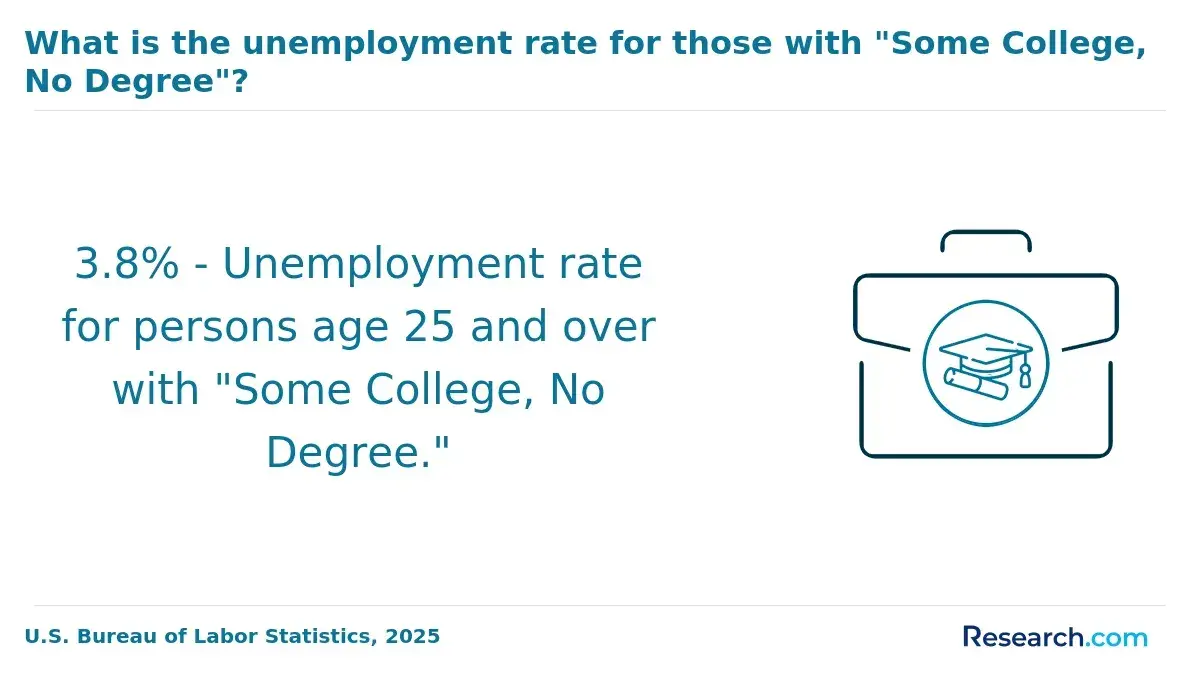
Earnings for gender & sexuality studies professionals vary significantly by location, reflecting how regional economies, institutional priorities, and living expenses intersect. The 2024 data from the U.S. Bureau of Labor Statistics highlights that metropolitan hubs and states with strong academic and policy-focused ecosystems generally offer the highest salaries for roles in education, research, and social advocacy.
However, evaluating these opportunities requires balancing attractive pay against often steep living costs in these areas. Below are key locations where compensation tends to be most favorable, along with contextual factors affecting income potential and quality of life:
- California: California cities like San Francisco and Los Angeles lead in pay, frequently topping $85,000 for mid-career gender & sexuality studies professionals. This is largely due to expansive university networks, nonprofits, and progressive employers emphasizing diversity initiatives. However, candidates must weigh salaries against some of the nation's highest housing costs and living expenses.
- New York City: Driven by a dense concentration of universities, nonprofits, and social justice organizations, NYC offers competitive wages that reflect strong demand for expertise in equity and diversity. Yet, the high cost of living and competitive job market require strategic career positioning and long-term planning.
- Massachusetts: Boston and surrounding areas benefit from a well-established higher education sector and cultural support for gender and sexuality research, resulting in above-average compensation. Still, professional growth comes alongside a high cost of living and a need for sustained academic or nonprofit funding.
- Washington D.C. and Maryland: These areas stand out for opportunities in government agencies, federal programs, and think tanks focused on equality and policy development, offering salaries up to 20% above the national median. The tradeoff includes navigating expensive housing markets and the demands of politically oriented roles.
- Seattle, Washington: Although less frequently highlighted, Seattle's growing universities and socially conscious tech firms are emerging as promising pay centers for gender & sexuality studies graduates. Costs remain high but generally slightly below California or NYC, making it a viable alternative for some professionals.
- Chicago, Illinois: Chicago's diversified academic institutions and nonprofit scene provide solid mid-range salaries amid more moderate living costs compared to coastal counterparts. This can appeal to those prioritizing affordability without sacrificing career relevance.
How Do Gender & Sexuality Studies Salaries Grow Throughout a Career?
Early-career salaries for gender & sexuality studies graduates often start modestly, typically between $45,000 and $55,000 annually, reflecting the nonprofit and academic sectors where many find employment. Earnings usually rise meaningfully only with experience, additional qualifications, or movement into leadership roles.
For instance, the U.S. Bureau of Labor Statistics and National Center for Education Statistics both show that postsecondary educators and administrators in this field see median wages climb to approximately $75,000-$100,000 by mid- to late-career stages.
Conversely, nonprofit professionals with this background may reach median salaries nearer to $70,000-$90,000 after a decade or more, though wage growth in this sector often lags behind inflation and increasing tuition costs, which can strain long-term financial outlooks.
Consider two graduates with identical degrees: one pursues a full-time academic track, eventually gaining tenure and administrative responsibilities, thereby accessing higher salary brackets over 15 years; the other enters grassroots nonprofit work, progressing slowly due to limited funding and fewer upward moves. The former's advanced education and institutional stability typically lead to steadier, more substantial pay increases.
Long-term salary growth is most strongly influenced by factors like graduate credentials, tenure, managerial roles, and sector choice, illustrating that the financial trajectory for gender & sexuality studies graduates is not uniform but depends significantly on career decisions and skill development.
One graduate recalled hesitating before accepting an administrative position at a small college, unsure if leaving their teaching post was financially wise given the added responsibilities.
Over time, the promotion brought a significant raise and benefits, easing concerns about student debt and living expenses. Yet, this shift also meant managing higher stress and less time for direct advocacy work, a tradeoff that highlighted how advancing financially in this field often requires balancing practical needs with personal mission and job satisfaction.
How Do Gender & Sexuality Studies Salaries Compare With Similar Degrees?
Evaluating salary outcomes for gender & sexuality studies graduates requires contextualizing their earnings within broader social science fields. Median starting salaries, as reported by the National Association of Colleges and Employers (NACE) and the U.S. Bureau of Labor Statistics, show gender & sexuality studies alumni earning about $45,000 annually. This falls modestly below sociology and cultural studies graduates.
However, salary comparisons alone overlook long-term income trajectories and career paths shaped by personal values, industry sectors, and educational attainment. The following points highlight key salary differences and relevant career considerations tied to related degrees:
- Sociology: With a median starting salary near $48,500, sociology graduates slightly outperform those in gender & sexuality studies. Their income benefits from frequent placement in government, nonprofit research, and policy roles, which offer moderate but steady salary growth over time due to clearer professional tracks and demand.
- Cultural Studies: Averaging around $47,000 initially, cultural studies graduates pursue roles in academia, media, and arts organizations. Although salaries align close to gender & sexuality studies, often the interdisciplinary critical thinking skills boost diverse opportunities, including roles with higher earning potential beyond traditional routes.
- Anthropology: Often exhibiting stronger ten-year growth, anthropology graduates typically engage in research, consulting, or cultural resource management. Their specialized skill sets and technical fieldwork components can translate into slightly elevated long-term earnings.
- Gender & Sexuality Studies Career Paths: Graduates generally enter education, advocacy, and social services, sectors with lower starting salaries but closely aligned with social impact. Advanced degrees in this field, especially in academia, can mitigate salary gaps with humanities disciplines. Geographic location and industry also significantly influence pay scales.
- Interdisciplinary Skills: Gender & Sexuality Studies equip students with communication and analytical abilities applicable across many sectors. This versatility may open doors to unexpected roles with better financial outcomes, particularly when combined with expertise in related disciplines or practical experience. For those exploring alternative routes, reviewing high-paying jobs with environmental science degree offers insights into the value of interdisciplinary training.
How Is Employer Demand Affecting Gender & Sexuality Studies Salary Trends?
Employer demand is a critical driver in the salary trends for gender & sexuality studies graduates, directly influencing competition for qualified candidates and hiring activity. For example, as corporations and institutions increasingly emphasize diversity, equity, and inclusion (DEI), demand for specialists in this field rises, leading some organizations to offer higher compensation to attract and retain talent.
A 2024 report from the U.S. Bureau of Labor Statistics shows moderate salary growth in related occupations such as social scientists and diversity officers, reflecting this trend. Yet, employer demand alone does not guarantee rapid wage increases; economic fluctuations, organizational budgets, and candidate experience strongly modulate compensation strategies in this sector, as evident in the nonprofit and social services fields where budget limits constrain salaries despite growing hiring interest.
Major factors shaping employer demand for gender & sexuality studies expertise include evolving social priorities, regulatory environments, and organizational commitment to DEI programs. Nevertheless, salary growth often lags behind inflation and tuition costs, a reality underscored by the National Center for Education Statistics in 2024, which highlights a modest pace compared to technically specialized fields.
Career changers and recent graduates should consider strengthening their profiles by acquiring interdisciplinary skills or certifications to improve financial outcomes. Exploring options like a geographic information systems degree can complement gender & sexuality studies knowledge and enhance earning potential amid shifting market dynamics.
Understanding gender and sexuality studies job market trends 2024 helps prospective students evaluate how employer demand impacts long-term salary prospects realistically.
While stronger demand can facilitate faster wage growth in competitive sectors, graduates must weigh limited salary premiums against rising education costs. Those prepared to navigate these tradeoffs thoughtfully stand a better chance of securing roles that reflect both their expertise and the economic realities of this evolving labor market.
How Can Students Maximize Their Lifetime Earnings With a Gender & Sexuality Studies Degree?
Maximizing lifetime earnings with a gender & sexuality studies degree requires strategic integration of skills and targeted industry engagement. Recent analyses from the U.S. Bureau of Labor Statistics and the National Association of Colleges and Employers highlight that graduates with complementary expertise-such as data analytics, policy development, or digital communications-command stronger market demand and higher salaries.
For instance, pairing this degree with quantitative skills prepares candidates for roles in public health research or tech diversity initiatives, sectors showing clear growth. Below are key strategies to enhance long-term earning potential:
- Interdisciplinary Skill Building: Acquiring skills in statistics, coding, or project management boosts employability beyond traditional roles. This allows graduates to compete for higher-paying positions in research or program evaluation that require data literacy.
- Sector Targeting: Focusing on government policy, healthcare administration, or diversity consulting aligns with areas that offer higher median salaries and sustained growth due to institutional priorities on equity and inclusion.
- Networking and Internships: Cultivating industry connections in corporate social responsibility or legal advocacy opens doors to advancement and better compensation by tapping into established professional networks.
- Graduate Education: Pursuing advanced degrees in law, public policy, or social work substantially increases earning potential by qualifying graduates for leadership or specialized roles.
- Strategic Positioning: Leveraging knowledge of intersectionality alongside strategic management skills can produce up to 20% higher lifetime earnings, according to Georgetown University Center on Education and the Workforce.
- Flexible Skill Application: Applying gender & sexuality studies insights in tech-driven diversity initiatives or nonprofit evaluation creates opportunities in emerging fields responsive to social equity demands.
- Continuous Learning: Remaining adaptable through lifelong learning and certification in related areas ensures relevance in a dynamic labor market, protecting against wage stagnation.
References
- Gender and Sexuality in Higher Ed | AAUP https://www.aaup.org/issues-higher-education/social-justice/gender-and-sexuality-higher-ed
- Is College Worth It? A Comprehensive Return on Investment Analysis - FREOPP https://freopp.org/whitepapers/is-college-worth-it-a-comprehensive-return-on-investment-analysis/
- Heterogeneity in gender wage growth gaps across fields of study in Europe https://cepr.org/voxeu/columns/heterogeneity-gender-wage-growth-gaps-across-fields-study-europe
- Gender Studies Jobs in All Melbourne VIC - Jul 2026 | SEEK https://au.seek.com/gender-studies-jobs/in-All-Melbourne-VIC
- Our Graduates' Successes: What the Data Tells Us About the Value of Women's and Gender Studies Degrees https://msmagazine.com/2025/07/20/college-degrees-womens-gender-sexuality-ethnic-africana-indigenous-disability-studies-graduates/
- Is College Worth it? | Return on Investment Analysis of College Degree https://educationdata.org/college-degree-roi
- Gender and Sexuality Studies Careers | NWU https://www.nebrwesleyan.edu/academics/majors-and-minors/gender-and-sexuality-studies/gender-and-sexuality-studies-careers
Other Things You Should Know About Gender & Sexuality Studies
The broad, interdisciplinary approach central to gender & sexuality studies often means graduates possess diverse skills not tied to a single industry or traditional career path. While this flexibility is valuable, it also results in less standardized salary expectations and potential delays in reaching wage growth milestones typical of specialized fields. Students and graduates should weigh the benefits of academic breadth against the possibility of more variable or lower initial earnings when making program choices or negotiating roles.
Programs that emphasize internships, community engagement, and applied research tend to better align graduate skills with employer expectations, often improving salary negotiation leverage and job placement rates. Given the relatively modest wage growth in the field, choosing a program with solid experiential components may be one of the more effective strategies to enhance early-career earnings and professional networking opportunities. Prioritizing such programs can mitigate the disconnect between tuition costs and starting salaries.
More demanding curricula that require extensive research or cross-disciplinary coursework can limit time available for paid work or internships, potentially reducing immediate income but building higher-value competencies for future roles in academia, advocacy, or policy. Conversely, lighter programs may allow quicker entry into the workforce but risk underdeveloped skills relevant to emerging professional demands. Students must balance immediate financial needs with deep skill acquisition, recognizing this tradeoff impacts both short-term earnings and longer-term career trajectories.
Graduates should consider supplementing their degrees with certifications or practical skills-such as grant writing, data analysis, or counseling-to access better-paying roles within nonprofit, education, or corporate diversity sectors. Staying flexible about geographic location and sector can also open opportunities that recognize specialized gender & sexuality studies expertise more lucratively. Proactively developing marketable, adjacent competencies is crucial to offset the wage stagnation gap caused by rising educational costs.