2027 Gender & Sexuality Studies Admissions Trends Report: Acceptance Rates, GPA Expectations, and Test Policy Changes

Co-Founder and Chief Data Scientist
Enrollment and admissions shifts in gender & sexuality studies reflect broader transformations in academic priorities and workforce demands. Programs are increasingly balancing resource constraints with expanding interdisciplinary approaches that emphasize activism, policy influence, and community engagement.
Variations in acceptance rates and rising GPA expectations often correlate with institutional efforts to meet accreditation criteria while responding to nuanced applicant profiles and changing prerequisite coursework. Testing policy adjustments further signal an evolving dialogue around standardized measures' relevance to assessing candidates' potential in this field.
The notable diversity in student age demographics suggests a sector adapting to both early-career entrants and mid-career professionals seeking specialized competencies, shaping future labor market integration.
Key Things to Know About Gender & Sexuality Studies Admissions Trends
- Acceptance rates for gender & sexuality studies remain relatively high but vary by institution; this reflects broader departmental prioritization of diversity, affecting admissions competitiveness and signaling the need for strong personal statements.
- Median GPA expectations cluster around 3.3-3.6, indicating moderate selectivity; this suggests that academic performance remains a key employer filter despite the field's interdisciplinary nature.
- Test-optional policies have expanded since 2023, lowering admission barriers but potentially increasing applicant pools, which may lengthen decision timelines and require applicants to bolster other credentials.
- Key Things to Know About Gender & Sexuality Studies Admissions Trends Key Things to Know
- What Are the Current Acceptance Rates for Gender & Sexuality Studies Degree Programs? Current Acceptance Rates
- What Is the Average GPA of Accepted Gender & Sexuality Studies Students? GPA Requirement
- Are SAT or ACT Scores Still Required for Gender & Sexuality Studies Degree Programs? SAT/ACT Requirement
- How Many Gender & Sexuality Studies Programs Have Adopted Test-Optional Admissions Policies? Test-Optional Programs
- What Non-Academic Factors Do Gender & Sexuality Studies Admissions Committees Consider? Non-Academic Factors
- Which Types of Schools Are the Most Selective for Gender & Sexuality Studies Applicants? Most Selective Schools
- How Do Admissions Standards Differ Across States and Regions? Admission Standards by State
- How Do Admissions Requirements Compare Between Online and Campus Programs? Online vs On-Campus Admissions
- Is There a Relationship Between Admissions Standards and Student Success? Admission Standards & Student Success
- How Can Students Strengthen a Gender & Sexuality Studies Program Application? Program Application Preparation
What Are the Current Acceptance Rates for Gender & Sexuality Studies Degree Programs?
Data from the 2024 U.S. Department of Education's College Scorecard and recent university admissions reports indicate that acceptance rates for gender & sexuality studies degree programs typically range from about 20% at selective private institutions to as high as 70% at larger public universities.
These figures reflect broader institutional admission trends, with highly competitive programs frequently admitting fewer than half of applicants, especially at the master's level where enrollment slots are more limited.
Bachelor's programs housed within expansive public universities often demonstrate more accessible acceptance rates, aligning closely with the average undergraduate admission rates of their respective schools. This variability underscores how gender & sexuality studies admissions mirror general institutional selectivity rather than existing as an isolated metric of program demand.
The variation in acceptance rates largely stems from factors such as program capacity, institutional prestige, and applicant volume, intersecting with regional interest in social justice fields. Private institutions with smaller cohorts often impose stricter admissions due to constrained resources and a desire to maintain specialized reputations, whereas public universities with broader access goals accommodate larger enrollments and more diverse applicant pools.
Additionally, the increasing adoption of test-optional policies since 2020 has broadened applicant diversity but raised GPA expectations, with competitive candidates typically presenting GPAs between 3.3 and 3.7 in humanities and social sciences courses. Prospective students should consider these dynamics alongside program outcomes and alignment with career objectives to position themselves effectively within the admissions landscape of gender & sexuality studies.
Given these considerations, transfer applicants face particular challenges as programs often require prior coursework demonstration, affecting transfer acceptance competitiveness. As academic advising remains critical for navigating articulation agreements and sequencing targeted courses, applicants can optimize admission outcomes by understanding the nuanced selectivity reflected in acceptance statistics.
These rates also influence perceptions of program value and guide prospective students and advisors in assessing viable pathways, distinguishing enrollment demand-driven access from the credential's practical relevance in fields such as education, advocacy, and policy. For those comparing interdisciplinary options, related fields, including AI degrees online, may offer contrasting admissions profiles and career trajectories worthy of exploration.
What Is the Average GPA of Accepted Gender & Sexuality Studies Students?
Recent admissions data indicate that the typical GPA range of admitted Gender & Sexuality Studies applicants generally falls between 3.2 and 3.7 on a 4.0 scale, reflecting moderately competitive academic standards. Public universities with established departments often lean toward the higher end of this range, exhibiting average GPA requirements for Gender & Sexuality Studies programs closer to 3.5 or above, especially at more selective institutions.
Conversely, some liberal arts colleges and less selective schools admit students with GPAs nearer to 3.0, signaling a broader inclusivity that prioritizes diverse academic and experiential backgrounds. These figures, supported by sources such as institutional admissions profiles and U.S. Department of Education datasets, underscore the field's balance between academic preparedness and interdisciplinary strengths.
GPA expectations in Gender & Sexuality Studies are nuanced by factors including institutional selectivity, program demand, and grading variations across public, private, and online institutions. For example, more selective public universities tend to enforce stricter GPA thresholds but also evaluate qualitative components like relevant coursework and research aptitude, recognizing the interdisciplinary nature of the field.
Private and online programs may exhibit wider GPA distributions, reflecting diverse student populations and flexible admissions criteria. This dynamic signals that while GPA remains a key admissions benchmark, it functions within a broader evaluation framework that values critical thinking, social engagement, and academic focus.
Understanding these GPA ranges helps prospective students and advisors interpret what academic competitiveness means within Gender & Sexuality Studies, influencing preparation and application strategies. Applicants with GPAs near the lower end should emphasize strong letters of recommendation or relevant experience, such as that gained through a master of social work online or related fields, to enhance their profiles.
This interplay between GPA and qualitative strength reflects an evolving admissions landscape where academic standards are calibrated to both rigor and accessibility, informing realistic expectations about program selectivity and applicant positioning.
Are SAT or ACT Scores Still Required for Gender & Sexuality Studies Degree Programs?
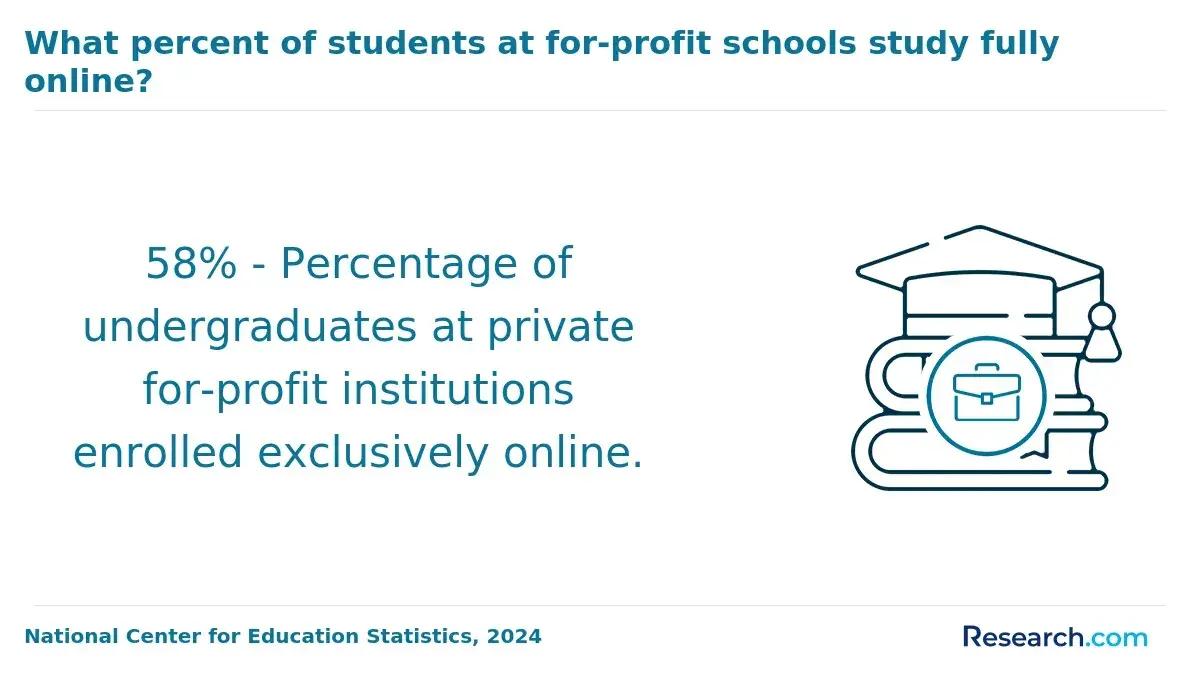
As of 2024, many institutions offering gender & sexuality studies have largely moved away from mandating SAT or ACT scores for admissions, aligning with national trends documented by the National Center for Education Statistics and university reports. Test-optional policies now prevail, especially among public and mid-tier universities, where standardized testing has shifted to an advisory role rather than a decisive factor.
Some selective private schools still consider SAT/ACT results but treat them as supplemental information within a broader holistic review that prioritizes GPA, coursework rigor, and personal statements. This reflects a nuanced approach recognizing that standardized tests may insufficiently capture the complexity and critical thinking central to gender & sexuality studies fields.
These shifts stem from growing concerns about equity and fairness in access to higher education, prompting schools to reassess the predictive validity and broader social implications of standardized tests. Institutions balancing diversity goals and reputational considerations often differentiate policies based on selectivity and sector: public universities tend toward test-optional frameworks, while elite private schools maintain optional testing, leveraging scores as one component among others.
Additionally, transfer students and graduate-level applicants encounter varied requirements, with some graduate programs reinstating GRE emphasis, underscoring the layered nature of admissions beyond undergraduate entry. Overall, the evolving testing landscape reflects a strategic recalibration rather than wholesale elimination, shaped by efforts to align admissions criteria with both access and academic merit in gender & sexuality studies.
A gender & sexuality studies student recalled uncertainty during their application cycle, initially delaying SAT testing due to pandemic-related disruptions and fluctuating university policies. They debated whether to submit scores when some schools made submission optional but might still regard scores favorably if available.
Ultimately, the student chose to focus on strengthening their portfolio and GPA, submitting test results only for programs explicitly requesting them. This cautious, case-by-case approach mirrored the broader admissions complexity and underscored the importance of closely monitoring individual institution updates rather than assuming uniform requirements. It also alleviated pressure to overprepare for standardized testing when holistic factors carried more weight in admissions decisions.
How Many Gender & Sexuality Studies Programs Have Adopted Test-Optional Admissions Policies?
Recent data from sources such as FairTest and the National Center for Education Statistics indicate that roughly 65% to 70% of colleges and universities offering gender & sexuality studies programs have embraced test-optional admissions policies as of 2024. This reflects a substantial portion of institutions moving away from standardized tests like the SAT and ACT in their evaluation process.
The shift spans both private and public institutions, with private colleges generally leading adoption but public universities increasingly aligning with similar standards. These figures highlight a clear trend toward de-emphasizing standardized scores in favor of more holistic admissions criteria tailored to the unique competencies relevant to gender & sexuality studies applicants.
The widespread adoption of test-optional policies is largely driven by equity considerations and institutional responses to pandemic-related disruptions in standardized testing availability. Colleges aim to reduce barriers for applicants from diverse socioeconomic and cultural backgrounds, which often translate into differential access to test preparation resources.
Additionally, competitive pressures within higher education have incentivized institutions to broaden accessibility and attract a more varied applicant pool by lessening reliance on traditional numerical benchmarks. This movement also corresponds with evolving evaluation frameworks that prioritize academic rigor, personal statements, and extracurricular engagement over standardized metrics.
As a result, gender & sexuality studies programs are observing increased application volumes, including from transfer and nontraditional students who may benefit from more flexible admissions standards. While this can enhance institutional diversity, it may also lead to shifts in selectivity and admissions strategies that place greater weight on qualitative factors.
Prospective students should prepare for admissions processes that assess broader dimensions of their academic and personal profiles rather than focusing predominantly on test scores, affecting how applicants approach preparation and school selection in this evolving landscape.
What Non-Academic Factors Do Gender & Sexuality Studies Admissions Committees Consider?
Admissions committees for gender & sexuality studies degree programs increasingly integrate non-academic factors alongside GPA and test scores to gauge applicants' broader potential. This holistic review process reflects the interdisciplinary and socially-engaged nature of the field, where measured academic success alone is insufficient to predict a candidate's fit or contribution.
Decision-makers prioritize indicators that demonstrate commitment, perspective, and real-world engagement relevant to gender and sexuality issues, which can strongly influence admissions outcomes:
- Commitment to Social Justice and Activism: Admissions officers assess applicants' involvement in causes related to gender equity, LGBTQ+ rights, or community organizing to identify those with genuine dedication rather than superficial participation. Approximately 54% of committees prioritize documented advocacy or volunteer work, recognizing how experiential learning shapes a student's capacity to engage with the field's applied scholarship demands.
- Personal Statements and Essays: These narrative components provide insight into how candidates articulate lived experiences and intersectional awareness, which are critical for predicting classroom dialogue participation and research engagement. Unlike formulaic admissions essays, strong personal statements reveal nuanced self-reflection and complex social understanding valued in the discipline.
- Diversity and Inclusivity: Programs actively seek applicants whose identities or backgrounds expand representation within cohorts, aiming to build intellectually rich and varied learning communities. Nearly half of gender & sexuality studies programs state explicit preferences for candidates enhancing cohort diversity, responding to a broader institutional commitment to inclusivity.
- Letters of Recommendation: Endorsements that highlight critical thinking, empathy, and collaboration, especially from mentors familiar with social justice or community work, can offset marginally lower academic metrics. These qualitative insights align with employer expectations around interpersonal skills and cultural competence in careers linked to gender and sexuality studies.
- Career Aspirations and Practical Understanding: Admissions committees favor applicants who clearly connect their educational goals with professional trajectories in social policy, education, or advocacy sectors. Demonstrating this clarity reflects a readiness to apply academic knowledge to impactful roles beyond the classroom, an important consideration for selective programs.
Integrating non-academic factors in admissions acknowledges that successful gender & sexuality studies students are not proven solely by numbers but by demonstrated passion and insight relevant to the field's social mission.
This comprehensive evaluation helps balance academic rigor with the interpersonal and experiential qualities that employers in related sectors increasingly seek. Applicants preparing their personal statements in gender & sexuality studies admissions should thus emphasize reflective narratives to bolster their applications alongside extracurricular evidence.
For those weighing pathways including clinical or applied psychology dimensions connected to gender and sexuality, understanding program selectivity and holistic admissions can be complemented by resources detailing specialized options such as PsyD programs.
A strategic approach to these applications involves aligning personal commitments and background with each program's explicit expectations and holistic review criteria.
Which Types of Schools Are the Most Selective for Gender & Sexuality Studies Applicants?
Admissions competitiveness for gender & sexuality studies programs varies widely across institutional types, influenced by factors such as program size, faculty specialization, funding, and applicant interest intensity. While prestige and rankings contribute to selectivity, deeper institutional dynamics like cohort limits and mission-driven enrollment goals shape how competitive entry truly is.
Understanding these distinctions helps prospective students and advisors align expectations with realistic admissions landscapes:
- Highly Ranked Private Research Universities: These schools show pronounced selectivity due to small program cohorts, high demand, and faculty prominence in gender & sexuality studies. Their limited intake drives acceptance rates often below 15% for relevant social science fields. The combination of rigorous academic standards and the prestige of their faculty creates a bottleneck effect, making admission notably more difficult compared to most other institution types.
- Public Flagship Universities: Selectivity here is moderate, usually reflective of broader access goals balanced against maintaining academic quality. Programs in systems like the University of California or SUNY emphasize a minimum 3.5 weighted GPA but often employ test-optional policies. Acceptance rates typically range from 20% to 35%, reflecting broader capacity but still competitive environments, especially at well-established campuses with visible gender & sexuality studies majors.
- Specialized Liberal Arts Colleges: With smaller enrollments and focused academic communities, these colleges can be highly selective despite typically lower overall institutional size. Their selectivity often stems from program reputation in humanities disciplines and expectations for research or activism experience. Such schools tend to prioritize well-rounded applicants with strong fit for their social and cultural engagement ethos, creating admissions hurdles distinct from large public universities.
- Regional Public Institutions and Community Colleges: These schools usually maintain open or minimally selective admissions, prioritizing accessibility over stringent academic criteria. Applicants are often admitted based on high school completion alone, making these institutions essential entry points for transfer or credential-building students. While less selective, their programs serve a critical role in academic and workforce pathways despite lower barriers to entry.
How Do Admissions Standards Differ Across States and Regions?
Admissions standards for gender & sexuality studies programs differ considerably across U.S. states and regions, shaped by data from the National Center for Education Statistics and state university systems in 2024. Programs in densely populated and economically competitive states like California, New York, and Massachusetts generally set higher GPA thresholds-often above 3.5-and require supplemental materials that reflect alignment with values such as diversity.
In contrast, universities in the Midwest and Southern states tend to maintain more accessible entry points, sometimes accepting GPAs near 2.8. These variations reflect broader policy priorities and institutional strategies rather than simple regional distinctions, with northeastern and western institutions frequently enforcing more holistic and selective admissions processes compared to more inclusive approaches seen elsewhere.
The underlying causes of these disparities include differences in public funding models, regional labor market demands, and demographic trends influencing application volumes and institutional capacity. Urban areas with diverse populations and high demand for social sciences graduates foster competitive admissions to manage enrollment pressure and preserve program quality.
Conversely, less densely populated regions often emphasize wider access over selectivity, balancing workforce development goals with limited funding and fewer applicants. Additionally, state education policies and historical investment in higher education ecosystems drive how rigorously institutions assess applicants, contributing to a patchwork of standards that reflect local economic and social contexts rather than a uniform national pattern.
A recent graduate recalled navigating this uneven landscape by applying early to schools in high-competition states, aware that waiting too long risked missing narrow admission windows. They described holding back on some submissions, uncertain whether extra preparation could strengthen their application given the selective criteria and rolling decisions.
Ultimately, the timing and strategic choice of where to apply-factoring in different regional expectations-proved crucial, as programs in more accessible systems offered fallback options but fewer immediate post-graduation opportunities aligned with their goals. This experience highlights how awareness of regional admission standards can influence not only acceptance chances but also the overall academic and career trajectory.
How Do Admissions Requirements Compare Between Online and Campus Programs?
Admissions requirements for online versus campus Gender & Sexuality Studies admissions criteria reveal nuanced differences shaped by varying educational delivery models. Data from 2024 shows that campus-based programs typically demand higher minimum GPAs, often between 3.0 and 3.5, and frequently require standardized test scores, although test-optional policies are becoming more common.
In contrast, online programs adopt more flexible admission criteria, often waiving test scores and emphasizing holistic application reviews that weight letters of recommendation and personal statements more heavily. These distinctions reflect divergent institutional priorities with campus programs maintaining traditional selectivity while online programs prioritize accessibility for nontraditional students.
The differences in acceptance rates for online and campus programs stem largely from target student demographics and institutional goals. Online programs are designed to accommodate working students and those geographically distant from campus, which necessitates more rolling deadlines and openness to diverse academic backgrounds.
Campus programs, however, manage enrollment within more rigid caps, often incorporating in-person interviews or portfolio requirements to assess fit beyond academic metrics. This operational divergence impacts not only admission standards but also support structures, influencing how students engage with coursework and access experiential learning opportunities.
These admissions variations have broader implications for prospective students weighing program rigor against flexibility and accessibility. Employers generally value relevant coursework and practical experience regardless of delivery mode, yet on-campus students may benefit from enhanced networking that bolsters employment outcomes.
For transfer applicants, understanding these differences is crucial to align educational choices with personal circumstances and career objectives. For insights related to career paths stemming from interdisciplinary studies, see what can you do with a masters in forensic psychology.
Is There a Relationship Between Admissions Standards and Student Success?
Recent evidence from the National Center for Education Statistics (NCES, 2024) suggests a complex relationship between admissions standards and student success in gender & sexuality studies programs. While programs with stricter criteria, such as minimum GPAs of 3.5, report up to a 10% higher four-year graduation rate, these figures do not fully capture the nuances of student outcomes.
The correlation between admissions selectivity and graduation rates in gender & sexuality studies programs shows that higher academic thresholds may improve retention, but they are not definitive predictors of overall success. This aligns with employer trends that increasingly emphasize practical skills and cultural competency over standardized test scores or raw academic metrics.
The impact of admissions standards is moderated by multiple factors including student demographics, availability of academic support, and institutional resources. Programs with rigorous entrance requirements but limited advising or mentoring often see lower student success despite selectivity.
Conversely, holistic admissions that consider personal statements, extracurricular involvement, and life experience frequently admit students with diverse potential who may thrive when supported appropriately. These dynamics reveal why the impact of gender & sexuality studies admissions standards on student success cannot be assessed solely by selectivity, as program design and support systems strongly influence retention and graduation outcomes.
For prospective students and academic advisors, understanding that admissions standards alone do not guarantee positive career outcomes is crucial. The broader context of a program's academic support and alignment with workforce needs often matters more for long-term success.
Those exploring pathways in gender & sexuality studies should consider a balanced view of admissions policies alongside institutional effectiveness and post-graduation preparation. For students interested in interdisciplinary advancement, related fields like data science also offer alternative career and research trajectories, as seen in resources on the online PhD in data science.
How Can Students Strengthen a Gender & Sexuality Studies Program Application?
Strong applications to gender & sexuality studies programs reflect a synthesis of academic preparation, relevant experience, and alignment with the discipline's interdisciplinary and social justice-oriented goals. Admissions committees assess readiness not just by credentials but through holistic indicators that signal a candidate's sustained engagement and critical understanding of gender and sexuality issues.
Competitive applicants often present well-rounded profiles showing analytical rigor, community involvement, and effective communication skills, all tailored to the field's evolving challenges:
- Rigorous Academic Performance: A GPA typically above 3.5 in humanities and social sciences indicates the applicant's capacity to handle complex theoretical frameworks. Admissions panels view this as foundational for success, especially since gender & sexuality studies demand strong writing and critical analysis skills that standard test scores no longer reliably predict.
- Compelling Writing Samples: Personal statements or essays that demonstrate nuanced understanding and critical engagement with gender theories reveal intellectual maturity and authentic interest. These writing pieces help committees evaluate applicants' ability to contribute original perspectives within interdisciplinary debates.
- Relevant Practical Experience: Internships, activism, or volunteer work with LGBTQ+ or social justice organizations illustrate applied knowledge and commitment beyond academics. Admissions officers reward evidence of experience that speaks to employability and ethical leadership in real-world contexts.
- Strong Letters of Recommendation: Recommendations from mentors who can speak to analytical skills and advocacy emphasize personal qualities and thought leadership, offering insight beyond grades. Such endorsements are especially influential in selective programs prioritizing holistic review.
- Interdisciplinary Coursework and Global Perspectives: Demonstrating coursework across sociology, psychology, history, and cultural studies signals intellectual breadth. Inclusion of language skills or multicultural experiences further indicates cross-cultural competence valued in gender & sexuality studies' global discourse.
References
- A Look at Admissions Rates by Gender https://robertkelchen.com/2025/12/14/a-look-at-admissions-rates-by-gender/
- Gender and Sexuality Studies https://www.ucalgary.ca/future-students/undergraduate/explore-programs/gender-sexuality-studies
- Gender and Sexuality Studies (Minor) https://www.creighton.edu/academics/programs/gender-sexuality-studies
- Gender & Sexuality Studies Major & Minor https://www.stonehill.edu/programs/gender-sexuality-studies/
- Women & Student Debt https://www.aauw.org/issues/education/student-debt/
- Gender Pay Gap Means That Student Debt Most Affects Female Post-Grads https://canadianwomen.org/blog/gender-pay-gap-student-debt/
- List of Colleges Dropping & Reinstating ACT/SAT Requirements https://progresslearning.com/news-blog/colleges-dropping-reinstating-act-sat-requirements/
- The student debt gender gap: Women burdened more by debt call for systemic changes https://abcnews.com/GMA/Living/student-debt-gender-gap-women-burdened-debt-call/story
- Boys, girls, and grades: Examining GPA and SAT trends https://aibm.org/research/boys-girls-and-grades-examining-gpa-and-sat-trends/
Other Things You Should Know About Gender & Sexuality Studies
With many gender & sexuality studies programs adopting test-optional or test-flexible policies, GPA remains a critical metric for assessing academic readiness. However, this shift means admissions committees often place greater emphasis on GPA trends and course rigor. Applicants should prioritize maintaining a strong GPA, especially in humanities and social science courses, rather than relying on standardized test scores as a fallback. Practically, a higher GPA can better signal sustained engagement and analytical skills relevant to the interdisciplinary demands of gender & sexuality studies, which test scores may not fully capture.
Transfer applicants face nuanced challenges because gender & sexuality studies programs often scrutinize both GPA and the content of previously completed coursework. A competitive GPA alone may not suffice if prior classes lack thematic relevance or academic depth in related social sciences and humanities. Transfer students must strategically select institutions and courses that align closely with gender & sexuality studies to demonstrate preparedness and minimize credit loss. This targeted academic planning is crucial, as program advisors view curricular fit as a predictor of successful integration and completion.
While test scores are becoming less central, holistic factors like research experiences, relevant internships, or community engagement linked to gender & sexuality studies have gained prominence. Yet, students must recognize these qualitative elements often complement rather than replace the quantitative academic record. Prioritizing genuine, relevant extracurriculars that build subject expertise will strengthen applications but cannot fully offset weak GPA performance. Applicants should invest time in meaningful involvement that also enhances their understanding of program expectations and potential career pathways.
Programs with higher GPA expectations often correlate with more rigorous curricula and greater faculty research involvement, which may better prepare students for competitive graduate programs or specialized employment sectors. Conversely, less selective programs might offer broader access but may require students to supplement with additional credentials or practical experience to remain competitive. Applicants should consider how GPA standards reflect program intensity and align with their career goals-prioritizing programs that balance academic challenge with opportunities for applied learning to maximize both employability and advanced study readiness.