2027 Online vs Campus Gender & Sexuality Studies Outcomes Report: Graduation Rates, Cost, and Career Trade-Offs

Co-Founder and Chief Data Scientist
Balancing previously earned credits while choosing between online and campus delivery for a Gender & Sexuality Studies degree creates complex challenges for transfer and adult learners seeking timely graduation. A 2024 National Student Clearinghouse report shows that only 58% of transfer students successfully apply prior credits to new programs, revealing institutional barriers that extend time-to-degree and increase costs. This trend reflects a broader shift: schools adopting more flexible degree pathways to attract non-traditional students, yet inconsistently applying transfer policies that impede degree completion efficiency. This article examines graduation rates, total expenses, and career trade-offs to clarify which mode best aligns with distinct learner priorities.
Key Things to Know About Online vs Campus Gender & Sexuality Studies Outcomes
- Campus programs show a 12% higher graduation rate than online, reflecting stronger cohort cohesion and institutional support, which matters for students prioritizing timely degree completion in gender & sexuality studies.
- Online studies often reduce total tuition and ancillary costs by 20%-30%, but this savings may coincide with fewer in-person networking opportunities crucial for niche gender & sexuality careers, influencing long-term professional integration.
- Employers in gender-focused nonprofits increasingly value campus alumni for fieldwork experience reported in 2024 surveys, implying online students may need supplemental internships to match career readiness.
- Key Things to Know About Online vs Campus Gender & Sexuality Studies Outcomes Key Things to Know About Online vs Campus Gender & Sexuality Studies Outcomes
- What Are the Biggest Differences Between Online and Campus Gender & Sexuality Studies Program Outcomes? Online vs Campus Outcomes
- How Do Graduation Rates Compare Between Online and Campus Gender & Sexuality Studies Programs? Comparing Graduation Rates
- Why Do Online and Campus Gender & Sexuality Studies Students Have Different Completion Rates? Why Completion Rates Differ
- How Do Online and Campus Gender & Sexuality Studies Programs Compare on Total Cost? Total Cost Comparison
- What Hidden Costs Should Students Expect in Online vs Campus Gender & Sexuality Studies Programs? Hidden Program Costs
- How Does Financial Aid Affect the Cost of Online and Campus Gender & Sexuality Studies Programs? Financial Aid Impact
- Do Online and Campus Gender & Sexuality Studies Graduates Have Different Career Outcomes? Comparing Career Outcomes
- How Do Employers View Online vs Campus Gender & Sexuality Studies Degrees? How Do Employers View Online vs Campus Gender & Sexuality Studies Degrees?
- Which Gender & Sexuality Studies Degree Format Offers Better Flexibility for Working Adults? Which Gender & Sexuality Studies Degree Format Offers Better Flexibility for Working Adults?
- How Should Students Choose Between an Online and Campus Gender & Sexuality Studies Program? Choosing Your Program Format
What Are the Biggest Differences Between Online and Campus Gender & Sexuality Studies Program Outcomes?
Graduation rates in online versus campus gender & sexuality studies programs reveal significant persistence challenges primarily tied to student demographics and enrollment patterns. Online students, often balancing work and family commitments as part-time learners, face a lower six-year completion rate near 42% compared to 60% for campus-based peers, according to recent National Center for Education Statistics data. This gap directly impacts completion timelines, which in turn extends student debt exposure due to prolonged enrollment. For example, a working adult choosing online study for flexibility may inadvertently face a longer path to degree completion, complicating career entry or advancement within fields that value timely credential attainment.
Cost and career trade-offs in gender & sexuality studies programs extend beyond advertised tuition differences, encompassing indirect expenses such as technology fees and access to fieldwork opportunities. Campus programs typically offer structured academic advising and easier access to internships or practicum placements that enhance hands-on experience critical in socially oriented or licensure-reliant roles, while online formats can vary widely in such support. This disparity influences employer perceptions as well; although acceptance of online degrees grows, some sectors still favor campus credentials for positions emphasizing community engagement or experiential learning. Prospective students must weigh these pragmatic factors alongside their personal schedules and professional goals, recognizing that trade-offs in student persistence, resource accessibility, and employer signaling will collectively shape their trajectory within gender & sexuality studies pathways. Those seeking a balanced approach might also explore options among easy masters degrees to optimize cost, completion rates, and career outcomes.
How Do Graduation Rates Compare Between Online and Campus Gender & Sexuality Studies Programs?
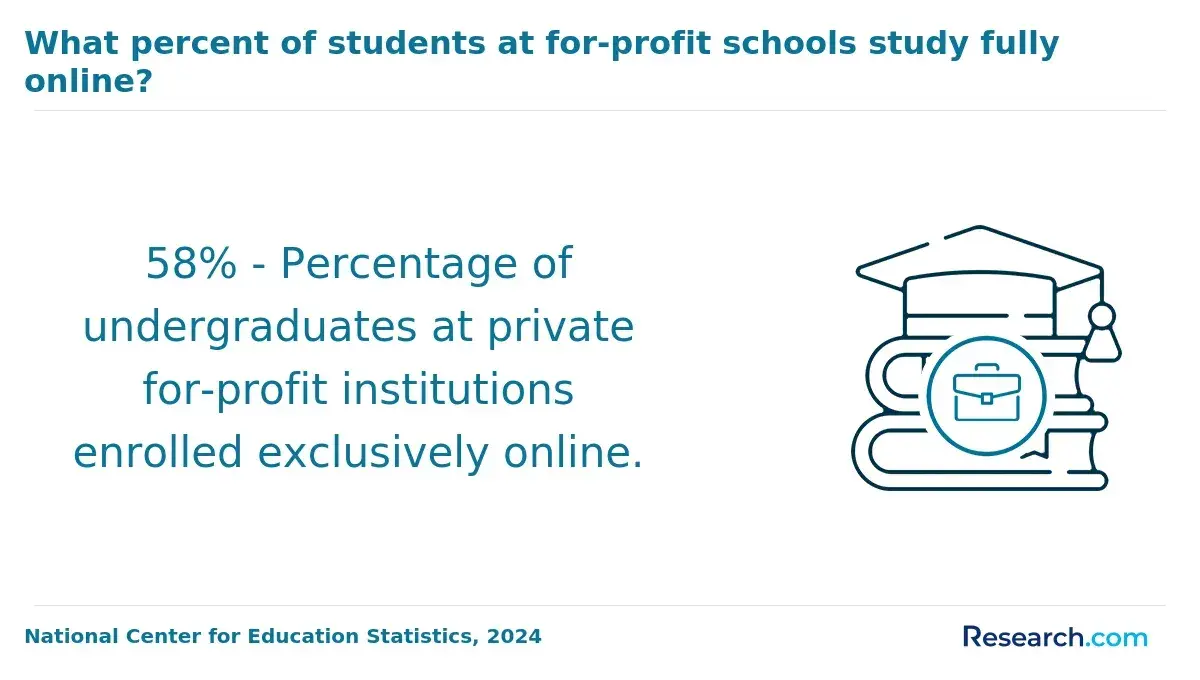
Graduation rates for campus-based gender & sexuality studies programs consistently outpace those of fully online formats by roughly 10 to 15 percentage points, a gap that reflects more than just mode of delivery. Campus programs benefit from structured cohort progression and richer, in-person academic advising that help maintain student momentum, while online learners often juggle part-time status, employment, and familial responsibilities that complicate persistence. These demographic differences, along with less immediate access to support and community, make raw graduation-rate comparisons misleading without considering institutional design, student life balance, and pacing flexibility. According to a 2024 report by the National Center for Education Statistics, four-year on-campus completion rates average around 62%, whereas fully online counterparts hover near 48%, highlighting the impact of these intersecting factors.
One graduate recalled carefully comparing programs while balancing a part-time job and childcare, initially hesitant about enrolling in an online degree due to concerns over staying on schedule without cohort accountability. Access to academic advisors and cohort peers on campus felt like a safety net, but limited commuting options and inflexible work hours made online study appealing despite those risks. Ultimately, the student's decision hinged on reassessing the support resources available remotely and acknowledging that persistence required deliberate time management and proactive engagement rather than relying solely on program format to ensure success.
Why Do Online and Campus Gender & Sexuality Studies Students Have Different Completion Rates?
Completion rates in gender & sexuality studies vary substantially between online and campus formats, reflecting differences in student demographics, institutional support, and enrollment patterns rather than instructional quality. For example, students enrolled online often juggle full-time employment and family care, leading to higher part-time enrollment and fragmented study schedules that increase stop-out risk and extend time-to-degree. Campus learners commonly benefit from structured cohorts, immediate advising access, and an integrated academic environment that fosters consistent progression, which contributes to a 15-20 percentage point higher six-year graduation rate reported by the National Center for Education Statistics in 2024 for humanities-related fields including gender & sexuality studies.
The disparity also reflects demographic factors-online students tend to be older, more racially diverse, and include many first-generation college attendees, groups with statistically lower graduation rates due to external pressures and resource accessibility. Campus programs typically offer easier transfer credit evaluation and more comprehensive access to support services such as tutoring, mental health resources, and synchronous interaction, which directly influence retention and completion. In contrast, the limited real-time engagement and more fragmented advising online raise challenges that prospective students should weigh against their personal schedules and need for academic structure when interpreting graduation data for program selection.
How Do Online and Campus Gender & Sexuality Studies Programs Compare on Total Cost?
Comparing the total cost of online versus campus gender & Sexuality Studies programs reveals key nuances beyond headline tuition figures. Although public campus tuition averages between $7,000 and $12,000 annually, added expenses such as room and board, mandatory campus fees, and commuting can push total campus costs over $10,000 higher per year. By contrast, online programs usually avoid these living costs, but technology access fees and occasional travel for residencies or field placements create variable expenses that can narrow the cost gap. This complexity means students balancing work and family must weigh how extended time-to-degree or part-time enrollment impacts both financial aid eligibility and debt accumulation differently across formats.
Financial aid tends to be comparable, yet working professionals may benefit more from employer tuition assistance through online formats due to flexible scheduling. Campus-based graduates often incur heavier debt burdens, reflecting both tuition and living costs, which in turn influence post-graduation financial planning. According to 2024 data from the National Center for Education Statistics, these affordability differences in online versus campus gender & Sexuality Studies degrees shape not just upfront costs but also timelines and career entry points. For those prioritizing cost alongside flexibility, exploring an easiest online associates degree pathway can provide additional strategic options within this field.
What Hidden Costs Should Students Expect in Online vs Campus Gender & Sexuality Studies Programs?
Hidden costs in gender & sexuality studies programs vary substantially depending on whether students enroll online or on campus, shaping financial and scheduling decisions beyond base tuition. On-campus students often encounter significant expenses tied to housing, transportation, and mandatory campus fees, which the National Center for Education Statistics reports can add 20-30% to total educational costs. For instance, urban campus housing may surpass $10,000 annually, and parking alone can range from $200 to $400 per semester. These costs can constrain work hours due to fixed class schedules, reducing income potential and increasing reliance on student debt, which averaged $28,000 nationally for bachelor's degree recipients in 2024.
Online programs avoid many physical campus expenses but introduce distinct financial considerations like technology fees, required devices, and proctored exam charges, which may total several hundred dollars yearly. Though online formats offer greater scheduling flexibility enabling some students to maintain employment, the need for reliable high-speed internet, updated software, and occasional virtual lab fees can complicate budgeting. This trade-off complicates decisions around program format since students balancing work, childcare, or relocation must carefully weigh hidden costs alongside immediate tuition prices and long-term career implications, especially given networking disadvantages tied to less campus interaction in advocacy and policy sectors.
A graduate who initially favored an online gender & sexuality studies program found unexpected proctored exam fees and technology upgrade costs undermined anticipated savings. Simultaneously, exploring campus options revealed commuting and parking expenses coupled with unpredictable childcare challenges, leading to a nuanced reassessment. This student ultimately balanced schedule flexibility and concealed expenses by selecting hybrid courses, acknowledging that neither format fully escaped indirect costs, but managing them effectively was key in final program selection.
How Does Financial Aid Affect the Cost of Online and Campus Gender & Sexuality Studies Programs?
Financial aid significantly shapes the net cost and value proposition when comparing online versus campus gender & sexuality studies programs, but its impact is nuanced rather than uniform. Campus students often access institutional scholarships and graduate assistantships tied to in-person engagement, which can reduce tuition and provide stipends not typically available to online learners. Meanwhile, residency-based grants frequently benefit on-campus students from the state, whereas online students, especially out-of-state enrollees, may face eligibility limitations, creating tangible differences in the affordability equation. For example, a local campus student might leverage assistantships and state aid to lower debt, while an online learner must weigh additional technology fees against savings from eliminated housing and commuting expenses, highlighting the need to compare aid packaging and cost structure carefully against personal circumstances.
Online students in gender & sexuality studies face particular challenges balancing flexible, part-time pacing with less access to grant aid, often leading to longer program durations that increase borrowing and cumulative interest costs. Employer tuition benefits can partially offset these costs, especially for working adults whose jobs recognize the relevance of this field, making the online path pragmatically viable despite fewer traditional campus-based financial supports. Federal student loans provide a baseline of funding across formats, but total debt exposure is influenced by time-to-degree differences, underscoring the importance of evaluating funding sources in the context of graduation timelines and career plans. Prospective students weighing campus versus online routes should analyze the interplay of tuition pricing, enrollment intensity, and financial aid availability in gender & sexuality studies to anticipate true net cost and borrowing implications, including examining options like 6 months masters degree online programs for faster completion where applicable.
Do Online and Campus Gender & Sexuality Studies Graduates Have Different Career Outcomes?
Graduates from online and campus gender & sexuality studies programs exhibit similar employment rates shortly after finishing their degrees, with about 72% securing jobs within a year according to 2024 data from the U.S. Department of Education's College Scorecard. However, workplace acceptance of online credentials varies significantly by industry; while most employers at regionally accredited institutions recognize online degrees as equivalent, traditional sectors or those emphasizing interpersonal skills may harbor reservations. For example, graduates seeking roles in advocacy organizations with established local networks might find campus alumni connections and face-to-face mentorships more advantageous for securing internships or positions requiring closely held professional relationships.
Beyond initial employment, program format influences longer-term career mobility and graduate education options, especially since some advanced programs and licensure pathways prefer or require campus-based credentials. Online students often face transcripts that explicitly note their delivery method, which can impact admissions committees' evaluations in competitive fields. From a cost perspective, online pathways lessen financial burdens through reduced living expenses and lower debt ratios, yet they may lack the depth of in-person networking instrumental for navigating localized job markets. Prospective students should weigh whether flexible scheduling and cost savings outweigh potential limits on experiential learning and community integration when deciding between formats.
How Do Employers View Online vs Campus Gender & Sexuality Studies Degrees?
Employer evaluation of online versus campus gender & sexuality studies degrees hinges less on delivery mode and more on institutional credibility and evidence of rigorous, relevant training. For example, organizations hiring for advocacy or education roles often prioritize candidates from regionally accredited programs with clear experiential components such as internships or community engagement, regardless of whether those credentials were earned online or on campus. A 2024 survey by the National Association of Colleges and Employers found that 68% of employers weigh the quality of the institution and the candidate's practical experience more heavily than the degree format itself, reflecting growing acceptance but persistent nuances in interpretation.
Nevertheless, some hiring managers remain cautious about online credentials in fields where hands-on practice and networking serve as gateways to advancement. Campus programs often provide advantages in visible collaborative opportunities and direct mentorship, factors that influence hiring decisions in sectors like social services or academia. Additionally, employer familiarity with the issuing institution and its online offerings can shape trust, with transcript and diploma verification now standardized but still requiring contextual understanding of program rigor and alignment with evolving field standards. These distinctions mean prospective students must assess how delivery format impacts not only cost and convenience but also professional visibility and long-term mobility within competitive or traditional career environments.
Which Gender & Sexuality Studies Degree Format Offers Better Flexibility for Working Adults?
Online gender & Sexuality Studies degree flexibility for working adults often hinges on the ability to balance competing responsibilities without rigid scheduling constraints. While online programs provide 24/7 access to coursework and allow asynchronous progress, they may require occasional synchronous sessions or limited in-person commitments that still impact those with shift work or caregiving duties. In contrast, campus-based programs typically demand fixed class times and commuting, which can disrupt employment continuity but offer stronger cohort structures and consistent faculty interaction-factors influencing persistence and motivation in ways online environments sometimes struggle to replicate.
Flexible campus versus online gender & Sexuality Studies programs present a nuanced choice where cost exposure and graduation timing depend heavily on pacing options and institutional policies. Online formats often permit part-time enrollment and credit transfers that extend time-to-degree with minimal penalties, benefitting learners needing to stretch educational progress over years. However, slightly higher completion rates observed in campus settings (58% vs. 52% for online adult learners per 2024 data) reflect trade-offs between convenience and engagement. For working adults prioritizing cost control alongside scheduling, a hybrid approach or an accredited online digital photography degree with similar structures might serve as a parallel model demonstrating how program design directly affects workload management and career continuity.
How Should Students Choose Between an Online and Campus Gender & Sexuality Studies Program?
Deciding between an online and campus gender & sexuality studies program requires balancing graduation outcomes with the demands of real life, not just comparing formats. According to 2024 data from the National Center for Education Statistics, campus programs have roughly a 15% higher graduation rate, reflecting the retention benefit of structured, in-person environments. For students needing reliable sequencing of courses and considerable faculty interaction-especially those seeking internships or placements-the campus experience often better supports persistence and access to hands-on learning, which many employers value in this field. However, those juggling work, caregiving, or geographic constraints may find online study's flexibility essential despite a potential tradeoff in immediacy of academic support and direct networking.
Cost considerations extend beyond tuition with online programs often reducing expenses related to commuting and housing, yet students should be mindful of technology costs and sometimes limited financial aid options. Evaluating total cost of attendance in gender & sexuality studies means factoring in non-tuition expenses alongside career services that campus settings typically offer more robustly. Many employers acknowledge accredited online degrees but emphasize experiential components more prevalent in campus programs as differences in professional readiness, especially for roles requiring community engagement. Prospective students should weigh these trade-offs critically because program format can shape career mobility and opportunity costs, an important decision aspect even for those exploring if you can transfer MBA programs as part of their broader educational planning.
References
- Gender & Sexuality Studies Major & Minor https://www.stonehill.edu/programs/gender-sexuality-studies/
- Gender and Sexuality Studies https://www.bbk.ac.uk/courses/postgraduate/gender-and-sexuality-studies
- Current and Future Status of Women’s Studies in Higher Education https://etcjournal.com/2026/02/02/current-and-future-status-of-womens-studies-in-higher-education/
- Gender and Sexuality Studies Careers | NWU https://www.nebrwesleyan.edu/academics/majors-and-minors/gender-and-sexuality-studies/gender-and-sexuality-studies-careers
- Online vs in-person study: which one is right for you? https://www.ube.ac.uk/whats-happening/articles/online-vs-in-person-learning/
- Making College Affordable by Improving Aid Policy https://issues.org/long-2/
- Our Graduates' Successes: What the Data Tells Us About the Value of Women's and Gender Studies Degrees https://msmagazine.com/2025/07/20/college-degrees-womens-gender-sexuality-ethnic-africana-indigenous-disability-studies-graduates/
- How Employers View Online Degrees: Interviews with Nine Hiring Executives https://www.onlineeducation.com/features/how-employers-view-online-degrees
- Women, Gender, & Sexuality Studies https://www.umgc.edu/online-degrees/undergraduate-certificates/women-gender-sexuality
- Gender Studies Programs: Providing Healthy Perspective and a Path to an Empowered Career - UNCF https://uncf.org/the-latest/a-major-in-gender-studies-provides-healthy-perspective-and-a-path-to-an-empowered-career
Other Things You Should Know About Gender & Sexuality Studies
Campus programs typically offer richer face-to-face networking environments through events, guest lectures, and informal interactions, which can lead to meaningful professional connections in advocacy, academia, or nonprofit sectors. Online formats may struggle to replicate this dynamic, often relying on scheduled virtual meetings that lack spontaneous engagement. For students prioritizing direct community ties and mentorship, campus attendance is generally advisable despite potential scheduling challenges.
Online programs demand higher self-discipline and proactive time management since students navigate asynchronous content and periodic deadlines without daily peer or instructor presence. Campus students benefit from structured schedules and immediate access to faculty, which can help manage workload and clarify complex topics. Prospective students who work full-time or require flexible study hours may lean toward online options but should be prepared for a potentially heavier burden in self-organization.
Campus programs more commonly integrate experiential learning components like internships, local activism, or community projects directly embedded in curriculums, which can be critical for applied understanding and employment readiness. Online programs may offer such opportunities but often require students to independently secure placements, which could limit access or increase time investment. Choosing campus study is often advantageous for students seeking hands-on experience as part of their degree.
While many progressive employers recognize online degrees equally, some sectors within gender & sexuality studies-particularly academic and public policy roles-may bias toward campus credentials due to perceived rigor and networking access. For those targeting graduate study or research-heavy careers, campus programs might better align with expectations. Conversely, practitioners focused on community-based work or advocacy might find online degrees sufficient if supplemented with relevant experience.