2027 Gender & Sexuality Studies Degree Program Availability Report: Which States and Schools Offer the Most Options

Co-Founder and Chief Data Scientist
The concentration of gender & sexuality studies degree programs across states reflects complex intersections of regional social attitudes, institutional commitments, and evolving labor market needs. Recent data from the National Center for Education Statistics shows a 12% growth in related academic enrollments since 2022, signaling increased workforce demand for expertise in diversity, equity, and inclusion roles. However, uneven program availability hints at persistent disparities in educational investment and curricular prioritization across public and private institutions.
Examining where the most options exist offers insight into how states and schools align their offerings with both cultural dynamics and the practical demands of careers centered on gender and sexuality scholarship.
Key Benefits of States and Schools That Offer the Most Gender & Sexuality Studies Degree Program Options
- States and schools with diverse gender & sexuality studies options often require broader curricular commitments, limiting specialization but fostering interdisciplinary skills valued by employers seeking adaptable professionals.
- A 2024 study found 65% of employers in social services prefer candidates with exposure to multiple gender & sexuality frameworks, highlighting workforce demand for nuanced cultural competence.
- Regions offering more program variety tend to have longer average time to degree completion, reflecting both richer course availability and higher tuition rates, which influences student cost-benefit analysis.
- Key Benefits of States and Schools That Offer the Most Gender & Sexuality Studies Degree Program Options Key Benefits
- Which States Offer the Most Gender & Sexuality Studies Degree Programs? Top States
- Why Do Some States Have More Gender & Sexuality Studies Programs Than Others? Program Availability
- Which Colleges Offer the Largest Number of Gender & Sexuality Studies Degree Options? Top Schools
- How Do Online Programs Improve Access in States With Limited Options? Online Program Access
- How Much Does Gender & Sexuality Studies Program Tuition Vary by State? Program Cost
- How Does Gender & Sexuality Studies Program Demand Affect Admissions Decisions? Program Demand
- How Do Gender & Sexuality Studies Specialization Options Vary by Region? Specialization Options
- How Does Regional Employer Demand Affect Career Outcomes? Employer Demand
- What Factors Matter Most When Comparing Gender & Sexuality Studies Programs Across States? Key Comparison Factors
- Which Regions May See the Fastest Growth in Gender & Sexuality Studies Education? Fastest Growing Region
Which States Offer the Most Gender & Sexuality Studies Degree Programs?
Program availability for gender & sexuality studies degrees shows distinct regional patterns influenced by population density, the breadth of higher education infrastructure, and local workforce needs. States with larger urban centers and strong research institutions tend to provide more diverse academic options, reflecting the demands of progressive educational policies and interdisciplinary collaboration. These states often integrate experiential learning and community engagement into their curricula, enhancing graduates' practical skills and employability in fields such as social services and public policy.
- California: With one of the nation's largest populations and an extensive network of both public and private universities, California leads in offering a wide array of gender & sexuality studies programs. Its institutions commonly emphasize interdisciplinary majors and minors, supported by the state's progressive stance on inclusion and diversity. This environment enables students to access specialized tracks and benefit from connections to advocacy and social justice organizations concentrated in urban hubs like Los Angeles and San Francisco.
- New York: New York's concentration of major research universities and diverse liberal arts colleges fosters a rich academic ecosystem for gender & sexuality studies. The emphasis on cross-disciplinary approaches offers students opportunities to explore contemporary social issues with a range of specialized curricular paths. Additionally, the urban labor market demands cultural competency and advocacy skills, aligning educational offerings with workforce realities in education, public policy, and nonprofit sectors.
- Massachusetts: Anchored by institutions in the Boston area known for their liberal arts focus and commitment to social justice, Massachusetts sustains substantial program availability. The state's academic culture promotes theoretical and applied learning, with many programs embedding community-based research work. This proximity to policy-oriented organizations and healthcare sectors enhances career prospects for graduates skilled in intersectional analysis and advocacy methodologies.
In comparison, states in the Midwest and South generally have fewer dedicated gender & sexuality studies programs, limiting the scope of coursework and research exposure. For prospective students, prioritizing states with concentrated program offerings can improve access to specialized curriculum and local job markets aligned with their career goals. According to recent data from the National Center for Education Statistics, states with larger metropolitan educational ecosystems report notably higher enrollment and graduation rates in these fields, reinforcing the role of program density in shaping educational and occupational outcomes.
Students seeking affordable options aligned with this discipline's practical demands might explore cheapest online colleges that accept FAFSA near me, which can offer flexible pathways while maintaining access to quality gender & sexuality studies curricula.
Why Do Some States Have More Gender & Sexuality Studies Programs Than Others?
The uneven geographic distribution of gender and sexuality studies program availability by state largely reflects differences in higher education infrastructure and the regional demand for graduates equipped with skills in social analysis and cultural competence. States with expansive public university systems and stronger higher education funding frameworks typically offer a broader range of interdisciplinary programs, including gender and sexuality studies. These states tend to attract and retain faculty with specialized expertise necessary for such programs, while also serving student populations and local labor markets with specific social and cultural workforce needs. This structural foundation, combined with population density and urbanization patterns, helps explain why some states have significantly wider academic options in gender and sexuality studies compared to others.
Key drivers behind these disparities include state priorities in higher education funding, university research capacity, and the presence of relevant industry clusters. States that allocate substantial resources for social science and humanities research - often through federal and private grants - enable universities to sustain and expand gender and sexuality studies offerings. Additionally, states home to industries such as healthcare, social services, and human rights organizations generate employer demand for graduates versed in equity, diversity, and inclusion frameworks.
According to a 2024 report by the National Center for Education Statistics, states with the highest per-student spending exhibit about 30% more gender and sexuality studies and related interdisciplinary programs than lower-funded states. Institutional mission alignment with social justice and interdisciplinary scholarship further concentrates programs where there is both financial and cultural support for these academic fields.
These regional imbalances have broader implications for student access and workforce development. In states where gender and sexuality studies programs remain scarce, students may face limited options without relocating or turning exclusively to online learning paths, which are growing but do not fully replicate on-campus academic ecosystems. Uneven program distribution also impacts regional employer pipelines, potentially constraining local organizations that rely on expertise in social advocacy and cultural competence. Prospective students, therefore, must evaluate not only institutional reputations but also the structural education economics and labor market alignment embedded in state-level program availability when making enrollment decisions.
For those exploring interdisciplinary degrees that intersect with labor market trends, comparing gender and sexuality studies program availability alongside other fields like a business administration degree can offer practical insights into regional education and workforce dynamics.
Which Colleges Offer the Largest Number of Gender & Sexuality Studies Degree Options?
The breadth of gender & sexuality studies degree options at a college correlates strongly with institutional size, funding, and research capacity rather than geographic location. Larger and more research-oriented universities often host a wider array of specializations, program formats (including graduate and certificate offerings), and interdisciplinary tracks. These characteristics enable schools to meet diverse student interests and align curricula with emerging workforce demands in social services, health, and education sectors.
- Flagship public research universities: These institutions benefit from expansive faculty resources and substantial state or federal funding, allowing them to offer numerous specialized degree paths within gender & sexuality studies. Systems like the University of California and the State University of New York exemplify this by integrating queer theory, feminist studies, and policy-oriented subfields, supported by large interdisciplinary departments and extensive research initiatives.
- Elite private universities with liberal arts focus: Private schools with substantial endowments and established interdisciplinary traditions leverage their resources to build diverse gender & sexuality curricula. Ivy League and other selective private institutions often provide multiple graduate programs and research centers, expanding depth and academic rigor in the field, which in turn attracts faculty with varied specializations and cross-department collaborations.
- Large regional universities with comprehensive academic portfolios: Mid-tier state universities that maintain broad academic offerings frequently develop gender & sexuality studies as part of their liberal arts and social science departments. Their capacity to cross-list courses with sociology, anthropology, health sciences, and law supports a variety of accessible degree types, although generally with less specialization than flagship research campuses.
- Community colleges and smaller colleges offering targeted programs: While their overall number of options is limited, these institutions emphasize pragmatic credentials such as certificates and associate degrees tailored to local workforce needs. Often focused on counseling, social work, or education pathways, their gender & sexuality studies curricula prioritize applied skills relevant to immediate employment rather than broad academic specialization.
According to recent 2024 datasets from major higher education research bodies, flagship public research universities consistently offer the broadest range of gender & sexuality studies options, reflecting their institutional capacity to foster program diversification through interdisciplinary investments and external partnerships. For students prioritizing a wide selection of subfields or advanced degree formats, these structural advantages translate into more extensive academic and career customization opportunities.
How Do Online Programs Improve Access in States With Limited Options?
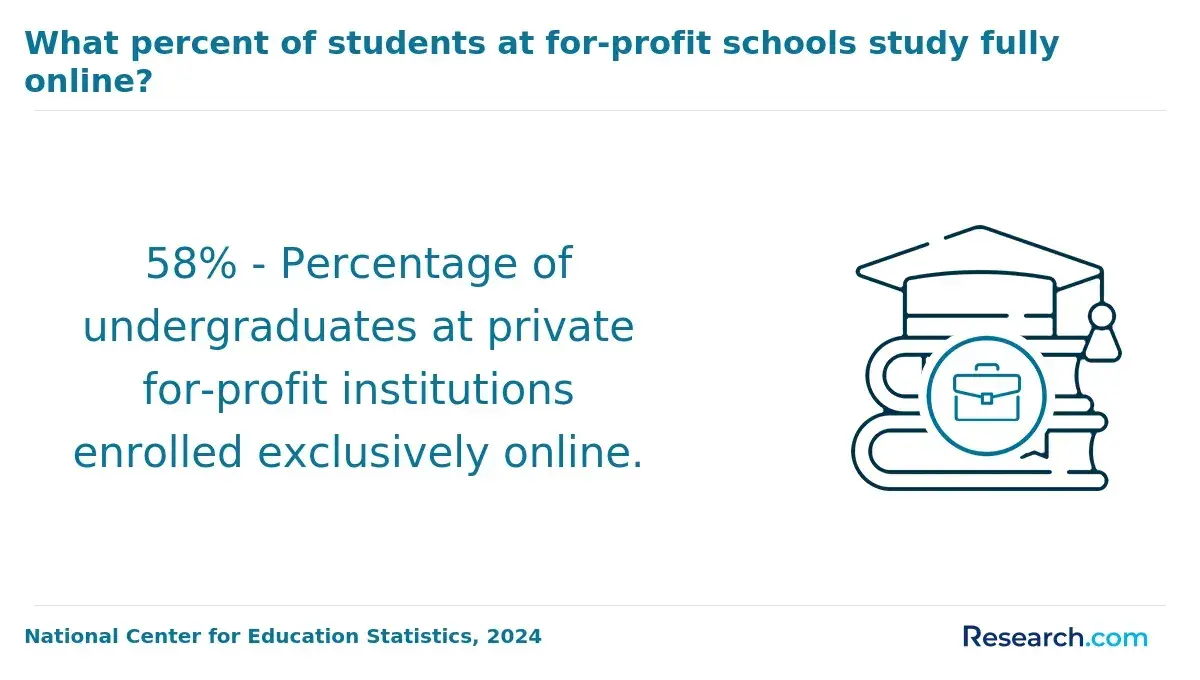
In states where traditional gender & sexuality studies programs are scarce or nonexistent, online degree offerings serve as crucial gateways to academic access. These programs eliminate the need for relocation by enabling students to enroll remotely, bridging gaps created by uneven institutional distribution. According to data from the National Center for Education Statistics, more than 40% of students in rural or underserved areas pursued specialized fields like gender & sexuality studies through online courses in 2024, signaling a notable shift in enrollment patterns where physical access once posed a significant barrier. This expanded reach not only opens pathways for individuals in underserved states but also reshapes the demographic composition of cohorts by engaging learners who otherwise would remain excluded due to geographic constraints.
The operational features of online delivery amplify this accessibility by decoupling program participation from local institutional infrastructure. Asynchronous class structures allow students to balance competing responsibilities without compromising educational engagement, increasing sustainability for nontraditional learners. Furthermore, online platforms enable institutions to scale their enrollment and cross state lines without the overhead of physical campuses, fostering regional educational equity.
This structural flexibility also intensifies competition among universities as they vie for enrollees beyond their immediate service areas, spurring program innovation and expanded curricular offerings in gender & sexuality studies. Institutional strategies now frequently prioritize digital program expansion to meet the rising 25% growth in online gender & sexuality studies programs noted by the American Council on Education in 2024, reflecting systemic responses to demand and accessibility challenges.
From a broader perspective, these online programs influence workforce development by preparing students who might remain isolated from local academic resources, potentially impacting talent pipelines in social justice, cultural advocacy, and related sectors across diverse regions. The capacity for students to engage with geographically distant institutions encourages both educational and professional mobility, altering regional enrollment dynamics and breaking down historically rigid educational boundaries tied to physical proximity.
One gender & sexuality studies graduate recalled feeling ambivalent during the rolling admissions period for an online program based outside their home state. With admissions notifications staggered over weeks, they hesitated to commit early, weighing the risk of missing a better-fitting offer against the uncertainty of delayed decisions. Preparations for prerequisite credentials and financial aid also required careful timing, complicating the process. Ultimately, receiving confirmation late in the cycle prompted a swift pivot, demonstrating how asynchronous timelines in online admissions can intensify pressures but also offer critical opportunities for students navigating limited local options.
How Much Does Gender & Sexuality Studies Program Tuition Vary by State?
Tuition for gender & sexuality studies degree programs shows substantial variation across U.S. states, largely shaped by the structure of public funding, the prevalence of private versus public institutions, and residency-based tuition policies. Public universities typically offer reduced tuition rates for in-state students, with cost differences reflecting each state's investment in higher education and the relative funding available to its public systems. Private institutions, which rely more heavily on tuition revenue absent extensive state subsidies, generally set higher and more uniform pricing regardless of student residency. These pricing dynamics are a direct outcome of entrenched funding models rather than arbitrary tuition setting, creating a layered financial landscape that prospective students must navigate carefully.
Data from 2024 highlight how in-state tuition at public universities offering gender & sexuality studies programs ranges from approximately $5,000 annually in states with stronger education funding like Florida and Texas, to $15,000 or more in states with tighter higher education budgets such as New Hampshire or Vermont. Out-of-state tuition fees can be two or three times higher than in-state rates, reflecting the premium placed on nonresident enrollment as a revenue source.
Private universities, concentrated in regions like Massachusetts and Illinois, typically charge between $30,000 and $55,000 per year irrespective of residency status. This tuition variation by state encapsulates complex funding mechanisms seen in national sources such as the U.S. Department of Education College Scorecard and NCES data, clarifying why affordability contrasts align closely with the institutional and policy environment rather than program content alone. Prospective students analyzing gender & sexuality studies degree cost comparison across states should weigh such structural factors thoroughly.
These disparities have significant implications for student access, mobility decisions, and program selection. States with extensive public university systems may offer broader academic options at accessible costs but might contend with larger class sizes and less specialization. Conversely, states with fewer private options may provide richer academic environments but require higher financial investment. Students must therefore balance affordability with program quality and workforce outcomes, a calculus increasingly relevant given employer expectations for practical experience and interdisciplinary skills.
For those exploring options, pathways like an accelerated sports management degree online illustrate how program duration and delivery mode may also affect total cost and career trajectory when comparing gender & sexuality studies programs across states.
How Does Gender & Sexuality Studies Program Demand Affect Admissions Decisions?
Rising interest in gender & sexuality studies programs often compels institutions to tighten admissions standards, reflecting sharper competition among applicants. As demand increases, universities typically raise academic thresholds, emphasizing a combination of GPA, test scores, and demonstrable interdisciplinary engagement. This heightened selectivity is especially pronounced at schools with limited enrollment capacity, where the volume of qualified candidates exceeds available seats. Consequently, applications are scrutinized more rigorously, with additional focus on applicant motivation and relevant extracurricular experiences that align with the field's evolving academic and social priorities.
Several structural factors drive this dynamic, foremost among them being program capacity constraints and faculty resources, which limit the number of admissions regardless of interest level. Accreditation standards and institutional goals also influence how programs manage intake to ensure quality education and adherence to curriculum requirements. Simultaneously, labor market demand for skills linked to gender & sexuality studies-such as critical analysis, social justice advocacy, and policy expertise-shapes admissions criteria by balancing academic merit with demonstrated career potential. Departments often incorporate interviews or portfolio assessments to better evaluate an applicant's fit within these parameters, reflecting a strategic selection process shaped by both internal resource limits and external employment landscapes.
For prospective students, the interaction between demand and admissions rigor means preparation strategies must evolve beyond academics to include focused community engagement and well-articulated personal statements. Increased demand also impacts program reputation, attracting diverse applicants while intensifying competition that can restrict access for those without strong academic backgrounds or prior exposure. Over time, this may impact geographic and institutional availability, with states or schools offering a broader spectrum of programs providing the most varied admission criteria and opportunities aligned with differing student profiles and professional goals.
One graduate recalled navigating the admissions process amid shifting demand levels: "Initially, the program seemed accessible, but as interest surged mid-cycle, acceptance notifications slowed, creating a tense wait. She had to revise her personal statement multiple times to better highlight her activism and adapt to evolving interview prompts. The unpredictability in timing and requirements felt frustrating, yet it pushed her to sharpen how she presented her experience and commitment." This reflection underscores how enrollment pressure can extend beyond numbers, influencing how applicants time and tailor their submissions to meet changing program standards.
How Do Gender & Sexuality Studies Specialization Options Vary by Region?
Specialization options within gender & sexuality studies programs are closely tied to regional economic priorities and industry ecosystems, shaping what institutions emphasize in their curricula. Coastal areas, notably the Northeast and West Coast, have a higher concentration of interdisciplinary opportunities that integrate gender & sexuality studies with fields like public health, law, and education, reflecting local labor markets that demand expertise in advocacy, policy, and social services. In contrast, programs in the Midwest and Southern states tend to focus more on traditional gender theory and sociocultural or religious perspectives, aligning with regional employer expectations and community-based organizations. This alignment means students pursuing careers in areas such as social justice or healthcare may find coastal programs better suited to emerging professional demands, while those oriented toward local or faith-based employment might benefit from programs grounded in traditional frameworks.
Dominant industries, university research priorities, and employer partnerships heavily influence these specialization patterns. Institutions on the coasts often leverage robust activist networks and interdisciplinary faculty to offer subfields like queer theory and transgender studies, areas increasingly sought after by employers in nonprofit, public health, and academic sectors.
By contrast, Midwestern and Southern universities frequently align their academic offerings with regional labor markets that emphasize cultural conservatism and faith-based values, which resonate with local employers in education, religious organizations, and community outreach. According to data from the National Center for Education Statistics in 2024, 67% of institutions in coastal regions offer three or more gender & sexuality studies specializations, nearly double the 38% reported for inland states, underscoring the role of institutional resources and market demand in program breadth.
These regional distinctions have substantive implications for student decision-making and career trajectories. Prospective students should consider how specialization availability reflects not only academic interest but also employability within regional economies. Graduates from coastal programs may access broader internship opportunities and diverse career pathways in policy and advocacy, whereas those from Midwestern or Southern programs might encounter stronger local employer ties but narrower academic focus. This regional specialization divide can affect student mobility and necessitates strategic program selection aligned with both professional goals and geographic labor market realities.
How Does Regional Employer Demand Affect Career Outcomes?
Regional employer demand heavily influences job availability and early career opportunities for graduates of gender and sexuality studies degree programs. Metro areas with concentrated nonprofit, government, and education sectors-such as California, Washington D.C., and New York-tend to offer more openings closely aligned with skills in advocacy, policy analysis, and community engagement. This market concentration often results in stronger employer networks, facilitating entry-level roles that reflect the specialized training of these graduates. In contrast, those seeking work in less developed regions may face narrower options and potentially lower salaries, underscoring how gender and sexuality studies career opportunities by region vary significantly depending on local labor market conditions.
The mechanisms underpinning these geographic disparities involve industry specialization clusters and regional institutional partnerships that directly shape wage levels and career trajectories. Employers in areas with mature diversity and social equity initiatives compete more fiercely for talent, often raising compensation above national averages-as evidenced by a 12% wage increase for social science graduates reported by the U.S. Bureau of Labor Statistics. Universities located in these regions also tend to build stronger relationships with local employers, enhancing pipeline development. Conversely, in areas lacking such ecosystems, graduates frequently repurpose their skills for adjacent fields, highlighting the importance of workforce supply-demand alignment within regional economies. This dynamic reflects the impact of regional job market on gender and sexuality studies graduates and their long-term employability.
Broader implications include the role of geographic mobility and remote work expansion in navigating regional demand challenges. Graduates may need to relocate or pursue flexible work environments to fully leverage their credentials. These labor market structures influence not only immediate outcomes but also sustained career growth and sector specialization.
For students comparing program options, it is advisable to consider how regional labor markets intersect with academic offerings and to explore pathways like an accelerated human services degree online that can provide adaptable skills in this evolving field.
What Factors Matter Most When Comparing Gender & Sexuality Studies Programs Across States?
Comparing gender & sexuality studies programs across states requires assessing factors beyond mere program availability. State-level differences in tuition variation and program specialization availability by state directly impact affordability and the breadth of academic options accessible to students. These disparities also influence alignment with regional employer demand for gender and sexuality studies graduates, pointing to the importance of geographic context in educational and career outcomes.
- Tuition Costs and Financial Barriers: Variations in state tuition rates and the availability of financial aid can significantly affect access to gender & sexuality studies programs. Higher tuition may limit student diversity and choices, while states with targeted funding tend to support more sustainable, comprehensive programs.
- Program Diversity and Specialization: States differ in the number of institutions offering interdisciplinary curricula that integrate sociology, history, cultural studies, and political science. Programs providing diverse specialization options equip students with broader analytical frameworks and research opportunities that enhance academic depth and employability.
- Access to Experiential Learning: States emphasizing internships, community engagement, and activism projects see better post-graduate outcomes. According to a 2024 national survey by the National Center for Education Statistics, programs with applied learning components boost employment rates by around 15%, reflecting employer preferences for practical experience.
- Faculty Expertise and Academic Resources: The presence of specialized faculty with active research agendas varies regionally. States investing in faculty recruitment and retention foster stronger academic networks and mentorship quality, directly impacting educational quality and career preparedness.
- Alignment with Regional Labor Markets: Strong employer demand for graduates in social services, education, advocacy, and policy differs by state. Understanding this regional demand helps students prioritize programs that lead to viable local career pathways and reduce geographic relocation risks.
Students should weigh these factors collectively while examining tuition variation and program specialization availability by state, as well as regional employer demand for gender and sexuality studies graduates. For those evaluating flexible options, considerations around online offerings can also be relevant, seen in fields like cybersecurity. More detailed insights into comparable degree programs can be found in the analysis of the best online cybersecurity degree programs for veterans.
Which Regions May See the Fastest Growth in Gender & Sexuality Studies Education?
Growth in gender & sexuality studies education typically concentrates where employer demand, demographic trends, and higher education investment intersect. Future program expansion aligns closely with regional economic shifts and workforce development priorities, emphasizing not just academic interest but employability outcomes. Understanding these dynamics helps clarify where academic options and specializations will proliferate most rapidly.
- Northeast: This region benefits from longstanding institutional capacity and diverse urban populations, notably in hubs like Boston and New York. Universities here are increasingly integrating gender and sexuality curricula with public policy, healthcare, and social justice programs, reflecting strong demand from both students and employers in these sectors. Steady economic growth and expanding research funding reinforce the Northeast's top position for program diversity and innovation.
- West Coast: States such as California leverage substantial demographic diversity and progressive sociopolitical climates to support interdisciplinary gender & sexuality studies. Rapid growth in tech and digital humanities applications within academia drives new curricular development, while a growing nonprofit and advocacy sector fuels employment opportunities. These factors collectively boost program offerings and student engagement.
- Midwest: Emerging investments in flagship state universities, particularly in Illinois and Minnesota, target the intersection of gender studies with labor market analytics and policy research. The Midwest's evolving demographic profile coupled with regional economic shifts encourages the expansion of practical, career-oriented concentrations, although overall institutional scale remains smaller than coastal counterparts.
References
- Gender and Sexuality Studies https://www.bbk.ac.uk/courses/postgraduate/gender-and-sexuality-studies
- Gender Studies - Intersectionality and Change, Master's Programme, 120 credits https://liu.se/en/education/program/f7mgr
- Why you should major in women's and gender studies https://www.kaplanpathways.com/blog/why-you-should-major-in-womens-and-gender-studies/
- Gender Studies Programs: Providing Healthy Perspective and a Path to an Empowered Career - UNCF https://uncf.org/the-latest/a-major-in-gender-studies-provides-healthy-perspective-and-a-path-to-an-empowered-career
- After 50 years, several women’s studies programs on chopping block | The College Fix https://www.thecollegefix.com/after-50-years-several-womens-studies-programs-on-chopping-block/
- Making sure you're not a bot! https://www.econstor.eu/bitstream/10419/223005/1/GLO-DP-0627.pdf
- What is Women's, Gender, & Sexuality Studies? https://www.nwsa.org/about/what-is-womens-gender-sexuality-studies
- From Plans to Practice: Transformative Gender‐in‐Teaching Training Programs Through GEPs in Higher Education | Article | Social Inclusion https://www.cogitatiopress.com/socialinclusion/article/view/9969
- Welcome to GEMMA | Master's Degree in Women's and Gender Studies http://gemmaerasmusmundus.eu/information/presentation
- University Leaders Must Act: An Open Letter on the Threats Facing Critical Interdisciplinary Programs Like Women's and Gender Studies https://msmagazine.com/2025/09/10/college-university-women-gender-studies-higher-education-interdisciplinary-programs/
Other Things You Should Know About Gender & Sexuality Studies
In 2027, states with a high number of Gender & Sexuality Studies programs allow students more flexibility to tailor their education according to specific interests within the field. Access to diverse courses and specializations providers students the opportunity for a more customized academic experience based on local availability.
Schools in states with numerous gender & sexuality studies programs may provide richer opportunities for faculty mentorship, student organizations, and internships related to social justice or advocacy. Yet competition for these resources can be intense in larger programs, and the regional job market might not align perfectly with academic specialization areas. To maximize career outcomes, students should assess how well a program's community and alumni network integrate with professional fields they hope to enter.
While program diversity can signal flexibility, institutions promoting interdisciplinary collaboration across departments such as sociology, psychology, and law often deliver more robust, practical preparation. Such collaboration enhances critical thinking and real-world problem-solving skills valued by employers. Therefore, students aiming for impactful careers should prioritize schools fostering cross-departmental engagement over selecting based solely on the number of gender & sexuality studies program options available.
Programs in states with many gender & sexuality studies degrees vary widely in workload intensity and research demands, influencing time to graduation and graduate school readiness. Some emphasize theoretical frameworks and extensive writing, while others integrate community-based research or activism components that require distinct commitments. Students should weigh these differences carefully, choosing programs that align with their career goals and capacity to engage deeply without burnout.