2027 Gender & Sexuality Studies Degree Completion Time Report: How Long Students Actually Take to Graduate

Co-Founder and Chief Data Scientist
Completion timelines for gender & sexuality studies degrees reflect complex realities beyond curriculum requirements. Many students balance coursework alongside professional obligations, caregiving, or activism, influencing enrollment intensity and progression. Transfer students often face credit acceptance challenges that extend their tenure. Recent data from the National Center for Education Statistics (2024) reveals that part-time enrollment and stopout rates have risen, particularly within social sciences, shaping lengthened degree paths. Additionally, evolving intersectional topics and interdisciplinary course options may lead students to customize study loads and sequences. This report examines the actual timeframes students invest in finishing gender & sexuality studies degrees, highlighting influencing factors and enrollment patterns that impact graduation timelines.
Key Things To Know About Gender & Sexuality Studies Degree Completion Time
- More realistic salary and career-path planning: Gender & Sexuality Studies completion time can vary based on research thesis work, internships (nonprofits, advocacy organizations, policy groups), or pairing the degree with a minor/double major (sociology, public health, law) — knowing the realistic timeline helps students project when they'll actually enter the workforce or grad school, since career direction and salary often depend heavily on which specialization or practical experience students pursue.
- Smarter scheduling around research and community-engaged coursework: Because this field often involves interdisciplinary coursework, research methods training, and community-based fieldwork or advocacy internships, completion time data helps students and advisors plan course loads that account for cross-departmental scheduling and avoid unnecessary prerequisite bottlenecks.
- Clearer career outcome tradeoffs: Comparing completion time against job placement rates and starting salaries across common paths (nonprofit/advocacy work, public health, education, human resources, policy, grad school for law/social work) can reveal whether students who take extra time for research, internships, or a complementary double major land stronger outcomes — helping future students weigh a faster degree against building the specialized knowledge and credentials many careers in this field value.
- What Is the Average Graduation Time for Gender & Sexuality Studies Students? Average Graduation Timeline
- What Factors Have the Biggest Impact on Graduation Speed? Graduation Timeline Factors
- How Does Full-Time Versus Part-Time Enrollment Affect Graduation Timelines? Full-Time vs. Part-Time Graduation Timeline
- Do Online Gender & Sexuality Studies Students Graduate Faster Than Campus-Based Students? Online vs. On-Campus Graduation Time
- How Many Months or Years Can Transfer Credits Save? Transfer Credits
- Do Accelerated Gender & Sexuality Studies Programs Significantly Reduce Completion Time? Accelerated Program Timeline
- Which Gender & Sexuality Studies Program Requirements Most Often Extend Graduation Timelines? Factors Extending Graduation Timeline
- Does Taking Longer to Graduate Increase the Cost of a Gender & Sexuality Studies Degree? Impact on Program Cost
- Does Graduating Faster Improve Career Prospects? Impact on Career Prospects
- Which Scheduling Mistakes Commonly Delay Graduation? Mistakes to Avoid
What Is the Average Graduation Time for Gender & Sexuality Studies Students?
The typical duration for completing a gender & sexuality studies degree largely mirrors traditional undergraduate timelines, with most full-time students finishing within four years. However, data from the U.S. Department of Education indicates that the average graduation time across humanities and social sciences, including gender & sexuality studies, often extends to between 4.5 and 5 years. Part-time students, who commonly balance coursework with employment or family responsibilities, frequently exceed this timeframe, reflecting a wider range of completion schedules. This variability in the average graduation time for gender & sexuality studies degrees stems from diverse enrollment patterns and academic planning approaches.
Completion timelines are influenced by several factors beyond enrollment status. The interdisciplinary design of gender & sexuality studies requires students to fulfill course requirements across multiple social science and humanities disciplines, which can complicate scheduling and sequence planning. Transfer students face additional challenges as credit evaluation and acceptance vary, potentially adding semesters to their program.
Additionally, students participating in internships or experiential learning may extend their studies, especially if programs offer courses infrequently or require in-person attendance. Some turn to online or hybrid formats to accelerate progress, although balancing these with work or other commitments remains a crucial consideration. For those exploring time-efficient pathways, options like summer sessions or even an online associates degree can sometimes provide complementary acceleration, though these are more common in related or foundational studies.
Understanding these dynamics is critical for setting realistic academic and financial expectations, as extended time-to-degree can increase tuition costs and delay workforce entry. This delay may affect income potential and professional development timing, given that many employers prioritize critical thinking and applied social analysis skills over rapid degree completion. Advisers and students must navigate these tradeoffs carefully, aligning program choices with career goals and life circumstances to manage the overall investment effectively. Such nuanced planning helps mitigate risks associated with prolonged study periods in gender & sexuality studies programs.
What Factors Have the Biggest Impact on Graduation Speed?
Graduation speed in Gender & Sexuality Studies programs emerges from a complex interplay of academic planning, program design, and individual circumstances rather than any single determinant. Students' choices about enrollment status, course sequencing, and credit transfer integrate with institutional policies and external responsibilities to shape how quickly they complete their degrees. By understanding these critical influences, students and education planners can better assess the realistic timelines and tradeoffs involved in this field. This approach moves beyond generic expectations to highlight how practical realities affect degree progression.
- Enrollment Status Impact: Full-time enrollment consistently shortens the path to graduation by allowing students to carry heavier course loads each semester. According to data from the National Center for Education Statistics, full-time undergraduates in gender & sexuality studies typically finish in about 4.5 years, whereas part-time students frequently extend to 6 years or more due to fewer credits per term and competing work or caregiving duties. This dynamic makes continuous full-time enrollment one of the most effective accelerators within program structures.
- Transfer Credits Effect: Students entering programs with transfer credits often face delays because gender & sexuality studies degree requirements can vary widely across institutions. The Community College Research Center notes that roughly 40% of transfer students take longer than four years to graduate, as they may need to repeat courses or meet institution-specific prerequisites. This factor underscores how institutional policies and credit articulation agreements significantly influence graduation speed.
- Curriculum Structure and Course Availability: Many gender & sexuality studies programs feature interdisciplinary courses with limited offerings each term, creating bottlenecks that delay student progression. Programs that provide clear curricular pathways and flexible elective options enable steadier credit accumulation and mitigate scheduling conflicts. Institutional design that aligns course frequency with degree milestones crucially affects students' ability to maintain momentum.
- Financial and Work Obligations: Financial pressures compel many students to balance employment with academic demands, lengthening their time to degree completion. Reports from the Postsecondary National Policy Institute highlight that students working over 20 hours weekly often reduce their course loads, which slows graduation. This reality exemplifies how economic necessity and labor market participation interact with academic pacing in Gender & Sexuality Studies.
- Personal Circumstances and Academic Preparedness: Caregiving responsibilities, health challenges, and initial academic skills substantially impact the speed of graduation. Students who receive strong advising and institutional support tend to navigate these hurdles more promptly, illustrating how non-academic but essential resources can accelerate timeframes. These personal factors interlock with workload management and institutional responsiveness to shape student trajectories.
Prospective students weighing how long a Gender & Sexuality Studies degree might take should recognize that these factors rarely operate in isolation. Enrollment strategy combined with institutional flexibility and personal conditions jointly determine outcomes. For additional insight into realistic educational investment and outcomes, one can explore detailed analyses about how much does a masters in psychology cost, which similarly consider cost, time commitment, and career implications.
How Does Full-Time Versus Part-Time Enrollment Affect Graduation Timelines?
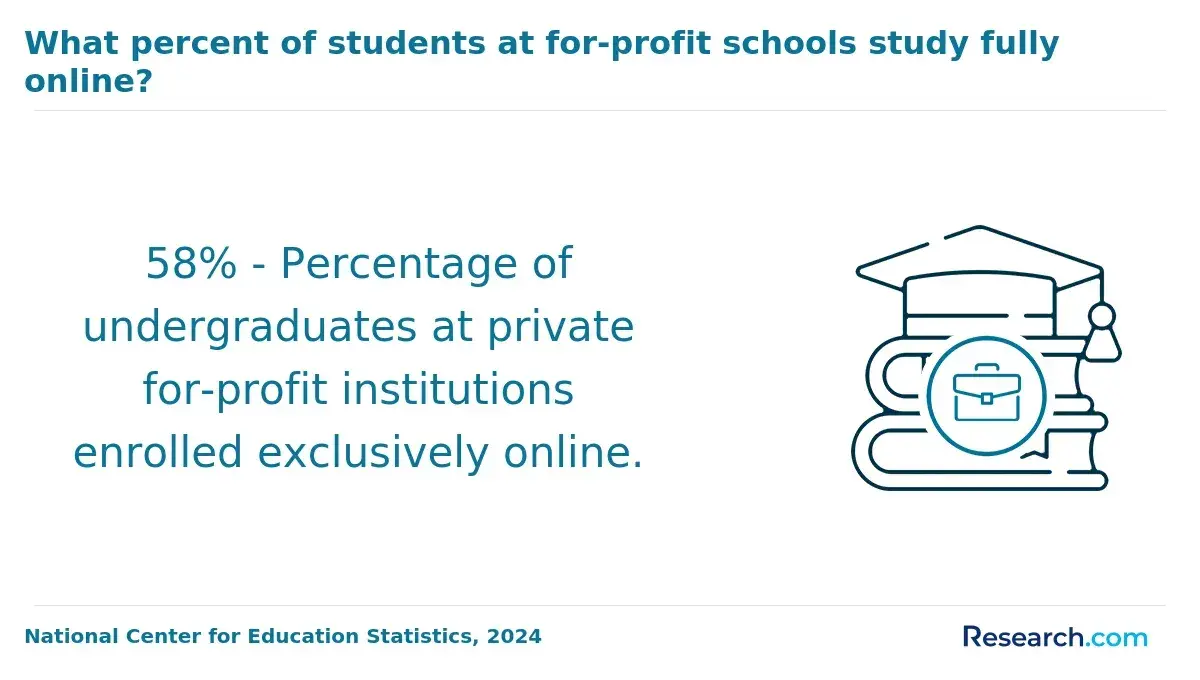
Graduation timelines for gender & sexuality studies degrees differ markedly between full-time and part-time students. Full-time enrollees usually complete their programs within four to five years, consistent with traditional undergraduate pacing, while part-time students often require six to eight years or more. This variance reflects differences in course load intensity and the ability to maintain academic momentum. Recent data from the National Center for Education Statistics (2024) confirms these trends, showing extended degree durations for part-time students across humanities and social sciences fields, including gender & sexuality studies.
Key factors shaping these timelines include credit hours undertaken each semester, program sequencing, and delivery formats such as online or hybrid classes. Full-time students typically carry 12 to 15 credits per term, enabling steady progress through required courses. Conversely, part-time students balance academic commitments with external responsibilities like employment or family obligations, often limiting their semester course loads. Institutional flexibility in scheduling and course availability also plays a role, as part-time learners may encounter fewer options each term, resulting in intermittent enrollment or delayed prerequisites that lengthen time to degree completion.
Enrollment status influences not only academic pacing but also long-term considerations such as financial planning and workforce entry. Faster completion through full-time study can reduce tuition costs overall and allow earlier participation in professional or graduate opportunities. Alternatively, part-time enrollment prioritizes flexibility, accommodating diverse life circumstances despite prolonging academic intensity and delaying career transitions. Understanding these tradeoffs helps prospective students align their enrollment decisions with realistic expectations about degree duration and the timing of career milestones.
Do Online Gender & Sexuality Studies Students Graduate Faster Than Campus-Based Students?
While it might seem that online gender & sexuality studies students would graduate faster due to the flexibility of remote learning, the reality is more nuanced. Many online learners take longer to finish their degrees than campus-based peers, partly because they often juggle work, family, and other commitments alongside their studies. According to data from the National Center for Education Statistics in 2024, online students generally complete their degrees in about 4.5 to 5 years, compared to the roughly 4 to 4.2 years seen among full-time, on-campus students. However, this timeline varies significantly depending on enrollment status and how effectively students use the options available to them for accelerated study or year-round course access.
Key factors shaping graduation speed include how programs structure course availability and the extent to which students can pace themselves independently. Campus-based learners benefit from regimented schedules and immediate access to campus resources, which can help maintain steady progress. In contrast, online students often appreciate year-round enrollment policies that allow faster progression if managed well but face challenges in credit transfers and evaluation that occasionally slow completion. Part-time students in online programs may sometimes graduate faster when leveraging off-peak course offerings, yet balancing academic demands with other responsibilities remains a major limiting factor for many. Moreover, internship or fieldwork requirements-typical in gender & sexuality studies-can add complexity by imposing additional time and scheduling constraints, regardless of format.
The choice between online and campus pathways also influences the rhythms of academic engagement and time management demands, with clear implications for workforce entry timing. Students opting for on-campus programs may experience more predictable progression to degree completion, which aligns with traditional hiring cycles and employer expectations. By contrast, online learners' extended flexibility often comes with tradeoffs in timeline certainty and pacing discipline. Understanding these operational dynamics helps prospective students set realistic expectations about how modality impacts both their academic journey and eventual transition to professional opportunities.
A graduate recalled feeling uncertain during the rolling admissions process for an online gender & sexuality studies program, hesitating to submit applications while weighing different timelines and financial aid deadlines. The flexible admissions window created both opportunity and stress, as they feared missing key deadlines that might delay starting courses and extending time to degree. Ultimately, deciding to apply earlier relieved pressure but underscored how timing decisions-often overlooked-play a crucial role in managing progression expectations and avoiding unintended enrollment gaps.
How Many Months or Years Can Transfer Credits Save?
Transfer credits can play a crucial role in shortening the overall time required to complete a Gender & Sexuality Studies degree, with savings typically ranging from several months to over a year. According to recent analysis from the National Student Clearinghouse Research Center, transfer students who successfully apply relevant prior coursework may reduce their degree completion time by between 20% and 30%.
However, the actual months or years saved with transfer credits in gender & sexuality studies programs depend heavily on how well earlier courses align with the new program's core requirements and how many credits are accepted. This variability means that while some students experience substantial acceleration in their academic timelines, others may see more modest reductions due to course misalignments or restricted credit acceptance.
Several institutional and academic factors determine the extent of time saved through transfer credits. Accreditation compatibility between sending and receiving institutions is foundational, influencing whether credits are recognized at all. Equivalency assessments examine if transferred courses meet program-specific learning outcomes, which is especially significant in gender & sexuality studies where disciplinary focus and specialization matter.
Additionally, many programs impose residency rules requiring students to complete a minimum number of credits in-house, limiting the total transferable credits. Institutional policies on maximum transferable credits and course documentation requirements further affect transfer success. Together, these constraints shape transfer credit outcomes and directly impact graduation timelines more than simple credit volume alone.
Transfer credit acceptance also influences academic planning and financial considerations beyond time savings. By reducing the number of required courses, students may lower tuition costs and decrease time away from employment, offering practical benefits for working adults and transfer students balancing multiple responsibilities. Yet this often necessitates careful sequencing of remaining coursework to satisfy major depth and upper-division prerequisites, which can complicate timely progression.
For those weighing degree acceleration against maintaining specialized disciplinary rigor, consulting academic advisors is essential to optimize credit utility and ensure transfer credits support long-term employability and graduate study readiness. Prospective students seeking cost-effective education options might also explore alternatives such as online MBA under 30000 programs for broader workforce applications.
Do Accelerated Gender & Sexuality Studies Programs Significantly Reduce Completion Time?
Accelerated gender & sexuality studies programs aim to reduce the conventional time frame needed to complete a degree by intensifying course schedules and compressing curricular requirements. These programs typically condense semesters or offer year-round course availability, allowing students to progress faster than in traditional models. Their design focuses on eliminating usual semester breaks or reducing elective flexibility to streamline credit accumulation. However, the actual reduction in total time often depends on how these structural adjustments intersect with each institution's academic policies.
Whether accelerated formats truly shorten completion time hinges on several critical factors. The increased credit load per term can place significant demands on students, potentially straining their ability to absorb material thoroughly. Additionally, prerequisite chains or capstone projects may require fixed sequences that cannot be shortened, limiting pace gains despite heavier coursework. Internship or experiential learning mandates often remain unchanged, and the inflexibility of some course offerings can disrupt optimal scheduling, especially for transfer students or those balancing work and caregiving responsibilities.
These trade-offs mean accelerated tracks may lead to a more intense academic experience but not always a proportionate decrease in graduation time. The compressed schedules reduce breaks and personal time, which can affect practical opportunities outside the classroom, such as research or part-time employment valued by employers. Students must weigh whether the speed of completion justifies potential stress and reduced depth of engagement with program material and career preparation.
A graduate from an accelerated gender & sexuality studies program recalls hesitating during the rolling admissions cycle after receiving initial acceptance offers. Balancing a full-time job and family commitments, she delayed final enrollment decisions, uncertain if she could manage the program's demanding pace. Her eventual choice to begin immediately came with the understanding that any hesitation could push her timeline well beyond the anticipated three- to four-year completion window, a risk she weighed heavily against the uncertainty of admission waitlists and course availability.
Which Gender & Sexuality Studies Program Requirements Most Often Extend Graduation Timelines?
Graduation timelines in gender & sexuality studies programs frequently extend beyond baseline credit requirements due to embedded academic and experiential components that shape the curriculum's depth and rigor. These mandates aim to prepare students for complex interdisciplinary analysis and professional contexts but often impose scheduling and pacing constraints affecting timely completion. Understanding how these structural elements impact degree progression offers insight into common bottlenecks and highlights areas where students can anticipate and manage delays.
- Interdisciplinary Course Sequencing: The necessity to complete courses across departments such as sociology, history, and psychology requires coordination with multiple faculties, whose course offerings and schedules may not align each term. This can delay enrollment in prerequisite or sequential classes essential for advancing the major, particularly at institutions with limited cross-department collaboration. Students benefit from early academic planning to navigate fluctuating availability.
- Capstone Projects and Theses: Research-intensive culminating requirements demand significant time commitments for independent study and sustained faculty mentorship. Limited advisor availability or resource constraints can slow student progress, with many programs allowing extended timelines to ensure scholarly rigor. These experiences reflect industry expectations for critical thinking and analytical skills but often create unpredictable pacing.
- Experiential Learning Components: Internships, service learning, or community activism integrated into curricula often require off-campus hours and flexible scheduling, which can conflict with other courses or personal obligations. Such requirements slow academic progression as students may opt for lighter course loads during placement periods, lengthening total study time despite enhancing employability through practical engagement.
- Specialized Prerequisites: Courses in critical theory, feminist studies, or queer theory are sometimes offered infrequently, forcing students to wait semesters before enrolling. These prerequisites serve foundational roles in academic and professional competency but introduce structural delays, especially for transfer students adapting credits or schedules to meet these unique demands.
- Transfer Credit Integration: Students transferring from other institutions often encounter difficulties aligning previously earned credits with highly specialized gender & sexuality studies curricula. This misalignment can result in additional required coursework or repeated material, thereby extending degree timelines. Proactive transcript evaluation and institutional advising are critical to mitigating these delays.
According to the 2024 Lightcast workforce data, approximately 38% of students in social sciences disciplines-including gender & sexuality studies-take longer than six years to graduate, with extended research components and interdisciplinary requirements frequently cited as primary causes. This underscores the importance of balancing curriculum depth with realistic pacing for degree completion in these fields.
Does Taking Longer to Graduate Increase the Cost of a Gender & Sexuality Studies Degree?
Taking longer to graduate from a gender & sexuality studies degree program frequently increases total tuition and related expenses due to common per-term charging practices and financial aid limitations. Many institutions assess tuition and fees on a semester basis rather than a flat rate, which means additional semesters for extended completion translate directly into higher costs. Furthermore, financial aid packages, including grants and scholarships, often have expiration dates or maximum credit limits, reducing funding availability if a student exceeds a typical completion timeline.
These factors, combined with ongoing non-tuition expenses such as housing and textbooks, amplify the cost impact of extended gender & sexuality studies degree completion beyond just raw tuition. Delays in graduation may also compound costs indirectly by pushing back entry into the labor market, where timely degree completion can improve employment outcomes and income potential.
However, extended timelines do not always proportionally inflate expenses depending on institutional pricing models and enrollment choices. Programs with flat-rate tuition or continuous enrollment policies can allow students to spread coursework over more semesters without significant cost increases. Employer tuition assistance or part-time enrollment pricing offers flexible pacing alternatives, mitigating financial burdens linked to prolonged study. Enrollment status shifts, such as dropping to part-time or transferring credits, influence how costs accumulate across extended periods.
Students who strategically manage course loads and understand program policies around transfer credits and financial aid expiration can moderate some financial consequences. Still, the financial consequences of delayed graduation in gender & sexuality studies programs often arise from the combined effect of tuition structures, aid limits, and cumulative non-tuition expenses. Considering potential earnings across related career paths, including those with high-paying jobs with environmental science degree backgrounds, is essential in weighing these tradeoffs for long-term planning.
Does Graduating Faster Improve Career Prospects?
Graduating faster from a gender & sexuality studies degree program can affect early career entry by allowing individuals to enter the job market sooner, which might reduce tuition costs and shorten the initial job search period. However, employers typically do not evaluate graduation speed in isolation; they emphasize a candidate's depth of knowledge, critical thinking abilities, and relevant experience. The impact of time to degree completion for gender and sexuality studies graduates on immediate employment opportunities is therefore complex, as early degree completion alone rarely outweighs the value of substantive professional readiness demonstrated through practical skills and engagement.
Key factors that determine whether a faster graduation timeline improves career outcomes include the quality and extent of internship exposure, the robustness of a candidate's portfolio, skill mastery, and networking opportunities aligned with industry demands. For many roles connected to gender & sexuality studies, hiring managers prioritize experiential learning because it signals applied competence and community engagement. Completing a degree quickly without securing meaningful internships or research experience may limit competitiveness, while balancing accelerated timelines with these elements can enhance job placement prospects and long-term career trajectories.
Trade-offs between speed and experiential depth often surface in career planning for gender & sexuality studies students. Prioritizing skill-building and relevant experience alongside degree progression tends to yield stronger employability outcomes than focusing solely on graduation time. The broader labor market realities underscore that how well graduates are prepared through hands-on learning often matters more than how fast they complete their degree. For those exploring options like an EdD no dissertation, understanding these nuances is critical for making informed choices about the pace and quality of their education.
Which Scheduling Mistakes Commonly Delay Graduation?
Graduation delays in gender & sexuality studies programs often arise not from academic difficulty but from common scheduling and enrollment mistakes that disrupt timely progression. These issues affect students across undergraduate and graduate levels, as well as those in online or hybrid formats, by interfering with the structured sequencing of required courses and credit accumulation. Understanding these pitfalls is essential for maintaining a steady path toward degree completion.
- Improper Prerequisite Sequencing: Enrolling in advanced courses before completing foundational prerequisites leads to registration failures or forced course repetition. This bottleneck is frequent because gender & sexuality studies curricula often involve layered course hierarchies, making it crucial to follow advisory guidance and plan academic terms carefully.
- Ignoring Limited Course Offering Cycles: Specialized electives may only be available annually or biennially, causing significant delays if missed. Many students underestimate the rotational nature of these offerings, which are common in gender & sexuality studies due to limited faculty or interdisciplinary cross-listings.
- Uneven Semester Credit Loads: Front-loading semesters with excessive credits followed by lighter loads disrupts continuous credit accumulation. Lifework balance demands often cause students to reduce course loads later, extending overall time to degree as the program's credit rules require steady completion.
- Delayed Transfer Credit Evaluations: Slow processing or improper use of transfer credits can create gaps in progression, particularly for transfer or returning students. In gender & sexuality studies programs, where course equivalencies may be nonstandard, anticipating evaluation timelines is vital to avoid scheduling setbacks.
- Neglecting Academic Advising Opportunities: Skipping regular advisement results in misaligned course sequencing and missed deadlines. Because degree requirements frequently update and vary by specialization, proactive advisement ensures enrollment strategies align with graduation objectives across program levels.
According to the National Center for Education Statistics in 2024, approximately 45% of liberal arts students-including many in gender & sexuality studies-take six years or more to graduate, often due to these compounded scheduling and enrollment challenges rather than course difficulty alone. Addressing these planning issues is key to minimizing extended academic timelines and their broader career implications.
Other Things You Should Know About Gender & Sexuality Studies
Programs that mandate a thesis or substantial capstone project typically add several months or more to the completion timeline, as these require sustained research, writing, and faculty mentorship. Students balancing work or family responsibilities may find these projects extend their time significantly. Prioritizing programs with flexible thesis formats or the option to complete alternative capstones can be practical for those aiming to graduate sooner without sacrificing academic rigor.
Gender & sexuality studies programs that include mandatory internships or hands-on fieldwork introduce scheduling uncertainties because availability and placement matches can be unpredictable. These experiences may not align neatly with semester schedules and can delay progress if students must wait for suitable opportunities. Those who intend to finish on a strict timeline should evaluate program flexibility around these components and consider whether internship credits can be earned concurrently with other coursework.
Yes, selecting programs with focused, less burdensome general education curricula can materially shorten the time needed to graduate. Many gender & sexuality studies students face extended timelines due to broad, unrelated core requirements outside their discipline. Prioritizing programs that either waive extensive general education or integrate essential competencies within the major courses helps students minimize excess credits and concentrate on field-specific knowledge, improving both efficiency and relevance to future employment.