2027 Best Accredited Online Elementary Education Degree Programs: Compare Tuition, Admissions, and Career Outcomes

Co-Founder and Chief Data Scientist
Choosing an online elementary education degree is a licensure, cost, and career decision-not just a school search. The median annual wage for elementary school teachers, except special education, was $63,680 in May 2024, according to the U.S. Bureau of Labor Statistics, so program quality and state approval can affect long-term return on investment.
This guide is for first-time students, transfer students, paraprofessionals, and career changers comparing accredited online options. You'll learn how to evaluate tuition, admissions, flexibility, accreditation, fieldwork, and outcomes before enrolling.
Key Things You Should Know
- The best accredited online elementary education programs combine institutional accreditation, state teacher-preparation approval, and either CAEP or AAQEP recognition when available; accreditation matters because licensure eligibility is controlled by states, not by online delivery format.
- Cost varies widely. The College Board's 2024 pricing data shows average published tuition and fees of $11,610 for in-state public four-year colleges and $43,350 for private nonprofit four-year colleges, before aid, fees, books, and fieldwork expenses.
- Career ROI depends on licensure fit and local demand; BLS data reports a May 2024 median annual wage of $63,680 for elementary school teachers, except special education, but pay scales vary by district, state, experience, and graduate credits.
Which Accredited Online Elementary Education Degree Programs Offer the Best Overall Value?
The best overall value is not always the cheapest online elementary education degree. A strong-value program should be accredited, approved for teacher licensure in the state where you plan to teach, transparent about field placements, affordable after aid, and flexible enough for your schedule. If you are still comparing broad affordability options beyond education majors, Research.com's guide to cheap online colleges can help you benchmark tuition before narrowing your list.
Use the table below as a decision framework rather than a universal ranking. Elementary education licensure requirements are state-specific, so an excellent program for one student may be a poor fit for another if it does not meet that student's licensure goal.
| Program value profile | Best fit | What to verify before applying | Main trade-off |
| Public university online or transfer-completion program | In-state students, community college transfers, paraprofessionals | State approval, transfer-credit limits, required in-person fieldwork | Lower tuition may come with stricter residency or cohort rules |
| Flat-rate competency-based program | Self-directed adults who can move quickly through coursework | Licensure eligibility in your state, student-teaching placement support, pacing expectations | Fast progress can reduce cost, but students need strong time management |
| Private nonprofit online licensure program | Students who want structured advising, national reach, or faith-based learning environments | Total cost after institutional aid, state authorization, clinical placement rules | Sticker price can be higher, though aid may narrow the gap |
| Hybrid online program with local field placements | Students who want online coursework but can attend occasional campus or district activities | Campus visit requirements, practicum schedule, transportation costs | Less flexible than fully online coursework, but often strong for classroom preparation |
A practical shortlist should include three to five programs: one low-cost public option, one highly flexible online option, one program with strong licensure advising, and one backup with broader admissions flexibility. Avoid choosing only by published tuition; a program that does not lead to licensure in your state can become far more expensive if you later need additional coursework.
What Accreditation Should Students Look for in an Online Elementary Education Degree Program?
Accreditation is the first filter for any online elementary education degree. Institutional accreditation confirms that the college or university meets broad academic and administrative standards. Programmatic accreditation or recognition, such as CAEP or AAQEP, evaluates educator preparation quality. State approval is equally important because teacher licensure is issued by state education agencies.
Students comparing schools should separate three related but different quality checks. If you are building a broader list of accredited distance-learning institutions, Research.com's overview of the best online universities can help you understand institutional credibility before you evaluate teacher-preparation details.
| Quality check | What it means | Why it matters for elementary education |
| Institutional accreditation | The college is reviewed by an accreditor recognized for postsecondary quality assurance | Usually required for federal financial aid, credit transfer, graduate admission, and employer recognition |
| State educator-preparation approval | The program is approved by a state agency to prepare teachers for licensure | Often the most important requirement for becoming eligible for an initial teaching license |
| CAEP or AAQEP accreditation or recognition | The teacher-preparation unit or program has undergone specialized educator-preparation review | May signal stronger alignment with teaching standards, assessment, clinical practice, and continuous improvement |
| State authorization for online learning | The school is authorized to enroll online students from your state | Protects students from enrolling in a program that cannot legally serve them where they live |
Before applying, contact both the program and your state licensing agency. Ask whether the degree leads to initial elementary licensure in your state, whether additional exams are required, and whether student teaching can be completed near your home. A common mistake is assuming that "accredited" automatically means "licensure-ready everywhere." It does not.
How Do Tuition Costs Compare Across Accredited Online Elementary Education Degree Programs?
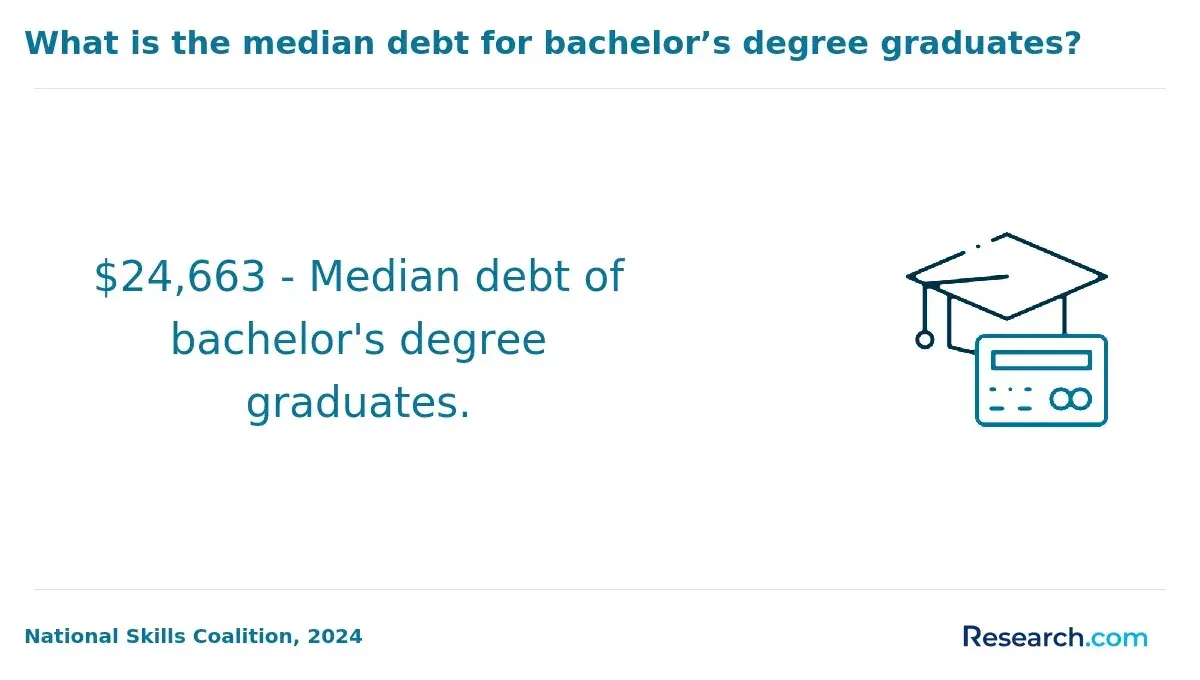
Tuition comparisons should focus on total cost, not just per-credit rates. Online elementary education students may also pay technology fees, background-check fees, testing fees, liability insurance, course materials, and transportation costs for classroom placements. College Board's 2024 data reported average published tuition and fees of $11,610 for in-state public four-year institutions and $43,350 for private nonprofit four-year institutions. That gap shows why public options and transfer pathways can be especially important for cost-conscious students.
The table below summarizes the major cost categories you should compare across accredited online programs. These categories matter because two programs with similar tuition can differ substantially once fees, transfer credits, and clinical requirements are included.
| Cost factor | How it affects total price | Best-value signal |
| Per-credit tuition or term-based tuition | Determines the base academic cost of the degree | Clear pricing, no hidden online premium, and predictable billing |
| Transfer-credit policy | Can reduce the number of credits you must complete | Generous acceptance of accredited general education and lower-division coursework |
| Residency requirements | Some schools require a minimum number of credits taken through the institution | Reasonable residency rules that do not erase transfer savings |
| Clinical placement expenses | Student teaching may require unpaid time, commuting, testing, and background checks | Placement assistance close to where you live or work |
| Licensure exam costs | State-required exams may add expenses near graduation | Built-in exam preparation and transparent test requirements |
When comparing affordability, calculate your likely net cost after transfer credits and aid. For example, a higher per-credit program may cost less if it accepts more transfer credits, while a lower-tuition program may become harder to finish if it requires daytime fieldwork that conflicts with your job.
How Competitive Is Admission to Accredited Online Elementary Education Degree Programs?
Admission to online elementary education programs is usually less about prestige and more about readiness for teacher preparation. Many programs admit students first to the university and then require a separate education-program admission step after foundational coursework. That second step often includes minimum GPA rules, prerequisite courses, background checks, faculty recommendations, writing samples, or passing scores on state-required basic skills assessments.
The table below shows common admissions models and what they mean for different types of applicants. This helps you avoid applying to programs that look accessible online but have later gatekeeping requirements you may not be ready to meet.
| Admissions model | Typical applicant profile | What to watch for |
| First-year bachelor's pathway | Students starting college with few or no credits | Longer time to completion and more general education requirements |
| Transfer-completion pathway | Students with an associate degree or substantial college credit | Strict prerequisite sequencing and limits on accepted education courses |
| Paraprofessional or residency pathway | School employees pursuing licensure while working | Employer partnership rules, worksite eligibility, and fieldwork scheduling |
| Post-baccalaureate licensure pathway | Career changers who already hold a bachelor's degree | May lead to licensure without a second full bachelor's degree, depending on the state |
Admissions flexibility should not be confused with weak academic quality. Open or broad-access programs can still have rigorous teacher-preparation checkpoints before student teaching. The better question is whether the program clearly explains those checkpoints before you enroll.
Which Learning Formats Offer the Greatest Flexibility in Online Elementary Education Degree Programs?
Online elementary education programs are rarely "online only" from start to finish because teaching is a clinical profession. Coursework may be online, but field observations, practicums, and student teaching must happen in real classrooms. The most flexible programs are transparent about which parts are asynchronous, which require live attendance, and how they arrange local placements.
The table below compares the major learning formats you are likely to see. This matters because your work schedule, family responsibilities, and location can make one format much more realistic than another.
| Format | How it works | Best for | Potential drawback |
| Asynchronous online coursework | Students complete modules, readings, assignments, and discussions on flexible weekly deadlines | Working adults and parents | Requires self-discipline and proactive communication |
| Synchronous online coursework | Students attend live virtual classes at scheduled times | Learners who want structure and real-time interaction | Less convenient across time zones or shift-work schedules |
| Hybrid online program | Most coursework is online, with occasional campus, district, or cohort meetings | Students near the school or partner districts | Travel requirements can reduce flexibility |
| Competency-based format | Students progress by demonstrating mastery rather than following only a fixed semester schedule | Experienced, motivated learners who can move quickly | Not ideal for students who need frequent instructor-led pacing |
Current online education trends are making programs more interactive. Many teacher-preparation programs now use video coaching, virtual simulations, digital lesson-planning tools, and learning management systems to support practice before student teaching. AI tools may help with drafting lesson ideas or differentiating materials, but students should expect programs to set rules on ethical use, originality, privacy, and child-data protection.
What Student Support Services Improve Success in Online Elementary Education Degree Programs?
Student support can determine whether an online elementary education student persists through prerequisites, licensure exams, and student teaching. The strongest programs do not simply provide online classes; they actively guide students through clinical placement, advising, transfer evaluation, test preparation, and career readiness.
Look for support services that solve the specific challenges of teacher preparation. The most important services are those tied directly to licensure progress and classroom readiness.
- Dedicated licensure advising: Advisors should explain state exam requirements, student-teaching timelines, endorsement options, and license-application steps.
- Clinical placement coordination: Programs should help identify approved placement sites rather than leaving students to negotiate every requirement alone.
- Transfer-credit review before enrollment: A detailed review helps transfer students estimate true time and cost before committing.
- Praxis or state-exam preparation: Test prep, diagnostics, and remediation can reduce delays near program completion.
- Online tutoring and writing support: Elementary education majors write lesson plans, reflections, assessment analyses, and classroom management plans, so academic support matters.
- Career services for educators: Resume coaching, mock interviews, district recruiting events, and portfolio guidance can help students transition into teaching roles.
A red flag is vague language, such as "students are responsible for placements," without clear support procedures. Student teaching is often the least flexible part of the degree, so ask early how the program handles districts, mentor teachers, background checks, and supervision.
Which Financial Aid Options Are Available for Accredited Online Elementary Education Degree Students?
Financial aid for accredited online elementary education students can include federal aid, state grants, institutional scholarships, employer tuition assistance, military benefits, and teacher-specific programs. For the 2025-26 award year, the maximum Federal Pell Grant is $7,395, which can materially reduce out-of-pocket cost for eligible undergraduate students, though the actual award depends on financial need and enrollment status.
The table below summarizes common aid sources and what students should verify. The goal is to compare net price and repayment risk, not just the size of an aid package.
| Aid option | Who may benefit | What to verify |
| Federal Pell Grant | Undergraduate students with demonstrated financial need | Eligibility through the FAFSA and enrollment intensity requirements |
| Federal student loans | Students who need to finance remaining costs | Total borrowing, interest, repayment options, and annual loan limits |
| State teacher scholarships or grants | Students preparing to teach in shortage areas or public schools | Service obligations, eligible programs, and repayment penalties if obligations are not met |
| Institutional scholarships | Students with academic merit, financial need, transfer status, or education major eligibility | Renewal GPA, full-time requirements, and whether awards apply to online students |
| Employer tuition assistance | Paraprofessionals, aides, and district employees | Approved majors, reimbursement timing, and work commitments |
| TEACH Grant | Students willing to teach in eligible high-need fields and schools | Service requirements and conversion to a loan if obligations are not fulfilled |
When comparing offers, build a simple net-price worksheet. Include tuition, fees, estimated books, testing costs, background checks, travel for fieldwork, lost wages during student teaching, grants, scholarships, and loans. The best financial aid offer is not always the largest package; it is the offer that minimizes debt while keeping you in a licensure-approved pathway.
Which Career Outcomes Are Associated With Accredited Online Elementary Education Degree Programs?
An accredited online elementary education degree typically prepares students for roles in K-6 or elementary classrooms, depending on state grade-band definitions. Graduates may pursue public school teaching, private school teaching, charter school roles, curriculum support, tutoring, instructional aide-to-teacher advancement, or later graduate study in literacy, special education, school leadership, curriculum and instruction, or behavior analysis.
Students interested in working more deeply with behavioral interventions may eventually compare BCBA master's programs online, especially if they plan to support students with autism, developmental disabilities, or intensive behavioral needs. The BLS reported a May 2024 median annual wage of $63,680 for elementary school teachers, except special education. This figure is a national median, not a promise; actual pay depends heavily on district salary schedules, state funding, union contracts, years of experience, graduate credits, and additional endorsements.
| Career path | Typical preparation | How to evaluate ROI |
| Elementary school teacher | Bachelor's degree, approved teacher-preparation program, student teaching, state licensure exams | Compare total program debt with local district salary schedules and benefits |
| Reading or literacy interventionist | Teaching license plus experience; some roles require a reading endorsement or graduate coursework | Check whether the program offers literacy coursework aligned with state endorsement options |
| Special education pathway | Elementary education plus special education endorsement or separate licensure route | Determine whether dual licensure is available without substantially extending time to completion |
| Instructional coordinator or curriculum role | Teaching experience and often a master's degree | Consider graduate-study pathways and district advancement rules |
| Private school or tutoring role | Requirements vary by employer and state | Licensure may improve competitiveness even where it is not legally required |
The most important career-outcome question is whether the program leads to the credential required for the job you want. Ask each school for recent licensure pass-rate information, job-placement support, employer partnerships, and graduate survey data if available. If a program cannot explain how its graduates become licensed, treat that as a serious warning sign.
How Do Online and Campus-Based Elementary Education Degree Programs Compare?
Online and campus-based elementary education programs can lead to similar teaching credentials when they are properly accredited and state-approved. The difference is usually not the diploma; it is the learning experience, schedule, networking environment, placement model, and day-to-day support. Students drawn to child development but more interested in assessment, counseling, or mental health services rather than classroom teaching may want to compare related pathways, such as online clinical psychology master's programs, later in their education planning.
The table below compares the practical differences that affect completion and fit. Use it to decide whether online learning supports your life circumstances or whether a campus format would provide the structure you need.
| Comparison area | Online elementary education program | Campus-based elementary education program |
| Course schedule | Often asynchronous or evening-friendly, depending on the program | More likely to follow fixed class times and campus schedules |
| Field placements | Usually completed in approved local schools if the program supports your state | Often arranged through established local district partnerships |
| Peer interaction | Discussion boards, video meetings, cohort chats, and virtual collaboration | More face-to-face cohort relationships and campus activities |
| Instructor access | Virtual office hours, email, learning platforms, and video feedback | In-person office hours and campus-based support |
| Best fit | Working adults, rural students, parents, paraprofessionals, and transfers | Traditional-age students who want campus life and frequent in-person structure |
| Main risk | Isolation, self-pacing challenges, and unclear local placement support | Less schedule flexibility and possible relocation or commuting costs |
Online programs make sense when you need flexibility and can manage independent study. Campus programs may be stronger if you want daily access to faculty, peers, school partnerships, and hands-on education labs. Neither format is automatically better; the better choice is the one that leads to licensure, fits your schedule, and offers enough support to finish student teaching.
How Should Students Choose the Best Accredited Online Elementary Education Degree Program?
The best accredited online elementary education degree program is the one that aligns with your state license goal, budget, transfer credits, learning style, and local classroom-placement options. If you are unsure whether you want classroom teaching or broader workforce training, you may also compare adjacent graduate routes later, such as human resources master's programs online, which can fit students interested in adult learning, training, and organizational development.
Use this step-by-step process to compare programs before you apply. It is designed to prevent the most common mistakes: focusing only on tuition, overlooking licensure rules, and underestimating fieldwork demands.
- Confirm the program is institutionally accredited and approved for teacher preparation in the state where you plan to seek licensure.
- Ask whether the program leads to initial elementary licensure, an endorsement, a non-licensure degree, or only preparation for further study.
- Request a transfer-credit evaluation before enrolling, especially if you have community college credits or prior education coursework.
- Calculate total net cost, including tuition, fees, books, exams, background checks, technology costs, transportation, and possible lost wages during student teaching.
- Compare learning format requirements, including live class times, cohort pacing, campus visits, and practicum schedules.
- Ask how student-teaching placements are arranged and whether the program has successfully placed students in your area.
- Review support services for licensure exams, advising, tutoring, writing, classroom management, and job search preparation.
- Compare career-outcome evidence, including licensure pass rates, graduate employment data, district partnerships, and alumni feedback when available.
- Read the program handbook before committing because the handbook often contains progression, dismissal, assessment, and fieldwork policies not visible on marketing pages.
- Choose the program that offers the strongest combination of licensure alignment, affordability, completion support, and schedule fit, not simply the program with the lowest advertised price.
Students who should choose this path are those who want to teach children in elementary grades and are ready for supervised classroom practice. Students who should consider a different option include those who want fully remote work immediately, cannot complete in-person student teaching, or are interested primarily in counseling, administration, corporate training, or research rather than classroom instruction.
Other Things You Should Know About Elementary Education
Often, yes, but it depends on the program, your state, and available approved schools. Ask the program whether it arranges placements in your area, whether you may propose a district, and who supervises the placement.
Many universities do not list the delivery format on the diploma, but policies vary. Employers usually care more about accreditation, licensure, classroom experience, and interview performance than whether coursework was online.
You may not need a second full bachelor's degree. Depending on your state, you might qualify for a post-baccalaureate licensure program, alternative certification route, or master's-level teacher-preparation program.
No. Some states use Praxis exams, while others use different state-specific assessments or performance-based requirements. Always verify testing requirements with the state licensing agency where you plan to teach.
References
- The Ultimate Guide to Accredited Online K-12 Schools https://advantagesschool.com/accredited-online-k-12-schools/
- Elementary Education, B.S. - Online - Bluefield State University https://bluefieldstate.edu/degree/elementary-teacher-education-online/
- Teaching Careers: Paths, Opportunities, and What to Expect in 2025 | Teachers of Tomorrow https://www.teachersoftomorrow.org/blog/insights/teaching-careers-paths-opportunities/
- Careers in Elementary Schools | University of Phoenix https://www.phoenix.edu/articles/education/careers-in-elementary-schools.html
- Becoming a Teacher in Canada: A Comprehensive Guide | Jobs in Education https://jobsineducation.com/blog/becoming-a-teacher-in-canada-a-comprehensive-guide/
- Can I Get a Teaching Degree Online? Your Complete Guide to Online Teaching Degrees | ACE Blog https://ace.edu/blog/your-complete-guide-to-online-teaching-degrees/
- Guide to Online Education Degrees | OEDb.org https://www.oedb.org/rankings/online-education-programs/
- Elementary Education – Online https://millikin.edu/school-education/area-of-study/elementary-education-online
- Bachelor of Education Degree (Here's What To Expect) https://www.alleducationschools.com/teaching-degrees/bachelors-in-education/
- Additional Information https://www.lmc.edu/academics/programs/online-elementary-education/additional-info.htm