2027 These Fortune 500 companies will help pay for employee MBAs

Co-Founder and Chief Data Scientist
Getting an MBA while working can be a smart way to build management, finance, strategy, analytics, and leadership skills without paying the full cost yourself. The challenge is that employer-funded MBA benefits are rarely simple: companies often set eligibility rules, annual caps, manager approval requirements, grade minimums, and post-graduation service commitments. This guide explains how companies that pay for MBA programs structure their benefits, what employees should check before enrolling, and how to compare employer support with online, part-time, executive, accelerated, and dual-degree MBA options.
Quick Answer:
Many large employers, including some Fortune 500 companies, help employees pay for MBA programs through tuition reimbursement, tuition assistance, scholarships, preferred university discounts, student loan support, or internal leadership development programs. Support can range from $5,250 per year to around $75,000 for eligible employees, depending on the company policy, program type, employee tenure, academic performance, and whether the employee agrees to stay with the company after completing the degree.
Key Findings:
- An MBA can help employees develop broader business judgment across finance, marketing, operations, strategy, leadership, and decision-making.
- Employer-funded MBA programs often come with conditions, including repayment clauses or agreements requiring employees to remain with the company for a defined period after graduation.
- Most companies require employees to meet minimum tenure rules before they can use education benefits for graduate study.
- Published employer support amounts vary widely, from $5,250 per year to around $75,000 toward MBA-related costs.
- Employees should evaluate the full policy—not just the dollar amount—because service obligations, eligible expenses, grade requirements, and approved programs can affect the real value of the benefit.
- What are MBA tuition assistance programs offered by Fortune 500 companies?
- How do Fortune 500 companies typically support employees pursuing MBAs?
- What are the eligibility criteria for employees to qualify for MBA tuition assistance?
- What are the advantages of enrolling in an MBA program with employer support?
- 2027 List of Fortune 500 Companies That Offer Financial Assistance to MBA Students
- What steps are involved in applying for MBA tuition assistance from a Fortune 500 company?
- What documents or information are typically required for the application process?
- How much financial assistance do Fortune 500 companies typically provide for MBA programs?
- Can employees choose their preferred MBA programs, or are they restricted to specific institutions or fields of study?
- Are there any long-term benefits for companies that invest in employee MBA education?
- How do companies measure the ROI of MBA tuition assistance programs?
- Are online MBA programs a feasible alternative for employer tuition assistance?
- Do dual degree options offer enhanced career benefits compared to standalone MBA programs?
- What happens if you fail to meet post-MBA service obligations?
- Are there alternative advanced degree options that can complement an MBA?
- What challenges do employees face when seeking MBA tuition assistance from Fortune 500 companies?
- What are the current investment trends in MBA tuition assistance programs offered by Fortune 500 companies?
- Do accelerated MBA programs offer distinct advantages for employees and companies?
- What are the tax implications of employer-sponsored MBA tuition assistance?
- What types of MBA programs are most supported by Fortune 500 companies?
What are MBA tuition assistance programs offered by Fortune 500 companies?
MBA tuition assistance programs are employer education benefits that help workers pay for graduate business education. These benefits may apply to campus-based MBA programs, hybrid formats, executive MBA options, part-time programs, or the best online MBA programs, depending on company rules. In most cases, the employer reimburses eligible costs after the employee enrolls, completes approved coursework, and meets grade or performance requirements.
These programs are usually designed to solve two business problems at once: employees want a more affordable path to graduate education, and employers want stronger internal candidates for management, finance, operations, technology, consulting, analytics, and leadership roles. However, tuition assistance is not free money in every situation. Employees may need advance approval, proof that the MBA is job-related, continued good standing at work, and a written commitment to remain with the employer after graduation.
| Feature | What it usually means for MBA students | Why it matters |
| Tuition reimbursement | The employee pays first and receives reimbursement after completing approved coursework. | You may need cash flow or loans to cover costs before reimbursement arrives. |
| Tuition assistance | The employer may pay a school directly or provide funding before or during enrollment. | This can reduce upfront financial pressure, but approval rules still apply. |
| Annual cap | The company limits how much it will pay in a year, such as $5,250 per year. | A lower cap may stretch support across several years instead of covering a full MBA quickly. |
| Service commitment | The employee agrees to stay for a defined period after receiving support. | Leaving early may trigger repayment obligations. |
| Approved program rules | The employer may require accreditation, job relevance, manager approval, or preferred school participation. | Not every MBA program may qualify, even if it is academically legitimate. |
If you are considering graduate business education, start by reading your employer’s formal education assistance policy before applying to schools. A strong MBA fit is not just about admissions and brand name; it is also about whether your employer will approve the program, how much it will cover, and what obligations you accept in return.
How do Fortune 500 companies typically support employees pursuing MBAs?
Large employers may support MBA students in several ways. The most visible benefit is tuition reimbursement, but strong programs often include more than a payment policy. Some companies provide academic advising, manager-approved study flexibility, preferred university discounts, leadership development tracks, mentoring, internship support, exam preparation discounts, or student loan repayment benefits.
The right type of support depends on your career stage. A high-potential analyst may benefit most from part-time or online MBA reimbursement. A mid-career manager may look for executive MBA support. A technology employee may prefer a business degree with analytics, information systems, or digital transformation coursework. If a degree is not required for your target role, it may also be worth comparing MBA sponsorship with career paths at companies to work for without a degree.
| Type of employer support | Best for | What to confirm before enrolling |
| Annual tuition reimbursement | Employees who can pay upfront and wait for repayment. | Annual cap, grade requirement, eligible fees, and reimbursement timeline. |
| Direct billing or tuition assistance | Workers who need lower upfront costs. | Whether the school participates and whether approval is required each term. |
| University discounts | Employees open to partner schools. | Accreditation, program quality, transfer rules, and whether the discount stacks with reimbursement. |
| Leadership development programs | Employees targeting promotion into management or executive-track roles. | Selection criteria, internal mobility opportunities, and required post-program service. |
| Flexible scheduling or study leave | Working adults balancing intensive coursework with demanding jobs. | Whether flexibility is formal, manager-dependent, temporary, or tied to performance. |
What are the eligibility criteria for employees to qualify for MBA tuition assistance?
Eligibility rules differ by employer, but most policies are built around tenure, job relevance, performance, academic progress, and approval timing. Do not assume that being a full-time employee automatically qualifies you for MBA funding. Many companies require employees to complete a minimum period of service before applying and may limit benefits to courses that support a current role or a documented career path inside the organization.
- Minimum employment period: Employers commonly require a certain length of service, such as one year or more, before an employee can request graduate education support.
- Employment status: Some policies apply only to full-time employees, while others include eligible part-time workers.
- Role relevance: Companies may approve MBA funding only when the degree supports current responsibilities, future leadership needs, or strategically important functions.
- Performance standing: Employees may need satisfactory performance reviews, no active disciplinary issues, and manager endorsement.
- Academic progress: Continued funding may depend on maintaining a required grade, GPA, or academic standing.
- Program approval: Employers may require enrollment in an accredited institution and may ask employees to justify why a specific MBA is appropriate.
- Return-of-service agreement: Some employees must agree to remain with the company after completing the MBA or repay some or all assistance received.
Accreditation matters because employers often use it as a quality control requirement. If you are still completing undergraduate business preparation or comparing business education pathways, reviewing accredited online business administration degree options can help you understand what formal business training looks like before the MBA level.
What are the advantages of enrolling in an MBA program with employer support?
Using employer support for an MBA can improve affordability, reduce borrowing, and connect your coursework to real business problems inside your company. The strongest benefit is not only the money; it is the ability to apply strategy, finance, analytics, leadership, and operations concepts while you are still employed.
- Lower personal cost: Reimbursement or assistance can reduce the amount you pay out of pocket, especially when combined with scholarships, lower-cost programs, or employer university discounts.
- Clearer career path: A company-approved MBA may signal that your employer sees a business need for your development.
- Immediate skill application: Working students can use class projects to solve real workplace challenges, which may make the degree more practical.
- Internal networking: Some employer-funded MBA students gain access to mentors, managers, alumni networks, and leadership pipelines.
- Stronger retention case: Employees who build advanced skills while staying with the company may be better positioned for internal advancement if roles are available.
There are trade-offs. Employer support may limit program choice, require repayment if you leave early, or slow your timeline if the annual cap is lower than annual tuition. Also, salary increases and promotions are never guaranteed. Still, the employment market for MBA graduates can be strong in the right programs and industries: according to statistics, 91% of graduates from top U.S. MBA programs received a job offer within three months of graduation in 2024.
| Choose employer-supported MBA funding if... | Be cautious if... |
| You plan to stay with the company long enough to satisfy any service agreement. | You expect to change employers soon after graduation. |
| Your target MBA aligns with your current role or internal promotion path. | Your ideal program is not eligible under company policy. |
| You can manage the workload while continuing to perform well at work. | Your schedule, travel demands, or family responsibilities make sustained study unrealistic. |
| The reimbursement cap meaningfully lowers your total cost. | The benefit is small compared with the total tuition and fees. |
| You understand the tax, repayment, and approval rules before enrolling. | You are relying on informal promises rather than written policy language. |
2027 List of Fortune 500 Companies That Offer Financial Assistance to MBA Students
Research.com reviewed available public information to identify major employers connected with MBA, graduate education, or broader tuition assistance benefits for 2027. Company education benefits can change, and internal eligibility rules may be more detailed than public summaries. Before making an enrollment decision, confirm the current policy through the employer’s HR portal, benefits team, manager, or official plan document. You can also verify company ranking context through the Fortune 500 companies list.
| Company | Published support described | Important employee considerations |
| Deloitte | Up to $75,000 through the Graduate School Assistance Program. | Requires minimum tenure of two years and a two-year return commitment after the MBA. |
| Bank of America | Up to $7,500 per year, including up to $5,250 tax-free. | Employees may also access discounts at select universities and individual academic advisory services. |
| Apple | Up to $5,250 per year after 6 months in the company. | Manager approval is required, and reimbursement may depend on program cost and academic performance. |
| Wells Fargo | Up to $5,250 per year through tuition assistance. | The company does not have a specific MBA-only reimbursement program in the description provided. |
| Intel | Full tuition reimbursement for eligible MBA students. | Eligibility includes a minimum tenure of two years and an excellent academic record. |
| Chevron Corporation | Up to 75% of MBA program cost under the described SESP benefit. | The program is tied to preparing eligible employees for opportunities outside the company. |
| Verizon | Up to $8,000 through the Global Tuition Assistance Program. | Eligibility includes one year of tenure and good academic standing. |
| Capital One | Up to $8,000 through the Graduate Degree Sponsorship Program. | Employees should confirm current approval rules, academic requirements, and program eligibility. |
| PayPal | Up to $5,250 each calendar year. | Courses must be approved before enrollment, and employees must earn a B or better. |
| Up to $5,250 per year through tuition assistance, along with student loan reimbursement and leadership programs. | Employees should distinguish MBA tuition support from student loan repayment and internal leadership training. |
1. Deloitte
Deloitte’s Graduate School Assistance Program (GSAP) supports eligible employees who plan to pursue an MBA. Employees must have a minimum tenure of two years and keep a satisfactory academic record. The benefit can provide financial support up to $75,000, with reimbursement tied to program cost and academic performance. The program may also cover tuition, fees, and books, and it includes benefits such as a technology stipend, GMAT preparation discounts, application support, mentorship, and internship assistance. Participants agree to return to Deloitte for two years after completing the MBA.
2. Bank of America
Bank of America provides a tuition reimbursement program for eligible undergraduate and graduate coursework, including MBA study. Employees may receive up to $7,500 per year, with up to $5,250 tax-free. The company also offers access to discounts at select universities and individual academic advisory services.
3. Apple
Apple tuition assistance may help employees pursue an online MBA when the program receives manager approval. The reimbursement amount depends on factors such as MBA cost and academic performance, with potential reimbursement of up to $5,250 per year after 6 months in the company.
4. Wells Fargo
Wells Fargo does not describe a dedicated MBA reimbursement benefit in the provided information, but eligible employees may use tuition assistance of up to $5,250 per year. The company also offers a corporate credit card with tuition and education-cost discounts, along with a matching contribution program for employees who save for education through a 401(k) plan.
5. Intel
The Intel MBA Scholarship Program is described as a tuition reimbursement program for employees pursuing an MBA. Eligible employees need at least two years of tenure and an excellent academic record. Intel provides full tuition reimbursement for the MBA program and includes added benefits such as a technology stipend, GMAT preparation discounts, application support, mentorship, and internship assistance.
6. Chevron Corporation
Chevron Corporation’s Surplus Employee Severance Program (SESP) is designed to help eligible employees prepare for employment opportunities outside the company. Employees must have at least two years of tenure and begin their program within two years after leaving the company. Chevron provides reimbursement of up to 75% of the MBA program cost based on academic performance. The SESP also includes benefits such as a technology stipend, book coverage, and fees up to $5,000 related to other opportunities, plus subscription fees for learning platforms.
7. Verizon
Verizon’s Global Tuition Assistance Program offers reimbursement for eligible employees with at least one year of tenure and a good academic record. The benefit provides up to $8,000, depending on MBA cost and academic performance, and may include a technology stipend, GMAT preparation discounts, application support, and mentorship.
8. Capital One
Capital One offers a Graduate Degree Sponsorship Program (GDSP) for eligible employees. Employees must have a minimum tenure of one year and maintain a good academic record. The program provides reimbursement of up to $8,000, based on MBA cost and academic performance, and includes benefits such as a technology stipend, GMAT preparation discounts, application support, mentorship, and internship assistance.
9. PayPal
PayPal’s PayPal Educational Assistance Program requires employees to receive manager approval before enrolling. Employees must earn a B or better. The program reimburses up to $5,250 each calendar year for tuition, books, and lab expenses, depending on MBA cost and academic performance.
10. Google
Google’s student loan reimbursement program is one part of a broader education-related benefits approach. The company also provides tuition assistance of up to $5,250 per year for eligible employees, a corporate credit card with tuition and other education-cost discounts, and a matching contribution program for education savings through a 401(k) plan. Google also offers internal development options, including the Google Leadership Academy, Google Management Program, and Google Executive Program, which may help employees strengthen leadership and business capabilities before or alongside MBA study.
What steps are involved in applying for MBA tuition assistance from a Fortune 500 company?
The safest approach is to treat employer MBA funding like a formal business proposal. You are asking the company to invest in your development, so your application should show that the program is accredited, relevant, manageable, and aligned with business needs.
- Find the official policy. Review the employee handbook, HR portal, benefits site, or tuition assistance page. Do not rely only on coworker experiences because policies can vary by department, employment status, and date of hire.
- Confirm eligibility before applying to schools. Check tenure, performance, employment status, grade requirements, approved institutions, and whether your MBA concentration must be job-related. Employees in technical roles may want to compare options such as online MBAs in technology management.
- Discuss the plan with your manager. Explain how the MBA supports your current role, future responsibilities, and team goals. Manager support may be required before HR approval.
- Compare program formats. Decide whether a full-time, part-time, online, hybrid, or executive format fits your schedule. If you are weighing senior-level formats, review the differences between EMBA vs. part-time MBA pathways.
- Estimate total cost after employer support. Look beyond tuition. Include fees, books, technology, travel, residency costs, and unreimbursed expenses. Lower-cost options such as affordable MBA online degrees may allow the employer benefit to cover a larger share.
- Submit the pre-approval application. Provide required forms, program details, cost estimates, and proof of admission or enrollment if requested.
- Track grades and receipts. Keep transcripts, invoices, payment confirmations, course descriptions, and term-by-term approvals.
- Request reimbursement on time. Follow deadlines exactly. Late submissions are a common reason employees lose otherwise eligible benefits.
- Monitor service obligations. Keep a copy of any agreement stating how long you must remain employed and what happens if you leave.
What documents or information are typically required for the application process?
Most employer tuition assistance applications require proof that the MBA is real, relevant, approved, and successfully completed. Requirements vary, but employees should prepare the following before each term.
- Proof of admission or enrollment: An acceptance letter, enrollment verification, current course schedule, or registration confirmation from an accredited MBA program.
- Program cost details: Tuition charges, fees, books, technology costs, and any other expenses the employer may consider.
- Employee information: Employee ID, department, supervisor name, job title, work location, and contact information.
- Employment history: Hire date, current role, employment status, and evidence that you meet tenure requirements.
- Academic records: Prior transcripts or term-end grades if the employer uses academic performance to determine reimbursement.
- Completed application form: The company’s official tuition assistance, reimbursement, or education benefit request form.
- Statement of purpose: A short explanation of why the MBA supports your role, career path, and the company’s business objectives.
- Manager approval: A written endorsement or electronic approval if required by policy.
- Receipts and payment documentation: Proof that you paid eligible expenses, especially if reimbursement occurs after course completion.
Employees often miss benefits because they cannot find or understand internal policy information. A recent survey showed that 14% of employees did not use their employer’s tuition benefits because of a lack of internal information. If your company materials are unclear, ask HR for the official policy, reimbursement calendar, approved expense list, tax treatment, and any service agreement before you enroll.
How much financial assistance do Fortune 500 companies typically provide for MBA programs?
Employer MBA funding varies substantially. Based on the examples reviewed, Deloitte offers up to $75,000 in tuition and fee reimbursement, Bank of America offers up to $7,500 in reimbursement per year, Apple offers $5,250 in reimbursement per year, and Verizon provides up to $8,000 in reimbursement. Some employers reimburse only part of the cost, while others may cover a larger share for approved employees and programs.
The amount you can actually use may depend on tenure, job performance, academic performance, program relevance, annual limits, taxable thresholds, and whether costs such as fees, books, travel, and technology qualify. Employees should calculate net cost by year, not just total advertised tuition.
| Cost or policy factor | Question to ask | Why it changes your real benefit |
| Annual reimbursement cap | Is the cap per calendar year, fiscal year, or academic year? | Your enrollment schedule can affect how much support you receive. |
| Eligible expenses | Are books, fees, technology, exams, and residencies covered? | Tuition-only benefits may leave significant remaining costs. |
| Grade requirement | What grade or GPA is required for reimbursement? | A course may become ineligible if your grade falls below the threshold. |
| Payment timing | Does the employer pay upfront or reimburse after completion? | Reimbursement after completion may require temporary financing. |
| Service obligation | How long must I stay after receiving funds? | Leaving early may reduce or eliminate the value of the benefit. |
| Tax treatment | How much of the benefit is taxable? | Amounts above applicable tax-free limits may increase taxable income. |
What are the reimbursement policies regarding MBA tuition fees and related expenses?
MBA reimbursement policies specify what the employer will pay for, when it will pay, and what the employee must do to remain eligible. The most important rule is usually pre-approval. Many companies will not reimburse courses that were not approved before the term started, even if the employee earns strong grades.
- Maximum benefit amount: Employers set a yearly, program-level, or lifetime limit on how much MBA support an employee can receive.
- Covered costs: Eligible expenses may include tuition, books, materials, technology fees, required exams, or travel for required residencies, depending on policy.
- Academic requirement: Some employers reimburse only if the employee earns a minimum grade or remains in good academic standing.
- Accreditation requirement: Companies may require the school or program to meet recognized accreditation standards.
- Approval workflow: Employees may need sign-off from a manager, HR, finance, or a benefits administrator before enrolling.
- Tax handling: Employer-provided education benefits may be partly tax-free and partly taxable, depending on amount and applicable rules.
- Repayment rules: Employees may need to repay some or all funds if they resign, are terminated for cause, or fail to complete the required service period.
Program choice also matters. Employers may be more comfortable approving established business programs, including accredited online business degrees, when the curriculum clearly connects to the employee’s role or advancement plan.
| Common mistake | Better approach |
| Applying to an MBA program before checking employer rules. | Confirm eligibility, approved schools, and pre-approval deadlines first. |
| Focusing only on tuition. | Compare total cost, including fees, books, travel, technology, and lost time. |
| Assuming all online MBA programs qualify. | Verify accreditation and employer approval for the specific program. |
| Ignoring service commitments. | Calculate the repayment risk if you leave before the obligation ends. |
| Choosing a concentration without business relevance. | Show how the MBA track supports your role, department, or leadership path. |
| Missing reimbursement deadlines. | Create a term-by-term checklist for approvals, receipts, grades, and submissions. |
Are employees free to choose any MBA program?
Some employers allow employees to choose any accredited MBA program that meets policy requirements. Others restrict reimbursement to preferred schools, approved providers, job-related coursework, or programs with specific accreditation. Before committing to a school, ask whether the employer approves online, hybrid, part-time, executive, accelerated, and dual-degree formats.
Employees should also ask whether the company pays for general management MBA programs only or whether concentrations such as finance, business analytics, healthcare management, human resources, information systems, cybersecurity management, supply chain, or entrepreneurship qualify. A program that fits your long-term career goal may still be denied if you cannot connect it to your role or the employer’s workforce needs.
Are there any long-term benefits for companies that invest in employee MBA education?
Companies fund MBA education because it can support workforce planning, retention, succession development, and capability building. The benefit is strongest when the MBA is connected to real talent needs rather than offered as an unfocused perk.
- Stronger internal leadership pipeline: MBA coursework can help employees build skills in strategy, finance, organizational behavior, operations, and decision-making.
- Improved retention among high-potential employees: Education benefits may increase loyalty when employees see a credible future inside the company.
- Better cross-functional capability: MBA-trained employees may understand how finance, marketing, technology, operations, and people management interact.
- Employer brand value: Companies that visibly invest in employees may be more attractive to candidates who value development.
- Succession planning support: Tuition assistance can help prepare employees for roles that are difficult or expensive to fill externally.
How do companies measure the ROI of MBA tuition assistance programs?
Employers measure the return on MBA tuition assistance by looking at whether funded employees stay, grow, perform, and fill roles the company needs. Common signals include retention rates, promotions, internal mobility, performance reviews, leadership readiness, productivity improvements, and manager feedback. Some organizations also compare the cost of tuition assistance with the cost of hiring external candidates for similar leadership or specialist roles.
ROI is easier to evaluate when the MBA concentration aligns with a measurable business need. For example, employees in roles that combine technology, process improvement, and management may build skills through an online MBA management information systems pathway that can be tied to digital operations, systems strategy, or analytics-driven decision-making.
Are online MBA programs a feasible alternative for employer tuition assistance?
Online MBA programs can be a practical choice for employer tuition assistance because they allow employees to keep working while completing graduate coursework. They may also reduce relocation, commuting, and schedule disruption. For employees with travel-heavy jobs, family responsibilities, or limited access to nearby universities, online learning may be the only realistic way to pursue an MBA without leaving the workforce.
That said, online does not automatically mean better or cheaper. Employees should compare accreditation, faculty access, career services, cohort structure, networking opportunities, residency requirements, employer approval, and total cost. If cost is the deciding factor, review online MBA tuition carefully and compare it with your employer’s annual reimbursement cap.
| Format | When it makes sense | Possible drawback |
| Online MBA | You need maximum schedule flexibility and want to keep working full time. | Networking may require more intentional effort. |
| Hybrid MBA | You want online flexibility plus occasional in-person interaction. | Residency or campus sessions may add travel costs. |
| Part-time campus MBA | You live near a strong business school and want local networking. | Commutes and evening classes can be demanding. |
| Executive MBA | You are an experienced manager seeking senior leadership development. | Costs may be higher, and employer approval may be stricter. |
| Accelerated MBA | You want to finish quickly and can handle a compressed workload. | The pace may be difficult alongside a demanding job. |
Do dual degree options offer enhanced career benefits compared to standalone MBA programs?
Dual degree programs combine MBA training with another graduate discipline. They can be valuable when an employee needs both business leadership and specialized professional knowledge. However, they are usually more time-intensive than a standalone MBA, and employers may not reimburse both degrees unless the second credential clearly supports the employee’s role.
For healthcare professionals moving toward leadership roles, dual MSN MBA programs may combine clinical leadership with finance, operations, strategy, and organizational management. Employees considering any dual degree should confirm whether both components are eligible under the employer’s education benefit and whether the additional time and cost are justified by their target role.
What happens if you fail to meet post-MBA service obligations?
If your tuition assistance agreement includes a post-MBA service requirement, leaving before the obligation ends may trigger a repayment clause. The amount owed may be full or partial, depending on the employer’s policy, when you leave, how much funding you received, and whether the agreement uses a prorated schedule.
Employees should read these terms before accepting funds. Key questions include: What counts as voluntary departure? What happens after a layoff? Does termination for cause affect repayment? Is repayment prorated? When is the balance due? Are taxes adjusted? These obligations are not unique to MBA education; other structured education pathways, including programs discussed in resources such as easy nursing school guides, can also involve strict completion, licensing, or service-related expectations.
Are there alternative advanced degree options that can complement an MBA?
An MBA is not the only graduate option for career advancement. Some employees may benefit more from a specialized master’s degree, professional certification, technical credential, or industry-specific degree. The right choice depends on the gap you need to close: leadership, finance, analytics, technology, healthcare operations, human resources, accounting, supply chain, or regulatory knowledge.
Healthcare employees, for example, may compare business education with clinical advancement pathways. A nurse pursuing management roles might evaluate the easiest RN to BSN degree before or alongside graduate business study, depending on career goals, employer reimbursement rules, and role requirements.
What challenges do employees face when seeking MBA tuition assistance from Fortune 500 companies?
Employer-funded MBA benefits can be valuable, but employees often face administrative, financial, and career-planning barriers. Knowing the risks upfront can prevent denied reimbursements, unexpected repayment obligations, or enrollment in a program that does not match employer requirements.
- Complicated approval process: Employees may need multiple forms, manager approval, HR review, proof of accreditation, course descriptions, and cost estimates before enrollment.
- Limited budgets: Some employers cap annual education spending, which can limit the amount available or create competition for funds.
- Performance pressure: Employees may need to maintain strong workplace performance while also meeting MBA grade requirements.
- Restricted program options: Some companies approve only selected schools, accredited institutions, or coursework directly related to the employee’s role.
- Retention agreements: Post-graduation service requirements can limit flexibility if the employee wants to change jobs after earning the MBA.
- Unclear communication: Employees may miss benefits because policies are hidden in HR portals, poorly explained, or inconsistently communicated by managers.
- Cash-flow issues: Reimbursement after course completion means the employee may need to pay tuition first.
- Tax surprises: Amounts above applicable tax-free limits may be treated as taxable income.
Strategies to Maximize Employer-Sponsored MBA Benefits
To get the most value from employer MBA support, employees should approach the benefit strategically rather than simply choosing the most recognizable school. The best decision balances cost, approval likelihood, career impact, workload, and long-term obligations.
- Read the written policy first. Identify the reimbursement cap, required grades, eligible expenses, timing rules, service commitment, and tax treatment.
- Choose a business-relevant concentration. Programs aligned with employer needs are easier to justify. For data-focused roles, an affordable online MBA in business analytics may be more persuasive than a general program with no clear connection to the job.
- Build a manager-supported case. Show how the MBA will help your team improve revenue, operations, client service, risk management, technology adoption, or leadership capacity.
- Compare total net cost. Subtract employer reimbursement from total program cost, then account for taxes, fees, books, travel, and financing costs.
- Plan the course load realistically. Taking too many courses while working can jeopardize grades, job performance, and reimbursement eligibility.
- Use internal networks. Ask past participants, mentors, HR partners, and managers how the benefit worked in practice.
- Document everything. Save approvals, invoices, receipts, grades, policy versions, and service agreements.
What are the current investment trends in MBA tuition assistance programs offered by Fortune 500 companies?
Employer MBA support is increasingly shaped by skills-based workforce planning. Companies are more likely to support education that strengthens leadership, analytics, technology management, digital transformation, finance, healthcare management, operations, and other business-critical capabilities. Flexible online and hybrid formats also remain important because employees can continue working while studying.
Another important trend is the move from broad education perks to more targeted talent development. Employers may favor programs connected to internal mobility, management pipelines, succession planning, or hard-to-fill roles. This makes the employee’s business case more important: the MBA should not be presented only as a personal goal, but as a credential that supports measurable company needs.
Some employees also seek shorter formats to reduce time away from work and accelerate advancement. If speed is a priority, compare employer rules with the best 1 year online MBA programs in USA and verify whether the workload is manageable alongside full-time employment.
Do accelerated MBA programs offer distinct advantages for employees and companies?
Accelerated MBA programs compress the curriculum into a shorter timeline, which can benefit employees who want to complete the degree quickly and companies that want faster skill development. These programs may reduce the total time employees spend balancing work and school, but they can also be academically intense.
For employees, the main advantage is speed. For companies, the advantage is quicker application of advanced business skills. The risk is burnout or weaker performance if the employee’s job responsibilities are already heavy. Before choosing this route, compare course load, residency expectations, reimbursement timing, and service obligations. For a broader comparison, review accelerated MBA programs.
What are the tax implications of employer-sponsored MBA tuition assistance?
Employer-sponsored education benefits are often structured so that up to a defined amount can be tax-free under IRS rules, while reimbursement above that limit may be treated as taxable income. Employees should not assume the full amount is tax-free, especially when the employer benefit exceeds $5,250 per year.
Ask payroll or HR how education benefits appear on your paycheck and year-end tax forms. If your employer offers substantial MBA support, consult a tax professional before enrolling so you understand how reimbursement affects take-home pay. This is especially important when comparing high-cost programs with lower-cost options, including online executive MBA programs affordable enough to reduce taxable exposure and out-of-pocket costs.
What types of MBA programs are most supported by Fortune 500 companies?
Employers are most likely to support MBA programs that are accredited, relevant to the employee’s role, flexible enough for working adults, and connected to business priorities. General management MBAs can be useful for leadership development, while specialized MBA tracks may be better for employees in analytics, technology, finance, healthcare, operations, supply chain, or digital strategy roles.
Online and part-time programs often fit employer tuition assistance policies well because employees can remain productive at work. Executive MBAs may be supported for experienced managers, but approval may require a stronger business case because costs can be higher. Accelerated formats can appeal to employees and employers seeking faster completion, but the pace must be realistic.
If time-to-completion is a major factor, compare the fastest MBA degrees with your employer’s reimbursement calendar. A fast program is only financially useful if course timing, billing dates, and annual caps allow you to use the benefit efficiently.
| MBA type | Who should consider it | Employer approval considerations |
| General MBA | Employees seeking broad leadership, management, and business strategy skills. | Show how the degree supports internal advancement or broader responsibilities. |
| Online MBA | Working adults who need schedule flexibility. | Confirm accreditation, online eligibility, and reimbursement timing. |
| Part-time MBA | Employees near a campus or hybrid program who want networking while working. | Ask whether evening or weekend coursework affects work expectations. |
| Executive MBA | Experienced managers and senior professionals. | Prepare a strong business case because program costs may be higher. |
| Specialized MBA | Employees targeting analytics, technology, finance, healthcare, or operations leadership. | Link the concentration directly to business needs and role expectations. |
| Accelerated MBA | Employees who can handle an intensive schedule and want faster completion. | Check whether the employer cap covers the compressed billing schedule. |
| Dual degree | Professionals who need both business and specialized discipline expertise. | Confirm whether both degree components qualify for reimbursement. |
Questions to Ask Before Using Employer MBA Tuition Assistance
- Am I eligible now, or do I need additional tenure before applying?
- Does the employer require pre-approval before each course or term?
- Which expenses are covered: tuition only, or also books, fees, technology, travel, and exams?
- Is the reimbursement paid before enrollment, after enrollment, or after successful course completion?
- What grade or GPA must I maintain?
- Does the MBA program need specific accreditation?
- Can I choose any school, or must I use a preferred university partner?
- Will the benefit be taxable if reimbursement exceeds $5,250 per year?
- What happens if I resign, transfer departments, am laid off, or fail to complete the program?
- How will the MBA improve my internal promotion prospects, and are those roles actually available?
Resources:
- Apple. (n.d.). Careers at Apple. https://www.apple.com/careers/us/benefits.html
- Bank of America. (n.d.). Recent benefit launches and enhancements. https://www.bankofamerica.com/content/documents/employees/launches_and_enhancements.pdf
- Deloitte. (n.d.). Graduate School Assistance Program. https://www2.deloitte.com/us/en/pages/careers/articles/join-deloitte-graduate-school-assistance-program.html
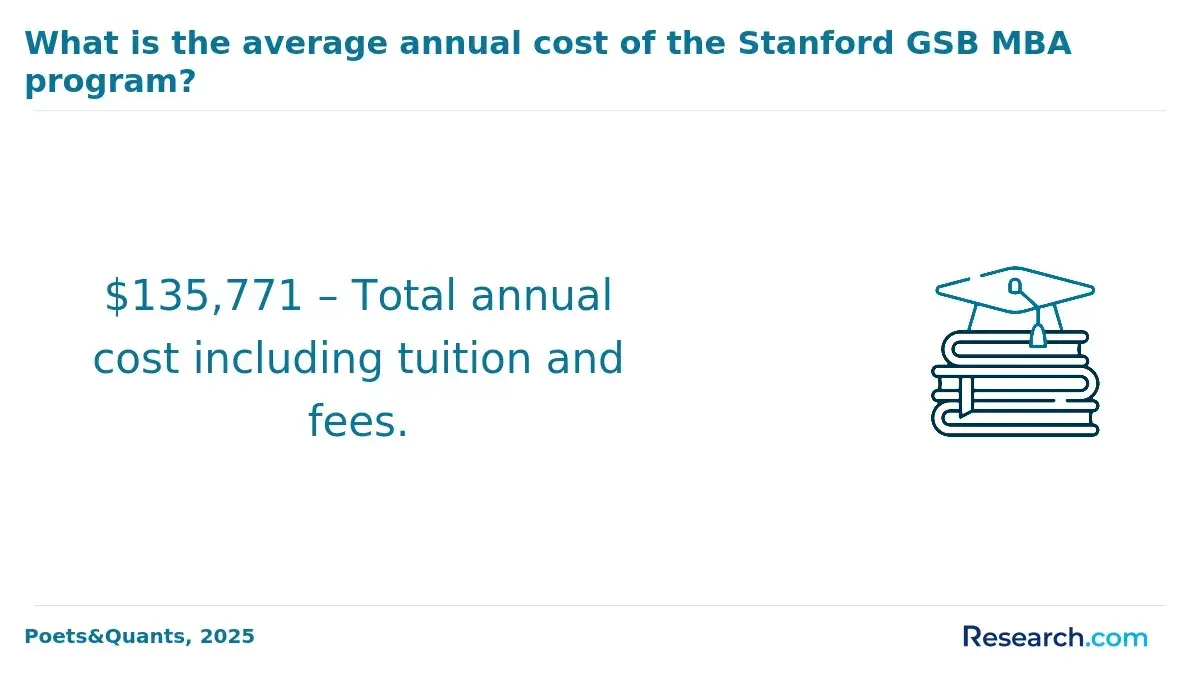
- Ethier, M. (2025). The MBA Price Tag. Poets&Quants. https://poetsandquants.com/
- Strategic Education Inc. (n.d.) Strategic Education Workforce Development Survey on Employee Sentiment During the Great Resignation. https://assets.website-files.com/6287a343bce7743f293e9ecf/629a12a6ea253e44b11e8024_SEI%20Workforce%20Survey%20Report%205.18.22.pdf
Key Insights
- Employer MBA funding can be highly valuable, but the real benefit depends on caps, eligible expenses, tax treatment, approval rules, and repayment obligations.
- Published support amounts vary widely, from $5,250 per year to around $75,000, so employees should compare net cost rather than advertised tuition alone.
- Pre-approval is critical. Many companies will not reimburse MBA courses after the fact if the employee did not follow the required process.
- Online, part-time, accelerated, executive, and specialized MBA programs can all make sense, but the best choice is the one your employer will approve and you can realistically complete while working.
- Service commitments should be treated like financial contracts. If you may leave the company soon, calculate the repayment risk before accepting tuition support.
- The strongest MBA funding requests connect the degree to company goals, internal mobility, leadership needs, and measurable business value.
Other Things You Should Know About Fortune 500 Companies That Help Pay for Employee MBAs
Yes. Many Fortune 500 tuition programs include a service commitment after the degree is completed, often 1 to 2 years. If an employee leaves early, the company may require repayment of some or all tuition, sometimes tied to the amount received.
Eligibility for MBA tuition assistance from Fortune 500 companies in 2027 usually requires full-time employment status and a minimum tenure, often six months to a year. Companies may also prioritize managerial or high-potential employees and necessitate approval from a supervisor or HR.