
2027 Different Types of Speech Pathology Degrees and Their Salaries

Co-Founder and Chief Data Scientist

Reviewed by Rhea Paul, PhD
SLP Education & Research Expert
Choosing a speech pathology degree is really a licensure, cost, and career-timeline decision. A bachelor’s program can prepare you for assistant or support roles, but independent practice as a speech-language pathologist typically requires a graduate degree, supervised clinical training, and state licensure.
This guide explains the main speech pathology degree options, how long they take, what they usually cost, which jobs they can lead to, and how salaries differ by credential level. It is designed for students comparing undergraduate majors, career changers evaluating graduate programs, and working adults deciding whether an online or accelerated path is worth the commitment.
You will also find practical guidance on specializations, accreditation, program credibility, demand in the job market, and the factors that should shape your final decision before applying.
Key Points About Different Types of Speech Pathology Degrees and Their Salaries
- Individuals with a master's degree in speech pathology typically have access to the highest earning potential, with median salaries around $97,870 annually, reflecting the requirement of this degree for most clinical certification and licensure roles in the United States.
- While an associate degree can lead to support roles such as speech pathology assistants, these positions generally earn lower salaries, averaging between $40,000 and $50,000 per year, and offer limited upward mobility compared to bachelor's or master's degree holders.
- Bachelor's degree holders in speech pathology-related fields often serve as a foundation for further graduate study but may find entry-level jobs with salaries ranging from $55,000 to $65,000, and career growth is strongly tied to pursuing a master's degree for long-term advancement and higher wages.
What Are the Different Types of Speech Pathology Degrees Available?
Speech pathology degrees build toward different career outcomes. Some prepare students for support roles, while others are designed for licensure, research, leadership, or advanced clinical practice. The right choice depends on whether you want to assist licensed clinicians, become a practicing speech-language pathologist, teach, conduct research, or move into specialized clinical leadership.
- Bachelor of Arts (BA) or Bachelor of Science (BS) in Communication Sciences and Disorders: This undergraduate degree introduces students to speech, language, hearing, swallowing, and communication development. Common coursework includes anatomy and physiology of speech mechanisms, language development, phonetics, and communication disorders. A bachelor’s degree can be a strong starting point, but it usually does not qualify graduates for independent clinical practice as speech-language pathologists.
- Master of Science (MS) or Master of Arts (MA) in Speech-Language Pathology: This is the key professional degree for students who want to become speech-language pathologists. Master’s programs focus on assessment, diagnosis, treatment planning, intervention, ethics, and supervised clinical experiences. Students study disorders related to speech, language, swallowing, fluency, voice, and cognitive communication.
- Clinical Doctorate in Speech-Language Pathology (SLP-D): The SLP-D is designed for clinicians who want deeper expertise in complex cases, evidence-based practice, supervision, program development, or leadership. It is not the typical entry-level credential for practice, but it can support advancement for experienced professionals.
- Doctor of Philosophy (PhD) in Speech-Language Pathology or Communication Sciences: A PhD is research-focused and is most appropriate for students interested in academic careers, university teaching, grant-funded research, policy work, or high-level leadership. The curriculum emphasizes research methods, statistics, theory, scholarly writing, and independent investigation.
Students comparing speech pathology with shorter career training options sometimes look at highest paying 6 month certifications. That comparison can be useful for understanding opportunity cost, but speech pathology usually requires a longer academic path because clinical practice involves graduate education, supervised training, and licensure.
What Specializations Are Available in Speech Pathology Degrees?
Specializations help speech pathology students connect their training to the populations, disorders, and work settings they care about most. They can also make clinical placements, elective choices, and early career decisions more strategic. Most students develop a specialty through graduate coursework, clinical practicum placements, continuing education, and supervised experience rather than through the degree title alone.
- Pediatric Speech-Language Pathology: This area focuses on communication and feeding-related needs in children. Students may study language delays, articulation issues, stuttering, autism spectrum disorder, Down syndrome, early intervention, school-based services, and family-centered care.
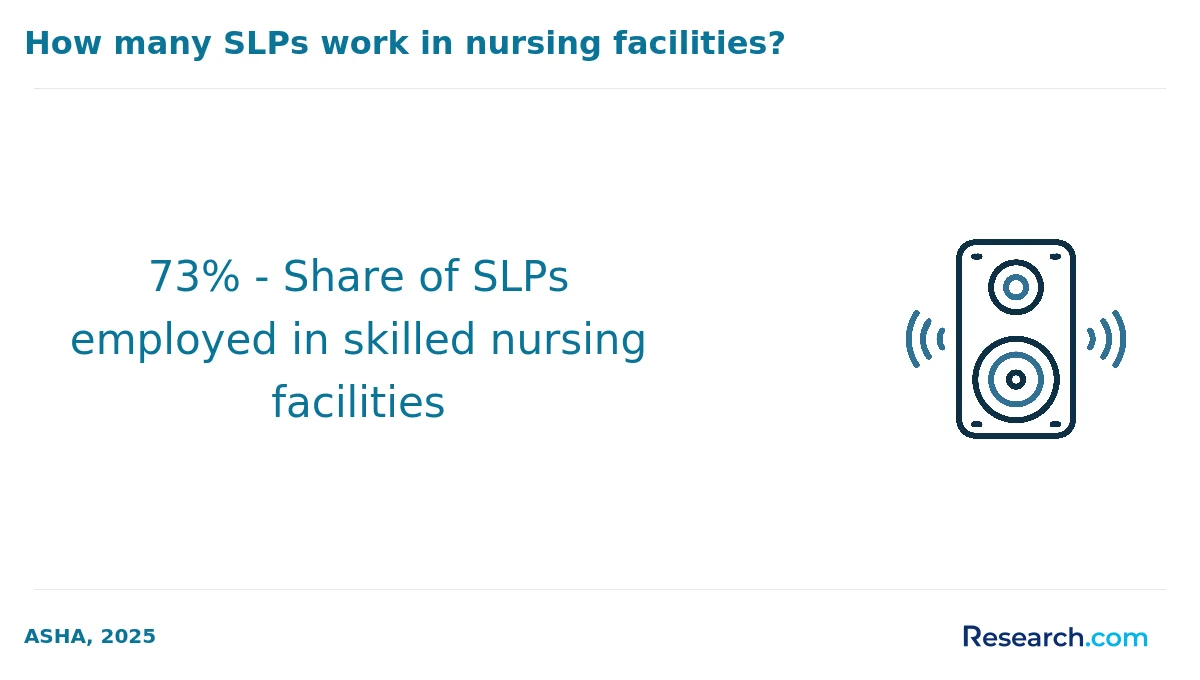
- Adult Neurogenic Speech Disorders: This specialization centers on communication and swallowing challenges linked to neurological events or conditions, including stroke and brain injury. It is especially relevant for students interested in hospitals, rehabilitation centers, long-term care facilities, or interdisciplinary medical teams.
- Voice Disorders: Voice-focused clinicians assess and treat concerns involving vocal quality, pitch, loudness, resonance, and vocal strain. This path may involve work with professional voice users, patients recovering from surgery, and individuals with medical or functional voice conditions.
- Fluency Disorders: This specialty focuses on stuttering and other disruptions in speech flow. Clinicians may work with children, teens, and adults in schools, clinics, hospitals, or private practice settings, using individualized treatment approaches and counseling-informed strategies.
- Augmentative and Alternative Communication (AAC): AAC specialists support people who cannot rely on natural speech alone. This may involve communication devices, sign language, picture systems, communication boards, and assistive technologies. AAC expertise is valuable in schools, hospitals, outpatient clinics, and specialized therapy programs.
As you compare specializations, pay close attention to each program’s clinical placement network. A school may advertise broad coursework, but your practical preparation often depends on whether you can complete supervised experiences with the populations you want to serve.
How Long Does It Take to Complete Each Type of Speech Pathology Degree?
The time required for a speech pathology degree depends on the credential level, enrollment status, transfer credits, prerequisites, and clinical training requirements. Students should plan not only for classroom time but also for observation hours, practicum placements, and any licensure-related steps after graduation.
- Associate Degree in Speech Pathology: An associate degree typically takes about 2 years to complete. Part-time study can extend the timeline, while transfer credit may shorten it. These programs are more often used as transfer pathways or preparation for assistant-level work than as direct routes to independent practice.
- Bachelor's Degree in Speech Pathology: A bachelor’s degree usually requires 4 years of full-time study. Students who attend part time, change majors, or need additional prerequisites may take longer. Those with advanced placement, dual-enrollment credits, or transfer credits may finish sooner.
- Master's Degree in Speech Pathology: A master’s degree typically takes 2 years after the bachelor’s degree and is the most common requirement for becoming a certified speech-language pathologist. Students without an undergraduate background in communication sciences and disorders may need prerequisite or leveling coursework before starting the graduate curriculum.
- Doctoral Degree (PhD or AuD) in Speech Pathology: Doctoral programs usually take between 3 to 5 years beyond the master’s degree. The timeline can vary based on research requirements, dissertation progress, clinical specialization, funding arrangements, and whether the student enrolls full time or part time.
The fastest route is not always the best route. A compressed schedule can reduce time away from the workforce, but it may leave less room for work, caregiving, repeated clinical practice, or careful preparation for licensure requirements.
Are There Accelerated Speech Pathology Degree Programs?
Yes. Accelerated speech pathology degree programs can shorten the path by combining undergraduate and graduate study or by using condensed graduate formats. Some programs allow qualified undergraduates to begin graduate-level coursework before finishing the bachelor’s degree, reducing a pathway that traditionally takes six or more years to approximately five years.
Other accelerated master’s programs use year-round terms, intensive summer sessions, hybrid delivery, online coursework, transfer credits, or advanced standing. Students who already hold a relevant bachelor’s degree may be able to finish a master’s degree in as little as 12 to 24 months, depending on the program structure and prerequisite fit.
Who accelerated programs work best for
Accelerated formats are best suited for students with strong academic records, clear career goals, reliable schedules, and the ability to handle heavy reading, writing, clinical documentation, and practicum responsibilities at the same time. A minimum GPA of 3.0 is typically expected for admission to accelerated tracks, along with completion of prerequisite courses.
Trade-offs to consider
- Advantage: You may enter the workforce sooner and reduce the total time spent in school.
- Advantage: Some credits may count toward both undergraduate and graduate requirements.
- Risk: The schedule can be intense, with limited flexibility if personal or clinical-placement challenges arise.
- Risk: Students may have less time to explore specialties, build relationships with supervisors, or recover from a difficult term.
When I spoke with a graduate of an accelerated speech pathology degree program, he described the experience as “fast and relentless.” He said the hardest part was balancing simultaneous coursework and clinical placements, but he also credited the pace with helping him build stronger time management and resilience. His main advice was to enter with clear goals, talk with advisors early, and build a support network before the workload peaks.
Students considering an accelerated program should ask direct questions about clinical placement support, graduation rates, prerequisite expectations, course sequencing, and what happens if a student needs to slow down. Saving time only helps if the program still allows you to meet licensure and clinical preparation requirements.
Are Online Speech Pathology Degrees as Credible as Traditional Ones?
Online speech pathology degrees can be just as credible as campus-based degrees when they meet the same accreditation, clinical training, and licensure preparation standards. Employers and licensing boards are generally more concerned with accreditation, supervised clinical experience, state eligibility, and program reputation than with whether lectures were completed online or in person.
Both online and traditional programs may follow standards set by the Council on Academic Accreditation in Audiology and Speech-Language Pathology (CAA), which is recognized by the American Speech-Language-Hearing Association (ASHA). Accredited online programs, including those at New York University, Emerson College, and the University of St. Augustine, combine academic coursework with supervised clinical practicums led by ASHA-certified speech-language pathologists.
Online programs often use a mix of synchronous and asynchronous coursework. Some also require campus visits for labs, simulations, exams, or hands-on skills practice. The clinical expectations are not optional: students must still complete supervised experiences in approved settings, even when the academic coursework is online.
How to judge an online program
- Confirm accreditation: Make sure the program meets the accreditation standard required for your professional goals.
- Check state licensure fit: Verify that the program’s curriculum and clinical hours align with the state where you plan to practice.
- Ask about placements: Online flexibility matters less if the school does not help students secure appropriate local clinical sites.
- Review campus requirements: Some online programs require short residencies or in-person skills sessions.
- Compare total cost: Online programs may save relocation or commuting costs, but tuition can be comparable to campus-based options. Students focused on cost can also compare most affordable online slp programs while checking accreditation and licensure alignment.
The U.S. Bureau of Labor Statistics reports a median annual wage of $97,870 for speech-language pathologists in 2026, irrespective of whether the degree was earned online or on campus. In practice, salary is more strongly shaped by licensure, setting, location, specialization, experience, and employer type than by delivery format alone.
How Much Does Each Type of Speech Pathology Degree Typically Cost?
Speech pathology costs vary widely by degree level, institution type, residency status, online versus campus delivery, and whether the student receives scholarships, assistantships, employer support, or transfer credit. The most important number is not just tuition; students should also consider fees, books, travel to clinical sites, background checks, health requirements, exam costs, and lost income if they reduce work hours.
- Associate Degree in Speech Pathology: Tuition usually ranges from $3,000 to $10,000 per year at public community colleges. In-state students typically pay less than out-of-state students, and private institutions are generally more expensive.
- Bachelor's Degree in Speech Pathology: Public universities may charge between $8,000 and $15,000 annually for in-state students, while private colleges may charge $30,000 to $50,000 per year. Students planning to continue into a master’s program should consider total education cost across both degrees.
- Post-Baccalaureate Certificate in Speech Pathology: These programs are often designed for students whose bachelor’s degree is in another field and who need prerequisite coursework before graduate admission. They typically cost between $24,000 and $29,000, depending on credits and institution.
- Master's in Speech Pathology: Because the master’s degree is the required degree for clinical practice, it is often the most consequential investment. Programs range from $56,000 to $95,000 total tuition. Public institutions are usually less expensive than private ones, although online programs can still have comparable tuition.
- Doctorate in Speech Pathology (PhD or AuD): Doctoral programs cost approximately $10,000 to $20,000 per year at public universities, with private schools tending toward higher fees. Many research-oriented doctoral programs offer tuition waivers, stipends, teaching assistantships, or research assistantships that can substantially reduce net expenses.
One graduate described tuition planning as one of the most important parts of choosing a program. She applied for several scholarships, used work-study opportunities, and compared programs against her expected career path before committing. Her advice was simple: understand the full cost early, not after admission, and choose a program that fits both your professional goals and your financial reality.
Before enrolling, ask each school for a full cost breakdown and clarify whether financial aid applies to prerequisite, certificate, online, part-time, or summer coursework. A lower advertised tuition does not always mean a lower final cost if fees, travel, or extended enrollment add up.
Breakdown of All 2-Year Online Title IV Institutions

What Jobs Can You Get with Each Type of Speech Pathology Degree?
Your degree level determines whether you qualify for support roles, licensed clinical practice, advanced specialization, teaching, or research. In speech pathology, the biggest career step usually occurs between the bachelor’s and master’s levels: a bachelor’s degree may support assistant-level work, while a master’s degree is required for independent practice as a licensed speech-language pathologist.
- Associate Degree in Speech Pathology: Graduates may qualify for entry-level roles such as speech-language pathology aide or rehabilitation aide, depending on state rules and employer requirements. Students looking for the fastest way to get associate's degree online should understand that these roles can offer useful experience but do not involve independent diagnosis or treatment.
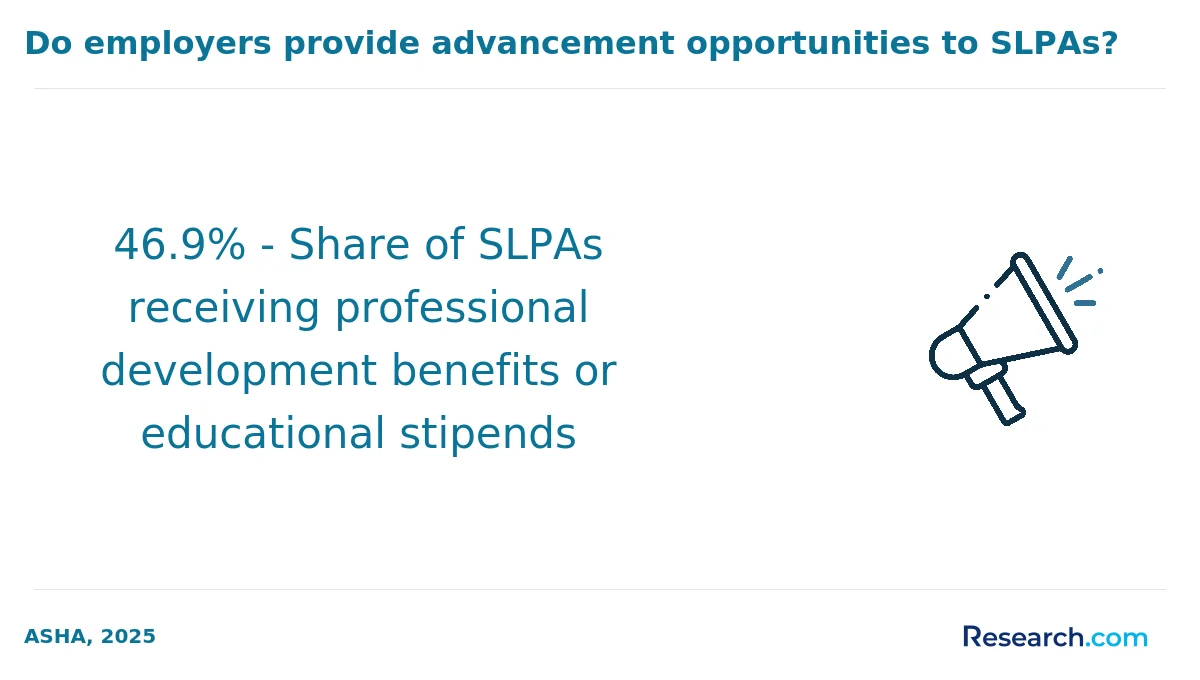
- Bachelor's Degree in Speech Pathology: Common roles include Speech-Language Pathologist Assistant (SLPA) and Audiologist Assistant, where permitted. SLPAs work under licensed professionals, support therapy activities, help with documentation, and assist in schools, clinics, and healthcare environments.
- Master's Degree in Speech Pathology: A master’s degree is required to become a licensed Speech-Language Pathologist (SLP). SLPs assess, diagnose, and treat communication and swallowing disorders in children and adults. Work settings include schools, hospitals, rehabilitation centers, private practices, outpatient clinics, and long-term care facilities.
- Doctoral Degree (PhD or AuD) in Speech Pathology or Audiology: Doctoral graduates may work in academia, research, advanced clinical leadership, university teaching, or specialized practice. Those with a Doctor of Audiology may work as audiologists, depending on licensure and state requirements.
When comparing jobs, look beyond titles. Scope of practice, supervision rules, documentation responsibilities, school-year versus year-round schedules, caseload size, and state regulations can all change the daily reality of the role.
How Do Salaries Differ by Speech Pathology Degree Type?
Speech pathology salaries generally rise with degree level, licensure, experience, specialization, and work setting. However, a higher degree does not automatically guarantee higher pay in every role. For example, many practicing clinicians hold a master’s as their highest credential, while doctoral salaries can vary depending on whether the role is clinical, academic, administrative, or research-based.
- Associate Degree in Speech Pathology: Graduates with an associate degree often work in assistant or aide roles. Speech-language pathology assistants (SLPAs) in these roles typically earn between $38,000 and $55,000 annually, depending on location, employer, and experience.
- Bachelor's Degree in Speech Pathology: Assistants with a bachelor’s degree tend to earn slightly more than those with an associate degree, usually ranging from $40,000 to $60,000. Moving significantly beyond this range often requires a master’s degree and licensure.
- Master's Degree in Speech Pathology: A master’s degree opens the path to licensed SLP roles. Starting salaries average around $57,910 per year, with median national pay near $95,410 as of May 2024. Pay can increase with experience, geographic area, specialty, and work setting, often exceeding $112,000 for those in high-demand regions or specialized settings.
- Doctoral Degree in Speech Pathology or Related Fields: Doctoral-level professionals may earn above $100,000, especially in university faculty, advanced clinical, leadership, or research roles. Still, the doctorate is not required for most clinical SLP positions.
Students planning their education budget should compare likely earnings with total debt, local job markets, and licensure requirements. Researching best affordable online colleges that accept fafsa can also help students evaluate financial aid access before committing to a degree path.
Is There High Demand for Speech Pathology Degree Holders in the Job Market?
Yes. Demand for speech pathology degree holders remains strong, especially for licensed speech-language pathologists. Several factors support the job outlook: an aging population, greater need for stroke recovery and swallowing support, increased awareness of communication disorders, school-based intervention needs, and broader use of augmentative and alternative communication (AAC) technologies.
Bilingual speech-language pathologists are also increasingly sought after as communities become more linguistically diverse. Demand can vary by region, with urban centers such as New York, Los Angeles, and Miami, as well as states with larger elderly populations, offering stronger job opportunities and competitive pay.
According to the U.S. Bureau of Labor Statistics, employment for speech-language pathologists is projected to grow 17% from 2025 to 2035, much faster than the average for all occupations. This growth translates to approximately 13,300 job openings annually, generated by both new positions and the replacement of retiring professionals.
Salaries vary by setting and experience, with median wages around $89,290 in 2023 and higher pay reported in nursing and residential care facilities. Entry-level practitioners typically earn about $85,000, while experienced specialists in pediatrics, geriatrics, or bilingual therapy can earn six-figure incomes.
For students who are still comparing healthcare, education, and skilled-career pathways, reviewing the best trade school careers can provide a broader view of occupations with strong employment prospects. Speech pathology, however, is distinct because full clinical practice generally requires graduate-level education and licensure.
What Factors Should You Consider When Picking a Type of Speech Pathology Degree?
The best speech pathology degree is the one that matches your intended role, licensure needs, budget, timeline, and learning format. Before applying, work backward from the job you want and confirm the credential required in the state where you plan to practice.
- Career Goals: A master’s degree is required to become a licensed speech-language pathologist (SLP). A bachelor’s degree can prepare you for support positions such as speech-language pathology assistant (SLPA) or rehabilitation aide. Doctoral programs are typically better suited for academic research, advanced leadership, or university teaching.
- Salary Expectations: Higher degrees often correspond with higher salaries, but licensure and role type matter just as much. Licensed SLPs with a master’s degree earn a median income around $84,140 annually, while support roles tied to a bachelor’s degree tend to have median wages between $45,000 and $55,000.
- Time Commitment: Bachelor’s degrees usually take four years, master’s degrees add about two years plus clinical hours, and doctoral study requires several more years after the master’s. Students should also plan for prerequisites, application cycles, clinical placements, and post-graduation licensure steps.
- Program Format and Flexibility: Full-time, part-time, hybrid, and online options can serve different schedules. Online coursework may be convenient, but accredited speech pathology pathways still require supervised clinical training. All accredited speech pathology degrees mandate at least 400 clinical clock hours for licensure eligibility.
- Specialization and Advancement: Look for coursework, practicum sites, and faculty expertise that support your interests, such as bilingualism, early intervention, AAC, medical speech-language pathology, or neurogenic disorders.
- Accreditation and Licensure: Enroll in a program accredited by the Council on Academic Accreditation in Audiology and Speech-Language Pathology (CAA-ASHA) if your goal is licensed practice. Only graduates from accredited master’s programs qualify for state licensure as speech-language pathologists.
A common mistake is choosing a program based only on convenience or tuition. Those factors matter, but they should not outweigh accreditation, clinical placement quality, licensure alignment, and graduate outcomes.
What Speech Pathology Graduates Say About Their Degree and Salary
- : "Completing my master's degree in speech pathology was a turning point in my life. The program’s balance between theory and hands-on clinical practice gave me the confidence to enter the workforce. The internships were especially valuable because they connected me with schools and hospitals where I could see the real impact of the work. Starting my career with this degree gave me a strong foundation and helped me advocate for clients more effectively. — Imogen"
- : "After earning my bachelor's in speech pathology, I appreciated the career flexibility it gave me. I was able to work in different settings, including early childhood centers and rehabilitation clinics, which helped me understand the populations I wanted to serve. The degree challenged me academically, but it also helped me grow in how I communicated with clients and families. It gave me the foundation to keep advancing in the field. — Cristiano"
- : "My doctorate in speech pathology strengthened my research, leadership, and advocacy skills. The research components helped me contribute to evidence-based practice and policy discussions, while the broader training opened opportunities in education, mentorship, and interdisciplinary collaboration. It expanded the ways I could influence speech therapy services beyond direct clinical care. — Dimitri"
Graduate experiences vary by program, setting, and career goal, but their comments point to a consistent lesson: the strongest speech pathology degree is not simply the highest credential. It is the degree that prepares you for the work you actually want to do, at a cost and pace you can sustain.
Other Things You Should Know About Speech Pathology Degree Programs & Salaries
In 2027, starting salaries for Speech Pathology graduates generally range from $62,900 to $134,160 annually. Factors such as geographic location, type of employment setting, and regional demand can influence the exact figure within this range.
In 2027, a master's degree in Speech Pathology significantly increases earning potential. Speech-language pathologists typically need a master's to practice, which can lead to starting salaries around $60,000 to $70,000 annually. This qualification opens doors to higher-paying roles and specialized career paths within the field.
A master's degree in Speech Pathology typically requires courses in phonetics, language disorders, audiology, and clinical practice. Students must complete around 60 credit hours, including hands-on internships. These courses prepare graduates for certification and specialized roles within the field by 2027.
References
- U.S. Bureau of Labor Statistics - Speech-Language Pathologists https://www.bls.gov/ooh/healthcare/speech-language-pathologists.htm
- ASHA EdFind - Accredited Speech-Language Pathology Programs https://find.asha.org/ed/
- Audiology and Speech-Language Pathology Interstate Compact https://aslpcompact.com/compact-map/
- Idaho State University - Master of Science in Speech-Language Pathology (Online/Distance Education) https://www.isu.edu/slp/programs-offered/slp-graduate-program/
- Abilene Christian University - Master of Science in Speech-Language Pathology (Online) https://acu.edu/academics/graduate/master-of-science-in-speech-language-pathology/
- Baylor University - Master of Science in Speech-Language Pathology (Online) https://csd.robbins.baylor.edu/graduate/online-csd-graduate-program
- Pennsylvania Western University - Master of Science in Speech-Language Pathology https://online.pennwest.edu/programs/speech-language-pathology-grad/index.php
- California State University-San Marcos - Online MS in Speech-Language Pathology https://www.csusm.edu/slp/programs/mastersonline/index.html


