
2027 Speech Pathology Degree Levels Explained: Bachelor's vs Master's vs Doctorate

Co-Founder and Chief Data Scientist

Reviewed by Rhea Paul, PhD
SLP Education & Research Expert
The speech pathology degree you choose determines what you can do in the field, how long you will spend in school, and whether you can qualify for clinical practice, research, leadership, or support roles. A bachelor’s degree can introduce you to communication sciences and disorders, but a master’s degree is generally the key credential for becoming a licensed speech-language pathologist. A doctorate is typically for professionals who want to lead advanced clinical programs, teach at the university level, or conduct research.
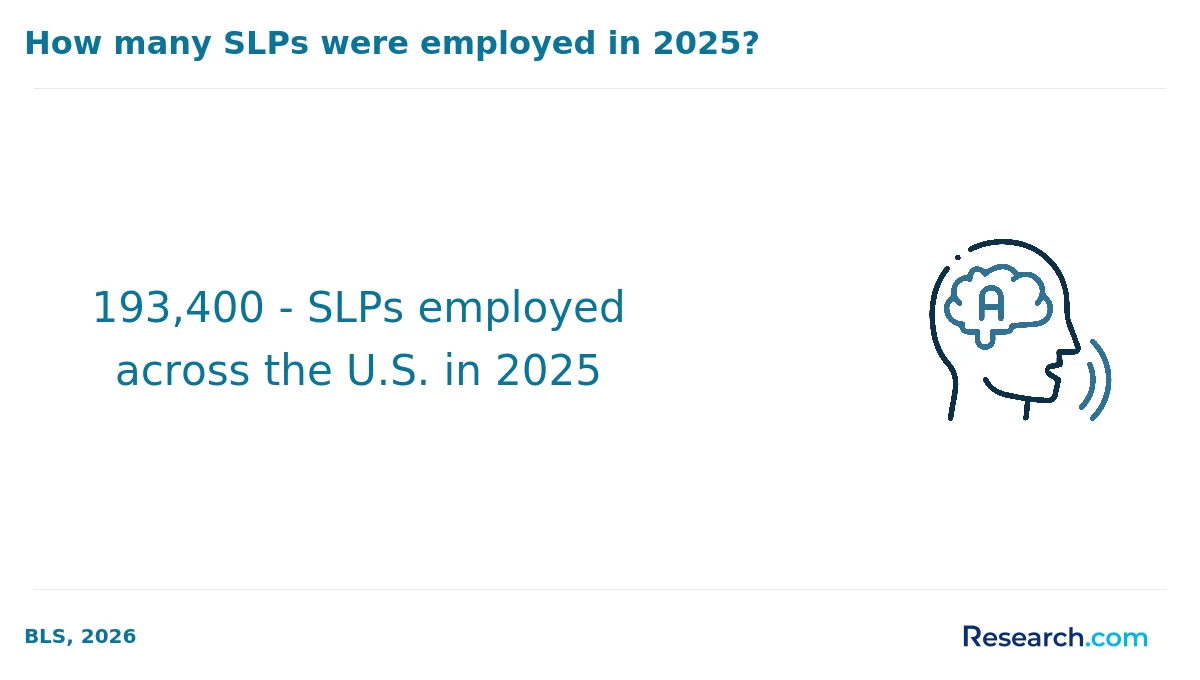
This decision matters because the field is growing: employment in speech pathology is projected to grow 17% through 2035. Demand is tied to needs in schools, hospitals, rehabilitation centers, long-term care, early intervention, and adult neurological care. Still, higher demand does not mean every degree level leads to the same job options.
This guide compares bachelor’s, master’s, and doctoral speech pathology degrees by academic structure, curriculum, admissions, time to completion, cost, financial aid, career paths, and salary outcomes. It is designed for students choosing their first degree, career changers planning graduate study, and current professionals considering whether advanced education is worth the investment.
Key Things to Know About Speech Pathology Degree Levels
- Bachelor's degrees offer foundational knowledge but limited specialization, while master's and doctorate programs provide deeper clinical expertise and research opportunities.
- Master's graduates typically enter clinical roles, whereas doctorate holders often pursue leadership, academia, or advanced research positions.
- Completing a bachelor's usually takes four years with lower costs; master's adds 2-3 years and higher tuition; doctorates require 3-4 additional years, demanding significant financial and time investment.
How Are Speech Pathology Degree Levels Structured Academically?
Speech pathology degree levels are structured as a progression: undergraduate study builds the scientific foundation, master’s study develops clinical competence, and doctoral study advances research, leadership, or specialized practice. The right level depends on whether your goal is preparation, licensure, independent clinical work, or academic and research advancement.
| Degree level | Main academic purpose | Typical emphasis | Best fit for |
| Bachelor’s degree | Foundation in communication sciences and disorders | Introductory coursework, observation, research basics, human development | Students preparing for graduate school or support roles |
| Master’s degree | Clinical preparation for speech-language pathology practice | Assessment, diagnosis, intervention, supervised clinical experiences | Students aiming for licensure and direct client care |
| Doctoral degree | Advanced clinical leadership, research, or academic preparation | Original research, advanced specialization, teaching, policy, program leadership | Professionals pursuing faculty, research, or high-level leadership roles |
The academic workload also changes substantially by degree level. Bachelor’s programs usually cover broad concepts such as phonetics, anatomy, language development, hearing science, and communication disorders. Master’s programs expect students to apply that knowledge in clinical decision-making, treatment planning, documentation, and supervised practice. Doctoral programs require a much higher level of independence, especially when students conduct original research or design advanced clinical projects.
- Coursework intensity: Bachelor’s coursework is broad and foundational. Master’s coursework is more technical and clinically demanding. Doctoral coursework is the most advanced and often requires students to critique research, develop new questions, and contribute to the field.
- Research expectations: Research may be introduced at the bachelor’s level, becomes more applied at the master’s level through a thesis, capstone, or evidence-based clinical project, and becomes central in many doctoral programs through dissertation or major scholarly work.
- Clinical preparation: Bachelor’s programs may include observation or introductory field exposure. Master’s programs typically require supervised clinical experiences. Doctoral programs may deepen clinical expertise, but the exact structure depends on whether the doctorate is professional or research-focused.
- Independent learning: Students move from instructor-guided learning in bachelor’s programs to more self-directed clinical and research work in graduate and doctoral study.
Students comparing flexible graduate routes should also examine accreditation, clinical placement support, and total cost. Cost-conscious applicants may want to compare cheapest slp master's programs alongside program outcomes, practicum requirements, and state licensure alignment.
What Do You Learn in a Bachelor's Degree in Speech Pathology?
A bachelor’s degree in speech pathology, communication sciences and disorders, or a closely related field introduces students to how speech, language, hearing, swallowing, cognition, and communication develop and break down. It is usually not enough for independent clinical practice as a speech-language pathologist, but it is a common pathway into master’s study and supervised support roles.
Students should view the bachelor’s degree as a preparation credential. It helps them confirm whether the field is a good fit, complete prerequisite coursework, and build the academic record needed for competitive graduate admission.
- Communication sciences foundation: Students study phonetics, speech and hearing anatomy, language development, speech science, and basic audiology. These courses explain how communication works before students examine disorders in depth.
- Disorders across the lifespan: Coursework may introduce speech sound disorders, fluency disorders, language disorders, hearing-related communication issues, and neurogenic communication disorders. The goal is recognition and understanding, not independent diagnosis or treatment.
- Human development and behavior: Psychology, child development, education, and social science courses help students understand the broader developmental and social contexts that affect communication.
- Observation and introductory practice: Some programs include labs, simulations, clinical observations, internships, or field experiences. These experiences help students see how licensed professionals assess clients, document progress, and collaborate with families, teachers, and healthcare teams.
- Research and data literacy: Research methods and statistics courses prepare students to read evidence-based practice literature and evaluate clinical claims. This becomes especially important in graduate-level clinical training.
- Graduate school preparation: Many students use the bachelor’s degree to complete prerequisites for a master’s program. Strong grades, faculty recommendations, relevant volunteer work, and exposure to clinical settings can strengthen an application.
A bachelor’s degree can also pair well with complementary skills in administration, program coordination, or nonprofit management. Students who want a broader business foundation may compare options such as an accredited online business degree, particularly if they are interested in clinic operations, education services, or healthcare administration later in their careers.
What Specializations Are Available in a Speech Pathology Master's Degree?
A master’s degree in speech pathology is where most students begin to shape their clinical identity. While all students need broad preparation across communication and swallowing disorders, electives, practicum placements, capstones, and clinical supervisors can help them focus on specific populations or practice settings.
Specialization should be chosen carefully. A narrow interest can help with career direction, but students should still seek strong generalist training because speech-language pathologists often work with mixed caseloads, especially in schools, hospitals, and community settings.
- Pediatric Speech Pathology: This area focuses on infants, children, and adolescents with speech, language, fluency, social communication, and developmental communication needs. Students may study early intervention, speech sound disorders, language acquisition, literacy, and family-centered services. It is a strong fit for students interested in schools, pediatric clinics, early intervention programs, or children’s hospitals.
- Adult Neurogenic Disorders: This specialization prepares students to work with adults who have communication or swallowing difficulties related to stroke, traumatic brain injury, dementia, Parkinson’s disease, or other neurological conditions. Coursework and clinical work may include aphasia, dysarthria, apraxia of speech, cognitive-communication disorders, and rehabilitation planning.
- Voice and Swallowing Disorders: Students in this area study the anatomy and physiology of voice production and swallowing, along with assessment and treatment for dysphonia and dysphagia. This path is especially relevant for medical settings, specialty clinics, rehabilitation hospitals, and multidisciplinary teams.
- Augmentative and Alternative Communication (AAC): AAC training focuses on communication strategies and technologies for people with complex communication needs. Students learn how to evaluate access methods, select communication supports, train families and teams, and integrate devices or low-tech systems into daily life.
When comparing programs, applicants should ask how specialization is delivered. Some programs offer formal tracks, while others provide specialization through electives and clinical placements. The practical question is not only what appears in the catalog, but whether the program can place students with supervisors and clients in the area they want to develop.
What Types of Doctoral Degrees Exist in Speech Pathology?
Doctoral study in speech pathology is not one single path. Programs differ by purpose: some prepare advanced clinicians and leaders, while others prepare researchers and faculty members. Doctoral enrollment in this field has increased by more than 15% over the past decade, reflecting growing interest in advanced expertise, research, and leadership.
The most important decision is whether you want a professional doctorate or a research-focused doctorate. The titles, requirements, and career outcomes can vary by institution, so applicants should review each program’s curriculum, faculty expertise, dissertation or capstone requirements, and graduate outcomes.
- Professional Doctorates: Professional doctorates, such as the Doctor of Audiology or Doctor of Speech-Language Pathology, emphasize advanced practice, clinical leadership, diagnostics, service delivery, and applied problem-solving. These programs are often designed for clinicians who want to lead programs, supervise teams, develop specialized services, or move into healthcare leadership.
- Research-Focused Doctorates: A PhD is typically designed for students who want to conduct original research, teach at the university level, publish scholarly work, or influence the field through evidence generation. Students learn research design, data analysis, grant or manuscript preparation, and theory development. The dissertation is usually a central requirement.
- Specialized or Interdisciplinary Tracks: Some doctoral programs connect speech pathology with neuroscience, education, public health, psychology, disability studies, rehabilitation science, or cognitive science. These tracks may be useful for students interested in areas such as cognitive communication disorders, language and literacy, motor speech disorders, or health services research.
A graduate of a doctorate speech pathology program described the experience as demanding but valuable. He said balancing clinical responsibilities with intensive research was “both the most challenging and rewarding part” of the journey. He also noted that time management was essential because “there were moments of self-doubt, but the collaborative support from peers and mentors made a significant difference.”
His experience reflects a common reality of doctoral study: the degree can deepen expertise and open new professional options, but it requires sustained motivation, strong mentorship, and a clear reason for pursuing advanced training.
What Are the Admission Requirements for Each Speech Pathology Degree Level?
Admission requirements become more selective as students move from bachelor’s to master’s to doctoral programs. Bachelor’s programs usually evaluate overall college readiness. Master’s programs look for prerequisite preparation, academic strength, and evidence that the applicant understands the profession. Doctoral programs focus heavily on research fit, professional goals, and readiness for independent scholarship or advanced clinical work.
Bachelor's
- Educational background: Applicants generally need a high school diploma or equivalent.
- GPA requirements: Many programs expect a minimum GPA of approximately 2.5 to 3.0, although standards vary by institution.
- Standardized tests: Some schools may request SAT or ACT scores, while others use test-optional or test-free admissions policies.
- Prerequisite preparation: High school or early college coursework in biology, psychology, statistics, anatomy, or communication-related subjects can be helpful, even when not formally required.
- Application materials: Students may need transcripts, essays, recommendations, and evidence of extracurricular or service experience, depending on the college.
Master's
- Undergraduate degree: Applicants must have completed a bachelor’s degree, often in speech pathology, communication sciences and disorders, or a related field. Students from other majors may need leveling or prerequisite coursework.
- GPA expectations: A stronger academic record is typically expected, often a GPA of 3.0 or higher.
- Coursework prerequisites: Programs commonly require background in anatomy, linguistics, psychology, speech and hearing science, statistics, or related subjects.
- Supplemental materials: Personal statements, letters of recommendation, resumes, and documentation of clinical observation, volunteer work, research, or related service experience can strengthen an application.
- Fit with the program: Applicants should show that their goals match the program’s strengths, especially if they are interested in a particular population, setting, or specialization.
Doctorate
- Prior degree: A master’s degree in speech pathology or a closely related discipline is usually required, though requirements vary by doctoral type and institution.
- Academic excellence: Programs often expect a strong graduate GPA and evidence of advanced writing, analysis, and independent learning.
- Research experience: Research-focused programs may ask for scholarly writing samples, prior research experience, or a research proposal. A close match with a faculty mentor can be especially important.
- Professional experience: Professional doctorate programs may value clinical experience, leadership roles, specialty certifications, or documented professional accomplishments.
- Recommendations: Multiple letters from academic and professional mentors help programs evaluate readiness for doctoral-level work.
A common mistake is applying based only on program reputation. Applicants should also verify accreditation, licensure alignment, clinical placement support, faculty expertise, and whether the program’s format fits their work and family responsibilities.
How Long Does Each Speech Pathology Degree Level Take to Complete?
Time to completion depends on degree level, enrollment status, prerequisites, clinical placements, and research requirements. On average, bachelor’s programs take approximately 4.2 years, master’s programs take around 2.3 years, and doctoral degrees take close to 5.1 years to finish.
| Degree level | Average completion time | What can extend the timeline |
| Bachelor’s degree | Approximately 4.2 years | Part-time enrollment, transfer credit issues, changing majors, missing prerequisites |
| Master’s degree | Around 2.3 years | Clinical placement scheduling, prerequisite gaps, part-time study, practicum availability |
| Doctoral degree | Close to 5.1 years | Dissertation research, funding limits, teaching or clinical responsibilities, data collection delays |
Several factors can shorten or lengthen a student’s timeline:
- Enrollment status: Full-time students usually finish sooner. Part-time students may need longer, especially if required courses are offered only in certain terms.
- Transfer credits: Prior college credits can reduce undergraduate time, but transfer policies vary. Graduate programs may be stricter about accepting prior coursework.
- Prerequisite completion: Students entering a master’s program from another major may need additional foundational courses before or during graduate study.
- Program format: Online, hybrid, and in-person programs may follow different pacing models. Flexibility can help working students, but it does not eliminate clinical requirements.
- Clinical requirements: Supervised clinical hours, internship availability, site approvals, and supervisor schedules can affect completion time.
- Research requirements: Doctoral students may experience delays related to proposal approval, recruitment, data collection, analysis, and dissertation defense.
A graduate from an online master’s speech pathology degree said, “Balancing work and family while completing clinical hours was challenging and often unpredictable. The flexibility of the online format allowed me to manage coursework on nights and weekends, but coordinating internships took some time, pushing the program closer to three years for me.”
She added, “I appreciated how each stage prepared me thoroughly, even if it demanded more patience than I initially expected.” Her experience shows why students should ask programs detailed questions about clinical placement timelines before enrolling.
How Much Does Each Speech Pathology Degree Level Cost?
The cost of a speech pathology degree depends on the institution, residency status, delivery format, credit requirements, fees, clinical expenses, and how long the student remains enrolled. Bachelor’s degrees often have lower per-credit tuition than graduate programs, but they require more total undergraduate credits. Master’s and doctoral programs may charge higher tuition and additional fees because they include clinical training, lab resources, supervision, and research support.
- Tuition per credit: Undergraduate tuition is often lower per credit than graduate tuition. Master’s and doctoral programs may cost more per credit because coursework is more specialized and faculty supervision is more intensive.
- Total program cost: Bachelor’s programs can carry a substantial total cost because they span a full undergraduate degree. Master’s programs may have higher clinical and program fees. Doctoral programs can become expensive because they usually take longer and may require extensive research or residency commitments.
- Mandatory fees: Students may pay technology, student services, lab, clinical training, materials, or equipment fees. These should be reviewed before enrollment because they can materially change the real cost of attendance.
- Clinical and placement expenses: Graduate students may need to budget for background checks, immunizations, liability insurance, travel to clinical sites, uniforms, software, or assessment materials.
- Books and exams: Textbooks, software subscriptions, certification-related expenses, and examination fees can add to the total cost, especially at the master’s level.
- Enrollment status: Full-time study may require more money upfront but can reduce the number of terms in which students pay recurring fees. Part-time study can spread costs out but may increase the total time in school.
Students comparing graduate education more broadly may also review an executive online MBA to understand how professional programs differ in cost, flexibility, and career return.
The best cost comparison includes more than tuition. Students should calculate total attendance cost, estimate borrowing needs, compare financial aid offers, and ask whether the program provides clinical placement support. A low advertised tuition may be less valuable if students must arrange difficult placements on their own or delay graduation because required experiences are unavailable.
What Financial Aid Options Are Available for Speech Pathology Degrees?
Financial aid can determine whether a speech pathology program is realistic, especially at the graduate level. Around 85% of undergraduate students received some form of financial aid in the 2019-2020 academic year, with the average aid amount surpassing $14,000. Students should compare aid packages, not just tuition prices, because grants, scholarships, assistantships, and loan terms can change the true cost of a degree.
- Grants and Scholarships: Grants and scholarships are valuable because they generally do not require repayment. Awards may be based on financial need, academic performance, service background, professional goals, or commitment to underserved populations.
- Federal Loans: Federal loans are commonly used to fill funding gaps. They may offer borrower protections and repayment options that private loans do not provide. Students should borrow only what they need and understand repayment obligations before accepting funds.
- Private Loans: Private loans can help cover remaining costs, but they often have fewer protections and may depend on credit history or a cosigner. They should usually be considered after federal aid options are reviewed.
- Work-Study Programs: Work-study can provide part-time income while students are enrolled. Relevant campus jobs, research assistant roles, or support positions may also build experience for future applications.
- Assistantships and Fellowships: Graduate and doctoral students should ask about teaching assistantships, research assistantships, clinical assistantships, tuition reductions, stipends, and fellowships. Availability varies by program.
- Employer Tuition Assistance: Working professionals may receive tuition support from employers, especially if the degree supports a current role or future organizational need. Students should check service commitments or repayment clauses.
- Military Education Benefits: Eligible service members and veterans may use benefits such as the GI Bill to help finance education.
Students should submit financial aid forms early, track scholarship deadlines, and ask each program for a complete cost breakdown. Those comparing affordability across online education can review cheap online degrees to see how tuition, fees, and funding options vary across programs.
What Careers Are Available at Each Speech Pathology Degree Level?
Career options differ sharply by degree level. A bachelor’s degree may lead to support or assistant roles, depending on state rules and employer requirements. A master’s degree is generally the entry point for licensed speech-language pathology practice in the U.S. A doctorate can support advanced clinical leadership, research, university teaching, policy, or specialized program development.
Bachelor's
- Speech Pathology Assistant: Graduates may support licensed speech-language pathologists by helping implement treatment activities, preparing materials, collecting data, or supporting screenings under supervision. Scope of practice varies by state and employer.
- Support Staff Roles: Bachelor’s graduates may work in schools, clinics, rehabilitation centers, early intervention offices, or healthcare organizations in administrative or client-support roles.
- Entry-Level Human Services or Education Roles: The degree can be useful for positions involving children, disability services, case coordination, or communication support, although it usually does not qualify graduates for independent clinical practice.
Master's
- Licensed Speech-Language Pathologist: A master’s degree is the standard route to independent clinical practice. Speech-language pathologists assess and treat speech, language, cognitive-communication, voice, fluency, and swallowing disorders in settings such as schools, hospitals, outpatient clinics, rehabilitation facilities, and private practice.
- Clinical Specialist: With experience and focused training, master’s graduates may specialize in pediatrics, adult neurogenic disorders, dysphagia, AAC, fluency, voice, or other areas.
- Clinical Research and Program Roles: Some master’s-prepared clinicians contribute to applied research, quality improvement, professional training, or program development.
Doctorate
- Researcher: Doctoral graduates may conduct studies that improve assessment tools, treatment methods, service delivery, and understanding of communication disorders.
- Educator: Many doctorate holders work as university faculty, train future speech-language pathologists, supervise student research, and develop curriculum.
- Healthcare Leader: Doctoral-level professionals may lead clinical programs, influence policy, design specialized services, or oversee interdisciplinary teams.
Students considering faster graduate options should be cautious and verify accreditation, clinical requirements, and licensure alignment. Resources on one year masters programs can help prospective students understand accelerated formats, but speech pathology students should confirm that any accelerated path still meets professional and state requirements.
How Do Salaries Compare Among Bachelor's vs Master's vs Doctorate Speech Pathology Graduates?
Salary potential generally rises with degree level because higher credentials open access to licensed clinical practice, specialization, leadership, research, and academic roles. However, pay also depends on location, employer type, years of experience, setting, caseload, state funding, and specialty area. Students should treat salary ranges as planning estimates, not guarantees.
- Bachelor's Degree: Graduates with a bachelor’s in speech pathology typically work in roles that do not qualify them for independent practice or certification. Earnings are generally entry-level, ranging from about $40,000 to $55,000 annually, depending on the job market and responsibilities.
- Master's Degree: A master’s is the minimum requirement for licensing as a speech-language pathologist in the U.S., opening access to higher-paying positions in clinical and educational settings. Salaries commonly fall between $70,000 and $90,000, with increases possible through specialization and experience.
- Doctorate Degree: Doctoral graduates often pursue advanced clinical, research, academic, or leadership roles. Annual earnings for these professionals usually range from $90,000 to $120,000 or more, especially in university roles or specialized clinical fields.
The degree with the best financial return is not automatically the highest degree. For many students, the master’s degree is the key salary and licensure step. A doctorate may be worth it when it clearly supports a goal such as faculty work, research leadership, advanced specialization, or administrative advancement.
What Graduates Say About Their Speech Pathology Degree Level
- : "Pursuing a bachelor's degree in speech pathology was a defining choice for me, despite the average cost of attendance being around $30,000. The investment felt worthwhile as it laid the foundation for my passion in helping others communicate effectively. Today, I'm grateful for how this degree has opened doors to a fulfilling career in schools and clinics. — Cole"
- : "Choosing to get my master's in speech pathology involved weighing the significant tuition fees, which averaged near $40,000. Reflecting on this, I see it was a strategic decision that equipped me with advanced skills and credibility essential for clinical practice. Completing the degree has dramatically boosted my confidence and professional opportunities in healthcare settings. — Luis"
- : "Obtaining a doctorate in Speech Pathology was a rigorous journey, and the cost of such programs can be quite high, often exceeding $50,000. Nevertheless, the depth of knowledge and research experience I gained has profoundly influenced my career path in academia and specialized therapy. This degree empowered me to contribute meaningfully to the field and advocate for evidence-based practices. — Andrew"
Other Things You Should Know About Speech Pathology Degrees
No, a bachelor's degree alone does not qualify you for licensure as a speech pathologist. You will need at least a master's degree in speech-language pathology and state licensure to practice professionally in 2027.
A doctorate in speech pathology can qualify you for advanced research, university teaching, and senior leadership roles that a master's degree usually does not. It does not replace the clinical licensure route for practicing as a speech-language pathologist, which still centers on accredited graduate training and supervised practice requirements.
A master's degree in speech pathology typically takes 2 to 3 years to complete in 2027, including coursework and clinical practicum. Programs usually require around 60 to 75 credit hours and are essential for obtaining the Certificate of Clinical Competence (CCC).
References
- U.S. Bureau of Labor Statistics - Speech-Language Pathologists https://www.bls.gov/ooh/healthcare/speech-language-pathologists.htm
- ASHA EdFind - Accredited Speech-Language Pathology Programs https://find.asha.org/ed/
- ETS Praxis - Speech-Language Pathology (5331) https://praxis.ets.org/test/speech-language-pathology-5331.html
- Maryville University - Master of Science in Speech-Language Pathology https://www.maryville.edu/masters/speech-language-pathology/
- Baylor University - Master of Science in Speech-Language Pathology (Online) https://csd.robbins.baylor.edu/graduate/online-csd-graduate-program
- Auburn University, Montgomery - Master of Science in Speech-Language Pathology https://www.aum.edu/degree/ms-speech-language-pathology/
- Emerson College - Master of Science (M.S.) in Communication Disorders (Speech@Emerson, online) https://speech.emerson.edu/
- California State University-San Marcos - Online MS in Speech-Language Pathology https://www.csusm.edu/slp/programs/mastersonline/index.html


