2027 Cheapest and Shortest Online Chemistry Degree Programs That Pay Well: Cost, Duration, and Salary Outlook

Co-Founder and Chief Data Scientist
Choosing an online chemistry degree usually comes down to three questions: Can you afford it, can you finish it quickly, and will the credential help you qualify for better work? Those trade-offs matter more in chemistry than in many other fields because students must evaluate not only tuition and delivery format, but also lab requirements, accreditation, transfer credit, and employer recognition.
According to the National Center for Education Statistics, online program enrollment surged by over 30% in recent years, showing that more students are looking for flexible degree options. Chemistry can also offer a meaningful return on investment: chemistry degree holders report median annual salaries above $75, 000, though actual earnings depend heavily on role, location, experience, industry, and whether the graduate has completed appropriate lab training.
This guide focuses on the cheapest and shortest online chemistry degree programs for students who want a practical path into chemistry-related work without overspending or delaying graduation. It explains typical costs, financial aid, accelerated formats, online lab delivery, skills gained, legitimacy checks, career outcomes, and how to compare programs before enrolling.
Key Benefits of the Cheapest and Shortest Online Chemistry Degree Programs That Pay Well
- Cheapest online chemistry degrees reduce tuition expenses by up to 50%, making STEM education more accessible without sacrificing quality.
- Shorter programs can be completed in as little as two years, allowing faster entry into the workforce amid growing demand for skilled chemists.
- Graduates often earn competitive starting salaries averaging $60,000 annually, reflecting strong return on investment in chemistry careers.
How Much Does an Affordable Online Chemistry Degree Typically Cost?
An affordable online chemistry degree usually costs less than many campus-based options, but the final price depends on credit requirements, transfer credits, lab fees, residency status, and whether the student chooses a public or private institution. The average cost per credit hour for online undergraduate programs typically ranges from $300 to $500. Some programs reduce expenses by eliminating commuting and housing costs, but chemistry students should still budget for lab-related materials and technology fees.
Total tuition for online chemistry degrees generally falls between $15,000 and $40,000. The lowest advertised tuition is not always the best value, especially if the program has weak transfer policies, limited lab access, or poor career support.
| Cost factor | What to check before enrolling |
| Tuition range | Compare total program cost, not only the per-credit rate. Total tuition for online chemistry degrees generally falls between $15,000 and $40,000, depending on institution type and required credits. |
| Credit-based pricing | Most programs charge by credit hour. For example, a 120-credit bachelor's degree at around $350 per credit could cost approximately $42,000 before additional fees. |
| Additional expenses | Ask about laboratory kits, textbooks, online platform fees, proctoring, software, and technology charges. These can add several hundred to a few thousand dollars. |
| Accelerated pacing | The cost of accelerated online chemistry programs may be lower overall if students finish in three years or less and reduce time away from full-time work. |
| Career return | Graduates in chemistry-related fields can expect median annual salaries that range from about $58,000 for chemical technicians to over $90,000 for chemists, depending on role and qualifications. |
Students should also confirm whether online tuition is charged at a flat rate or whether out-of-state students pay more. If the program requires in-person labs, factor in travel, lodging, and time off work. For readers comparing affordable online science and healthcare pathways, research on online SLP master's programs can provide a useful cost comparison.
Can You Get Financial Aid in the Cheapest Online Chemistry Programs?
Yes. Students in the cheapest online chemistry programs may qualify for financial aid if the school is properly accredited and participates in eligible aid programs. Financial aid can significantly reduce out-of-pocket costs, especially when tuition averages between $200 and $400 per credit. Nearly 85% of online undergraduates benefit from some form of financial assistance, making aid planning essential for cost-conscious students.
The most important step is to confirm eligibility before applying. A low-cost program that does not qualify for federal aid may be more expensive in practice than a higher-priced accredited option with grants, scholarships, and employer reimbursement.
- Federal Grants: Pell Grants and other federal grants are based on financial need and do not require repayment. These are often the most valuable aid sources for eligible undergraduate chemistry students.
- Scholarships: Scholarships from professional chemistry societies, STEM organizations, universities, and local foundations can reduce borrowing. Some awards target academic performance, financial need, career goals, or students entering science fields.
- Student Loans: Federal and private student loans can help cover remaining costs, but students should borrow cautiously. Chemistry salaries vary by occupation, so repayment should be compared with realistic entry-level earnings.
- Employer Assistance: Some science, manufacturing, healthcare, environmental, and technology employers offer tuition assistance or reimbursement. Working adults should ask whether the benefit applies to online programs and whether they must remain employed for a set period after graduation.
Eligibility commonly depends on enrollment status, income, academic progress, citizenship or residency status, and whether the institution participates in financial aid programs. Students should file the FAFSA early, ask the financial aid office for a full cost estimate, and request written confirmation of aid eligibility. Those considering other accelerated online options may also compare a fast track psychology degree online to understand how aid can work across different fields.
What Are the Shortest Online Chemistry Degree Programs?
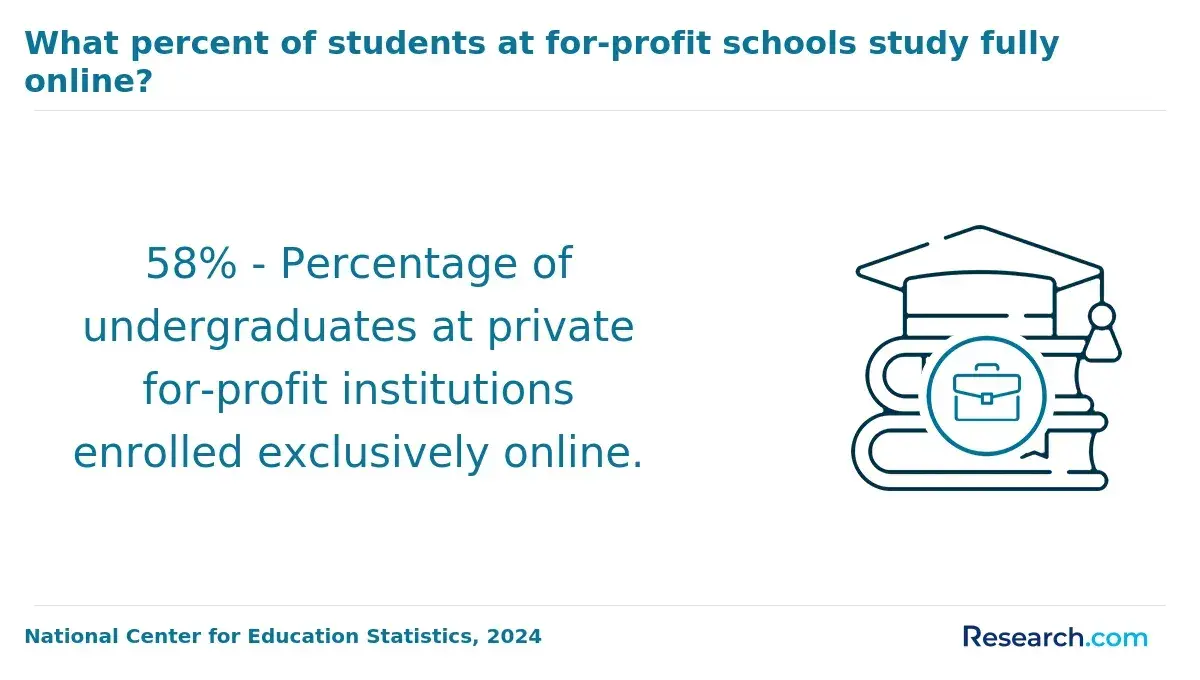
The shortest online chemistry degree programs are usually accelerated bachelor's degrees, degree-completion pathways, or transfer-friendly programs that let students apply prior college credits. Data from the National Center for Education Statistics shows that around 35% of online bachelor's degree seekers finish their studies faster than the traditional four years, often through condensed terms and year-round enrollment.
Students should be careful with the word “shortest.” A fast program is only useful if it provides enough chemistry coursework, lab experience, and recognized credit to support employment or graduate study. Speed should not come at the expense of academic credibility.
- Accelerated bachelor's degrees: These programs often use 8-week or modular terms instead of standard 15-week semesters. Students who take heavy course loads may finish in as little as 2.5 to 3 years.
- Associate-to-bachelor's completion tracks: Students who already hold an associate degree in chemistry or a related field may complete remaining bachelor's requirements more quickly. These pathways are typically completed online in 18 to 24 months, depending on transfer credits and course availability.
- Flexible pacing and competency-based formats: Some programs allow students to move through modular coursework by demonstrating mastery. This can benefit working adults with prior science experience, but students should confirm that credits transfer and that employers recognize the credential.
On average, tuition for accelerated chemistry bachelor's degrees ranges from $300 to $600 per credit with total requirements of around 120 to 130 credits. Graduates often achieve median salaries between $60,000 and $75,000, with higher earnings in specialized areas like pharmaceutical chemistry.
Before choosing the fastest option, ask whether all required courses are offered every term, whether labs can be completed online, and whether prerequisite sequencing could delay graduation. Students comparing accelerated degree models in other disciplines may also review MFT programs online for broader insight into fast-track planning.
What Is the Typical Format of the Shortest Online Chemistry Degree Programs?
The shortest online chemistry degree programs usually use compressed terms, frequent start dates, and structured weekly deadlines. Instead of stretching a course across a traditional 15-week semester, many accelerated programs organize coursework into 5 to 8 weeks. This allows students to complete more courses during the year, but it also increases weekly intensity.
These programs are best for students who can study consistently, manage deadlines without frequent reminders, and handle technical science content in a condensed format.
- Term Length: Terms typically last 5 to 8 weeks, compared with traditional 15-week semesters. Students often take fewer courses at once but move through material faster.
- Course Delivery: Most coursework is asynchronous, which means students can view lectures, complete readings, and submit assignments on their own schedule. Some courses also include synchronous sessions, such as live discussions, review meetings, or virtual lab demonstrations.
- Weekly Workload: Students often invest 15 to 20 hours weekly. In chemistry, that time may include lectures, problem sets, lab reports, simulations, discussion posts, quizzes, and exam preparation.
- Student Engagement: Strong programs include instructor access, peer discussion, group projects, tutoring, and feedback on lab work. These supports matter because accelerated science courses leave little room to recover from falling behind.
A graduate from an accelerated online chemistry program described the format as demanding but manageable with strict planning. “Balancing work and intense coursework required discipline, especially with back-to-back modules,” she shared.
The key advantage is momentum. Students can progress quickly, but they need a realistic weekly schedule before the term begins. Anyone working full time should ask whether the school recommends taking one science course at a time or whether it supports heavier loads.
How Do Online Classes Work for Accelerated Chemistry Degrees?
Online classes in accelerated chemistry degrees are usually built around short terms, weekly modules, digital course materials, and structured deadlines. Courses often span 5 to 8 weeks rather than a traditional 15-week semester. This format may suit motivated students who want to finish in 18 to 24 months, and about 60% of online undergraduate chemistry learners complete their courses within expected timeframes according to recent data.
Because chemistry is a lab-based discipline, students should look closely at how each program handles experiments, safety procedures, instrumentation, and hands-on learning. A program that is fully online for lectures may still require lab kits, virtual labs, local lab placements, or short campus residencies.
- Blended Learning Methods: Many courses combine asynchronous lectures and assignments with scheduled synchronous sessions such as live discussions, problem-solving workshops, or lab demonstrations.
- Consistent Weekly Pacing: Assignments, quizzes, discussion activities, and lab reports are usually spread across each week. This structure helps students avoid last-minute overload in condensed terms.
- Interactive Engagement: Discussion boards, video conferencing, shared documents, instructor office hours, and group projects help students ask questions and collaborate remotely.
- Virtual Lab Access: Many programs use remote simulations or instrumentation access to support laboratory learning. Students should confirm whether these experiences satisfy future employer, graduate school, or certification expectations.
- Time and Cost Efficiency: Condensed courses can shorten the path to graduation and reduce total education-related costs, especially for students who maintain steady enrollment and avoid repeating courses.
Before enrolling, ask for a sample course calendar. It should show when lectures, labs, exams, reports, and synchronous meetings occur. This is the best way to judge whether the accelerated pace fits your work schedule and personal responsibilities.
What Skills Do Students Gain from a Shortest-Track Online Chemistry Degree?
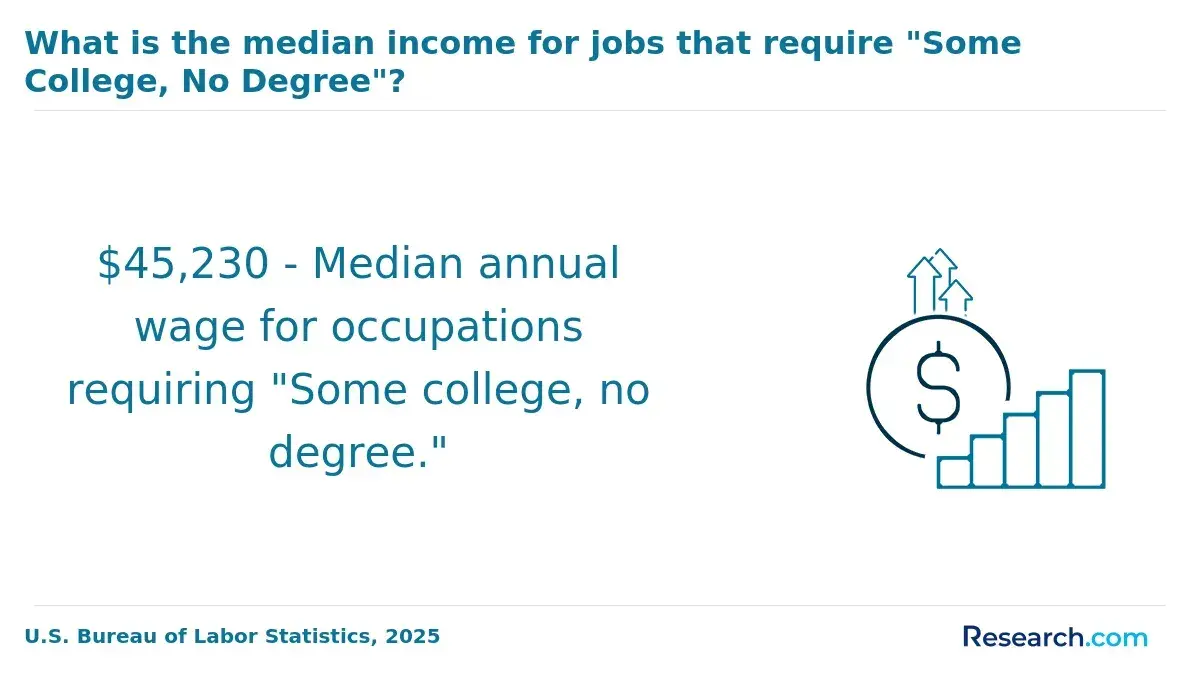
A shortest-track online chemistry degree is designed to build the same core scientific foundation as a traditional program, but in a faster and more structured format. Students develop technical, analytical, and professional skills that can support work in laboratories, manufacturing, environmental testing, pharmaceuticals, quality assurance, and related fields. The American Chemical Society notes that graduates finishing their degrees within three years often excel in using advanced chemical software, a valuable advantage in many STEM careers.
- Technical Proficiency: Students practice laboratory methods, chemical calculations, data interpretation, safety procedures, and use of digital chemistry tools. Depending on the program, this may involve lab kits, simulations, remote instruments, or in-person lab components.
- Critical Thinking and Problem-Solving: Chemistry coursework trains students to evaluate reactions, interpret experimental results, troubleshoot errors, and apply scientific reasoning to unfamiliar problems.
- Communication Skills: Students learn to write technical reports, explain data clearly, create scientific presentations, and collaborate with classmates or lab partners. These skills are important in regulated and team-based workplaces.
- Professionalism and Time Management: Accelerated programs require disciplined scheduling, careful prioritization, and consistent progress. Students who succeed often leave with stronger planning habits and greater independence.
A recent graduate who completed the fastest online chemistry degree described the experience as intense while working full time. “The program forced me to develop strict routines and careful planning. Some weeks, it felt overwhelming, but pushing through helped me build resilience.”
He also noted that remote lab simulations improved his self-motivation and technical independence. For students entering the job market, the strongest programs connect these online experiences to workplace expectations by emphasizing accuracy, documentation, safety, and adaptability with new software.
Are Cheap and Fast Online Chemistry Degree Programs Considered Legitimate?
Cheap and fast online chemistry degree programs can be legitimate, but students must verify quality before enrolling. Low tuition and accelerated pacing are not warning signs by themselves. The real issue is whether the program is accredited, academically rigorous, transparent about lab requirements, and recognized by employers or graduate schools.
Use the following checks to separate credible programs from weak or risky options:
- Accreditation: Confirm that the institution is accredited by recognized agencies, such as the American Chemical Society or regional bodies. Accreditation affects financial aid eligibility, credit transfer, graduate school admission, and employer confidence.
- Faculty Credentials: Review instructor biographies. Strong programs are usually taught by faculty with advanced degrees, relevant laboratory experience, research activity, or professional chemistry backgrounds.
- Curriculum Coverage: A credible chemistry program should cover core areas such as general chemistry, organic chemistry, analytical chemistry, physical chemistry, laboratory methods, and data analysis, depending on degree level.
- Licensing Eligibility: If a career path requires a professional license or certification, confirm that the degree meets educational requirements. Do not rely only on marketing language; request written confirmation from the school and, when applicable, the licensing body.
- Industry Recognition: Review employer partnerships, internship options, graduate outcomes, alumni roles, and acceptance into advanced programs. Graduates from accredited programs usually have stronger employment prospects and more portable credentials.
Students should be cautious of programs that promise unrealistic completion times, avoid disclosing lab requirements, lack clear accreditation information, or pressure applicants to enroll quickly. A legitimate program should make it easy to verify tuition, curriculum, faculty, accreditation, graduation requirements, and student support.
What Are the Highest-Paying Roles for Online Chemistry Degree Graduates?
Online chemistry degree graduates can pursue well-paying roles, especially when their program includes strong lab preparation, recognized accreditation, and coursework aligned with industry needs. The highest-paying paths often require experience, advanced technical skills, graduate education, or specialized knowledge in pharmaceuticals, engineering, materials, or research.
Below are several high-paying chemistry-related careers in the US and what students should know about them.
- Pharmaceutical Scientists: These professionals help develop new drugs and therapies through laboratory research, formulation work, testing, and clinical trial coordination. Their median annual salary typically ranges from $90,000 to $110,000, with experienced scientists earning more in advanced positions.
- Chemical Engineers: Chemical engineers apply chemistry and engineering principles to design, scale, and improve manufacturing processes in sectors such as energy, materials, and consumer products. They commonly earn a median wage around $108,000, and salaries can exceed $150,000 in specialized or senior roles. Students should note that chemical engineering roles may require an engineering-specific degree rather than a general chemistry degree.
- Research Chemists: Research chemists work in academia, private industry, or government labs to develop, test, and analyze compounds. Salary ranges vary widely based on employer and specialty but generally fall between $70,000 and over $100,000. Additional training and experience in emerging areas such as green chemistry can improve earning potential.
Fast-track online chemistry programs usually cost between $12,000 and $30,000 and can be completed in as little as 1.5 to 2 years, allowing some students to move into higher-paying roles sooner. However, students should compare salary goals with degree level, lab experience, and employer requirements before assuming that any online chemistry degree will qualify them for the same positions.
Cost-conscious students comparing accelerated graduate-level options in other fields can also review the cheapest online EdD programs to see how affordability and time-to-completion differ across disciplines.
What Is the Job Placement Rate for Online Chemistry Graduates?
Many online chemistry programs report employment rates exceeding 85% within six months of graduation. That figure is encouraging, but students should interpret placement data carefully. Ask whether the rate includes only full-time chemistry jobs, any employment, continuing education, internships, or graduates who responded to a survey.
Employment outcomes for online chemistry graduates are strongest when programs combine academic rigor with career services, lab experience, and employer connections.
- Industry demand: Chemical, pharmaceutical, environmental, manufacturing, and testing organizations continue to hire trained chemistry professionals. Demand helps support placement, but local job markets and specialization matter.
- Program reputation: Accredited and established online chemistry programs tend to offer stronger employment outcomes because employers are more likely to recognize the credential.
- Internships and practicum experience: Hands-on laboratory work, local industry partnerships, research projects, and practicums can make a graduate more competitive. Online students should ask how the program helps them document practical experience.
- Alumni networks and career services: Resume support, interview preparation, employer contacts, job boards, alumni mentoring, and faculty referrals can improve placement outcomes.
Students seeking cost-effective options can explore the most affordable online colleges to compare price and aid eligibility. Typically, online chemistry graduates earn median annual wages between $77,000 and $85,000, depending on location and role. Completing a degree in 2 to 3 years with tuition costs ranging from $300 to $500 per credit hour can provide a strong financial foundation when paired with credible placement support.
How Do You Choose the Best Cheap Online Chemistry Degree Program?
The best cheap online chemistry degree is not simply the one with the lowest tuition. It is the program that combines affordability, recognized accreditation, realistic completion time, strong lab preparation, transfer flexibility, and career support. Tuition usually ranges between $200 and $600 per credit hour, so students should calculate total cost and expected value before applying.
- Accreditation: Confirm accreditation from recognized bodies like the Accreditation Board for Engineering and Technology (ABET) or regional agencies. Accreditation can affect credit transfer, financial aid, graduate study, and employer recognition.
- Curriculum Quality: Review required courses and lab components. A strong program should include rigorous chemistry coursework, current scientific tools, and either virtual labs, remote lab access, local partnerships, or other credible practical experiences.
- Program Length: Compare the advertised timeline with your actual transfer credits and availability. Some online chemistry programs can be completed in 2 to 4 years, while accelerated options allow students to graduate in as little as 18 months.
- Student Support: Look for academic advising, tutoring, technical support, library access, lab assistance, faculty office hours, and career counseling. These services are especially important in compressed science courses.
- Career Outcomes: Review graduation rates, employment statistics, alumni roles, internship access, and salary data. Median earnings for chemists hover around $79,000 annually with potential for higher income in specialized sectors.
Before committing, request a written degree plan that shows transfer credits, remaining courses, lab requirements, estimated tuition, fees, and expected graduation date. Also ask where graduates work, whether the program prepares students for graduate study, and whether employers in your target industry have hired its alumni.
What Graduates Say About Their Cheapest and Shortest Online Chemistry Degree
- Leah: "Finding an affordable and fast online chemistry degree was a game-changer for me. The total cost was surprisingly low—much less than traditional programs I researched, which made it accessible without student debt piling up. Since graduating, I've advanced quickly in my lab technician role, and I feel empowered knowing my degree was both economical and efficient."
- Brooke: "I took a more reflective approach when choosing my online chemistry degree, prioritizing both affordability and speed. The program's cost was about a quarter of what I'd expect from on-campus options, allowing me to focus on learning rather than financial stress. This degree has opened doors in pharmaceutical research that I didn't imagine possible before, proving the value of an affordable online education."
- Lewis: "Professionally, obtaining an affordable and accelerated online chemistry degree streamlined my career transition into chemical analysis. With tuition costs well under typical expenses $15,000 total-it was an investment that paid off quickly. The practical skills and credentials I gained have been essential in securing a senior analyst position in a major company."
Other Things You Should Know About Chemistry Degrees
Graduates of online chemistry degree programs in 2027 can pursue careers such as analytical chemist, quality control specialist, and chemical engineer. These positions often offer competitive salaries, with median earnings around $70,000 to $100,000 annually, depending on the industry and experience level.
Many online chemistry programs accept transfer credits from accredited colleges, which can reduce the time and cost needed to complete the degree. Students should consult admissions advisors to confirm transfer policies and ensure previously earned science and math courses meet degree requirements. This can be an effective way to accelerate graduation while managing expenses.
To enroll in an online chemistry degree program in 2027, students typically need a high school diploma or equivalent and foundational courses in math and science, such as algebra and biology. Some schools may require placement tests for specific chemistry courses.
References
- Chemistry Online Courses | Coursera https://www.coursera.org/browse/physical-science-and-engineering/chemistry
- 2025's Fastest Online Master’s Degrees & Accelerated Programs https://www.onlinemastersdegrees.org/features/fastest-online-masters-degrees/
- Online Chemistry Courses - AcademicEarth.org https://academicearth.org/chemistry/
- Financial Aid And Scholarships For STEM Students https://www.affordablecollegesonline.org/college-resource-center/financial-aid-for-stem/
- What Can You Do With A Chemistry Degree? Chemistry Career Prospects https://www.immerse.education/career-exploration/chemistry/careers-in-chemistry/
- Online Chemistry Undergraduate Tutors Spires | What Jobs Can I Get With a Chemistry Degree? https://spires.co/online-chemistry-tutors/undergraduate/what-jobs-can-i-get-with-a-chemistry-degree
- Chemistry degree? https://www.degreeinfo.com/index.php
- STEM & Online Learning Case Study | Dow Corporate https://corporate.dow.com/en-us/news/seek-together/supporting-stem-with-online-learning.html
- Structured Fast Track A Level Chemistry https://www.nec.ac.uk/course/structured-fast-track-a-level-chemistry/
- Finding Out Where Chemistry Graduates Can Work https://www.superprof.co.uk/blog/chemistry-sector-jobs-graduates/