2027 How to Become a Special Education Teacher in Alabama: Requirements & Certification

Co-Founder and Chief Data Scientist
Becoming a special education teacher in Alabama is a career decision that combines teaching, legal compliance, advocacy, behavior support, and family partnership. The need is real: according to NCES, 13% of students in Alabama receive special education services. For future educators, that means the field can offer meaningful work, but it also requires careful planning around degree choice, certification, costs, workload, and long-term career fit.
This guide explains how to become a special education teacher in Alabama, what education and licensing steps are involved, how long the process can take, what the salary picture looks like, and how to compare this path with related education and student-support careers. It is designed for prospective teachers, career changers, paraprofessionals, and current educators deciding whether special education is the right next step.
Quick Answer: How do you become a special education teacher in Alabama?
To become a special education teacher in Alabama, you typically need to complete a bachelor’s degree in special education or a related teacher preparation program, finish supervised fieldwork or student teaching, pass required licensure exams, complete background checks and fingerprinting, and apply for Alabama teacher certification. Many teachers enter the classroom after about five to six years of preparation, depending on whether they pursue only a bachelor’s degree or add graduate study.
Key Things to Know About Becoming a Special Education Teacher in Alabama
- The annual salary for special education teachers in Alabama is $43,179.
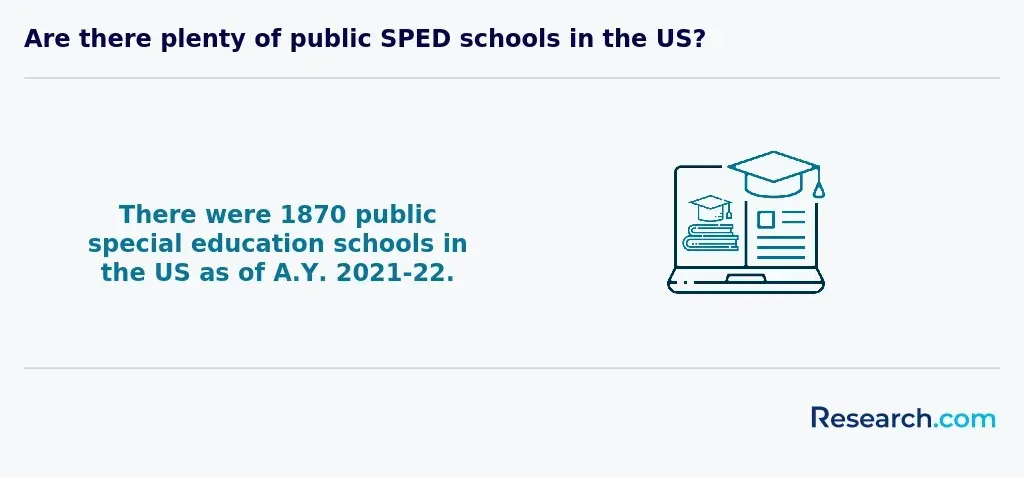
- In the 2021 to 2022 academic year, there were 1,870 public special education schools in the United States.
- The average tuition for a four-year public school in Alabama is about $21,448, while private schools average around $17,168.
- The Alabama Teacher Recruitment Program offers scholarships for students pursuing special education degrees, with awards typically ranging from $1,000 to $5,000.
- Education requirements for Alabama special education teachers
- Licensing requirements in Alabama
- Demand for special education teachers
- Salary expectations in Alabama
- Professional development options
- Advanced roles for experienced teachers
- Major challenges in the role
- Adding English teaching expertise
- How special education laws affect teachers
- Affordable pathways to Alabama teaching credentials
- Burnout prevention and resilience strategies
- Scholarships and grants
- Transitioning into substance abuse counseling
- Moving into early childhood education
- Policy changes and special education careers
- Becoming a BCBA in Alabama
- Working with families and communities
- Private school opportunities
- Using library science skills
- Transitioning into school psychology
What are the educational requirements to be a special education teacher in Alabama?
The standard route to becoming a special education teacher in Alabama starts with completing a teacher preparation program that gives you both academic training and supervised classroom experience. Because special education teachers support students with different learning, behavioral, communication, physical, and developmental needs, the preparation is more specialized than a general education pathway.
| Requirement | What it means for aspiring teachers | Why it matters |
| Bachelor’s degree | Most candidates begin with a bachelor’s degree in special education or a closely related education field. | This is the foundation for certification, classroom readiness, and eligibility for supervised teaching experiences. |
| Approved educator preparation | Your program should prepare you for Alabama’s teaching standards and special education certification expectations. | Choosing the wrong program can delay licensure or require additional coursework. |
| Specialized coursework | Common areas include child development, assessment, instructional strategies, disability categories, classroom management, and IEP planning. | Special education teachers must adapt instruction and document services according to student needs. |
| Field experience | Programs usually include classroom observations, practicum work, and student teaching. | Hands-on practice helps candidates learn how to manage real classrooms and collaborate with mentor teachers. |
| Optional graduate study | A master’s degree can deepen expertise or support movement into leadership, assessment, intervention, or consulting roles. | Graduate education may be useful for teachers who want advanced responsibilities, but it is not always the first step. |
Alabama institutions such as the University of Alabama and Auburn University offer programs in this area. Before enrolling, candidates should confirm that the program aligns with Alabama certification requirements, includes supervised teaching, and prepares students for the licensure exams they will need to pass.
Who is this path best for?
- People who want a classroom role focused on individualized instruction and student advocacy.
- Paraprofessionals or substitute teachers who already enjoy working with students who need additional support.
- Career changers who are prepared for legal documentation, collaboration with families, and differentiated instruction.
- Education majors who want specialized training rather than a broader general education credential.
Who should think carefully before choosing special education?
- Students who want a low-paperwork teaching role, since IEP documentation and compliance are central to the job.
- Candidates who prefer predictable classroom routines, because special education often requires frequent adaptation.
- People who are uncomfortable with difficult family conversations, behavior support plans, or multidisciplinary teamwork.
- Students choosing the major only because of job demand, rather than interest in disability support and inclusive education.
How long does it take to become a special education teacher in Alabama?
The process often takes five to six years, depending on your starting point, program format, exam timeline, and whether you pursue graduate study. A traditional undergraduate pathway is usually the most direct option for first-time college students, while career changers may look for alternative or post-baccalaureate routes if they already hold a degree.
| Stage | Typical time involved | Decision point |
| Bachelor’s degree | About four years | Choose a program that fits Alabama certification requirements and includes special education fieldwork. |
| Student teaching internship | One semester or around four to five months | Use this experience to test whether the daily work of special education is a good long-term fit. |
| State examinations | A few additional months, depending on preparation and test scheduling | Plan study time early so exam delays do not postpone licensure. |
| Master’s degree | Optional; an additional two years | Consider graduate study if you want deeper specialization, leadership roles, or advanced practice options. |
If you already have college credits or a prior degree, ask each school how transfer credits, prior coursework, and alternative certification routes could affect your timeline. Do not assume that every education-related degree automatically leads to special education certification.
What are the licensing requirements for special education teachers in Alabama?
Licensing is the step that allows you to teach legally in Alabama public schools. A degree alone is not enough; candidates must complete the state’s certification process and meet the requirements tied to their teaching area.
- Complete an approved educator preparation program: Your program should include the coursework and supervised teaching experiences required for Alabama certification.
- Pass required licensure exams: Candidates must complete the exams Alabama requires for general teaching knowledge and special education content knowledge.
- Complete background checks and fingerprinting: Alabama requires safety screening before educators work with children.
- Apply for certification: After meeting education, testing, and background check requirements, candidates apply for the appropriate teaching certificate.
- Renew certification every five years: Teachers must complete professional development to maintain and renew their license.
- Review reciprocity rules if licensed elsewhere: Out-of-state teachers may be able to use reciprocity, but they still need to confirm Alabama’s specific criteria.
The licensing process can feel administrative, but each step protects students and verifies that teachers are prepared for specialized instruction, IEP implementation, classroom management, and collaboration with families and school teams.
This chart from the U.S. Department of Education details the shortage of special education teachers.
What is the demand for special education teachers in Alabama?
Special education remains an essential part of public education because schools must identify, evaluate, and serve eligible students with disabilities. In the 2021 to 2022 academic year, there were 1,870 public special education schools across the United States. In Alabama, the need is also reflected in the share of students receiving services: NCES reports that 13% of students in Alabama receive special education services.
Demand does not mean every district, school, or specialization has the same hiring environment. Openings can vary by region, grade level, disability category, and district budget. Rural districts may have different staffing challenges than urban systems, while schools serving students with high support needs may require teachers with stronger behavior, communication, or assistive technology skills.
If you are comparing teaching in Alabama with opportunities elsewhere, it can help to review state-specific certification expectations, such as this guide on how to become a teacher in Wisconsin. Licensure rules are not identical across states, so portability should be part of your planning if relocation is possible.
Where special education teachers may find roles
- Public elementary, middle, and high schools
- Separate special education schools or specialized programs
- Private schools serving students with disabilities
- Early intervention and early childhood settings
- Residential or therapeutic education environments
- District-level support, assessment, or compliance roles after experience
How much do special education teachers in Alabama earn?
Special education teachers in Alabama earn $43,179 annually. Reported salaries vary by experience, education, district, location, and added responsibilities. Entry-level special education teachers get $19,450, while experienced educators receive $77,570.
| Salary point | Amount stated | How to interpret it |
| Annual salary for special education teachers in Alabama | $43,179 | A useful statewide reference point, but not a guarantee for any individual role. |
| Entry-level special education teachers | $19,450 | Starting pay can be affected by district salary schedules, contract type, and prior experience. |
| Experienced educators | $77,570 | Higher earnings may reflect years of service, advanced degrees, certifications, leadership duties, or district differences. |
Salary should be evaluated alongside benefits, retirement options, commuting costs, class size, caseload expectations, planning time, and support staff availability. A higher salary may not always produce a better work experience if the caseload is unmanageable or support systems are weak.
Questions to ask before accepting a position
- What is the average caseload for special education teachers in this school?
- Will I have paraprofessional support, and how are aides trained?
- How much planning time is built into the schedule?
- How often are IEP meetings held, and who supports compliance documentation?
- Are mentor teachers assigned to new special education staff?
- What professional development is available for behavior intervention, inclusive instruction, and assessment?
What professional development opportunities are available for special education teachers in Alabama?
Professional development is not optional in special education. Teachers must keep up with instructional practices, IEP requirements, disability law, assessment methods, behavior support, assistive technology, and inclusive classroom strategies. In Alabama, professional development can also support certification renewal every five years.
- Alabama Association of Special Education Administrators (AASEA) Annual Conference: This conference brings together educators, administrators, and advocates to discuss practical issues in special education, including program leadership, compliance, and student support.
- Alabama State Department of Education workshops: State-sponsored training may cover IEP development, inclusive instruction, behavioral interventions, literacy supports, and legal responsibilities.
- Online learning platforms: Webinars and self-paced courses can help teachers strengthen skills in Universal Design for Learning, Positive Behavioral Interventions, assessment, and classroom adaptation.
- District mentoring and peer collaboration: New teachers should look for schools with structured support, since collaboration can reduce isolation and improve instructional planning.
Teachers who are exploring certification or professional development in nearby or comparable states may also find value in reviewing West Virginia teacher education programs, especially when comparing requirements and preparation models.
Are there advanced roles for experienced special education teachers in Alabama?
Special education can lead to several advanced roles for teachers who want more responsibility, broader impact, or a shift away from full-time classroom teaching. Some roles may require a master’s degree, additional certification, specialized training, or district-specific qualifications.
| Advanced role | Main focus | Best fit for teachers who want to... |
| Experienced classroom teacher | IEP implementation, differentiated instruction, co-teaching, and specialized classroom support | Remain student-facing while becoming a stronger mentor and instructional leader. |
| Educational diagnostician | Student evaluation, learning profiles, eligibility support, and instructional recommendations | Work more deeply with assessment, data, and intervention planning. |
| Behavior intervention specialist | Behavior plans, crisis prevention, classroom support, and collaboration with families and staff | Focus on behavior support and systems that improve student participation and safety. |
| Director or program manager | Special education program oversight, compliance, staffing, training, and service delivery | Move into leadership and influence district-wide special education practices. |
| Independent consultant | Training, IEP support, school consulting, and professional development | Use classroom expertise in a flexible role that supports multiple schools or organizations. |
Examples of Alabama school systems that may use experienced special education professionals in classroom, assessment, or leadership capacities include Birmingham City Schools, Mobile County Public School System, and Huntsville City Schools. Requirements vary by employer, so teachers should verify role-specific qualifications before pursuing a graduate degree or certification.
This chart from Boise State University shows the most important things for principals to know about special education.
What are the biggest challenges faced by special education teachers in Alabama?
Special education can be deeply rewarding, but it is also one of the more demanding teaching specialties. Candidates should understand the pressure points before committing to a degree or certification pathway.
| Challenge | Why it matters | Better strategy |
| Heavy documentation | IEPs, progress monitoring, meeting notes, accommodations, and compliance deadlines can consume significant time. | Build strong organization systems early and ask whether the school provides compliance support. |
| High caseloads | Serving many students can make individualized instruction harder and increase burnout risk. | Ask about caseload size before accepting a job and learn how services are scheduled. |
| Limited resources | Teachers may not always have the materials, technology, or support staff they need. | Learn low-cost adaptation strategies and collaborate with general education teachers and specialists. |
| Emotional strain | Teachers may support students and families through difficult academic, behavioral, or developmental challenges. | Use peer support, boundaries, and professional counseling resources when needed. |
| Family communication | IEP meetings and progress discussions can be sensitive, especially when parents are worried or frustrated. | Communicate early, document clearly, and focus discussions on student needs and evidence. |
| Safety and behavior concerns | Some students may need support with elopement, self-regulation, bullying prevention, or crisis response. | Request training in behavior intervention, de-escalation, and school safety procedures. |
Students drawn to child development but unsure about special education may want to compare this path with broader careers in childhood development. Some roles still support children and families but involve different work settings, credentials, and responsibilities.
Can Special Education Teachers Diversify Their Expertise by Teaching English?
Yes. Special education teachers can strengthen their value by adding subject-area expertise, including English. This can be especially useful for teachers who support reading, writing, language development, and inclusive English language arts instruction. It may also help educators move into co-teaching, curriculum adaptation, literacy intervention, or department-level collaboration.
Teachers considering this option should confirm whether they need an additional endorsement, coursework, or exam. A useful next step is reviewing how subject-specific certification works in the state through this guide on how to become an English teacher in Alabama.
How do special education laws in Alabama impact teachers?
Special education teachers work within a legal framework. This affects how students are evaluated, how services are delivered, how families are involved, and how schools document progress. Understanding the law is not just a compliance issue; it shapes daily teaching decisions.
- Individuals with Disabilities Education Act (IDEA): IDEA protects eligible students’ right to a Free Appropriate Public Education (FAPE). For teachers, this means instruction and services must align with each student’s IEP.
- Individualized Education Programs: IEPs define goals, accommodations, services, progress monitoring, and placement decisions. Teachers must implement them consistently and document student progress.
- Alabama's Special Education Services (SES): SES guides identification, evaluation, and service processes for students with disabilities in Alabama.
- Alabama Administrative Code: State rules guide due process, procedural protections, and collaboration with families.
- Professional development expectations: Alabama emphasizes continued training so teachers can stay current on instructional methods and legal responsibilities.
If you are comparing education careers across states, it may help to review other certification systems, such as Illinois education certification. State requirements can differ substantially, especially around licensure exams, endorsements, and renewal.
What is the most affordable pathway to earn a teaching credential in Alabama?
The most affordable route depends on your current education level. First-time college students may compare in-state public programs, transfer-friendly options, and financial aid packages. Career changers who already hold a bachelor’s degree may want to explore alternative or post-baccalaureate certification options instead of starting over with another undergraduate degree.
When comparing teaching credential programs in Alabama, look beyond tuition alone. A lower-cost program can become more expensive if it does not accept transfer credits, lacks required field placements, delays exam readiness, or does not align with Alabama certification rules.
Cost factors to compare before enrolling
- Tuition and required fees
- Books, classroom materials, testing fees, and background check costs
- Whether transfer credits are accepted
- Whether student teaching is unpaid and how it affects your work schedule
- Scholarships, grants, loan forgiveness options, and employer support
- Program completion rate and licensure exam preparation support
How Can Special Education Teachers in Alabama Manage Burnout and Foster Resilience?
Burnout risk is real in special education because teachers must balance instruction, behavior support, meetings, legal paperwork, and emotional labor. Managing burnout requires systems, not just personal motivation.
- Protect planning time: Use templates, progress-monitoring routines, and weekly documentation blocks to reduce last-minute work.
- Build a support network: Connect with other special education teachers, school counselors, administrators, and paraprofessionals before challenges escalate.
- Set communication boundaries: Families deserve responsiveness, but teachers also need sustainable expectations around email, calls, and meetings.
- Use professional development strategically: Prioritize training in behavior support, de-escalation, assistive technology, and IEP writing.
- Revisit career timelines: Understanding how long does it take to become a teacher can help candidates set realistic expectations before entering the profession.
Are there scholarships and grants available for special education teachers in Alabama?
Yes. Financial support may be available for aspiring and current special education teachers in Alabama, though eligibility, deadlines, and award amounts vary. Candidates should verify current application requirements directly with each funding source before making enrollment decisions.
- Alabama State Personnel Development Grant: The Alabama State Personnel Development Grant supports professional development and resources for special education. Under the Alabama Literacy Interventions and Supports for Transition (AL LIST) program, Alabama will receive $1,139,436 annually for five years, starting October 1, 2022.
- Alabama Teacher Recruitment Program: This program provides scholarships for students pursuing special education degrees, with awards typically ranging from $1,000 to $5,000, depending on financial need and academic performance.
- The Council for Exceptional Children: CEC offers scholarship opportunities for students committed to special education and the support of students with disabilities.
Future teachers comparing certification requirements outside Alabama may also want to review Virginia teaching credentials.
Can Special Education Teachers Transition to Substance Abuse Counseling Roles in Alabama?
Special education teachers may have transferable skills that are useful in substance abuse counseling, including behavior observation, crisis response, individualized support, documentation, and collaboration with families or care teams. However, counseling is a separate professional field with its own education, supervised experience, and credentialing requirements.
Teachers considering this move should not assume that classroom experience alone qualifies them for counseling roles. A better first step is to compare Alabama’s counseling pathway with your existing background by reviewing how to become a substance abuse counselor in Alabama.
Should Special Education Teachers Consider Transitioning to Early Childhood Roles?
Early childhood education can be a strong fit for special education teachers who enjoy early intervention, developmental milestones, family collaboration, and foundational learning. The transition may make sense for teachers who prefer younger learners or want to support children before academic gaps become more difficult to address.
Before moving into preschool or early childhood roles, teachers should confirm credential requirements, age-group expectations, and classroom responsibilities. Start by reviewing preschool teacher requirements in Alabama.
How Will Evolving Educational Policies Impact Special Education Careers in Alabama?
Policy changes can affect special education staffing, funding, eligibility procedures, assessment practices, classroom placement, and documentation expectations. Teachers who stay informed are better prepared to protect student services, communicate with families, and adjust instruction when requirements shift.
Special education teachers who want broader flexibility may also compare their current pathway with general classroom roles, including how to become an elementary school teacher in Alabama. This can be useful for educators considering dual certification, co-teaching, or leadership in inclusive elementary settings.
Can Special Education Teachers Transition to Becoming a BCBA in Alabama?
Yes, special education teachers with strong interest in behavior analysis may consider becoming a Board Certified Behavior Analyst. The path is especially relevant for teachers who enjoy functional behavior assessment, intervention planning, data collection, and supporting students with complex behavioral needs.
BCBA work has its own certification requirements, including specialized coursework and supervised field experience. Teachers should compare the full process before committing by reviewing how to become a BCBA in Alabama.
How Can Special Education Teachers Effectively Engage with Families and Communities?
Family engagement is central to special education because families often understand a student’s strengths, needs, routines, triggers, and progress in ways schools cannot see alone. Strong communication can also reduce conflict during IEP meetings and improve consistency between school and home.
- Contact families before problems become urgent.
- Use clear, jargon-free explanations during IEP meetings.
- Share progress data in practical terms families can understand.
- Invite families to describe what works at home.
- Partner with counselors, community agencies, and support organizations when appropriate.
- Learn how related student-support roles operate by reviewing school counselor requirements in Alabama.
What Career Opportunities Exist for Special Education Teachers in Alabama's Private Schools?
Private schools in Alabama may offer opportunities for special education teachers who want smaller learning communities, mission-driven environments, or specialized student support models. These settings can vary widely, so candidates should ask detailed questions about services, class size, accommodations, curriculum, and support staffing.
Private school roles may appeal to teachers who want closer family relationships, more flexibility in instructional design, or a school culture that aligns with their teaching philosophy. However, certification expectations, salary schedules, benefits, and special education service structures may differ from public schools.
If this route interests you, review the process for how to become a private school teacher in Alabama and compare it with public school certification expectations before making a decision.
Can Special Education Teachers Enhance Their Skills with Library Science?
Library science can strengthen a special education teacher’s ability to organize accessible materials, support information literacy, adapt resources, and help students navigate reading and research tools. This combination may be useful for teachers interested in curriculum design, assistive technology, resource coordination, or academic support roles.
Teachers exploring this direction can compare possible career outcomes and compensation considerations by reviewing library science salary trends and possibilities.
Can Special Education Teachers Transition to a School Psychologist Role in Alabama?
Special education teachers who enjoy assessment, intervention planning, behavior support, and student well-being may be interested in school psychology. This is a distinct professional pathway that typically involves advanced education, supervised experience, and specific credentialing.
The transition can make sense for educators who want to move from daily instruction into evaluation, consultation, and mental or behavioral support. To understand the requirements, review school psychologist requirements in Alabama.
What other career paths are available to special education teachers in Alabama?
Special education experience can lead to roles outside the traditional classroom, especially for teachers who develop expertise in assessment, communication, behavior, disability services, and family support. Possible paths include educational diagnostician, special education coordinator, disability support services manager, behavior specialist, curriculum specialist, or related therapy and student-support roles.
Teachers interested in communication and language development may also explore how to become a speech language pathologist in Alabama. This route requires its own education and credentialing, but special education experience can provide useful context for working with students who need communication support.
Common mistakes to avoid when becoming a special education teacher in Alabama
| Mistake | Why it can hurt you | What to do instead |
| Choosing a program without checking certification alignment | You may complete coursework that does not lead smoothly to Alabama licensure. | Ask the school directly which Alabama certification area the program prepares you for. |
| Looking only at tuition | Fees, testing costs, field placement requirements, and unpaid student teaching can change the real cost. | Compare total cost, transfer credit policy, scholarships, and time to completion. |
| Assuming online programs always meet local requirements | Some online programs may not satisfy Alabama’s fieldwork or certification expectations. | Confirm licensure eligibility before enrolling, especially for out-of-state online programs. |
| Ignoring caseload and support questions during job interviews | A role can become unsustainable if documentation, behavior support, or student needs exceed available support. | Ask about caseload, paraprofessionals, planning time, mentoring, and administrative support. |
| Expecting salary outcomes to be guaranteed | Pay varies by district, experience, education level, and role. | Review district salary schedules and benefits before accepting an offer. |
| Waiting too long to prepare for exams | Testing delays can postpone certification and employment. | Build exam preparation into your final year of coursework or internship period. |
What Special Education Teachers in Alabama Say About Their Careers
- "Teaching special education in Alabama has given me the chance to see students reach goals that once felt far away. The work can be demanding, but the progress students make keeps me committed." - Charlie
- "Every day is different in special education. The strongest part of the job has been building relationships with students and families and learning how much resilience students bring into the classroom." - George
- "This career has helped me grow as an educator and as a person. Collaboration, inclusion, and respect for each student’s strengths are what make the work meaningful." - Kenny
Related Articles for Nearby States
- 2027 How to Become a Special Education Teacher in Mississippi: Requirements & Certification
- 2027 How to Become a Special Education Teacher in Tennessee: Requirements & Certification
- 2027 How to Become a Special Education Teacher in Georgia: Requirements & Certification
- 2027 How to Become a Special Education Teacher in Florida: Requirements & Certification
- 2027 How to Become a Special Education Teacher in Louisiana: Requirements & Certification
- 2027 How to Become a Special Education Teacher in Arkansas: Requirements & Certification
- 2027 How to Become a Special Education Teacher in Kentucky: Requirements & Certification
- 2027 How to Become a Special Education Teacher in South Carolina: Requirements & Certification
- 2027 How to Become a Special Education Teacher in North Carolina: Requirements & Certification
- 2027 How to Become a Special Education Teacher in Missouri: Requirements & Certification
References:
- Boise State University (2021). Understanding Principals’ Knowledge of Special Education. Retrieved from https://scholarworks.boisestate.edu/cgi/viewcontent.cgi?article=3008&context=td
- NCES (n.d.). Average undergraduate tuition, fees, room, and board charges for full-time students in degree-granting postsecondary institutions, by control and level of institution and state: Academic years 2020-21 and 2021-22. Retrieved from https://nces.ed.gov/programs/digest/d22/tables/dt22_330.20.asp
- NCES (2024). Students With Disabilities. Retrieved from https://nces.ed.gov/programs/coe/indicator/cgg/students-with-disabilities
- Statista (2024). Number of public schools in the U.S. 2021/22, by education structure. Retrieved from https://www.statista.com/statistics/238313/number-of-us-schools-by-education-structure/
- US Department of Education (n.d.). Teacher Shortage Areas. Retrieved from https://tsa.ed.gov/#/reports
- Zippia (2024). Special Education Teacher Salary By State: Highest-Paid Special Education Teachers by State [2024]. Retrieved from https://www.zippia.com/advice/special-education-teacher-salary-by-state/
Key Insights
- Alabama special education teachers need both academic preparation and state certification; a degree alone is not enough to teach in public schools.
- The usual preparation timeline is five to six years, especially when a bachelor’s degree, student teaching, exams, and possible graduate study are included.
- Salary should be evaluated alongside caseload, planning time, support staff, benefits, and district working conditions.
- Special education is a strong fit for people who value individualized instruction, advocacy, collaboration, and problem-solving, but it can be difficult for those who want low paperwork or predictable routines.
- Before enrolling in any program, confirm certification alignment, field placement support, transfer credit policies, exam preparation, and total cost.
- Experienced teachers can move into advanced roles such as educational diagnostician, behavior intervention specialist, program manager, consultant, BCBA pathway, school psychology, counseling, or related student-support careers.
- Long-term success depends on more than passion. Sustainable systems for documentation, family communication, peer support, and professional development are essential.
Other Things You Should Know About Becoming a Special Education Teacher in Alabama
To become a special education teacher in Alabama in 2027, candidates must obtain a bachelor's degree in special education or a related field. Additionally, completion of a state-approved educator preparation program and passing the required Praxis exams are required.
In 2027, Alabama requires at least one year of supervised teaching experience in a special education setting for certification. This teaching practicum should be part of an approved teacher preparation program recognized by the Alabama State Department of Education.
The Alabama State Department of Education (ALSDE) issues special education teaching certificates in 2027. Applicants must apply through ALSDE’s certification office and meet state requirements for a valid teaching license, approved preparation, and any required Praxis tests.