
2027 How to Become a School Counselor in Alabama

Co-Founder and Chief Data Scientist
Becoming a school counselor in Alabama is a structured licensure path, not simply a matter of earning a counseling degree. You need the right graduate program, supervised school-based experience, a passing exam score, and certification through the Alabama State Department of Education. The process matters because Alabama’s student-to-counselor ratio is approximately 425:1, well above the recommended 250:1, which means many schools need professionals who can support students academically, socially, emotionally, and in career planning.
This guide is for prospective graduate students, teachers considering a counseling role, career changers, and current counselors who want to understand Alabama’s requirements. It explains the degree you need, certification steps, internship expectations, renewal rules, salary and job outlook, alternative pathways, and related options such as LPC licensure and school psychology.
Quick answer: How do you become a school counselor in Alabama?
- You generally need a master’s degree in school counseling from an Alabama-approved program that prepares you for state certification.
- You must complete supervised field experience, including at least 300 hours of internship experience in an Alabama school setting.
- You must pass the Praxis School Counselor exam and submit the required documentation to the Alabama State Department of Education for certification.
- What degree do I need to become a school counselor in Alabama?
- Are there school counseling specializations in Alabama?
- How long does it take to complete a school counseling degree in Alabama?
- What certification is required to work as a school counselor in Alabama?
- Can I transfer my Alabama school counseling license between states?
- How often do Alabama school counselors need to renew their credentials?
- What are the alternative pathways to become a school counselor in Alabama?
- What is the average salary of school counselors in Alabama?
- What is the job outlook for school counselors in Alabama?
- What are the career advancement opportunities for school counselors in Alabama?
- What challenges should new school counselors anticipate in Alabama?
- Could expanding into school psychology enhance school counseling in Alabama?
- Is obtaining LPC licensure a valuable next step for school counselors in Alabama?
- Is becoming a school counselor in Alabama worth it?
- Can Alabama school counselors work in private practice?
- Which majors are best for aspiring school counselors in Alabama?
- How much does a school counseling degree in Alabama cost?
- What do supervisors look for in a school counseling practicum student in Alabama?
- What do school counselors in Alabama say about their career?
- References
What degree do I need to become a school counselor in Alabama?
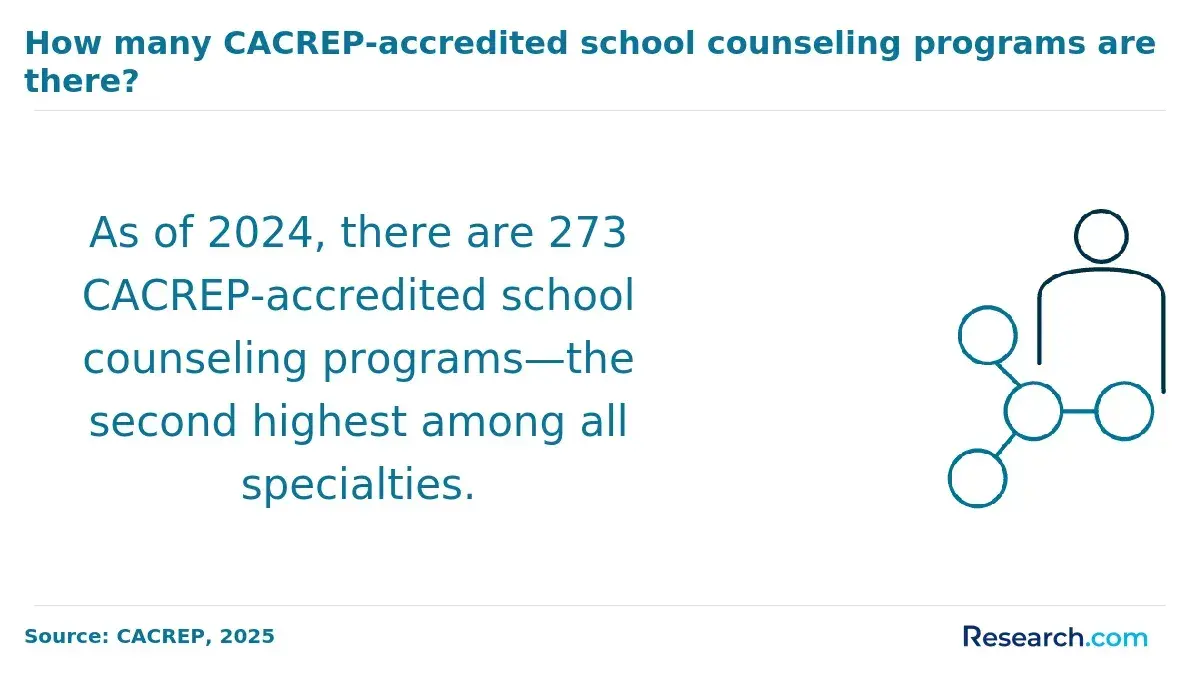
To qualify for school counseling certification in Alabama, you need graduate-level preparation that meets state standards. The most direct route is a master’s degree in school counseling from a program approved for Alabama certification. A general counseling, psychology, or human services degree may be useful academically, but it may not meet school counselor certification requirements unless the program includes the required school counseling curriculum, fieldwork, and state approval.
| Requirement | What it means for Alabama candidates | Why it matters |
| Master’s degree in school counseling | You need a graduate program in school counseling that is CACREP-accredited or state-approved. | This is the core academic credential used to verify that your preparation aligns with Alabama school counseling standards. |
| Alabama Class A Professional Educator Certificate | Candidates typically pursue the Class A certificate in school counseling after completing the approved graduate pathway. | This credential authorizes school counseling work in K-12 public school settings. |
| Prior educator certification status | A valid Class B teaching certificate or a Class A certificate in another instructional support area may be part of the certification profile. | Alabama uses educator certification categories to confirm preparation for work in school environments. |
| Graduate academic performance | You must maintain at least a 3.25 GPA in graduate study and have no grade below a C. | The state uses academic performance as one indicator of readiness for professional practice. |
| Praxis exam | You must pass the Alabama-approved Praxis exam for school counseling. | The exam confirms knowledge of school counseling foundations, services, ethics, and program delivery. |
| Transcripts and fieldwork documentation | Official transcripts and proof of supervised field experience must be submitted for certification processing. | ALSDE needs formal documentation before issuing the credential. |
Before enrolling, ask whether the program is explicitly designed for Alabama school counselor certification. Do not rely only on the degree title. Some counseling programs prepare students for clinical licensure, while others prepare students for educator certification. If you are still comparing counseling careers, reviewing counseling psychology career options can help you understand how school counseling differs from broader counseling and psychology roles.
Are there school counseling specializations in Alabama?
Alabama school counseling programs may not always label their tracks as formal “specializations,” but many include focused coursework and field experiences that help you serve different student populations and school needs. The best focus area depends on the grade levels, communities, and student challenges you want to work with.
| Focus area | What you learn | Best fit for candidates who want to... |
| Elementary and secondary school counseling | Developmental guidance, academic planning, classroom lessons, and age-appropriate student support from kindergarten through twelfth grade. | Work directly with students across K-12 settings and build comprehensive school counseling programs. |
| Crisis intervention and prevention | Approaches for responding to bullying, trauma, mental health emergencies, and urgent student safety concerns. | Support schools that need stronger prevention, response, and referral systems. |
| Multicultural counseling | Cultural responsiveness, equity-focused advocacy, and communication strategies for diverse student communities. | Serve students from varied cultural, racial, socioeconomic, and family backgrounds. |
| Program development and implementation | Planning, delivering, and evaluating counseling services using student data and schoolwide goals. | Move into leadership, coordination, or data-informed program improvement work. |
| Advocacy and consultation | Collaboration with teachers, administrators, families, and community partners. | Help remove barriers to student success and improve access to academic and career opportunities. |
| Assessment and evaluation | Use of assessment tools to understand student progress, needs, and intervention outcomes. | Strengthen referral decisions, academic planning, and targeted student support. |
| Professional and ethical practice | Legal responsibilities, confidentiality, boundaries, documentation, and ethical decision-making in schools. | Build a defensible, student-centered counseling practice. |
If your long-term goal includes clinical mental health work outside schools, compare school counseling with mental health counselor career options. The roles overlap in communication and helping skills, but they differ in licensure, work setting, scope of practice, and daily responsibilities.
How long does it take to complete a school counseling degree in Alabama?
A master’s degree in school counseling in Alabama commonly takes two to three years for full-time students. Part-time enrollment can extend the timeline, especially when field placements must be coordinated around school schedules. Many programs require about 60 credit hours, although some may require as few as 33 semester hours depending on prior coursework and university policies.
Fieldwork is a major factor in the timeline. Alabama candidates should expect supervised practicum and internship experiences in school settings, including at least 300 hours of internship experience. These placements are not just graduation requirements; they are also part of the professional preparation needed for certification.
Some counselors later pursue an Educational Specialist, or EdS, in Counselor Education. That advanced credential usually adds 30 to 33 credit hours and takes around two and a half years to complete. It is most useful for counselors who want deeper expertise, leadership roles, or additional advancement options.
| Stage | Typical time or requirement | Decision point |
| Master’s degree | Two to three years for many full-time students | Choose full-time if you can manage the workload; choose part-time if you need to balance employment or caregiving. |
| Credit hours | Most programs require about 60 credit hours; some may require as few as 33 semester hours. | Confirm whether transfer credits or prior graduate work can reduce your required coursework. |
| Practicum and internship | Includes required supervised school-based experience, including at least 300 internship hours. | Ask how the program helps secure placements and whether evening, online, or summer schedules affect fieldwork timing. |
| EdS option | Usually 30 to 33 additional credit hours and around two and a half years. | Consider this after clarifying whether your career goals require advanced specialization or leadership preparation. |
Completion time is also affected by admission cycles. A program with limited start dates can delay entry even if you are otherwise ready to enroll. Online programs may offer more scheduling flexibility, but they still require approved field experiences in real school settings.
The chart below shows the school counselor age breakdown. A large share of school counselors are in the 40+ age group, which may reflect the time needed to complete graduate education, supervised preparation, certification, and career development.
What certification is required to work as a school counselor in Alabama?
Alabama school counselors need the Alabama Class A Professional Educator Certificate in School Counseling to work in K-12 public schools. This credential is issued through the Alabama State Department of Education and confirms that you completed the required graduate preparation, field experience, testing, and background review.
| Certification step | What to do | Common mistake to avoid |
| Complete an approved program | Graduate from a school counseling program approved by the Alabama State Department of Education. | Do not assume any counseling master’s degree qualifies for school counselor certification. |
| Pass the required exam | Complete the Praxis II School Counselor (5422) exam if required for your certification pathway. | Do not wait until the end of your program to learn the exam requirements and score reporting process. |
| Finish supervised experience | Complete the practicum and internship requirements built into your graduate program. | Do not treat fieldwork as a formality; strong evaluations can help with employment references. |
| Complete background clearance | Submit fingerprints and satisfy the criminal background check requirement. | Do not delay fingerprinting if your program or certification application depends on clearance. |
| Apply to ALSDE | Submit transcripts, exam documentation, fieldwork verification, and other required materials. | Do not submit incomplete documentation, which can slow certification processing. |
| Maintain the credential | Renew the certificate every five years through required professional development or coursework. | Do not let the renewal deadline pass, especially if your employment depends on active certification. |
A good strategy is to build a certification checklist before you start graduate school. Include program approval, GPA expectations, Praxis timing, internship hours, fingerprinting, transcripts, and application deadlines. This prevents last-minute problems when you are ready to apply for jobs.
Can I transfer my Alabama school counseling license between states?
Alabama participates in certificate reciprocity processes, but reciprocity does not mean automatic transfer. School counselor certification is reviewed state by state because coursework, exams, field experience, educator certification categories, and legal requirements can differ. If you move from Alabama to another state, you should expect a licensure by endorsement or credential review process.
When applying in another state, you may be asked to provide:
- An application for licensure by endorsement or a comparable credential review process.
- Official graduate transcripts and verification of your Alabama school counseling credential.
- Documentation of supervised fieldwork and professional experience.
- Proof of a background check or new fingerprint clearance.
- Additional testing, which may include the Praxis II: Professional School Counselor test if that state requires it.
- Coursework in topics that the receiving state emphasizes, such as state law, ethics, or specialized school services.
- Professional recommendations, employer verification, or evidence of recent practice.
- A provisional license while you complete any remaining requirements, if the receiving state allows it.
The most common transfer problems come from mismatched coursework, different internship standards, and state-specific laws. Start early if you plan to relocate. Contact the receiving state’s education agency before you apply for jobs, and keep copies of syllabi, internship logs, Praxis results, certification letters, and employment verification.
One Alabama-trained counselor described moving to a nearby state as “detailed but manageable.” The review was not automatic, but it helped confirm that her preparation matched the expectations of her new district. Her experience reflects the reality of reciprocity: it can open doors, but it still requires documentation and patience.
How often do Alabama school counselors need to renew their credentials?
Alabama school counselors renew their Professional Educator Certificate every five years. Renewal protects your eligibility to continue serving students and demonstrates that you are keeping up with changes in counseling practice, education policy, ethics, and student support needs.
- Continuing education: Complete approved professional development during the renewal cycle and document it through the ALSDE’s Chalkable platform or its successor.
- Application timing: Submit renewal materials to ALSDE between January 1 and June 30 of the year your certificate expires.
- Documentation: Keep records of professional development, employment verification when applicable, and any forms required by ALSDE.
- Correct form: Use the official ALSDE renewal form, such as Form RPC or the current version in use.
- Fee payment: Pay the non-refundable renewal fee set by ALSDE and confirm the current amount before submitting.
- Background check: Be prepared for a new background check if ALSDE requires it, especially after a break in service.
- Deadline management: Track your certificate expiration date carefully so your counseling role is not interrupted.
Do not wait until the final month to organize renewal documents. Professional development records, employer verification, and fee processing can take time, and a missed renewal window may complicate your employment status.
What are the alternative pathways to become a school counselor in Alabama?
Career changers and candidates without a traditional education background may still be able to work toward school counseling in Alabama, but they must meet the same certification expectations. Alternative pathways are not shortcuts around graduate preparation; they are structured ways to complete required coursework, supervised experience, testing, and documentation.
| Pathway | Who it may fit | Important caution |
| Alternative or emergency certification | Candidates with a bachelor’s degree and minimum GPA who are entering a critical-need area. | You may still need Praxis testing, background checks, and additional requirements before long-term certification. |
| Post-baccalaureate or master’s program | Professionals from non-education fields who need school counseling coursework and supervised preparation. | Many programs expect a 3.0 GPA, so review admission standards before applying. |
| Supervised fieldwork pathway | Candidates who need direct experience in school counseling practice. | Requirements include at least 30 hours of direct counseling and a 300-hour school internship through graduate preparation. |
| Relevant youth-serving work experience | Applicants with backgrounds in social services, youth programs, mentoring, or community support. | Related experience may strengthen your application, but it does not automatically replace certification requirements. |
| Online EdS program | Master’s-prepared counselors seeking advanced study with more flexible scheduling. | Confirm whether the program supports your specific certification or advancement goals in Alabama. |
Alternative candidates should compare programs carefully. Look at admission requirements, field placement support, Praxis preparation, certification outcomes, and total cost. For a broader comparison of counseling pathways and how program choice affects expenses, review this guide to different types of counseling degrees.
What is the average salary of school counselors in Alabama?
The median salary for school counselors in Alabama is about $60,530. Individual pay can differ by district, experience level, education, leadership duties, school type, and local funding. Salary should be evaluated together with benefits, retirement, health insurance, job stability, work calendar, and opportunities for advancement.
| Salary factor | How it can affect earnings | What to ask before accepting a job |
| Experience | Additional years in the field can move counselors along district salary schedules. | How does the district credit prior school counseling, teaching, or related experience? |
| Education level | Advanced degrees and certifications may qualify counselors for higher salary lanes. | Does the district provide pay increases for an EdS or other advanced credential? |
| Location | Pay can vary between urban, rural, and nonmetropolitan areas. | How does salary compare with local cost of living and commuting costs? |
| Employer type | Different schools and educational institutions may use different compensation structures. | Is the position tied to a district scale, grant funding, or another pay model? |
| District budget | Funding levels can influence salaries, staffing, professional development, and benefits. | What benefits, retirement contributions, and professional development support are included? |
| Additional duties | Leadership, coordination, testing, or program responsibilities may affect compensation. | Are extra responsibilities compensated through stipends or salary adjustments? |
One Alabama counselor described starting at a modest entry-level salary and improving his compensation over time through experience and additional credentials. He also noted that retirement and healthcare benefits played a major role in his overall financial security. That is a useful reminder: evaluate the full compensation package, not just the salary line.
What is the job outlook for school counselors in Alabama?
School counselor employment in Alabama is projected to grow by 10.8% through 2032. Demand is shaped by student mental health needs, academic planning, career readiness, school safety concerns, and the need for coordinated support services in K-12 schools.
- Student support needs: Schools rely on counselors for academic planning, social-emotional support, crisis response, and referrals.
- Mental health awareness: Greater attention to student anxiety, trauma, bullying, and stress has increased the visibility of counseling services.
- Education initiatives: School improvement efforts often depend on counselors to support attendance, graduation, college readiness, and career planning.
- Regional pay differences: Compensation varies across Alabama, with areas such as Tuscaloosa reporting mean salaries up to $79,636 and areas such as Gadsden averaging around $59,024.
- Competitive hiring factors: Districts may favor candidates with strong internship evaluations, crisis response training, data skills, and experience collaborating with families and teachers.
- Long-term openings: Projected growth can create opportunities, but hiring still depends on district budgets, retirements, enrollment patterns, and local priorities.
If you are comparing school counseling with other licensed helping professions, it may help to understand the difference between LPC and LCSW degree programs. These credentials can lead to different work settings, clinical authority, and long-term career options.
The chart below shows the sectors employing school counselors. As expected, education accounts for the largest share of employment.
What are the career advancement opportunities for school counselors in Alabama?
School counseling can lead to roles beyond one-on-one student support. Advancement often depends on graduate education, demonstrated leadership, program evaluation skills, professional development, and the ability to collaborate across a school or district.
| Advancement option | Typical preparation | What the role involves |
| School counseling coordinator or director | Often strengthened by an Education Specialist degree and leadership experience. | Oversees counseling programs, supports counselors, and aligns services across schools or districts. |
| Lead or head counselor | Several years of school-based counseling experience. | Mentors other counselors, coordinates services, and may help manage schoolwide counseling initiatives. |
| Educational psychologist or college counselor | Advanced graduate or doctoral preparation may be needed depending on the role. | Provides specialized services in assessment, student development, transition planning, or higher education support. |
| District-level administrator | Advanced degrees and administrative certification may be required. | Manages student support services, policy implementation, and districtwide program planning. |
| Professional development facilitator | Relevant certifications, such as FACD, and strong training skills. | Trains educators and counselors in career development or student support strategies. |
| Policy advocate or advisor | Extensive professional experience and knowledge of school counseling standards. | Contributes to district, state, or professional association work affecting counseling practice. |
| University instructor or mentor | Advanced credentials and field expertise. | Supports future counselors through teaching, supervision, or professional mentoring. |
For a broader look at how counseling credentials can affect long-term earning potential, review this resource on what you can do with a counseling degree.
What challenges should new school counselors anticipate in Alabama?
New school counselors in Alabama should be ready for large caseloads, urgent student needs, administrative demands, documentation requirements, and limited time for individual counseling. The role can be highly meaningful, but it is not a low-pressure job.
| Challenge | Why it happens | Better approach |
| High caseloads | Alabama’s student-to-counselor ratio is approximately 425:1. | Use tiered services, group counseling, classroom lessons, and clear referral systems to reach more students. |
| Administrative workload | Counselors may be pulled into scheduling, testing, reports, and meetings. | Clarify role expectations with administrators and protect time for direct student support. |
| Student mental health needs | Schools often see anxiety, crisis situations, bullying, family stress, and trauma-related concerns. | Build referral partnerships and know when a student needs outside clinical support. |
| Rural access gaps | Some communities have fewer mental health providers and support services. | Create community resource lists and strengthen collaboration with local agencies. |
| Early-career burnout | New counselors may try to solve every problem alone. | Seek supervision, peer consultation, mentoring, and targeted professional development. |
If your priority is entering the field as efficiently as possible while still meeting Alabama requirements, this guide on the fastest way to become a counselor in Alabama can help you compare timelines and credential routes.
Could expanding into school psychology enhance school counseling in Alabama?
School psychology can complement school counseling for professionals who want deeper preparation in assessment, intervention planning, behavioral consultation, and specialized student support. This route may be especially useful if you want to work with complex learning, behavioral, or mental health needs across school systems.
However, school psychology is a separate professional pathway with its own training and credential expectations. It is not necessary for every school counselor. It makes the most sense if you want a broader assessment role, more specialized intervention work, or additional career flexibility in school-based student services. To compare the process, see this guide on how to become a school psychologist in Alabama.
Is obtaining LPC licensure a valuable next step for school counselors in Alabama?
LPC licensure may be worthwhile for Alabama school counselors who want to expand into clinical counseling, private practice, or roles that require a broader mental health scope. School counseling certification is designed for K-12 educational settings, while LPC licensure is tied to clinical counseling preparation and supervised clinical practice.
This step is not required for every school counselor. It is most valuable if your career plan includes therapy outside the school system, private practice eligibility, or advanced clinical roles. The process typically involves meeting clinical education requirements, completing substantial supervised experience, and showing competence in therapeutic practice. Review the LPC licensure requirements in Alabama before assuming your school counseling degree will meet every clinical licensure requirement.
Is becoming a school counselor in Alabama worth it?
Becoming a school counselor in Alabama can be worth it if you want a student-centered career in education, are prepared for graduate study, and can handle emotionally demanding work. The role offers purpose, school community connection, and projected employment growth of 10.8% through 2032, but it also requires careful planning because certification is specific and the workload can be heavy.
| Choose this path if... | Consider another path if... |
| You want to work in K-12 schools and support academic, career, and social-emotional development. | You mainly want to provide long-term clinical therapy outside school settings. |
| You are willing to complete a graduate program, supervised internship, Praxis testing, and ALSDE certification. | You want a helping profession with less state-specific educator certification complexity. |
| You can manage competing priorities such as crisis response, family communication, classroom lessons, and documentation. | You prefer a role with smaller caseloads and more predictable one-on-one service delivery. |
| You value benefits, school calendars, and long-term advancement within education systems. | You are focused primarily on maximizing income in private clinical practice. |
Can Alabama school counselors work in private practice?
Alabama school counselor certification alone is intended for school-based work, not independent clinical private practice. If you want to provide counseling services outside a school setting, you may need another license, such as LPC licensure, depending on the services you plan to offer and the legal requirements that apply.
Do not assume that a school counseling certificate automatically allows private therapy work. Before advertising services, billing clients, or opening a practice, confirm the required license, supervision rules, scope of practice, and ethical standards for clinical counseling in Alabama.
Which majors are best for aspiring school counselors in Alabama?
There is no single required undergraduate major for every aspiring school counselor, but the strongest preparation usually comes from fields that build knowledge of human development, education, communication, research, and social behavior. Commonly relevant areas include psychology, education, human development, sociology, social work, and related behavioral science fields.
The more important question is whether your undergraduate record prepares you for admission to a graduate school counseling program. Review GPA expectations, prerequisite coursework, recommendation requirements, and experience with children or adolescents. Volunteer work, mentoring, tutoring, youth services, and school-based experience can strengthen your application.
How much does a school counseling degree in Alabama cost?
The cost of a school counseling degree in Alabama depends on the institution, residency status, delivery format, credit requirements, fees, textbooks, exam costs, transportation to field placements, and whether you study full time or part time. Tuition is only one part of the total cost.
| Cost item | Why it matters | Question to ask the school |
| Tuition per credit | Programs with more required credits can cost more even if the per-credit rate looks reasonable. | What is the total tuition based on the full required credit load? |
| University fees | Technology, program, graduation, and student service fees can add to the bill. | Which fees are mandatory each term? |
| Field placement expenses | Travel, background checks, and scheduling changes may create indirect costs. | Where are placements located, and does the program help arrange them? |
| Praxis and certification costs | Testing and application expenses are separate from tuition. | Which exams and certification fees should I budget for? |
| Lost income | Full-time study or daytime internships may reduce work hours. | Can students complete the program part time while employed? |
| Financial aid | Graduate aid, employer support, scholarships, and assistantships can affect affordability. | What funding options are available specifically for school counseling students? |
What do supervisors look for in a school counseling practicum student in Alabama?
Practicum and internship supervisors want more than good grades. They look for candidates who can work ethically, communicate professionally, respond to student needs, accept feedback, and understand the school counselor’s role within a larger education system.
- Professional judgment: Know when to consult, refer, document, or escalate a concern.
- Ethical awareness: Understand confidentiality, mandated reporting, boundaries, and student safety responsibilities.
- Communication skills: Write clearly, speak with students and families respectfully, and collaborate with teachers and administrators.
- Reliability: Arrive prepared, follow school procedures, meet deadlines, and protect student information.
- Cultural responsiveness: Serve students from different backgrounds without making assumptions about their needs or goals.
- Growth mindset: Use supervision to improve rather than becoming defensive about feedback.
What do school counselors in Alabama say about their career?
Career reflections from Alabama school counselors often emphasize community impact, the value of strong graduate preparation, and the reality that the work requires resilience. The comments below illustrate common themes candidates should consider before entering the field.
- My graduate training at Auburn University helped me understand how counseling theory applies inside Alabama schools. When I began working locally, I quickly saw how much students needed support with academics, family stress, and personal growth. The work is demanding, but seeing students gain confidence makes the effort worthwhile. Portia
- My certification experience at Tuscaloosa High School gave me a clearer view of the social and cultural factors that shape student needs, especially in rural communities. School counseling here has challenged me, but it has also allowed me to help students build hope and persistence during difficult periods. Shelby
- Finishing the University of Alabama’s counseling program opened a path to work that feels connected to the community. Alabama schools give counselors the chance to support students from many backgrounds, and that variety has pushed me to keep learning and pursue additional credentials. Lynn
Related Articles for Nearby States
- 2027 How to Become a School Counselor in Mississippi
- 2027 How to Become a School Counselor in Tennessee
- 2027 How to Become a School Counselor in Georgia
- 2027 How to Become a School Counselor in Florida
- 2027 How to Become a School Counselor in Louisiana
- 2027 How to Become a School Counselor in Arkansas
- 2027 How to Become a School Counselor in Kentucky
- 2027 How to Become a School Counselor in South Carolina
- 2027 How to Become a School Counselor in North Carolina
- 2027 How to Become a School Counselor in Missouri
References:
- All Psychology Schools. (n.d.). How Much Do School Counselors Make? allpsychologyschools.com.
- American School Counselor Association. (n.d.). The School Counselor and Career Development. ASCA.
- Career Explorer. (2025). The job market for school counselors in the United States. careerexplorer.com.
- Career Herd. (2025, July 9). Becoming a School Counselor in Alabama. careerherd.com.
- Muic, K. (n.d.). How You can Advance Your Career with a Master’s Degree in School Counseling. Graduate Programs for Educators.
- Providence College. (2024, December 10). Six Rewards of a Career in School Counseling. Providence College.
- Remnant Counselor Collective. (2025, February 5). Licensure Requirements for School Counselors in Alabama. remnantcounselorcollective.com.
- School Counselor Certification. (2025, January 14). Certification Renewal Process for School Counselors. schoolcounselorcertification.com.
- Simply.Coach. (2024, October 27). School Counselor Certification Requirements by State 2024. Simply.Coach.
- Teach.com. (n.d.). School Counselor Salary and Career Outlook. teach.com.
- United States Bureau of Labor Statistics. (2025, April 18). Occupational Outlook Handbook | School and Career Counselors and Advisors. BLS.
- Zippia. (2025). School counselor demographics and statistics in the US. Zippia.
Key Insights
- Alabama school counseling is a licensed educator pathway. The safest route is an Alabama-approved master’s degree in school counseling, supervised school-based internship experience, Praxis testing, and ALSDE certification.
- Program approval matters as much as the degree name. A counseling or psychology degree that is not aligned with Alabama school counselor certification may not qualify you for K-12 public school roles.
- The timeline is usually measured in years, not months. Many full-time students need two to three years for the master’s degree, and advanced EdS study can add 30 to 33 credit hours and around two and a half years.
- Salary should be evaluated as total compensation. The median salary for Alabama school counselors is about $60,530, but district pay scales, benefits, retirement, location, and advanced credentials can change the overall value of a position.
- The job outlook is promising but not effortless. Employment is projected to grow by 10.8% through 2032, yet new counselors should expect high caseloads, crisis needs, administrative duties, and the need for strong boundaries.
- LPC licensure and school psychology can expand career options, but they are separate decisions. Pursue them only if they match your long-term goals, such as private practice, clinical counseling, specialized assessment, or broader student services leadership.
Other Things You Should Know About Becoming a School Counselor in Alabama
Yes, to practice as a school counselor in Alabama in 2027, you must hold a specific P-12 school counseling certification. This requires completing a state-approved program, passing the Praxis exam, and meeting other certification requirements as set by the Alabama State Department of Education.
Yes, a master's degree in school counseling or a related field is required to become a school counselor in Alabama. The program should be accredited and include coursework in counseling techniques, developmental psychology, and practical experience through internships or practicums.
The Alabama State Department of Education issues school counselor certification in Alabama. Candidates must complete an approved graduate program and meet state requirements before applying through the Educator Certification Section. School systems do not grant the credential; ASDE does.


