
2027 How to Become a Substance Abuse Counselor in Maryland

Co-Founder and Chief Data Scientist
If you want to become a substance abuse counselor in Maryland, the main challenge is not deciding whether the work matters—it is understanding which credential fits your goals, what education you need, how supervised experience is counted, and how Maryland licensing rules affect your timeline. The field can be meaningful, but it also requires emotional resilience, careful documentation, legal awareness, and a realistic view of salary and training costs.
This guide explains the Maryland pathway in practical terms: education options, supervised experience, certification and licensure steps, salary expectations, job market conditions, advancement routes, ethical duties, and common mistakes to avoid. It is written for students, career changers, and helping professionals who want to decide whether substance abuse counseling is the right next step.
Maryland’s need for addiction treatment professionals is significant. The article you are reading cites a 10% increase in substance use disorders over the past year, and employers continue to look for counselors who can support clients dealing with substance use, co-occurring mental health needs, relapse risk, family stress, and recovery planning.
Quick Answer: Becoming a Substance Abuse Counselor in Maryland
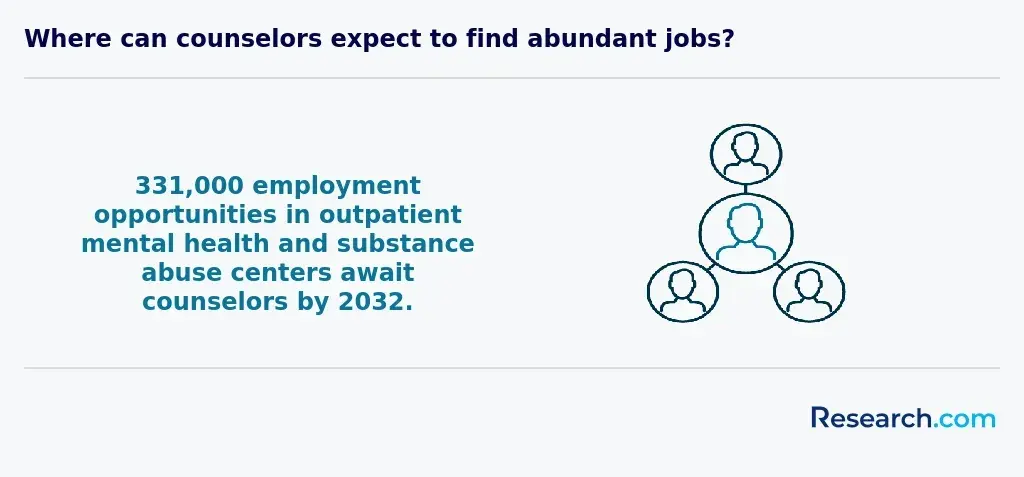
- Maryland has a strong need for substance abuse counselors. The U.S. Bureau of Labor Statistics projects a 23% increase in demand for substance abuse, behavioral disorder, and mental health counselors from 2020 to 2030, which supports a favorable long-term outlook for this career path.
- The average salary for substance abuse counselors in Maryland is approximately $54,000 per year. Earnings may differ by work setting, experience, credential level, and region, with some counselors earning upwards of $70,000 annually in metropolitan areas.
- Maryland’s cost of living can affect the real value of a counseling salary, especially in Baltimore and the Washington D.C. metro area. Before choosing a program or job, compare expected pay with housing, transportation, loan repayment, and commuting costs.
- Common employers include community health organizations, hospitals, private practices, treatment centers, and agencies expanding access to mental health and substance use services through the Maryland Department of Health.
- Many advanced counseling roles require graduate-level education and licensure. Prospective students should plan for tuition, fees, supervised experience, exams, and possible student debt, with master’s program costs averaging around $30,000.
- How can you become a substance abuse counselor in Maryland?
- What is the minimum educational requirement to become a substance abuse counselor in Maryland?
- What does a substance abuse counselor do?
- What is the certification and licensing process for a substance abuse counselor in Maryland?
- What legal and ethical considerations must a substance abuse counselor consider in Maryland?
- How much can you earn as a substance abuse counselor in Maryland?
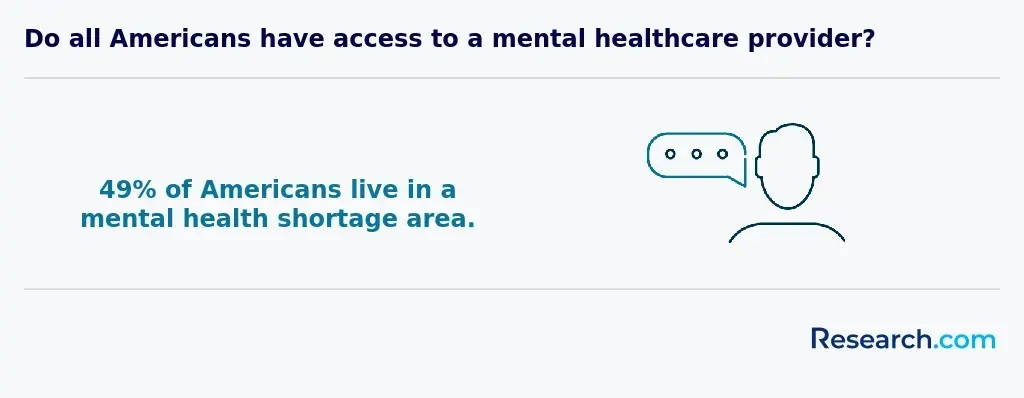
- What is the job market like for a substance abuse counselor in Maryland?
- What career and advancement opportunities are available for a substance abuse counselor in Maryland?
- Can dual licensure in marriage and substance abuse counseling enhance your practice in Maryland?
- How do LMFT and LCSW roles differ in integrated counseling practice?
- How Can Interdisciplinary Collaboration Enhance Substance Abuse Counseling in Maryland?
- Can obtaining behavior analysis certification enhance my practice in Maryland?
- What mentorship and networking opportunities are available for substance abuse counselors in Maryland?
- Is There a Fast-Track Option for Becoming a Substance Abuse Counselor in Maryland?
- Can criminal psychology complement substance abuse counseling in Maryland?
- Can Substance Abuse Counselors Transition into School-Based Roles?
- Should I Expand My Practice to Include Mental Health Counseling?
- How is telehealth reshaping substance abuse counseling practices in Maryland?
- What professional development and continuing education opportunities are available for substance abuse counselors in Maryland ?
- What challenges should you consider as a substance abuse counselor in Maryland ?
How can you become a substance abuse counselor in Maryland?
The Maryland pathway combines education, supervised clinical practice, examinations, background screening, and state approval. The exact route depends on the credential you want, your current degree level, and whether you plan to work under supervision or pursue independent clinical responsibilities.
| Step | What to do | Why it matters |
| Choose the right education path | Start with a relevant field such as psychology, counseling, social work, or human services. Some candidates begin with an Associate's degree, while many pursue a Bachelor’s or Master’s degree to qualify for broader roles. | Your education level affects which Maryland credential you can pursue and how much responsibility you may have in treatment settings. |
| Take required counseling coursework | Build knowledge in addiction theory, counseling ethics, assessment, treatment planning, and client support. | Maryland credentials require evidence that you understand addiction counseling practice, not just general helping skills. |
| Complete supervised experience | Work in an approved or relevant clinical environment, often beginning as an Alcohol and Drug Trainee (ADT). Maryland requires a minimum of 2,000 hours, including 1,500 hours of direct client interaction. | Supervised practice is where you learn how to apply counseling skills safely with real clients. |
| Pass required exams | Prepare for the professional addiction counseling exam and the Maryland Law Test. | These exams confirm both clinical readiness and knowledge of Maryland-specific legal standards. |
| Apply for certification or licensure | Submit education records, supervised hour verification, exam results, background check materials, and other application items required by the board. | Approval from Maryland is required before you can practice under the credential you are seeking. |
| Maintain your credential | Complete continuing education and track renewal deadlines. | Counselors must stay current with ethical rules, treatment approaches, and regulatory updates. |
- Start with a credential goal. Maryland recognizes multiple levels, including Certified Supervised Counselor – Alcohol and Drug (CSC-AD) and Licensed Clinical Alcohol and Drug Counselor (LCADC). Before enrolling in a program, confirm which credential your degree supports.
- Compare programs carefully. Universities such as the University of Maryland and Towson University offer relevant preparation, but you should verify curriculum alignment, field placement support, and licensure preparation before committing.
- Document supervised hours from day one. Keep detailed logs of total hours, direct client contact, supervisor names, dates, and work setting details. Missing documentation can slow your application even if you completed the work.
- Build a practical resume early. Include internships, volunteer service, crisis work, case management exposure, group facilitation, and training in evidence-informed methods. Employers also look for empathy, boundaries, communication, reliability, and cultural competence.
- Use networking strategically. Professional groups, clinical supervisors, local agencies, and alumni contacts can help you find trainee roles and understand what Maryland employers expect. Reviewing a broader counselor job description can also help you translate your training into employer-ready language.
The best route is usually the one that matches your long-term scope of practice. If you want entry-level supervised work, you may not need the same degree path as someone aiming for independent clinical practice, leadership, or private practice.
What is the minimum educational requirement to become a substance abuse counselor in Maryland?
Maryland education requirements depend on the credential level. A Bachelor’s degree in a related field such as counseling or human services is often treated as the baseline for many professional pathways, while some candidates begin earlier through associate-level preparation or trainee status. A Master’s degree is commonly preferred or required for advanced clinical roles, and doctoral study may support teaching, research, administration, or high-level leadership.
| Education level | Typical purpose | Best fit |
| Associate's degree | Can help candidates enter the field, build foundational knowledge, and prepare for supervised support roles. | Students who want an affordable first step before transferring or advancing. |
| Bachelor’s degree | Provides broader preparation in counseling, psychology, human services, assessment, ethics, and client support. | Candidates seeking stronger eligibility for Maryland substance abuse counseling credentials. |
| Master’s degree | Deepens clinical training and may open access to advanced licensure, clinical responsibility, and specialized practice. | Future clinicians who want long-term mobility, leadership potential, or broader counseling options. |
| PhD or other doctoral study | Supports research, advanced supervision, academia, policy, or executive roles. | Professionals aiming beyond direct counseling into high-level scholarship or leadership. |
- Core courses matter as much as the degree title. Look for coursework in addiction theory, counseling ethics, client assessment, treatment planning, group counseling, crisis response, and co-occurring disorders.
- Program length varies by level. A Bachelor’s degree generally requires four years of study, while a Master’s program typically adds another two years.
- Cost should be evaluated realistically. Tuition may range from $10,000 to $30,000 per year, depending on the institution and residency status. Consider fees, commuting, books, lost work time, and loan interest as part of the full price.
- Field training is essential. Internships, practicums, and supervised placements help students learn documentation, case conceptualization, professional boundaries, and client engagement.
- Accreditation is not optional. Choose a school that is properly accredited and ask whether the curriculum is designed to meet Maryland substance abuse counselor education expectations.
- Local alignment can help. Towson University is one Maryland institution with counseling-related preparation that may fit students interested in addiction counseling. For comparison with other state counseling structures, the LPC education requirements Iowa guide can show how requirements differ across jurisdictions.
Before enrolling, ask the program director which Maryland credential the degree is designed to support, whether graduates commonly obtain supervised placements, and how the school helps students verify licensure readiness.
What does a substance abuse counselor do?
Substance abuse counselors help people understand, manage, and recover from substance use disorders. Their work may involve counseling, assessment, relapse prevention, treatment planning, family education, referral coordination, and collaboration with other healthcare professionals. According to the Bureau of Labor Statistics, these counselors assess client needs, create treatment plans, and support clients during recovery.
| Responsibility | What it looks like in practice |
| Assessment | Reviewing substance use history, mental health concerns, risk factors, strengths, and treatment needs. |
| Individual counseling | Helping clients identify triggers, set goals, build coping strategies, and address barriers to recovery. |
| Group counseling | Facilitating structured discussions where clients learn skills, receive peer support, and practice accountability. |
| Treatment planning | Creating goals, interventions, timelines, and referrals based on client needs and clinical judgment. |
| Care coordination | Working with physicians, social workers, mental health clinicians, case managers, courts, schools, or community agencies when appropriate. |
| Family education | Explaining addiction, recovery, relapse prevention, boundaries, and support options to families and support systems. |
| Progress monitoring | Updating plans when clients improve, relapse, disengage, or need a different level of care. |
Strong counselors combine clinical skill with steadiness under pressure. The work often requires:
- Empathy: Clients are more likely to engage when they feel respected rather than judged.
- Clear communication: Counselors must explain complex emotions, recovery concepts, and treatment expectations in language clients can use.
- Problem-solving: Recovery barriers often involve housing, relationships, employment, health, legal stress, or transportation, not only substance use.
- Patience: Progress may be uneven, and relapse can be part of a client’s treatment history.
- Cultural competence: Maryland counselors serve clients from varied racial, ethnic, religious, socioeconomic, and family backgrounds.
-
: "
Graduating from the University of Maryland’s counseling program changed how I understood recovery. My first group session showed me how much courage clients bring into the room. Watching someone rebuild trust, stability, and hope is the part of the work that stays with you.
"
What is the certification and licensing process for a substance abuse counselor in Maryland?
The Maryland Board of Professional Counselors and Therapists regulates substance abuse counseling credentials. Its role is to confirm that applicants meet education, supervision, examination, background check, and ethical standards before they practice under a Maryland credential.
After finishing the required education, candidates complete supervised work in an addiction treatment or related behavioral health setting. This experience is not a formality. It is where future counselors learn clinical documentation, risk assessment, group facilitation, treatment planning, ethical decision-making, and collaboration with other providers.
Maryland applicants must pass the addiction counseling exam and the Maryland Law Test. The first measures professional counseling knowledge for addiction practice, while the second checks understanding of Maryland laws and regulations that govern client care.
A criminal history records check is also required. Applicants should expect fingerprinting and related background review as part of the process. This step helps protect clients and supports public trust in the profession.
The application package typically includes education verification, supervised hour documentation, exam results, background check materials, and a recent photograph. Review instructions carefully before submission because incomplete records can delay approval.
Applicants should also budget for exam registration, application fees, and background check expenses. Since fees can change, verify the current amounts directly with the Maryland Department of Health or the board before applying.
| Common licensing mistake | Better approach |
| Waiting until the end of supervision to organize hours | Track hours weekly and have supervisors review logs regularly. |
| Assuming any counseling degree qualifies | Confirm that the coursework matches Maryland substance abuse counseling requirements before enrollment. |
| Ignoring the Maryland Law Test until late in the process | Study state-specific rules early, especially confidentiality, reporting, and scope of practice. |
| Choosing a program based only on tuition | Compare accreditation, field placement support, exam preparation, and licensure alignment. |
| Missing renewal requirements | Plan continuing education throughout the renewal cycle rather than rushing near the deadline. |
Maryland counselors must complete continuing education for renewal every two years, including a minimum of 40 hours of professional development. These hours help clinicians stay current with treatment methods, legal changes, ethics, and emerging issues in substance use care.
Joining professional organizations early can make the process easier. Associations, supervisors, and university networks can provide updates on licensing changes, job openings, continuing education, and best practices. If you want a broader view of counseling licensure in another jurisdiction, the South Dakota LPC guide offers a useful comparison point.
What legal and ethical considerations must a substance abuse counselor consider in Maryland?
Substance abuse counseling involves sensitive information, high-stakes decisions, and clients who may face health, family, employment, housing, or legal consequences. Maryland counselors must understand the legal and ethical rules that shape confidentiality, reporting, records, scope of practice, and professional boundaries.
- Mandatory reporting: Maryland substance abuse counselors are mandated reporters for suspected child abuse or neglect. Counselors must know when reporting is required and how to document actions appropriately.
- Confidentiality: Clients must be able to speak honestly in treatment. Counselors must follow HIPAA and Maryland rules governing alcohol and drug abuse patient records. Disclosure is allowed only when legally permitted or required, such as situations involving imminent harm.
- Ethical decision-making: Counselors often balance privacy, safety, client autonomy, family concerns, and treatment team communication. Ethical guidance from organizations such as the National Association of Alcoholism and Drug Abuse Counselors (NAADAC) can help clinicians navigate difficult cases.
- Regulatory compliance: Maryland Alcohol and Drug Abuse Administration standards and Substance Abuse and Mental Health Services Administration (SAMHSA) expectations influence how treatment is documented and delivered.
- Scope of practice: Counselors should not provide services beyond their training, credential, or supervision level. When clients need medical care, psychiatric evaluation, housing support, or higher levels of care, appropriate referral is part of ethical practice.
Legal knowledge is not separate from good counseling. It protects clients, reduces risk for the counselor, and strengthens the trust needed for effective treatment.
How much can you earn as a substance abuse counselor in Maryland?
Substance abuse counselors in Maryland earn an average salary of approximately $54,000 per year, with a median salary around $52,000. The national average cited for substance abuse counselors is around $48,000, which places Maryland above that benchmark in the figures provided here.
| Salary factor | How it can affect earnings |
| Credential level | Advanced credentials may qualify counselors for greater responsibility, clinical autonomy, or supervisory roles. |
| Experience | New counselors often begin in supervised or entry-level roles, while experienced clinicians may move into management or specialized treatment. |
| Location | Baltimore City, Montgomery County, and Anne Arundel County may offer stronger pay opportunities, but cost of living should be considered. |
| Work setting | Hospitals, community programs, private practices, and treatment centers may structure pay and benefits differently. |
| Specialization | Dual diagnosis treatment, recovery coaching, leadership, or clinical supervision may improve advancement potential. |
Some higher-earning roles in Maryland include Clinical Director, Program Manager, and Licensed Clinical Social Worker (LCSW) specializing in substance abuse. These jobs usually require more experience, additional credentials, broader clinical responsibility, or management duties.
Salary should be evaluated alongside debt and living costs. A job that pays more in a metropolitan area may also come with higher rent, parking, insurance, or commuting expenses. When comparing offers, look at benefits, supervision quality, caseload expectations, loan repayment options, schedule flexibility, and advancement potential—not salary alone.
What is the job market like for a substance abuse counselor in Maryland?
The job market for substance abuse counselors in Maryland is strong, with demand supported by greater attention to addiction treatment, behavioral health access, and community-based recovery services. The Maryland Department of Labor projects demand for substance abuse counselors to grow by 18% over the next decade, significantly higher than the national average cited in the original article.
- More people are seeking treatment for substance use disorders.
- Healthcare policy continues to place more emphasis on mental health and substance use services.
- Community programs focused on prevention, treatment, and recovery are expanding.
- Employers value counselors who can work with co-occurring mental health concerns, relapse risk, trauma histories, and complex social needs.
Compensation packages in Maryland are described as competitive, with an average annual salary ranging from $45,000 to $65,000 based on experience and location. Baltimore and other urban markets may offer higher pay because of demand and cost of living.
The market is promising but not effortless. Graduates from local programs such as the University of Maryland enter the field each year, so candidates can strengthen their prospects through specialized training, supervised experience, strong references, and credentials such as Certified Alcohol and Drug Counselor (CADC).
Maryland’s diverse population also makes cultural competence an important hiring factor. Counselors who can serve clients across different communities, languages, family systems, and socioeconomic circumstances may be better prepared for real-world practice.
-
: "
I chose this field after graduating from Towson University because the need in my community was obvious. The job search was competitive, and Baltimore’s cost of living made planning important, but the chance to grow professionally and help people directly made the decision worthwhile.
"
What career and advancement opportunities are available for a substance abuse counselor in Maryland?
Maryland substance abuse counselors can grow from supervised trainee roles into advanced clinical, supervisory, administrative, or specialized positions. The Bureau of Labor Statistics projects a 30% job growth for substance abuse counselors in the state over the next decade, compared with the national average of 23% cited in the article.
| Career stage | Possible roles | What the role may involve |
| Entry level | Alcohol and Drug Trainee (ADT); Certified Supervised Counselor – Alcohol and Drug (CSC-AD) | Providing services under supervision, learning documentation, supporting treatment plans, and gaining required hours. |
| Mid-level | Licensed Graduate Alcohol and Drug Counselor (LGADC); Certified Associate Counselor – Alcohol and Drug (CAC-AD) | Handling more complex cases, participating in treatment coordination, and taking on greater clinical responsibility. |
| Advanced clinical | Licensed Clinical Alcohol and Drug Counselor (LCADC) | Practicing with a higher level of clinical authority and qualifying for advanced roles in treatment settings. |
| Leadership | Program Director; Clinical Supervisor | Managing programs, supervising staff, improving treatment quality, and overseeing compliance. |
| Adjacent paths | Behavioral Health Specialist; School Counselor | Applying substance abuse counseling knowledge in broader behavioral health, prevention, or student support contexts. |
The average median wage for substance abuse counselors in Maryland is approximately $43,920, with the top 10% earning around $65,080. These figures show that advancement, specialization, and credential level can matter for long-term earning potential.
If you are still choosing an academic path, compare programs that prepare you for licensure, supervised placements, and career mobility. Research.com’s guide to the best online counseling degree programs can help you evaluate flexible options if you need to balance school with work or family obligations.
Can dual licensure in marriage and substance abuse counseling enhance your practice in Maryland?
Dual preparation in substance abuse counseling and marriage or family therapy can be valuable when addiction affects couples, parenting, household stability, communication, or family roles. It may also expand the types of clients you can serve, but it requires careful planning because each credential has its own education, supervision, and examination rules.
Before pursuing a combined pathway, review marriage counselor education requirements in Maryland and compare them with substance abuse counseling requirements. Dual licensure makes the most sense if you want to work with family systems, couples, or relational patterns as a core part of addiction recovery.
How do LMFT and LCSW roles differ in integrated counseling practice?
Licensed Marriage and Family Therapists and Licensed Clinical Social Workers may both work with clients affected by substance use, but they often approach cases differently. LMFTs focus heavily on relationships, family dynamics, and interaction patterns. LCSWs tend to use a broader psychosocial lens that may include community resources, systems advocacy, case management, and mental health treatment.
Understanding the LMFT vs LCSW difference can help you decide whether your long-term career is more aligned with family therapy, clinical social work, integrated behavioral health, or addiction-focused counseling.
How Can Interdisciplinary Collaboration Enhance Substance Abuse Counseling in Maryland?
Substance abuse counseling often overlaps with medicine, mental health, social services, criminal justice, housing, and family support. Collaboration can improve assessment, referral decisions, safety planning, and treatment continuity, especially when clients face legal involvement or complex behavioral patterns.
For example, understanding forensic perspectives may help counselors communicate more effectively with legal or investigative professionals while still honoring client rights and ethical boundaries. Practitioners curious about that intersection can review how to become a forensic scientist in Maryland for context on related career preparation.
Can obtaining behavior analysis certification enhance my practice in Maryland?
Behavior analysis can strengthen addiction counseling by helping clinicians measure behavior patterns, identify triggers, reinforce healthier choices, and evaluate progress more systematically. It does not replace counseling skills, but it can add structure to intervention planning and outcome tracking.
This option may be especially useful for counselors who want a more data-informed approach to behavior change. If you are considering this direction, see how to become a behavior analyst in Maryland to understand the training pathway.
What mentorship and networking opportunities are available for substance abuse counselors in Maryland?
Mentorship can shorten the learning curve for new counselors. A strong mentor can help you interpret supervision expectations, prepare for licensing, manage difficult cases ethically, avoid burnout, and identify better job opportunities.
- Ask internship supervisors whether they provide career guidance beyond required supervision.
- Attend local workshops, seminars, and conferences to meet employers and experienced clinicians.
- Join professional associations that focus on addiction counseling and behavioral health.
- Use peer consultation groups to discuss professional growth, ethics, and practice challenges within appropriate confidentiality limits.
- Explore related training, such as how to become an MFT in Maryland, if your practice goals include family systems and relational work.
Is There a Fast-Track Option for Becoming a Substance Abuse Counselor in Maryland?
There may be accelerated routes, bridge programs, or intensive coursework options that help prepared candidates move more quickly, but “fast” should never mean skipping Maryland’s education, supervision, examination, or ethical requirements. The safest accelerated path is one that is explicitly aligned with the credential you want.
Before choosing a shorter program, ask whether it meets Maryland requirements, whether supervised placements are available, and whether graduates are eligible for the credential you plan to pursue. For more guidance, review the quickest way to become a counselor in Maryland.
Can criminal psychology complement substance abuse counseling in Maryland?
Criminal psychology can be useful for counselors who work with clients involved in courts, corrections, diversion programs, probation, or reentry services. It may improve understanding of risk, impulse control, antisocial behavior, trauma, and decision-making patterns that intersect with substance use.
This knowledge must be applied carefully. Substance abuse counselors should stay within their scope and avoid making forensic conclusions unless properly qualified. To explore the field further, read how to become a criminal psychologist in Maryland.
Can Substance Abuse Counselors Transition into School-Based Roles?
Substance abuse counseling skills can be relevant in schools, particularly in prevention, early intervention, family outreach, crisis support, and referral coordination. However, school-based professional roles may require additional credentials beyond addiction counseling.
If your goal is to work directly in educational settings, review the Maryland school psychologist certification requirements and compare them with your current education. This helps you avoid assuming that clinical addiction counseling credentials automatically qualify you for school psychology or school counseling positions.
Should I Expand My Practice to Include Mental Health Counseling?
Many clients with substance use disorders also face anxiety, depression, trauma, grief, or other mental health concerns. Expanding into mental health counseling can make your practice more comprehensive, but it also requires the right education, supervised training, and credentialing.
This path may be worthwhile if you want to treat co-occurring concerns, increase career flexibility, or work in integrated behavioral health. To compare the requirements, explore how to become a mental health counselor in Maryland.
How is telehealth reshaping substance abuse counseling practices in Maryland?
Telehealth has changed how many clients access counseling by reducing transportation barriers, expanding scheduling options, and allowing some people in underserved areas to connect with providers more easily. It can be especially helpful for follow-up sessions, recovery support, and clients who struggle to attend in-person appointments consistently.
At the same time, telehealth requires attention to privacy, documentation, emergency planning, technology access, and client appropriateness. Counselors need training in digital engagement and ethical online practice. A master's degree in counseling can help professionals build broader clinical skills for both in-person and virtual treatment environments.
What professional development and continuing education opportunities are available for substance abuse counselors in Maryland?
Maryland substance abuse counselors must complete 40 hours of continuing education every two years to maintain licensure. Continuing education is not only a renewal requirement; it is how counselors keep pace with ethics, treatment models, telehealth practices, trauma-informed care, relapse prevention, and regulatory updates.
- The Maryland Board of Professional Counselors and Therapists sets and monitors licensure and continuing education requirements.
- The Maryland Addiction Professionals Certification Board (MAPCB) offers events and training related to addiction treatment, ethics, emerging practices, and professional standards.
- The Maryland Department of Health provides training resources, including webinars and in-person learning opportunities.
- Maryland institutions such as Towson University and the University of Maryland may offer continuing education relevant to substance abuse professionals.
- Common training topics include trauma-informed care, motivational interviewing, evidence-based practices, ethical documentation, and work with co-occurring disorders.
- Professional groups such as the Maryland Association of Addiction Professionals (MAAP) can support networking, peer learning, and career development.
- National organizations such as the National Association for Alcoholism and Drug Abuse Counselors (NAADAC) offer webinars and online courses that can fit around clinical schedules.
- Reading professional journals, attending conferences, and participating in peer supervision can help counselors avoid skill stagnation and improve client care.
Choose continuing education based on your caseload, not just convenience. If you work with adolescents, families, trauma survivors, court-involved clients, or clients with co-occurring disorders, prioritize training that directly strengthens those services.
What challenges should you consider as a substance abuse counselor in Maryland?
Substance abuse counseling can be deeply rewarding, but it is demanding work. Counselors need realistic expectations about client engagement, relapse, ethical stress, resource gaps, documentation, and emotional fatigue.
| Challenge | What it means | How to prepare |
| Client resistance | Some clients may deny the severity of substance use or feel shame, fear, or distrust. | Use motivational interviewing, patience, and relationship-building instead of confrontation alone. |
| Relapse risk | Statistics cited in the original article indicate that over 85% of individuals may experience a relapse within a year after treatment. | Build relapse prevention into treatment plans and address triggers such as stress, housing, family conflict, and lack of support. |
| Ethical pressure | Counselors must balance confidentiality with safety and mandatory reporting duties. | Study HIPAA, Maryland rules, supervision guidance, and ethical decision-making frameworks. |
| Resource limitations | Treatment access may be affected by funding, program availability, transportation, insurance, or fragmented services. | Maintain an updated referral list and build relationships with community providers. |
| Stigma | Clients may face judgment from families, employers, systems, or even providers. | Use person-centered language and focus on behavior, recovery goals, and client dignity. |
| Burnout | High caseloads, crisis work, and emotional intensity can strain counselors. | Seek supervision, manage boundaries, use peer support, and choose employers with reasonable clinical expectations. |
Preparation matters. The more you understand the realities of addiction treatment, the better equipped you are to serve clients without losing sight of your own professional sustainability. If you are still exploring whether this career fits you, Research.com’s guide to careers in substance abuse counseling can help you compare education and career options.
What do substance abuse counselors say about their careers in Maryland?
-
: "
Maryland has given me the chance to work with clients from many backgrounds and communities. The work is not simple, but the local support network helps me connect people with more complete care. Patrick
"
-
: "
After more than a decade in counseling, I appreciate how seriously Maryland treats mental health and substance use services. When agencies work together, clients receive support that addresses more than one part of their lives. Maria
"
-
: "
The continuing education culture in Maryland has strengthened my clinical work. Workshops and trainings have helped me stay current, and that directly affects the quality of support I can offer clients. David
"
Key Insights
- Maryland substance abuse counseling is a structured career path that requires the right education, supervised experience, exams, background review, and continuing education.
- The best credential depends on your goal. Entry-level supervised work, advanced clinical practice, private practice, school-based work, and leadership roles may require different preparation.
- Maryland salary figures are competitive, with an average of approximately $54,000 per year, but cost of living and student debt can significantly affect return on investment.
- Do not choose a program until you confirm accreditation, coursework alignment, supervised placement support, and Maryland credential eligibility.
- Documentation is critical. Inaccurate supervised hour records are one of the easiest ways to delay certification or licensure.
- Strong counselors need more than compassion. Ethical judgment, cultural competence, relapse planning, documentation skills, and collaboration are essential.
- Telehealth, integrated behavioral health, dual licensure, and interdisciplinary collaboration are expanding how substance abuse counselors can serve clients in Maryland.
- Continuing education is required every two years and should be chosen strategically based on your client population and career goals.
Related Articles for Nearby States
- 2027 How to Become a Substance Abuse Counselor in Virginia
- 2027 How to Become a Substance Abuse Counselor in West Virginia
- 2027 How to Become a Substance Abuse Counselor in Pennsylvania
- 2027 How to Become a Substance Abuse Counselor in Delaware
- 2027 How to Become a Substance Abuse Counselor in New Jersey
- 2027 How to Become a Substance Abuse Counselor in New York
- 2027 How to Become a Substance Abuse Counselor in Ohio
- 2027 How to Become a Substance Abuse Counselor in North Carolina
- 2027 How to Become a Substance Abuse Counselor in Kentucky
- 2027 How to Become a Substance Abuse Counselor in Connecticut
References:
- addiction-counselor.org (2018). Maryland substance abuse counselor education and certification requirements.
- careersofsubstance.org (n.d.). Counselor and clinician career path overview.
- HCI College (2023). Challenges substance abuse counselors may face.
- National Library of Medicine (2020). Certified drug and alcohol counselor career perspectives.
- Maryland Board of Pharmacy. (n.d.). Licensed Clinical Alcohol and Drug Counselor information.
- Maryland Department of Health (2019). Maryland addiction counseling licensing information
- Intercoast Colleges (n.d.). Certified drug and alcohol counselor overview.
- The Professional Counselor Journal (2014). Addiction counseling licensure issues and professional considerations.
Other Things You Should Know About Becoming a Substance Abuse Counselor in Maryland
To become a substance abuse counselor in Maryland in 2027, you typically need a bachelor's degree in counseling, psychology, or a related field. Following this, you must complete specific state-required coursework, which may include addiction studies and ethics in counseling.
In 2027, Maryland is expected to have growing job prospects for substance abuse counselors due to escalating awareness and preventive measures in behavioral health support. The demand for these professionals continues to rise as substance abuse issues require comprehensive care strategies.


