2027 How to Become a School Psychologist in Maryland - School Psychology Programs and Certifications Online & Campus

Co-Founder and Chief Data Scientist
Becoming a school psychologist in Maryland requires more than choosing a graduate program. You need to understand which credential applies to school-based practice, what coursework and internship hours are expected, how certification differs from broader psychology licensure, and whether the career fits your goals, temperament, and financial situation. This guide is for students, career changers, and psychology graduates who want a clear path into Maryland schools without getting lost in conflicting requirements or vague program descriptions.
Below, you will find a practical breakdown of Maryland school psychologist education requirements, certification steps, supervised experience expectations, career outlook, related mental health pathways, common mistakes to avoid, and questions to ask before enrolling in a program.
Quick answer: How do you become a school psychologist in Maryland?
To work as a school psychologist in Maryland schools, candidates generally need a graduate degree in school psychology or a closely related field, at least 60 graduate credit hours, a supervised internship of at least 1,200 hours, qualifying examination scores such as the Praxis School Psychologist exam where required, and the appropriate Maryland State Department of Education certification. Those who want to practice psychology independently outside school employment may also need to review requirements from the State Board of Examiners of Psychologists.
| Requirement area | What Maryland candidates should verify | Why it matters |
| Graduate education | Master’s degree or higher in school psychology or a closely related field from an accredited institution | The degree must align with Maryland’s school psychology credentialing expectations. |
| Credit hours | Minimum of 60 graduate credit hours | Programs below this level may not meet certification expectations. |
| Internship | At least 1,200 hours of supervised internship experience | Internship quality and setting affect readiness for school-based practice. |
| Examination | Praxis School Psychologist exam or another Maryland-approved examination, depending on the credential route | Passing scores are typically required before certification can be issued. |
| Continuing education | 40 hours of continuing education every two years | Ongoing professional learning is required to remain current and maintain credentials. |
Key things to know before starting
- Credentialing depends on work setting: Maryland school psychologists working in public school settings typically follow Maryland State Department of Education certification rules. Independent clinical psychology practice is a separate pathway regulated through psychology licensure.
- The degree must be carefully matched to the credential: A general psychology master’s program may not meet school psychology requirements unless it includes the required school psychology coursework, assessment training, special education content, and internship.
- The internship is not optional: Maryland expects at least 1,200 hours of supervised experience, and candidates should confirm whether the placement must be school-based for their intended credential route.
- Testing is part of the process: Candidates should prepare for the Praxis School Psychologist exam or other Maryland-approved exam requirements early, rather than waiting until graduation.
- Professional development continues after certification: Maryland school psychologists must complete 40 hours of continuing education every two years to keep skills aligned with current practice.
- What education do school psychologists need in Maryland?
- How does Maryland certification and licensing work?
- What internship and supervised experience hours are required?
- What is the Maryland job market like for school psychologists?
- What are the main rewards and challenges of this career?
- What can you do with a school psychology degree besides work in schools?
- What legal and ethical rules affect Maryland school psychologists?
- What financial aid and scholarship options are available?
- How can Maryland school psychologists protect work-life balance?
- Can clinical certifications expand a school psychologist’s role?
- Can school psychologists move into marriage and family therapy?
- What are the broader pros and cons of psychology careers?
- Can special education certification strengthen school psychology practice?
- Can BCBA certification help school psychologists in Maryland?
- Could speech-language pathology be a useful adjacent field?
- What leadership options exist for Maryland school psychologists?
- How are school psychology and school counseling different?
- Can school psychologists shift into counseling roles?
- Which professional organizations support Maryland school psychologists?
- What related mental health professions have separate requirements?
- What trends are changing school psychology in Maryland?
- How can school psychologists transition into broader mental health roles?
- Key insights for choosing this path
- Financial aid checklist for school psychology students
- Trends to watch before applying
What education do school psychologists need in Maryland?
Maryland candidates should plan for graduate-level preparation specifically designed for school psychology. While a master’s degree or higher is the minimum stated requirement, many school psychology pathways are built at the specialist level, such as an Educational Specialist degree, or at the doctoral level, such as a Psy.D. The most important issue is not only the degree title but whether the program meets Maryland’s coursework, credit-hour, assessment, ethics, special education, and internship expectations.
Minimum education requirements to check
- Degree level: Candidates need at least a master’s degree in school psychology or a closely related field, although many pursue an Ed.S. or Psy.D. for deeper preparation and broader career flexibility.
- Graduate credits: Maryland requires a minimum of 60 graduate credit hours for school psychology preparation.
- Internship: Candidates must complete a supervised internship of at least 1,200 hours.
- Core subject areas: A strong program should include psychological assessment, child and adolescent development, counseling techniques, consultation, intervention planning, school law, ethics, and culturally responsive practice.
- Special education preparation: Maryland-approved routes may include coursework connected to special education, and some routes specify at least three semester hours in special education.
How long does school psychology training usually take?
The education and internship sequence commonly takes about three years when pursued through a full-time specialist-level program. Doctoral routes take longer, while part-time study may extend the timeline. Before enrolling, ask the program to map the expected sequence from admission through internship and certification.
| Program feature | What to look for | Decision tip |
| Accreditation and approval | Clear alignment with Maryland school psychologist certification expectations | Do not assume any psychology graduate degree qualifies you for school-based practice. |
| Assessment training | Hands-on instruction in psychoeducational assessment and report writing | This is central to the school psychologist role and should be more than one introductory course. |
| Internship placement support | School district partnerships or formal placement advising | Programs with established Maryland school connections can reduce placement uncertainty. |
| Culturally responsive practice | Training that prepares candidates to work with Maryland’s diverse student populations | Ask how the program teaches equity, language access, disability rights, and family collaboration. |
| Certification advising | Faculty or staff who explain Maryland application steps | Strong advising can prevent delays after graduation. |
If you are still deciding whether school psychology is the right specialization, comparing it with master’s-level educational psychology career options can help you understand how research, learning science, assessment, and school-based practice differ.
How does Maryland certification and licensing work?
Maryland candidates should distinguish between school psychologist certification for work in schools and broader psychology licensure for independent psychological practice. The Maryland State Department of Education is the key agency for school-based certification, while the State Board of Examiners of Psychologists oversees psychologist licensure. Which credential you need depends on the services you plan to provide and where you plan to work.
Typical certification steps
- Complete the required graduate program: Candidates usually need a master’s degree or higher in school psychology from a Maryland-approved program, or an out-of-state program that meets Maryland expectations, including the 1,200-hour internship.
- Confirm special education coursework: Some Maryland routes require at least three semester hours in special education. Verify this before your final semester, not after graduation.
- Pass the required exam: Candidates must submit qualifying scores on the Maryland-approved school psychologist examination, commonly understood to include the Praxis School Psychologist exam when applicable.
- Gather documentation: Expect to provide transcripts, internship verification, examination scores, and other application materials.
- Complete background requirements: Applicants should be prepared for a criminal background check as part of employment or certification processes.
- Maintain the credential: Maryland school psychologists must complete 40 hours of continuing education every two years.
Can national certification help?
The Nationally Certified School Psychologist credential can support a candidate’s profile and may satisfy some expectations when paired with required Maryland coursework and documentation. It is still important to confirm state-specific requirements because national certification does not automatically replace every Maryland credentialing step.
What happens if you work without the proper credential?
Practicing as a school psychologist in Maryland without the appropriate certification is not permitted. Candidates should not accept a role, advertise services, or provide school psychological services unless they have confirmed that their credential authorizes the work they are performing.
If you are comparing requirements across states, reviewing psychology licensure requirements in Minnesota can show how state rules differ and why Maryland-specific guidance matters.
What internship and supervised experience hours are required?
Maryland requires school psychology candidates to complete at least 1,200 hours of supervised internship experience. The internship is typically completed across one academic year and should give candidates direct exposure to assessment, consultation, intervention, prevention, collaboration with families, and school-based problem solving.
What candidates usually do during internship
- Conduct psychoeducational assessments under supervision
- Write reports that connect evaluation data to educational planning
- Participate in meetings with educators, families, and student support teams
- Develop academic, behavioral, and social-emotional intervention plans
- Consult with teachers on classroom strategies
- Support crisis response, prevention, and referral processes when appropriate
Internship vs. supervised experience
The internship is the structured, required capstone experience for school psychology preparation. Broader supervised experience may occur in clinics, community agencies, or other settings, but candidates should not assume those hours automatically replace a school psychology internship. For Maryland school-based certification, verify whether the supervised hours must be completed in a school setting and who must sign the verification forms.
| Experience type | Primary purpose | What to verify |
| School psychology internship | Prepare candidates for direct school-based practice | At least 1,200 hours, supervision requirements, school setting expectations, and documentation format |
| Additional supervised experience | Develop broader clinical, behavioral, or consultation skills | Whether the hours count toward any separate license or certification |
| Paid internship | Provide practical training while reducing financial strain | Availability, competitiveness, stipend or wage terms, and district obligations |
Paid internships may be available in Maryland, but they can be competitive. Ask programs where recent students were placed, whether placements were paid, and whether students had to relocate or commute long distances.
What is the Maryland job market like for school psychologists?
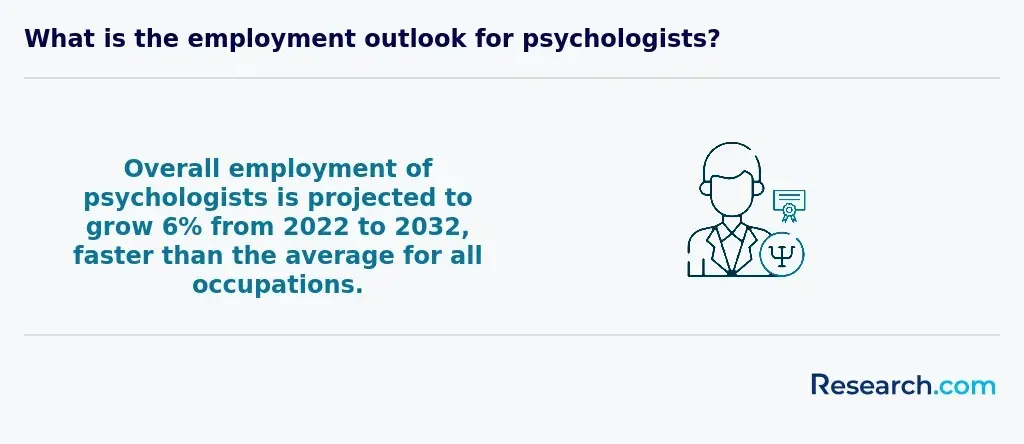
Maryland schools continue to need professionals who can support student mental health, special education evaluation, behavior intervention, crisis response, and academic success. Demand is shaped by school district staffing needs, student mental health concerns, special education requirements, and local budgets. Candidates should view the outlook as promising but not automatic; location, experience, specialization, and district hiring cycles matter.
Where school psychologists work in Maryland
- Public school districts, including large systems such as Baltimore City Public Schools and Montgomery County Public Schools
- Private schools and independent educational organizations
- Special education schools and therapeutic education settings
- Community mental health or assessment-focused organizations, when credentials allow
- Higher education, training, research, or student support roles
Salary expectations
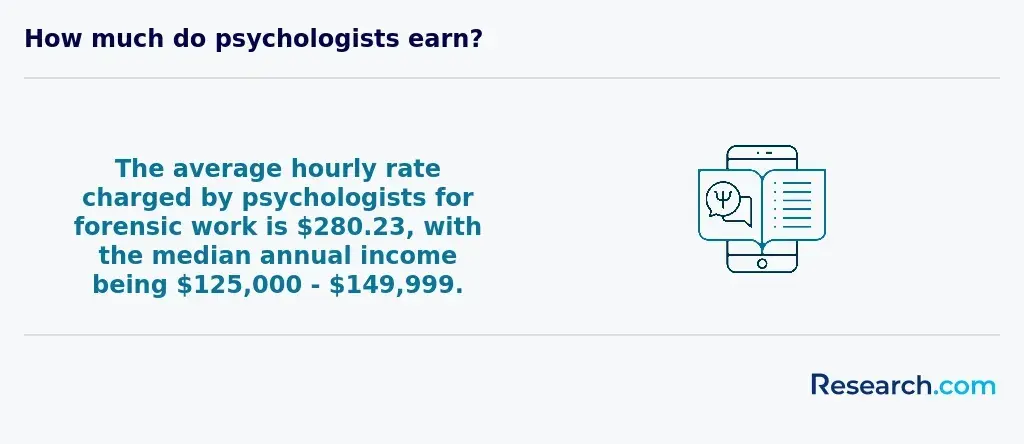
School psychologists in Maryland can see salaries that typically range from $70,000 to over $100,000 annually, depending on experience, district, contract structure, location, and responsibilities. Candidates should compare salary schedules, work-year length, benefits, pension or retirement options, supervision expectations, and caseloads instead of looking only at the annual salary figure.
How to improve your competitiveness
- Build strong assessment and report-writing skills during graduate training.
- Gain experience with special education eligibility processes and intervention planning.
- Develop skill in crisis intervention, behavioral assessment, trauma-informed practice, and culturally responsive consultation.
- Learn how to collaborate with educators, families, administrators, and outside providers.
- Join professional networks before graduation so you hear about internship and hiring opportunities early.
| Career factor | Why it affects hiring | Question to ask before accepting a role |
| Caseload | High caseloads can reduce time for prevention, consultation, and direct student support. | How many schools and students will I serve? |
| Role design | Some positions focus heavily on testing, while others include counseling, prevention, and systems work. | What percentage of the job is assessment compared with intervention and consultation? |
| Supervision | Early-career professionals need feedback and support. | Who provides supervision, and how often does it occur? |
| District resources | Access to social workers, counselors, nurses, and special educators affects workload. | What student support team structures are already in place? |
What are the main rewards and challenges of this career?
School psychology can be deeply meaningful because the work affects students’ learning, safety, emotional well-being, and access to services. It can also be demanding. In Maryland, school psychologists may face large caseloads, complex special education timelines, crisis needs, documentation pressure, and emotionally heavy situations. The Maryland State Department of Education reports that many school psychologists manage upwards of 60 cases, which can contribute to burnout when districts lack adequate staffing or support.
Common challenges
- High caseloads: Large numbers of evaluations, meetings, and intervention plans can leave limited time for prevention and counseling.
- Emotional intensity: Students may present with trauma, anxiety, depression, bullying concerns, family disruption, or crisis needs.
- Competing expectations: Parents, teachers, administrators, and outside providers may disagree about what a student needs.
- Paperwork and compliance pressure: Assessment timelines and documentation requirements can be substantial.
- Role confusion: Some schools may not fully understand how school psychologists differ from counselors, social workers, or diagnosticians.
Meaningful rewards
- Student impact: School psychologists help identify needs, remove barriers, and connect students with support.
- Systems-level influence: The role can improve classroom practices, crisis response, special education processes, and school climate.
- Professional variety: A typical week may include assessment, consultation, counseling, team meetings, data review, and family collaboration.
- Advocacy opportunities: School psychologists often help ensure students with disabilities and mental health needs receive appropriate services.
Strategies that reduce burnout risk
- Clarify priorities with supervisors during peak testing seasons.
- Use templates and systems for reports, meeting notes, and follow-up tasks.
- Seek consultation and mentorship instead of handling difficult cases alone.
- Protect time for exercise, sleep, relationships, and recovery outside work.
- Advocate for realistic caseloads and role expectations using data, not only personal frustration.
What can you do with a school psychology degree besides work in schools?
A school psychology degree is designed for school-based practice, but the skills can transfer into related roles if the professional obtains any additional credentials required for the new setting. Assessment, consultation, behavior support, child development knowledge, and systems thinking are valuable in education, mental health, nonprofit, and leadership environments.
| Alternative path | How school psychology training helps | What may be additionally required |
| Private practice or assessment services | Training in evaluation, consultation, and intervention planning | Separate licensure, supervised clinical hours, and exams may be required. |
| Educational leadership | Understanding of student support systems, special education, and school climate | Administrative credentials or leadership experience may be needed. |
| Higher education | Experience with student development, advising, mental health, and learning support | Doctoral training or specialized higher education experience may strengthen options. |
| Nonprofit mental health or education programs | Program design, advocacy, data use, and child-focused intervention skills | Role-specific credentials may be required for direct therapy or clinical supervision. |
| Behavioral consultation | Functional assessment and intervention planning experience | BCBA or other behavior-focused credentials may be useful or required. |
The key is to avoid assuming that a school psychology credential automatically authorizes all mental health services. Each role has its own legal scope, supervision rules, and licensure requirements.
What legal and ethical rules affect Maryland school psychologists?
School psychologists work with sensitive student information, disability-related decisions, mental health concerns, and family-school conflicts. In Maryland, ethical practice requires careful attention to confidentiality, informed consent, mandated reporting, assessment validity, disability law, and professional boundaries.
Legal responsibilities to understand
- Mandated reporting: School psychologists must report suspected child abuse or neglect as required by law.
- IDEA compliance: Assessments and recommendations must align with the Individuals with Disabilities Education Act when evaluating students for special education services.
- Section 504 responsibilities: School psychologists may support evaluation and planning for students who need disability-related accommodations under Section 504 of the Rehabilitation Act.
- FERPA confidentiality: Student education records are protected by the Family Educational Rights and Privacy Act, and information should be shared only with authorized individuals.
- Consent and disclosure: Parents or guardians often need to be involved before sensitive information is released, unless a legal exception applies.
Common ethical dilemmas
- A student requests privacy, but safety concerns require adult intervention.
- A parent disagrees with assessment findings or recommended supports.
- An administrator wants information that may exceed what is educationally necessary.
- A teacher asks for a diagnosis when the evaluation only supports educational eligibility decisions.
- A school needs crisis support, but the psychologist’s caseload is already overloaded.
Ethical practice means documenting decisions, consulting supervisors when needed, following National Association of School Psychologists guidance, and staying within the role authorized by Maryland certification and licensure rules.
What financial aid and scholarship options are available?
Graduate school in school psychology can be expensive, especially when students factor in tuition, fees, books, commuting, internship costs, testing fees, and lost income from reduced work hours. Maryland students should build a funding plan before enrolling rather than waiting until internship year.
Funding sources to explore
- Maryland Higher Education Commission scholarships: MHEC programs may support students pursuing education-related fields, including school psychology.
- University scholarships: Institutions such as Towson University and the University of Maryland may offer scholarships for students in school psychology or education programs.
- Federal student aid: Completing the FAFSA is the starting point for federal loans and some need-based aid.
- Graduate assistantships: Some programs offer assistantships that may provide tuition support, stipends, or professional experience.
- Loan repayment programs: Maryland’s Loan Assistance Repayment Program can provide relief for eligible professionals serving in high-need or underserved settings.
- Internship support: Some districts offer stipends or paid internships, although these opportunities may be competitive.
Estimated cost range
The average cost for a school psychology degree in Maryland ranges from $20,000 to $40,000, depending on the institution and program length. This estimate should be treated as a starting point. Your actual cost may differ based on residency status, credit load, transfer credits, assistantships, fees, and whether your internship is paid.
| Cost factor | Why it matters | Question to ask the program |
| Tuition and fees | Published tuition may not include all required fees. | What is the full estimated cost from entry through internship? |
| Internship year | Students may have less time for paid work during internship. | Are internships usually paid, unpaid, or stipend-supported? |
| Testing and certification | Exam and application costs can add up near graduation. | Which exams and credentialing fees should I budget for? |
| Assistantships | Funding can reduce borrowing and add experience. | How many school psychology students receive assistantships? |
| Loan repayment | Service-based programs may reduce debt after graduation. | Do graduates commonly qualify for state or employer repayment support? |
If affordability is your main concern, compare Maryland programs with low-cost online psychology programs, but confirm that any online option meets Maryland school psychology certification requirements before applying.
How can Maryland school psychologists protect work-life balance?
Work-life balance is not a personal luxury in school psychology; it affects judgment, empathy, documentation quality, and long-term retention. Maryland school psychologists may manage evaluations, meetings, crisis needs, family communication, consultation, and compliance deadlines across multiple buildings. Without boundaries and systems, the work can expand into evenings and weekends.
Practical workload strategies
- Use priority categories: Separate urgent safety concerns, legal timelines, scheduled meetings, report writing, and lower-priority administrative tasks.
- Batch similar work: Group report writing, teacher consultations, classroom observations, and parent calls when possible.
- Protect documentation time: Put report-writing blocks on the calendar and treat them as essential service time.
- Clarify role expectations: Ask supervisors whether the position prioritizes assessment, counseling, intervention, prevention, or consultation.
- Use support systems: Employee Assistance Programs, peer consultation groups, and professional organizations can reduce isolation.
- Advocate with data: Track caseload numbers, evaluation timelines, and service gaps when discussing staffing needs with administrators.
Questions to ask before accepting a position
- How many buildings will I cover?
- What is the expected caseload?
- How much time is allocated for counseling, consultation, prevention, and crisis response?
- Who provides supervision or consultation for complex cases?
- Are there district procedures for threat assessment, suicide risk, and crisis response?
- Are remote work, flexible scheduling, or protected report-writing days available?
Students comparing training options can review psychology colleges in Maryland to identify programs that offer strong preparation for school-based mental health and assessment careers.
Can clinical certifications expand a school psychologist’s role in Maryland?
Additional clinical credentials may help a school psychologist build expertise in trauma-informed care, counseling methods, behavioral intervention, or community mental health collaboration. However, certifications alone do not automatically expand legal scope of practice. Maryland professionals should verify whether a credential changes what services they can provide, whether supervision is required, and whether a separate license is necessary outside school employment. Those comparing long-term clinical routes may also find it useful to understand how to become a psychiatrist, especially when considering medical versus psychological approaches to mental health treatment.
Can school psychologists move into marriage and family therapy in Maryland?
School psychologists often understand how family stress, school conflict, trauma, and developmental needs affect children. Moving into marriage and family therapy, however, requires a separate preparation pathway focused on systemic family therapy, clinical diagnosis, supervised therapy experience, and Maryland-specific licensing rules. If this direction interests you, compare your current coursework with the marriage and family therapist education requirements in Maryland before assuming your school psychology degree will cover all requirements.
What are the broader pros and cons of psychology careers?
Psychology careers can offer meaningful work, varied practice settings, and opportunities to help people solve complex emotional, behavioral, and learning challenges. The trade-offs include emotionally demanding cases, extensive documentation, strict ethical obligations, supervised training requirements, and continuing education. Before committing to school psychology or another specialization, review the broader pros and cons of being a psychologist so you understand both the rewards and the pressures of the field.
Can special education certification strengthen school psychology practice?
Special education knowledge is highly relevant to school psychology because many school psychologists participate in eligibility evaluations, individualized supports, intervention planning, and family-school communication. A deeper understanding of special education can improve collaboration with teachers and help psychologists connect assessment findings to classroom strategies. Professionals who want stronger instructional and disability-service knowledge can compare their options with special education certification in Maryland.
Can BCBA certification help school psychologists in Maryland?
Behavior analysis can be valuable for school psychologists who work with challenging behavior, autism support, functional behavior assessment, positive behavior interventions, and consultation with teachers and families. A BCBA credential may strengthen behavior-focused practice, but it has its own coursework, supervised experience, and certification process. If you want to add applied behavior analysis to your professional toolkit, review how to become a BCBA in Maryland before choosing coursework or supervision.
Could speech-language pathology be a useful adjacent field?
School psychologists and speech-language pathologists often collaborate when students have communication, language, literacy, social-pragmatic, or learning concerns. Understanding speech-language pathology can improve team-based evaluation and intervention planning, but becoming an SLP requires a distinct licensure path. If you are considering a dual or adjacent credential, study the Maryland SLP license requirements to understand the coursework and clinical experience involved.
What leadership options exist for Maryland school psychologists?
Experienced school psychologists can move into leadership roles that influence district policy, crisis systems, special education procedures, mental health initiatives, staff training, and multidisciplinary team coordination. Advancement may involve mentoring interns, leading assessment teams, supervising related service providers, coordinating behavioral health programs, or contributing to district-level decision-making. Professionals who want roles beyond school certification should also review psychology licensure requirements in Maryland to understand when broader licensure may be necessary.
How are school psychology and school counseling different in Maryland?
School psychologists and school counselors both support student well-being, but their training and typical responsibilities differ. School psychologists focus heavily on assessment, learning and behavioral evaluation, special education eligibility, intervention planning, consultation, crisis response, and systems-level problem solving. School counselors are more likely to focus on academic planning, college and career readiness, classroom guidance, short-term counseling, and social-emotional support for the broader student population. If you are deciding between the two, compare school psychology requirements with the requirements to become a school counselor in Maryland.
| Role | Typical focus | Best fit for students who want to... |
| School psychologist | Assessment, intervention, special education, consultation, mental health support, crisis response | Use psychological testing and data to solve learning, behavioral, and emotional concerns |
| School counselor | Academic guidance, career planning, classroom lessons, social-emotional support, student transitions | Support broad student development through counseling, planning, and guidance programs |
Can school psychologists shift into counseling roles?
School psychologists already build skills in consultation, intervention planning, crisis response, and child development. Moving into counseling or therapy roles may still require additional coursework, supervised clinical hours, and a separate license depending on the services and setting. To avoid duplicating training unnecessarily, compare your background with the fastest pathway to become a counselor in Maryland and confirm requirements with the appropriate licensing body.
Which professional organizations support Maryland school psychologists?
Professional organizations help school psychologists stay current, find mentors, learn about policy changes, access continuing education, and connect with peers who understand the realities of the role. Maryland candidates should begin building these networks during graduate school, not after they are already searching for a job.
Organizations and resources to know
- Maryland School Psychologists’ Association: MSPA offers state-level advocacy, professional development, networking, and resources tailored to Maryland practice.
- National Association of School Psychologists: NASP provides national standards, ethics guidance, practice resources, professional development, and national certification information.
- University training programs: Programs such as those at Towson University may provide alumni networks, internship guidance, and continuing education connections.
- District-level mentorship: New professionals should ask whether districts offer formal mentoring, peer consultation, or supervision groups.
- Continuing education providers: Workshops and webinars on assessment, trauma, culturally responsive practice, legal updates, and behavioral intervention can support the required 40 hours every two years.
What related mental health professions have separate requirements?
School psychology sits within a larger mental health and education workforce that includes counselors, marriage and family therapists, behavior analysts, psychologists, social workers, psychiatrists, and speech-language pathologists. Each profession has its own scope of practice, supervision rules, exams, and licensing agency. For example, those considering family therapy should review MFT licensing requirements in Maryland before assuming school psychology training will meet clinical therapy requirements.
What trends are changing school psychology in Maryland?
School psychology in Maryland is being shaped by rising attention to student mental health, special education service needs, educator burnout, technology-supported services, and demand for culturally responsive practice. Candidates entering the field should prepare for work that goes beyond testing. Districts increasingly need psychologists who can help schools prevent problems, respond to crises, interpret data, collaborate with families, and support inclusive learning environments.
Trends to watch
- Greater focus on student mental health: Schools are paying closer attention to anxiety, depression, trauma, behavior concerns, and school climate.
- More collaboration: School psychologists are working alongside counselors, social workers, nurses, teachers, administrators, and outside providers to coordinate support.
- Technology-supported service delivery: Telehealth and digital tools may support consultation, counseling, data collection, and family communication, especially when used within legal and ethical limits.
- Social-emotional learning: Programs focused on resilience, coping skills, emotional regulation, and peer support are increasingly part of prevention efforts.
- Trauma-informed practice: Training in trauma, adversity, and culturally responsive intervention is becoming more important for effective school-based service.
- Licensure and staffing discussions: Maryland may continue considering ways to strengthen the workforce and improve pathways into school psychology.
If you are drawn to mental health work but not necessarily to school-based assessment and special education systems, learning how to start a therapy career without a psychology degree may help you compare alternative routes.
How can school psychologists transition into broader mental health roles?
Maryland school psychologists who want to provide therapy outside school settings should plan carefully. Their school-based training may provide a strong foundation, but broader mental health roles often require targeted counseling coursework, supervised clinical experience, a separate license, and compliance with different documentation and billing standards. A practical first step is to compare your current education and internship record with the requirements described in how to become a therapist in Maryland.
Common mistakes to avoid
| Mistake | Why it creates problems | Better approach |
| Choosing a general psychology degree without checking school psychology requirements | The program may not include the right internship, assessment sequence, or certification-aligned coursework. | Ask the program to confirm in writing how graduates meet Maryland school psychologist certification requirements. |
| Looking only at tuition | Fees, commuting, unpaid internship time, testing, and certification costs can change the real price. | Compare the full cost from admission through credentialing. |
| Assuming online coursework automatically qualifies | Some online programs may not satisfy Maryland internship or certification expectations. | Verify state approval, supervised placement support, and Maryland-specific outcomes. |
| Waiting too long to plan internship | Placements can be competitive, and documentation errors can delay certification. | Begin internship planning early and confirm supervisor qualifications. |
| Confusing school psychology with counseling or clinical psychology | Each role has a different scope, credential, and training model. | Match the degree to the actual job you want five years after graduation. |
| Assuming salary outcomes are guaranteed | Pay varies by district, contract length, experience, and responsibilities. | Review salary schedules, benefits, caseloads, and advancement options together. |
Questions to ask before enrolling in a Maryland school psychology program
- Is the program designed to meet Maryland school psychologist certification requirements?
- Does the curriculum include at least 60 graduate credit hours?
- How does the program help students secure the required 1,200-hour internship?
- Are internships typically paid, stipend-supported, or unpaid?
- Does the program include at least three semester hours in special education if required for my route?
- What are the program’s recent Praxis School Psychologist exam outcomes?
- Where do graduates usually work in Maryland?
- How much assessment practice do students complete before internship?
- What support is available for certification paperwork and job placement?
- How does the program teach ethics, FERPA, IDEA, Section 504, and mandated reporting?
Key insights
- Maryland school psychology is a specialized graduate pathway: A general psychology degree may not be enough. Look for a program that clearly aligns with Maryland certification requirements.
- The core requirements are substantial: Candidates should plan for at least 60 graduate credit hours, a 1,200-hour supervised internship, required examination scores, and continuing education of 40 hours every two years.
- Certification and licensure are not the same thing: School-based practice and independent clinical practice may involve different agencies, scopes, and requirements.
- The job can be rewarding but demanding: Maryland school psychologists may earn salaries ranging from $70,000 to over $100,000, but workload, caseload, supervision, and role design strongly affect job satisfaction.
- Internship quality matters: A strong placement builds assessment, consultation, intervention, and collaboration skills while helping candidates transition into full-time roles.
- Adjacent credentials can expand options: Counseling, MFT, BCBA, special education, clinical psychology, and speech-language pathology may complement school psychology, but each has separate requirements.
- The best program choice is the one that fits your intended role: Before applying, decide whether you want school-based assessment and consultation, broader therapy practice, leadership, behavior analysis, or another mental health pathway.
Related Articles for Nearby States
- 2027 How to Become a School Psychologist in Virginia - School Psychology Programs and Certifications Online & Campus
- 2027 How to Become a School Psychologist in West Virginia - School Psychology Programs and Certifications Online & Campus
- 2027 How to Become a School Psychologist in Pennsylvania - School Psychology Programs and Certifications Online & Campus
- 2027 How to Become a School Psychologist in Delaware - School Psychology Programs and Certifications Online & Campus
- 2027 How to Become a School Psychologist in New Jersey - School Psychology Programs and Certifications Online & Campus
- 2027 How to Become a School Psychologist in New York - School Psychology Programs and Certifications Online & Campus
- 2027 How to Become a School Psychologist in Ohio - School Psychology Programs and Certifications Online & Campus
- 2027 How to Become a School Psychologist in North Carolina - School Psychology Programs and Certifications Online & Campus
- 2027 How to Become a School Psychologist in Kentucky - School Psychology Programs and Certifications Online & Campus
- 2027 How to Become a School Psychologist in Connecticut - School Psychology Programs and Certifications Online & Campus
References:
- marylandpublicschools.org (n.d.). School Psychologist. Maryland State Department of Education.
- bls.gov (03 Apr 2024). Occupational Employment and Wages, May 2023. U.S. Bureau of Labor Statistics.
- psychology.org (15 Aug 2024). Alternative Careers for Psychology Majors. PSYCHOLOGY.org.
- nasponline.org (n.d.). National Association of School Psychologists. National Association of School Psychologists.
- Emily Sohn (01 Jan 2024). There’s a strong push for more school psychologists. American Psychological Association.
Other Things You Should Know about How to Become a School Psychologist in Maryland
Maryland offers reciprocity agreements allowing school psychologists licensed in certain states to practice without additional exams. Eligibility requires verification of a valid certification and compliance with Maryland's existing licensing standards, including background checks and submission through the Maryland Board of Professional Counselors and Therapists.
Yes. Maryland requires school psychologist candidates to pass the Praxis School Psychologist test, which is used by the Maryland State Department of Education for certification review. Candidates should also complete an approved graduate program and the required internship before applying for state certification.