
2027 How to Become a Special Education Teacher in Maryland: Requirements & Certification

Co-Founder and Chief Data Scientist
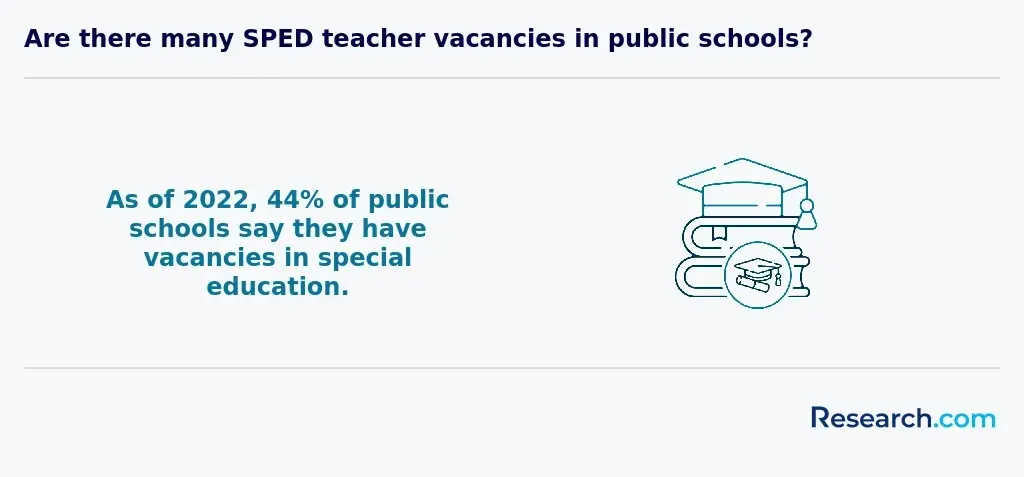
Becoming a special education teacher in Maryland is a licensing decision, a career-planning decision, and a financial decision. The state has a strong education system and serves students under the Individuals with Disabilities Education Act (IDEA), but it also continues to face staffing pressure: Maryland reported 1,935 unfilled teacher positions for 2023-2024, according to the Learning Policy Institute, including special education roles.
For future teachers, that shortage creates opportunity, but it does not remove the need to choose the right preparation route. Maryland special education teachers must complete approved education and certification requirements, gain supervised classroom experience, pass required assessments, and keep their credentials current through renewal and professional learning.
This guide explains how to become a special education teacher in Maryland, how long the process usually takes, what licensing steps to expect, how much special education teachers earn, where demand is strongest, and how to compare traditional, alternative, online, and advanced credential pathways.
Quick answer: How do you become a special education teacher in Maryland?
To become a special education teacher in Maryland, you typically need a bachelor’s degree in special education or a closely related teacher preparation program, supervised student teaching, passing scores on required licensure exams, a background check and fingerprinting, and a Maryland teaching license issued through the Maryland State Department of Education. Candidates who already hold a degree may be able to use a post-baccalaureate, alternative certification, or master’s-level pathway if it meets state approval requirements.
| Step | What it usually involves | Decision point for candidates |
| Earn the required degree | Complete a bachelor’s degree in special education, education, or a related approved field. | Choose a program that aligns with Maryland certification requirements before enrolling. |
| Complete teacher preparation | Finish coursework, fieldwork, and student teaching through a state-approved teacher preparation program. | Confirm that the program includes special education preparation and supervised classroom experience. |
| Pass required exams | Meet Maryland’s testing requirements for general teaching knowledge and special education competency. | Ask the program which exams are required for your grade band and endorsement area. |
| Clear background requirements | Complete fingerprinting and background checks for school employment and licensure. | Plan for this step before student teaching or district hiring deadlines. |
| Maintain your license | Complete renewal requirements every five years, including professional development or continuing education. | Track renewal hours early instead of waiting until the license is close to expiring. |
- Education requirements for Maryland special education teachers
- How long the Maryland certification path can take
- Licensing requirements for Maryland special education teachers
- Demand for special education teachers in Maryland
- Special education teacher salaries in Maryland
- Professional development options in Maryland
- Advanced roles for experienced special education teachers
- Common challenges in Maryland special education teaching
- How Maryland special education laws affect teachers
- Scholarships and grants for future Maryland special education teachers
- Financial aid options for aspiring special education teachers
- Whether online education can shorten or simplify the path
- How special education teachers can reduce burnout risk
- How to look for an affordable Maryland teaching credential
- How advanced credentials can affect growth and pay
- How school psychologists support special education teams
- Work-life balance for Maryland special education teachers
- How early childhood education connects to special education careers
- Moving from special education to elementary teaching
- Advanced certifications that may strengthen a special education career
- Career pathways in Maryland education settings
- Career alternatives for Maryland special education teachers
- Technology trends in Maryland special education classrooms
- Collaboration with allied professionals
- Transitioning from special education teaching to school counseling
- Key insights for your next step
What education do you need to become a special education teacher in Maryland?
The standard route begins with a bachelor’s degree in special education, education, or a closely related area that is part of an approved teacher preparation pathway. The degree should prepare you to teach students with disabilities, understand legal responsibilities, write and implement Individualized Education Programs, adapt instruction, collaborate with families, and manage classroom supports.
Not every education degree automatically qualifies you for Maryland special education certification. Before enrolling, check whether the program is approved for the credential area you want. A general education degree may not be enough unless it includes the required special education coursework, field experience, and certification preparation.
Many candidates later pursue a master’s degree in special education. A master’s is not always the first step into the classroom, but it can deepen expertise in assessment, behavior supports, curriculum adaptation, inclusion, leadership, and specialized disability areas. Programs at institutions such as Johns Hopkins University may allow educators to focus on specific areas of special education practice.
Academic performance also matters. Many programs expect applicants or continuing students to maintain a minimum cumulative GPA of around 3.0. That requirement is not just a formality; special education preparation includes legal, instructional, behavioral, and assessment concepts that require strong academic readiness.
Hands-on practice is essential. Maryland teacher preparation programs generally include field placements or student teaching so candidates can work with students under supervision. This is where future teachers learn how to translate coursework into real instruction: modifying lessons, collecting data, participating in IEP meetings, communicating with families, and coordinating with general education teachers and service providers.
If you already have a bachelor’s degree but did not major in education, Maryland may offer post-baccalaureate or alternative certification options. These routes can be useful for career changers, paraprofessionals, substitute teachers, and professionals who have experience working with children or disability services but still need formal educator preparation.
| Pathway | Best for | What to verify before enrolling |
| Bachelor’s in special education | First-time college students who know they want to teach special education. | State approval, student teaching placement, certification alignment, and support for licensure exams. |
| Bachelor’s in education with special education preparation | Students who want broader education training with a special education focus. | Whether the program leads to the exact Maryland special education credential you need. |
| Post-baccalaureate certification | Degree holders changing careers into teaching. | Admission requirements, fieldwork expectations, exam preparation, and employment compatibility. |
| Master’s in special education | Current educators, career changers, or candidates seeking advanced expertise. | Whether the program is initial licensure, advanced licensure, or professional development only. |
| Alternative certification route | Applicants who want a faster or employment-connected path. | Maryland approval, district partnerships, mentoring, cost, and completion obligations. |
How long does it take to become a special education teacher in Maryland?
The timeline depends on your starting point. A first-time undergraduate usually needs more time than a career changer who already has a bachelor’s degree, while a licensed teacher adding a special education endorsement may need a different timeline altogether.
- Bachelor’s degree: Earning a bachelor’s degree in education, special education, or a related approved field typically takes about four years.
- Teaching certification: After completing the degree and preparation requirements, the certification process can add six months to a year, depending on testing, paperwork, program completion, and Maryland State Department of Education requirements.
- Master’s degree: A master’s degree in special education can take one to two years to complete. Some candidates pursue it before entering the classroom, while others complete it after gaining teaching experience.
- Internships and student teaching: Supervised practice may run from one semester to a full academic year, depending on the program design.
- Total timeline: For many candidates, the full process can take four to seven years, depending on whether they pursue only initial certification or add graduate study and specialized credentials.
Schools such as Towson University and the University of Maryland offer programs that can support different stages of this pathway. However, candidates should compare programs based on approval status, certification outcomes, clinical placement quality, exam support, and total cost—not name recognition alone.
Educational backgrounds among special education teachers vary. Zippia reports that 66% of special education teachers completed a Bachelor’s degree, while 27% obtained a Master’s. The chart below provides additional context on educational attainment in the profession.
What licensing requirements apply to special education teachers in Maryland?
Maryland special education teachers must be licensed to teach in public school settings. Licensing protects students by requiring teachers to demonstrate preparation in instruction, disability support, legal compliance, assessment, and safe school practice.
- State-approved teacher preparation: Candidates must complete an approved teacher preparation program. This normally includes required coursework, supervised fieldwork, and student teaching.
- Licensure exams: Applicants must pass required assessments that measure general teaching knowledge and special education-specific competencies.
- Background checks and fingerprinting: Prospective educators must complete safety screening requirements before working with students.
- License renewal: Maryland teachers must meet renewal requirements every five years. Renewal generally involves professional development or continuing education that keeps teachers current in law, instructional practice, and student support.
- Reciprocity for out-of-state teachers: Teachers licensed in another state may be able to transfer or qualify through reciprocity if they meet Maryland criteria. A teacher who has completed Louisiana educator certification requirements, for example, should still confirm Maryland’s current documentation, testing, and endorsement rules before relocating.
Licensure is state-specific. The steps for becoming a teacher in Tennessee are not identical to Maryland’s process, and requirements can change. The safest approach is to verify current rules directly with the Maryland State Department of Education and with any program you are considering.
| Licensing item | Why it matters | Question to ask |
| Program approval | A degree that is not aligned with Maryland certification may delay licensure. | Does this program lead to Maryland special education certification? |
| Exam preparation | Testing delays can slow hiring and certification. | Which exams will I need, and how does the program prepare candidates? |
| Student teaching | Clinical experience is where candidates build practical classroom skills. | Where are placements located, and who supervises them? |
| Background checks | Schools require safety clearance before candidates work with students. | When should I complete fingerprinting and other checks? |
| Renewal planning | Teachers must keep their license active through ongoing development. | What professional learning counts toward renewal every five years? |
What is the demand for special education teachers in Maryland?
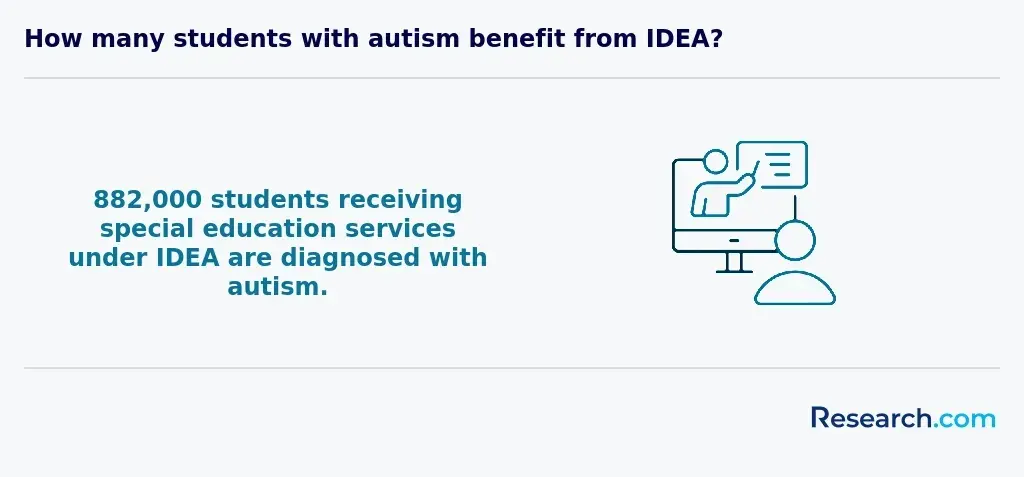
Demand for special education teachers in Maryland is tied to several factors: student needs, IDEA service requirements, teacher retirements, staffing shortages, and the need for specialized instruction across grade levels. In 2022-2023, approximately 13% of Maryland's public school student population received special education services.
O*NET OnLine projections show positive employment growth for Maryland special education roles across grade levels for 2020-2030. The projected growth ranges from 9% to 18%, depending on the role.
| Maryland special education role | Projected employment growth for 2020-2030 |
| Secondary School Special Education Teachers | 10% |
| Middle School Special Education Teachers | 9% |
| Kindergarten and Elementary School Special Education Teachers | 9% |
| Preschool Special Education Teachers | 18% |
| All Other Special Education Teachers | 10% |
These projections can help you choose a grade band or specialty while completing certification requirements. If you are still comparing teaching specialties, consider where your strengths fit best: early intervention, elementary inclusion, middle school transition support, secondary academic and life-skills planning, or specialized disability services.
Demand does not guarantee a specific job offer or salary. Hiring still depends on district budgets, vacancies, certifications held, geographic location, and your ability to demonstrate classroom readiness.
How much do special education teachers in Maryland earn?
Special education teacher pay in Maryland varies by grade level, district, education level, years of service, collective bargaining agreements, and additional responsibilities. Using BLS data, Maryland special education teachers earned yearly mean wages between approximately $69,000 and $81,000 as of 2023, depending on role category.
| Maryland role category | Yearly mean wage as of 2023 |
| Secondary School Special Education Teachers | $81,280 |
| Middle School Special Education Teachers | $77,580 |
| Kindergarten and Elementary School Special Education Teachers | $74,080 |
| All Other Special Education Teachers | $69,260 |
These figures are useful benchmarks, but they should not be treated as guaranteed earnings. A new teacher may start below the mean, while an experienced teacher with graduate credits, advanced credentials, or leadership duties may earn more under a district salary schedule.
Location can also matter. Urban and suburban districts may use different salary scales than rural systems, and some shortage areas may offer stipends, bonuses, or other incentives. Before accepting an offer, review the district salary schedule, step placement rules, health benefits, retirement contributions, tuition reimbursement, and workload expectations.
The chart below compares Maryland with other top-paying states for special education teacher salaries.
What professional development opportunities are available for special education teachers in Maryland?
Professional development is not optional in special education. Teachers must keep up with law, disability categories, IEP documentation, assistive technology, behavioral intervention, inclusive practices, trauma-informed teaching, and collaboration with related service providers.
- Maryland State Department of Education workshops: State-supported professional learning may address IEP development, behavior intervention, inclusive teaching, compliance, and instructional strategies.
- Maryland Coalition for Inclusive Education (MCIE): MCIE offers events and resources for educators, administrators, advocates, and families focused on inclusion and effective support for students with disabilities. Resources may include literature, podcasts, blogs, and professional learning opportunities.
- Online seminars and webinars: Flexible professional learning can help teachers study Universal Design for Learning, Positive Behavioral Interventions and Supports, assistive technology, data collection, and family collaboration without leaving full-time employment.
- District-based mentoring: New teachers should ask whether a district provides coaching, co-teaching support, release time for IEP work, or mentoring by experienced special education staff.
- Graduate coursework and certificates: Advanced study can support career moves into leadership, behavior support, diagnosis, curriculum design, or specialist roles.
Professional growth planning is valuable in any field. A person beginning a special education licensure route and someone researching an interior design career path both need to compare credentials, job requirements, costs, and long-term advancement options before investing time and money.
Are there advanced roles for experienced special education teachers in Maryland?
Experienced Maryland special education teachers can move into roles that influence programs, assessments, intervention planning, teacher coaching, and policy implementation. Maryland’s broader education and childhood development career ecosystem can support educators who want to work beyond one classroom.
A master’s degree in special education, specialized certifications, leadership experience, and strong documentation skills can make these transitions more realistic.
| Advanced role | What the role may involve | Good fit for teachers who enjoy |
| Lead special education teacher | Mentoring colleagues, supporting IEP compliance, improving instructional practice, and coordinating services. | Coaching, systems thinking, and collaborative problem-solving. |
| Educational diagnostician | Evaluating student needs, interpreting assessment information, and helping teams design educational plans. | Assessment, data analysis, and parent-team communication. |
| Behavior intervention specialist | Designing behavioral supports, training staff, collecting progress data, and supporting students with behavioral challenges. | Functional problem-solving, de-escalation, and evidence-based interventions. |
| Program manager or director | Managing special education services, compliance, staffing, budgets, and district-level improvement initiatives. | Leadership, policy, supervision, and strategic planning. |
| Independent consultant | Advising schools, training educators, developing materials, or supporting families and organizations. | Entrepreneurship, training, advocacy, and specialized expertise. |
These roles can increase influence and, in some cases, compensation. They also come with trade-offs: less direct student contact, more paperwork, higher accountability, and additional credential expectations.
What are the biggest challenges faced by special education teachers in Maryland?
Special education is meaningful work, but it is also demanding. Candidates should understand the pressure points before entering the field so they can choose supportive programs and districts.
- Large caseloads and heavy documentation: Teachers may balance instruction, progress monitoring, IEP preparation, family communication, accommodations, and compliance deadlines.
- Emotional intensity: Supporting students with complex needs can be rewarding and draining. Teachers may experience compassion fatigue when they do not have enough time, staffing, or emotional support.
- Resource gaps: Some classrooms may lack enough materials, assistive tools, planning time, or paraprofessional support.
- Administrative support differences: A supportive principal and special education coordinator can make the role sustainable. Weak support can make even skilled teachers feel isolated.
- Family communication challenges: Parents and guardians may be anxious, frustrated, or confused by services and progress. Teachers need clear, compassionate, legally sound communication.
- Collaboration demands: Special education teachers often coordinate with general education teachers, therapists, counselors, school psychologists, administrators, and outside providers.
| Common challenge | What to look for when choosing a district or role |
| High workload | Ask about caseload averages, planning time, IEP support, and paperwork systems. |
| Burnout risk | Look for mentoring, manageable schedules, mental health supports, and realistic expectations. |
| Limited resources | Ask how assistive technology, instructional materials, and paraprofessional supports are funded. |
| Weak collaboration | Ask whether teams have shared planning time and clear service coordination procedures. |
| Compliance pressure | Ask what training is provided for IEP timelines, documentation, and state reporting. |
How do special education laws in Maryland impact teachers?
Special education teachers work within a legal framework. In Maryland, teachers must understand federal IDEA requirements, state special education procedures, and district practices for identifying, serving, and supporting students with disabilities.
IDEA requires eligible students with disabilities to receive a free appropriate public education. In practice, that means special education teachers help develop, implement, monitor, and revise Individualized Education Programs. They also document progress, provide accommodations or modifications, participate in meetings, and collaborate with families and other professionals.
Early intervention is another important area. The Maryland Infants and Toddlers Program serves children from birth to age three, so teachers working near early childhood or transition services should understand how family-centered early support connects to later school-based services.
Teachers should also know that some students may receive services in nonpublic settings when public schools cannot meet their needs. Awareness of organizations and systems such as the Maryland Association of Nonpublic Special Education Facilities (MANSEF) can help teachers participate more effectively in placement discussions and student advocacy.
The practical takeaway is simple: legal knowledge is part of the job. Strong teachers know how to teach, but they also know how to document, communicate, collaborate, and protect student rights.
Are there scholarships and grants available for special education teachers in Maryland?
Cost can shape whether a future teacher chooses a bachelor’s program, graduate program, alternative route, or part-time pathway. Maryland students preparing for teaching should compare scholarships, grants, institutional aid, employer tuition benefits, and loan options before borrowing.
- Teaching Fellows for Maryland Scholarship: This program supports undergraduate or graduate students enrolled in an eligible institution and pursuing education toward a professional teacher’s certificate in Maryland. Recipients must be willing to work for a minimum of two years in a public school or prekindergarten program in a high-needs school.
- Maryland Workforce Shortage Student Assistance Grant Program: Maryland residents enrolled in a major considered a workforce shortage field may qualify. The grant awards $1,000 up to $4,000 per year, depending on enrollment status and recipient need.
- Institutional scholarships and grants: Maryland schools with educator preparation programs may offer merit-based or need-based aid. Awards may range from a few hundred dollars to a couple of thousand. The University of Maryland and Bowie State University are examples of institutions that may provide financial aid opportunities for future special education teachers.
When comparing aid, read the service obligations carefully. Some scholarships reduce upfront cost but require graduates to work in specific schools, shortage areas, or high-need settings for a defined period.
What financial aid should aspiring special education teachers in Maryland consider?
Financial aid planning should start before you choose a program. The cheapest advertised tuition is not always the lowest total cost, especially if a program requires unpaid fieldwork, commuting, exam fees, extra semesters, or out-of-pocket materials. Students comparing a campus degree with a bachelor of education online should calculate the full cost of attendance and the certification outcome.
| Financial aid source | How it can help | What to check first |
| Teaching Fellows for Maryland Scholarship | May reduce costs for students pursuing a Maryland professional teacher’s certificate. | Service commitment, eligible institutions, high-needs school requirement, and application deadlines. |
| Maryland Workforce Shortage Student Assistance Grant Program | Provides $1,000 up to $4,000 per year based on enrollment status and need. | Residency rules, eligible majors, renewal criteria, and award limits. |
| Institutional aid | May include merit scholarships, need-based grants, departmental awards, and graduate assistantships. | Whether aid applies to education majors, online students, transfer students, or part-time students. |
| Employer or district support | Some school systems may support current employees pursuing certification or graduate credits. | Eligibility, reimbursement timing, service obligations, and approved programs. |
| Federal student aid | Can help eligible students cover tuition and related education expenses. | Borrowing limits, interest, repayment expectations, and whether grants are available. |
Can online education accelerate your path to becoming a special education teacher in Maryland?
Online education can make the path more flexible, especially for working adults, paraprofessionals, substitute teachers, and career changers. It can also reduce commuting time and make it easier to complete coursework while working. However, online does not automatically mean faster, cheaper, or licensure-ready.
The most important question is whether the program is accredited and aligned with Maryland certification requirements. Special education teacher preparation still requires supervised field experiences or student teaching, and those placements must be arranged in appropriate school settings.
Students comparing online options should look at total cost, clinical placement support, exam pass support, faculty access, state authorization, and whether the degree leads to initial certification or only professional development. If affordability is the main concern, compare accredited options listed among the most affordable online education degrees, but verify certification fit before enrolling.
| Online program advantage | Possible drawback | How to protect yourself |
| Flexible schedule | Fieldwork still requires in-person school placements. | Ask how placements are arranged in Maryland. |
| Potentially lower commuting costs | Tuition and fees may still be significant. | Compare full cost of attendance, not tuition alone. |
| Good fit for working adults | Asynchronous coursework requires strong time management. | Ask about advising, tutoring, and faculty availability. |
| Broader school choice | Not every out-of-state program meets Maryland rules. | Confirm state authorization and licensure alignment in writing. |
How can special education teachers prevent burnout and sustain well-being in Maryland?
Burnout prevention starts with workload design, not just personal resilience. Self-care matters, but teachers also need reasonable caseloads, planning time, administrative support, paraprofessional support, and collaborative teams.
- Set documentation routines: Block time for progress monitoring, IEP notes, family contact logs, and accommodation tracking instead of letting paperwork accumulate.
- Use team-based support: Work with general education teachers, related service providers, behavior specialists, and administrators before challenges escalate.
- Protect boundaries: Decide when you will answer email, when you will complete planning, and which tasks must wait until contract hours.
- Use professional development strategically: Choose training that solves real classroom problems, such as behavior supports, assistive technology, or co-teaching.
- Consider flexible graduate study carefully: Programs included among the most affordable online education degrees may help teachers advance without leaving work, but adding school while teaching full time can also increase stress if the workload is not realistic.
How can I secure an affordable teaching credential in Maryland?
The affordable route is not always the shortest route. A program that costs less upfront may become expensive if it does not lead to licensure, requires extra coursework, has weak exam preparation, or does not help place students for fieldwork.
Start by comparing accredited, Maryland-aligned options and asking for a written explanation of the credential outcome. Candidates trying to reduce costs can review teaching credential programs in Maryland and then confirm whether each option supports special education certification specifically.
| Cost factor | Why it matters | Better question to ask |
| Tuition | It is only one part of the total cost. | What is the full program cost, including fees and materials? |
| Clinical placement | Unpaid student teaching can affect income. | Can I complete fieldwork near where I live or work? |
| Exam fees and preparation | Retakes can delay certification and add cost. | What support is provided for required licensure exams? |
| Transfer credits | Accepted credits can shorten completion time. | How many of my prior credits will apply to this program? |
| Licensure alignment | A nonaligned program can force extra coursework later. | Does this program lead to Maryland special education certification? |
How can advanced credentials influence career growth and compensation in Maryland?
Advanced credentials can help special education teachers qualify for leadership, specialist, coaching, diagnostic, curriculum, or administrative roles. They may also affect salary placement if a district salary schedule rewards graduate credits or advanced degrees.
A master’s degree can be especially valuable when it builds skills in assessment, behavior intervention, assistive technology, compliance, program evaluation, or leadership. For broader salary context, review how a teacher with a master’s degree salary may differ from pay for teachers without graduate education.
Before enrolling in an advanced program, ask whether it will improve your current district salary lane, qualify you for a new role, meet renewal requirements, or prepare you for a specialist credential. A degree should support a career goal, not simply add debt.
Can school psychologists enhance support for special education in Maryland?
School psychologists are key partners in special education. They help evaluate cognitive, behavioral, emotional, and social factors that affect learning. They also support intervention planning, eligibility discussions, crisis response, behavior strategies, and collaboration with families.
For special education teachers, strong collaboration with school psychologists can improve assessment interpretation, behavior planning, and student support. Teachers considering a long-term move into psychological services should review school psychologist requirements in Maryland before assuming their teaching background is enough.
What is the work-life balance like for special education teachers in Maryland?
Work-life balance varies widely by district, grade level, caseload, administrative support, and teacher experience. Special education teachers often work beyond the student day because their responsibilities include instruction, IEP development, progress monitoring, family communication, team meetings, behavior planning, and compliance documentation.
- Typical time demands: Teachers may spend evenings or weekends preparing lessons, updating documentation, planning accommodations, or preparing for meetings.
- Emotional load: The work can be deeply fulfilling, but supporting students with complex academic, behavioral, communication, or medical needs can be exhausting without adequate support.
- Boundary strategies: Effective teachers often create systems for paperwork, set communication windows, use templates appropriately, and collaborate instead of carrying every responsibility alone.
- District support: Some Maryland districts may offer mentoring, wellness programs, counseling resources, or collaboration time. Others may provide less structured support, so ask detailed questions before accepting a position.
- Preparation matters: Candidates comparing programs such as the easiest teaching degree to get should not choose only by difficulty. A solid preparation program can make the first teaching years more manageable.
What role does early childhood education play in shaping special education careers in Maryland?
Early childhood education is closely connected to special education because many developmental delays and disabilities are first identified before or during the early school years. Teachers with early childhood knowledge are often better prepared to recognize developmental patterns, communicate with families, and support early intervention.
Maryland educators interested in young learners should understand how preschool preparation, early intervention, family engagement, and special education services connect. Reviewing preschool teacher requirements in Maryland can help candidates decide whether to focus on early childhood special education, preschool inclusion, or later grade levels.
Can special education teachers transition to elementary classroom roles?
Special education teachers often develop skills that transfer well to elementary classrooms, including differentiated instruction, progress monitoring, classroom management, small-group instruction, and family communication. However, a move into general elementary teaching may require additional certification or coursework.
Teachers considering this shift should compare their current credential with Maryland elementary education requirements. A detailed guide on how to become an elementary school teacher in Maryland can help clarify what additional steps may be needed.
What advanced certifications can boost special education careers in Maryland?
Advanced certifications can help teachers specialize in behavior, assessment, intervention, autism support, assistive technology, administration, or applied behavior analysis. These credentials can be useful for teachers who want to move into specialist roles or improve their effectiveness with complex student needs.
Applied behavior analysis is one example of a specialized direction. Educators interested in behavior intervention, data-based decision-making, and consultative support can review the steps for how to become a BCBA in Maryland. Requirements for advanced credentials can be separate from teacher licensure, so always verify education, supervised experience, examination, and renewal expectations.
Career pathways across different educational settings in Maryland
Maryland special education teachers can work in public schools, private schools, specialized nonpublic settings, early childhood programs, charter environments, nonprofit organizations, and consultative roles. Each setting has different expectations for licensure, workload, collaboration, and student population.
Public schools are often the most direct route for teachers seeking Maryland special education certification and district salary schedules. Private schools may offer smaller class sizes or mission-specific programs, but certification expectations can differ. Candidates interested in private education should review how to become a private school teacher in Maryland before assuming public school licensure rules apply in the same way.
Nonprofit and specialized disability organizations may hire special education professionals for program coordination, family support, advocacy, transition services, training, or interdisciplinary student support. These roles may involve collaboration with therapists, counselors, social workers, and medical or behavioral specialists.
What career alternatives are available to special education teachers in Maryland?
Special education experience can lead to careers outside the traditional classroom, but many alternatives require additional education, supervised practice, or licensure. Teachers may consider roles in speech-language pathology, occupational therapy, school counseling, behavior analysis, educational consulting, disability advocacy, instructional design, or program administration.
For example, a teacher interested in communication disorders could explore how to become a speech-language pathologist in Maryland. That path is related to special education but has its own training and credentialing rules.
| Alternative career | Connection to special education | Likely additional requirement |
| Speech-language pathologist | Supports communication, language, and speech needs. | Additional graduate education and licensure requirements. |
| School counselor | Supports student academic, social, emotional, and career development. | Counseling-specific preparation and Maryland credentialing. |
| Behavior specialist | Designs intervention plans and supports students with behavioral needs. | Specialized behavior training or certification. |
| Educational consultant | Advises schools, families, or organizations on services and instruction. | Advanced expertise, strong record of practice, and often graduate study. |
| Program administrator | Oversees special education services, compliance, staffing, and improvement. | Leadership training, administrative credentials, or district experience. |
How is technology transforming Maryland’s special education classrooms?
Technology is changing how special education teachers individualize instruction, document progress, support communication, and collaborate with teams. Assistive technology, adaptive software, speech-to-text tools, visual supports, learning management systems, and data dashboards can help teachers respond more quickly to student needs.
Technology also brings responsibilities. Teachers must protect student privacy, choose tools that match IEP goals, avoid using software as a substitute for instruction, and ensure students can access tools equitably. Artificial intelligence may help with drafting, planning, or data organization, but teachers still need professional judgment and must follow district policies.
Educators who want to broaden their instructional range can also study technology use in other subject areas. For example, a guide on how to become an English teacher in Maryland can offer perspective on literacy instruction, writing tools, and classroom technology beyond special education.
How can collaboration with allied professionals enhance student support?
Special education works best when teachers are not expected to solve every need alone. Students may benefit from coordinated support involving school psychologists, speech-language pathologists, occupational therapists, physical therapists, counselors, nurses, social workers, behavior specialists, administrators, and family members.
Collaboration helps teams identify root causes, align interventions, avoid duplicated services, and support the whole student. It is especially important when students experience behavioral, communication, mental health, or substance-related challenges. Educators who want to understand related student support roles can review how to become a substance abuse counselor in Maryland.
Can special education teachers transition to school counseling roles?
Special education teachers often build strong skills in empathy, student assessment, family communication, intervention planning, and multidisciplinary collaboration. These strengths can transfer to school counseling, but teaching experience alone does not usually qualify someone for a counseling position.
A transition into counseling typically requires counseling-specific graduate preparation, supervised experience, and Maryland credentialing. Teachers considering this move should compare their current background with school counselor requirements in Maryland before choosing a program.
Common mistakes to avoid when becoming a special education teacher in Maryland
| Mistake | Why it can hurt you | Better approach |
| Choosing a program without checking Maryland approval | You may finish coursework that does not lead to the credential you need. | Ask the program and the state licensing agency to confirm certification alignment. |
| Looking only at tuition | Fees, commuting, unpaid fieldwork, testing, and extra semesters can change the real cost. | Compare full cost of attendance and completion time. |
| Assuming online means licensure-ready | Some online degrees are not designed for Maryland teacher certification. | Confirm state authorization, clinical placement support, and licensure outcomes. |
| Ignoring district salary schedules | Salary can vary by district, step placement, and graduate credits. | Review salary schedules and ask how your education and experience will be credited. |
| Underestimating paperwork | IEP compliance and documentation are major parts of the role. | Choose programs and districts that train teachers in legal documentation and workload systems. |
| Waiting to plan for renewal | License renewal every five years can become stressful if credits are not tracked. | Keep records of professional development from the start of your career. |
Questions to ask before choosing a Maryland special education program
- Is this program approved for Maryland special education teacher certification?
- Which grade levels and disability areas does the program prepare me to teach?
- What licensure exams will I need, and what pass-rate or preparation support is available?
- How are student teaching and field placements arranged?
- Can working adults complete the program part time?
- Will previous college credits transfer?
- What is the total cost, including fees, books, testing, and placement-related expenses?
- Does the program help with job placement or district connections?
- How does the program teach IEP development, behavior supports, inclusion, and family collaboration?
- If the program is online, does it meet Maryland licensure and state authorization requirements?
Related Articles for Nearby States
- 2027 How to Become a Special Education Teacher in Virginia: Requirements & Certification
- 2027 How to Become a Special Education Teacher in West Virginia: Requirements & Certification
- 2027 How to Become a Special Education Teacher in Pennsylvania: Requirements & Certification
- 2027 How to Become a Special Education Teacher in Delaware: Requirements & Certification
- 2027 How to Become a Special Education Teacher in New Jersey: Requirements & Certification
- 2027 How to Become a Special Education Teacher in New York: Requirements & Certification
- 2027 How to Become a Special Education Teacher in Ohio: Requirements & Certification
- 2027 How to Become a Special Education Teacher in North Carolina: Requirements & Certification
- 2027 How to Become a Special Education Teacher in Kentucky: Requirements & Certification
- 2027 How to Become a Special Education Teacher in Connecticut: Requirements & Certification
References:
- Kolmar, C. (March 2024). Special Education Teacher Salary By State: Highest-Paid Special Education Teachers by State [2024]. Zippia. https://www.zippia.com/advice/special-education-teacher-salary-by-state
- O*NET OnLine (n.d.). Occupation Keyword Search. https://www.onetonline.org/find/quick?s=special+education+teachers Data Retrieved on October 28, 2024
- Tan, T.S. et al. (August 2024). State teacher shortages 2024 update: Teaching positions left vacant or filled by teachers without full certification. Learning Policy Institute. https://learningpolicyinstitute.org/media/4412/download?inline&file=State_Vacancy_2024_RESOURCE.pdf
- U.S. Bureau of Labor Statistics (April 2024). May 2023 State Occupational Employment and Wage Estimates, Maryland. https://www.bls.gov/oes/2023/may/oes_md.htm
- Zippia (n.d.). Special Education Teacher demographics and statistics in the US. https://www.zippia.com/special-education-teacher-jobs/demographics
Key insights
- Maryland special education teachers generally need an approved degree or teacher preparation route, supervised classroom experience, required exams, background clearance, and state licensure.
- The usual timeline ranges from four to seven years, depending on whether you start with a bachelor’s degree, add a master’s degree, or use a post-baccalaureate pathway.
- Maryland reported 1,935 unfilled teacher positions for 2023-2024, and special education remains part of the state’s staffing need.
- O*NET projections for Maryland special education roles show growth from 9% to 18% for 2020-2030, with preschool special education projected at 18%.
- BLS data show Maryland yearly mean wages for special education teachers ranging from $69,260 to $81,280 as of 2023, depending on role category.
- Online and affordable programs can help, but only if they are accredited, Maryland-aligned, and include required field placements.
- The best program is not simply the cheapest or fastest one. Choose the route that leads to the correct credential, supports licensure exams, provides strong clinical practice, and fits your long-term career goal.
- Special education can lead to advanced roles in diagnosis, behavior intervention, leadership, consulting, school psychology, counseling, and related services, but many transitions require additional credentials.
Other Things You Should Know About Becoming a Special Education Teacher in Maryland
The Maryland State Department of Education, through the Educator Licensure branch, issues special education teaching certificates. Applicants must complete a Maryland-approved educator preparation program, hold at least a bachelor’s degree, and meet the state’s content, pedagogy, and background check requirements.
To become certified, Maryland requires passing the Praxis Core Academic Skills for Educators and Praxis Special Education tests. These exams assess skills in reading, writing, and mathematics, along with specialized knowledge in special education. Verify the exact test codes and passing scores on the Maryland State Department of Education website.


