
2027 How to Become a Middle School Math Teacher in Hawaii: Requirements & Certification

Co-Founder and Chief Data Scientist
If you want to teach middle school math in Hawaii, the decision is bigger than “earn a degree and apply.” You need to understand Hawaii’s licensure rules, math content requirements, student teaching expectations, testing, background checks, renewal obligations, and the financial reality of working in a high-cost state. This guide is written for future teachers, career changers, out-of-state educators, and education majors who want a practical roadmap for becoming licensed and employable as a middle school math teacher in Hawaii.
You will learn the required steps, how teacher preparation works, which assessments and documents matter, what classroom experience to expect, how salary and cost of living affect the decision, and how to strengthen your long-term career options through professional development, endorsements, and community involvement.
Quick answer: How do you become a middle school math teacher in Hawaii?
To become a middle school math teacher in Hawaii, you typically need a bachelor’s degree, completion of a State-Approved Teacher Education Program, student teaching experience, passing scores on required educator assessments, a background check, and a Hawaii teaching license issued through the Hawaii Teacher Standards Board. Candidates should also plan for testing fees, licensing costs, fingerprinting, and continuing professional development after they are hired.
Fast facts about becoming a middle school math teacher in Hawaii
- Hawaii reported a middle school math teacher shortage with an approximately 10% vacancy rate in the 2023 academic year, creating openings for qualified math educators.
- The average salary for middle school math teachers in Hawaii is around $60,000 annually, although pay can change by district, education level, years of experience, and credentials.
- The employment outlook is positive, with projected growth of about 5% over the next decade because of student enrollment needs and demand for STEM-qualified teachers.
- Hawaii’s high cost of living is a major planning factor. The median home price is approximately $800,000, which can affect relocation, housing, savings, and long-term affordability.
- Hawaii’s education budget has been increasing, with attention on teacher salaries and school resources, which may support teacher retention and job satisfaction.
- Steps to become a middle school math teacher in Hawaii
- Education requirements for Hawaii middle school math teachers
- Certification and licensing process in Hawaii
- Student teaching, internships, and classroom experience
- Hawaii middle school math standards and curriculum expectations
- Job market and salary expectations
- Professional development and continuing education
- Classroom management and effective math teaching methods
- Career advancement and specialization options
- Legal and ethical responsibilities
- Resources and support for new teachers
- Using advanced special education credentials to improve math teaching
- Financial incentives and support systems for teachers
- Interdisciplinary professional development for math teachers
- Moving into interdisciplinary teaching roles
- Community engagement opportunities
- Affordable ways to pursue certification
- Transitioning from middle school to high school math teaching
- Dual certification in math and English
- Teaching certificate requirements in Hawaii
- Other teaching opportunities in Hawaii
- Inclusive teaching practices and specialized training
- Maintaining work-life balance as a Hawaii teacher
What are the steps to becoming a middle school math teacher in Hawaii?
The standard route combines college coursework, teacher preparation, testing, supervised practice, and state licensure. The exact sequence may vary depending on whether you are an undergraduate, a career changer, or an out-of-state teacher, but most candidates follow these steps.
| Step | What you need to do | Why it matters |
| 1. Earn a bachelor’s degree | Complete at least a bachelor’s degree in education, mathematics, or a closely related field. | Hawaii requires college-level preparation before a candidate can qualify for licensure. |
| 2. Complete teacher preparation | Enroll in an accredited teacher preparation program with pedagogy coursework, math instruction training, and supervised student teaching. | This is where candidates learn how to plan lessons, assess student learning, manage classrooms, and teach math concepts effectively. |
| 3. Demonstrate math competency | Pass required assessments, including the Praxis II Mathematics Content Knowledge exam when applicable. | The state uses exams to verify that candidates understand the math content and teaching methods needed for the grade level. |
| 4. Apply for licensure | Submit your application to the Hawaii Teacher Standards Board with documentation of your education, exams, and teacher preparation. | A valid license is required to teach in Hawaii public schools. |
| 5. Complete background checks | Complete fingerprinting and a criminal background check. Fingerprinting fees typically range from $50 to $100. | Background screening is required to protect student safety. |
| 6. Budget for fees | Plan for licensing, testing, and background-check expenses. The teaching license application fee is approximately $25, with other fees added separately. | Costs can add up, especially for candidates relocating to Hawaii or completing exams more than once. |
| 7. Maintain your credential | Complete continuing education after licensure, including a minimum of 30 hours of professional development every five years. | Professional development supports license renewal and helps teachers stay current with curriculum, technology, and student needs. |
Before choosing a program, confirm that it aligns with Hawaii requirements. If you are comparing licensure systems across states, this guide to teacher requirements in Virginia can help you see how Hawaii’s pathway differs from another state’s process.
What are the educational requirements for becoming a middle school math teacher in Hawaii?
Hawaii expects middle school math teacher candidates to show both subject knowledge and teaching ability. A strong math background alone is not enough; candidates also need training in adolescent learning, instructional design, assessment, classroom management, and culturally responsive teaching.
- Minimum degree: Candidates must hold at least a bachelor’s degree in mathematics, education, or a related field from an accredited institution.
- Math coursework: Programs typically include core mathematics such as algebra, geometry, statistics, arithmetic reasoning, and data analysis.
- Education coursework: Future teachers study pedagogy, lesson planning, assessment, classroom management, child and adolescent development, and methods for teaching middle-level mathematics.
- State-Approved Teacher Education Program: Candidates must complete a State-Approved Teacher Education Program, often called a SATEP. Traditional programs usually combine education coursework with a student teaching placement, while alternative programs may serve candidates who already hold a bachelor’s degree.
- Subject matter competency: Candidates must demonstrate math proficiency through required ETS assessments covering middle school mathematics and general teaching knowledge.
Traditional route vs. alternative route
| Pathway | Best for | Typical features | Key caution |
| Traditional bachelor’s degree with teacher preparation | Students who know early that they want to become teachers | Combines general education, math coursework, teaching methods, and student teaching | Changing majors late can extend the timeline. |
| Post-baccalaureate or alternative preparation | Career changers with an existing bachelor’s degree | Focuses on pedagogy, supervised teaching, and meeting licensure requirements | Not every alternative program automatically satisfies Hawaii rules. |
| Graduate-level preparation | Candidates seeking advanced study or stronger long-term mobility | May combine teacher preparation with advanced education coursework | Higher tuition may not always produce immediate salary gains. |
If you plan to work with middle school students, child and adolescent development coursework can be especially useful. Candidates who want deeper preparation in how children learn may compare programs using Research.com’s child development degree guide.
What is the certification and licensing process for a middle school math teacher in Hawaii?
Hawaii teacher licensure is overseen by the Hawaii Teacher Standards Board, and public school employment also involves Hawaii Department of Education procedures. Candidates should review the official Hawaii licensure and certification information before applying, because requirements can vary by license type and applicant background.
- Complete a qualifying preparation program: Finish a mathematics education degree or approved teacher preparation pathway that includes both math content and teaching methodology. The program should include student teaching under the supervision of an experienced educator.
- Pass required exams: Candidates must complete required assessments, including the Core Academic Skills for Educators tests in reading, writing, and mathematics. Candidates also take a Middle School Mathematics test with 55 questions covering algebra, arithmetic, geometry, and data analysis.
- Apply for a Standard Teaching License: After meeting education and testing requirements, candidates can apply online or by paper to the Teacher Standards Board in Honolulu. The licensing fee is $240.
- Complete fingerprinting and background review: Applicants should expect fingerprinting and background screening as part of the process.
- Renew or advance the license: The initial license is valid for five years and can be renewed online. To qualify for an Advanced Teaching License, teachers must have at least five years of teaching experience and meet additional education requirements, such as earning a master’s degree in mathematics.
Documents to prepare before applying
- Official transcripts showing your degree and completed coursework
- Verification of completion of a State-Approved Teacher Education Program
- Passing test scores for required assessments
- Student teaching or supervised clinical experience documentation
- Fingerprinting and background-check documentation
- Licensure application and required fees
How important is teaching experience and what are the internship opportunities for middle school math teachers in Hawaii?
Classroom experience is one of the most important parts of becoming a middle school math teacher in Hawaii. A candidate may understand mathematics well but still need practice explaining abstract ideas, diagnosing misconceptions, managing student behavior, and adapting lessons for different readiness levels.
Hawaii candidates typically complete a student teaching placement lasting one semester. This placement gives future teachers direct classroom responsibility while still working with a mentor. Many opportunities are connected to the University of Hawaii system, local school partnerships, and alternative certification options. The Hawaii Department of Education has reported that approximately 80% of new teachers say student teaching significantly prepared them for their first teaching role.
How to get the most out of student teaching
- Plan lessons before you are asked: Volunteer to draft activities, exit tickets, small-group tasks, and review lessons so you can practice designing instruction.
- Ask for specific feedback: Instead of asking “How did I do?” ask your mentor how you handled questioning, pacing, student errors, or transitions.
- Track student misconceptions: Keep notes on where students struggle with fractions, equations, geometry, and data interpretation so you learn how to reteach effectively.
- Practice classroom routines: Middle school math classes depend on structure. Learn how your mentor handles warm-ups, homework checks, group work, and behavior redirection.
- Reflect regularly: Use a teaching journal to identify what improved, what failed, and what you would change before teaching the lesson again.
Alternative pathways such as Teach for America and the Hawaii Teacher Corps may provide additional routes into classroom experience, usually with intensive training, coaching, and mentorship.
What are the Hawaii standards and curriculum requirements for teaching middle school math?
Middle school math teachers in Hawaii must teach to state expectations that define what students should know and be able to do. These expectations affect lesson planning, pacing, classroom assessments, intervention support, and preparation for later math courses.
For a teacher, the standards are not just a checklist. They shape how students progress from arithmetic fluency to proportional reasoning, algebraic thinking, geometry, statistics, and problem solving. A strong teacher helps students understand why procedures work, not just how to memorize steps.
What Hawaii middle school math teachers should be ready to do
- Align daily lessons and units with Hawaii’s middle school math expectations.
- Use formative assessments to identify gaps before students fall too far behind.
- Teach multiple representations, including tables, graphs, equations, diagrams, and verbal explanations.
- Connect math to local and real-world contexts when appropriate.
- Support students who need remediation while also challenging students ready for enrichment.
- Coordinate with special education teachers, English learner specialists, and grade-level teams.
Teachers who later want to move into department leadership, instructional coaching, or school administration may benefit from leadership-focused graduate study. Research.com’s guide to online organizational leadership master’s programs can help educators compare broader leadership education options.
What is the job market like and what are the salary expectations for middle school math teachers in Hawaii?
The job market for middle school math teachers in Hawaii is favorable because math remains a high-need subject. As of July 2024, the average salary for a middle school math teacher in Hawaii is approximately $70,653, with a typical range from $57,377 to $87,849. Pay may vary by location, experience, degree level, certification, and additional skills.
Salary should be evaluated alongside Hawaii’s cost of living. Honolulu and other urban areas may offer stronger salary opportunities, but housing and daily expenses can be high. Rural and less populated areas may pay differently, but some positions may include support such as housing assistance or relocation incentives.
| Factor | How it can affect your decision |
| Salary range | The reported range of $57,377 to $87,849 means candidates should review district-specific salary schedules, not just statewide averages. |
| Cost of living | The median home price of approximately $800,000 can make housing the biggest financial concern for relocating teachers. |
| Benefits | Health insurance, retirement plans, and paid time off can make total compensation stronger than salary alone. |
| Location | Urban areas may have different pay and demand patterns than rural or island communities. |
| Credentials | Advanced degrees, endorsements, and experience may improve salary placement and promotion options. |
One Hawaii teacher described the market this way: “I worried about whether I would find a position, but the need for math teachers was clear.” She added, “The salary was better than I expected, especially when I considered the benefits.”
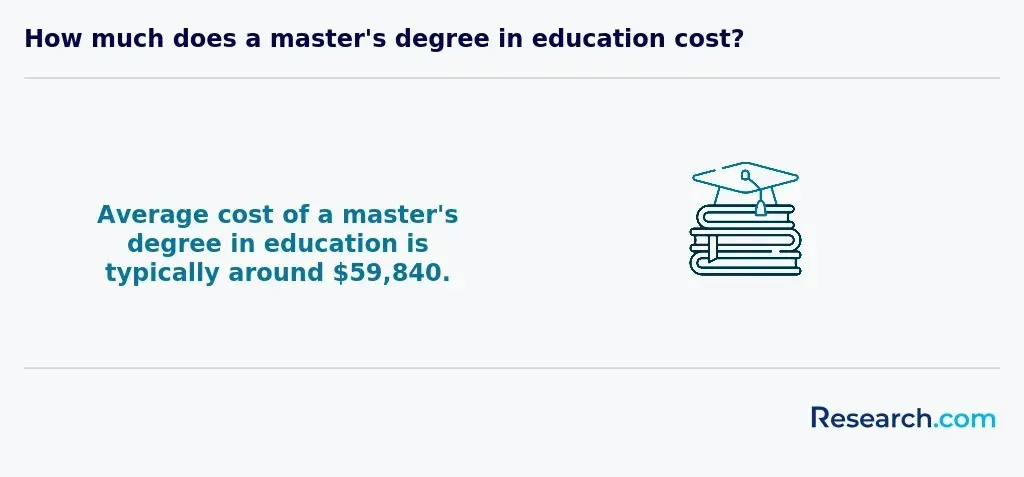
Educators who want to strengthen their credentials through graduate study should compare cost carefully. Although not specific to math teaching, Research.com’s resource on affordable online MFA programs shows how program cost can vary widely across online graduate options.
What professional development and continuing education opportunities are available for middle school math teachers in Hawaii?
Professional development is required for maintaining licensure and staying effective in the classroom. For middle school math teachers, the most valuable training usually focuses on standards-based instruction, student misconceptions, special education collaboration, culturally responsive teaching, assessment design, and educational technology.
The Hawaii State Teachers Association offers discounted professional development courses for members. These courses may save more than $1,000 compared with traditional university courses and are reviewed by the HSTA Instruction and Professional Development Department for quality and relevance.
Teachers can also use the PDE3 portal, managed by the Hawaii State Department of Education, to locate approved professional development opportunities that may count toward reclassification credits. Educators can begin accumulating credits once they start employment, which can help with advancement and salary movement.
Professional development options to prioritize
- Middle school math content workshops: Useful for strengthening instruction in algebra readiness, geometry, ratios, proportional reasoning, and statistics.
- Technology integration: Helps teachers use interactive tools, digital assessments, and math software effectively.
- Special education and differentiation: Supports inclusive instruction for students with IEPs and varied learning needs.
- Culturally responsive teaching: Helps teachers design lessons that respect Hawaii’s diverse communities.
- Leadership and reclassification credits: Can support career advancement and salary increases.
Teachers who need additional formal education may compare flexible options such as an online bachelor’s degree in education, especially if they are still completing their initial teaching preparation.
What are effective classroom management strategies and teaching methods for middle school math teachers in Hawaii?
Middle school math instruction requires structure, patience, and active engagement. Students at this age are developing independence, but they still need consistent routines and clear expectations. Effective classroom management can lead to a 20% increase in student engagement and achievement, making it a core teaching skill rather than an extra responsibility.
Classroom strategies that work well in middle school math
- Set expectations early: Teach routines for entering class, starting warm-ups, using calculators, working in groups, asking for help, and turning in assignments.
- Use culturally relevant examples: In Hawaii, math problems can connect to local geography, navigation, environmental data, small businesses, sports, and community issues.
- Mix direct instruction with practice: Students need clear explanations, but they also need guided practice, independent work, and collaborative problem solving.
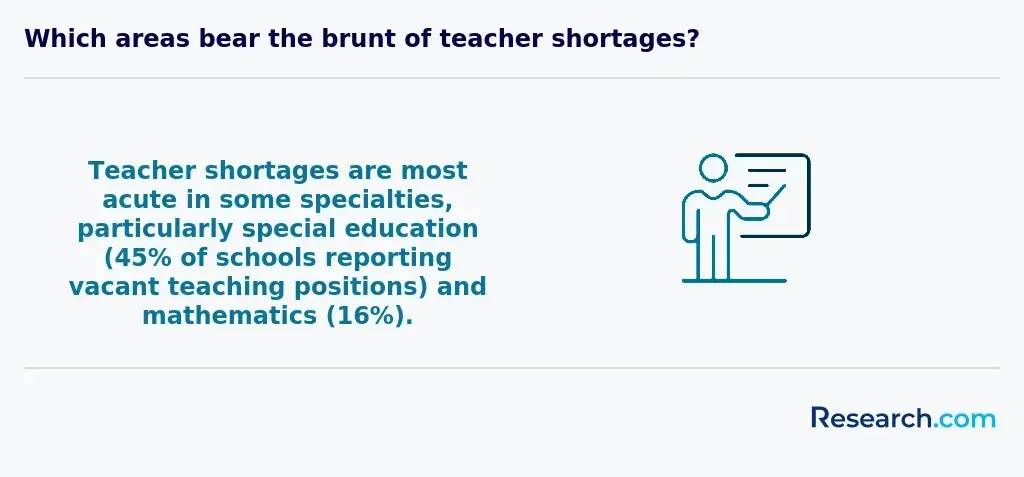
- Differentiate intentionally: Since approximately 13% of U.S. students receive special education services, teachers should plan scaffolds, extensions, visual supports, and alternate explanations.
- Check understanding often: Quick quizzes, whiteboard responses, exit tickets, and group discussions help teachers adjust instruction before a unit test.
- Make mistakes useful: A strong math classroom treats errors as evidence of thinking, not failure.
| Common classroom issue | Better teacher response |
| Students say, “I’m just bad at math.” | Use growth-focused feedback and show how effort, strategy, and practice change performance. |
| Students copy procedures without understanding them. | Ask students to explain why a step works and represent the same problem in another way. |
| Group work becomes off-task. | Assign roles, set time limits, and require a written or verbal product from each group. |
| Some students finish quickly while others are lost. | Prepare extension tasks and small-group reteaching activities before class begins. |
What are the career advancement opportunities and specializations for middle school math teachers in Hawaii?
A middle school math teaching license can lead to more than one classroom role. Teachers may move into curriculum leadership, department chair positions, instructional coaching, educational technology, special education collaboration, gifted education, STEM programming, or administration.
The Hawaii Department of Education reports that approximately 20% of teachers transition into administrative positions within five years, showing that leadership pathways are available for educators who want broader responsibility.
Career growth options for Hawaii math teachers
| Advancement option | What it may involve | Best fit for |
| Department head | Coordinating curriculum, mentoring teachers, analyzing assessment data | Teachers who enjoy collaboration and instructional planning |
| Instructional coordinator | Supporting teachers, reviewing curriculum, improving instructional systems | Educators interested in schoolwide improvement |
| STEM specialist | Developing interdisciplinary math, science, technology, and engineering activities | Teachers who like project-based learning and technology |
| Special education specialization | Designing math supports for students with diverse learning needs | Teachers who want deeper skills in inclusion and differentiation |
| Administration | Moving toward school leadership or policy implementation | Teachers willing to pursue advanced preparation such as educational leadership or administration |
One Hawaii teacher described her professional growth this way: “At first, specializing felt intimidating, but after earning a STEM endorsement, I discovered how much I enjoyed using technology in math instruction.” She added, “Moving into leadership was demanding, but support from other educators made the transition meaningful.”
What legal and ethical considerations must Hawaii middle school math teachers follow?
Teaching math in Hawaii also means accepting legal and ethical responsibilities. Teachers work with minors, handle confidential information, assess student progress, and help maintain safe learning environments.
- Licensure compliance: Teachers must hold the appropriate Hawaii license issued through the Hawaii Teacher Standards Board and meet any testing, preparation, and renewal requirements.
- Background screening: Candidates must complete required background checks, including fingerprinting, before working with students.
- Equitable instruction: Teachers are expected to provide fair access to quality math instruction for students of different backgrounds, skill levels, languages, and learning needs.
- Mandatory reporting: Hawaii law requires teachers to report suspected child abuse or neglect. Teachers must know how to recognize warning signs and follow the reporting process.
- Student privacy: Grades, disability status, behavior records, and family information must be handled confidentially.
- Positive classroom climate: Hawaii promotes positive behavioral interventions and supports, often known as PBIS, to improve student behavior and academic outcomes.
The practical rule is simple: protect students, teach fairly, document responsibly, and ask administrators for guidance when legal or ethical questions arise.
What resources and support are available for new middle school math teachers in Hawaii?
New teachers in Hawaii do not have to figure out the profession alone. Support may come from school mentors, district induction programs, subject-area organizations, professional development systems, and online math education resources.
The Hawaii Department of Education provides induction support that can pair new educators with experienced mentors. Mentorship matters because teachers who receive mentoring are more likely to stay in the profession, with retention rates increasing by up to 50%.
Math-specific support is also available through groups such as the Hawaii Council of Teachers of Mathematics, which supports collaboration among math educators through workshops, conferences, and networking. The National Council of Teachers of Mathematics provides online resources, including lesson ideas, instructional strategies, and professional development materials for middle school math teachers.
New teachers can also use online resources such as Teachers Pay Teachers and the Math Learning Center for worksheets, activities, and lesson ideas aligned to math concepts. These should supplement, not replace, standards-based planning.
Hawaii’s commitment to educator professional development is reflected in the availability of training focused on instructional improvement and technology integration. According to HIDOE, over 80% of new teachers participate in professional development programs within their first year.
How can pursuing advanced special education credentials enhance math teaching effectiveness in Hawaii?
Advanced special education training can make a middle school math teacher more effective because math difficulties often require targeted intervention, not just more practice. Teachers with specialized preparation can design accommodations, adapt assessments, use assistive tools, interpret student data, and collaborate more effectively with special education teams.
For teachers in inclusive classrooms, a master’s degree in special education online program may provide structured training in differentiated instruction, behavior support, progress monitoring, and evidence-based intervention. This can be especially valuable in Hawaii classrooms serving students with varied cultural, linguistic, and learning needs.
What financial incentives and support systems are available for middle school math teachers in Hawaii?
Because Hawaii has a high cost of living, prospective teachers should look beyond base salary. Some districts or schools may offer relocation allowances, housing assistance, benefits, grants, scholarships for professional development, or other supports designed to attract and retain educators.
When comparing offers, ask about salary placement, health benefits, retirement contributions, paid time off, reclassification credits, professional development funding, and any housing or relocation support. It may also help to compare incentives across teaching fields. For example, Research.com’s guide to becoming a high school history teacher in Hawaii can provide a broader view of educator pathways in the state.
How can interdisciplinary professional development opportunities complement math instruction?
Math teachers often become stronger when they learn outside their subject area. Writing, communication, science, technology, cultural studies, and arts integration can help teachers design richer problems and explain abstract concepts more clearly.
For example, language arts training can improve how teachers help students explain reasoning, write mathematical arguments, and interpret word problems. Educators interested in building stronger communication skills may explore options such as online English degree programs as part of a broader professional growth plan.
Can middle school math teachers transition to interdisciplinary roles in Hawaii?
Yes, but a transition usually requires additional coursework, testing, or certification depending on the new subject area. Math teachers already bring analytical thinking, data interpretation, planning skills, and classroom experience, which can transfer well to technology, science, arts-integrated learning, or curriculum design roles.
Teachers considering a move into another field should first review Hawaii’s content-area requirements. For example, the pathway to becoming a music educator has different preparation expectations, so reviewing music teacher education requirements in Hawaii can help teachers understand what a cross-subject transition may involve.
What community engagement opportunities are available for middle school math teachers in Hawaii?
Community engagement is especially valuable in Hawaii because local culture, geography, environmental issues, and family networks can make math more relevant to students. A teacher who connects math to students’ communities can improve motivation and help students see math as useful beyond the classroom.
Ways Hawaii math teachers can connect school and community
- Partner with local organizations: Technology firms, engineering groups, environmental organizations, and local businesses can support real-world math projects.
- Host family math nights: Teachers can invite families to solve puzzles, play math games, and learn strategies that support homework at home.
- Build culturally connected lessons: Lessons can explore mathematical thinking through traditional Hawaiian navigation, hula patterns, mapping, measurement, and environmental data.
- Support STEM events: Math teachers can help organize coding workshops, math fairs, STEM expos, or competition teams.
- Join advisory or curriculum groups: Teachers can contribute to conversations about math instruction, equity, and school improvement.
Although requirements vary by state and grade level, the focus on strong preparation and professional standards is shared across the profession. For comparison, Research.com’s guide to elementary school teacher requirements in Massachusetts shows how another state structures teaching expectations.
How can I achieve certification affordably in Hawaii?
The most affordable certification path depends on your starting point. A current college student, a bachelor’s degree holder, and an out-of-state licensed teacher may all have different cost-saving options.
| Cost issue | How to reduce risk |
| Choosing the wrong program | Confirm that the program satisfies Hawaii licensure requirements before enrolling. |
| High tuition | Compare public, online, alternative, and post-baccalaureate pathways before committing. |
| Testing expenses | Prepare carefully before taking required exams to reduce the chance of paying for retakes. |
| Relocation costs | Ask districts about relocation support, housing assistance, and hard-to-staff school incentives. |
| Lost income while studying | Consider flexible or online programs if you need to work while completing requirements. |
For a focused discussion of lower-cost licensure routes, review Research.com’s guide to the cheapest way to get a teaching credential in Hawaii.
Can middle school math teachers transition to high school teaching roles in Hawaii?
Middle school math teachers can move into high school teaching, but they should expect different content expectations, assessment pressures, and classroom dynamics. High school math may include more advanced algebra, geometry, statistics, precalculus, or other upper-level courses depending on the school.
Teachers considering this move should review licensure differences, take advanced coursework if needed, observe high school math classes, and talk with high school department chairs about curriculum expectations. Research.com’s guide on how to become a high school math teacher in Hawaii explains the transition in more detail.
Can dual certification in math and English enhance career prospects in Hawaii?
Dual certification can make a teacher more flexible, especially in schools that need educators who can support interdisciplinary learning or fill multiple staffing needs. A math-and-English background can be useful for teaching mathematical reasoning, helping students decode word problems, and supporting writing in STEM contexts.
However, dual certification should be strategic. It requires time, coursework, testing, and possibly additional supervised experience. Teachers should pursue it when it aligns with district demand, personal strengths, and long-term career goals. For details on the English pathway, review Research.com’s guide to Hawaii English teacher certification requirements.
What are the teaching certificate requirements in Hawaii?
Hawaii’s teaching certificate requirements include education, approved preparation, testing, background checks, and renewal obligations. Candidates should also pay close attention to license type, subject area, grade band, and whether they are entering through a traditional, alternative, or out-of-state route.
Because certification rules can be detailed, candidates should verify requirements before enrolling in a program or accepting employment. Research.com’s guide to teaching certificate requirements in Hawaii provides a broader overview of certificate types and pathways.
What other teaching opportunities are available in Hawaii?
Middle school math is only one option in Hawaii’s education system. Candidates may also consider early childhood education, elementary education, high school teaching, special education, English, music, history, or other subject-specific roles.
If you are still deciding which age group fits you best, compare the daily work carefully. Preschool and elementary teachers usually teach broader foundational skills, while middle and high school teachers specialize more deeply by subject. Research.com’s guide on how to become a preschool teacher in Hawaii can help you compare another teaching direction.
How can middle school math teachers enhance inclusive practices through specialized training?
Inclusive math teaching requires more than placing all students in the same room. Teachers need strategies for scaffolding, visual modeling, small-group instruction, behavior support, assistive technology, and alternative assessments. Specialized training can help teachers support students with disabilities, English learners, and students who have experienced repeated frustration in math.
Educators who want to build these skills may explore special education pathways. Research.com’s guide on how to become a special education teacher in Hawaii explains requirements for teachers who want to specialize in this area.
What do graduates have to say about becoming a middle school math teacher in Hawaii?
- Teaching middle school math in Hawaii changed how I think about education. My students bring many cultural perspectives into the classroom, and that makes discussion richer. I value the support available to teachers and the moment when students finally understand a difficult concept. - Molly
- Working as a Hawaii middle school math teacher has shown me how important community support can be. Smaller classes have helped me build stronger relationships with students, and those relationships make learning easier. I feel lucky to teach in a place that values connection. - Ken
- Becoming a middle school math teacher in Hawaii gave me room to grow professionally. Professional development helped me improve my teaching, and technology has made my lessons more engaging. Collaboration with other educators has been one of the best parts of the job. - Lara
How can middle school math teachers maintain work-life balance in Hawaii?
Work-life balance matters because teaching can expand into evenings and weekends through grading, parent communication, lesson planning, and professional development. In Hawaii, financial pressure from the cost of living can add another layer of stress.
Practical ways to protect your time
- Set a fixed grading schedule instead of grading every night.
- Reuse and improve strong lesson structures rather than creating everything from scratch.
- Use common assessments and shared planning with grade-level or department teams.
- Create clear email and parent communication boundaries.
- Join teacher networks where educators share resources and workload strategies.
- Use wellness supports, peer groups, and local routines that help reduce burnout.
If you are comparing teaching roles with different daily demands, you may also review Research.com’s guide on how to become an elementary teacher in Hawaii.
Common mistakes to avoid when becoming a middle school math teacher in Hawaii
- Choosing a program before checking approval: Always confirm that your preparation program satisfies Hawaii licensure requirements.
- Looking only at tuition: Add testing fees, fingerprinting, licensing, relocation, housing, and lost income to your cost estimate.
- Assuming online programs automatically qualify: Online study can be convenient, but licensure alignment must be verified.
- Underestimating student teaching: Treat your placement as a professional audition and skill-building opportunity.
- Ignoring salary schedules: Statewide averages are useful, but district pay structures and benefits matter more for your personal budget.
- Waiting too long on paperwork: Transcripts, test scores, background checks, and applications can delay hiring if you start late.
- Assuming salaries are guaranteed: Pay depends on district, experience, education level, certification, and placement on the salary schedule.
Questions to ask before choosing this career path
- Does my degree or planned program meet Hawaii’s teacher preparation requirements?
- Will I be eligible to teach middle school mathematics specifically, not just general education?
- What exams do I need, and what scores are required?
- How long will student teaching last, and where will I be placed?
- What will my total cost be, including tuition, testing, fingerprinting, licensing, and relocation?
- Can I afford to live in the district where I am most likely to be hired?
- Does the school offer mentoring, induction support, or professional development for new teachers?
- What opportunities exist for advancement, reclassification, or endorsements?
Key Insights
- Hawaii needs qualified middle school math teachers. As of 2023, the state reported a teacher shortage in STEM fields, including an approximately 10% vacancy rate for middle school math teachers.
- The usual pathway includes a bachelor’s degree, a state-approved teacher preparation program, at least 24 credit hours in mathematics, student teaching, required exams, background checks, and a Hawaii teaching license.
- Testing matters. The Hawaii Teacher Standards Board requires candidates to pass the Praxis Core Academic Skills for Educators tests, including a passing score of 150 in mathematics.
- Salary should be evaluated with cost of living. The Hawaii Department of Education reports an average salary around $60,000 annually, while July 2024 salary data lists an average of approximately $70,653 and a range from $57,377 to $87,849.
- Licensure is not instant. Candidates must submit proof of teacher preparation, exam results, and background checks, and the process can take several months.
- The strongest candidates prepare for more than certification. Student teaching, inclusive practices, classroom management, cultural responsiveness, and professional development all affect long-term success.
- Before enrolling in any program, confirm accreditation, Hawaii licensure alignment, total cost, student teaching arrangements, and whether the program supports your intended grade level and subject area.
Related Articles for Nearby States
- 2027 How to Become a Middle School Math Teacher in Alaska: Requirements & Certification
- 2027 How to Become a Middle School Math Teacher in California: Requirements & Certification
- 2027 How to Become a Middle School Math Teacher in Oregon: Requirements & Certification
- 2027 How to Become a Middle School Math Teacher in Washington: Requirements & Certification
- 2027 How to Become a Middle School Math Teacher in Nevada: Requirements & Certification
- 2027 How to Become a Middle School Math Teacher in Arizona: Requirements & Certification
- 2027 How to Become a Middle School Math Teacher in Idaho: Requirements & Certification
- 2027 How to Become a Middle School Math Teacher in Utah: Requirements & Certification
- 2027 How to Become a Middle School Math Teacher in Montana: Requirements & Certification
- 2027 How to Become a Middle School Math Teacher in Colorado: Requirements & Certification
References:
- hsta.org (2019). Professional Development.
- mathteacheredu.org (2014). Certification Requirements to Become a Math Teacher in Hawaii.
- salary.com (2019). Middle School Math Teacher Salary in Hawaii.
Other Things You Should Know About Becoming a Middle School Math Teacher in Hawaii
To become a certified middle school math teacher in Hawaii in 2027, you need to earn a bachelor's degree in education with a concentration in math, complete a state-approved teacher preparation program, and pass the Praxis exams. Additionally, you must apply for a teaching license through the Hawaii Teacher Standards Board.
The job market for middle school math teachers in Hawaii is generally favorable, with a consistent demand for qualified educators. Hawaii's unique geographical and demographic factors contribute to a need for teachers who can address diverse learning needs. While positions may vary by island and school district, those with specialized skills in math education often find opportunities, especially in underserved areas. Networking and staying informed about job openings can enhance your chances of securing a position.
In 2027, aspiring middle school math teachers in Hawaii need to complete a bachelor's degree in education or a math-related field. Additionally, they must complete a state-approved teacher preparation program and pass the state licensure exams to meet certification requirements.


