
2027 How to Become a Private School Teacher in Vermont: Requirements & Certification

Co-Founder and Chief Data Scientist
Teaching in a Vermont private school can be a good fit if you want smaller learning communities, mission-driven schools, and more flexibility than many public school roles offer. The trade-off is that hiring standards can vary by school, so you need to understand what credentials are required, what is only preferred, and how your education, experience, and subject expertise will be evaluated.
This guide explains how to become a private school teacher in Vermont, including education expectations, licensure considerations, costs, timelines, salary ranges, job outlook, affordable pathways, online degree options, and practical ways to strengthen your application. It is designed for career changers, education majors, preschool and K–12 teaching candidates, and licensed teachers considering a move into Vermont’s private school sector.
Quick Answer: How do you become a private school teacher in Vermont?
To become a private school teacher in Vermont, you generally need a strong educational background, relevant classroom or youth-development experience, and the ability to meet the hiring standards of the specific private school. Many schools prefer at least a bachelor’s degree, and some may prefer or require a Vermont educator license, especially for certain grade levels, subjects, or special education roles. Other schools may consider candidates with a teaching certificate, associate’s degree, specialized expertise, or substantial experience, particularly in early childhood, arts, faith-based education, or specialized programs.
Key Things You Should Know About Becoming a Private School Teacher
- Vermont private schools may use more flexible hiring criteria than public schools, but many still value a bachelor’s degree, teacher preparation, subject-area knowledge, and classroom experience.
- A Vermont educator license is not always mandatory for private school teaching, but it can make you a stronger applicant and may be expected for some positions.
- Background checks, including possible fingerprinting, are commonly part of the hiring or licensure process because schools must prioritize student safety.
- Temporary licensure may help some candidates begin teaching while completing requirements, but availability and eligibility depend on the applicable pathway and employer needs.
- Before enrolling in a degree, certificate, or licensure program, confirm whether it aligns with Vermont requirements and the expectations of the private schools where you want to work.
- How much can private school teachers earn in Vermont?
- What are affordable routes into Vermont private school teaching?
- What related careers pair well with private school teaching?
- Can specialized credentials improve your prospects?
- Why does child development knowledge matter?
- What are Vermont preschool teacher expectations for private schools?
- How can advanced education affect advancement and pay?
- What professional development supports long-term growth?
- What career paths can private school teachers pursue?
- How does subject expertise improve learning?
- Can history specialization increase your classroom impact?
- Why do compliance and regulations matter?
- Can an online education degree prepare you for Vermont private schools?
- How can you succeed after getting hired?
- How do mentorship and online networking support career growth?
- What extra certifications can strengthen your qualifications?
What are the educational requirements for private school teachers in Vermont?
Vermont private schools usually evaluate teachers through a combination of education, experience, subject knowledge, and fit with the school’s mission. Unlike public schools, private schools may have more discretion in setting hiring standards. However, that flexibility does not mean credentials are unimportant. Strong preparation can help you compete for better roles, teach more effectively, and move into specialized or leadership positions later.
| Requirement or qualification | How it helps | What to verify before applying |
| Bachelor’s degree | Many schools prefer candidates with at least a bachelor’s degree, ideally connected to the subject or grade level they plan to teach. | Ask whether the school requires a specific major, education coursework, or subject-area credits. |
| Teacher preparation program | Preparation programs can build skills in lesson planning, assessment, classroom management, and supervised teaching. | Confirm whether the program includes student teaching or practicum experience that private schools will recognize. |
| Relevant professional or classroom experience | Experience in tutoring, youth programs, childcare, substitute teaching, coaching, or subject-specific work can strengthen an application. | Ask the employer how it weighs experience compared with formal credentials. |
| Special education preparation | Teachers serving students with disabilities may need to meet specific state licensure or compliance expectations. | Verify requirements directly with the school and Vermont education authorities before accepting a special education role. |
| Vermont educator license | A license may not be required by every private school, but it can improve credibility and expand employment options. | Check whether the school lists licensure as required, preferred, or unnecessary for the position. |
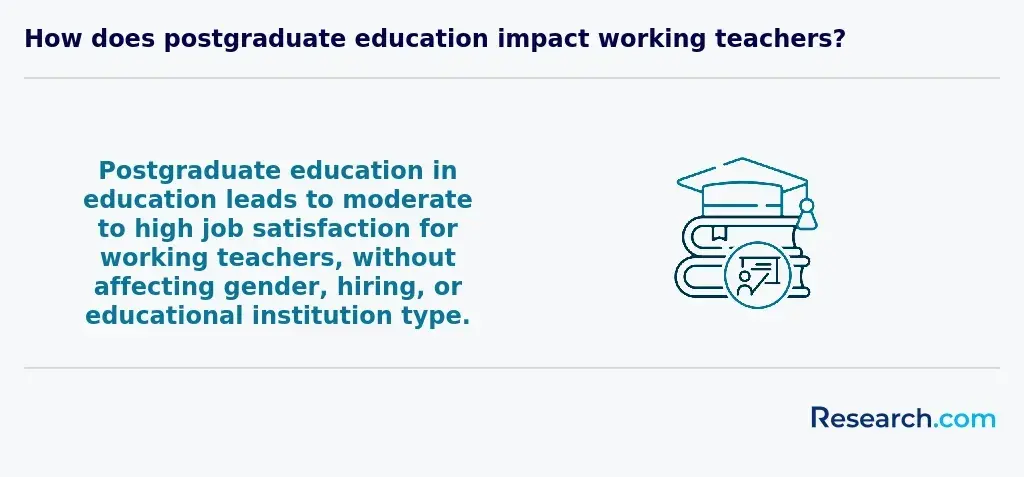
| Graduate education | A master’s degree or other advanced study may support subject specialization, leadership opportunities, or higher-grade teaching. | Compare the cost of graduate study with the salary and advancement options available at your target schools. |
If you are still choosing your preparation route, focus on programs that combine academic content with supervised practice. A degree alone may not prove you can manage a classroom, communicate with families, design assessments, or adapt instruction for different learners.
Teachers who want to move into department chair, curriculum coordinator, dean, or school leadership roles may also benefit from leadership development training. Leadership preparation is not a substitute for classroom skill, but it can help educators manage teams, lead initiatives, and contribute beyond their assigned classes.
What is the licensure application and renewal process for private school teachers in Vermont?
Private schools in Vermont do not always require state licensure, but licensure can still matter. Some schools prefer licensed teachers because it signals that the candidate has completed a recognized preparation pathway, met testing or documentation requirements, and understands professional standards. Licensure can also make it easier to move between private and public school settings later.
The practical approach is to separate what the state may require for licensure from what an individual private school requires for employment. Those are related, but they are not always the same.
| Licensure-related step | Why it matters | Decision point for applicants |
| Review Vermont licensure pathways | Candidates may have traditional and alternative routes, including options such as peer review and transcript evaluation. | Choose the pathway that best matches your degree, experience, and timeline. |
| Prepare required documentation | Applications commonly require proof of education, experience, testing, or program completion depending on the pathway. | Gather records early so missing transcripts or forms do not delay your job search. |
| Complete background screening | Criminal background checks help schools maintain a safe environment for students. | Ask whether the hiring school requires separate checks in addition to licensure-related screening. |
| Understand temporary licensure options | Temporary licensure may allow eligible candidates to teach while completing remaining requirements. | Confirm eligibility and whether your target school accepts this arrangement. |
| Plan for renewal and continuing education | Licensed educators may need to complete renewal steps and ongoing professional learning. | Track deadlines and professional development hours so your credential remains active. |
| Consider reciprocity if moving to Vermont | Educators licensed elsewhere may be able to use reciprocity agreements to simplify transition into Vermont. | Check whether your existing credential aligns with Vermont’s current requirements. |
Even if your target school does not require licensure, professional development still matters. Workshops, graduate coursework, subject-area training, and supervised classroom experience can help demonstrate that you are serious about teaching. If you are comparing broader educator options, this overview of a teaching career can help you understand how private school roles fit within the larger education field.
Can I become a private school teacher in Vermont with just a certificate?
Yes, it may be possible to teach in some Vermont private schools with a teaching certificate, associate’s degree, specialized training, or significant relevant experience. However, this is not guaranteed. Each private school can set its own hiring expectations, and many still prefer candidates with a bachelor’s degree or state licensure.
This route is most realistic when your background clearly matches the school’s needs. For example, early childhood programs, arts programs, faith-based schools, career-focused courses, or enrichment settings may value practical expertise and demonstrated teaching ability. More competitive academic roles, upper-grade subject positions, and special education roles may require stronger formal preparation.
| Candidate profile | When a certificate-only path may work | When more education may be needed |
| Teaching certificate holder | You have classroom practice, strong references, and skills aligned with a school’s immediate hiring need. | The school requires a bachelor’s degree, licensure, or subject-specific academic coursework. |
| Associate’s degree holder | You are applying for early childhood, assistant teacher, enrichment, or support roles. | You want to teach higher grades, lead a classroom independently, or qualify for more competitive positions. |
| Career changer | You bring specialized subject expertise, coaching experience, or youth-development experience. | You lack training in pedagogy, child development, assessment, or classroom management. |
| Experienced educator without Vermont licensure | A private school values your previous teaching record and can verify your qualifications. | The position requires Vermont educator licensure or compliance with specific program standards. |
Before relying on a certificate-only route, review job postings from the schools you actually want to work for. Look for repeated requirements. If most openings ask for a bachelor’s degree, licensure, or a specific endorsement, you may need a longer preparation plan.
What is the average cost of private education programs in Vermont?
The cost question has two sides. Future teachers need to consider the price of their own preparation program, while families considering private schools need to understand how Vermont private school tuition is determined. The original tuition rules and school-specific costs can affect enrollment patterns, school budgets, and hiring demand.
Vermont’s private education costs can vary by district and institution. The state establishes allowable tuition rates each year by calculating total expenditures and dividing them by the number of full-time equivalent students. Vermont law also requires annual publication of these tuition rates, giving families and educators more visibility into school costs.
The announced tuition for independent schools is limited to the Average Announced Tuition for Union Schools. Under this structure, school districts are responsible for tuition costs up to that average for approved independent institutions. Because tuition and district policies can change, families and educators should consult the most recent tuition reports by grade level and school type.
| Cost factor | Why it matters for future teachers | What to check |
| School tuition levels | Tuition can influence enrollment, staffing needs, and program resources. | Review current tuition reports and school financial information when available. |
| District policies | District tuition arrangements may affect which independent schools families can access. | Confirm how tuition is handled in the district where the school operates. |
| Program resources | Schools with different budgets may offer different class sizes, materials, benefits, and salaries. | Ask about classroom supplies, professional development support, and salary structure during interviews. |
| Grade level and school type | Costs can differ across elementary, middle, secondary, and specialized institutions. | Compare costs and resources by school type rather than assuming all private schools operate similarly. |
How long does it take to become a private school teacher in Vermont?
The timeline depends on your current education, the type of private school role you want, and whether you pursue licensure. Some candidates can qualify for certain private school roles quickly, while others need several years to complete a degree, teacher preparation, or advanced credentials.
| Pathway | Typical time stated | Best fit |
| Teaching certificate program | 6 months to 1 year | Candidates seeking targeted preparation or a faster entry point into certain private school roles. |
| Associate’s degree | About 2 years | Applicants interested in early childhood, assistant teaching, or building a foundation before further study. |
| Experience-building through tutoring, internships, volunteering, or youth work | Additional time varies | Candidates who need classroom exposure, references, or evidence of teaching ability. |
| Job search and networking | A few weeks to a few months | Applicants who have completed preparation and are targeting specific schools or educational philosophies. |
In many cases, the path can range from 6 months to 2 years if you are pursuing a certificate or associate’s-level route. A bachelor’s degree or graduate credential will take longer, but it may improve your competitiveness for lead teaching, upper-grade, subject-specific, or leadership roles.
To avoid delays, start reviewing job postings before you finish your program. This helps you identify whether schools are asking for licensure, specific coursework, student teaching, religious affiliation, Montessori or Waldorf experience, or subject expertise.
How much does it cost to become a private school teacher in Vermont?
The cost of becoming a Vermont private school teacher depends on how much education you need, whether you pursue state licensure, and how much professional development you complete. The least expensive path is not always the best path if it limits your job options, but you should avoid paying for credentials that your target employers do not value.
| Expense | Cost stated | How to control the cost |
| Four-year degree tuition | $10,000 to $50,000 annually, depending on the institution | Compare public, private, online, transfer-friendly, and part-time options before enrolling. |
| Certification exams and preparation courses | Several hundred dollars | Confirm which exams are required for your pathway before paying for prep materials. |
| Professional development | $100 to $1,000 annually | Ask employers whether they reimburse workshops, conferences, or required training. |
| Background checks | $50 to $150 | Budget for this early because it may be required before employment begins. |
| Teaching materials | $200 to $500 each year | Ask what the school provides and what teachers are expected to purchase themselves. |
When comparing preparation programs, look beyond tuition. A cheaper program may cost more in the long run if it lacks supervised teaching, has weak employer recognition, or does not support licensure. On the other hand, an expensive degree may not be necessary for every private school role. The right choice depends on your target grade level, subject, school type, and long-term career plan.
What is the job outlook for private school teachers in Vermont?
The job outlook for private school teachers in Vermont is shaped by enrollment, school budgets, specialized program needs, and the qualifications of available applicants. Private school openings may be fewer than public school openings, but candidates with strong subject expertise, classroom experience, special education preparation, or alignment with a school’s mission may find opportunities.
- Demand can vary by school and subject. Private schools may especially value teachers who can cover high-demand areas such as STEM, special education, languages, arts, early childhood, or multiple grade levels.
- Enrollment and funding matter. Private school staffing depends heavily on student enrollment and institutional resources, so openings can shift from year to year.
- Credentials can separate candidates. A bachelor’s degree, licensure, supervised experience, or specialized training can help you stand out when openings are limited.
- Cost of living should be part of the decision. Vermont’s cost of living index is approximately 97.56, so salary, benefits, commute, and housing should all be considered together.
The average salary for teachers in Vermont hovers around $65,850, but private school compensation can differ substantially from public school salary scales. If you are interested in roles serving students with diverse learning needs, reviewing special education master’s programs may help you evaluate whether additional preparation fits your goals.
How much do private school teachers in Vermont make?
Private school teacher salaries in Vermont vary by school, grade level, subject, education, experience, and institutional budget. On average, private school teachers in the state can expect to earn between $40,000 and $60,000 annually. Some prestigious institutions may offer higher salaries, especially for educators with advanced degrees or specialized skills.
| Salary factor | How it may affect earnings | Question to ask before accepting an offer |
| Experience | More classroom experience can improve negotiating power and eligibility for advanced roles. | Does the school use a salary scale or negotiate individually? |
| Education level | A master’s degree or advanced credential may support higher pay at some schools. | Does the school compensate teachers for graduate degrees? |
| Subject specialization | Hard-to-staff subjects or specialized skills may strengthen your value. | Are there stipends or higher rates for specialized roles? |
| Benefits | Salary alone does not show total compensation. | What health, retirement, tuition remission, leave, and professional development benefits are included? |
| Workload | Private school teachers may also advise clubs, coach, supervise activities, or communicate frequently with families. | Which duties are included in the base salary? |
If your long-term goal includes administration, instructional leadership, or organizational management, advanced study such as online organizational leadership doctorate programs may be relevant later in your career. For most new teachers, however, classroom effectiveness and strong references should come first.
What are the affordable pathways to becoming a private school teacher in Vermont?
An affordable route into Vermont private school teaching should meet three tests: it should prepare you to teach well, match the hiring expectations of your target schools, and avoid unnecessary debt. The cheapest option is not automatically the best option if it leaves you underqualified for the roles you want.
- Compare credential types before enrolling. Decide whether you need a certificate, associate’s degree, bachelor’s degree, graduate program, or licensure pathway based on real job postings.
- Use financial aid and scholarships when available. Look for grants, scholarships, tuition reimbursement, or employer-supported professional development for educators.
- Consider online or hybrid study. These formats may reduce commuting, relocation, or housing costs while allowing you to keep working.
- Maximize transfer credit. If you already have college coursework, ask whether it can reduce the time and cost of a degree or licensure program.
- Avoid paying for credentials schools do not request. Speak with admissions advisors and school hiring contacts before committing to a program.
If cost is your main concern, this guide to the cheapest teaching credential program in Vermont can help you compare lower-cost options while keeping your career goals in view.
What career paths are most compatible with private school teaching in Vermont?
Private school teaching can connect naturally to careers that involve learning support, child development, communication, counseling, curriculum design, and educational leadership. One related field is speech-language pathology, which supports students with communication and swallowing disorders. If you are interested in that direction, review how to become a speech-language pathologist in Vermont to understand the training and qualifications involved.
Related career options can be useful if you want to broaden your impact beyond classroom instruction or specialize in student support services.
Can specialized certifications boost your private school teaching career in Vermont?
Specialized certifications can help private school teachers demonstrate skill in areas that schools need but may struggle to staff. These credentials can be especially useful in special education, early childhood education, literacy, technology integration, curriculum design, arts education, and differentiated instruction.
Special education is one of the clearest examples. Teachers who understand individualized supports, accommodations, and inclusive instruction may be more competitive for roles serving students with diverse learning needs. To explore this path further, see how to become a special education teacher in Vermont.
How does expertise in child development enhance your teaching effectiveness?
Child development knowledge helps teachers understand how students think, communicate, regulate emotions, build relationships, and acquire new skills at different ages. In private schools, where teachers may have more flexibility to personalize instruction, this knowledge can improve lesson design, classroom management, family communication, and student support.
Educators with child development expertise are often better prepared to identify when a student needs enrichment, scaffolding, behavioral support, or referral to another professional. If you are considering roles centered on children’s growth and learning, explore careers working with children.
What are the preschool teacher requirements in Vermont for private schools?
Private preschool programs in Vermont often look for teachers who understand early childhood development, play-based learning, safety, family communication, and age-appropriate curriculum. Requirements can differ by school, program type, and role, so candidates should not assume that one credential applies everywhere.
Some schools may expect coursework in early childhood education, experience with young children, student-teaching placements, or targeted credentials. For a more detailed look at this age group, review preschool teacher requirements in Vermont.
How does advanced education influence career growth and compensation in Vermont?
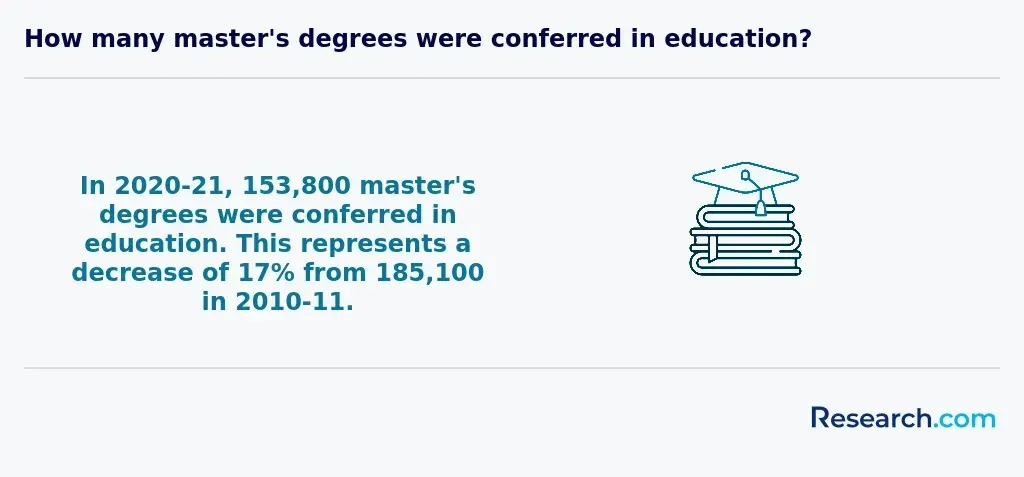
Advanced education can support career growth when it is aligned with the work you want to do. A master’s degree, graduate certificate, or specialized credential may help educators move into leadership, curriculum development, specialized instruction, early childhood administration, or higher-level teaching roles.
Advanced credentials may also affect compensation, but pay increases are not guaranteed. Private schools set compensation differently, so ask whether a graduate degree changes salary placement before enrolling. For early childhood educators, this guide on early childhood education salary with a master’s can help you think through how graduate education may relate to career options.
What ongoing professional development opportunities support career growth in Vermont’s private schools?
Professional development helps private school teachers keep their instruction current and adapt to student needs. Useful options include peer mentoring, workshops, curriculum training, classroom technology sessions, subject-area conferences, special education training, and leadership development.
When comparing schools, ask how professional development is funded and scheduled. A school that supports teacher learning may offer stronger long-term growth than one that leaves teachers to pay for all training independently. For a broader pathway overview, review how to become a teacher in Vermont.
What career paths are available for private school teachers in Vermont?
Private school teaching can lead to several career directions. Some teachers remain in the classroom and deepen their subject expertise. Others move into program leadership, admissions, student support, curriculum design, school administration, or related education careers.
| Career path | What it involves | Who it fits |
| Classroom teacher | Teaching core or elective subjects, assessing learning, communicating with families, and supporting student growth. | Educators who want direct, daily interaction with students. |
| Specialized philosophy educator | Teaching in schools shaped by approaches such as Montessori or Waldorf. | Teachers who want a defined educational model and are willing to pursue related training. |
| Extracurricular leader | Coaching, advising clubs, leading arts programs, or supervising service learning. | Teachers with skills beyond the classroom who enjoy school community involvement. |
| Curriculum or instructional coordinator | Supporting lesson design, assessment practices, and program improvement. | Experienced teachers who enjoy planning and mentoring colleagues. |
| Student support or learning specialist | Helping students with academic, developmental, or learning differences. | Educators with training in child development, special education, or intervention strategies. |
| School leadership | Serving as department chair, dean, program director, or administrator. | Teachers interested in operations, supervision, strategic planning, and school culture. |
Private school teachers may also move into adjacent fields such as library services, educational publishing, tutoring businesses, nonprofit education programs, or instructional design. If you are exploring school-based information and literacy roles, see this guide to jobs with a library science degree.
How can subject-specific expertise enhance student learning in Vermont's private schools?
Strong subject knowledge helps teachers create lessons that go beyond textbook coverage. In private schools, where curricula may be more flexible, subject expertise can support interdisciplinary projects, advanced discussion, creative assignments, and real-world applications.
For example, a teacher with deep music training can support performance, theory, cultural study, and creative expression in ways that broaden the student experience. If you want to teach in this area, review music teaching qualifications in Vermont.
Can specializing in history boost your impact as a private school teacher in Vermont?
History specialization can help private school teachers build courses that emphasize evidence, context, interpretation, civic understanding, and critical thinking. Strong history teachers can connect local heritage, national events, global perspectives, literature, geography, politics, and ethics in ways that make learning more meaningful.
If you want to teach history specifically, this guide on how to become a history teacher in Vermont can help you understand preparation options and subject-focused expectations.
What role do regulatory requirements and ongoing compliance play in your teaching career?
Private school teachers still need to take compliance seriously. Even when state licensure is not required for a role, schools may require background checks, documentation, training, mandated reporting awareness, student safety procedures, or compliance with program-specific rules.
If you pursue licensure, you also need to understand endorsements, renewals, testing, and documentation. Reviewing the types of teacher certification in Vermont can help you choose the credential that fits your intended role.
How does an online education degree prepare you for private school teaching in Vermont?
An online education degree can be a practical option for future Vermont private school teachers who need flexibility while working, caregiving, or living far from campus. A bachelor of education online program may help candidates build foundations in instructional planning, child psychology, classroom management, assessment, and curriculum development.
Benefits and limitations of an online education degree
| Factor | Potential benefit | What to check carefully |
| Flexibility | Online study can make it easier to balance school with work or family obligations. | Confirm whether courses are asynchronous, synchronous, or require scheduled live sessions. |
| Curriculum | Programs may cover core teaching topics such as instructional design and classroom management. | Review course lists to ensure the program matches your target grade level or subject. |
| Field experience | Some programs include student teaching, practicum placements, or simulations. | Ask how in-person fieldwork is arranged in Vermont or your local area. |
| Specialization | You may be able to focus on early childhood, elementary education, or subject-specific teaching. | Make sure the specialization is relevant to the jobs you plan to pursue. |
| Cost | Online study may reduce commuting or housing expenses. | Compare total tuition, fees, books, technology costs, and placement requirements. |
| Licensure alignment | Some online programs are designed with educator licensure in mind. | Never assume an online program meets Vermont licensure requirements; verify before enrolling. |
How can you succeed as a private school teacher in Vermont?
Getting hired is only the first step. Success in a Vermont private school depends on your ability to teach well, work within the school’s culture, communicate with families, and keep improving your practice.
- Learn the school’s mission before you teach your first lesson. Private schools may be faith-based, progressive, classical, Montessori, Waldorf, arts-focused, outdoor-oriented, or college-preparatory. Your instruction should fit the school’s values without losing academic rigor.
- Build trust with families. Parent communication can be a major part of private school teaching. Be clear, professional, and proactive about student progress and concerns.
- Use flexibility responsibly. Curriculum freedom is valuable, but lessons still need clear goals, assessment, structure, and evidence of learning.
- Document student progress. Keep records of assignments, accommodations, behavior patterns, communication, and assessments.
- Keep learning. Professional development in technology, literacy, special education, classroom management, and subject pedagogy can improve outcomes and strengthen your career.
- Choose your education path strategically. If you are comparing majors, this guide to the easiest education major may help you think about degree selection, but your final choice should still match your teaching goals.
Common mistakes to avoid
| Mistake | Why it can hurt you | Better approach |
| Assuming private schools have no requirements | Many schools still expect degrees, experience, licensure, or specialized training. | Read job postings and contact schools before choosing a preparation path. |
| Choosing a program based only on tuition | A low-cost program may not provide field experience or meet licensure expectations. | Compare total cost, placement support, reputation, and credential outcomes. |
| Ignoring accreditation and recognition | Employers may not value a program that lacks credibility or proper approval. | Verify institutional accreditation and licensure alignment where relevant. |
| Assuming online degrees automatically qualify you | Licensure and fieldwork requirements may not be built into every online program. | Ask direct questions about Vermont eligibility before enrolling. |
| Overlooking benefits and workload | A salary offer does not show the full picture of compensation or expectations. | Ask about duties, benefits, planning time, class size, and professional development support. |
| Relying only on passion | Commitment matters, but teaching also requires planning, assessment, communication, and classroom management skill. | Build practical experience through tutoring, substitute teaching, volunteering, or supervised placements. |
How can mentorship and digital networking bolster career growth in Vermont's private schools?
Mentorship can shorten the learning curve for new private school teachers. A strong mentor can help with lesson planning, parent communication, classroom routines, grading practices, school culture, and long-term career decisions. Digital networking can also connect teachers with professional communities, job leads, subject-area resources, and online training.
Use online communities carefully. Prioritize professional groups, school associations, subject organizations, and educator networks that share practical resources rather than generic advice. If you are exploring remote preparation routes, see how to become a teacher online in Vermont.
What graduates say about becoming a private school teacher in Vermont
-
: "
“Teaching in a Vermont private school changed the way I think about education. Smaller classes gave me time to know students as individuals, not just as names on a roster. Watching that personal attention turn into confidence and academic growth has been the most meaningful part of my work.” — Jen
"
-
: "
“The private school environment matched my belief that students need creativity, discussion, and space to think. I appreciate working with colleagues who care about the whole child and are willing to try thoughtful, innovative approaches.” — Mike
"
-
: "
“Vermont’s landscape has become part of my classroom. I have used outdoor settings for science, local history, writing, and observation. Helping students connect lessons to the world around them is one of the best parts of teaching here.” — Jane
"
What additional certifications can further enhance your qualifications as a private school teacher in Vermont?
Additional certifications can be useful when they match a real classroom need. Consider credentials in literacy, elementary education, early childhood education, special education, instructional technology, curriculum design, English language learning, arts education, or differentiated instruction.
Elementary preparation can be especially valuable for teachers who want broader grade-level flexibility. To compare that route, review how to become an elementary school teacher in Vermont.
Key Insights
- Vermont private schools may have flexible hiring standards, but flexibility does not eliminate the value of a bachelor’s degree, teacher preparation, classroom experience, or licensure.
- Some candidates may enter private school teaching with a certificate, associate’s degree, or specialized experience, but this depends entirely on the school, grade level, and subject.
- Licensure can improve mobility and credibility even when it is not strictly required for every private school role.
- The path can take as little as 6 months to 1 year for some certificate programs or about 2 years for an associate’s degree, but bachelor’s and graduate routes require more time.
- Private school teachers in Vermont can expect salaries that commonly range from $40,000 to $60,000 annually, while the average salary for teachers in Vermont hovers around $65,850.
- Future teachers should compare total preparation costs, including tuition, certification expenses, background checks, professional development, and classroom materials.
- The strongest candidates match their preparation to a specific school type, subject area, age group, or educational philosophy rather than pursuing credentials at random.
- Before committing to any program, ask whether it is accredited, whether it supports Vermont licensure if needed, how field placements work, and whether graduates qualify for the roles you want.
Related Articles for Nearby States
- 2027 How to Become a Private School Teacher in New Hampshire: Requirements & Certification
- 2027 How to Become a Private School Teacher in Massachusetts: Requirements & Certification
- 2027 How to Become a Private School Teacher in New York: Requirements & Certification
- 2027 How to Become a Private School Teacher in Connecticut: Requirements & Certification
- 2027 How to Become a Private School Teacher in Rhode Island: Requirements & Certification
- 2027 How to Become a Private School Teacher in Maine: Requirements & Certification
- 2027 How to Become a Private School Teacher in New Jersey: Requirements & Certification
- 2027 How to Become a Private School Teacher in Pennsylvania: Requirements & Certification
- 2027 How to Become a Private School Teacher in Delaware: Requirements & Certification
- 2027 How to Become a Private School Teacher in Maryland: Requirements & Certification
References:
- Bethany McCamish (21 Feb 2024). Teacher Job Outlook: It’s More Complicated Than You Think. studentloanplanner.com https://www.studentloanplanner.com/teacher-job-outlook
- education.vermont.gov (n.d.). Agency of Education. education.vermont.gov http://education.vermont.gov/about-us/employment
- Morning Consult. (2023). Teachers and K-12 Education: A National Polling Report [May 2023]. https://edchoice.morningconsultintelligence.com/assets/231100.pdf
- NCES. (2023). Public and private elementary and secondary teachers, enrollment, pupil/teacher ratios, and new teacher hires: Selected years, fall 1955 through fall 2031. https://nces.ed.gov/programs/digest/d22/tables/dt22_208.20.asp
- NCES. (2024). Report on the Condition of Education 2024. https://nces.ed.gov/pubs2024/2024144.pdf
- www2.ed.gov (06 Oct 2014). Vermont State Regulations. www2.ed.gov https://www2.ed.gov/about/inits/ed/non-public-education/regulation-map/vermont.html
Other Things You Should Know About Becoming a Private School Teacher in Vermont
The job outlook for private school teachers in Vermont in 2027 is promising due to a consistent demand for qualified educators. As private schools often have the flexibility to alter curriculums, they seek innovative and dedicated professionals, which can lead to growth in teaching opportunities.
To be a private school teacher in Vermont in 2027, you typically need a bachelor's degree and relevant teaching experience. State certification is not always required, but individual schools may set their own criteria. Proficiency in subject knowledge and classroom management skills are highly valued.
To become a private school teacher in Vermont in 2027, some schools may not require a state teaching license. However, having a bachelor's degree is essential, and building expertise in the subject area you wish to teach is crucial. Additionally, gaining teaching experience and obtaining any necessary certifications specific to the school are beneficial steps.
In 2027, aspiring private school teachers in Vermont need a bachelor's degree in education or a specific subject area. While state certification is not mandatory for private schools, some schools may prefer candidates who possess it. Additionally, teaching experience or specialized skills may be advantageous.


