2027 How to Become a Private School Teacher in Nevada: Requirements & Certification

Co-Founder and Chief Data Scientist
If you want to teach in a Nevada private school, the biggest decision is not simply whether you need a license. It is whether your education, classroom experience, subject knowledge, and professional credentials match the expectations of the specific schools where you plan to apply. Nevada private schools generally have more hiring flexibility than public schools, but that flexibility does not mean standards are low. Many schools still prefer candidates with a bachelor’s degree, teaching experience, subject-area preparation, and, in some cases, a Nevada educator license.
This guide explains how to become a private school teacher in Nevada, what credentials may strengthen your application, how much the path can cost, how long it may take, what private school teachers can earn, and how to make smart choices about degrees, certificates, endorsements, and professional development. It is designed for career changers, future education majors, current substitute teachers, out-of-state educators, international applicants, and Nevada residents comparing public and private school teaching routes.
Quick Answer: How Do You Become a Private School Teacher in Nevada?
To become a private school teacher in Nevada, you typically need at least a bachelor’s degree in education or in the subject you want to teach, although individual private schools set their own hiring standards. Nevada private schools may not always require state licensure, but holding a Nevada educator license can make you more competitive, especially at schools that follow state academic standards or prefer licensed teachers. If you pursue licensure, expect to complete an application, pay required fees, and complete fingerprinting and background checks.
Key Things You Should Know About Becoming a Private School Teacher in Nevada
- Private schools in Nevada have more flexibility than public schools, so requirements can vary significantly by school, grade level, religious affiliation, subject area, and accreditation expectations.
- A bachelor’s degree is commonly preferred, and a degree in education or a teachable subject can help demonstrate readiness for classroom work.
- Nevada educator licenses include non-renewable/provisional, standard, and professional options, each with different requirements and validity periods.
- Fingerprinting and background checks are part of the Nevada educator licensing process and are also commonly expected by schools for student safety.
- Licensing, renewal, extension, and endorsement fees are nonrefundable, so applicants should confirm requirements before paying.
- Military personnel and eligible family members may qualify for fee discounts, which can reduce some licensure costs.
- What education do Nevada private school teachers usually need?
- How does licensure work for private school teachers in Nevada?
- Can you teach in a Nevada private school with only a certificate?
- What does private education cost in Nevada?
- How long does it take to become a private school teacher in Nevada?
- How much should you budget to enter the profession?
- What is the job outlook for private school teachers in Nevada?
- How much do private school teachers in Nevada earn?
- What career paths are available after private school teaching?
- What trends are changing Nevada private education?
- Can a theology degree support private school teaching?
- How can you future-proof a private school teaching career?
- How can you become an elementary school teacher in Nevada?
- What alternative careers can private school teachers pursue?
- Key insights about becoming a private school teacher in Nevada
- What are affordable ways to meet teaching qualifications?
- What specialized training can improve your teaching prospects?
- How can mentorship support career growth?
- How can online advanced degrees strengthen your credentials?
- How can music training expand private school teaching options?
- Can history specialization create more teaching opportunities?
- What teacher certification options are available in Nevada?
What are the educational requirements for private school teachers in Nevada?
Nevada private schools decide their own hiring qualifications, but most competitive candidates have a college degree, classroom experience, and a clear area of instructional strength. A state license is not always mandatory for private school employment, but it can help you stand out and may be required by some schools.
| Qualification | Why it matters | When it is most important |
| Bachelor’s degree | Shows broad academic preparation and is commonly expected for full-time teaching roles. | Most K-12 classroom teaching positions, especially middle school and high school subject roles. |
| Education coursework | Builds knowledge of lesson planning, assessment, child development, classroom management, and instructional methods. | Helpful for new teachers, career changers, and applicants without prior classroom experience. |
| Subject-area expertise | Private schools often hire based on the ability to teach a specific subject well. | High school, STEM, foreign language, arts, theology, and advanced placement-style coursework. |
| Nevada educator license | Can signal professional readiness even when a private school does not legally require it. | Schools that prefer licensed teachers or follow state-aligned curriculum expectations. |
| Graduate education | May support leadership, curriculum, specialized teaching, or higher salary negotiations. | Experienced teachers seeking advancement, department leadership, or specialized roles. |
| Professional development | Keeps teachers current on instructional strategies, technology, student support, and assessment practices. | Ongoing career growth and renewal of skills after hiring. |
- Earn a relevant bachelor’s degree: A bachelor’s degree is the safest foundation for private school teaching in Nevada. Education majors gain training in pedagogy, classroom structure, and student development, while subject majors may be attractive to schools hiring for math, science, English, history, language, music, or religious studies.
- Decide whether licensure will improve your options: Private schools may not always require a Nevada educator license, but a license can increase credibility and make you eligible for a wider range of schools. It can also help if you later want to move into public school teaching.
- Build practical classroom experience: Student teaching, substitute teaching, tutoring, youth ministry, camp instruction, after-school programs, and volunteer education roles can all help prove that you can manage students and deliver instruction.
- Consider advanced preparation if you want specialized roles: A master’s degree or graduate certificate may be useful for special education, curriculum leadership, administration, counseling-adjacent work, or advanced subject teaching.
- Keep learning after you are hired: Strong private school teachers continue to develop skills in assessment, technology, inclusive instruction, parent communication, and student support. Similar expectations exist in child-centered fields where ongoing learning is critical; for example, readers comparing education-adjacent roles can review child life specialist degree requirements.
The most important takeaway is that private school hiring is school-specific. Before choosing a degree, certificate, or licensure route, review job postings from the types of Nevada private schools where you want to work and identify repeated requirements.
What is the licensure application and renewal process for private school teachers in Nevada?
Nevada public school teachers must follow state licensure rules, while private school teachers may be hired under more flexible standards. However, many private schools still value licensure because it verifies professional preparation, background clearance, and eligibility to teach under recognized state educator standards.
If you choose to pursue Nevada educator licensure, you should understand the basic license structure and fees before applying.
| License or fee item | What to know | Planning tip |
| Non-renewable/provisional license | Valid for three years and may allow an educator to teach while completing remaining requirements. | Useful if you are still addressing coursework, testing, or other deficiencies. |
| Standard license | Valid for five years and generally reflects completion of standard educator requirements. | Often a stronger credential for long-term teaching plans. |
| Professional license | Valid for up to ten years for educators who meet advanced requirements. | Best suited to experienced educators seeking long-term credential stability. |
| Initial application fee | $180 for a new license or reapplication after expiration. | Confirm eligibility before paying because fees are nonrefundable. |
| Renewal fee | $150 to renew a license, with renewal allowed up to nine months before expiration. | Track expiration dates early to avoid gaps in credential status. |
| Endorsement fee | $50 for each added endorsement. | Add endorsements strategically based on subjects schools actually need. |
| License extension | A one-time six-month extension costs $30. | Use only if you need extra time to complete requirements. |
The licensure process generally involves selecting the appropriate license type, submitting an application, paying the required fee, completing fingerprinting and background checks, and providing documentation of education, testing, or endorsements as requested. Because requirements can depend on your background, applicants should verify details directly with Nevada licensing resources before making payment.
For private school job seekers, licensure is best viewed as a competitive advantage rather than a universal requirement. If you are applying to schools with strong academic expectations, specialized programs, or state-aligned standards, a license can help reassure administrators that you understand professional teaching expectations. If you are exploring education careers beyond traditional classroom roles, Research.com’s guide to educational technology careers can help you compare related pathways.
Can I become a private school teacher in Nevada with just a certificate?
Possibly, depending on the school. Nevada private schools can have more flexible hiring practices than public schools, and some may consider applicants with a teaching certificate, associate’s degree, strong subject knowledge, or relevant experience. However, relying only on a certificate may limit your options, especially for full-time K-12 classroom positions.
A certificate may be enough when a school needs a teacher for a specialized subject, enrichment program, early childhood setting, religious education role, tutoring support position, or assistant teaching assignment. It is less likely to be enough for competitive lead teacher roles at schools that prefer bachelor’s degrees, state licensure, or several years of teaching experience.
| Path | Best fit | Main limitation |
| Certificate only | Applicants seeking assistant, enrichment, substitute, or highly specialized private school roles. | May not satisfy expectations for lead classroom teaching positions. |
| Associate’s degree plus experience | Career starters who want to enter classrooms while continuing education. | May need additional coursework for advancement. |
| Bachelor’s degree | Most applicants seeking long-term private school teaching roles. | May still need classroom experience or a license to be competitive. |
| Bachelor’s degree plus Nevada license | Applicants who want the broadest flexibility across private and public schools. | Requires application steps, fees, and background checks. |
If you pursue a Nevada non-renewable or provisional license, remember that it is valid for three years and is intended to give educators time to resolve remaining requirements. Applicants should also budget for the $180 non-refundable application fee for a new teaching license, along with renewal or endorsement costs if they continue through the licensure pathway.
The practical strategy is to use a certificate as a starting point, not an endpoint. If you can begin as an aide, substitute, tutor, or part-time instructor, use that experience to build classroom evidence while completing additional coursework or a degree.
What is the average cost of private education programs in Nevada?
Understanding the cost of private education in Nevada matters for future teachers because tuition levels often affect school budgets, class resources, parent expectations, scholarships, and hiring priorities. The figures below describe private education costs families may face, not the cost of teacher preparation programs.
| Private education option | Reported cost | Why future teachers should care |
| Average annual private school tuition | Around $10,602 each year | Tuition-dependent schools may closely evaluate teacher quality, retention, and parent satisfaction. |
| Private preschool | $4,000 to $13,000 | Early childhood programs may hire teachers with different preparation than K-12 schools. |
| Private Catholic elementary school | About $4,480 per year | Religious schools may emphasize mission fit, community involvement, and values-based instruction. |
| Five-day boarding school | Around $53,350 annually | Boarding schools may expect broader student support, advising, coaching, or residential responsibilities. |
| Seven-day boarding program | Approximately $67,270 | Residential school roles may involve more extensive student life expectations. |
| Homeschooling | $700 to $1,800 per child annually for educational materials and related costs | Teachers may find tutoring, curriculum support, or microschool opportunities connected to homeschool families. |
These cost differences can shape the classroom environment. A high-tuition school may have more resources but also higher parent expectations. A lower-cost religious school may offer a strong community but operate with tighter budgets. Before accepting a position, ask about curriculum materials, technology access, classroom supply budgets, professional development funding, and expectations for parent communication.
What support systems are available for private school teachers in Nevada?
Support can vary widely across Nevada private schools. Some schools have formal professional development systems, mentoring, curriculum planning teams, and wellness programs. Others expect teachers to be more self-directed. Because private schools are not identical, support systems should be part of your job search checklist.
- Professional development: Schools may offer workshops, conferences, in-service training, curriculum training, or reimbursement for outside courses.
- Mentorship: New teachers may be paired with experienced educators who can help with lesson planning, parent communication, classroom routines, and school culture.
- Peer collaboration: Grade-level teams, department meetings, and faculty planning days can reduce isolation and improve instruction.
- Professional associations: State, local, and national educator organizations may offer resources, advocacy, networking, and training.
- Instructional resources: Teachers should ask about access to textbooks, learning platforms, classroom technology, assessment tools, and student support services.
- Wellness and workload support: Some schools provide mental health resources, planning time, reasonable duty schedules, or work-life balance initiatives.
During interviews, ask who supports new teachers, how often feedback is provided, what professional learning is funded, and how the school handles classroom challenges. These answers often reveal whether the school is a sustainable place to teach.
How long does it take to become a private school teacher in Nevada?
The timeline depends on your starting point. Someone with a bachelor’s degree and classroom experience may be ready to apply immediately. Someone starting with no degree may need several years to complete education and gain teaching experience.
| Starting point | Estimated preparation time | Likely next step |
| Already have a bachelor’s degree | May begin applying right away, depending on subject fit and experience | Build a teaching portfolio, gather references, and decide whether to pursue licensure. |
| Have an associate’s degree | Often 2-4 additional years to complete a bachelor’s degree | Look for assistant, substitute, tutoring, or classroom support roles while studying. |
| Need a teaching certificate | Commonly 1-2 years for a teacher preparation program | Choose a program aligned with Nevada requirements and private school hiring needs. |
| Need provisional licensure | License may be valid for three years while requirements are completed | Use the provisional period to finish coursework, testing, or other deficiencies. |
| Starting without college credit | Often 2 to 6 years depending on degree choice and pace | Compare full-time, part-time, online, and transfer-friendly options. |
For many aspiring private school teachers in Nevada, a realistic preparation window is 2 to 6 years. The shorter timeline usually applies to people who already have college credit, an associate’s degree, or experience working with children. The longer timeline applies to those pursuing a full bachelor’s degree, teacher preparation, and licensure from the beginning.
How much does it cost to become a private school teacher in Nevada?
The cost of becoming a private school teacher in Nevada depends on whether you pursue a certificate, bachelor’s degree, graduate degree, state licensure, or endorsements. You should budget for education, licensing, testing, background checks, books, supplies, transportation, and possible unpaid fieldwork.
Licensure and Credential Fees
| Expense | Cost stated | What to consider |
| Initial license application | $180 | Applies to a first license or reapplication after expiration. |
| License renewal | Approximately $150 | May be completed up to nine months before expiration. |
| Endorsement | $50 per endorsement | Add only endorsements that support your teaching goals. |
| One-time six-month extension | $30 | Useful if you need limited extra time to complete a requirement. |
| Certification exams | Potential fees may apply | Confirm current testing requirements before registering. |
Education-Related Costs
- Public university tuition: In-state tuition ranges from $7,000 to $10,000 annually, while out-of-state students may pay more than $20,000.
- Private college tuition: Tuition can exceed $30,000 per year.
- Books and supplies: Plan for an additional $1,000 to $2,000 per year.
- Transportation: Commuting costs depend on where you live, where you study, and where you complete fieldwork.
- Internships and student teaching: Some programs include unpaid placements, which can affect work hours and living expenses.
Ways to Reduce Costs
- Use transfer credits whenever possible.
- Compare community college-to-university pathways before enrolling in a four-year program.
- Ask schools about tuition reimbursement or professional development funding after hiring.
- Apply for scholarships, grants, military discounts, and educator-focused aid when available.
- Avoid paying for endorsements or programs that do not match the grade level or subject you want to teach.
What is the job outlook for private school teachers in Nevada?
The job outlook for private school teachers in Nevada is best described as school- and subject-dependent. Demand can vary by enrollment trends, family income, location, school mission, grade level, and subject area. Private schools may need teachers in core academics, early childhood education, special education support, STEM, arts, languages, religious education, and extracurricular programming.
Because private school openings are not always centralized in the same way public school positions are, job seekers should combine online applications with networking. Attend education events, connect with school administrators, contact private schools directly, and build relationships with current teachers. If you are considering a child development specialization, programs connected to child development degree internships may help you evaluate graduate-level preparation and applied experience options.
| Factor | How it affects hiring | What applicants can do |
| Subject demand | Schools may prioritize hard-to-fill subjects or specialized programs. | Develop a clear teachable field and consider endorsements where useful. |
| Experience | Private schools may favor candidates who can manage classrooms from day one. | Gain experience through substitute teaching, tutoring, camps, or student teaching. |
| Licensure | Not always required, but often strengthens an application. | Pursue licensure if you want more flexibility across school types. |
| Mission fit | Religious or values-based schools often evaluate alignment with school culture. | Customize your cover letter to the school’s mission and student community. |
| Local enrollment | Hiring depends on whether schools are growing, stable, or consolidating programs. | Research school enrollment, expansion plans, and grade-level openings. |
The strongest candidates combine subject expertise, student-centered teaching evidence, strong references, and a clear understanding of the school’s mission.
How much do private school teachers in Nevada make?
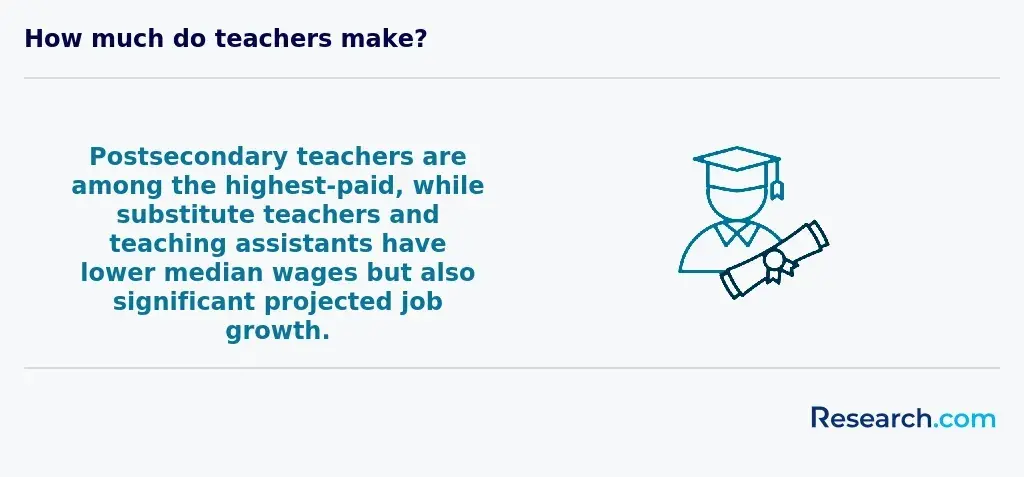
Private school teacher salaries in Nevada vary by school funding, location, grade level, subject area, years of experience, education level, and leadership responsibilities. The stated salary range for private school teachers in the state is between $35,000 and $60,000 annually. Some prestigious institutions may pay above that range, particularly for experienced teachers or educators in leadership roles.
Another commonly cited figure is an average salary of around $50,000 for private school teachers in Nevada. Because private school compensation is highly variable, applicants should review the full offer, not just the base salary.
| Compensation factor | Why it matters | Question to ask before accepting |
| Base salary | Determines your main income and may differ from public school salary schedules. | Is the salary negotiable based on degree, experience, or subject shortage? |
| Benefits | Health insurance, retirement, tuition discounts, and paid leave can change total value. | What benefits are included, and when do they begin? |
| Workload | Teachers may be expected to advise clubs, coach, supervise, or attend events. | Which duties are paid, unpaid, optional, or required? |
| Professional development | Funding for training can reduce your out-of-pocket career costs. | Does the school pay for conferences, coursework, or endorsements? |
| Advancement | Department chair, curriculum, or administrative roles may increase earnings. | What leadership pathways are available for teachers? |
Teachers interested in advanced leadership, research, or district-level education work may also compare graduate options such as online doctoral programs in education, especially if they plan to move beyond classroom instruction later in their career.
What career paths are available for Private school teachers in Nevada?
Private school teaching can lead to several education careers. Some teachers remain in the classroom for decades, while others move into leadership, curriculum, consulting, or specialized instruction. Your path will depend on your degree, licenses, subject strengths, leadership experience, and interest in working directly with students.
| Career path | Typical responsibilities | Good fit for |
| Classroom teacher | Teach core or elective subjects, plan lessons, assess learning, communicate with families. | Educators who enjoy daily student interaction and instructional planning. |
| Specialized educator | Teach areas such as special education, art, music, foreign language, STEM, or theology. | Teachers with focused content expertise or advanced training. |
| Department head or curriculum coordinator | Lead curriculum planning, support teachers, align instruction, and review materials. | Experienced teachers who want leadership without leaving academics entirely. |
| School administrator | Oversee operations, faculty, student life, parent concerns, and school strategy. | Teachers interested in management, policy, and whole-school improvement. |
| Educational consultant | Advise schools on curriculum, instruction, technology, assessment, or student services. | Experienced educators with a strong track record and specialized expertise. |
| Professional development trainer | Design and deliver training for teachers and school staff. | Educators who enjoy coaching adults and sharing effective practices. |
To move beyond entry-level teaching, document your results. Keep examples of lesson units, assessment improvements, parent communication systems, student projects, curriculum design, and leadership contributions. If you are still comparing affordable preparation options, budget-friendly online education degrees may help you advance while continuing to work.
What emerging trends are impacting private school education in Nevada?
Nevada private schools are adapting to changes in technology, family expectations, student support needs, and early childhood education. Teachers who understand these shifts can position themselves as stronger candidates.
- Blended and adaptive learning: More schools expect teachers to use digital tools without letting technology replace strong instruction.
- AI-aware teaching: Teachers increasingly need to design assignments, assessments, and classroom policies that account for AI writing tools and automated tutoring systems.
- Parent demand for transparency: Families paying tuition often expect clear communication about student progress, curriculum, and classroom expectations.
- Early childhood emphasis: Schools serving younger learners may look for teachers with stronger child development and preschool preparation. Readers focused on early education can compare preschool teacher requirements in Nevada.
- Specialized student support: Private schools may seek teachers who can support diverse learning needs, differentiation, executive functioning, and social-emotional growth.
- Credential-conscious hiring: Even where licensure is not required, schools may prefer candidates who show ongoing professional development and clear instructional competence.
Could a theology degree enhance my teaching approach in Nevada?
A theology degree can be useful for educators who want to teach in religious private schools, contribute to values-based curriculum, or better understand faith traditions, ethics, and cultural context. It may be especially relevant for teachers applying to schools where religious mission is central to instruction and community life.
Theology training can support classroom discussion, moral reasoning, comparative religion, service learning, and mission-aligned instruction. It is not a substitute for strong teaching skills, but it can strengthen a candidate’s fit at certain private schools. To explore this field more broadly, review What is a theology degree?.
How can I future-proof my career as a private school teacher in Nevada?
Future-proofing a private school teaching career means building skills that remain valuable even as curriculum, technology, and family expectations change. The safest strategy is to combine classroom excellence with adaptable credentials.
- Learn how to use digital learning platforms, assessment tools, and AI responsibly.
- Develop a specialty in a high-need area such as STEM, special education support, language instruction, early childhood education, music, history, or religious studies.
- Build evidence of strong student outcomes through portfolios, projects, assessments, and administrator feedback.
- Stay connected to Nevada educator networks, workshops, conferences, and professional communities.
- Consider licensure if you want long-term mobility between private and public schools.
- Study leadership skills if you may eventually want a department chair, curriculum, or administrator role.
For a broader look at teacher preparation and credentialing in the state, see Research.com’s guide on how to become a teacher in Nevada.
How can I become an elementary school teacher in Nevada?
To become an elementary school teacher in Nevada, focus on child development, literacy instruction, math foundations, classroom routines, behavior management, family communication, and age-appropriate lesson design. Private elementary schools may have flexible hiring standards, but they still look for teachers who understand how younger students learn.
A strong elementary candidate should be able to teach multiple subjects, create structured routines, differentiate for varied reading and math levels, and communicate frequently with parents. Field experience with children is especially important because elementary classrooms require constant monitoring, transitions, and relationship-building.
For a focused step-by-step guide, review how to become an elementary school teacher in Nevada. Mentorship, classroom observation, tutoring, and student teaching can also strengthen your application for private elementary school roles.
What alternative careers can private school teachers in Nevada pursue?
Private school teachers build skills that transfer to many education and student-support roles. If you want to move out of the classroom, your experience with lesson planning, communication, assessment, family engagement, and student development can open other career options.
- Instructional designer
- Curriculum developer
- Education consultant
- Academic advisor
- School admissions counselor
- Tutor or learning coach
- Education program coordinator
- Teacher trainer
- Speech-language pathology pathway
One related option is speech-language pathology, which focuses on assessing and supporting communication needs. If that path interests you, learn more about how to become a speech pathologist in Nevada, including education, licensure, and career requirements.
What are the easiest and most affordable ways to meet teaching qualifications in Nevada?
The most affordable path depends on what you already have. A student with no college credit has different options than a bachelor’s degree holder changing careers. The best low-cost strategy is to avoid unnecessary credentials and choose the shortest legitimate path that matches your target schools.
| Cost-saving strategy | Best for | Important caution |
| Use transfer credits | Students with prior college coursework | Confirm transfer policies before enrolling. |
| Start with a community college pathway | Students seeking a lower-cost route to a bachelor’s degree | Make sure credits apply to the intended education program. |
| Choose online or part-time study | Working adults and parents | Check accreditation, field placement requirements, and licensure alignment. |
| Pursue targeted credential programs | Career changers needing teaching preparation efficiently | Verify that the program supports Nevada requirements and private school hiring expectations. |
| Apply for scholarships and financial aid | Students in degree or credential programs | Compare total cost after aid, not just advertised tuition. |
If your priority is minimizing credential costs, compare options carefully before enrolling. Research.com’s guide to the cheapest teaching credential program in Nevada can help you evaluate lower-cost pathways. Also ask private schools directly whether they require a license, prefer a bachelor’s degree, or accept applicants working toward credentials.
What specialized training can boost my teaching career in Nevada?
Specialized training can make a private school teacher more valuable, especially when it solves a problem the school already has. High-impact areas include special education strategies, literacy intervention, STEM instruction, classroom technology, English language support, music, history, theology, and early childhood development.
Special education preparation is particularly useful because even private schools that do not operate like public special education systems still serve students with varied learning needs. Teachers who understand differentiation, accommodations, behavior supports, and inclusive instruction can be stronger candidates. To compare this pathway, review how to become a special education teacher in Nevada.
How can professional mentorship boost my career growth in Nevada?
Mentorship can shorten the learning curve for new private school teachers. A strong mentor can help you understand classroom management, grading expectations, parent communication, curriculum pacing, school culture, and professional boundaries. Mentorship is also useful for experienced teachers who want to move into leadership.
- Ask to observe experienced teachers before or after you are hired.
- Request feedback on lesson plans, assessments, and classroom routines.
- Find a mentor who understands the type of school where you want to work.
- Use mentorship to learn how to communicate with tuition-paying families professionally.
- Seek guidance on when to pursue licensure, endorsements, or graduate education.
If you are exploring flexible routes into teaching or professional development, Research.com’s guide on how to become a teacher online in Nevada can help you compare online preparation options.
How can online advanced degrees bolster my credentials while teaching?
Online advanced degrees can help working teachers build new expertise without leaving their current school. They may support advancement into curriculum, library and media services, instructional leadership, technology integration, research, or administration-adjacent roles.
Before enrolling, compare accreditation, fieldwork requirements, tuition, transfer policies, faculty expertise, and whether the degree matches your career goal. Do not choose a graduate program only because it is online or inexpensive. Choose it because it adds a credential or skill that schools value.
For educators interested in information management, literacy support, research, and school library-related skills, the cheapest MLIS degree online may be worth comparing with other graduate education options.
How can specialized music training enhance my teaching career in Nevada?
Music training can expand your value in a private school because it supports both classroom instruction and extracurricular programming. A teacher with music expertise may teach general music, choir, band, individual lessons, performances, chapel or worship music, arts integration, or after-school programs.
Music specialization is especially useful in smaller private schools where one educator may cover multiple responsibilities. Strong music teachers can contribute to school culture through concerts, ceremonies, community events, and interdisciplinary projects. To understand this route more clearly, see music teaching qualifications in Nevada.
Could specializing in history broaden my teaching opportunities in Nevada?
History specialization can strengthen your private school teaching profile if you can connect content knowledge with writing, discussion, civic understanding, research, and critical analysis. Private schools may value history teachers who can teach across social studies, humanities, religion-adjacent history, debate, writing-intensive courses, or interdisciplinary seminars.
To make a history specialization practical, build evidence that you can do more than lecture. Create sample units, document discussion-based teaching methods, show assessment design, and demonstrate how students will analyze sources and write arguments. For a dedicated pathway, review how to become a history teacher in Nevada.
What are the available teacher certification options in Nevada?
Nevada offers several educator certification and licensure options, and the right one depends on your background, subject area, and long-term plans. Private schools may not always require certification, but having it can widen your options and improve your credibility with administrators and families.
The key license categories discussed in this guide are non-renewable/provisional, standard, and professional. Each has different requirements and duration. Endorsements can also help you demonstrate subject-specific preparation. To compare routes in more detail, review the types of teacher certification in Nevada.
Common Mistakes to Avoid When Preparing for Private School Teaching in Nevada
| Mistake | Why it can hurt you | Better approach |
| Assuming no license is ever needed | Some private schools prefer or require licensed teachers. | Check requirements for each target school before deciding against licensure. |
| Choosing the cheapest program without checking fit | A low-cost program may not support your grade level, subject, or licensure goals. | Compare accreditation, outcomes, fieldwork, and Nevada alignment. |
| Focusing only on tuition | Books, supplies, commuting, exams, and unpaid fieldwork can add significant costs. | Build a full cost estimate before enrolling. |
| Applying with a generic resume | Private schools often hire for mission fit and specific community needs. | Customize your cover letter and resume for each school. |
| Ignoring classroom experience | Degrees alone may not prove you can manage students. | Gain tutoring, substitute, volunteer, camp, or student teaching experience. |
| Relying only on rankings | A highly ranked program may not be the best financial or career fit. | Evaluate cost, flexibility, transfer credits, placement support, and credential alignment. |
| Assuming salary outcomes are guaranteed | Private school pay varies by school, funding, subject, and experience. | Ask about salary, benefits, duties, raises, and advancement before accepting. |
Questions to Ask Before Accepting a Nevada Private School Teaching Job
- Does the school require or prefer a Nevada educator license?
- What degree, subject-area preparation, or endorsements are expected for this role?
- How many students are typically in each class?
- What curriculum will I be expected to use, and how much flexibility will I have?
- What technology, textbooks, and classroom resources are provided?
- How does the school support students with learning differences?
- What are the expectations for parent communication?
- Are coaching, advising, clubs, religious activities, or after-school duties required?
- What professional development is funded by the school?
- What is the salary range, benefits package, renewal process, and advancement structure?
Key Insights
- Private school requirements vary: Nevada private schools may set their own hiring standards, so always verify expectations with the specific school before investing in a program or license.
- A bachelor’s degree is the safest foundation: Some roles may be available with a certificate or associate’s degree, but a bachelor’s degree usually improves access to full-time classroom positions.
- Licensure can still be valuable: Even when not mandatory, a Nevada educator license can strengthen your application and preserve the option to move into public school teaching later.
- Budget beyond tuition: Applicants should plan for application fees, renewal fees, endorsements, books, supplies, transportation, exams, and possible unpaid teaching placements.
- Salary depends heavily on the school: Private school teachers in Nevada may earn between $35,000 and $60,000 annually, with some institutions paying more for experience or leadership roles.
- Specialization improves competitiveness: Training in special education, STEM, music, history, theology, early childhood education, or technology can help you stand out.
- School fit matters as much as credentials: Mission alignment, parent communication style, classroom culture, and workload expectations can determine whether a private school job is sustainable.
Other Things You Should Know About Becoming a Private School Teacher in Nevada
Can a foreigner become a teacher in Nevada?
Yes. A foreign national may be able to teach in a Nevada private school, but eligibility depends on the school’s hiring policies, the applicant’s education, and U.S. work authorization. Private schools may have more flexibility than public institutions, but they still need qualified teachers who can legally work in the United States.
- Credential evaluation: If your degree was earned outside the United States, confirm whether it is recognized and whether it matches the subject or grade level you want to teach.
- Teaching credentials: State licensure may not always be required by private schools, but a teaching certificate or license can improve your competitiveness.
- Work visa: Applicants must have the appropriate authorization to work, such as an H-1B or another applicable visa category.
Is it hard to be a private school teacher in Nevada?
Private school teaching in Nevada can be rewarding, but it is not automatically easier than public school teaching. Smaller classes and curricular flexibility can be appealing, yet teachers may also face high parent expectations, limited budgets, and less job security than positions with public school tenure systems.
| Potential advantage | Potential challenge |
| Smaller class sizes may allow more individualized instruction. | Resources may depend heavily on tuition, donations, and school finances. |
| Teachers may have more room to design lessons creatively. | Parents may expect frequent communication and strong academic outcomes. |
| Close-knit communities can build strong student and family relationships. | Private schools may not provide the same job protections as public systems. |
| Mission-driven schools can offer a strong sense of purpose. | Teachers may carry extra duties such as clubs, events, advising, or coaching. |
To succeed, clarify expectations before accepting a job, build strong relationships with families, seek mentorship, and continue developing your instructional skills.
What state pays private school teachers the most?
Private school teacher pay varies across the country. States such as New York, California, and Massachusetts are often associated with higher compensation. In New York, the average salary can exceed $70,000 annually, while California and Massachusetts also offer attractive compensation packages.
In Nevada, private school teachers earn an average salary of around $50,000, depending on the institution and the teacher’s experience. To improve earning potential, seek roles at well-funded schools, build specialized credentials, pursue advanced education when it supports your goals, and network within private school communities.
What is the best state to live in for private school teachers?
The best state depends on salary, cost of living, school availability, lifestyle, and long-term career plans. Nevada and California can both appeal to private school teachers for different reasons.
- Nevada: Nevada offers a growing private school environment and an average private school teacher salary of around $50,000. Cost of living can be more manageable outside Las Vegas, depending on location and housing choices.
- California: California has private school teacher salaries averaging over $60,000 and includes many prestigious private schools, but cost of living can be substantially higher in many areas.
Related Articles for Nearby States
- 2027 How to Become a Private School Teacher in California: Requirements & Certification
- 2027 How to Become a Private School Teacher in Oregon: Requirements & Certification
- 2027 How to Become a Private School Teacher in Idaho: Requirements & Certification
- 2027 How to Become a Private School Teacher in Arizona: Requirements & Certification
- 2027 How to Become a Private School Teacher in Utah: Requirements & Certification
- 2027 How to Become a Private School Teacher in Washington: Requirements & Certification
- 2027 How to Become a Private School Teacher in Montana: Requirements & Certification
- 2027 How to Become a Private School Teacher in Wyoming: Requirements & Certification
- 2027 How to Become a Private School Teacher in Colorado: Requirements & Certification
- 2027 How to Become a Private School Teacher in New Mexico: Requirements & Certification
References:
- Nevada Department of Education. (n.d.). General License Requirements and Fees. doe.nv.gov https://doe.nv.gov/educator-licensure/licenses-and-fees
- NCES. (2023). Characteristics of Traditional Public, Public Charter, and Private School Teachers. https://nces.ed.gov/programs/coe/indicator/sld/public-private-school-teachers
- NCES. (2023). Number and percentage distribution of private elementary and secondary students, teachers, and schools, by orientation of school and selected characteristics: Fall 2011, fall 2019, and fall 2021 [CORRECTED]. https://nces.ed.gov/programs/digest/d23/tables/dt23_205.40.asp
- RaiseRight. (n.d.). How Much Do Private Schools Cost? Breakdown of Tuition (2024). raiseright.com https://www.raiseright.com/blog/how-much-do-private-schools-cost
- U.S. Department of Education. (30 Aug 2017). Nevada State Regulations. www2.ed.gov https://www2.ed.gov/about/inits/ed/non-public-education/regulation-map/nevada.html
Other Things You Should Know About Becoming a Private School Teacher in Nevada
In 2027, private school teachers in Nevada are not required to have a state teaching license. However, individual schools may set their own standards, which often include a bachelor's degree and relevant teaching experience or certifications. Always check the specific requirements of the school you're interested in.
To become a private school teacher in Nevada in 2027, you typically need a bachelor's degree, relevant teaching experience, and occasionally state certification, depending on the school's requirements. Some private institutions may also require a background check and additional training specific to their educational philosophy.
As of 2027, the salary for private school teachers in Nevada can vary significantly based on experience, education level, and the specific school. On average, salaries may range from $30,000 to $50,000 annually. However, it's important to research individual schools for accurate figures. 1. **Question** Do private school teachers in Nevada need a teaching license in 2027? **Answer** In Nevada, private school teachers are not required to hold a teaching license as of 2027. However, individual schools may have specific requirements, such as a bachelor's degree or subject expertise, to ensure quality education. 2. **Question** What are the steps to become a private school teacher in Nevada in 2027? **Answer** To become a private school teacher in Nevada in 2027, start by obtaining a bachelor’s degree in education or a related field. Research specific requirements of the school you're interested in, as they may include interviews, teaching demonstrations, or additional certifications. 3. **Question** How can a foreigner become a private school teacher in Nevada in 2027? **Answer** Foreigners wishing to teach in Nevada's private schools in 2027 should ensure their qualifications are recognized in the U.S. Obtaining a valid work visa and meeting individual school qualifications, such as a relevant degree and possibly English proficiency, is essential. 4. **Question** What are the basic requirements to become a private school teacher in Nevada in 2027? **Answer** In 2027, the basic requirements for private school teachers in Nevada typically include a bachelor’s degree in a relevant field. Schools may also look for subject expertise or relevant teaching experience, and these can vary significantly by institution.
In 2027, to become a private school teacher in Nevada, a bachelor's degree is often required. While a state teaching license isn't mandatory for private schools, schools may have specific criteria, such as relevant teaching experience or specialized skills, that candidates need to fulfill.