2027 Electrical Engineering Careers That Reward Strong Systems and Automation Skills

Co-Founder and Chief Data Scientist
Choosing an electrical engineering path is harder when automation, AI-enabled controls, smart grids, and robotics are changing what employers expect. The U.S. Bureau of Labor Statistics projects electrical and electronics engineers to grow 9% from 2023 to 2033, faster than the average for all occupations, with about 19,000 openings each year.
This guide is for students, career changers, veterans, and working technicians comparing education options. You'll learn which systems and automation roles are most practical, what degrees prepare you, and how to evaluate programs before investing time and money.
Key Things You Should Know
- Automation-focused electrical engineering careers often center on control systems, robotics, power systems, embedded systems, manufacturing automation, and smart infrastructure rather than only circuit design.
- The BLS reports a 2024 median annual pay of $118,780 for electrical and electronics engineers, but outcomes vary by industry, location, experience, security clearance, and whether the role requires programming or field commissioning.
- For most engineering-track roles, an ABET-accredited bachelor's degree is the safest baseline; certificates, PLC training, and graduate study can strengthen specialization but usually do not replace an engineering degree for licensed or design-authority positions.
What are the most in-demand electrical engineering careers focused on systems and automation?
Systems and automation careers in electrical engineering focus on how hardware, software, sensors, power, and feedback loops work together. Instead of designing a single component in isolation, these roles ask whether an entire process, machine, facility, or grid segment operates safely, efficiently, and predictably.
The most in-demand paths tend to sit where physical infrastructure meets software-driven control. The table below compares common career options so readers can see how responsibilities differ before choosing a degree, internship, or specialization.
| Career path | Typical systems and automation focus | Common work settings | Best fit for students who enjoy |
| Controls engineer | Designing feedback control loops, tuning systems, integrating sensors, and improving machine or process performance. | Manufacturing plants, utilities, aerospace, automotive, energy, food processing. | Applied math, troubleshooting, lab testing, and real-time decision-making. |
| Automation engineer | Programming PLCs, configuring HMIs, commissioning automated equipment, and reducing manual process steps. | Industrial automation firms, factories, warehouses, pharmaceutical production, robotics integrators. | Hands-on technology, programming, fieldwork, and cross-functional teamwork. |
| Power systems engineer | Analyzing generation, transmission, distribution, protection systems, microgrids, and grid reliability. | Electric utilities, renewable energy developers, consulting firms, government contractors. | Energy infrastructure, safety, large-scale modeling, and public-service impact. |
| Robotics systems engineer | Integrating motors, drives, machine vision, controllers, safety systems, and robotic work cells. | Advanced manufacturing, logistics, medical devices, defense, research labs. | Mechanical-electrical integration, motion control, and automation design. |
| Embedded systems engineer | Developing firmware and hardware interfaces for devices that sense, control, and communicate. | Consumer electronics, aerospace, automotive, industrial equipment, IoT companies. | Coding close to hardware, microcontrollers, testing, and signal behavior. |
| SCADA or industrial control systems engineer | Monitoring and controlling distributed assets such as substations, water systems, pipelines, and industrial facilities. | Utilities, water districts, energy companies, critical infrastructure operators. | Operational reliability, cybersecurity awareness, networking, and system monitoring. |
A practical way to choose among these roles is to think about the environment you want to work in. Some automation jobs are plant-facing and involve commissioning equipment on-site, while others are design-heavy and require simulation, documentation, and reviews before anything is built.
Students should also consider the industries hiring for these skills. Automation demand is especially visible in areas where downtime is expensive, safety matters, or labor-intensive processes are being modernized.
- Manufacturing and industrial automation: strong fit for PLC programming, robotics, motion control, instrumentation, and process improvement.
- Utilities and energy: strong fit for power systems, protection, grid modernization, renewables integration, and SCADA operations.
- Aerospace, defense, and transportation: strong fit for embedded systems, reliability engineering, modeling, controls, and safety-critical systems.
- Semiconductors and electronics manufacturing: strong fit for automation, test systems, cleanroom process controls, and high-precision equipment.
- Buildings and infrastructure: strong fit for building automation, controls, energy management, and electrical systems design.
The main trade-off is specialization versus flexibility. A controls or automation role can lead quickly to applied work and visible results, but a broader electrical engineering foundation keeps more doors open if you later pivot into power, embedded systems, consulting, or graduate study.
What degree pathways prepare you for systems and automation roles in electrical engineering?
The most reliable educational pathway for systems and automation roles is a bachelor's degree in electrical engineering, electrical and computer engineering, mechatronics, or a closely related ABET-accredited engineering program. However, the right path depends on whether you are entering college for the first time, building from technician experience, changing careers, or preparing for advanced design responsibility.
The table below compares common degree and credential options. Use it to match your current background with the level of responsibility you want after graduation.
| Pathway | Typical length | Best for | Automation career value | Limitations to check |
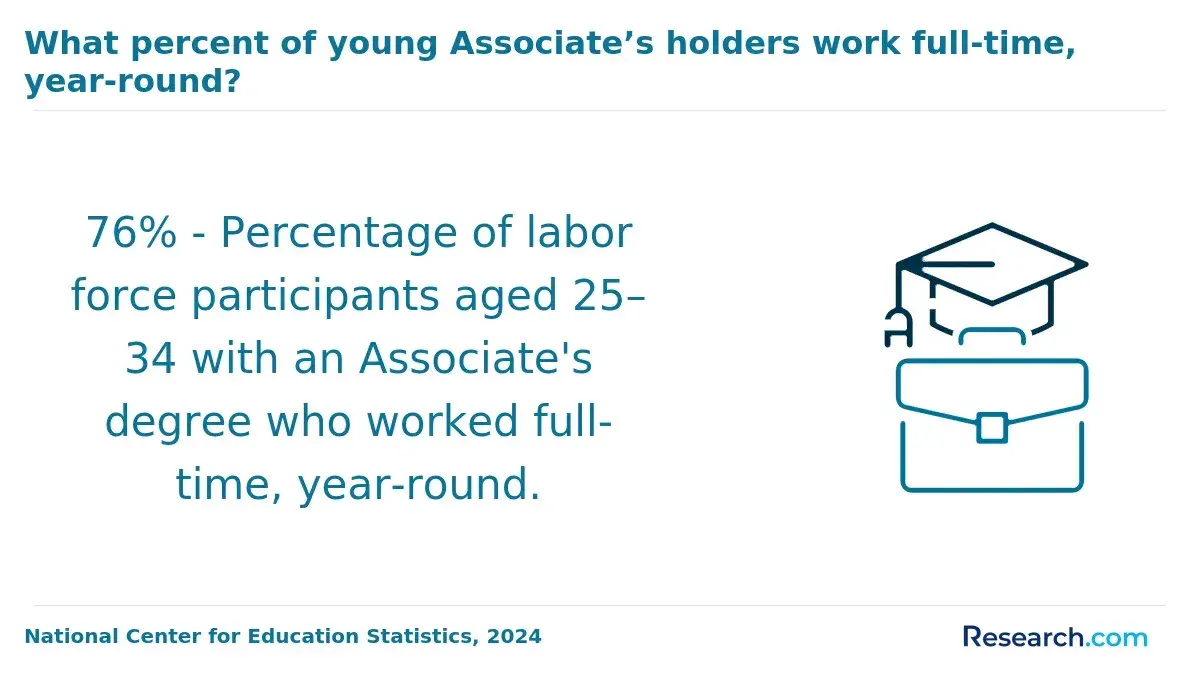
| Associate degree in electrical engineering technology or automation technology | About 2 years | Future technicians, test specialists, maintenance automation workers, or transfer students. | Builds hands-on experience with circuits, instrumentation, PLCs, motors, and troubleshooting. | May not qualify for engineering-design roles or later professional licensure without additional education. |
| Bachelor's degree in electrical engineering | About 4 years full time | Students seeking engineering roles in controls, power, embedded systems, automation, or consulting. | Provides the strongest general foundation in circuits, systems, signals, controls, electronics, and design. | Requires advanced math and lab work; program accreditation matters. |
| Bachelor's degree in electrical engineering technology | About 4 years full time | Students who prefer applied implementation, testing, and operations roles. | Often emphasizes practical labs, instrumentation, manufacturing systems, and applied design. | May be viewed differently than an engineering degree by some employers or licensing boards. |
| Master's degree in electrical engineering, systems engineering, robotics, or controls | About 1 to 2 years full time | Engineers seeking advanced roles in modeling, autonomous systems, grid analytics, research, or leadership. | Deepens specialization and can help with advanced design, simulation, and technical leadership roles. | Usually has the best return when aligned with a clear technical specialty or employer need. |
| Graduate certificate or professional certificate | Several months to 1 year | Working engineers or technicians filling a skills gap. | Useful for PLCs, industrial networking, cybersecurity, robotics, power systems, or model-based design. | Rarely replaces a degree for engineering-track roles. |
For students with military experience, program fit can depend on transfer credit, GI Bill participation, online lab formats, and support for working adults. A dedicated online electrical engineering bachelor degree for veterans resource can help compare flexible options designed around prior technical experience and service-related education benefits.
Cost should be part of the pathway decision, not an afterthought. The College Board's 2024 pricing report lists average published tuition and fees for in-state students at public four-year colleges at $11,610 for 2024-2025, compared with $43,350 at private nonprofit four-year colleges. That gap does not automatically make one option better, but it shows why students should compare net price, transfer credit, aid, lab access, and expected career fit rather than sticker price alone.
A degree pathway makes the most sense when it matches the job authority you want. If your goal is to program industrial equipment and troubleshoot production lines, an associate degree plus vendor training may be enough to start. If your goal is to design electrical systems, sign off on engineering work, pursue licensure, or move into advanced controls, a bachelor's degree is usually the safer long-term investment.
How do salaries and long-term job outlook compare for automation-focused electrical engineers?
Automation-focused electrical engineers can earn strong salaries, but the labor market is not uniform. Pay tends to rise when a role combines electrical engineering fundamentals with scarce skills such as industrial networking, embedded programming, power systems analysis, safety standards, robotics integration, or cybersecurity for operational technology.
The BLS 2024 wage estimate for electrical and electronics engineers reports a median annual pay of $118,780. This is a useful benchmark, but it should not be treated as a promise; actual compensation depends heavily on location, industry, overtime practices, travel requirements, clearance requirements, and whether the role is classified as engineering, technology, software, or operations.
| Factor | How it affects pay and outlook | What students should look for |
| Industry | Utilities, aerospace, defense, semiconductor manufacturing, and advanced automation firms may pay differently because risk, regulation, and system complexity vary. | Internships and co-ops in the industry you want, not only generic engineering experience. |
| Technical depth | Engineers who can model systems, program controllers, analyze data, and understand hardware often have more options than candidates with only one narrow skill. | Coursework and projects that combine controls, circuits, programming, and measurement. |
| Field responsibility | Commissioning, plant support, travel, and uptime-critical work can affect compensation and work-life balance. | Clear understanding of travel expectations, call schedules, and safety training. |
| Licensure and compliance | Power, building systems, public infrastructure, and consulting roles may value Engineering Intern or Professional Engineer credentials. | ABET accreditation and state licensure alignment before enrolling. |
| Region | Pay often reflects local industry clusters and cost of living. | Regional employer pipelines, career fair participation, and alumni outcomes. |
Long-term outlook is supported by several U.S. trends: grid modernization, factory automation, electrification, EV infrastructure, semiconductor investment, and the use of AI-assisted monitoring in industrial systems. These trends do not eliminate the need for engineers; they often increase demand for people who can validate automated decisions, diagnose sensor problems, and design systems that fail safely.
The smartest salary strategy is to build a portfolio around problems employers pay to solve. That usually means graduating with evidence that you can work across the full system: requirements, modeling, hardware selection, programming, testing, documentation, and troubleshooting.
What core skills and competencies define strong systems and automation expertise in electrical engineering?
Strong systems and automation expertise is not just "knowing electronics." Employers look for engineers who understand how signals, energy, code, devices, people, and safety constraints interact in real environments. The best candidates can move from theory to a working system without losing sight of reliability or maintainability.
Students should build a layered skill set. The list below groups the competencies that most often separate automation-ready electrical engineering graduates from candidates who have only completed general coursework.
- Control systems: feedback loops, stability, transfer functions, PID tuning, state-space modeling, and real-time response.
- Electrical fundamentals: circuits, power electronics, motors, drives, instrumentation, sensors, grounding, and protection concepts.
- Programming: C or C++, Python, MATLAB or Simulink, ladder logic, structured text, and basic software version control.
- Industrial automation tools: PLCs, HMIs, SCADA platforms, industrial communication protocols, data acquisition, and commissioning workflows.
- Systems thinking: requirements analysis, trade-off evaluation, interfaces, reliability, failure modes, and lifecycle documentation.
- Cyber-physical safety: lockout/tagout awareness, machine safety, risk assessment, cybersecurity basics, and safe testing practices.
- Communication: clear test reports, design reviews, operator instructions, vendor coordination, and cross-functional problem-solving.
AI is also changing the skill mix. Engineers increasingly use AI-assisted analytics, predictive maintenance tools, simulation environments, and code-generation aids, but those tools still require human judgment. A model may flag abnormal vibration or temperature patterns, but an engineer must understand whether the reading reflects a sensor fault, a process change, or a dangerous failure mode.
Students who enjoy the software side of automation may want to compare how electrical engineering differs from computing-focused pathways. A computer science online degree may fit better for those who want to prioritize algorithms, cloud systems, applications, or general software development over circuits, power, sensors, and physical systems.
A common mistake is trying to become "automation-ready" by learning only a brand of PLC software. Vendor tools are useful, but employers usually value transferable understanding more: why the process behaves the way it does, how to validate a change safely, and how to document a system so another engineer can maintain it.
What coursework and lab experiences should an electrical engineering program include for automation careers?
A strong electrical engineering program for automation careers should include both rigorous theory and repeated lab experiences. Automation is a practical field; students need to see how ideal models behave when sensors drift, motors heat up, cables introduce noise, or a controller behaves differently under real load.
Look for coursework that supports system-level reasoning. The strongest programs usually connect math and theory to design projects rather than treating each class as an isolated requirement.
- Circuits and electronics: DC and AC circuits, analog electronics, digital logic, power electronics, and measurement techniques.
- Signals and systems: frequency response, filters, sampling, transforms, and system modeling.
- Control systems: feedback design, stability, compensation, PID control, state-space methods, and simulation.
- Embedded systems: microcontrollers, real-time constraints, firmware, hardware interfaces, and debugging.
- Power and energy systems: motors, drives, power conversion, protection, renewables, and grid concepts.
- Robotics or mechatronics: actuators, sensors, kinematics, motion control, machine vision, and safety integration.
- Industrial automation: PLCs, HMIs, SCADA, instrumentation, process control, and industrial networks.
- Engineering design: requirements, prototypes, verification testing, documentation, teamwork, and capstone delivery.
Lab quality matters as much as course titles. Before enrolling, ask whether students work with real instruments, controllers, motors, data acquisition systems, and design constraints, or whether most "labs" are limited to simulations.
A good automation-oriented lab sequence should give students practice with the full engineering cycle. That means defining a problem, choosing sensors and actuators, building or simulating the control strategy, collecting data, adjusting the design, and explaining the result clearly.
- Start with measurement: learn how to use oscilloscopes, multimeters, signal generators, power supplies, and data acquisition tools safely.
- Move into device control: connect sensors, motors, microcontrollers, drives, and protective components in controlled lab settings.
- Add system logic: program PLCs, embedded controllers, or simulation models to control a process under defined requirements.
- Validate performance: test stability, response time, noise sensitivity, safety behavior, and failure recovery.
- Document the system: create diagrams, test records, code comments, operator notes, and final design reports.
Red flags include programs with limited lab access, no senior design project, weak programming requirements, outdated equipment, or little connection to local employers. For automation careers, a polished catalog description is less valuable than evidence that students repeatedly build, test, and troubleshoot working systems.
How do online electrical engineering programs compare with campus programs for systems training?
Online electrical engineering programs can be a good fit for working adults, military-affiliated students, parents, and transfer students who need scheduling flexibility. However, systems and automation training depends heavily on labs, hardware access, and project feedback, so format quality matters more than whether the program is online or campus-based.
The comparison below shows where online and campus formats usually differ. Use it to identify trade-offs before assuming one format is automatically better.
| Program feature | Online format | Campus format | Decision point |
| Lectures and theory | Often flexible, recorded, and easier to fit around work. | Often scheduled, with easier live access to instructors and classmates. | Online can work well if you are disciplined and comfortable learning independently. |
| Labs | May use remote labs, mailed kits, simulations, short residencies, or partner sites. | Usually offers direct access to equipment, lab staff, and physical workspaces. | For automation, verify exactly how controls, circuits, motors, and instrumentation labs are completed. |
| Team projects | Can be effective but requires strong coordination and digital collaboration. | Often easier for hardware-heavy prototyping and capstone work. | Ask how teams build and test physical systems when students live in different locations. |
| Internships and employer access | May depend more on the student's local market and initiative. | May provide stronger regional recruiting, labs, and career fairs. | Compare employer partnerships, not just delivery mode. |
| Cost and schedule | May reduce relocation and commuting costs, but tuition and fees vary widely. | May provide more facilities but can add housing or commuting expenses. | Calculate total cost, including equipment, travel for residencies, and time away from work. |
Online study makes the most sense when the program is accredited, transparent about lab delivery, and compatible with your work schedule. Campus study may be better if you need frequent hands-on support, want a traditional residential engineering experience, or are targeting employers that recruit heavily from a specific school's labs and capstone pipeline.
Students comparing online STEM options should be careful not to assume all online degrees have the same lab demands. Electrical engineering usually requires more physical experimentation than many software-centered fields, while other science pathways, such as a geoscience online degree, may involve different fieldwork, mapping, or earth-science lab expectations.
The best question to ask is not "online or campus?" It is "Can this program prove that graduates practice the same systems, measurement, design, and troubleshooting skills employers expect?"
Which accreditation standards matter most for automation-oriented electrical engineering degrees in the U.S.?
Accreditation is one of the most important checks for any U.S. electrical engineering degree, especially if you want broad employer recognition, graduate-school options, or future licensure. For engineering programs, the most relevant programmatic accreditor is ABET, specifically through its Engineering Accreditation Commission for engineering degrees or its Engineering Technology Accreditation Commission for engineering technology degrees.
ABET accreditation matters because it signals that a program has been reviewed for faculty qualifications, student outcomes, curriculum, assessment, continuous improvement, and facilities. It does not guarantee a job or salary, but it reduces the risk that a degree will be questioned by employers, graduate programs, or state licensing boards.
Students should distinguish between institutional accreditation and programmatic accreditation. Institutional accreditation applies to the college or university as a whole, while ABET applies to specific engineering or engineering technology programs. A university can be institutionally accredited while a particular electrical engineering program is not ABET-accredited.
Use this checklist before applying to an automation-oriented electrical engineering program:
- Confirm the exact program name in ABET's official program search, not only on the school's marketing page.
- Check whether the accreditation is for electrical engineering, electrical and computer engineering, or electrical engineering technology, because these may lead to different expectations.
- Ask whether online, hybrid, branch-campus, or transfer pathways fall under the same accredited program listing.
- Review whether the curriculum includes design, lab, math, science, and engineering topics consistent with your target role.
- If licensure may matter, verify requirements with the state engineering board where you plan to work.
Licensure rules vary by state, and some states treat engineering technology degrees differently from engineering degrees. This is especially important for power systems, public infrastructure, consulting, and building electrical design roles where the path to a Professional Engineer license may influence advancement.
What admissions requirements and prerequisites do systems-focused electrical engineering programs typically have?
Admissions requirements vary by school and degree level, but systems-focused electrical engineering programs usually expect strong preparation in math, science, and analytical problem-solving. Because the curriculum moves quickly into calculus-based circuits, physics, and systems modeling, gaps in prerequisites can make the first year much harder than expected.
For first-year bachelor's applicants, schools commonly review high school math progression, lab science preparation, GPA, essays, recommendations, and sometimes standardized test scores where required or optional. Transfer applicants are usually evaluated on college calculus, physics, chemistry, programming, and prior engineering coursework.
Graduate programs typically expect an accredited engineering or closely related technical bachelor's degree. Applicants from physics, computer science, engineering technology, or other STEM backgrounds may be admitted, but they may need bridge coursework in circuits, signals, controls, or math before taking advanced automation classes.
Students should prepare for these common prerequisites and readiness expectations:
- Math readiness: calculus, differential equations, linear algebra, probability, and comfort with mathematical modeling.
- Science readiness: calculus-based physics, especially electricity, magnetism, mechanics, and waves.
- Programming readiness: at least one structured programming language and willingness to use technical computing tools.
- Lab readiness: attention to measurement, safety, documentation, and troubleshooting rather than only getting a correct answer.
- Time readiness: enough weekly study time for problem sets, labs, group projects, and design work.
Applicants exploring multiple applied science majors should compare prerequisite intensity early. For example, an animal science bachelor degree online may involve biology, chemistry, and animal systems requirements, while electrical engineering places heavier emphasis on calculus, physics, circuits, and design labs.
A common mistake is entering an engineering program underprepared in calculus and assuming motivation alone will close the gap. Motivation matters, but students often do better when they complete placement review, refresher modules, community college prerequisites, or summer bridge courses before the core sequence begins.
How can students evaluate and choose reputable electrical engineering schools for automation specializations?
Choosing a reputable electrical engineering school for automation is not just about rankings. A well-ranked program may not offer the lab access, faculty expertise, scheduling flexibility, transfer policies, or employer connections that match your goals. Conversely, a less famous regional university may have strong relationships with utilities, manufacturers, and automation firms.
Start by defining your target outcome: controls engineer, automation engineer, power systems engineer, embedded systems engineer, robotics engineer, or engineering technician. Then compare schools against that outcome instead of comparing them in the abstract.
Use the steps below to evaluate programs before applying or enrolling:
- Verify accreditation first, especially ABET status for the exact degree and delivery format.
- Map the curriculum to your target role by checking for controls, embedded systems, power, robotics, industrial automation, or systems engineering electives.
- Ask how labs are delivered and whether students use current instruments, PLCs, motors, microcontrollers, simulation tools, and data acquisition systems.
- Review capstone projects from recent years to see whether students build automation-relevant systems, not only paper designs.
- Compare internship, co-op, and employer recruiting pipelines in industries that hire automation-focused engineers.
- Calculate net cost after grants, scholarships, transfer credits, employer reimbursement, military benefits, and required equipment.
- Check student support for difficult gateway courses such as calculus, physics, circuits, signals, and controls.
- Ask about career outcomes carefully, including what roles graduates enter and whether outcomes are specific to electrical engineering students.
The table below summarizes common red flags and better alternatives. It is designed to help students avoid expensive enrollment mistakes before committing to a program.
| Red flag | Why it matters | Better alternative |
| No clear ABET information | Accreditation can affect employer recognition, graduate study, and licensure options. | A program that identifies the exact accredited degree and confirms delivery-format coverage. |
| Automation claims without labs | Systems and controls skills require measurement, testing, and troubleshooting practice. | Documented lab sequences, capstone projects, and access to hardware or high-quality remote labs. |
| Very narrow vendor-only training | Tool familiarity can become outdated if fundamentals are weak. | Programs that combine fundamentals with practical tools such as PLCs, simulation, and instrumentation. |
| Unclear transfer-credit policy | Lost credits can raise total cost and delay graduation. | Written degree audit before enrollment. |
| Career data that is too broad | Institution-wide outcomes may not reflect electrical engineering or automation roles. | Program-level outcomes, employer examples, and alumni role titles. |
Students comparing STEM schools may also look beyond engineering to understand how online lab quality differs across disciplines. For instance, a geoscience online degree can provide a useful comparison point for how schools handle field-based or lab-based learning in a distance format, even though the career outcomes differ from electrical engineering.
The best program is the one that minimizes avoidable risk: accredited degree, credible labs, affordable net cost, relevant employer access, and a curriculum aligned with the systems or automation work you actually want to do.
What certifications or professional licenses support advancement in electrical systems and automation careers?
Certifications and licenses can support advancement, but they serve different purposes. A certification usually validates a specific skill, tool, or body of knowledge. A professional license, such as the Professional Engineer credential, gives legal authority for certain engineering services and is governed by state boards.
For many automation roles, certifications are helpful but not mandatory. They can be especially useful for technicians moving into engineering-adjacent roles, engineers changing specialties, or professionals who need proof of hands-on knowledge in controls, networking, safety, or project management.
| Credential type | Examples of relevance | Best fit | Important caution |
| Engineering Intern or Engineer-in-Training | First licensure step after passing the FE exam in many states. | Students or graduates who may pursue PE licensure. | State requirements vary, and ABET status often matters. |
| Professional Engineer license | Important for public-facing engineering work, consulting, power systems, and stamped designs. | Engineers working in regulated design or infrastructure roles. | Not required for every automation job, but valuable in some sectors. |
| PLC and industrial automation certificates | Training on controllers, HMIs, drives, industrial networks, and troubleshooting. | Controls engineers, automation engineers, technicians, and maintenance specialists. | Vendor training should supplement fundamentals, not replace them. |
| Functional safety or machine safety credentials | Risk reduction, safety-rated systems, machine guarding, and safety lifecycle practices. | Robotics, manufacturing, process automation, and equipment design professionals. | Employers may prefer specific standards experience depending on industry. |
| Cybersecurity or industrial control systems security training | Security for SCADA, operational technology networks, and critical infrastructure. | Utility, manufacturing, and infrastructure engineers working with connected systems. | Security responsibilities vary by organization and may require experience beyond coursework. |
| Project management credentials | Scheduling, budgets, risk, stakeholder communication, and delivery discipline. | Engineers moving toward project lead or engineering management roles. | Most valuable after some project experience. |
Students who are unsure about licensure should keep the option open by choosing an ABET-accredited engineering program when possible. Even if a first job does not require the FE or PE path, changing later can be harder if the degree does not meet state board expectations.
A practical credential sequence for many electrical engineering students is to focus first on the degree and internships, then consider the FE exam near graduation if licensure could matter. After entering the workforce, add targeted certifications only when they match the equipment, systems, safety standards, or leadership responsibilities in your actual job.
Other Things You Should Know About Electrical Engineering
In 2027, electrical engineers with robust systems and automation skills can find rewarding careers in industries like renewable energy, manufacturing automation, aerospace, automotive, and smart technology development, where their expertise in optimizing complex systems is in high demand.
Yes. Many automation technicians, controls technicians, robotics technicians, and maintenance specialists start with an associate degree, apprenticeship, military training, or industry certificates. However, engineering design roles, advanced modeling roles, and licensure-track positions usually require a bachelor's degree in engineering.
Most systems and automation roles benefit from coding. You may not need to be a full software developer, but Python, C or C++, MATLAB, PLC programming, and basic version control can make you more effective in controls, embedded systems, testing, and data analysis.
Industry certifications from Siemens, Rockwell Automation, and ISA can strengthen a systems and automation profile. Common credentials include Siemens PLC and TIA Portal training, Rockwell Automation control systems certificates, and ISA Certified Control Systems Technician (CCST). Employers often value proof of PLC programming, SCADA, and industrial networking skills.
References
- AI & Electrical Engineers: Timeline & Impact 2028 https://myjobvsai.com/jobs/electrical-engineers
- How to Choose the Right Engineering Specialization https://learn.kce.ac.in/how-to-choose-the-right-engineering-specialization/
- Electrical Engineering - Automation Bachelor https://www.inw.hs-mittweida.de/en/information-for-applicants/electrical-engineering-automation-bachelor/
- Despite a sluggish job market, studying electrical engineering offers good prospects https://www.vde.com/en/press/press-releases/electrical-engineering-job-market-studies
- Top Certifications for Electricians in 2026 - ABLEMKR https://ablemkr.com/top-certifications-electricians-2026/
- Career as an Electrical Engineer: Essential Steps for Success https://southasia.edu.unideb.hu/blog/blog-details/Career-as-an-Electrical-Engineer-Essential-Steps-for-Success/
- Electrician skills required for career advancement https://www.employbridge.com/blog/career-path/electrician-skills-required-for-career-advancement
- Electrical Designer Skills for Industrial Engineering | Vista Projects https://www.vistaprojects.com/electrical-designer-skills-industrial-engineering/
- Exploring Electrical Engineering: Pathways to Innovation and Careers https://www.amanengineering.com.sg/electrical-engineering-complete-guide-to-career-paths-and-specializations/
- Automation & Controls Engineering Technology degree program earns accreditation - Dunwoody College News https://dunwoody.edu/news/2024/automation-controls-engineering-technology-degree-program-earns-accreditation/