2027 Self-Paced Online Leadership Bachelor's Degree Programs

Co-Founder and Chief Data Scientist
Working professionals with unrelated undergraduate degrees often struggle to find flexible education options that align with demanding careers. Traditional programs require fixed schedules, making it difficult to balance work, life, and studies. The Bureau of Labor Statistics reports that by 2028, employment in Management occupations, which benefit greatly from leadership skills, is projected to grow 5%, highlighting increasing demand for qualified professionals.
Self-paced online leadership bachelor's degree programs offer a solution by allowing students to control their learning pace and timing. This article explores these programs, guiding prospective students through accreditation, curriculum, and career outcomes to help them make informed decisions.
Key Benefits of Self-Paced Online Leadership Bachelor's Degree Programs
- Self-paced online leadership bachelor's degrees offer unparalleled flexibility for working professionals, enabling study schedules tailored around demanding jobs and personal commitments.
- These programs accelerate skill acquisition through competency-based models, allowing students to progress by demonstrating mastery rather than fixed timelines.
- Cost-effective pathways emerge from reduced tuition fees, transfer credit acceptance, and prior learning assessments, making accredited leadership credentials more accessible to diverse learners.
What Are Self-Paced Online Leadership Bachelor's Degree Programs, and How Do They Differ From Traditional Online Formats?
Self-paced online leadership bachelor's degree programs provide a flexible approach to higher education by allowing students to progress through coursework on their own timelines, unlike cohort-based or asynchronous-but-scheduled formats that follow fixed semesters or group deadlines. These programs offer open enrollment, meaning students can begin at any time during the year. Flexible deadlines allow learners to complete milestone-based assessments at a comfortable pace within a broader timeframe, making this structure appealing to those balancing education with work or personal commitments.
The benefits of self-paced online leadership bachelor's degree programs include milestone progression, where students advance only after demonstrating competency in specific topics, supporting mastery learning rather than relying on time-bound assessments common in traditional formats. This model encourages personalized pacing and autonomy, but also requires strong discipline and self-directed time management, as students are responsible for planning study hours and meeting flexible assignment windows.
Compared to traditional online programs, faculty interaction in self-paced formats tends to be more personalized and appointment-based rather than scheduled group sessions. This setup favors students who prefer focused, one-on-one support over ongoing peer collaboration. Such programs require increased student accountability but can reduce stress and improve retention for motivated learners. This flexibility and control over pacing align well with the needs of non-traditional students and working professionals seeking career advancement.
For those evaluating options, it is also important to consider transfer credit policies, prior learning assessments, and financial aid eligibility offered within these programs. Many students explore a range of online degree programs for the best fit in terms of flexibility and accreditation.
- Flexible Enrollment: Students can begin their studies anytime without waiting for a semester start, allowing immediate access to coursework and faster degree completion if desired.
- Milestone Progression: Advancement depends on mastering specific competencies, enabling learners to proceed only after demonstrating understanding, which contrasts with time-bound assessments in traditional programs.
- Self-Directed Time Management: Individuals control when and how much time to dedicate each week, promoting autonomy but requiring strong discipline to avoid falling behind.
- Variable Faculty Interaction: Interaction tends to be more personalized and on-demand rather than scheduled group sessions, which suits students who prefer independent study over constant collaboration.
Which Accredited Institutions Offer Self-Paced Online Leadership Bachelor's Degree Programs?
Several regionally accredited institutions provide self-paced online leadership bachelor's degree programs designed for working professionals and non-traditional students seeking maximum flexibility. These programs often follow competency-based education models, allowing learners to progress by demonstrating mastery of skills instead of adhering to fixed semester schedules. Many also support transfer credits, prior learning assessments, and subscription-based tuition models to promote cost savings and accelerated degree completion.
- Western Governors University (WGU): Accredited by the Northwest Commission on Colleges and Universities, WGU offers a competency-based Bachelor of Science in Leadership and Management. Tuition is charged per six-month term rather than per credit, giving students the freedom to complete as many courses as possible within that timeframe. Average completion ranges from 18 months to three years, depending on experience and time commitment.
- Capella University: This institution is accredited by the Higher Learning Commission and provides a Bachelor of Science in Business with a leadership specialization through its FlexPath option. This subscription-based model allows students to complete multiple courses per term for a flat fee, with average completion close to two years. Transfer credits and prior learning assessments can shorten this timeline.
- Southern New Hampshire University (SNHU): Regionally accredited by the New England Commission of Higher Education, SNHU delivers a Bachelor of Science in Leadership with asynchronous eight-week courses online. Tuition is per credit, but students control their own pace within terms, typically finishing in about three years. Transfer credits and military experience may reduce this duration.
- Capitol Technology University: Accredited by the Middle States Commission on Higher Education, Capitol Technology offers a Bachelor of Science in Organizational Leadership featuring self-paced options. While tuition is per credit, flexible scheduling combined with competency assessments allows motivated learners to finish in two to three years.
- Brandman University: This WASC-accredited school provides a Bachelor of Arts in Organizational Leadership using a competency-based, subscription tuition model per term. Students can advance quickly by demonstrating competencies, with average completion between 18 and 30 months.
Each program emphasizes flexibility to meet the needs of those balancing education with career and life demands. It's important for prospective students to review transfer policies, financial aid eligibility, and accreditation thoroughly, as these factors heavily influence overall cost and degree duration. For those interested in affordable options that support funding opportunities, exploring an online business degree with financial aid can be beneficial.
Choosing among these best accredited self-paced online leadership degree programs in the US depends on individual pacing preferences, prior learning credit, and financial circumstances, empowering students to tailor their academic journey effectively.
2026 Update: Student Support to Check Before Enrolling
For 2026, this section adds a closer look at the support systems that can make or break success in a self-paced online leadership bachelor’s program, especially for working adults managing study time independently.
- Access to academic advisors who understand self-paced enrollment and progress planning
- Clear instructor response times for questions about leadership assignments or projects
- Built-in progress tracking tools, deadlines, or pacing guides to prevent falling behind
- Online tutoring, writing support, and research help for management and leadership coursework
- Career services that help translate leadership coursework into resumes, interviews, or promotions
- Technical support availability during evenings or weekends when adult learners often study
Checking these services before applying helps students choose a flexible program that still provides structure, feedback, and practical support from enrollment through graduation.
How Long Does It Take to Complete a Self-Paced Online Leadership Bachelor's Degree?
Completion times for self-paced online leadership bachelor's degrees vary significantly. Some highly motivated students with prior credits or relevant experience may finish in as little as one year, while most take between three and six years. The National Center for Education Statistics (NCES) reports that full-time students in comparable programs typically need four to six years, though self-paced options offer the flexibility to accelerate progress.
- Prior Credits and Transfers: Transferring college credits or associate degrees can greatly reduce time to completion. Many programs accept extensive transfer units, allowing students to bypass certain courses and lighten their credit load.
- Prior Learning Assessments: Earning credits through competency exams or portfolio reviews based on professional experience helps learners skip foundational classes, speeding up their degree path.
- Weekly Study Hours: The number of hours dedicated weekly influences how quickly a student finishes. Those studying 20 or more hours can advance faster than students balancing other commitments.
- Realistic Scheduling: Creating a sustainable plan that accommodates work, family, and life demands is key. Overloading schedules often leads to setbacks, so setting achievable goals with academic advising improves steady progress.
- Support Services: Utilizing tutoring, coaching, and online resources helps students manage coursework challenges and stay disciplined in a self-directed learning environment.
When asked about his experience, a professional who enrolled in a self-paced online leadership bachelor's degree shared that balancing full-time work and family was the toughest part. "I had to learn to prioritize and sometimes adjust my weekly hours based on unexpected deadlines or family needs," he said. He valued the ability to pause and resume coursework as needed but admitted that maintaining momentum required persistence. Academic coaching was crucial in helping him set realistic milestones and avoid burnout. Though the timeline stretched beyond his initial hopes, the flexibility allowed him to earn his degree without sacrificing job stability or personal responsibilities.
What Are the Admission Requirements for Self-Paced Online Leadership Bachelor's Degree Programs?
Admission requirements for self-paced, competency-based education (CBE) programs in Leadership often differ from traditional online tracks. Because these programs allow you to accelerate based on what you already know, schools frequently look for evidence of prior college experience or professional maturity.
High School Credential: Most programs require applicants to hold a recognized high school diploma or GED as a foundation. However, some schools with open-enrollment policies may waive this if students have prior college credits or relevant work experience.
Minimum GPA: Admission criteria for self-paced online leadership degrees often include a minimum GPA, generally between 2.0 and 2.5, to reflect academic preparedness. Open-access programs sometimes forgo GPA requirements, focusing instead on students' motivation and personal goals.
Prerequisite Courses: While not always mandatory, certain programs expect completion of basic courses in subjects such as English, mathematics, or social sciences to ensure readiness for upper-level leadership coursework.
Open-Enrollment and Rolling Admissions: Many self-paced leadership bachelor's programs offer rolling admission and relaxed entry requirements, which reduce barriers for non-traditional and returning students. This flexibility supports diverse learners by allowing immediate enrollment without lengthy waiting periods.
Selective vs. Open-Access Programs: Selective institutions typically provide in-depth academic advising and structured support services, whereas open-access programs emphasize flexibility but require students to proactively seek assistance when needed.
Strengthening Applications: Students who do not meet standard admission criteria can improve their prospects by submitting compelling personal statements, demonstrating relevant professional experience, or completing coursework at community colleges or through online providers such as accounting classes online.
How Much Does a Self-Paced Online Leadership Bachelor's Degree Cost, and What Affects Tuition?
Tuition for self-paced online leadership bachelor's degrees typically varies by institution and payment structure, with per-credit rates ranging from $250 to $600 for about 120 credits required to graduate. Flat-rate subscription models often charge between $1,000 and $1,500 monthly, incentivizing faster completion by reducing costs per course taken in a shorter time frame. Alternatively, some programs use bundled fees that cover multiple courses simultaneously, which can be economical for students progressing at an accelerated pace.
- Per-Credit Tuition: Students pay based on enrolled credits, offering payment flexibility but potentially increasing total expenses if progress is slow.
- Subscription Models: Monthly flat fees encourage quicker finishing but might lead to higher overall costs if enrollment extends beyond the subscription period.
- Bundled Fees: These cover several courses under one payment, benefiting learners who can handle multiple classes at once.
- Additional Expenses: Beyond tuition, fees for technology access, proctoring services, course materials, and required software can add several hundred dollars annually.
- Hidden Charges: Some programs assess extra costs for exams or prior learning evaluations, which may affect the ultimate price.
- Upfront Versus Total Cost: While per-credit rates appear less expensive initially, subscription plans may offer better value for students who maintain a brisk study pace.
A professional who completed a self-paced online leadership degree reflected on her journey, noting the delicate balance between managing expenses and maintaining momentum. She explained that initially, the predictable monthly fee helped her plan finances, but the pressure to accelerate was real-"it pushed me to stay focused and complete courses efficiently." She also experienced surprising additional charges for digital materials and software, which she hadn't anticipated. Despite the challenges, she appreciated the program's flexibility, emphasizing that understanding these financial nuances upfront made a significant difference in her educational experience and career advancement.
What Financial Aid Options Are Available for Self-Paced Online Leadership Bachelor's Programs?
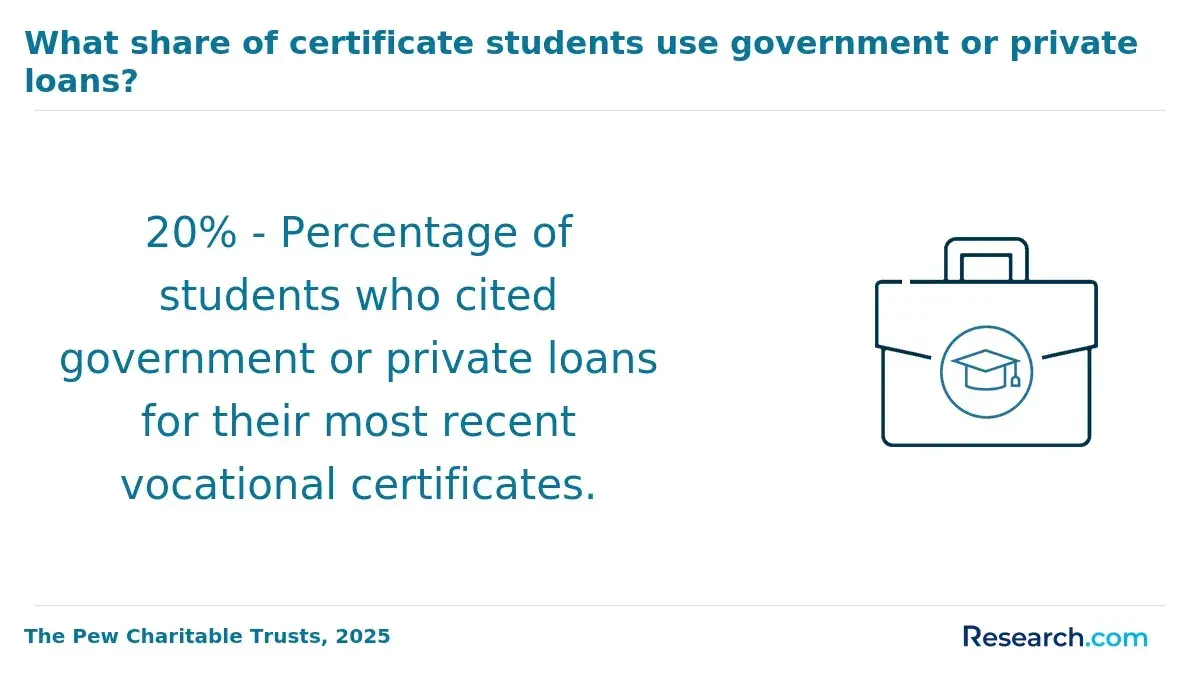
Financial aid for self-paced, competency-based online leadership bachelor's degrees often aligns with traditional programs but includes specific rules tied to competency-to-credit-hour conversions. Students typically must complete the FAFSA to access federal grants, loans, and work-study opportunities. However, eligibility depends on how institutions equate competencies to credit hours-a process recognized by the U.S. Department of Education but variable across schools. Prospective students should verify eligibility details with the financial aid office prior to enrollment.
State-funded aid programs-such as grants and scholarships-also support many learners, though qualifications vary based on residency and enrollment status. Additionally, institutions frequently offer scholarships or tuition discounts aimed at adult learners or online students, often aligned with leadership study areas to reward merit or specific achievements.
Leadership students can further benefit from scholarships offered by professional organizations like the International Leadership Association or the American Management Association. These awards often require demonstrating leadership experience or submitting essays and provide vital funding tailored to the discipline.
According to data from the National Center for Education Statistics, nearly 30% of students enrolled in online undergraduate programs receive federal Pell Grants. Although flexible program pacing is beneficial, it can influence the timing of aid disbursements, making ongoing communication with financial aid counselors crucial for managing expectations.
- Federal Aid Eligibility: FAFSA completion is necessary to obtain federal financial aid, but credit-hour conversions for competency-based learning affect how aid is calculated and awarded.
- State and Institutional Support: State grants and campus-specific scholarships vary widely and often depend on residency and enrollment status, with many institutions offering support targeted at adult and online learners.
- Leadership Scholarships: Professional organizations frequently provide scholarships for leadership students that require leadership evidence or essay submissions, offering targeted financial assistance.
- Aid Disbursement Timing: Flexible self-paced structures can delay or alter financial aid payment schedules, underscoring the importance of proactive communication with schools.
- Growing Online Aid Access: Approximately 30% of undergraduates in online programs receive Pell Grants, reflecting increased federal support for distance education learners.
How Do Competency-Based Education (CBE) Models Work in Self-Paced Online Leadership Programs?
Competency-based education (CBE) models in self-paced online leadership bachelor's degree programs prioritize mastery of skills over time spent in class. Students progress by demonstrating their knowledge through assessments such as projects, exams, or practical applications, rather than accumulating traditional credit hours or attending scheduled lectures. This flexible approach suits working professionals and non-traditional students by allowing them to learn at their own speed.
For financial aid, CBE programs convert mastery into federally approved credit hour equivalents, allowing students to access aid despite the non-traditional structure. Two main types of CBE programs exist: direct assessment programs, which focus solely on competency without assigning traditional credits, and credit-hour-equivalent programs, which align assessments with standard college credits. This difference is important for financial aid qualifications and transferability.
Self-paced programs exemplifying the CBE model include Western Governors University (WGU), Southern New Hampshire University (SNHU), and Capella University. WGU emphasizes performance-based tasks and offers dedicated faculty mentors for personalized guidance. SNHU combines flexible timelines with competency assessments and tutors for support. Capella's FlexPath model allows learners to submit assessments anytime, supported by course coaches. These programs enjoy recognition from employers due to their proven skill focus.
Success requires strong self-discipline; students must manage their schedules without traditional classroom structures. Prospective learners should honestly assess whether a self-driven learning style fits their habits and career goals. According to the National Center for Education Statistics, over 30% of undergraduates have enrolled in distance education courses, reflecting growing acceptance of CBE and online learning.
- Mastery Over Time: Students advance by proving competency through assessments instead of seat time, offering flexibility to learn at an individual pace.
- Financial Aid Integration: CBE programs translate competencies into credit hours for federal aid eligibility, though models vary between direct assessment and credit-hour equivalents.
- Program Examples: Institutions like WGU, SNHU, and Capella provide self-paced leadership degrees with structured faculty support and recognized assessment methods.
- Required Self-Discipline: Strong motivation and time management are essential for success, making careful self-assessment of learning preferences important.
- Growing Popularity: Increasing enrollment in online competency-based programs signals their expanding role, particularly for working adults balancing education with career demands.
What Accreditation Should a Self-Paced Online Leadership Bachelor's Program Hold?
Accreditation plays a crucial role in evaluating self-paced online leadership bachelor's programs, as it validates that the education meets rigorous quality standards. Regional accreditation is generally preferred over national accreditation by employers and graduate schools because it carries greater weight in the leadership field, impacting career advancement and further education opportunities. The U.S. Department of Education recognizes six regional accrediting bodies: Middle States Commission on Higher Education (MSCHE), New England Commission of Higher Education (NECHE), Higher Learning Commission (HLC), Northwest Commission on Colleges and Universities (NWCCU), Southern Association of Colleges and Schools Commission on Colleges (SACSCOC), and Western Association of Schools and Colleges Senior College and University Commission (WSCUC). Most respected self-paced leadership programs hold accreditation from one of these agencies.
Some programs also have programmatic accreditation, which provides an added quality assurance layer for specific disciplines such as business or management, though this is less common in leadership bachelor's degrees. Enrolling in nationally accredited or non-accredited programs involves risks including limited credit transferability to regionally accredited institutions and potential employer skepticism regarding program rigor. These factors can hinder both job prospects and salary growth. Thus, confirming accreditation status is essential.
Prospective students should use reliable verification tools like the U.S. Department of Education's accreditation database and the Council for Higher Education Accreditation (CHEA) directory before applying. For those exploring flexible online options, understanding accreditation is as important as reviewing competency-based models, transfer credit policies, prior learning assessments, and financial aid eligibility. For comparison with other fields, consider also reviewing aba-approved paralegal programs, which similarly emphasize accreditation and flexibility.
- Regional Accreditation: The most widely recognized accreditation type, preferred for leadership degrees due to its strict quality standards and acceptance by employers and graduate schools.
- National Accreditation: Typically applies to vocational or special-focus schools, often lacking credit transferability and holding less value in leadership careers.
- Six Regional Accrediting Bodies: MSCHE, NECHE, HLC, NWCCU, SACSCOC, and WSCUC cover all U.S. regions, certifying reputable self-paced leadership programs.
- Programmatic Accreditation: Some leadership programs possess additional specialized accreditation, providing extra assurance of academic quality in areas like business or management.
- Risks of Low Accreditation: Non-accredited or nationally accredited programs may restrict credit transfers and reduce opportunities for career and graduate school advancement.
- Verification Resources: Use the Department of Education's accreditation database and CHEA's directory to verify program legitimacy before enrolling.
How Many Transfer Credits Can Be Applied Toward a Self-Paced Online Leadership Bachelor's Degree?
Transfer credit policies for self-paced online leadership bachelor's degree programs vary, but many institutions offer generous acceptance of prior college coursework. Typically, these programs allow students to apply between 60 and 90 transfer credits toward the 120-credit requirement, significantly reducing time and cost. These maximum transfer credits accepted in online leadership bachelor's degrees reflect an emphasis on flexibility for students with previous postsecondary experience. Transfer evaluations consider accreditation status, course relevancy, and minimum grades-usually a "C" or higher-to ensure academic standards.
Military training credits based on American Council on Education (ACE) recommendations are accepted by many leadership programs, providing veterans and active-duty personnel an important pathway to converting military experience into academic credit. Community college articulation agreements also streamline the transfer process, especially for essential general education and foundational leadership courses. Prospective students should review institutional transfer credit pages or articulation databases to identify programs with the most flexible policies.
Before enrolling, it is crucial to request a comprehensive transfer credit evaluation. This clarifies how many credits an institution will accept, helping students accurately assess their remaining credit load and tuition investment. Those interested in interdisciplinary pathways may also explore related preparatory options, such as an online speech-language pathology prerequisites program, which demonstrate the variety of flexible credit transfer opportunities across fields.
- High Credit Limits: Many leadership bachelor's programs accept up to 90 transfer credits, allowing students with associate degrees or prior university coursework to enter with advanced standing.
- Military Credit Acceptance: ACE recommendations support awarding credit for military training, shortening degree timelines for service members and veterans.
- Articulation Agreements: Partnerships with community colleges ensure smooth credit transfers for foundational leadership and general education courses, facilitating degree progress.
- Accreditation Standards: Transfer credits usually must come from regionally accredited institutions, maintaining academic quality and relevancy within leadership curricula.
- Pre-Enrollment Evaluation: Students should obtain a formal transfer credit assessment before committing to a program, enabling informed financial and academic planning.
Can Students Earn Credit Through Prior Learning Assessment in Self-Paced Online Leadership Programs?
Prior Learning Assessment (PLA) enables self-paced leadership students to earn academic credit by validating professional experience, military training, industry certifications, and self-directed study. Credit recognition often occurs through portfolio reviews, challenge exams, or standardized tests such as CLEP and DSST, allowing students to bypass redundant coursework and reduce both time and tuition costs.
Affordable programs known for their flexible PLA policies include Thomas Edison State University and Excelsior College, which accept up to 90 credits via PLA. These institutions require thorough documentation-such as detailed portfolios and official military transcripts evaluated through the American Council on Education (ACE) credit recommendation system. ACE's evaluations are critical for service members and working professionals, ensuring widely recognized transfer credit.
To optimize PLA credit awards, students should organize certificates, work samples, exam results, and detailed narratives that clearly align prior learning with academic competencies. This strategic preparation improves the likelihood of acceptance and successful credit transfer. Recent studies show that over 80% of universities offering PLA report higher degree completion rates among adult learners who utilize these credits.
- Portfolio Review: Students compile evidence from work and training to demonstrate relevant college-level skills in leadership, which faculty assess for credit eligibility.
- Challenge Exams: These exams allow learners to validate knowledge in specific subjects, often substituting foundational courses within the program.
- Standardized Tests: CLEP and DSST exams provide cost-effective credit for a range of established disciplines, expediting degree progress.
- ACE Credit Recommendations: Military and professional training evaluations supplied by ACE promote transferability and strengthen PLA acceptance.
- Flexible Submission Processes: Leading programs accommodate various PLA formats and offer advising support to streamline the documentation and evaluation steps.
What Concentrations or Specializations Are Available in Self-Paced Online Leadership Bachelor's Programs?
Self-paced online leadership bachelor's programs commonly offer specialized tracks enabling students to tailor their studies to career goals and industry needs. These specializations can affect program length and complexity, as some require extra certifications, internships, or exams. Selecting a concentration aligned with labor market demands helps optimize completion time and job readiness.
- Organizational Leadership: Focuses on team management and operational efficiency. Career opportunities include human resources manager and operations supervisor, with median salaries near $75,000 according to BLS. This track typically requires no additional licensure, ideal for professionals seeking flexibility.
- Healthcare Leadership: Prepares students for administrative roles in healthcare organizations, such as health services manager, where median salaries exceed $104,000. Some programs may mandate clinical hours or certifications, potentially extending study time.
- Project Management: Equips graduates to lead projects across sectors. Median pay is about $77,000. Pursuing PMP certification involves extra exams but boosts employment prospects significantly.
- Nonprofit Leadership: Emphasizes management in nonprofit organizations, including fundraising and program supervision. Salaries generally range from $50,000 to $70,000. Required internships can lengthen completion but offer practical experience.
- Global Leadership: Centers on managing in diverse, international contexts with a focus on strategic skills and cultural communication. Salary ranges vary widely. Optional language proficiency or study abroad may enhance credentials.
Matching a concentration to personal interests and market trends allows students to balance workload and career preparation effectively within self-paced leadership programs.
What Graduates Say About Self-Paced Online Leadership Bachelor's Degree Programs
- Landen: "Choosing a self-paced online leadership bachelor's degree was a game changer for me because it allowed me to balance work and study without feeling overwhelmed. The affordability compared to traditional programs made it accessible, especially since I was supporting my family. Since graduating, I've stepped into a management role with more confidence and strategic insight-something I credit directly to the skills I gained from this flexible program."
- Nicholas: "I was drawn to a self-paced leadership degree because of the freedom it offered to work at my own speed while maintaining my job. The cost was reasonable, which helped me avoid excessive debt and keep my financial stress low during the process. Reflecting now, I see how this degree sharpened my decision-making and communication skills, greatly enhancing my career prospects in corporate leadership."
- Maverick: "The biggest reason I pursued a self-paced online leadership bachelor's was the ability to tailor the learning schedule to my hectic lifestyle, something traditional programs couldn't accommodate. The cost-effectiveness meant I could invest in quality education without compromising my savings. Professionally, the program expanded my network and provided practical leadership strategies that allowed me to earn a promotion within a year of graduating."
Other Things You Should Know About Leadership Degrees
Prerequisites typically include a high school diploma or equivalent. Some programs may require standardized test scores or previous coursework in related fields. Applicants should check specific program requirements for further qualifications or documentation needed for enrollment in 2027.
Many self-paced leadership bachelor’s programs accept up to 90 transfer credits toward a 120-credit degree. Schools usually require at least 30 credits from the granting institution, and official transcripts must be reviewed before credits are accepted.
References
- Types of Financial Aid for Online Colleges https://www.umassglobal.edu/blog-news/types-financial-aid-online-colleges
- Can I transfer credits from other courses towards the OfQual Diploma Strategic Leadership Practice part time? https://www.lsib.co.uk/2022/answers.aspx
- Nationwide Resources Directory https://risefirst.org/resources/resource-directory
- First-Generation, Low-Income Resource Directory for Students and Professionals | Rise First https://www.risefirst.org/resources/resource-directory
- PLA: Earn Credit Through Prior Learning Assessment | UAGC https://www.uagc.edu/admissions/non-traditional/pla
- Ask 10 Questions About Transferring Credits to Online Bachelor's Programs https://www.yahoo.com/news/ask-10-questions-transferring-credits-online-bachelors-programs-133000989.html
- Strategic Leadership https://ps.sckans.edu/degrees-and-certificates/bachelors/strategic-leadership/
- Competency-Based Education: Understanding the CBE Student's Experience - FullScale https://www.fullscalelearning.org/cw/competency-based-education-understanding-the-cbe-students-experience/
- Skills Employers Actually Want: How an Online Leadership Degree Builds What Modern Organizations Need https://www.marian.edu/blog/2026/01/skills-employers-actually-want-how-an-online-leadership-degree-builds-what-modern-organizations-need.php
- Prior Learning Assessment (PLA) https://www.pima.edu/academics-programs/credit-prior-learning/index