2027 How to Become a Transportation, Storage, and Distribution Manager: Education, Salary, and Job Outlook

Co-Founder and Chief Data Scientist
If you are considering a career in logistics leadership, the central question is not only whether you can move products from one place to another. It is whether you can manage people, systems, costs, risks, deadlines, and compliance in supply chains where delays can quickly affect customers, revenue, and operations.
Transportation, storage, and distribution managers oversee how goods are received, stored, routed, shipped, and delivered. They work across warehouses, distribution centers, freight networks, retail operations, manufacturing sites, healthcare supply chains, government agencies, and third-party logistics providers. The role can be fast-paced and demanding, but it also offers a path into operations leadership for people who like solving practical problems and improving how systems work.
This guide explains the credentials, skills, career path, salary expectations, internship options, advancement strategies, work settings, challenges, and self-assessment questions that can help you decide whether becoming a transportation, storage, and distribution manager is the right move.
What are the benefits of becoming a transportation, storage, and distribution manager?
- The role offers a median annual salary of approximately $98,000 in 2023, reflecting the critical importance of efficient logistics in various industries.
- Employment growth is projected at 6% from 2023 to 2033, matching average national job growth, indicating steady demand but potential competition.
- Careers require strong organizational skills and adaptability; alternatives should be considered as automation and economic shifts might influence future opportunities.
What credentials do you need to become a transportation, storage, and distribution manager?
Most transportation, storage, and distribution manager roles require a mix of education, hands-on logistics experience, and proof that you can lead operations under pressure. A bachelor’s degree is commonly preferred, especially for roles involving budgeting, network planning, analytics, vendor management, or multi-site responsibility. However, this career is still accessible to experienced workers who start in dispatch, warehousing, inventory control, freight coordination, or frontline supervisory roles.
The best credential path depends on the type of employer you want to work for. Large corporations, healthcare logistics teams, manufacturers, and government contractors may place more weight on degrees, certifications, compliance knowledge, and systems experience. Smaller companies may prioritize practical experience, reliability, and the ability to manage daily problems without close supervision.
| Credential or preparation | How it helps | Best fit |
| Bachelor's degree | Builds knowledge in supply chain management, logistics, business administration, operations management, finance, and analytics. | Candidates aiming for corporate, regional, or multi-site management roles. |
| Associate degree or high school diploma plus experience | Can be enough when paired with strong operational experience, especially in warehousing, dispatch, inventory, or transportation supervision. | Workers advancing from frontline logistics or distribution roles. |
| Professional certifications | Shows specialized knowledge and commitment to the field. Recognized options include Certified Supply Chain Professional (CSCP), Certified in Logistics, Transportation, and Distribution (CLTD), and Certified Distribution Management Professional (CDMP), offered by organizations like APICS. | Professionals seeking promotion, career change, or stronger credibility with employers. |
| Process improvement training | Six Sigma and similar training can help managers reduce waste, improve workflow, analyze defects, and document measurable results. | Operations-focused roles where efficiency, cost control, and quality improvement matter. |
| Compliance and safety training | Helps managers understand transportation rules, warehouse safety, documentation, hazardous materials procedures, and industry-specific requirements. | Transportation, manufacturing, healthcare, public sector, and regulated logistics environments. |
| Advanced degree | An MBA or specialized master’s degree in supply chain management may support advancement into senior leadership, strategy, consulting, or enterprise operations. | Experienced managers targeting upper-level management roles. |
Formal licensing is generally not required for this management role, but regulatory knowledge is essential. Employers expect managers to understand how compliance affects routing, storage conditions, worker safety, documentation, data security, and customer commitments.
If you need a faster route to a degree while continuing to work, reviewing colleges with accelerated programs can help you compare flexible options that may fit an operations career path.
What skills do you need to have as a transportation, storage, and distribution manager?
A strong transportation, storage, and distribution manager combines operational judgment with technology fluency and people leadership. The job is not only about scheduling shipments or counting inventory. It requires making trade-offs between speed, cost, safety, capacity, customer expectations, and risk.
The most valuable skills are those that help you prevent problems, respond quickly when disruptions occur, and explain decisions clearly to teams and leadership.
- Transportation and warehouse systems knowledge: Managers should be comfortable using warehouse management systems (WMS), transportation management systems (TMS), inventory platforms, route planning tools, barcode or RFID systems, and reporting dashboards.
- Data interpretation and KPI tracking: You need to understand metrics such as on-time delivery, order accuracy, dock-to-stock time, inventory turnover, freight cost, labor productivity, damaged goods, and service failures. The goal is not just to report numbers but to use them to improve performance.
- Problem-solving under time pressure: Shipment delays, equipment breakdowns, labor shortages, weather disruptions, inventory mismatches, and customer escalations are common. Effective managers identify the root cause, choose a workable fix, and communicate next steps quickly.
- Regulatory and safety awareness: Managers must understand applicable safety protocols, transportation rules, warehouse procedures, labor practices, and industry compliance requirements. Mistakes can lead to delays, fines, injuries, or customer losses.
- Project management: Many roles involve system upgrades, layout changes, carrier transitions, new customer launches, process redesigns, or network adjustments. You need to plan timelines, assign responsibilities, manage vendors, and keep work moving without disrupting daily operations.
- Automation and AI readiness: Automated picking, robotics, forecasting tools, labor planning software, and AI-driven logistics platforms are increasingly part of modern operations. Managers do not need to be programmers, but they should understand how these tools affect workflow, staffing, quality, and decision-making.
- Leadership and communication: The role often requires managing drivers, warehouse teams, supervisors, vendors, customer service staff, procurement teams, and executives. Clear communication reduces errors and builds trust during high-pressure situations.
- Financial judgment: Managers are often responsible for budgets, freight spend, overtime, inventory carrying costs, equipment use, and productivity targets. You need to understand how operational decisions affect profit and service levels.
A common mistake is focusing only on technical logistics knowledge while neglecting leadership. In practice, the best systems and plans fail if teams are poorly trained, communication is unclear, or supervisors do not trust the process.
What is the typical career progression for a transportation, storage, and distribution manager?
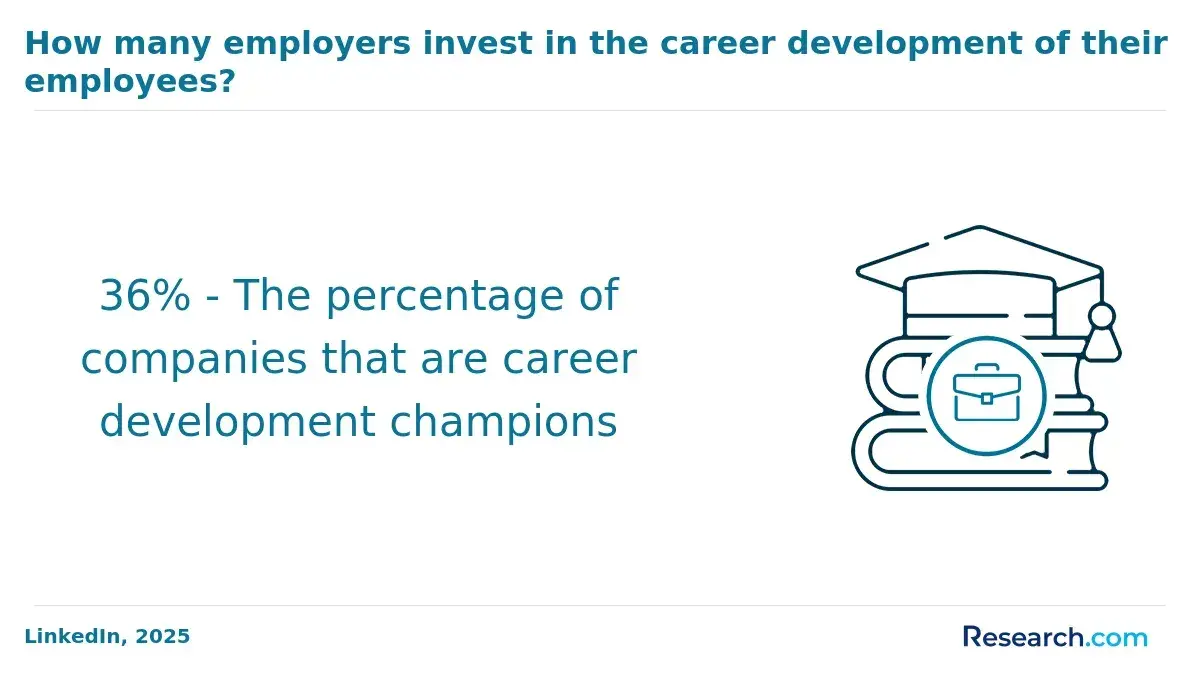
The career path usually starts with hands-on operations experience and gradually expands into supervision, budgeting, process improvement, and strategic planning. Many managers build credibility by first learning how shipments, inventory, warehouse labor, routing, vendor coordination, and customer requirements work at ground level.
Although the timeline varies by employer and industry, the progression often looks like this:
| Career stage | Common roles | Typical focus |
| Entry-level experience | Logistics coordinator, dispatcher, inventory associate, warehouse lead, shipping and receiving coordinator | Learning daily operations, documentation, inventory movement, scheduling, customer requirements, and compliance basics over two to five years. |
| Supervisory stage | Warehouse supervisor, transportation supervisor, assistant transportation manager, operations supervisor | Managing teams, shifts, workloads, service issues, basic reporting, and frontline process improvements. This step often comes after around five years of experience. |
| Manager level | Transportation manager, distribution manager, storage manager, logistics operations manager | Overseeing broader logistics systems, budgets, carrier relationships, labor planning, technology use, compliance, and performance targets after five to ten years of experience. |
| Advanced leadership | Regional logistics manager, director of distribution, supply chain manager, operations director | Leading multi-site operations, network strategy, major vendor decisions, capital projects, and cross-functional supply chain planning. |
Specialization can shape the path. Some professionals become experts in warehousing, fleet operations, freight brokerage, cold chain logistics, e-commerce fulfillment, hazardous materials handling, procurement, or logistics technology. Others move laterally into consulting, supply chain analytics, vendor management, or industry-specific logistics roles.
Promotion is usually tied to measurable results. Employers look for managers who can reduce delays, improve order accuracy, control costs, increase safety performance, retain workers, and implement process changes without disrupting service.
How much can you earn as a transportation, storage, and distribution manager?
Transportation, storage, and distribution manager pay varies widely because the role exists across many industries, company sizes, and levels of responsibility. A manager overseeing one warehouse will usually have a different pay range from someone responsible for regional distribution, fleet operations, vendor contracts, or multi-state logistics networks.
The average salary distribution manager United States data indicates that the national median annual salary is approximately $102,010 as of May 2024, according to the U.S. Bureau of Labor Statistics. Entry-level managers may start at around $57,570 per year, while experienced professionals with over 20 years on the job can reach up to $135,500 annually. Top earners, especially those in management enterprises or working in high-cost regions like the District of Columbia, can exceed $143,510.
| Pay factor | Why it matters |
| Experience level | Managers with a record of improving costs, service levels, safety, and productivity generally have stronger earning potential. |
| Education | A high school diploma may be sufficient for some roles, but a bachelor’s degree can improve access to larger employers and higher-responsibility positions. |
| Industry | Corporate management, logistics, manufacturing, healthcare, and regulated industries may reward specialized knowledge differently. |
| Location | Salaries tend to be higher in urban centers, high-cost regions, and states with dense transportation, warehousing, or manufacturing networks. |
| Scope of responsibility | Managing larger teams, multiple facilities, complex technology, vendor contracts, or high-value inventory can increase compensation. |
| Certifications and graduate education | Credentials can help when competing for promotions, senior roles, or specialized positions, though they do not guarantee a salary increase. |
For professionals comparing education options, programs such as the easiest masters programs may be worth reviewing alongside cost, accreditation, schedule flexibility, and career relevance. Graduate study is most useful when it supports a clear goal, such as moving into senior supply chain leadership, analytics, consulting, or enterprise operations.
What internships can you apply for to gain experience as a transportation, storage, and distribution manager?
Internships are useful because they expose you to the operational realities that are difficult to learn from coursework alone: shipment delays, inventory discrepancies, warehouse constraints, customer requirements, vendor communication, and the pressure of meeting service targets. The strongest internships give you measurable projects, access to mentors, and experience with the systems used in real logistics operations.
Students and early-career professionals can look for transportation logistics internships in the United States through logistics companies, retailers, manufacturers, public agencies, healthcare organizations, and third-party logistics providers.
- Echo Global Logistics: This large corporation offers a 10-week paid internship in sales, managed transportation, technology, and corporate functions. The experience can help interns explore multiple logistics career paths while developing problem-solving and project management skills relevant to supply chain management intern programs 2025.
- Ruan: Ruan is known for an immersive summer program in which interns contribute to meaningful projects and may transition into full-time roles. The program can provide exposure to client logistics, fleet operations, and day-to-day transportation management.
- Marquette Transportation: Its supply chain internships place students in key locations for hands-on supply chain analysis, logistics operations, warehousing activities, and vendor visits. Interns also complete capstone projects that build leadership and strategic thinking.
- Government and Public Sector: Municipal transportation departments, school districts, healthcare facilities, and public agencies can offer experience with regulatory compliance, public procurement, route planning, emergency response, and stakeholder coordination.
When comparing internships, do not focus only on the brand name. Ask what systems you will use, whether you will shadow managers, whether you will work on a defined project, and whether you will present findings to leadership. A smaller internship with real responsibility can be more valuable than a larger program with limited hands-on work.
Useful internship experiences often include:
- Analyzing shipment or delivery performance data.
- Supporting warehouse layout, inventory, or labor planning projects.
- Coordinating with carriers, vendors, drivers, or customer service teams.
- Learning WMS, TMS, inventory, or reporting tools.
- Documenting process improvements or cost-saving recommendations.
- Observing safety, compliance, and quality control practices.
For those considering advanced academic routes later in their careers, comparing most affordable online doctoral programs may be relevant if your long-term goals include research, teaching, executive consulting, or specialized leadership development.
How can you advance your career as a transportation, storage, and distribution manager?
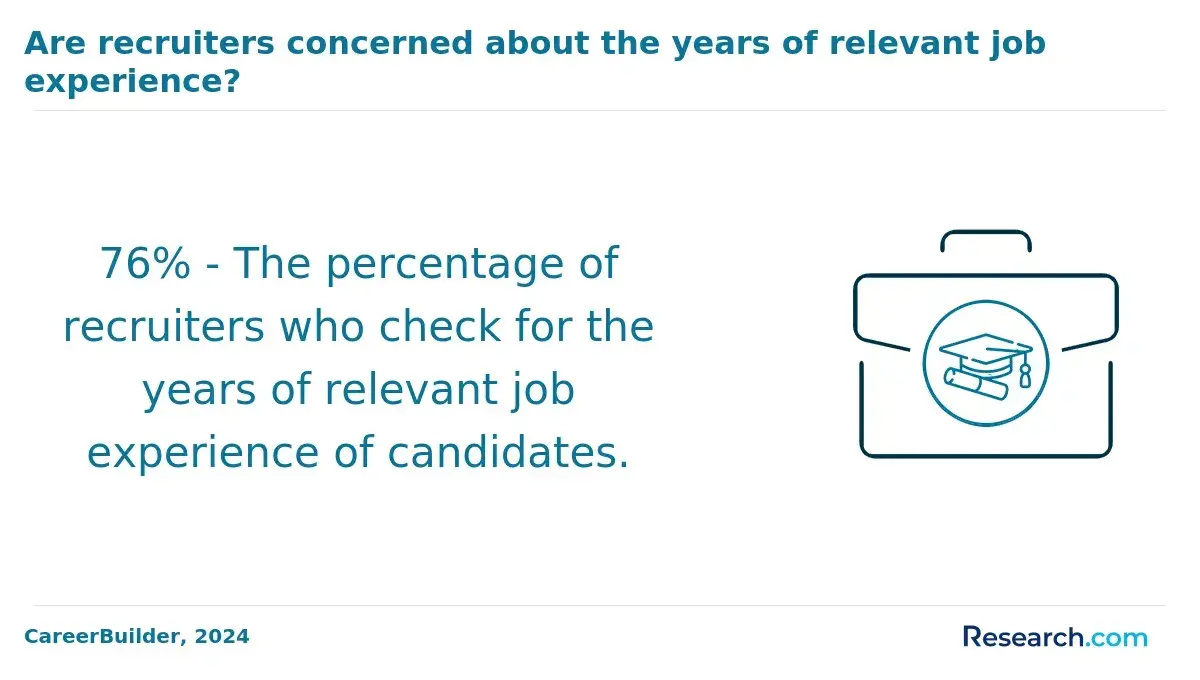
Career advancement in this field depends on more than tenure. Employers promote managers who can show measurable improvements in cost, service quality, safety, speed, workforce performance, technology adoption, and customer satisfaction. The fastest path is usually to combine operational credibility with broader business understanding.
- Document measurable results: Track outcomes such as reduced delivery delays, improved order accuracy, lower overtime, better inventory control, fewer safety incidents, improved dock flow, or freight cost savings. Promotion conversations are stronger when you can point to results.
- Earn targeted certifications: Credentials such as the Certified Supply Chain Professional (CSCP), Certified Professional in Supply Management (CPSM), or other relevant logistics and operations certifications can support advancement when paired with practical experience.
- Build technology fluency: Learn the systems your company uses and understand how automation, dashboards, forecasting tools, routing software, and inventory platforms affect performance. Managers who can translate technology into operational improvements are valuable.
- Develop financial skills: Senior roles require comfort with budgets, cost analysis, vendor pricing, labor planning, capital requests, and return on investment. If you want to move beyond site management, you need to speak the language of business performance.
- Seek cross-functional experience: Work with procurement, sales, customer service, finance, quality assurance, IT, and compliance teams. Distribution decisions affect the entire business, and leaders need to understand those connections.
- Use networking and mentorship strategically: Industry conferences, professional groups such as the Council of Supply Chain Management Professionals (CSCMP), and mentorship relationships can expose you to better practices, job leads, and leadership expectations.
- Choose a specialization: Sustainable logistics, cold chain, digital supply chain management, e-commerce fulfillment, freight optimization, safety compliance, or warehouse automation can help you stand out in a competitive market.
A practical advancement strategy is to identify the next role you want, review job postings for that role, and compare the requirements with your current experience. Then choose projects, training, and certifications that close the most important gaps.
Where can you work as a transportation, storage, and distribution manager?
Transportation, storage, and distribution managers work wherever organizations need goods, materials, equipment, supplies, or inventory to move reliably. The work setting matters because each industry has different priorities. Retail may emphasize speed and cost. Healthcare may emphasize compliance and product integrity. Manufacturing may focus on production continuity and supplier coordination.
- Retail and Consumer Goods: Large retailers like Walmart, Target, and Kroger rely on managers to coordinate product flow from distribution centers to stores, maintain inventory accuracy, reduce stockouts, and keep delivery schedules on track.
- Manufacturing and Industrial: Companies such as General Motors and Boeing need managers to oversee the storage and shipment of raw materials, parts, equipment, and finished products, often across national or global networks.
- Third-Party Logistics (3PL) Providers: Firms like UPS and FedEx Supply Chain manage logistics for multiple clients. These roles can be fast-moving and client-facing, with an emphasis on adaptability, service performance, and contract requirements.
- Healthcare and Pharmaceuticals: Organizations including CVS Health and Cardinal Health require precise handling of medical supplies and pharmaceuticals. Compliance, temperature control, documentation, and product integrity may be central to the work.
- Government and Public Sector: Agencies such as the U.S. Postal Service or Department of Defense coordinate transportation and storage for public services, mail, equipment, supplies, and mission-critical operations.
- Nonprofits and Relief Organizations: Groups like the Red Cross use logistics expertise to distribute aid, supplies, and emergency resources, often under urgent and unpredictable conditions.
Transportation storage and distribution manager jobs in California may differ from transportation and logistics management careers in Texas because local industries, ports, manufacturing bases, population centers, regulations, and freight corridors shape employer demand. When evaluating a location, consider the concentration of warehouses, logistics hubs, airports, ports, rail networks, manufacturing sites, and corporate distribution operations.
Many roles remain on-site because managers need to oversee teams, facilities, equipment, safety, and physical inventory. Some hybrid or remote responsibilities may exist, especially in transportation planning, analytics, vendor coordination, customer reporting, or network monitoring. However, candidates should expect that leadership roles often require direct operational presence.
For those exploring educational paths, researching the best accredited online universities may provide flexible options to prepare for this career. Look for programs that build skills in logistics, operations, analytics, business communication, project management, and compliance.
What challenges will you encounter as a transportation, storage, and distribution manager?
This career can be rewarding, but it is not a low-pressure administrative role. Managers are accountable when shipments are late, inventory is wrong, labor is short, systems fail, customers escalate complaints, or costs rise unexpectedly. The work requires calm judgment and the ability to make practical decisions with incomplete information.
- Operational complexity: Managers may coordinate trucks, warehouses, suppliers, carriers, inventory systems, workers, customers, and multiple software platforms at once. Visibility gaps can make it difficult to know where a shipment or problem stands in real time.
- High-pressure decision-making: Driver shortages, fluctuating rates, weather events, equipment failures, and sudden customer changes can force quick decisions. Poor communication during these moments can make problems worse.
- Cost and service trade-offs: Faster shipping, higher inventory levels, overtime labor, and backup carriers can protect service but increase cost. Managers must balance customer expectations with financial discipline.
- Regulatory and compliance demands: Safety rules, transportation documentation, labor requirements, product-specific regulations, data privacy, and cybersecurity expectations can affect daily operations and long-term risk.
- Technology change: New warehouse systems, automation, robotics, AI tools, and analytics platforms can improve performance, but they also require training, process redesign, and employee buy-in.
- Workforce management: Recruiting, retention, training, scheduling, morale, and performance management are ongoing challenges, especially in facilities with multiple shifts or seasonal demand spikes.
- Sustainability expectations: Companies may expect managers to reduce waste, improve routing efficiency, lower energy use, or support greener logistics practices while still meeting cost and delivery goals.
A realistic way to prepare is to build both technical and emotional resilience. You need systems knowledge, but you also need the composure to lead people through disruptions without creating confusion or blame.
What tips do you need to know to excel as a transportation, storage, and distribution manager?
To excel as a transportation, storage, and distribution manager in 2025, you need to manage the operation in front of you while preparing for the operation your employer will need next. That means combining practical floor-level awareness with data, technology, leadership, and continuous improvement.
- Know the operation firsthand: Spend time understanding receiving, picking, packing, staging, loading, routing, dispatch, returns, inventory control, and customer escalation processes. Decisions improve when you understand how work actually happens.
- Use data, but verify reality: Track metrics such as cost per mile, on-time delivery, order accuracy, cycle time, damage rates, labor productivity, and inventory accuracy. Then compare the data with what supervisors and frontline workers are seeing.
- Master core technologies: Learn warehouse management systems, logistics automation, real-time inventory tools, transportation platforms, and reporting dashboards. Technology should help you identify bottlenecks, not replace sound judgment.
- Lead teams through automation: Automation changes job tasks, workflows, and training needs. Strong managers explain why changes are happening, support employees through the transition, and use technology to strengthen—not ignore—the workforce.
- Communicate before problems escalate: Customers, suppliers, carriers, drivers, warehouse teams, and executives need timely updates. Clear communication reduces rework, prevents surprises, and protects trust.
- Make safety non-negotiable: Productivity targets should never override safe equipment use, proper storage, training, and compliance. Safety performance is part of operational excellence.
- Build a reliable professional network: Industry events, associations, online communities, vendor relationships, and peer groups can help you stay current on technology, regulations, market shifts, and career opportunities.
- Keep learning: Courses and certifications such as CSCP or CLTD can help you stay current with supply chain practices, technology, and management expectations.
- Adopt technology in practical steps: If resources are limited, pilot improvements, measure results, and scale what works. Incremental gains can build the case for larger investments.
One of the best habits is to regularly ask: What is slowing us down, what is costing us too much, what is putting service at risk, and what can we improve without creating new problems?
How do you know if becoming a transportation, storage, and distribution manager is the right career choice for you?
Asking is a logistics career right for me requires an honest look at your work style. This career is a strong fit for people who like practical problem-solving, team leadership, measurable results, and fast-moving operations. It may be frustrating for people who need a predictable routine, dislike interruptions, or prefer work with little coordination across teams.
You may be well suited for this career if you can answer “yes” to several of the following:
- You enjoy solving operational puzzles: You like figuring out why shipments are late, why inventory is inaccurate, where bottlenecks form, and how to improve flow.
- You can make decisions under pressure: The role often requires quick judgment when plans change, equipment fails, costs rise, or customers need answers.
- You are comfortable leading people: You may supervise teams, coordinate with vendors, enforce standards, coach employees, and communicate with executives or customers.
- You can work with technology and data: Logistics software, dashboards, inventory systems, and analytics tools are central to modern transportation and distribution work.
- You value measurable performance: This career rewards people who can improve cost, speed, safety, accuracy, and reliability.
- You can handle irregular demands: Warehouses, fleets, and distribution networks may require flexibility, especially during peak seasons, disruptions, or urgent shipments.
- You want advancement potential: If you value job stability, competitive compensation, and leadership opportunities, this field’s median salaries above $100,000 and steady demand may appeal.
This career may be less suitable if you strongly prefer solitary work, low-pressure tasks, fixed routines, or roles where outcomes are not measured closely. It is also worth considering whether you are willing to manage conflict, enforce safety expectations, and be accountable when problems occur outside normal business hours.
For further insight on suitable roles considering personality preferences, see best career options for introverts.
Understanding the benefits of a transportation management career alongside the stressors can help you decide whether the role matches your strengths, values, and long-term goals.
What Professionals Who Work as a Transportation, Storage, and Distribution Manager Say About Their Careers
- Caiden: "Pursuing a career as a transportation, storage, and distribution manager has provided me with incredible job stability and a competitive salary, especially as logistics continue to grow globally. The constantly evolving nature of the industry keeps me engaged and motivated to improve my skills every day. I highly recommend this path for anyone looking for a dynamic and financially rewarding career."
- Colson: "Working in this field presents unique challenges, from coordinating complex supply chains to adapting quickly to unexpected disruptions. I've found these challenges immensely rewarding, as they push me to think creatively and develop stronger problem-solving abilities. The sense of accomplishment after successfully managing a large distribution operation is unparalleled."
- Finley: "The opportunities for professional growth in transportation, storage, and distribution management are extensive, especially with the availability of specialized training programs and certifications. Over the years, I've advanced into leadership roles that allow me to influence company strategy and mentor upcoming talent. This career truly offers a clear path to leadership if you are committed and proactive."
Other Things You Should Know About Becoming a Tansportation, Storage, and Distribution Manager
In 2027, a bachelor's degree in fields such as business administration, logistics, or supply chain management is typically needed to become a transportation, storage, and distribution manager. Some employers may prefer candidates with additional certifications or experience in logistics and warehousing.
Certifications like the Certified in Logistics, Transportation, and Distribution (CLTD) offered by APICS can enhance your career in 2027. These credentials demonstrate expertise in logistics and distribution, potentially increasing job prospects and salary potential in the transportation management field.
References
- Career Fit Test. (n.d.). Transportation, storage, and distribution managers.
- CareerOneStop. (n.d.). Occupation profile for transportation, storage, and distribution managers.
- Miami University. (n.d.). Transportation, storage, and distribution managers - careers.
- NC Careers.org. (n.d.). Occupation profile.
- Optimum Driving Group. (n.d.). 9 essential skills you need to excel as a transport manager.
- Prospects.ac.uk. (n.d.). Logistics and distribution manager job profile.
- U.S. Bureau of Labor Statistics. (2024). Transportation, storage, and distribution managers.
- Techneeds. (2025). How to excel as a supply chain operations manager: A step-by-step guide.