2027 Social Psychology Skills Gap Analysis: What Employers Want vs What Degree Programs Teach

Co-Founder and Chief Data Scientist
Imagine a recent graduate with a degree in social psychology struggling to land a role that aligns with their education. Despite solid academic credentials, they find employers seeking skills and experiences not emphasized in their coursework. This mismatch raises questions about the readiness of social psychology programs to equip students for current job market demands.
Employers increasingly prioritize applied skills such as data analysis, communication, and adaptability over theoretical knowledge alone. Graduates face a gap between what their degree taught and what workplaces require, affecting career advancement and job satisfaction.
This article examines the skills gap in social psychology education versus employer expectations and offers insights to help students and graduates enhance their workforce preparedness.
Key Things to Know About Social Psychology Skills Gap
- Employers often expect advanced data analytics and behavioral modeling skills that most social psychology programs cover only superficially; this gap challenges graduates to self-teach or seek supplemental training to remain competitive.
- Critical skills such as cross-cultural communication and applied intervention design are frequently assumed but underdeveloped in curricula; bridging this divide increases graduates' adaptability in diverse workplace settings.
- A 2024 study found 62% of hiring managers value practical project experience over theoretical knowledge, highlighting the necessity for students to engage in internships or community research to enhance career readiness.
- Key Things to Know About Social Psychology Skills Gap Key Things to Know
- What Skills Do Employers Expect From Social Psychology Graduates? Employer Expectations
- What Do Social Psychology Degree Programs Typically Teach? Program Curriculum
- Where Is the Biggest Skills Gap Between Social Psychology Programs and Employers? Biggest Skills Gap
- Which Technical Skills Are Most Important for Social Psychology Careers? Technical Skills
- Which Workplace Skills Matter Beyond Technical Knowledge? Workplace Skills
- How Do Internships and Real-World Experience Improve Career Readiness? Career Experience
- How Can Students Close the Social Psychology Skills Gap Before Graduating? Closing Skills Gap
- How Is the Social Psychology Job Market Changing Employer Skill Requirements? Changing Skill Requirements
- How Do Different Social Psychology Programs Compare in Career Preparation? Career Preparation
- How Should Students Choose a Social Psychology Program That Builds Career-Ready Skills? Choosing a Program
What Skills Do Employers Expect From Social Psychology Graduates?
Employers today seek social psychology graduates who can blend rigorous technical capabilities with adaptable professional skills, reflecting the multifaceted demands of contemporary workplaces. According to labor market reports from LinkedIn and the World Economic Forum in 2024, there is a notable trend toward valuing analytical proficiency alongside clear communication and ethical judgment.
In practical terms, this means graduates must not only master statistical software but also interpret and present data in a way that drives actionable business or organizational decisions. For example, a graduate advising a marketing team might leverage theory-driven consumer behavior analysis to design effective engagement strategies, illustrating how academic knowledge translates into real-world problem-solving.
Below are the top professional competencies social psychology graduates typically need to meet employer expectations:
- Quantitative Analysis Skills: Employers prioritize fluency in statistical tools such as SPSS, R, or Python to process and interpret complex datasets. These skills, cultivated through coursework and applied research, enable graduates to support data-driven decision-making essential in roles spanning from consumer insights to policy evaluation.
- Effective Communication: The ability to convey nuanced social science concepts to diverse audiences is crucial. Graduates develop this through presentation assignments and report writing, preparing them for interdisciplinary collaboration and client-facing interactions in sectors like human resources and consulting.
- Applied Problem-Solving: Using social psychology theories to address workplace or organizational challenges differentiates candidates. Adaptability allows graduates to tailor interventions, such as improving team cohesion or customer engagement, demonstrating practical impact beyond theoretical knowledge.
- Ethical Judgment and Cultural Competence: With increasing emphasis on diversity and inclusion, understanding cultural contexts and maintaining strong ethical standards underpin trustworthy research and fair workplace practices. These competencies emerge from experiential learning and adherence to professional codes of conduct.
- Project Management: Managing timelines and stakeholder expectations becomes vital as graduates take on complex projects. Familiarity with collaboration technologies and organizational processes enhances efficiency and team coordination.
- Digital Collaboration Proficiency: Employers look for candidates skilled in remote teamwork tools and flexible working modes. Such competencies support multidisciplinary initiatives and are often refined through internships and virtual coursework.
- Interpersonal Skills: Strong interpersonal abilities facilitate relationship-building and conflict resolution, enabling graduates to thrive in diverse professional environments. These skills are honed in group projects and real-world practicums.
To meet increasing demands, students might consider supplementing their social psychology studies with programs like the easiest masters degree to get in complementary fields such as data science or organizational behavior, enhancing both their technical and professional portfolios.
What Do Social Psychology Degree Programs Typically Teach?
Social psychology degree programs concentrate on equipping students with both theoretical foundations and analytical skills essential for understanding social behavior in complex contexts. While program specifics vary, core social psychology curriculum topics consistently address how individuals perceive and react to their social environment.
This blend of research-driven inquiry and conceptual frameworks helps prepare graduates for roles requiring nuanced comprehension of human interactions, whether in academia, research, or more applied settings. According to the 2024 Council for the Accreditation of Counseling and Related Educational Programs report, curricula emphasize key competencies linked to evolving standards in social science education.
Here are major learning outcomes typically developed in social psychology degrees:
- Group Dynamics: This area explores the processes and influences within social groups, including conformity, leadership, and group decision-making. Mastery of group dynamics assists students in analyzing how social pressures shape behavior, which is critical in organizational or community settings.
- Social Cognition: Students learn about mental processes involved in perceiving, interpreting, and remembering social information. Understanding biases and heuristics here supports fields such as marketing, policy, and behavioral research by enhancing predictive and explanatory power.
- Experimental Research Skills: Emphasis on designing experiments, statistical analysis, and ethical data handling forms a cornerstone of the curriculum. These competencies allow graduates to conduct rigorous studies, ensuring credibility in both academic and applied research roles.
- Attitude Formation and Change: Programs examine how attitudes develop and shift over time, grounding this study in cognitive and emotional frameworks. This knowledge benefits careers in areas like social marketing strategy and public health communications by informing intervention design.
- Prejudice and Interpersonal Relationships: Addressing social biases, stereotypes, and methods for improving interpersonal interactions equips students to contribute to diversity initiatives and conflict resolution efforts in various workplaces.
- Critical Thinking and Analytical Writing: Students refine skills to evaluate research critically and communicate findings effectively. These abilities are vital for grant applications, policy briefs, or advancing to doctoral study.
- Limited Applied Workforce Skills: Despite strong methodological training, curricula often underrepresent practical skills such as project management or data visualization software. This gap means students frequently must seek additional training to meet employer expectations for applied competencies, as noted in national education statistics.
For prospective students pursuing an online masters in psychology, understanding these typical skills taught in social psychology degrees clarifies which areas require further self-directed development to align educational outcomes with real-world job market demands.
Where Is the Biggest Skills Gap Between Social Psychology Programs and Employers?
The disconnect between social psychology degree programs and employer expectations centers largely on the application of technical and interpersonal skills in practical settings. While academic programs excel at delivering theoretical frameworks and experimental methods, employers increasingly seek graduates who can translate data into strategic insights using modern analytics tools.
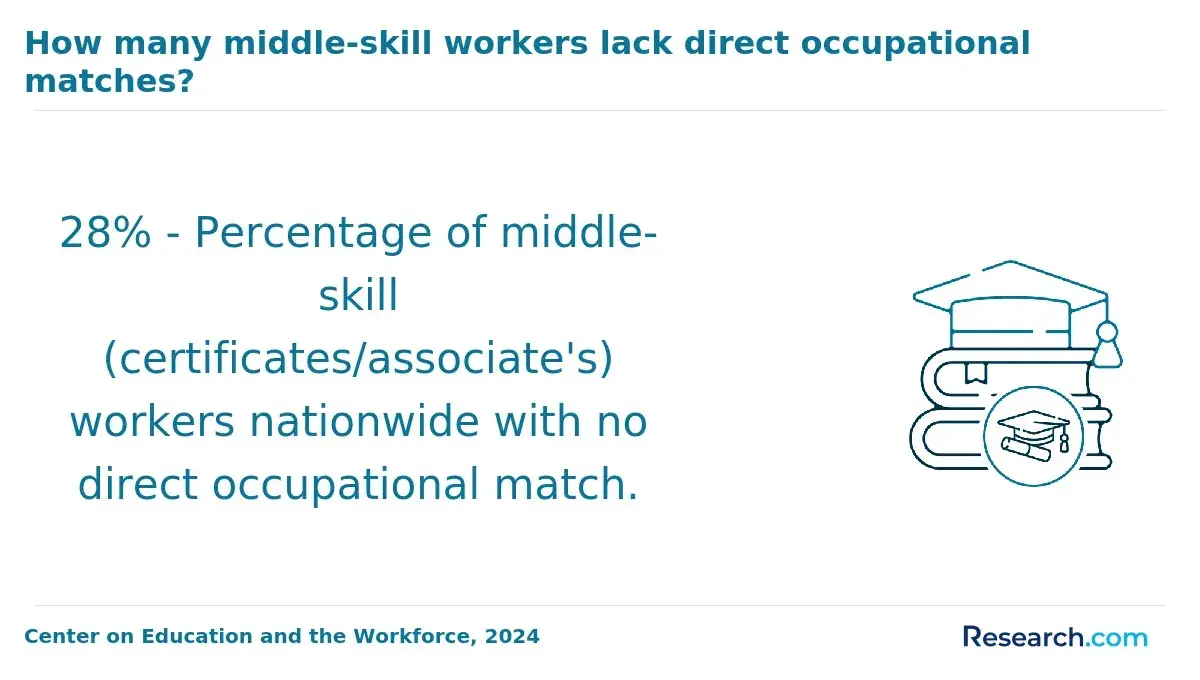
This misalignment is quantified by a 2024 National Association of Colleges and Employers report showing that 64% of social psychology-related employers identify quantitative analysis skills as essential, yet only 38% of recent grads demonstrate them.
Below are key areas where this gap is most pronounced and actionable suggestions for students to narrow it before entering the job market:
- Applied Data Analytics: Programs often emphasize theoretical knowledge rather than hands-on experience with software like R, Python, SPSS, or Tableau. This limits graduates' ability to analyze behavioral datasets effectively, diminishing their competitiveness for roles requiring data-driven decision-making. Students should pursue internships or certifications focusing on these tools to build real-world proficiency.
- Advanced Statistical Software: While courses cover basic statistics, fewer offer training on advanced statistical packages crucial for organizational and marketing roles. Without familiarity in such software, graduates may struggle to deliver actionable insights in fast-paced environments. Engaging in project-based learning or workshops can bridge this skill shortfall.
- Contextualized Interpersonal Skills: Communication theories are taught, but applying them in client-facing or multidisciplinary team scenarios is less emphasized. Employers report a need for stronger consultation, teamwork, and adaptability skills that classroom settings alone rarely develop. Gaining experience through collaborative internships and industry partnerships can enhance these competencies.
A recent graduate recalled their hesitation during the initial job search when employers consistently prioritized data fluency that wasn't covered deeply in their curriculum. Although confident in psychological theory, they felt unprepared to demonstrate proficiency in tools like Python and struggled to articulate insights from complex datasets.
After securing a summer internship with a consultancy, they rapidly acquired these skills through direct application and mentorship, which proved pivotal in landing a full-time role. This experience underscored how complementary, experiential learning is essential to remedy the limitations of traditional social psychology programs and meet employer demands effectively.
Which Technical Skills Are Most Important for Social Psychology Careers?
Technical skills are crucial for applying social psychology knowledge effectively within professional environments, where theoretical understanding alone no longer suffices. As industries increasingly rely on data-driven insights and computational tools, the technical competencies that employers prioritize continuously evolve.
Staying adaptive to these shifts enhances a graduate's ability to contribute meaningfully across research, market analysis, and behavioral consulting sectors. According to the 2024 Workforce Skills Report from the National Institute of Behavioral Health, over 70% of employers in social psychology-related fields now list proficiency in statistical programming and data management as essential.
Below are key technical skills that offer the most significant advantage for social psychology careers:
- Statistical Programming: Mastery of languages such as R and Python is highly valued for handling complex datasets and automating analytical processes. These skills are typically gained through advanced coursework or targeted workshops and prepare graduates to design replicable and efficient data workflows.
- Data Analysis Software: Competence in tools like SPSS and Stata remains fundamental, especially in experimental and survey research contexts. These platforms enable professionals to extract validated insights crucial for evidence-based decision-making in applied settings.
- Experimental Design Techniques: Strong understanding of designing controlled social experiments helps ensure data reliability and validity. Exposure during lab courses or internships is vital, as this skill bridges theoretical hypotheses with real-world testing methodologies.
- Machine Learning Applications: Familiarity with machine learning enables social psychologists to model behavioral patterns using large and diverse data sources. This competence enhances predictive analytics capabilities and is increasingly sought after in sectors leveraging big data.
- Survey Software Proficiency: Experience with platforms like Qualtrics facilitates the creation and management of complex survey instruments. Practical training ensures accuracy in data collection, a critical step for robust social research projects.
- Computational Modeling: Skills in simulating social processes contribute to deeper understanding beyond descriptive statistics. Students develop this expertise through interdisciplinary courses integrating psychology, computer science, and mathematics, supporting careers in research innovation.
- Data Visualization: The ability to translate data into clear, actionable visual formats helps communicate findings effectively to diverse stakeholders. Hands-on experience with visualization tools strengthens a social psychologist's impact in collaborative or client-facing roles.
Which Workplace Skills Matter Beyond Technical Knowledge?
Career success for social psychology graduates hinges on much more than technical expertise alone. Employers consistently report that candidates who excel bring a blend of transferable skills that enhance their ability to apply theoretical knowledge in practical, often complex, work environments.
For example, a social psychology graduate entering a human resources role must navigate interpersonal conflicts and foster collaboration—challenges that demand emotional intelligence and ethical reasoning far beyond methodological proficiency. The National Association of Colleges and Employers highlights that over 70% of employers prioritize durable skills such as communication and adaptability alongside discipline-specific knowledge.
The following outlines essential professional skills in social psychology careers that go beyond technical knowledge:
- Effective Communication: Employers value the ability to convey complex ideas clearly and listen actively. Social psychology programs can strengthen this skill through presentations, group projects, or internships focused on client engagement, improving workplace integration and leadership potential.
- Critical Thinking: Analyzing data and theoretical models is foundational, but employers increasingly seek graduates who critically evaluate social dynamics and make informed decisions. Courses involving case studies and problem-based learning sharpen this ability and prepare students for nuanced real-world challenges.
- Collaboration and Teamwork: Working effectively in teams is a persistent gap in many curricula. Developing interpersonal skills via group assignments or co-curricular activities reinforces an essential competency for careers in organizational development or community outreach.
- Emotional Intelligence: This encompasses self-awareness and empathy, crucial for managing workplace relationships and fostering inclusive environments. Practicing ethical reasoning and cross-cultural competence during fieldwork or internships helps cultivate this skill.
- Adaptability and Resilience: Rapid shifts in social and technological landscapes require professionals who can self-regulate learning and adjust strategies. Engaging in experiential learning opportunities prepares students to handle ambiguity and change confidently.
- Ethical Reasoning: Navigating ethical dilemmas with integrity is vital, especially in roles involving sensitive data or vulnerable populations. Social psychology training that integrates ethics discussions enhances graduates' credibility and long-term professional trust.
Integrating these workplace competencies beyond technical knowledge in social psychology bolsters employability and sustained career growth. For those seeking advanced training, exploring PsyD programs may offer additional structured pathways to develop these essential professional skills in social psychology careers.
How Do Internships and Real-World Experience Improve Career Readiness?
Classroom instruction in social psychology often provides foundational theories but rarely fosters the applied skills crucial for workplace success. Real-world experiences such as internships enable students to translate abstract concepts into actionable strategies, cultivating practical judgment and boosting workplace confidence.
For example, a student analyzing group behavior in class who then interns at a nonprofit learns to navigate complex interpersonal dynamics while contributing to program development, an ability that coursework alone cannot replicate. This hands-on engagement develops competencies like ethical decision-making and data interpretation, which employers consistently prioritize.
Internships and similar experiential opportunities also enhance technical skills, professional communication, and an understanding of organizational culture. These environments challenge students to adapt to workplace norms, collaborate effectively, and network with professionals, which informs better career choices.
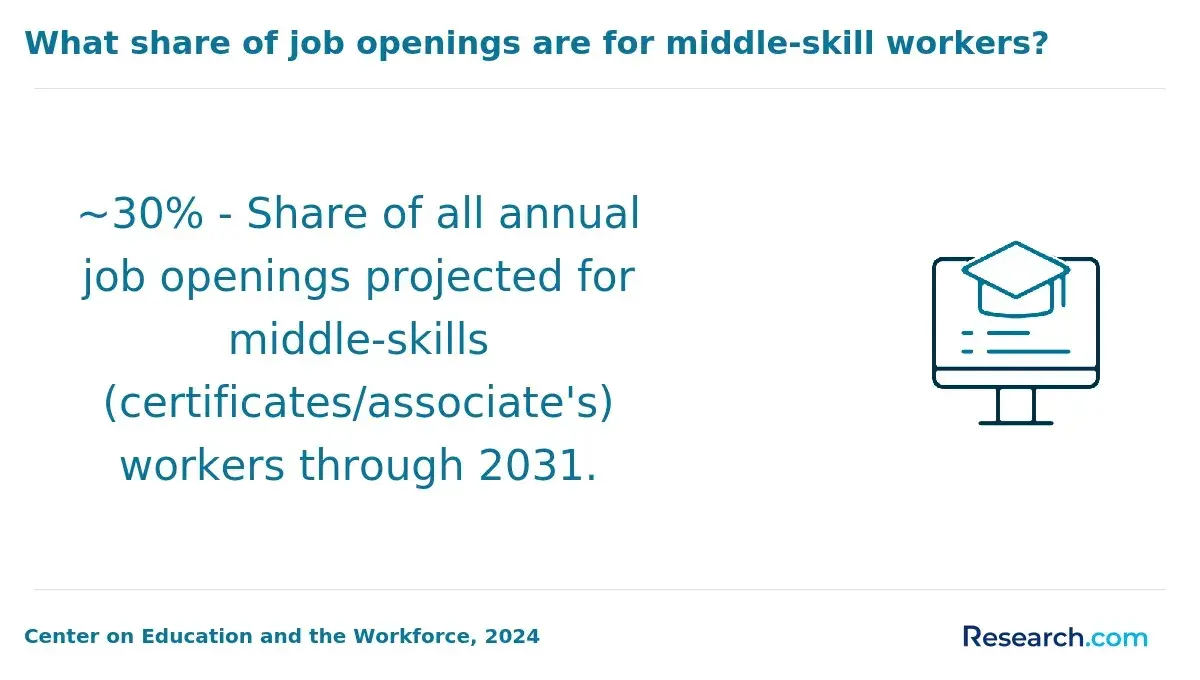
However, the quality and availability of these experiences fluctuate widely depending on institutional support and industry sector. A 2024 report from the National Association of Colleges and Employers highlights that social psychology graduates who complete internships are 30% more likely to secure full-time positions within six months of graduation, underscoring the critical impact of structured experiential learning.
To fully benefit from internships, students should pursue these opportunities early and engage deeply in applied projects that align with their career aspirations. Building meaningful relationships with mentors and reflecting on daily challenges helps integrate academic knowledge with professional growth.
While internships significantly boost employability, they are most effective when complemented by solid academic performance, ongoing skill development, and proactive career planning, creating a comprehensive foundation for long-term success in social psychology careers.
How Can Students Close the Social Psychology Skills Gap Before Graduating?
Students pursuing a social psychology degree don't have to wait until graduation to build workforce-ready skills; combining practical experience with academic study enhances employability well before entering the job market.
Engaging early with real-world applications bridges gaps that traditional coursework often overlooks, fostering adaptability and confidence employers seek. This proactive approach can transform theoretical knowledge into tangible competencies.
Below are key strategies students can adopt to strengthen their career trajectory during their undergraduate years:
- Internships with Behavioral Focus: Internships embedded in organizations applying social psychology principles give hands-on exposure to workplace challenges like data interpretation and client communication. A 2024 study from the National Association of Colleges and Employers shows students completing such internships report markedly higher employment rates in related fields, revealing their vital role in skill development beyond classroom theory.
- Undergraduate Research Participation: Contributing to faculty-led or independent research exposes students to designing experiments, using statistical tools, and presenting findings, essential skills employers find lacking in typical curricula. Evidence from a recent Journal of Applied Psychology Education meta-analysis links research experience to faster professional growth within five years post-graduation.
- Project-Based Learning: Engaging in applied projects, especially those involving real data and behavioral analysis, helps students contextualize theory and sharpen problem-solving abilities. While certifications in tools like SPSS or R add value, integrating these skills in projects better reflects workplace realities.
- Professional Networking and Mentorship: Building connections with social psychology practitioners clarifies sector expectations and offers personalized guidance. Regular interaction with professionals enhances understanding of evolving workplace demands, supplementing formal education.
- Targeted Certifications: Earning credentials in data analytics or qualitative methods signals commitment and foundational expertise. While they don't replace immersive experiences, they can boost employability when combined with internships or research.
One graduate recalled hesitating before applying for a competitive internship within a nonprofit specializing in social behavior research. Despite concerns about balancing coursework, securing the placement proved pivotal: the experience cultivated skills in client interaction and collaborative data projects rarely taught in class.
This student later reflected that navigating real organizational dynamics under pressure was invaluable preparation, reshaping their approach to professional challenges and easing the transition into full-time roles.
How Is the Social Psychology Job Market Changing Employer Skill Requirements?
Technological innovation and globalization are reshaping social psychology employer skill trends, demanding a broader set of competencies beyond traditional theory. Roles increasingly require familiarity with data analytics, programming languages like Python or R, and comfort working with large datasets—skills not traditionally emphasized in social psychology curricula.
According to the World Economic Forum and the U.S. Bureau of Labor Statistics, demand for professionals who integrate digital tools and interdisciplinary approaches continues to grow. For example, a social psychology graduate working in user experience research must skillfully combine behavioral insights with quantitative analysis to influence product design effectively.
These changing demands in social psychology careers highlight why adaptability and continuous learning are now crucial alongside foundational academic training. Soft skills such as ethical decision-making, cross-cultural communication, and collaboration complement the technical requirements, reflecting employer expectations to work fluidly across teams and contexts.
Labor market forecasts by Lightcast emphasize the value of applied projects and internships in areas like health informatics and public policy, which bridge gap between academic preparation and real-world challenges. Neglecting these evolving competencies risks a degree holder's employability in fields increasingly shaped by AI and automation.
Students can better align with employer expectations by combining their social psychology coursework with practical experience, certifications, and professional networking. Leveraging opportunities such as internships or applied research projects imparts critical hands-on skills that a purely theoretical program might miss.
For those weighing how to strategically prepare, exploring masters degrees that are worth it can guide decisions about further education focused on workforce relevance. Ultimately, graduates who integrate technical prowess with practical application stand a stronger chance of thriving amid swiftly evolving social psychology employer skill trends.
How Do Different Social Psychology Programs Compare in Career Preparation?
Graduates' career readiness depends on more than earning a social psychology degree; it hinges on how well a program cultivates applicable job skills and aligns with labor market demands.
Recent 2024 studies from leading education research organizations reveal that nearly 70% of career success among social psychology degree programs correlates with the extent of applied learning opportunities and technical skill integration. For example, a graduate who completed a practicum involving industry data analysis might secure positions faster than peers with purely theoretical training.
Here are key factors prospective students should consider when comparing social psychology programs career readiness:
- Applied Learning Emphasis: Programs vary significantly in providing hands-on experiences such as internships or practicum projects. These experiential components bridge theory and practice, enhancing graduates' confidence and employer appeal. Evaluate whether a program partners with organizations to offer real-world problem-solving opportunities that mirror workplace dynamics.
- Technical Skill Integration: Incorporation of data analytics, statistical software, and machine learning distinguishes graduates in recruitment pools. Programs that weave these competencies into coursework help students translate social psychology theories into actionable insights, a skill increasingly demanded across industries.
- Interdisciplinary Coursework: Combining social psychology with fields like business, technology, or public policy expands career versatility. Students should assess if a program's curriculum allows cross-disciplinary learning that aligns with their broader career objectives.
- Advising and Mentorship Networks: Robust faculty support and mentorship facilitate adaptive skill development and professional growth beyond graduation. Prospective students should consider institutions with established advising infrastructures that actively guide career pathway decisions.
Those aiming for advanced integration of technical research methods might also explore an online data science PhD, which complements social psychology expertise with deep data skill sets, further improving employability prospects.
How Should Students Choose a Social Psychology Program That Builds Career-Ready Skills?
Choosing between online, hybrid, and campus learning formats for a social psychology degree involves assessing which approach best supports long-term career success and personal circumstances. Recent evidence from the National Center for Education Statistics and the Bureau of Labor Statistics highlights that programs emphasizing applied skills, such as data analysis and teamwork, yield better employment outcomes.
Below are key considerations to weigh when deciding your educational path:
- Skill Development: Campus programs typically offer richer opportunities for hands-on collaboration and experimental design experience. Online formats can provide flexible skill-building through virtual simulations, benefiting self-motivated learners, while hybrid models strike a balance for those seeking practical exposure alongside remote study.
- Networking Opportunities: In-person cohorts enhance direct mentorship and peer connections critical to organizational development roles. Online students may face limitations but can leverage digital networking platforms. Hybrid learners enjoy blended access to these resources, which supports long-term professional relationships.
- Workforce Alignment: Programs with interdisciplinary curricula integrating business and technology better prepare graduates. Campus and hybrid settings often facilitate these experiences more seamlessly, while online formats require extra initiative to access similar offerings.
- Practical Experience: Capstone projects tied to real-world problems, more common in campus and hybrid formats, correlate with faster job placement. Online programs must intentionally incorporate such applied learning to avoid longer employment searches.
- Flexibility vs. Structure: Online formats serve students balancing work or family commitments by offering scheduling flexibility but demand high self-discipline. Campus programs provide structured environments fostering accountability, whereas hybrid programs combine these attributes.
- Long-Term Career Growth: Emotional intelligence and cultural competence taught in interdisciplinary campus courses support roles in HR and marketing. Hybrid and online formats vary in their integration of such soft skills, influencing advancement potential.
- Technology Exposure: Online and hybrid formats enhance digital proficiency, increasingly sought after by employers. Campus students may benefit from on-site tech resources but should proactively engage with digital tools to remain competitive.
References
- How to conduct a skills gap analysis: a step-by-step guide https://www.predictiveindex.com/blog/how-to-conduct-a-skills-gap-analysis/
- Increasing Demand For Psychology Skills In The Workplace https://techrseries.com/career-development/increasing-demand-for-psychology-skills-in-the-workplace/
- Best Psychology Internships for College Students - Camp Starfish https://campstarfish.org/blog/starfish-staff/best-psychology-internships-for-college-students/
- How do You Reduce Skills Gaps? https://www.didask.com/en/post/comment-reduire-skill-gap
- Closing the Skills Gap: Real Strategies Case Managers Can Use Today - Casebook https://www.casebook.net/blog/closing-the-skills-gap-real-strategies-case-managers-can-use-today/
- Best Psychology Internships Abroad 2026 & 2027 | Intern Abroad HQ https://www.internhq.com/blog/best-psychology-internships-abroad/
Other Things You Should Know About Social Psychology Skills Gap
Many programs emphasize theoretical foundations while underdelivering on applied skills such as data analysis, program evaluation, or communication of findings to non-experts. This imbalance can leave graduates underprepared for roles requiring immediate practical contributions. Prioritizing programs that integrate experiential learning or applied projects alongside theory better aligns with employer expectations for job readiness.
Choosing a narrow specialization may deepen expertise but risks missing broader competencies like statistical software proficiency or cross-cultural communication, which employers value. A well-rounded curriculum that includes methods training, data handling, and interpersonal skills tends to improve adaptability across diverse social psychology roles. Students should weigh immediate career goals against flexibility, with broader preparation offering safer long-term employability.
Research-intensive programs often cultivate strong analytical rigor but may neglect teamwork, project management, and stakeholder engagement skills crucial in industry settings. Graduates might excel at conceptual tasks yet struggle in collaborative or client-facing roles. Those targeting non-academic careers should supplement research training with applied experiences to mitigate this gap and enhance marketability.
Given curriculum constraints and evolving employer demands, degree programs cannot cover every practical skill in depth. Graduates must actively seek internships, workshops, or certifications to bridge gaps. Students and advisors should view the degree as foundational, not comprehensive, prioritizing proactive skill-building beyond formal education to remain competitive and effective in real-world roles.