2027 Entry-Level Hiring Trends for Social Psychology Graduates: Where New Grads Have the Best Odds

Co-Founder and Chief Data Scientist
Recent social psychology graduates struggle to identify which entry-level roles to target amid a job market where nearly 60% of postings still require prior experience. This can misdirect candidates toward saturated urban centers or broad job titles, reducing visibility on positions better aligned with their skills.
Employers increasingly favor applicants with data analysis and behavioral research abilities, yet few postings highlight these competencies explicitly, creating a disconnect for applicants trying to differentiate themselves. Regional hiring is uneven, with the highest demand concentrated in public policy, healthcare, and consumer research firms in the Midwest and Northeast.
This article pinpoints entry-level roles, industries, locations, skills, and market conditions offering the best hiring odds for social psychology graduates.
Key Things to Know About Entry-Level Hiring for Social Psychology Graduates
- Employer demand for entry-level social psychology roles heavily favors candidates with applied research and data analysis skills over purely theoretical backgrounds, reflecting an industry shift toward evidence-based decision-making.
- Job availability concentrates in healthcare, marketing, and tech sectors, with metropolitan areas showing 25% higher hiring rates, indicating geographic targeting is crucial for maximizing employment odds.
- New graduates face a timing tradeoff: immediate employment chances may favor bachelor's-level credentials, while advanced degrees typically require costly delays but widen access to specialized, higher-credentialed positions.
- Key Things to Know About Entry-Level Hiring for Social Psychology Graduates Key Things to Know
- What Is the Entry-Level Hiring Outlook for Social Psychology Graduates? Entry-Level Hiring Outlook
- What Are the Best Entry-Level Jobs for Social Psychology Graduates? Best Entry-Level Jobs
- Which Industries Hire the Most Entry-Level Social Psychology Graduates? Top Hiring Industries
- Where Do Social Psychology Graduates Have the Best Hiring Odds? Best Entry-Level Markets
- What Starting Salaries Can Entry-Level Social Psychology Graduates Expect? Entry-Level Salaries
- Which Skills and Certifications Help Social Psychology Graduates Get Hired? Top Skills and Certifications
- How Much Experience Do Entry-Level Social Psychology Jobs Require? Entry-Level Experience Requirements
- What Do Employers Look for in New Social Psychology Graduates? Employer Requirements
- How is AI Affecting Entry-Level Hiring for Social Psychology Graduates? AI and Hiring
- How Can Social Psychology Graduates Improve Their Job Search Results? Job Search Strategies
What Is the Entry-Level Hiring Outlook for Social Psychology Graduates?
The entry-level hiring outlook for social psychology graduates reveals a mixed and nuanced environment where demand clusters unevenly across roles and regions. While the U.S. Bureau of Labor Statistics projects a 6% growth for psychologists generally from 2022 to 2032, social psychology graduates face tighter competition within specialized positions such as research assistants or human factors specialists in industries spanning healthcare, marketing, and public policy.
Many employers explicitly seek candidates with internship experience or proficiency in data analytics tools, signaling a tradeoff that undergraduates without these technical skills or applied experience frequently encounter. For example, a recent graduate targeting social psychology research roles in rural areas may find fewer openings compared to counterparts in metropolitan hubs like Boston or Washington D.C., emphasizing the practical importance of geographic flexibility.
Recent insights from LinkedIn's workforce data suggest moderate growth in recruitment for social psychology roles, particularly where behavioral science intersects with user experience and data-driven analysis. However, this growth drives heightened competition amplified by overlapping candidate pools from related fields such as sociology and data science, meaning Social Psychology graduates must highlight transferable skills like critical thinking and communication to stand out in these interdisciplinary contexts.
Surveys from the National Association of Colleges and Employers report that job searches often extend six to twelve months within these entry-level social science roles, reinforcing the need for strategic internship placements and networking. Graduates exploring pathways like program coordination should consider emphasizing skills beyond foundational social psychology, and those seeking advanced credentials might explore a range of affordable online PhD programs to enhance marketability in the increasingly skills-based hiring landscape.
What Are the Best Entry-Level Jobs for Social Psychology Graduates?
Effective entry-level positions for social psychology graduates balance immediate hiring demand with relevant skill application and clear advancement routes. Roles such as market research analyst stand out because they directly leverage statistical analysis and consumer behavior expertise inherent to the degree, supported by an 18% job growth projection through 2032 reported by the U.S. Bureau of Labor Statistics.
In contrast, while jobs like human resources assistant and behavioral health technician offer accessibility without stringent credentialing, they may provide slower progression or narrower specialization. Emerging fields like user experience research show rising demand driven by tech sector growth, rewarding graduates with strong data interpretation and communication skills, but these roles often require familiarity with digital research methods less emphasized in traditional programs.
Social and community service manager roles combine leadership and behavioral insight yet often favor candidates with additional applied experience, such as grant writing or coordinated internships, highlighting the importance of extracurricular skill-building. Graduates who misjudge the alignment between job responsibilities and their social psychology background may encounter limited task variety or constrained future opportunities, especially if pursuing positions focused heavily on administrative duties without significant research input.
Prioritizing positions that integrate social behavioral science with analytical or programmatic competencies usually yields better early-career outcomes than uncertain or purely operational roles with less professional growth potential.
One recent social psychology graduate weighed opportunities between a user experience research assistant role and a community outreach coordinator job. Though the UX research position was less well-defined and required stronger technical skills, it aligned closely with their data analysis coursework and promised clearer access to tech industry pathways.
The outreach coordinator offered immediate employment but centered mostly on event logistics, leaving the graduate cautious about skill relevance. Ultimately, they accepted the UX role after securing a mentor and committing to hands-on learning, viewing it as a calculated tradeoff favoring long-term applicability over short-term certainty.
Which Industries Hire the Most Entry-Level Social Psychology Graduates?
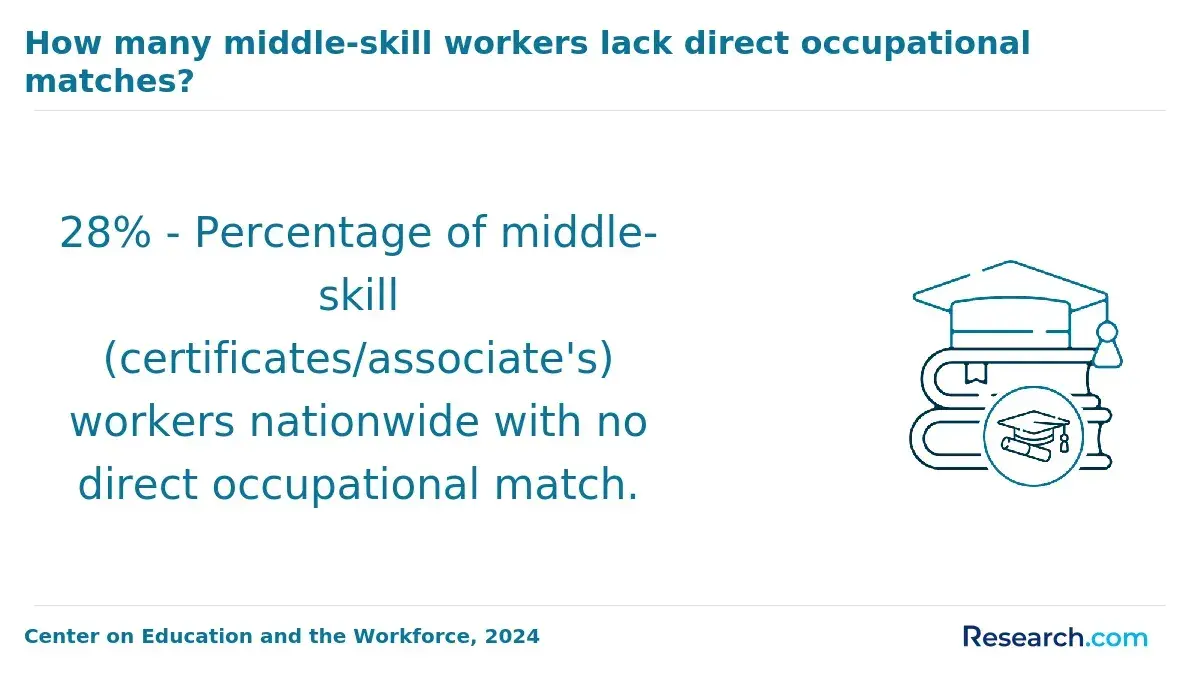
Entry-level hiring for social psychology graduates is most concentrated in healthcare and social assistance, market research and consulting, government, and education sectors, each shaped by distinct structural dynamics. Healthcare roles, such as behavioral health technician or community program assistant, benefit from ongoing workforce shortages and increased mental health funding, though job security can fluctuate with grant cycles and reimbursement policies.
Market research positions often demand technical skills and internships, reflecting rapid growth driven by digital consumer analytics but also intense competition for entry-level openings.
Government employers offer relatively stable entry points through policy analyst or program evaluator roles, appealing for graduates willing to navigate regulatory demands and structured methodologies. Education, while a key sector, typically requires further certification or graduate study to progress beyond initial positions like academic advising, limiting immediate advancement.
Geographic clusters in metropolitan areas with strong healthcare infrastructure, consulting firms, or government hubs highlight disparities in opportunity, prompting graduates to weigh location alongside sector when targeting applications. According to the U.S. Bureau of Labor Statistics in 2024, healthcare and social assistance consistently show the highest demand volume, underscoring how sector-specific factors influence both hiring scale and role accessibility.
Where Do Social Psychology Graduates Have the Best Hiring Odds?
Hiring success for recent social psychology graduates hinges more on the presence of relevant employers and entry-level roles than mere geography. Metropolitan hubs like Boston and Washington, D.C., lead in volume of opportunities due to dense clusters of healthcare systems, research institutions, and consulting firms that value behavioral expertise.
However, these locations see fierce competition, often requiring candidates to balance the higher cost of living with robust internship pipelines and mentorship availability. Smaller metro areas might offer fewer openings but benefit from less saturated applicant pools, creating a distinct tradeoff between accessibility and total opportunity.
Many employers now embrace hybrid or remote models, which expand possible job markets but also intensify national competition. For example, social psychology graduates targeting user experience positions must evaluate market demand against credential requirements shaped by healthcare and human resources sectors. Entry-level candidates should also consider professional networks and practical experience chances alongside regional labor-market dynamics.
Data from the U.S. Bureau of Labor Statistics highlights growing demand in sectors linked to public health and community services, emphasizing that new graduates must strategically choose the best regions for social psychology graduate hiring to optimize long-term employability. Exploring interdisciplinary paths, such as combining behavioral skills with a construction management degree, can open alternative avenues worth considering in today's shifting employment landscape.
What Starting Salaries Can Entry-Level Social Psychology Graduates Expect?
Starting salaries for social psychology graduates depend on a variety of factors beyond simply holding the degree, including role specialization, employer type, and geographic market conditions.
For example, an entry-level graduate targeting data-heavy positions may command a higher salary than one entering nonprofit program coordination, even within the same city. Understanding how technical competencies, experience, and location impact offers can clarify realistic pay expectations and tradeoffs.
The following points outline the major influences on entry-level compensation for social psychology graduates:
- Role Specialization: Positions emphasizing quantitative skills or data analysis often offer $5,000 to $10,000 more annually than generalist roles due to demand for technical proficiency in statistical software and research methods, reflecting employers' premium on measurable skill sets.
- Industry Sector: Graduates working in public or nonprofit organizations generally receive lower base pay but may benefit from enhanced benefits like flexible schedules and loan repayment options, which affect overall compensation value.
- Geographic Location: Urban centers with high living costs, such as New York or San Francisco, typically offer starting salaries 15-20% above the national median to offset expenses, while rural and smaller markets may have lower initial pay but slower competition and potential for wage growth.
- Employer Size and Type: Larger firms and federal agencies frequently include signing bonuses or structured wage increases tied to performance, whereas smaller employers might provide broader experiential opportunities despite more modest pay.
- Prior Experience and Internships: Evidence shows that relevant internships or research experience can boost offers by up to 12%, highlighting the value of demonstrated applied skills.
- Certification and Credentials: Graduates who earn recognized certifications in research methodologies can expect offers to increase roughly 8%, reflecting employer recognition of validated expertise.
A recent social psychology graduate comparing offers found the decision complex. One position in a high-cost city offered a salary well above the national entry median but came with minimal benefits and intense workload expectations. An alternative offer from a mid-sized nonprofit in a lower-cost region provided a smaller salary yet included student loan assistance and flexible hours.
Lacking extensive experience, the graduate hesitated but ultimately chose the nonprofit role with hopes that the skill development and work-life balance would pay dividends beyond immediate compensation. This experience underscores how starting salary is only part of the broader employment tradeoff new social psychology graduates face.
Which Skills and Certifications Help Social Psychology Graduates Get Hired?
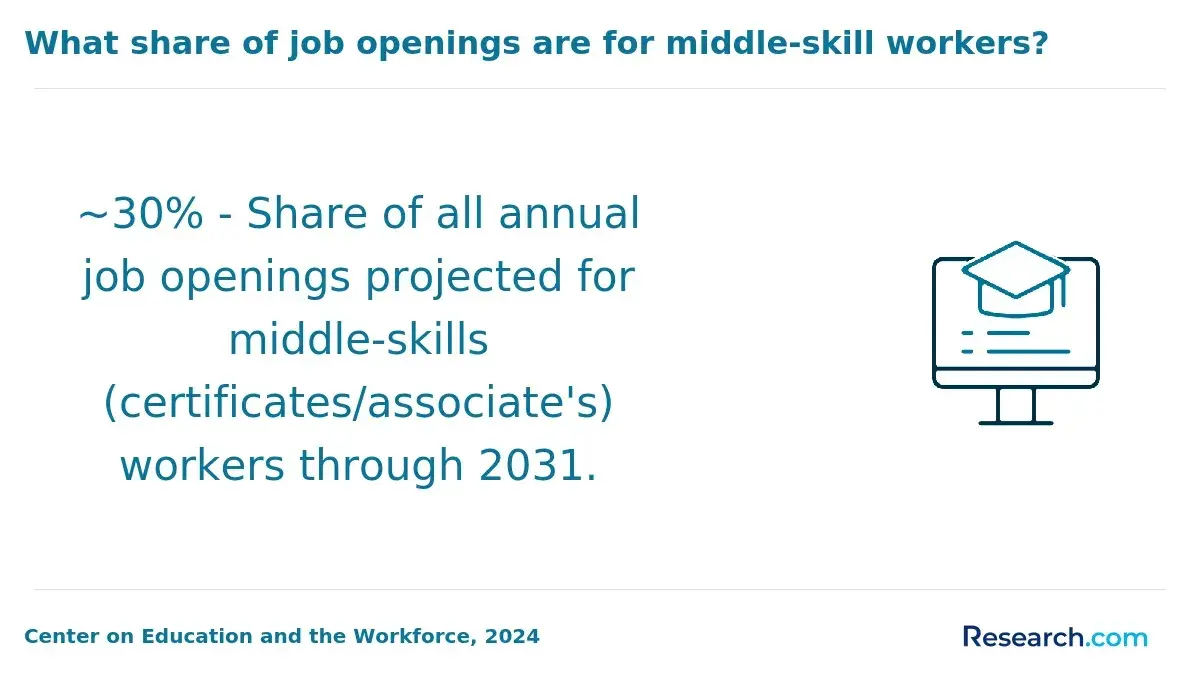
Employers increasingly assess applied skills, digital fluency, and demonstrable job readiness alongside a social psychology degree, reflecting the field's demand for interdisciplinary expertise. For entry-level hiring, technical know-how in research design and data analysis tools often weighs as heavily as academic credentials.
This shift signals that candidates who supplement their degree with practical experience and relevant certifications can better navigate competitive job markets. For example, a recent graduate targeting behavioral research may find that showcasing internship projects involving SPSS or R data interpretation improves interview outcomes.
The evolving landscape means that essential skills for social psychology graduates to increase employability must combine analytical rigor with communication and adaptable technological proficiency. Certifications support these competencies when aligned with specific industry needs rather than pursued indiscriminately.
Below are key skills and credentials that most effectively enhance entry-level prospects:
- Statistical Software Proficiency: Roles in market research, healthcare, and user experience design prioritize fluency with SPSS, R, and Python to manage complex datasets and produce actionable insights. Practical internships or research projects demonstrating applied use outweigh certificates alone.
- Survey Platform Literacy: Familiarity with tools like Qualtrics is increasingly vital for remote and large-scale data collection positions, especially in academic and marketing sectors. Employers value candidates who can efficiently design and administer surveys.
- Analytical Communication: Translating quantitative findings into clear, stakeholder-friendly reports is crucial across roles. Evidence through written assignments or presentations often matters more than formal certifications.
- Certification in Analytics: Credentials such as Certified Analytics Professional (CAP) can differentiate candidates in certain industries like marketing or healthcare, provided they complement directly relevant work experience.
- Internship Experience: Practical engagement through internships or practicums frequently serves as the strongest indicator of workplace readiness and applied knowledge, especially where portfolios or work samples support claims.
- Transferable Collaboration Skills: Skills like teamwork, adaptability, and familiarity with emerging AI data tools help candidates stand out as versatile contributors amid evolving AI integration.
- Ethics and Compliance Credentials: Healthcare-focused roles sometimes require certifications related to research ethics and compliance, which carry weight in regulated environments but are less critical elsewhere.
For candidates exploring broader educational paths, considering an office administration degree can also support skill diversification, depending on career goals within organizational contexts.
How Much Experience Do Entry-Level Social Psychology Jobs Require?
Entry-level social psychology roles frequently entail some form of experience expectation, yet these requirements often extend beyond traditional full-time work history. Recent data from the National Association of Colleges and Employers (NACE) reveal that while about 40% of openings list related experience as necessary, much of this encompasses internships, practicum placements, or volunteer engagements rather than paid employment.
For example, a recent graduate applying for a research assistant position may find that a well-documented internship or academic project portfolio effectively meets employer criteria, despite lacking formal job tenure. This reflects a broader employer preference for demonstrable skills in research methodology, data analysis, and communication over strict chronological work experience.
Variations in experience demands correlate strongly with the hiring organization's sector, size, and the specific role complexity. Positions in government and healthcare commonly impose higher thresholds, often requiring certifications or compliance-related experience that limit entry options.
In contrast, nonprofits and market research companies frequently accept experiential substitutes such as campus involvement or freelance research, recognizing these as indicators of relevant competency. Additionally, the geographic labor market influences these trends, with metropolitan job markets exhibiting heightened competition and more rigid experience filters compared to less saturated regions where true novice roles persist.
It is important for social psychology graduates to distinguish between preferred and mandatory experience listings. Some employers state one to three years of experience as a baseline, primarily to streamline candidate pools, yet remain open to applicants demonstrating equivalent capabilities through academic or practical work.
Candidates should critically assess job descriptions to determine if internships, volunteer work, or applicable certifications satisfy experience criteria rather than self-excluding prematurely. This nuanced approach enhances application targeting while acknowledging that entry barriers often reflect strategic hiring filters rather than inflexible prerequisites.
What Do Employers Look for in New Social Psychology Graduates?
Employers evaluating entry-level social psychology graduates focus heavily on applied competencies that demonstrate job readiness beyond academic credentials. They assess how well candidates translate theory into practical tasks, such as data analysis, behavioral insights, and communication tailored to diverse organizational contexts. Recruiters also value experience with real-world projects or internships that provide evidence of adaptability and problem-solving within industry frameworks.
Technical proficiency with statistical tools and digital collaboration platforms further distinguishes candidates, especially as hybrid work models become the norm. Communication skills remain paramount, as translating psychological concepts for business or community stakeholders is a recurrent requirement across hiring sectors.
Below are key qualities employers seek when screening new social psychology graduates:
- Critical Thinking And Analysis: Employers prioritize candidates who can interpret quantitative data and apply behavioral theories to solve organizational problems. Evidence through coursework involving statistics or projects using software like SPSS or R supports this skill and influences selection decisions.
- Effective Communication: Demonstrated ability to convey complex psychological ideas clearly, both verbally and in writing, can set applicants apart. Internships requiring presentations or report writing provide practical proof of this essential workplace aptitude.
- Applied Experience: Internship or project involvement is often a decisive factor. According to a recent Handshake survey, 72% of employers prefer graduates with hands-on experience that showcases initiative and workplace adaptability.
- Technical Fluency: Familiarity with data analytics tools and collaborative digital platforms signals readiness for modern work environments. Certifications bolstering these skills complement but do not replace experiential learning.
- Adaptability To Work Cultures: Employers look for evidence of flexibility within hybrid or remote team settings, which can be demonstrated through projects involving cross-functional collaboration or use of communication technologies.
- Industry Awareness: Understanding how social psychology principles apply in fields like marketing, HR, or social services helps candidates align with employer expectations and enhances interview performance.
How is AI Affecting Entry-Level Hiring for Social Psychology Graduates?
Entry-level hiring for social psychology graduates increasingly reflects a nuanced recalibration rather than straightforward job displacement due to AI. About 28% of routine tasks in these roles are susceptible to moderate automation, particularly those involving survey administration and data entry, which shifts employer demand toward candidates with AI-related skills.
Employers now favor applicants who combine traditional social psychology expertise with technical competencies in data analytics and programming, reflecting a practical need to manage AI-enhanced research tools and interpret algorithmic outputs. For instance, in public health sectors versus consumer research industries, differing AI adoption rates affect whether candidates must prioritize coding fluency or qualitative insight, influencing job title targeting and skill portfolios accordingly.
The rise of AI-driven applicant screening tools further complicates hiring, as recruiters increasingly sift for demonstrated proficiency in machine learning frameworks and visualization software alongside behavioral research skills. This evolution in hiring criteria highlights a tradeoff where experiential depth in psychological methods may be partially offset by a candidate's technical literacy, making interdisciplinary internships or projects crucial for competitive positioning.
Such trends suggest differentiated employer expectations across sectors, with organizations undertaking AI-augmented experiments demanding agility in both psychological theory and digital fluency. Social psychology graduates are thus advised to strategically blend AI competencies with core expertise rather than rely solely on either domain to enhance employability in shifting labor markets.
Practical preparation includes acquiring skills in coding languages like Python or R and engaging with AI ethics and research methodologies that combine social psychology with data science applications. While this hybrid skillset expands opportunities, it also requires navigating industry-specific hiring nuances, underscoring the importance of tailored application approaches based on sector growth patterns.
Students and recent graduates aiming to deepen technical expertise without extensive academic delays might explore flexible pathways such as the online PhD criminal justice no dissertation options, which sometimes align with broader interdisciplinary research demands. Overall, social psychology's entry-level employment landscape is diversifying, with AI shaping both the nature of work and the criteria that differentiate successful candidates.
How Can Social Psychology Graduates Improve Their Job Search Results?
Targeted job searches consistently outperform high-volume, unfocused applications because they align graduate qualifications with employer expectations, reducing automatic rejection by applicant-tracking systems. For instance, a social psychology graduate focusing on roles such as market researcher or behavioral data analyst, rather than broadly applying to vague titles, is more likely to secure interviews.
This prioritization requires understanding demand clusters in industries like healthcare, marketing, and technology, often centered in metropolitan areas, where specialized skills are more sought after. Neglecting these factors can lead to inefficient use of time, diminished application quality, and missed opportunities for roles suited to relevant expertise.
Effective resume and portfolio tips for social psychology graduates emphasize customization to showcase analytical, research, and communication skills using language that mirrors job descriptions. Graduates who integrate project-based experience or internships related to social psychology roles improve their interview conversion rates by up to 20%, reflecting employer preference for demonstrated job readiness.
Additionally, timing applications to match recruiting cycles and highlighting versatility with tools such as data visualization or social media analytics further distinguishes candidates. Those exploring further specialization often consider 1 year MPA programs as part of their strategy to strengthen marketability while managing educational investment effectively.
References
- What Do Psychologists Earn? Highest Paying Psychology Jobs | Walbrook https://www.walbrook.ac.uk/subjects/psychology/psychologist-salaries-highest-paying-jobs/
- AI's Impact on Graduate Jobs: A 2025 Data Analysis | IntuitionLabs https://intuitionlabs.ai/articles/ai-impact-graduate-jobs-2025
- Careers in Psychology and Social Science degrees | Edology https://www.edology.com/career-hub/psychology-social-careers
- Entry-Level Psychology Jobs - Choose From Many Career Opportunities https://www.tuw.edu/school-news/best-entry-level-psychology-jobs/
- Study Pychology - Experience, Job Opportunities, Salary + Survey https://jobtensor.com/uk/Studies/Psychology
- What Certifications Can I Get With A Bachelor's In Psychology? https://www.psychology.org/resources/certification-skills-for-psychology-major-resumes/
- Social Psychology Network https://www.socialpsychology.org/facq.htm
- Top 5 Highest-Paying Psychology Careers - Rivier Academics https://www.rivier.edu/academics/online/resources/program-resources/top-5-highest-paying-psychology-careers-rivier-university/
Other Things You Should Know About Social Psychology Entry-Level Hiring
Interdisciplinary training can significantly enhance employability, as many employers seek candidates who can navigate overlapping domains such as behavioral economics, marketing, or data science. Graduates with combined skills in quantitative analysis or neuroscience alongside social psychology tend to have more practical, marketable profiles. Prioritizing programs with opportunities for cross-disciplinary projects or courses adds real-world relevance, helping graduates adapt to diverse role demands rather than relying on narrow theoretical knowledge.
Choosing between research-heavy and applied practice programs depends on career goals, but those focused on immediate employment often benefit from applied, experiential learning. Programs emphasizing internships, project-based assignments, and applied data analysis align better with entry-level employer expectations. Graduates from heavily research-oriented paths may face longer job search timelines or require additional practical experience to bridge skill gaps in organizational or industry settings.
Geographic location influences not just job availability but the types of roles and industries hiring social psychology graduates. While academic and urban centers offer broader opportunities, emerging markets in healthcare consulting, public policy, and tech sectors in mid-size metropolitan areas can also provide strong entry points. Graduates should weigh regional industry strengths and cost-of-living tradeoffs rather than defaulting to saturated job markets, as balancing personal circumstances with local demand can improve entry-level hiring outcomes.
Entry-level positions often require adaptability beyond core social psychology skills, including multitasking and handling diverse project scopes under tight deadlines. Employers expect new hires to quickly learn and apply non-specialized skills such as communication, data visualization, and teamwork, which can substantially increase workload demands. Graduates should prepare for roles that may blend research, administrative, and client-facing tasks, prioritizing programs that build broad, practical competencies rather than narrow expertise.