2027 Social Psychology Career Outcomes by Degree Level Report: Pay, Employment, and Advancement Patterns

Co-Founder and Chief Data Scientist
Choosing the right degree level in social psychology often feels like navigating a maze without clear signposts, especially for transfer students and working adults balancing career shifts. Recent data from a 2024 national workforce study reveals that individuals with advanced social psychology degrees experience markedly higher rates of employment stability and promotional opportunities compared to those with only a bachelor's.
This gap highlights the significant, practical impact of degree decisions on career trajectories. Understanding these distinctions can reduce costly missteps in education and job market positioning. This article analyzes pay, employment, and advancement patterns by social psychology degree level to support informed decision-making.
Key Things to Know About Social Psychology Career Outcomes by Degree Level
- Associate and certificate credentials often enable quicker workforce entry but limit access to roles requiring advanced research skills, constraining career advancement within social psychology's more analytic or policy-driven segments.
- Employers increasingly favor master's and doctoral degrees for leadership or specialized research roles, reflecting a labor-market trend toward credential stratification and signaling the importance of higher-level qualifications for competitive hiring.
- The extended time and financial investment for doctoral programs pose opportunity costs, frequently delaying employment benefits and requiring candidates to weigh long-term career advancement against immediate earnings and practical experience.
- Key Things to Know About Social Psychology Career Outcomes by Degree Level Key Things to Know About Social Psychology Career Outcomes by Degree Level
- What Career Outcomes Can Students Expect From Each Social Psychology Degree Level? Career Outcomes by Degree
- How Much Do Social Psychology Graduates Earn by Degree Level? Salary by Degree Level
- Which Social Psychology Degree Level Offers the Strongest Employment Prospects? Best Degrees for Employment
- What Entry-Level Jobs Can You Get With a Social Psychology Degree? Entry-Level Career Opportunities
- How Do Social Psychology Degree Levels Affect Career Advancement and Promotion Opportunities? Career Growth by Degree
- Is a Social Psychology Degree Worth It Based on Salary, Employment, and ROI? Salary, ROI, and Value
- How Do Associate, Bachelor's, Master's, and Doctoral Social Psychology Degrees Compare? Comparing Degree Levels
- Which Industries and Employers Hire Social Psychology Graduates by Degree Level? Which Industries and Employers Hire Social Psychology Graduates by Degree Level?
- What Skills, Credentials, and Experience Improve Social Psychology Career Outcomes? What Skills, Credentials, and Experience Improve Social Psychology Career Outcomes?
- Which Social Psychology Degree Level Is Best for Your Career Goals? Choosing the Right Degree
What Career Outcomes Can Students Expect From Each Social Psychology Degree Level?
Social psychology degree career outcomes by level reveal clear distinctions in employment access and advancement potential that hinge on credential depth and field-specific prerequisites. For example, individuals entering the workforce with certificates or associate degrees often find roles relegated to supporting research functions or coordinating community programs, where leadership and specialization opportunities remain limited.
These entry points can be strategically beneficial for adult learners or military-affiliated students seeking hands-on experience before committing to longer degree pathways, but they typically must plan for transfer pathways to bachelor's programs to unlock mid-level positions with greater responsibility. Employers increasingly expect bachelor's credentials for roles involving substantive data interpretation or human services delivery, reflecting documented labor trends highlighted in bachelor's degrees job outlook, which underscores the wage and position plateau experienced without further study.
Advancing beyond the bachelor's degree, master's credentials in social psychology align more directly with applied professional roles that demand licensure or specialized certifications, such as counseling or policy analysis; these credentials also facilitate progression to supervisory responsibilities and enhanced job security. Graduate-level training often integrates fieldwork and internships that sharpen practical readiness, making master's graduates more competitive in a marketplace where employer expectations for client-facing expertise and analytical capability have grown.
Doctoral degrees represent another critical inflection point, emphasizing research leadership and academic tenure-track eligibility, though not without significant time investment and exposure to highly competitive employment scenarios. According to the Integrated Postsecondary Education Data System, doctoral recipients face variable outcomes based on sector, often opting between limited tenure-track roles and expanding policy or consultancy positions, emphasizing that degree-level choices in social psychology deeply shape long-term career mobility and role specialization.
Understanding these employment and advancement patterns for social psychology graduates is essential for learners balancing immediate workforce entry against future leadership aspirations. Transfer students and working professionals must weigh the time and credit trade-offs inherent in ascending degree tiers, where practical skills acquisition, certification alignment, and labor market demand converge to influence job stability and upward mobility. Licensing requirements and regional labor trends further complicate this landscape, requiring strategic planning to avoid credential bottlenecks that hinder access to specialized career tracks. In this context, degree-level decisions function as both a roadmap and gatekeeper, shaping who advances beyond entry-level status and who sustains career growth within social psychology fields.
How Much Do Social Psychology Graduates Earn by Degree Level?
Social psychology graduates face a complex earnings landscape shaped by degree level, regional labor markets, and employer credential requirements. While associate degree holders might quickly enter the workforce with median wages near $45,000, these roles tend to have limited upward mobility and narrower responsibilities. Bachelor's degrees open access to a wider range of positions such as market research or behavioral analysis, with salaries often ranging from $65,000 to $75,000, but advancement beyond entry-level roles generally requires further education or specialization. For professionals aiming at supervisory posts or specialized functions, master's degrees correlate with median earnings between $80,000 and $95,000, partly due to mandatory licensure or certification in key sectors; however, additional years of study and cost must be weighed against these pay gains and the time constraints of working adults.
Doctoral graduates typically command salaries exceeding $110,000 and benefit from reduced unemployment risks, yet this level demands substantial investment in time and research, making it most practical for those pursuing academic, clinical, or senior consulting roles. Geographic variations and sector-specific demand profoundly affect these salary outcomes, requiring prospective students and career changers to critically evaluate local labor markets and employer preferences rather than assume universal pay enhancements with higher credentials. Transfer credits, program length, and the flexibility to balance education with employment are also crucial factors for military-affiliated students and adult learners. The decision to pursue further degrees should reflect realistic expectations about the interplay between education costs, earning potential, and job stability over the course of a career rather than a simplistic "more education equals more pay" formula.
A social psychology graduate once deliberated extensively after comparing advertised salaries for bachelor's versus master's level roles in her city. Though the master's offered about $15,000 more annually, the extra two years required meant sacrificing income and incurring debt. She also learned from interviews that many employers valued experience and certifications nearly as much as advanced degrees for certain roles. Ultimately, she chose a bachelor's program with strong transfer options and planned to return for a master's only if a pivotal supervisory position demanded it, reflecting a cautious but strategic approach that balanced immediate workforce entry with long-term career flexibility.
Which Social Psychology Degree Level Offers the Strongest Employment Prospects?
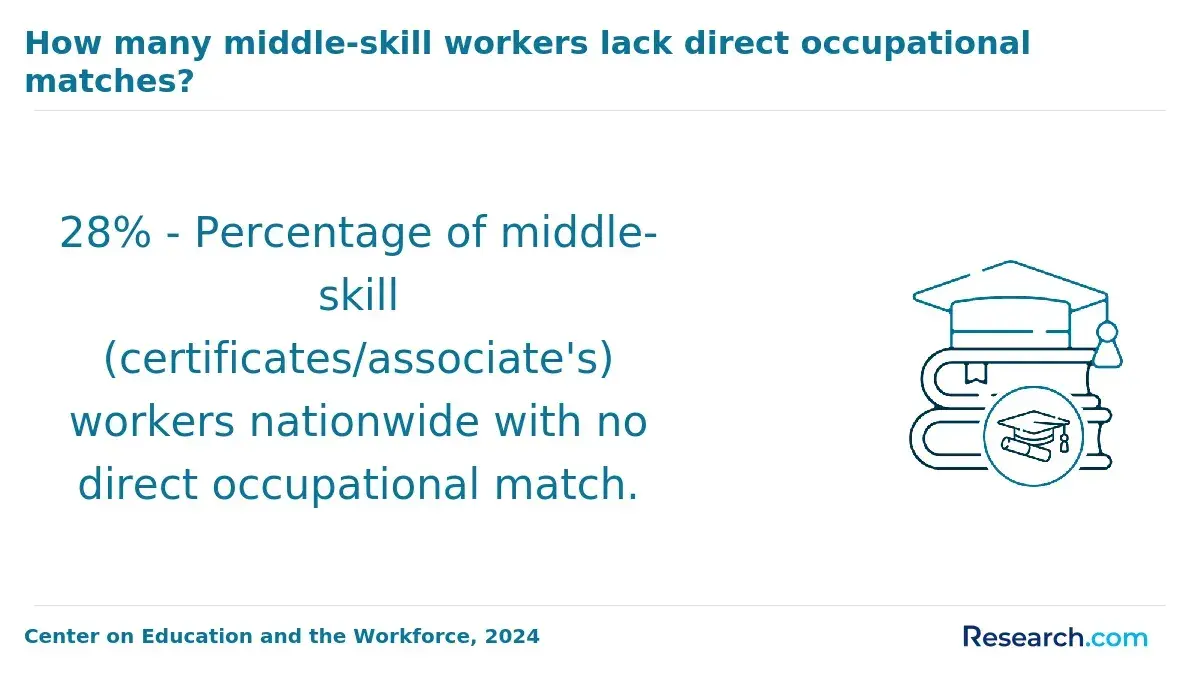
Employment outcomes in social psychology hinge heavily on the level of education attained, with clear distinctions in both job access and upward mobility. While associate degrees and certificates may allow quicker entry into technician or support roles, these positions typically offer limited wage growth and face increasing competition due to credential inflation. For example, holders of associate degrees in related fields achieve about a 65% employment rate within a year, yet often remain confined to roles that fail to leverage social psychology-specific expertise or provide meaningful advancement.
Bachelor's degrees remain the most common threshold for entry-level social psychology roles, expanding the range of accessible occupations to human resources, marketing research, and social services. However, despite a roughly 10% lower unemployment rate compared to non-degree holders, bachelor's graduates frequently encounter a ceiling when competing for leadership or research-intensive jobs, which increasingly require graduate-level credentials. Advanced degrees-master's or doctoral-unlock specialized, higher-paid, and lower-unemployment positions, often below 3%, reflecting employer demand for professional licensure, extensive research experience, and clinical competence.
For students weighing whether to enter the workforce immediately or pursue further education, transferring credits into a specialized master's program or committing to doctoral studies can open roles in teaching, clinical practice, or consultancy unavailable at lower levels, provided they can navigate the longer time and financial investment required.
What Entry-Level Jobs Can You Get With a Social Psychology Degree?
Entry-level opportunities for social psychology graduates vary markedly based on degree level, shaping both workplace roles and advancement potential. Bachelor's degree holders typically qualify for support roles such as research assistants or coordinators, positions designed to build foundational skills but often requiring prior internships or demonstrated competency with statistical tools like SPSS or R. In contrast, those holding a master's degree may access specialized research roles or clinical support jobs that demand advanced methodological knowledge and offer more substantive engagement with behavioral data. Doctoral graduates, meanwhile, face expectations for additional certifications or supervised clinical experience before pursuing independent research or academic positions, highlighting the tradeoff between extended training and access to higher-responsibility roles.
Many employers increasingly seek candidates with portfolios reflecting applied research and hands-on experience, making practical exposure during education a critical factor for securing initial roles in social psychology entry-level careers. According to U.S. Bureau of Labor Statistics data from 2024, while demand for psychology-related jobs remains steady, positions in urban centers with established research institutions or public health agencies outnumber remote opportunities, which tend to be limited to administrative or data-focused tasks. Students weighing job prospects must consider whether their chosen path emphasizes immediate employment versus preparing for graduate study, as early roles often serve as stepping stones toward long-term mobility rather than sustainable endpoints.
Interpreting entry-level jobs through the lens of employment stability and skill-building potential allows graduates to make informed decisions about their educational path and career trajectory. Given that many in social psychology entry-level careers rely on advanced analytical and interpersonal abilities, prospective students assessing associate, bachelor's, or master's options should also factor in possible certification programs or additional training to bridge gaps toward leadership roles. For those interested, exploring options such as an online masters psychology can represent a pragmatic step for expanding employability and advancing within this competitive field.
How Do Social Psychology Degree Levels Affect Career Advancement and Promotion Opportunities?
Graduate-level qualifications significantly influence advancement and promotion opportunities within social psychology careers, particularly when progressing into supervisory or specialized research roles. Data from the National Center for Education Statistics in 2024 reveal that individuals with master's or doctoral degrees experience notably faster upward mobility compared to those holding only bachelor's credentials. Employers often require advanced degrees as a baseline for leadership eligibility, partly due to the specialized skills and theoretical knowledge these programs cultivate, such as advanced data analysis and program development. For adult learners or working professionals considering additional education, this credential threshold can mean the difference between remaining in entry-level roles or qualifying for managerial positions that also offer enhanced pay and responsibilities.
Licensure and certification paths further complicate the landscape, as many professional credentials in social psychology demand at least a master's degree, restricting promotion access for bachelor's holders despite their work experience. This often results in longer timeframes before reaching comparable positions without further education. For example, a social psychology professional with a bachelor's degree but extensive field experience may find limited internal mobility unless pursuing graduate study. Transfer students and military-affiliated learners must weigh whether obtaining an advanced degree justifies delaying immediate work gains versus accelerating leadership readiness. This dynamic illustrates that while higher degrees do not guarantee promotion, they markedly improve eligibility for roles with greater authority and influence.
A recent graduate reflected on the decision to pursue a master's after several years in a research assistant role, noting initial uncertainty about the tangible benefits of advanced study. After encountering promotion roadblocks tied to credential requirements, they described feeling "frustrated but motivated" to invest in a graduate degree to unlock supervisory opportunities. Their experience highlighted the practical necessity of matching degree level to employer expectations and licensure prerequisites, confirming that in their specific work setting, the master's credential was less about immediate salary jumps and more about gaining recognized leadership credentials and credibility for future advancement.
Is a Social Psychology Degree Worth It Based on Salary, Employment, and ROI?
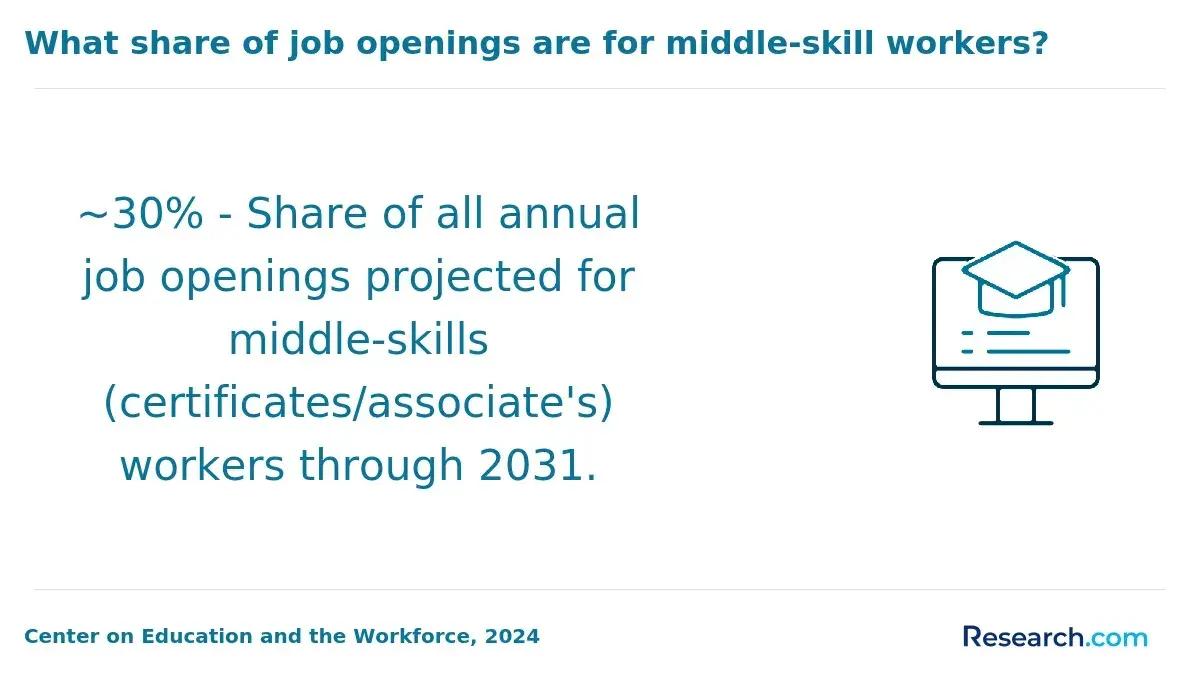
Social psychology degree salary outlooks differ significantly by education level, making degree choice a critical consideration for prospective students. Doctoral holders generally secure positions with higher median wages and greater job stability but must weigh these benefits against longer time-to-completion and substantial opportunity costs. Those entering the workforce with a bachelor's degree often face underemployment risks and limited upward mobility, frequently filling roles outside strict social psychology such as market research or human resources, where compensation is comparatively lower and career growth slower.
The social psychology career employment and return on investment vary with regional labor demand, credential requirements, and specialization. For example, roles requiring clinical licensure demand additional training and expense but tend to offer more secure employment and better pay. Adult learners or transfer students must also consider part-time options or credit transfers that might extend their program length while reducing immediate financial strain. The balance between expected monthly loan repayments and post-degree income influences ROI heavily, especially for those considering advanced degrees. Individuals researching the field should also explore related credentials like lcsw online programs as alternate pathways for applied behavioral careers.
How Do Associate, Bachelor's, Master's, and Doctoral Social Psychology Degrees Compare?
In the labor market, a bachelor's degree in social psychology significantly improves job access compared to an associate degree, with employment rates roughly 15% higher according to NCES 2024 data. Many entry-level roles in research support, human resources, and behavioral assessment require at least a bachelor's credential, limiting upward mobility for those stopping at the associate level. While associate degrees offer a quicker, more affordable path into the workforce, their credit transferability to bachelor's programs varies and may complicate long-term educational planning, particularly when curricula differ by specialization.
Advancing to a master's degree typically opens specialized positions in areas like policy analysis and program evaluation that carry more leadership responsibility and often require licensure or formal credentials. The Bureau of Labor Statistics notes rising demand for these roles, reflecting increased emphasis on data-driven behavioral research. Doctoral qualifications primarily target academia, senior consulting, and high-level research careers, where extensive publication records and research expertise are critical. However, doctoral programs have lower completion rates-below 50% according to IPEDS 2024-and entail substantial time and financial investment, partially offset by assistantships. Students must weigh these tradeoffs carefully, balancing immediate job prospects, long-term specialization opportunities, and the likelihood of stable employment or career flexibility when choosing their educational trajectory in social psychology.
Which Industries and Employers Hire Social Psychology Graduates by Degree Level?
Employment opportunities for social psychology graduates differ markedly across degree levels, reflecting employer expectations for expertise, licensure, and applied skills. Associate degree holders typically fill support roles in nonprofits and community organizations where interpersonal aptitude and basic data gathering are valued, but advancement is limited without further education. For example, HR departments or local social service agencies often favor candidates with bachelor's degrees for program coordination and behavioral analysis, although progression beyond mid-management frequently demands additional credentials or experience. According to the U.S. Bureau of Labor Statistics 2024 report, nearly half of bachelor's-level graduates secure roles in business or healthcare settings, highlighting sectoral demand but also competitive pressures to demonstrate practical effectiveness alongside academic grounding.
At the master's level, graduates gain specialized access to clinical, research, and organizational development positions that require advanced methodological training. This degree opens doors in mental health clinics, academic institutions, and corporate environments focused on data-driven intervention design, areas where a bachelor's alone is often insufficient. Doctoral degree holders dominate leadership, academic, and policy-related roles, with 72% engaged in research or teaching per the 2024 O*NET study, emphasizing the premium placed on licensure and experimental expertise in securing senior-level employment. Certificates and similar credentials tend not to substitute for foundational degrees but can complement existing qualifications to accelerate specialization in fields like data analytics or behavioral intervention, a factor prospective students should evaluate relative to their career objectives and resource commitments.
What Skills, Credentials, and Experience Improve Social Psychology Career Outcomes?
Unlike many fields where credentials alone can guarantee access to higher-paying roles, social psychology career advancement depends heavily on integrating analytical reasoning, quantitative skills, and applied experience in ways that align with specific employer expectations. For instance, candidates holding a master's or doctoral degree who supplement their studies with certifications in applied behavioral analysis or licensure as clinical psychologists gain clear advantages in job mobility and promotion potential. However, the tradeoff often involves additional time and financial investment compared to entry-level roles, underscoring the importance of deliberate credential stacking aligned with long-term goals rather than pursuing credentials for their own sake. Employers increasingly prioritize those who combine demonstrated research methodology competence with relevant hands-on experience, particularly internships or field placements that bridge theoretical knowledge with workplace practice.
Workplace readiness also hinges on soft skills such as communication and leadership, which serve as critical differentiators for promotion and retention, especially in multidisciplinary teams. Evidence of leadership in academic projects or community initiatives can act as portfolio proof of these essential qualities. This practical combination of "hard" and "soft" skills reflects core employer demands in social psychology employment success and, when paired with prior industry exposure like military service, can significantly accelerate one's career trajectory by fostering discipline and strategic problem-solving.
Working adults and transfer students should therefore weigh the advantages of adding supervised internships or apprenticeships to their learning pathways to increase transferability and marketability across diverse roles. For those considering transitions within related fields, such as becoming a speech language pathologist, evaluating skill overlap and credential relevance remains fundamental to informed decision-making.
Which Social Psychology Degree Level Is Best for Your Career Goals?
Choosing the optimal social psychology degree level profoundly shapes employment access and long-term professional mobility. Bachelor's degrees typically open entry routes to roles like research assistants or community outreach, with a typical employment rate near 75% within six months, according to the National Center for Education Statistics. Yet, many employers require master's credentials for specialized positions such as behavioral analysts or program coordinators, reflecting a rising emphasis on field experience and analytical proficiency. For working adults and transfer students, balancing credit transfer policies and time-to-degree is critical, as advancing to a master's often entails greater opportunity costs but yields nearly 15% higher employment rates and better wage trajectories reported by the Integrated Postsecondary Education Data System.
The best social psychology degree for career advancement depends heavily on targeted labor market sectors and licensure needs. Doctoral qualifications remain indispensable for academic, high-level consultancy, and research leadership roles, delivering roughly 90% employment in psychology-related fields per the U.S. Department of Education, though with increased debt and lengthier completion times. Adult learners and military-affiliated students should weigh these tradeoffs carefully, ensuring how practicum components and program flexibility might accelerate career readiness. Many prospective students explore program options thoughtfully, including a project management bachelor degree online, to augment their social psychology foundations with operational skills that appeal to employers seeking adaptable, multidisciplinary talent.
References
- Social Psychology Degree and Career Guide https://www.psychologydegree411.com/degrees/social-psychology/
- Psychology Degree Careers and Salary in Europe - StudyinEurope.eu https://www.studyineurope.eu/psychology/psychology-degree-careers-salary-europe/
- 10 Degrees to Combine with Psychology for a Rewarding Career https://mastersinpsychologyguide.com/articles/10-degrees-combine-psychology-a-rewarding-career/
- Return on Investment For an Online Psychology Degree https://www.onlinepsychologydegrees.com/articles/return-on-investment-for-an-online-psychology-degree/
- Careers for Psychology Majors: 12+ Jobs at Every Level | Extern https://www.extern.com/post/careers-for-psychology-majors-guide
- 5 Ways to Advance Your Psychology Career | Maryville Online https://online.maryville.edu/online-bachelors-degrees/psychology/careers/advance-in-psychology/
- Careers in Psychology and Social Science degrees | Edology https://www.edology.com/career-hub/psychology-social-careers
- Social Psychology Degree Program Guide | Psychology.org https://www.psychology.org/degrees/social-psychology/
- Psychology Major | Psychology Degree | Colleges and Schools https://www.bestpsychologydegrees.com/associates-bachelors-masters-and-doctorate-degrees-in-psychology/
- Master’s in Social Work vs. Master’s in Psychology https://socialworklicensemap.com/social-work-resources/comparing-social-service-degrees/social-work-vs-psychology/
Other Things You Should Know About Social Psychology
Graduate and doctoral programs in social psychology typically demand significantly more research, independent study, and time-intensive projects compared to undergraduate degrees. This intense workload can limit part-time employment or other commitments during study, impacting finances and personal time. Prospective students should weigh whether their current life situation supports such demands or if a bachelor's program with potential for later graduate study offers a more manageable, stepwise approach.
Employers in social psychology-related fields often expect graduate-level degrees to demonstrate not just theoretical knowledge but applied research skills and experience with data analysis methods used in social research. A master's or doctorate provides clearer evidence of these competencies, influencing hiring and promotion decisions. Candidates prioritizing versatility and adaptability to various professional roles should consider programs emphasizing applied and methodological training rather than broad theoretical focus.
Doctoral programs usually offer more embedded networking through faculty mentorship, research collaborations, and conference participation, which directly shape long-term career trajectories in academia and specialized research roles. In contrast, bachelor's programs generally provide broader exposure but less targeted professional connections. For those aiming at niche research or academic careers, investing time and resources in doctoral programs with strong mentorship networks is advisable over more generalist degrees.
Bachelor's degrees in social psychology tend to afford greater flexibility to pivot between industries or roles given their broader interdisciplinary skills, but often at the expense of access to higher-level positions that require advanced degrees. Conversely, master's and doctoral graduates may face narrower but deeper career paths focused on research, policy, or academic sectors with higher barrier-to-entry credentials but more defined advancement ladders. Students should prioritize their tolerance for specialization versus adaptability when choosing the degree level.