
2027 Fastest Online Master’s Degree in Sports Management Programs

Co-Founder and Chief Data Scientist
People often assume a master’s degree in sports management requires years of full-time study and a costly pause in their careers. This outdated view delays opportunities in sports leadership, marketing, and event operations.
In reality, accredited online programs now offer fast-paced formats that can be completed in as little as 12 months. Management roles in spectator sports bring a median salary of $116,140 per year—making speed and strategy essential.
This article explores the fastest online master’s programs in sports management for 2025, with expert insights in career planning to help readers choose the most efficient path to advancement.
What are the benefits of getting an online master's degree in sports management?
- Qualifies graduates for roles such as athletic director, sports marketing manager, facility operations manager, and sports agent.
- Opens the door to high-paying leadership positions, with a median annual salary of $116,140 for management roles in spectator sports.
- Online programs offer accelerated formats and flexible schedules, allowing students to earn a respected degree without leaving their current job or relocating.
What can I expect from an online master's degree in sports management?
An online master’s in sports management combines business strategy with sports industry knowledge. Students typically study topics like sports marketing, finance, leadership, and event management. Most programs include a capstone project that applies learning to real-world problems, and some may require internship hours for hands-on experience.
Tuition usually ranges from $10,000 to $30,000, depending on the school and program length. Online classes are delivered through video lectures, discussion boards, and virtual group projects. Coursework is often asynchronous, allowing students to complete assignments on their own schedule. This format is ideal for professionals who want to advance their careers without pausing their work or relocating.
Where can I work with an online master's degree in sports management?
An online master’s in sports management opens doors to careers in professional sports, college athletics, marketing agencies, event management firms, and more. Graduates also work in corporate sponsorship, public relations, sports analytics, or start their own ventures.
Opportunities extend beyond the sports world—many find roles in government agencies, nonprofit organizations, and even healthcare or education. Common job titles include athletic director, sports marketing manager, operations coordinator, and sports agent.
The degree builds valuable skills like leadership, communication, and strategic thinking. These are highly transferable across industries. According to the BLS, the demand for entertainment and sports occupations is projected to grow about as fast as the average for all occupations from 2024 to 2034.
How much can I make with an online master's degree in sports management?
A master’s degree in sports management can significantly boost earning potential. On average, professionals with this degree earn between $70,000 and $120,000 per year. Those in top roles—such as general managers, athletic directors, or sports marketing executives—can earn over $130,000 annually.
Salaries vary by industry and location. For example, professionals in major markets like New York or Los Angeles tend to earn more. Experience also plays a key role—entry-level positions may start around $50,000, while seasoned professionals can command six figures.
Holding an advanced degree also opens doors to leadership roles, which typically come with higher pay and long-term career stability.
- List of the Fastest Online Master's Degree in Sports Management Programs for 2027 List of Programs
- How long does it take to complete the fastest online master's degree in sports management programs? Completion Time
- How does the fastest online master's degree in sports management programs compare to an on-campus program? How does the fastest online master's degree in sports management programs compare to an on-campus program?
- What is the average cost of the fastest online master's degree in sports management programs? Cost
- What are the financial aid options for students enrolling the fastest online master's degree in sports management programs? Financial Aid Options
- What are the prerequisites for enrolling in the fastest online master's degree in sports management programs? What are the prerequisites for enrolling in the fastest online master's degree in sports management programs?
- What courses are typically in the fastest online master's degree in sports management programs? Courses
- What types of specializations are available in the fastest online master's degree in sports management programs? Specializations
- How to Choose the Best Online Master's Degree in Sports Management Programs How to Choose the Best Online Master's Degree in Sports Management Programs
- What career paths are available for graduates of the fastest online master's degree in sports management programs? Career Paths
- What is the job market for graduates of the fastest online master's degree in sports management programs? What is the job market for graduates of the fastest online master's degree in sports management programs?
- How are online sports management programs adapting to evolving industry demands? How are online sports management programs adapting to evolving industry demands?
- How can I verify the accreditation and academic quality of an online sports management program? How can I verify the accreditation and academic quality of an online sports management program?
- How can I excel in an online master’s program in sports management? How can I excel in an online master’s program in sports management?
Fastest Online Master's Degree in Sports Management Programs for 2027
An accelerated online master’s in sports management is built for students who want graduate-level sports business training without stepping away from work, coaching, athletics administration, or family responsibilities. The main decision is not simply which program is fastest. Students also need to know whether the program is accredited, affordable, career-relevant, flexible enough for their schedule, and aligned with the part of the sports industry they want to enter.
This guide compares fast online master’s degree options in sports management and sports administration, explains how long these programs take, what they cost, what students study, and how graduates can use the degree in athletic administration, marketing, operations, facilities, events, recreation, and emerging areas such as esports and analytics.
Quick answer: What is the fastest online master’s in sports management?
The fastest online master’s degrees in sports management can be completed in as few as 12 months when students enroll full time and take courses year-round. Most accelerated programs require 30 to 36 credits and are delivered fully online, often through short course terms. The best choice depends on more than speed: students should compare accreditation, total tuition, internship or capstone requirements, course delivery format, and career support before enrolling.
How to use this ranking
Use the programs below as a starting point for comparing fast online sports management master’s degrees. A lower credit requirement or shorter completion timeline may be appealing, but the strongest option is the one that fits your career goal. For example, future athletic directors may want athletic administration, compliance, and leadership coursework, while students interested in sponsorships or fan engagement should look closely at marketing, media, and analytics courses.
How do we rank the programs?
Research.com evaluates sports management master’s programs using structured data and school-level information from sources such as IPEDS, Peterson's, the College Scorecard, and the National Center for Education Statistics. These sources help verify institutional data, program characteristics, and higher education quality indicators.
Because speed alone does not determine program quality, students should also review accreditation, tuition, curriculum, faculty experience, graduation requirements, and student support. For a broader explanation of Research.com’s evaluation process, see the methodology page.
| Program | Credits | Cost | Accreditation | Best fit |
| Georgia Southern University — Master of Science in Sport Management | 36 | $358 per credit hour | Southern Association of Colleges and Schools Commission on Colleges (SACSCOC) | Students seeking a practical sport management program with a capstone project |
| Southeastern Oklahoma State University — Master of Science in Sports Administration | 36 | $337 per credit hour | Higher Learning Commission (HLC) | Students prioritizing a low per-credit tuition rate and a fast completion timeline |
| University of Central Missouri — Master of Science in Kinesiology: Sport Management | 33 | $375 per credit hour | Higher Learning Commission (HLC) | Students interested in sport management through a kinesiology-focused curriculum |
| Midwestern State University — Master of Science in Sport Administration | 36 | $345 per credit hour | Southern Association of Colleges and Schools Commission on Colleges (SACSCOC) | Students looking for a leadership-focused online sport administration degree |
| Arkansas State University — Master of Science in Sport Administration | 36 | $340 per credit hour | Higher Learning Commission (HLC) | Students who want internship-based applied experience |
| Belhaven University — Master of Sports Administration | 36 | $605 per credit hour | Southern Association of Colleges and Schools Commission on Colleges (SACSCOC) | Students seeking sports administration coursework within a Christian academic setting |
| American Public University — Master of Science in Sports Management | 36 | $370 per credit hour | Higher Learning Commission (HLC) | Students interested in sports law, media, sponsorship, and strategic leadership |
| Southern New Hampshire University — Master of Science in Sport Management | 36 | $637 per credit hour | New England Commission of Higher Education (NECHE) | Students who want a career-focused program with portfolio development |
| University of Miami — Master of Science in Sport Administration | 30 | $2,300 per credit hour | Southern Association of Colleges and Schools Commission on Colleges (SACSCOC) | Students seeking a shorter credit requirement and professional networking opportunities |
| Grace College and Theological Seminary — Master of Science in Athletic Administration | 36 | $515 per credit hour | Higher Learning Commission (HLC) | Students preparing for athletic administration roles in school or college sports settings |
Georgia Southern University — Master of Science in Sport Management
The online Master of Science in Sport Management at Georgia Southern University is designed for students who want to move into management, administration, marketing, or finance roles in the sports industry. The curriculum emphasizes applied sport business knowledge, and the capstone requirement gives students a structured way to connect coursework with professional practice. Its fully online format can support working adults who need flexibility while finishing the degree in about 18 months.
- Required Credits to Graduate: 36
- Cost: $358 per credit hour
- Accreditation: Southern Association of Colleges and Schools Commission on Colleges (SACSCOC)
Southeastern Oklahoma State University — Master of Science in Sports Administration
The online MS in Sports Administration from Southeastern Oklahoma State is a strong option for students who want an accelerated path with a business-centered sports administration curriculum. Courses cover key operating areas such as sports law, ethics, facilities, and organizational management. Students may be able to complete the program in as few as 12 months, making it one of the more time-efficient options for motivated full-time learners.
- Required Credits to Graduate: 36
- Cost: $337 per credit hour
- Accreditation: Higher Learning Commission (HLC)
University of Central Missouri — Master of Science in Kinesiology: Sport Management
The University of Central Missouri offers an online MS in Kinesiology with a Sport Management concentration for students who want graduate preparation connected to kinesiology, athletics, recreation, and sport leadership. The program includes topics such as research methods, legal issues in sport, and organizational leadership. It may appeal to students whose career goals span athletic programs, fitness organizations, college sports, or recreational services.
- Required Credits to Graduate: 33
- Cost: $375 per credit hour
- Accreditation: Higher Learning Commission (HLC)
Midwestern State University — Master of Science in Sport Administration
The online MS in Sport Administration at Midwestern State University focuses on leadership, communication, decision-making, and the operational side of sports organizations. Students study areas such as sport psychology, finance, and sport law. The program’s one-year completion option may work well for students who can handle an intensive graduate schedule and want to accelerate their move into administrative or management roles.
- Required Credits to Graduate: 36
- Cost: $345 per credit hour
- Accreditation: Southern Association of Colleges and Schools Commission on Colleges (SACSCOC)
Arkansas State University — Master of Science in Sport Administration
The 100% online MS in Sport Administration at Arkansas State University prepares students for leadership roles in athletic, recreational, and sport-related organizations. The curriculum includes sport law, marketing, and facility operations, while the supervised internship component helps students build applied experience. This can be especially useful for students who are changing careers or who need more direct exposure to sports industry work.
- Required Credits to Graduate: 36
- Cost: $340 per credit hour
- Accreditation: Higher Learning Commission (HLC)
Belhaven University — Master of Sports Administration
The online Master of Sports Administration at Belhaven University combines sport business coursework with a Christian academic perspective. Students study topics such as event planning, ethics, communication, and public relations in sport. The program may fit students who want leadership preparation for competitive athletics, recreational sport, or mission-aligned organizations.
- Required Credits to Graduate: 36
- Cost: $605 per credit hour
- Accreditation: Southern Association of Colleges and Schools Commission on Colleges (SACSCOC)
American Public University — Master of Science in Sports Management
The online MS in Sports Management from American Public University is designed around leadership, ethics, media, marketing, sponsorship, and legal issues in sport. Students complete a capstone research project that lets them examine a practical problem or trend in the sports industry. This program may be a good fit for learners who want a broad sports management curriculum with an emphasis on strategic decision-making.
- Required Credits to Graduate: 36
- Cost: $370 per credit hour
- Accreditation: Higher Learning Commission (HLC)
Southern New Hampshire University — Master of Science in Sport Management
The fully online MS in Sport Management at Southern New Hampshire University emphasizes practical skills in sport marketing, event planning, analytics, and career preparation. Students have opportunities to develop a professional portfolio, which can be helpful when applying for roles that require evidence of planning, analysis, or campaign work. The program may serve students who want to move into leadership or transition from a related field into sport business.
- Required Credits to Graduate: 36
- Cost: $637 per credit hour
- Accreditation: New England Commission of Higher Education (NECHE)
University of Miami — Master of Science in Sport Administration
The online MS in Sport Administration at the University of Miami combines sport business training with leadership-focused coursework. Students study areas such as contract negotiation, athlete management, and digital marketing. The program also includes virtual networking opportunities, which may benefit students who want access to professional connections while studying online.
- Required Credits to Graduate: 30
- Cost: $2,300 per credit hour
- Accreditation: Southern Association of Colleges and Schools Commission on Colleges (SACSCOC)
Grace College and Theological Seminary — Master of Science in Athletic Administration
The online MS in Athletic Administration from Grace College focuses on athletic leadership through a Christian framework. The program is especially relevant for students interested in high school athletics, college athletic departments, coaching leadership, or sports program administration. Its applied structure helps students connect leadership theory with the day-to-day responsibilities of running athletic programs.
- Required Credits to Graduate: 36
- Cost: $515 per credit hour
- Accreditation: Higher Learning Commission (HLC)
How long does it take to complete the fastest online master's degree in sports management programs?
The fastest online master’s in sports management programs can take as little as 12 months when students study full time and continue through the year without long breaks. Many programs take about 18–24 months, especially for students balancing graduate school with work. Part-time students may need 2 years or more, depending on how many courses they take each term.
Accelerated sports management programs often resemble other compressed graduate formats, such as accelerated online school counseling master's programs, because they reduce time to completion through shorter terms, online delivery, and continuous enrollment options. The trade-off is intensity. A one-year program may save time, but it requires steady weekly commitment and strong self-management.
| Completion pace | Typical timeline | Who it fits best | Important trade-off |
| Fast-track online | As few as 12 months | Students who can study full time and handle compressed courses | Less downtime between terms and heavier weekly workload |
| Standard online | About 18–24 months | Working professionals who need a manageable pace | Longer time before graduation |
| Part-time online | 2 years or more | Students with demanding jobs, coaching schedules, or family responsibilities | More flexibility, but slower completion |
Most programs require 30 to 36 credit hours. Some use asynchronous classes, allowing students to complete weekly assignments on their own schedule, while others may include live sessions, group projects, internships, or capstone work. Before choosing the fastest option, ask whether you can realistically complete readings, discussions, projects, and exams during busy work or sports seasons.
NCES data from 2024 show that 11% of Americans ages 25–29 hold a master’s degree. For students trying to differentiate themselves in the sports industry, an accelerated online master’s can provide a faster route to graduate credentials, but the value depends on program quality, experience gained, and how well the degree supports a specific career goal.
How does the fastest online master's degree in sports management programs compare to an on-campus program?
Fast online and on-campus sports management master’s programs usually cover similar academic territory: sport marketing, leadership, legal issues, finance, facility operations, research, and applied projects. The biggest differences are schedule, learning environment, networking style, and the level of independence expected from students.
Accelerated online programs can be as intensive as other short-format training options, including an accelerated Microsoft Azure dual certification boot camp online, because students move quickly through concentrated material. That speed can be useful, but it is not ideal for every learner.
| Factor | Fast online master’s in sports management | On-campus master’s in sports management |
| Schedule | Often built around accelerated 7- or 8-week courses and remote access | Typically follows a campus calendar with scheduled class meetings |
| Completion time | May be completed in as little as 12 months | Often takes 18–24 months |
| Flexibility | Better for working adults, coaches, military students, and students outside commuting range | Better for students who prefer in-person structure and campus engagement |
| Networking | Depends on virtual events, discussion boards, alumni platforms, and self-directed outreach | May provide easier access to face-to-face networking, campus events, and local internships |
| Learning style | Works best for self-directed students who can manage deadlines independently | Works best for students who benefit from live classroom interaction and routine |
| Applied experience | May include online capstones, local internships, or remote projects | May provide campus-based assistantships, athletic department exposure, or local fieldwork |
Choose online if flexibility and speed matter most. Choose on campus if you want in-person networking, campus athletic department access, or more structured weekly interaction.
What is the average cost of the fastest online master's degree in sports management programs?
Fast online master’s in sports management programs typically cost between $10,000 and $25,000 in total tuition. The listed programs show wide variation, with per-credit tuition as low as $337 per credit hour and higher-cost options exceeding $600 per credit. The University of Miami program listed above charges $2,300 per credit hour, which illustrates why comparing total cost is essential before applying.
Like students comparing an accelerated sustainability bachelor's degree online, sports management students should evaluate cost in relation to timeline, career goals, and opportunity cost. A faster program may reduce time away from advancement opportunities, but a higher tuition rate can weaken return on investment if it does not provide stronger career support, networking, or specialization value.
| Cost category | Typical total tuition | What to check before enrolling |
| Low-cost programs | $10,000–$15,000 total | Confirm accreditation, fees, support services, and whether tuition is the same for online students |
| Mid-range programs | $15,000–$22,000 total | Compare curriculum depth, internship options, career services, and alumni outcomes |
| High-cost programs | $25,000 or more | Look for clear advantages such as strong networking, specialized faculty, brand recognition, or career placement support |
Tuition is not the only cost. Students should ask about technology fees, textbooks, graduation fees, internship-related costs, and whether tuition differs by residency. Online programs may reduce commuting and housing expenses, but they are not automatically inexpensive.
What are the financial aid options for students enrolling the fastest online master's degree in sports management programs?
Online graduate students in sports management may be eligible for many of the same funding options as campus-based students, provided they enroll at an eligible accredited institution. Because accelerated programs move quickly, students should resolve financial aid questions before the first term starts rather than waiting until tuition deadlines arrive.
Students comparing fast sports management degrees may find the funding process similar to other online graduate credentials, including an accelerated graduate certificate in special education online. The exact options depend on the school, enrollment status, employer policies, military eligibility, and program structure.
- Federal Student Aid: Graduate students can submit the FAFSA to be considered for federal loans, including the Direct Unsubsidized Loan and Grad PLUS Loan. Grants are uncommon at the graduate level.
- Institutional Scholarships: Some universities offer merit-based or need-based aid for graduate and online students. Ask whether awards are renewable and whether accelerated enrollment affects eligibility.
- Employer Tuition Assistance: Students working in athletics, recreation, fitness, education, marketing, or related fields should ask whether their employer reimburses tuition for job-related graduate study.
- Graduate Assistantships: These are less common in fully online programs, but some schools may offer remote assistantships, stipends, or part-time support roles.
- Military and Veteran Benefits: Active-duty service members, veterans, and qualifying family members may be able to use tuition assistance or GI Bill benefits.
The chart below compares median graduate debt for related fields such as business administration and physical education. For sports management students, the practical lesson is clear: compare borrowing needs before enrolling, apply early for aid, and avoid choosing a program based only on speed.
What are the prerequisites for enrolling in the fastest online master's degree in sports management programs?
Most accelerated online master’s programs in sports management require applicants to show they are ready for graduate-level business, leadership, and sport administration coursework. Admissions standards vary, but students should expect to submit academic records and materials that explain their professional goals.
- Bachelor’s Degree: Applicants generally need a bachelor’s degree from an accredited institution. Many programs accept different undergraduate majors, though backgrounds in business, kinesiology, sport studies, education, or health-related fields may be useful.
- Minimum GPA: Many programs look for an undergraduate GPA between 2.5 and 3.0, depending on the institution.
- Official Transcripts: Schools usually require transcripts from every college or university previously attended.
- Letters of Recommendation: Some programs ask for one to three academic or professional references.
- Statement of Purpose or Resume: Applicants may need to explain their career interests, leadership experience, sports background, or reason for choosing an accelerated format.
- GRE Scores: Many accelerated online programs do not require GRE scores, though some schools may accept them as optional supporting materials.
Zippia data from 2024 indicate that 77% of sports management professionals hold a bachelor’s degree. A sports-specific undergraduate major is not always required, but students with prior coursework or experience in business, athletics, coaching, recreation, kinesiology, or communications may find it easier to connect graduate assignments to career goals.
Applicants should be honest about their reasons for pursuing the degree. Some students want athletic department leadership roles. Others want marketing, facilities, operations, or athlete management work. Similar to professionals researching how to make six figures as a therapist, sports management students should evaluate whether a graduate credential realistically supports their income goals, advancement plans, and target job market.
What courses are typically in the fastest online master's degree in sports management programs?
Accelerated online sports management master’s programs combine business administration, sport-specific law and ethics, marketing, operations, research, and leadership. The goal is to prepare students to make decisions in athletic departments, sports organizations, recreation agencies, event companies, marketing firms, and related organizations.
| Common course | What students learn | Career relevance |
| Sport Marketing and Promotion | Branding, sponsorships, fan engagement, promotions, and media strategy | Useful for marketing, ticketing, sponsorship, and communications roles |
| Legal and Ethical Issues in Sport | Contracts, liability, compliance, risk management, and ethical decision-making | Important for athletic administration, operations, and organizational leadership |
| Finance and Budgeting in Sport | Revenue, expenses, budgeting, resource allocation, and financial planning | Relevant for directors, managers, facility leaders, and operations staff |
| Event and Facility Management | Venue operations, event planning, staffing, safety, and logistics | Supports careers in stadiums, arenas, tournaments, recreation centers, and live events |
| Leadership in Sport Organizations | Team leadership, strategic planning, organizational behavior, and decision-making | Helpful for supervisory and administrative roles |
| Research Methods in Sport Management | Data collection, analysis, academic research, and evidence-based decision-making | Useful for capstone projects, analytics, program evaluation, and graduate-level research |
| Capstone Project or Internship | Applied work that connects coursework with a real sports industry problem or setting | Can help students build experience, work samples, and professional contacts |
Students choosing a one-year program should pay close attention to course sequencing. Some accelerated programs require multiple classes per term, and assignments may overlap with work travel, coaching seasons, or event schedules.
What types of specializations are available in the fastest online master's degree in sports management programs?
Specializations help students direct their graduate study toward a specific part of the sports industry. Not every accelerated program offers formal concentrations, but many allow students to choose electives or applied projects that support a career focus.
| Specialization | Focus | Best for students interested in |
| Athletic Administration | Compliance, athletic department operations, staffing, budgets, and leadership | High school athletics, college sports, athletic director preparation, and program management |
| Sports Marketing and Media | Promotion, public relations, brand strategy, sponsorship, digital content, and fan engagement | Team marketing, sports agencies, media departments, and sponsorship sales |
| Event and Facility Management | Event logistics, venue operations, risk management, scheduling, and guest experience | Stadiums, arenas, tournaments, recreation facilities, and large-scale sports events |
| Coaching and Leadership | Motivation, performance, team culture, leadership, and organizational behavior | Coaching, team leadership, player development, and athletics supervision |
| Esports Management | Competitive gaming, digital entertainment, events, sponsorship, and online communities | Esports teams, gaming events, digital fan engagement, and new sports business models |
Specialization choice should be tied to job targets, not just personal interest. Students comparing program value, much like those reviewing the cheapest PsyD programs, should ask whether the concentration adds marketable skills, portfolio work, internship access, or professional connections.
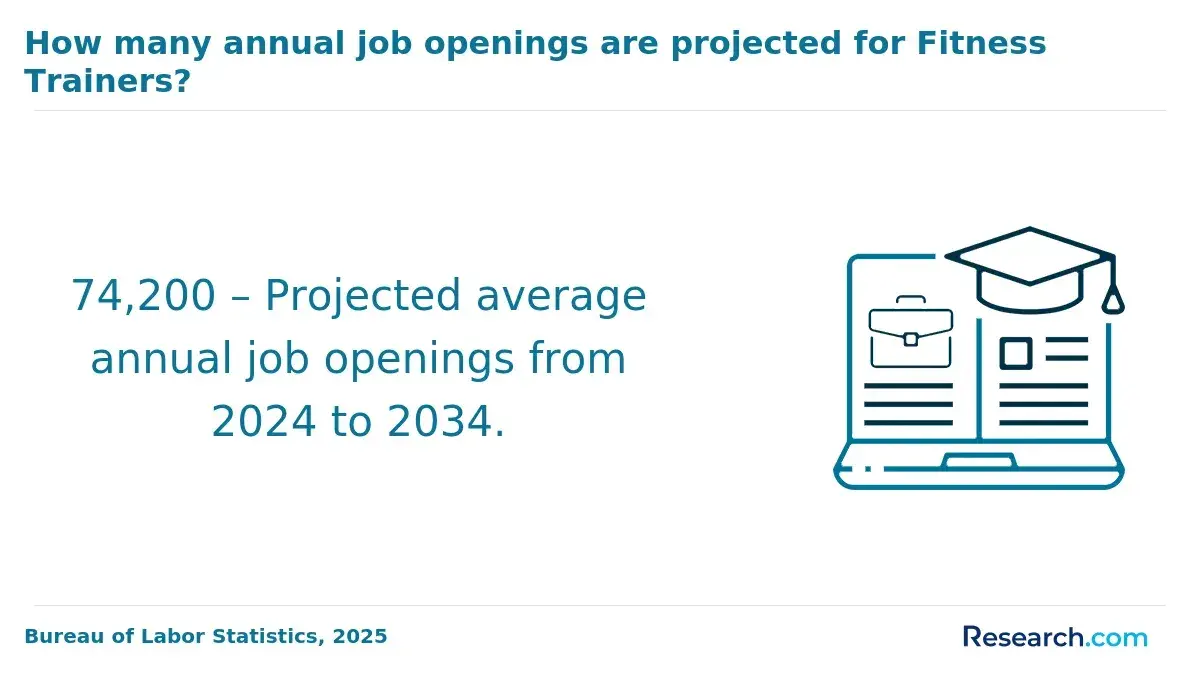
Salary outcomes are not guaranteed by a specialization. However, focused coursework can help students qualify for more specific roles. For example, coaches and scouts with a master’s in sports management earn an average salary of $45,920 (BLS, 2024), and a concentration in coaching, leadership, or athletic administration may align more directly with those career paths.
How to choose the best online master's degree in sports management program
The best online sports management master’s program is the one that fits your target role, schedule, budget, and need for applied experience. A fast completion timeline can be valuable, but it should not outweigh accreditation, curriculum quality, or career relevance.
- Confirm institutional accreditation first. Accreditation affects financial aid eligibility, credit recognition, and employer confidence. Do not rely only on marketing language; verify the accreditor through official school and accreditor sources.
- Match the curriculum to your career goal. Athletic administration, sport marketing, facilities, coaching, recreation, and esports require different skill sets. Review course descriptions, not just program titles.
- Calculate total cost, not just tuition per credit. Include fees, books, technology costs, internship expenses, and financing costs. Students focused on affordability, similar to those comparing the cheapest online LPC programs, should also ask about scholarships, employer support, and payment plans.
- Evaluate the pace honestly. A 12-month program may be difficult during coaching seasons, travel-heavy jobs, or major life obligations. Ask how many hours per week students typically spend on coursework.
- Review applied learning requirements. Capstones, internships, consulting projects, and portfolios can help students demonstrate skills to employers.
- Compare student and career support. Look for career advising, alumni networks, internship guidance, resume help, faculty access, and employer connections.
- Ask about online course format. Asynchronous classes offer flexibility; live classes can provide structure and interaction. Choose the format that matches how you learn best.
Questions to ask before applying
- Is the institution accredited by a recognized accrediting body?
- Can the program be completed in as few as 12 months, and what course load does that require?
- Are classes asynchronous, synchronous, or a mix of both?
- Does the program include a capstone, internship, practicum, or portfolio?
- What sports industry roles do recent graduates pursue?
- Are online students eligible for the same financial aid and career services as campus students?
- What fees are charged beyond tuition?
- Does the curriculum include the specialization or skill area you need?
Common mistakes to avoid
| Mistake | Why it can hurt you | Better approach |
| Choosing the fastest program without checking accreditation | Accreditation can affect aid, transferability, and employer recognition | Verify accreditation before applying |
| Comparing only per-credit tuition | Fees and total credit requirements can change the real cost | Calculate total program cost before deciding |
| Assuming online means easy | Accelerated courses can be demanding and deadline-heavy | Review weekly workload and term length |
| Ignoring applied experience | Sports employers often value experience and networks | Prioritize internships, capstones, projects, or portfolio work |
| Choosing a broad program when you need a specific path | The wrong curriculum may not support your target role | Match electives and projects to athletic administration, marketing, facilities, or another focus area |
| Assuming salary outcomes are guaranteed | Pay depends on role, location, experience, employer, and industry segment | Research job postings and talk with professionals in your target area |
What career paths are available for graduates of the fastest online master's degree in sports management programs?
Graduates of online master’s programs in sports management can pursue administrative, operational, marketing, event, recreation, and leadership roles. The degree is most useful when combined with relevant experience, internships, coaching background, business skills, or a strong professional network.
| Career path | Typical responsibilities | Helpful preparation |
| Athletic Director | Oversees sports programs, budgets, staff, compliance, and department operations | Leadership, compliance, budgeting, and knowledge of athletic director requirements |
| Sports Marketing Manager | Develops promotions, sponsorship campaigns, branding, and fan engagement strategies | Marketing, analytics, media, sponsorship, and communication coursework |
| Event Coordinator | Plans tournaments, game-day operations, live broadcasts, staffing, and logistics | Event management, facility operations, risk management, and vendor coordination |
| Facility Manager | Runs sports complexes, stadiums, arenas, or recreation facilities | Budgeting, safety, scheduling, staffing, and operations management |
| Sports Agent or Talent Manager | Supports athletes with contracts, branding, endorsements, and career planning | Sport law, negotiation, marketing, ethics, and relationship-building skills |
| Operations Manager | Coordinates schedules, travel, staff, equipment, and organizational logistics | Leadership, finance, project management, and sport operations |
| Community or Recreation Director | Manages youth leagues, community programs, nonprofit recreation, and wellness activities | Program planning, budgeting, community engagement, and staff supervision |
| Esports Manager | Coordinates gaming teams, competitions, sponsorships, content, and digital communities | Esports management, digital marketing, event planning, and partnership development |
Zippia data from 2024 show that 39.1% of sports management professionals majored in kinesiology, while 20.4% studied business. That pattern reflects the field’s blend of athletics, administration, operations, marketing, and organizational leadership. Students should use their master’s program to fill skill gaps from their undergraduate background.
What is the job market for graduates of the fastest online master's degree in sports management programs?
The job market for sports management graduates spans professional sports, college athletics, school athletics, recreation, fitness, events, marketing, media, and emerging digital sports sectors. The strongest candidates usually combine graduate education with hands-on experience, relevant internships, technology skills, and strong industry relationships.
According to the U.S. Bureau of Labor Statistics, employment in sports-related fields is projected to grow between 7% and 13% through 2030, depending on the role. The broader sports sector includes around 108,900 average annual job openings, with entry-level salaries ranging from $35,000 to $50,000 and mid- to senior-level salaries ranging from $80,000 to over $100,000, especially in operations, marketing, or consulting roles.
Students should interpret these figures carefully. Sports management is competitive, and job outcomes vary by location, employer type, prior experience, and professional network. A master’s degree can strengthen a résumé, but it does not replace internships, volunteer experience, event work, coaching exposure, or business skills.
As with professionals comparing social worker vs psychologist career paths, prospective sports management students should compare roles based on duties, required credentials, pay potential, advancement routes, and day-to-day work—not just job title.
How are online sports management programs adapting to evolving industry demands?
Online sports management programs are increasingly emphasizing digital fluency, analytics, virtual engagement, esports, sponsorship strategy, and remote collaboration. These changes reflect how sports organizations now operate across physical venues, streaming platforms, social media, mobile apps, and data-driven fan engagement systems.
Students should look for programs that teach practical tools and current business problems rather than relying only on traditional management theory. Relevant coursework may include sports analytics, digital marketing, media strategy, esports operations, and event technology. Similar to the way the fastest online bachelors in construction management degree responds to changing professional expectations in another industry, strong sports management programs should update coursework as employer needs evolve.
How can I verify the accreditation and academic quality of an online sports management program?
To verify quality, start with institutional accreditation. Check the school’s accreditation page, then confirm the accreditor through the accrediting agency or federal higher education resources. Accreditation helps indicate that the institution meets recognized academic standards and may affect financial aid eligibility.
Next, review program-level signals: faculty experience, curriculum details, internship or capstone requirements, student support, graduation requirements, and career services. Ask the school for transparent information about outcomes, online student support, and whether online students receive the same academic resources as campus learners. Students comparing management-focused graduate degrees, including the most affordable online MBA, should use the same level of scrutiny when judging academic quality and long-term value.
How can I excel in an online master’s program in sports management?
Success in an accelerated online sports management master’s program depends on planning, consistency, and professional engagement. The students who benefit most usually treat the program as both an academic credential and a career-building platform.
- Build a weekly schedule before classes begin. Block time for readings, discussions, group work, research, and major assignments.
- Use sports industry examples in projects. Whenever possible, connect coursework to your target role, such as athletic administration, marketing, events, or facilities.
- Network deliberately. Join virtual events, contact alumni, participate in discussion boards, and ask faculty about industry connections.
- Create work samples. Save marketing plans, facility proposals, research projects, and capstone materials that could support future job applications.
- Use support services early. Do not wait until you are behind to contact advisors, writing support, tutoring, or career services.
- Connect the degree to experience. Volunteer, intern, coach, assist with events, or seek work in athletics or recreation while studying if possible.
These habits are similar to those used by successful students in an MBA online degree: plan early, participate actively, build relationships, and translate coursework into practical business value.
What graduates say about online master's degree in sports management programs
- Ryan: "Completing my master’s online let me keep my full-time job while building the leadership and marketing skills I needed for the next step in sports business. The case-based assignments helped me connect classwork directly to the kind of work I wanted to do."
- Andrew: "The analytics coursework changed the way I think about performance, attendance, and fan behavior. I left with more than a credential; I had practical tools I could apply in a competitive industry."
- Luis: "I moved from athletic training toward management, and the online structure made that transition possible without giving up family time. The networking opportunities surprised me, and the program helped me feel ready to manage operations in a semi-pro setting."
References
- EducationData.org. (2024). Student loan debt by major. Education Data Initiative.
- National Center for Education Statistics. (2024). Indicator: College admissions and cost. In Condition of Education. U.S. Department of Education. National Center for Education Statistics.
- U.S. Bureau of Labor Statistics. (2024). Entertainment and sports occupations. In Occupational Outlook Handbook. U.S. Bureau of Labor Statistics.
- Zippia. (2024). Sports management worldwide careers demographics. Zippia.
Key Insights
- The fastest online master’s in sports management programs can be completed in as few as 12 months, but that pace requires full-time focus and strong time management.
- Most programs require 30 to 36 credits, so students should compare both credit requirements and per-credit tuition before estimating value.
- Accreditation should be the first filter. A fast program is not worth the risk if the institution does not meet recognized quality standards.
- Online programs are best for self-directed students who need flexibility; on-campus programs may offer stronger in-person networking and local athletic department access.
- Specializations matter. Athletic administration, marketing, event management, coaching leadership, and esports can lead to different coursework and career paths.
- Sports management careers are competitive. A master’s degree is strongest when paired with internships, event experience, coaching exposure, portfolio projects, or existing industry connections.
- Do not choose based on speed alone. The best program is the one that balances completion time, cost, curriculum, applied experience, and career support.
Other Things You Should Know About the Fastest Online Master's Degree in Sports Management Programs
Yes. Many 2027 accelerated online sports management master’s programs accept applicants from unrelated majors if they hold a regionally accredited bachelor’s degree and submit transcripts, a resume, and a statement of purpose. Some programs also require prerequisite coursework in business, statistics, or economics.
Yes, accelerated online sports management programs can qualify for federal financial aid in 2027, provided they meet accreditation standards. Students should check whether their chosen program is eligible by consulting the financial aid office of the respective institution.
Accreditation for the 2027 fastest online master's in sports management requires programs recognized by organizations like the Commission on Sport Management Accreditation (COSMA). Ensure the program meets these standards for quality education and meets federal and state requirements for financial aid.
In 2027, fast-track online sports management master’s programs typically offer condensed schedules, allowing completion in 12-18 months, compared to two years for traditional programs. They often prioritize flexibility and self-paced learning, using digital platforms for coursework delivery. Meanwhile, traditional programs may provide more face-to-face networking opportunities and campus resources.


