2027 Best Online Business Degree Programs

Co-Founder and Chief Data Scientist
Choosing an online business degree is not just a question of convenience. It is a decision about cost, accreditation, career direction, schedule fit, and whether the credential will help you compete for business roles in management, marketing, finance, operations, analytics, entrepreneurship, or graduate study. Online business programs can work especially well for working adults, transfer students, military learners, parents, and career changers who need a flexible path to a recognized degree without relocating or pausing their jobs.
This guide explains what to expect from an online business degree, how online programs compare with campus-based options, what they may cost, which schools stand out, what employers look for, and how to evaluate return on investment before enrolling. You will also find practical steps for comparing programs, avoiding common mistakes, and choosing a business degree that supports your career goals.
Quick answer: Is an online business degree worth it?
An online business degree can be worth it when the program is properly accredited, fits your schedule, offers the specialization you need, and has a realistic total cost compared with your expected career outcomes. The strongest programs combine flexible coursework with career support, business technology training, applied projects, and access to faculty or alumni networks. Salary outcomes vary by role, location, industry, experience, and degree level, but business graduates can pursue roles in corporate management, marketing, finance, accounting, operations, analytics, consulting, entrepreneurship, and technology-focused business functions.
What are the main benefits of earning a business degree online?
- Flexibility: Many online business programs let students complete coursework from any location with reliable internet access, making them practical for learners who work or manage family responsibilities.
- Career range: Business degrees can lead to roles across industries, including marketing, finance, consulting, technology, healthcare, retail, manufacturing, and nonprofit management.
- Potential earnings: Advertising, promotions, and marketing managers earn an average of $156,580 annually, although individual salaries depend on experience, employer, geography, and job responsibilities.
- Program variety: Online learners can choose from general business, business administration, accounting, finance, management, marketing, analytics, entrepreneurship, supply chain, and MBA pathways offered by institutions in different regions.
- Continued employment: Because many programs are asynchronous or part-time friendly, students may be able to continue earning income while completing their degree.
What can I expect from an online business program?
An online business program usually delivers courses through a learning management system where students access lectures, readings, assignments, quizzes, exams, discussion boards, and project instructions. Depending on the school, courses may be asynchronous, with weekly deadlines but no set meeting time, or synchronous, with live virtual sessions. Some programs blend both formats.
Business coursework often combines theory with applied work. Students may analyze case studies, complete group projects, create marketing plans, build financial models, study organizational problems, or use simulations that mirror real business decisions. The best online programs do more than post recorded lectures; they create opportunities for collaboration, faculty feedback, networking, and practical skill development.
Common features of online business programs
- Core business foundation: Students typically study management, accounting, finance, economics, marketing, business law, operations, and strategy.
- Digital collaboration: Group assignments, peer discussions, video meetings, and shared project tools are common in online business courses.
- Applied assignments: Many programs require business plans, data analysis, presentations, capstone projects, or case-based problem solving.
- Student support: Strong programs provide academic advising, tutoring, library access, technology support, and career services for online learners.
- Specialization options: Depending on the school, students may focus on areas such as accounting, finance, analytics, entrepreneurship, marketing, supply chain, or management.
Where can I work with an online business degree?
A business degree is broad by design, which means graduates can apply their skills in many types of organizations. The specific jobs you qualify for depend on your degree level, concentration, internship or work experience, technical skills, and professional network.
- Corporate business functions: Graduates may work in management, operations, human resources, project coordination, sales operations, finance, or strategy teams within corporations and large employers.
- Small business and entrepreneurship: Business coursework can help students understand budgeting, customer acquisition, operations, hiring, and growth planning for a startup or small company.
- Financial services: Students with finance or accounting training may pursue roles in banking, insurance, corporate finance, financial analysis, accounting support, or investment-related environments.
- Marketing and advertising: Marketing-focused graduates may work in brand management, digital marketing, market research, advertising agencies, corporate marketing departments, or promotional strategy.
- Supply chain and logistics: Business graduates with operations training may support procurement, inventory planning, vendor management, transportation, and distribution processes.
- Technology and analytics: Business programs with analytics, information systems, or digital transformation coursework can prepare students for data-informed roles that connect business strategy with technology tools.
How much can I make with an online business degree?
Earnings for business graduates vary widely. Your salary may depend on your role, degree level, years of experience, employer size, industry, location, technical skills, and whether you move into management. For example, advertising, promotions, and marketing managers earn about $156,580, while entrepreneurs may earn very different incomes depending on revenue, profitability, market demand, and business risk. With additional experience, specialized skills, and advanced education, some graduates move into senior leadership or technology management positions, such as computer and IT systems manager roles earning about $169,510.
Students should avoid treating average salaries as guaranteed outcomes. A business degree can improve access to opportunities, but career results depend heavily on internships, portfolio projects, work history, networking, certifications, and the reputation and accreditation of the program.
- 2027 ranking of top online business schools
- How long does an online business degree take?
- What is the ROI of an online business degree?
- Online business degree vs. campus program
- Average cost of an online business degree
- Financial aid for online business students
- Admission requirements for online business programs
- Typical courses in an online business degree
- How to evaluate a business administration degree
- Online business degree specializations
- How to choose the best online business program
- Why accreditation affects degree value
- Career paths for online business accounting graduates
- Do employers respect online business degrees?
- Job market for online business graduates
- Career support for online business students
- How business degrees help students manage organizations
- Challenges in online business programs and how to handle them
- Can an online DBA support executive-level goals?
- How online business degrees address global business issues
- How digital platforms improve online business education
- Accelerated online business degrees
2027 List of the Best Online Business Schools
How do we rank schools?
Research.com evaluates online business programs with a focus on academic quality, student relevance, affordability indicators, institutional credibility, and available program information. Our team uses our methodology to organize rankings in a transparent way and help readers compare schools more efficiently. Ranking lists should be used as a starting point, not as the only factor in your decision. Always confirm tuition, transfer policies, accreditation, curriculum, and admission requirements directly with the institution before applying.
Our ranking process also draws from recognized education data sources, including:
1. Pennsylvania State University, World Campus
Penn State World Campus’ online business degrees are built for learners who need a flexible schedule while completing a business credential from the online campus of Pennsylvania State University. Courses are delivered through a centralized online platform and combine independent study with interaction among classmates. The program is a strong option for adults who want a structured business curriculum without attending campus-based classes.
- Program Length: Four Years
- Tracks/concentrations: accounting, financial services, entrepreneurship, health services, management and marketing, and more.
- Cost per credit: $620 per credit (for 59 or fewer credits), $664 (for 60 or more credits).
- Required Credits to Graduate: 120
- Accreditation: Association to Advance Collegiate Schools of Business (AACSB)
2. University of Massachusett, Amherst
The University of Massachusetts Amherst offers an online bachelor in business administration degree through the Isenberg School of Management. This completion-focused option is designed for students balancing school with work, family, or a career transition. Applicants need at least 27 transferable credits and may take up to 15 credits before applying or while their applications are under review. The degree can be completed 100% online, and students can access course material on a flexible schedule.
- Program Length: Four Years
- Tracks/concentrations: accounting, finance, management, marketing, and operations and information management
- Cost per credit: $475 per credit (summer fee), $482 per credit (fall fee)
- Required Credits to Graduate: 120
- Accreditation: AACSB
3. East Texas A&M University
The College of Business at East Texas A&M University offers an online BS in business administration completion program with an Interdisciplinary Studies Minor. Courses are taught by the same faculty who teach campus-based classes, which can appeal to students who want online access without a separate academic experience. Depending on the course, students may study fully online, in a hybrid format, or face-to-face. Learners may also complete 50% or more of the required program credits at the Texas A&M University Dallas campus.
- Program Length: Four Years
- Tracks/concentrations: accounting, applied economics, business analytics, general business, and more.
- Cost per credit: $593 (in-state), $1000 (out-of-state).
- Required Credits to Graduate: 120
- Accreditation: AACSB
4. Brenau University
Brenau University provides a bachelor in business administration program, along with BA and BS business-related degree options, concentrations, and minors. Students may choose online or campus-based study depending on their needs. Its online learning environment is designed for both new and returning students who want to manage assignments, projects, and classes with greater scheduling flexibility.
- Program Length: Four Years
- Tracks/concentrations: accounting, finance, marketing, general business, and more.
- Cost per credit: $560
- Required Credits to Graduate: 120
- Accreditation: AACSB
5. University of Arkansaw at Little Rock
The University of Arkansas at Little Rock operates UA Little Rock Online and offers an online bachelor of business analytics among other business-related majors. The online format is intended for both first-time and continuing students who need a flexible academic schedule. Courses are taught by faculty who also teach in face-to-face settings, and online students can use the university’s academic resources.
- Program Length: Four Years
- Tracks/concentrations: accounting, business analytics, business information systems, economics, and more.
- Cost per credit: $280 per credit hour, $216.50 per credit hour (military and veteran rates), $235 (for business & EIT programs).
- Required Credits to Graduate: 120
- Accreditation: Higher Learning Commission
6. Florida International University
Florida International University offers an online BBA major in management degree program focused on organizational management foundations. Coursework includes topics such as the legal environment of business, operations management, and applied macroeconomics. Students develop skills for evaluating business challenges, managing costs, and making decisions in organizational settings.
- Program Length: Four Years
- Tracks/concentrations: N/A
- Cost per credit: $235 (in-state), $648 (out-of-state).
- Required Credits to Graduate: 120
- Accreditation: AACSB
7. Indiana University
Indiana University offers a fully online and accelerated BSBA degree program that emphasizes business communication, data analysis, and employer-relevant skills. Students study key business areas such as economics, management, marketing, finance, and information systems. The flexible course format can help students balance degree completion with work and personal obligations.
- Program Length: At least three years
- Tracks/concentrations: accounting, economics, finance, and marketing
- Cost per credit: $249.73 (in-state), $365.31 (out-of-state).
- Required Credits to Graduate: 120
- Accreditation: AACSB
8. Bellevue University
Bellevue University’s online BS in business degree program gives students an accelerated option for developing broad business knowledge. The curriculum includes economics, marketing, finance, accounting, and information management. Students who already hold an associate degree may transfer at least 60 credits from a prior institution and complete the degree through an accelerated cohort model.
- Program Length: At least three years
- Tracks/concentrations: N/A
- Cost per credit: $449
- Required Credits to Graduate: 127
- Accreditation: HLC
9. Boston University
Boston University offers an online MBA program for students who already hold a bachelor’s degree and want graduate-level business training. Learners can access a student success specialist, the BU job board, the BU library, and other university resources. The program includes a capstone project, completed individually or in a team, where students apply business concepts to practical scenarios. It may also suit students whose undergraduate degree was outside business but who want to move into business-focused roles.
- Program Length: Two Years
- Tracks/concentrations: N/A
- Cost per credit: $4,167 per module
- Required Credits to Graduate: 36
- Accreditation: AACSB
10. Arizona State University
Arizona State University offers several online business degree program options for students comparing different business directions. ASU lists over 40 online business degrees, including programs in sports business, organizational management, technological leadership, and other specialized areas. Students and alumni can also access career resources such as mentorship, career fairs, career advice, and interview support.
- Program Length: Four Years
- Tracks/concentrations: economics, global management, financial planning, international trade, marketing, and more.
- Cost per credit: $592
- Required Credits to Graduate: 120
- Accreditation: AACSB
What graduates say about earning a business degree online
-
: "
"Choosing to pursue my business degree online was one of the best decisions I ever made. Not only did it allow me to continue working full-time while advancing my education, but it also provided me with invaluable networking opportunities and real-world skills that propelled my career forward. Thanks to my online business degree, I've been able to secure a promotion and increase my earning potential significantly." - Donny
"
-
: "
"As a busy parent juggling multiple responsibilities, pursuing an online business degree gave me the flexibility I needed to balance my studies with my family and work commitments. The interactive online platform and supportive faculty made the learning experience engaging and rewarding. Now, armed with my online business degree, I've transitioned into a leadership role where I can make a meaningful impact on my organization's success." - Martha
"
-
: "
"I was initially skeptical about the effectiveness of online education, but my experience pursuing a business degree online exceeded all expectations. The convenience of studying from anywhere and accessing resources at any time allowed me to tailor my learning experience to fit my busy lifestyle. With my online business degree in hand, I've been able to pivot into a new industry and pursue my passion for entrepreneurship with confidence." - Teri
"
Key findings for prospective online business students
- Most online undergraduate business degrees are designed to take about four years, though transfer credits and accelerated formats can shorten the timeline.
- Marketing managers earn an average of $157,620 annually, but salaries vary by role, employer, experience, and market conditions.
- Employers generally place more confidence in business degrees from accredited institutions, especially those with recognized business accreditation such as AACSB.
- Business graduates can compete for roles in finance, marketing, consulting, technology, operations, management, and entrepreneurship.
- A business degree can support both employment and business ownership, but students should build practical experience alongside coursework.
How long does it take to complete an online business degree program?
The completion time depends on the degree level, enrollment pace, transfer credits, and whether the program follows a traditional or accelerated format. A typical online bachelor’s degree in business takes about four years. Accelerated bachelor’s options may take about three years. An online master’s degree in business administration generally takes about two years of full-time study. Students entering with an associate degree or a large number of transfer credits may finish faster, while part-time learners may take longer.
What is the return on investment of an online business degree?
The return on investment, or ROI, of an online business degree depends on how much you pay, how long you study, how much debt you take on, whether you can keep working while enrolled, and how the degree affects your career options. A low-cost program with strong accreditation, transfer-credit flexibility, and relevant career support may offer a better ROI than a more expensive program with limited advising or weak employer recognition.
How to think about ROI before enrolling
- Total cost matters more than advertised tuition: Include fees, books, technology costs, residency requirements, lost work hours, and interest on loans.
- Transfer credits can change the calculation: Students who transfer prior college credits may reduce both cost and time to completion.
- Work-friendly formats may protect income: Online study can allow students to continue working, which may reduce the opportunity cost of earning a degree.
- Career outcomes are role-specific: Marketing managers earn around $157,620 annually, while financial analysts can earn upwards of $85,660, but these figures do not guarantee individual earnings.
- Advancement may take time: A degree can help with promotions or career transitions, but experience, performance, networking, and technical skills also matter.
ROI questions to ask yourself
- How much will the full degree cost after transfer credits, scholarships, employer aid, and fees?
- Will I need student loans, and what monthly payment could I manage after graduation?
- Does the program lead to the specific roles I want, or is a more specialized degree better?
- Can I complete internships, projects, certifications, or portfolio work while enrolled?
- Will the school’s career services support online students as actively as campus students?
Many students considering management-focused roles compare general business options with an online business management degree to see which curriculum better matches their goals. The best choice is the one that connects cost, accreditation, coursework, and target career path.
How does an online business degree program compare to an on-campus program?
Online and campus-based business programs can cover similar academic content, but the learning experience is different. Online programs usually offer more schedule flexibility and reduce commuting, while campus programs provide more immediate in-person access to classmates, professors, student organizations, and local recruiting events. Neither format is automatically better. The right choice depends on how you learn, how much structure you need, and what support services the school provides.
| Factor | Online business degree | On-campus business degree |
| Best for | Working adults, parents, military learners, transfer students, and students who need location flexibility | Students who want face-to-face learning, campus life, and frequent in-person networking |
| Schedule | Often asynchronous or part-time friendly, though some programs include live sessions | Usually follows fixed class times and a campus calendar |
| Networking | Requires more intentional effort through virtual events, group projects, alumni platforms, and LinkedIn | Built into classroom discussions, student clubs, employer visits, and campus events |
| Cost considerations | May reduce commuting and relocation costs, but technology and online fees may apply | May include transportation, housing, parking, and campus-based fees |
| Learning style | Works best for self-directed students with strong time-management habits | Works well for students who prefer routine, face-to-face discussion, and immediate classroom structure |
What is the average cost of an online business degree program?
The cost of an online business degree varies by school type, residency status, degree level, number of transfer credits, and program length. For example, a BS in business degree program from Penn State can cost around $79,680, while a BSBA degree from Indiana University can cost around $30,000 (in-state) and $43,920 (out-of-state). A BBA in management from Florida International University can cost around $28,320 (in-state) and $77,880 (out-of-state), while a BSBA degree from TAMUC can cost around $71,160 (in-state) and $120,000 (out-of-state).
Before choosing a program, calculate the full cost to graduate rather than comparing only the per-credit price. Ask whether tuition differs for upper-division credits, whether online students pay separate technology fees, and whether transfer credits will actually apply to degree requirements.
What are the financial aid options for students enrolling in an online business degree program?
- Federal Student Aid: Eligible students can submit the Free Application for Federal Student Aid (FAFSA) to be considered for federal aid. Depending on eligibility, aid may include grants such as the Pell Grant and loans such as direct subsidized and direct unsubsidized loans.
- Scholarships and Grants: Schools, private foundations, employers, professional associations, and community organizations may offer awards for business students. Some are based on academic achievement, financial need, military status, location, career goals, or demographic criteria.
- Employer Tuition Assistance: Working adults should ask whether their employer reimburses tuition or pays directly for approved business courses. Some employers require students to maintain a certain grade or remain employed for a set period after receiving assistance.
- Military Benefits: Active-duty service members, veterans, and eligible dependents may be able to use education benefits such as the GI Bill. Students comparing affordable online options across fields may also review resources such as the cheapest engineering degree programs in the U.S. to understand how pricing models vary by discipline.
What are the prerequisites for enrolling in an online business degree program?
Admission requirements differ by school and degree level, but most online business programs ask applicants to show that they are academically prepared for college-level work. Completion programs may also require prior credits.
- Educational Background: Undergraduate applicants usually need a high school diploma or GED. Graduate applicants typically need a bachelor’s degree from an accredited institution. Students comparing undergraduate and graduate admission standards across helping-profession programs may also look at options such as an affordable human services degree online.
- Minimum GPA: Many online business programs set a minimum GPA. A GPA of 2.0 or higher on a 4.0 scale is common for undergraduate programs, although selective schools may require stronger academic records.
- Standardized Test Scores: Some programs request SAT or ACT scores for undergraduate applicants, while some graduate programs may ask for GRE or GMAT scores. Many schools now offer test-optional or waiver policies, so applicants should verify current requirements.
- Resume or Curriculum Vitae (CV): Some business programs, especially graduate or adult-completion programs, ask for a resume to understand the applicant’s work history, leadership experience, skills, and career goals.
- Transfer Credit Evaluation: Students with prior college coursework should request an official transfer review before enrolling so they know how many credits apply to the degree.
What courses are typically in an online business degree program?
Most online business degrees include a general education component, a business core, electives, and sometimes a concentration or capstone. Course titles vary by school, but students commonly encounter subjects like these:
- Introduction to Business: A broad survey of business organizations, ethical responsibilities, market environments, entrepreneurship, and the role of business in society.
- Principles of Management: A study of leadership, organizational behavior, motivation, communication, decision-making, and team performance. Related management concepts also appear in fields such as logistics and operations, including some of the cheapest online master's in supply chain management programs.
- Business Law and Ethics: An overview of contracts, employment law, regulatory compliance, intellectual property, torts, ethical decision-making, and corporate responsibility.
- Business Statistics: Training in data collection, probability, descriptive statistics, hypothesis testing, regression, forecasting, and business decision support.
- Business Strategy: A course focused on competitive analysis, strategic planning, innovation, implementation, and evaluating organizational performance.
- Financial Accounting: An introduction to financial statements, accounting principles, recording transactions, and interpreting financial information for business decisions.
What are the key considerations for choosing a business administration degree?
A business administration degree is often best for students who want broad preparation for management, operations, entrepreneurship, or graduate business study. It may be less ideal for students who already know they need a highly specialized path, such as public accounting, finance analytics, or supply chain engineering, unless the program offers a relevant concentration.
When comparing business administration programs, look at accreditation, curriculum depth, concentration options, faculty experience, transfer policies, career support, cost, and whether the format supports your work schedule. Students who are still deciding whether this major fits their goals can review whether a business administration degree is a good match for their interests, skills, and target job market.
What types of specializations are available in an online business degree program?
Specializations help students move beyond a general business foundation and develop skills for a more specific career track. Availability varies by school, so students should review the course catalog carefully before applying.
| Specialization | Best fit for students interested in | Common career directions |
| Accounting | Financial reporting, auditing, tax, cost analysis, and compliance | Accounting assistant, staff accountant, management accountant, auditor pathway |
| Finance | Investments, corporate finance, budgeting, financial planning, and risk | Financial analyst, banking associate, corporate finance analyst, financial services roles |
| Marketing | Brand strategy, consumer behavior, advertising, digital campaigns, and market research | Marketing coordinator, digital marketing specialist, brand assistant, market research roles |
| Management | Leadership, team performance, organizational design, and decision-making | Operations supervisor, management trainee, project coordinator, general manager pathway |
| Business Analytics | Data interpretation, reporting tools, forecasting, and evidence-based decisions | Business analyst, operations analyst, reporting analyst, analytics coordinator |
| Entrepreneurship | Business models, funding, startup planning, product development, and growth strategy | Founder, small business manager, venture support roles, innovation teams |
| Supply Chain or Operations | Process improvement, logistics, procurement, inventory, and production systems | Operations coordinator, procurement analyst, logistics specialist, supply chain associate |
How do I choose the best online business degree program?
The best online business degree is the one that fits your career target, budget, schedule, learning style, and transfer-credit situation. Use rankings to build a shortlist, then verify the details that directly affect your graduation timeline and employment prospects.
- Check accreditation first: Employers, graduate schools, and financial aid systems place more value on accredited institutions. For business programs, look for recognized institutional accreditation and, when available, programmatic accreditation from the Association to Advance Collegiate Schools of Business (AACSB) or recognized institutional bodies such as the Higher Learning Commission (HLC).
- Match the format to your life: Confirm whether the program is fully online or hybrid, whether any campus visits are required, and whether courses are asynchronous, synchronous, full-time, part-time, or cohort-based.
- Review the curriculum carefully: Do not choose a school based only on the degree title. Compare required courses, electives, concentration options, capstones, internships, simulations, and business technology tools.
- Ask about transfer credits: Students with prior coursework should request a transfer evaluation before committing. A generous transfer policy can reduce cost and completion time.
- Evaluate career support: Look for resume help, interview coaching, internship support, alumni networking, employer events, career platforms, and access to business-specific advisors.
- Calculate total cost: Compare the full cost to graduate, including tuition, fees, books, technology charges, and loan interest.
Questions to ask admissions before enrolling
- Is the institution regionally or nationally accredited, and is the business school separately accredited?
- How many of my previous credits will apply directly to the business degree?
- Are online students eligible for the same career services as campus students?
- Are there required live class meetings, proctored exams, internships, or campus visits?
- What percentage of courses are taught by full-time faculty versus adjunct instructors?
- Can I switch between part-time and full-time enrollment if my work schedule changes?
- What business software, analytics tools, or certification preparation are included?
How Do Accreditation and Quality Standards Impact an Online Business Degree's Value?
Accreditation is one of the most important quality signals in online education. It shows that a school or program has been reviewed against academic standards for curriculum, faculty qualifications, student support, institutional stability, and learning outcomes. Accreditation can also affect transfer credits, access to financial aid, graduate school admission, and employer confidence.
Students should verify accreditation directly with the school and the accreditor rather than relying only on marketing language. If affordability is a major concern, compare cost and accreditation together. For example, students looking for a lower-cost starting point may explore the cheapest online associate's degree in business while still checking whether credits will transfer into a bachelor’s program.
What career paths are available for graduates of online business accounting degree programs?
Business accounting programs prepare students for roles that combine financial information, compliance, analysis, and decision support. Some accounting careers require additional credentials or specific coursework, so students should check state and employer requirements if they plan to pursue licensure or advanced accounting roles.
- Entrepreneurship: Graduates with accounting knowledge may start bookkeeping, accounting support, consulting, tax, or financial advisory businesses, depending on their credentials and legal requirements.
- Management Accountant: Management accountants analyze internal financial information to help organizations control costs, evaluate performance, plan budgets, and improve profitability.
- Academic or Researcher: Some graduates eventually pursue teaching or research after additional graduate study. Students comparing leadership-focused education pathways may also review options such as the cheapest online educational leadership program if they are considering administrative roles in educational settings.
- Financial Analyst: Financial analysts review data, evaluate investment or business opportunities, and provide recommendations to companies, financial institutions, investors, or internal leadership teams.
- Accounting Support Roles: Bachelor’s graduates may pursue staff accountant, audit associate, accounts payable specialist, payroll analyst, or tax preparation roles, depending on coursework and experience.
Do Employers Recognize and Value Online Business Degrees?
Many employers focus less on whether a degree was completed online and more on whether the institution is accredited, the curriculum is rigorous, and the graduate can demonstrate relevant skills. Online business students can strengthen employer confidence by choosing a reputable school, completing applied projects, gaining experience through internships or work-based learning, and learning current business tools.
Graduate-level business credentials can also support advancement when they align with a student’s goals. Learners comparing cost-conscious graduate options may review the cheapest 1-year online MBA programs, but should also examine accreditation, workload, admissions standards, and career outcomes before choosing a fast or inexpensive program.
What is the job market for graduates with an online degree in business?
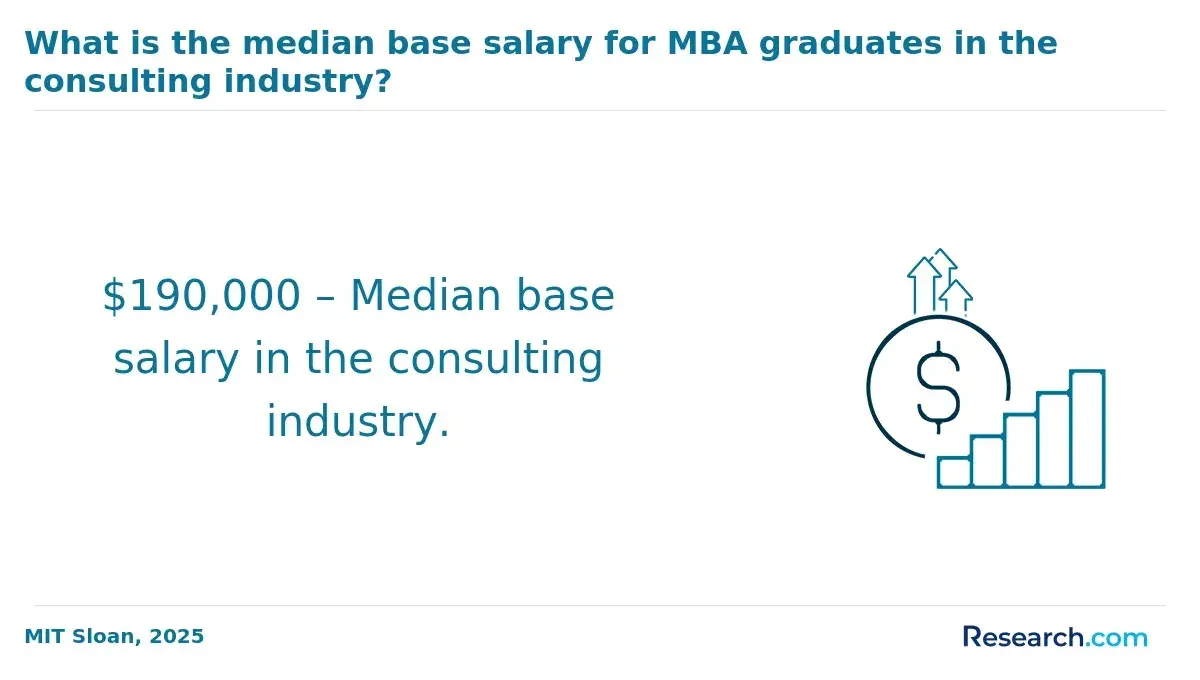
The job market for business graduates is broad because nearly every organization needs people who understand finance, operations, marketing, technology, strategy, and people management. MBA hiring is especially visible in consulting, financial services, and technology. In 2024, 36% of employers in the consulting industry hired MBA graduates, while 27% of financial services companies hired MBA graduates. The technology industry follows closely, with strong hiring interest in MBA graduates.
Online business graduates can also find opportunities in healthcare, manufacturing, retail, hospitality, nonprofit organizations, and government-adjacent organizations. However, a degree alone is rarely enough for the most competitive roles. Students should build experience through internships, part-time jobs, consulting projects, volunteer leadership, business competitions, certifications, or portfolio work.
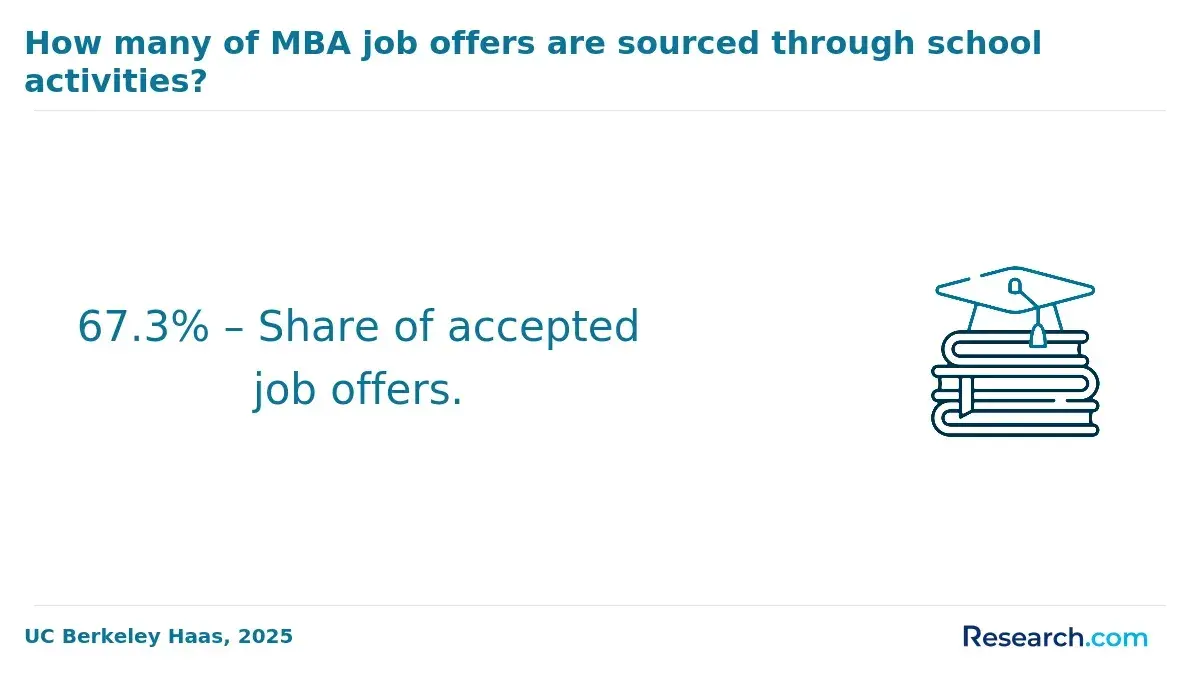
What types of career support resources are available for online business students?
Career support can make a major difference for online learners, especially those who are changing careers or studying far from campus. Before enrolling, ask whether online students receive the same access to career services as in-person students.
- Virtual Career Counseling: Students may receive one-on-one help with resumes, interview preparation, job search strategy, salary conversations, and career planning.
- Job Placement Assistance: Some programs provide employer partnerships, job boards, virtual career fairs, recruitment events, and curated postings for business students.
- Internship and Externship Opportunities: Online programs may help students find remote, local, or flexible experiential learning opportunities in finance, marketing, consulting, analytics, or management.
- Workshops and Webinars: Business schools often host sessions on leadership, data analytics, digital marketing, negotiation, entrepreneurship, networking, and industry trends.
- Networking Platforms and Alumni Groups: Alumni networks, virtual communities, mentorship programs, and professional groups can help students build relationships outside their immediate classroom.
- Certifications and Specialized Training: Some schools incorporate or recommend credentials in project management, digital marketing, data analytics, business software, or leadership.
How can a business degree help students run businesses of different sizes?
A business degree can help students understand how organizations make money, manage resources, serve customers, lead employees, and adapt to competition. Those skills apply differently depending on whether the student wants to run a startup, manage a department, or contribute to a large corporation.
For small business owners, business coursework can provide practical grounding in cash flow, pricing, customer acquisition, marketing, hiring, basic accounting, and legal considerations. Entrepreneurs often need to make decisions across many functions, so a broad business curriculum can be useful.
For medium-sized organizations, business training often becomes more focused on systems, scaling, process improvement, budgeting, and team leadership. Courses in project management, organizational behavior, and strategy can help future managers coordinate people and resources as operations become more complex.
In large corporations, business graduates may specialize in finance, supply chain, analytics, marketing, human resources, or operations. They may need to interpret data, manage cross-functional teams, support strategic planning, and communicate with stakeholders across departments or regions.
Students who want to enter the workforce quickly or complete a credential on a compressed schedule may compare the fastest online business degree programs, but speed should not come at the expense of accreditation, support, or curriculum fit.
What Challenges Might You Face in an Online Business Degree Program and How Can You Overcome Them?
Online business programs are flexible, but they require discipline. Common challenges include time management, isolation, group project coordination, technology issues, limited in-person networking, and uncertainty about hidden costs. Students can reduce these risks by setting a weekly study schedule, attending virtual office hours, joining online student groups, communicating early with teammates, and using academic advising before problems become serious.
Cost is another common challenge. Tuition is only one part of the financial picture, so students should review fees, books, transfer-credit policies, financial aid, and payment deadlines. If price is your primary filter, compare the full business administration degree online cost across accredited options before applying.
Common mistakes to avoid
- Choosing a program without verifying accreditation: Always confirm institutional and business accreditation through official sources.
- Comparing only tuition per credit: Look at the total cost to graduate, including fees, books, technology, and repeated courses.
- Assuming all credits will transfer: Request a written transfer evaluation before enrolling.
- Ignoring career services: A flexible program is less valuable if it provides weak job-search support.
- Selecting a specialization too casually: Make sure the concentration matches your target roles and includes practical skills employers use.
- Relying only on rankings: Rankings can help you build a list, but your final choice should reflect cost, fit, accreditation, curriculum, and outcomes.
- Assuming salary outcomes are guaranteed: Salary averages are useful context, not promises.
Can an Online DBA Open Doors to Advanced Leadership Roles?
An online Doctor of Business Administration, or DBA, is designed for experienced professionals who want to apply advanced research and strategic decision-making to complex organizational problems. It is different from an MBA because it typically emphasizes applied research, executive analysis, and evidence-based leadership at a higher academic level.
A DBA may support goals in senior management, consulting, organizational leadership, entrepreneurship, or academic-adjacent roles, but it is a major time and financial commitment. Professionals comparing doctoral options should review curriculum, dissertation or research project requirements, faculty expertise, residency expectations, and cost. Value-focused learners may start by comparing the most affordable online DBA programs.
How Does an Online Business Degree Prepare You for Global Business Challenges?
Business increasingly depends on global suppliers, international customers, distributed teams, cross-border regulation, currency risk, and digital collaboration. Online business programs can prepare students for this environment through coursework in global strategy, international trade, multicultural communication, economics, analytics, and virtual teamwork.
Students who want international leadership exposure should look for programs with global business courses, case studies involving multinational companies, diverse student cohorts, and projects that require analysis of international markets. Accelerated graduate routes, including the fastest online MBA program options, may appeal to professionals who need a quicker pathway, but they should still verify whether the curriculum includes global leadership and strategy content.
How do innovative digital platforms enhance online business education?
Modern online business education relies on more than video lectures. Strong programs use discussion boards, collaboration platforms, business simulations, analytics dashboards, virtual presentations, adaptive learning tools, and digital case studies to help students practice real decision-making. These tools can make online learning more active and can help students build skills they will use in remote and hybrid business environments.
Technology is most valuable when it supports meaningful learning outcomes. Students should ask whether the program includes simulations, data tools, real-time feedback, group projects, and applied assessments. Some accelerated graduate formats, including the best accelerated MBA programs, use digital platforms to compress delivery while still emphasizing practical business application.
Accelerated Online Business Degrees: Fast-Track Your Career Success
Accelerated online business degrees are designed for students who want to finish faster than a traditional schedule allows. They may use shorter terms, heavier course loads, year-round enrollment, generous transfer credit, or cohort-based pacing. These programs can be useful for motivated learners, but they are not ideal for everyone.
Benefits of accelerated business degrees
- Time Efficiency: Students may complete the degree sooner and move into the job market, graduate school, or promotion opportunities more quickly.
- Cost Savings: A shorter timeline may reduce some fees and opportunity costs, especially for students who can transfer credits or maintain steady progress.
- Career Advancement: Accelerated study can help working professionals gain business credentials at a faster pace when the program aligns with their career plan.
Who should be cautious about accelerated programs?
- Students who work long hours and cannot commit to intensive weekly coursework
- Learners who need more time for math-heavy, accounting, finance, or analytics courses
- Students who want extensive internships, campus involvement, or slow-paced exploration before choosing a specialization
- Applicants who are choosing speed over accreditation, support, or curriculum quality
When comparing accelerated programs, look for strong advising, clear transfer-credit rules, realistic workload expectations, and courses that match your target career. Institutions such as Bellevue University offer tailored accelerated business degree options, but students should compare multiple schools before deciding.
Current trends affecting online business degrees
- Employers want applied skills: Business graduates are increasingly expected to understand data, digital tools, collaboration platforms, and measurable business outcomes.
- AI is changing business work: Students should look for coursework that addresses analytics, automation, decision support, digital strategy, and responsible technology use.
- Online learning is more mainstream: Employer acceptance is strongest when the degree comes from an accredited institution with a rigorous curriculum.
- Transfer-friendly pathways matter: Many adult learners reduce cost and time by applying associate degree credits, prior college work, or approved professional learning.
- Cost scrutiny is increasing: Students are comparing total price, financial aid, employer tuition assistance, and likely career value before committing.
Key Insights
- An online business degree can be a strong choice for students who need flexibility, but the value depends on accreditation, cost, curriculum, support services, and career alignment.
- Do not choose a program based only on ranking or tuition per credit. Calculate the full cost to graduate and confirm how transfer credits apply.
- Business degrees are versatile, but specialization matters. Accounting, finance, marketing, management, analytics, entrepreneurship, and supply chain tracks lead to different skill sets and job markets.
- Employers are more likely to respect an online business degree when it comes from an accredited school and the graduate can show practical experience, business tools, projects, and communication skills.
- Accelerated programs can save time, but they require strong discipline and may not fit students who need a slower pace or more hands-on support.
- The best next step is to shortlist accredited programs, compare total cost and transfer policies, review career services, and ask admissions for written answers before enrolling.
Resources:
- Bellevue University. (n.d.). Bachelor of Science Business Degree. https://www.bellevue.edu/degrees/bachelor/business-bs
- Boston University. (n.d.). Online MBA. https://www.bu.edu/questrom/degree-programs/online-mba
- Florida International University. (n.d.). Online BBA in Management. https://fiuonline.fiu.edu/programs/online-undergraduate-degrees/bachelor-of-business-administration-in-management.php
- Indiana University. (2024). Business Administration, B.S. https://online.iu.edu/degrees/business-administration-bs-undergraduate.html
- Krause, S. (2024). Georgetown MBA Class of 2024 Secures Impactful Career Opportunities After Graduation. Georgetown University. https://msb.georgetown.edu/news-story/career/georgetown-mba-class-of-2024-secures-impactful-career-opportunities-after-graduation/
- Pennsylvania State University. (n.d.). Bachelor of Science in Business. https://www.worldcampus.psu.edu/degrees-and-certificates/penn-state-online-business-bachelor-of-science-degree#costs
- Texas A&M University-Commerce. (n.d.). Cost of Attendance. https://www.tamuc.edu/undergraduate/cost/#tamuc-section-188571
- U.S. Bureau of Labor Statistics. (2025). Advertising, Promotions, and Marketing Managers. https://www.bls.gov/ooh/management/advertising-promotions-and-marketing-managers.htm#tab-5
Other Things You Should Know About Online Business Degree Programs
2027's top online business degree programs require a reliable internet connection, a computer with updated software, and access to specific online learning platforms like Canvas or Blackboard. Some programs may also recommend external hardware like webcams for virtual meetings and proctored exams.
English proficiency is typically required for international students in 2027's best online business degree programs. Tests like TOEFL or IELTS are commonly accepted, with minimum scores varying by institution. Most programs expect a TOEFL score of at least 80 or IELTS 6.5.
Yes. A reputable online business degree program should be institutionally accredited by a U.S. Department of Education-recognized agency, and business schools often also hold AACSB, ACBSP, or IACBE accreditation. Employers and graduate schools use accreditation to judge quality and credit transferability.