
2027 Best Business Schools in New Jersey – Accredited Colleges & Programs

Co-Founder and Chief Data Scientist
Choosing a business school in New Jersey is not just about finding a recognizable name. It is a decision about cost, accreditation, career access, program format, internships, specialization, and whether the degree fits the industries where you want to work. New Jersey’s economy gives business students access to employers in pharmaceuticals, healthcare, finance, technology, logistics, manufacturing, and professional services, while its location between New York City and Philadelphia can expand internship and networking options.
This guide is designed for students comparing undergraduate business degrees, MBA programs, online business programs, and career-focused specializations in New Jersey. You will find a ranked school list, salary and job-market context, cost and financial aid information, program comparison tables, admissions expectations, common mistakes to avoid, and practical steps for choosing a business school that fits your goals.
Quick answer: Is a business degree in New Jersey worth considering?
A business degree in New Jersey can be a strong option if you want a flexible credential that applies across finance, marketing, operations, healthcare administration, accounting, management, consulting, entrepreneurship, and technology-related business roles. The best fit depends on your career target: students seeking corporate finance or analytics may prioritize AACSB-accredited schools and quantitative coursework, while working adults may benefit more from online, part-time, or accelerated formats.
What are the main benefits of earning a business degree in New Jersey?
- A business degree can prepare you for roles across banking and finance, technology, manufacturing, healthcare, logistics, consulting, marketing, accounting, operations, and nonprofit management.
- Median annual salaries in selected New Jersey business occupations include $89,720 for financial analysts, $150,840 for marketing managers, and $136,970 for operations managers, among others.
- Online business programs may reduce commuting costs and make it easier to study while working, although students should still compare tuition, fees, accreditation, internship access, and career support.
What can I expect from a business degree in New Jersey?
A business degree in New Jersey usually combines broad management training with quantitative, communication, and decision-making skills. Most programs require coursework in accounting, economics, finance, marketing, management, business law, statistics, information systems, and operations. Many schools also allow students to specialize in areas such as supply chain management, entrepreneurship, healthcare management, business analytics, international business, accounting, or digital marketing.
Students should expect a mix of lectures, case studies, group projects, presentations, simulations, internships, and capstone assignments. At the graduate level, MBA and specialized master’s programs often focus more heavily on leadership, strategic analysis, industry projects, and professional networking.
Who is a New Jersey business degree best for?
- Students who want a versatile major with multiple career pathways rather than one narrow occupational track.
- Working adults who want to move into management, finance, operations, marketing, analytics, healthcare administration, or entrepreneurship.
- Students who want access to employers in New Jersey, New York City, Philadelphia, and the broader Mid-Atlantic region.
- Professionals who already have technical, healthcare, legal, psychology, social service, or STEM experience and want stronger leadership or administrative skills.
Who should think carefully before enrolling?
- Students who strongly prefer a licensed profession with a fixed education pathway may need a more specialized degree or additional licensure preparation.
- Students who choose a program only because it is inexpensive may miss important factors such as accreditation, employer connections, transfer policies, and graduation support.
- Students who need CPA, teaching, healthcare, counseling, or other state-regulated credentials should confirm that their program satisfies the relevant education requirements before enrolling.
Where can I work with a business degree in New Jersey?
Business graduates in New Jersey can work in many settings because business training applies to revenue, people, operations, data, compliance, strategy, and customer needs. Common employers include banks, insurance companies, pharmaceutical firms, hospitals, technology companies, retail organizations, logistics companies, manufacturers, consulting firms, government agencies, nonprofits, and startups.
New Jersey’s position between New York City and Philadelphia can also matter. Students may be able to use internships, alumni relationships, employer events, and professional associations to build connections beyond their immediate campus. That advantage is most useful when a school has active career services, strong alumni engagement, and relationships with employers in the student’s target industry.
How much can I make with a business degree in New Jersey?
Salary outcomes depend on degree level, specialization, employer, location, work experience, internships, certifications, and the strength of your professional network. A business degree does not guarantee a specific salary, but it can support entry into fields where experienced professionals often earn competitive pay.
Selected median annual salaries for business-related occupations in New Jersey include financial analyst ($89,720), marketing manager ($150,840), management analyst ($98,040), and operations manager ($136,970). Students should compare salary data with program cost, debt, graduation time, and realistic entry-level roles before deciding whether a degree offers a strong return on investment.
| Business career area | Examples of roles | Best-fit specialization |
| Finance | Financial analyst, portfolio support, banking associate, financial advisor | Finance, accounting, economics, analytics |
| Marketing | Marketing coordinator, digital marketing specialist, brand associate, market research analyst | Marketing, digital marketing, analytics, consumer behavior |
| Operations | Operations analyst, logistics coordinator, supply chain analyst, project manager | Operations, supply chain management, project management, information systems |
| Healthcare and pharmaceuticals | Healthcare administrator, pharmaceutical sales, business operations specialist, compliance support | Healthcare management, finance, management, analytics |
| Accounting | Staff accountant, audit associate, tax associate, controller-track roles | Accounting, taxation, auditing, forensic accounting |
- 2027 best business schools in New Jersey
- What graduates say about earning a business degree in New Jersey
- Key findings
- How long does it take to complete a business degree program in New Jersey?
- Online vs. on-campus business degrees in New Jersey
- Average cost of a business degree program in New Jersey
- Financial aid options for New Jersey business students
- Prerequisites for enrolling in a New Jersey business school
- Typical courses in a business degree program
- Common business specializations in New Jersey
- How to choose the best business school in New Jersey
- Career paths for business school graduates in New Jersey
- Job market for New Jersey business graduates
- How New Jersey MBA graduates can compete in the state job market
- Can accelerated business programs improve career growth in New Jersey?
- Can business and psychology education strengthen career options?
- Can I pursue an MBA without a business undergraduate degree?
- How can business training support leadership in substance abuse counseling organizations?
- Certifications and licenses that can add value to a business degree in New Jersey
- Networking strategies for New Jersey business students
- Alternative career paths for business graduates in New Jersey
- Can a business degree support careers in health and wellness?
- Can a business degree strengthen leadership in social services?
- Can a business degree lead to pharmaceutical management roles in New Jersey?
- Career support services that improve post-graduate outcomes
- Can a business degree help with legal and paralegal careers?
- Can business training support forensic and investigative careers?
- Internships and hands-on learning at New Jersey business schools
2027 Best Business Schools in New Jersey
How Research.com evaluates schools
Research.com treats a business degree as a major education investment, so rankings should be used as a starting point rather than the only decision tool. Students should review each school’s accreditation, curriculum, outcomes, affordability, delivery format, and employer connections before applying. You can read more about how Research.com develops rankings in the methodology.
The ranking process uses information from recognized data sources, including the IPEDS database, Peterson’s database and its Distance Learning Licensed Data Set, the College Scorecard database, and the National Center for Education Statistics.
Use the list below to compare program length, concentration options, credit requirements, cost per credit, and accreditation. Then confirm current tuition, fees, modality, and admissions requirements directly with the school.
| School | Common tracks or concentrations | Cost per credit | Accreditation listed |
| Rutgers Business School-New Brunswick | Finance, Marketing, Management, Accounting | $1,218 to $2,727 | AACSB International |
| Stevens Institute of Technology School of Business | Finance, Marketing, Information Systems | $1,632 to $2,270 | AACSB International |
| Ramapo College of New Jersey Anisfield School of Business | Accounting, Finance, Management, Marketing, and more | $621 to $859 | Middle States Commission on Higher Education |
| The College of New Jersey School of Business | Finance, Marketing, Management, Entrepreneurship | $864 to $1,400 | Middle States Commission on Higher Education |
| New Jersey Institute of Technology Martin Tuchman School of Management | Finance, Information Systems, Management, Marketing | $902 to $1,539 | AACSB International |
| Rutgers University-Newark Rutgers Business School | Finance, Marketing, Management, Accounting | $1,218 | AACSB International |
| Montclair State University Feliciano School of Business | Accounting, Finance, Management, Marketing | $607 to $822 | Middle States Commission on Higher Education |
| Stockton University School of Business | Finance, Marketing, Management, Entrepreneurship | $681 to $887 | Middle States Commission on Higher Education |
| Monmouth University Leon Hess Business School | Finance, Marketing, Management, Entrepreneurship | $812 to $1,080 | Middle States Commission on Higher Education |
| Seton Hall University Stillman School of Business | Finance, Marketing, Management, Entrepreneurship | $1,245 to 1,650 | AACSB International |
1. Rutgers Business School-New Brunswick
Rutgers Business School offers business education for students who want access to a large research university, broad concentration choices, and a business school with AACSB International accreditation. Its online business options can be useful for working professionals and non-traditional students who need flexibility, while the curriculum covers major business areas such as finance, marketing, management, and accounting.
Program Length: 4 years (bachelor’s degree), 2 years (master’s degree)
Tracks/Concentrations: Finance, Marketing, Management, Accounting
Cost per Credit: $1,218 to $2,727
Required Credits to Graduate: 120-128 (bachelor’s degree), 30-60 (master’s degree)
Accreditation: AACSB International
2. Stevens Institute of Technology School of Business
Stevens Institute of Technology School of Business is a strong consideration for students who want business training with a technology-centered focus. Its program structure emphasizes the intersection of business strategy, data, innovation, entrepreneurship, and information systems, which may appeal to students targeting roles in analytics, technology management, digital business, and innovation-driven organizations.
Program Length: 4 years (bachelor’s degree), 1 to 2 years (master’s degree)
Tracks/Concentrations: Finance, Marketing, Information Systems
Cost per Credit: $1,632 to $2,270
Required Credits to Graduate: 120-128 credits (bachelor’s degree), 30-36 credits (master’s degree)
Accreditation: AACSB International
3. Ramapo College of New Jersey Anisfield School of Business
Ramapo College of New Jersey Anisfield School of Business may fit students who want a public college environment, accessible scheduling, and applied business preparation. The program supports students pursuing areas such as accounting, finance, management, and marketing, with an emphasis on practical skills and student support.
Program Length: 4 years (bachelor’s degree)
Tracks/Concentrations: Accounting, Finance, Management, Marketing, and more
Cost per Credit: $621 to $859
Required Credits to Graduate: 120-128 (bachelor’s degree)
Accreditation: Middle States Commission on Higher Education
4. The College of New Jersey School of Business
The College of New Jersey School of Business is a good option for students who want business coursework connected to communication, critical thinking, ethics, and a broader undergraduate learning environment. Students can pursue business foundations while developing analytical and presentation skills that are important for management, consulting, finance, marketing, and entrepreneurship roles.
Program Length: 4 years (bachelor’s degree)
Tracks/Concentrations: Finance, Marketing, Management, Entrepreneurship
Cost per Credit: $864 to $1,400
Required Credits to Graduate: 120-128 (bachelor’s degree)
Accreditation: Middle States Commission on Higher Education
5. New Jersey Institute of Technology (NJIT): Martin Tuchman School of Management
New Jersey Institute of Technology Martin Tuchman School of Management is designed for students who want business skills connected to technology, innovation, information systems, and digital operations. The school can be especially relevant for students interested in cybersecurity-adjacent business roles, analytics, supply chain, digital marketing, and entrepreneurship in technology-focused settings.
Program Length: 4 years (bachelor’s degree), 1 to 2 years (master’s degree)
Tracks/Concentrations: Finance, Information Systems, Management, Marketing
Cost per Credit: $902 to $1,539
Required Credits to Graduate: 120-128 (bachelor’s degree) 30-36 (master’s degree)
Accreditation: AACSB International
6. Rutgers University-Newark: Rutgers Business School
Rutgers University-Newark Rutgers Business School may suit students who want a flexible business education connected to a major urban campus and the wider Rutgers network. Its concentrations allow students to align coursework with goals in finance, marketing, management, accounting, and global business.
Program Length: 4 years (bachelor’s degree), 1 to 2 years (master’s degree)
Tracks/Concentrations: Finance, Marketing, Management, Accounting
Cost per Credit: $1,218
Required Credits to Graduate: 120-128 (bachelor’s degree) 30-36 (master’s degree)
Accreditation: AACSB International
7. Montclair State University: Feliciano School of Business
Montclair State University Feliciano School of Business serves students who want a comprehensive business curriculum with options in accounting, finance, management, and marketing. Its format may appeal to students balancing school with work or family responsibilities, especially those looking for a practical path into business roles in northern New Jersey and nearby labor markets.
Program Length: 4 years (bachelor’s degree)
Tracks/Concentrations: Accounting, Finance, Management, Marketing
Cost per Credit: $607 to $822
Required Credits to Graduate: 120-128 (bachelor’s degree)
Accreditation: Middle States Commission on Higher Education
8. Stockton University School of Business
Stockton University School of Business can be a practical choice for students seeking a broad undergraduate business education with exposure to accounting, marketing, management, finance, entrepreneurship, and operations concepts. Students who want a public university setting and applied coursework should compare Stockton’s internship opportunities, advising, and career support with their target roles.
Program Length: 4 years (bachelor’s degree)
Tracks/Concentrations: Finance, Marketing, Management, Entrepreneurship
Cost per Credit: $681 to $887
Required Credits to Graduate: 120-128 (bachelor’s degree)
Accreditation: Middle States Commission on Higher Education
9. Monmouth University Leon Hess Business School
Monmouth University Leon Hess Business School offers business programs for students who want specialized study in areas such as business analytics, entrepreneurship, international business, finance, marketing, and management. Students should evaluate how the school’s experiential learning, employer relationships, and alumni network align with their intended career path.
Program Length: 4 years (bachelor’s degree), 1 to 2 years (master’s degree)
Tracks/Concentrations: Finance, Marketing, Management, Entrepreneurship
Cost per Credit: $812 to $1,080
Required Credits to Graduate: 120-128 (bachelor’s degree) 30-36 (master’s degree)
Accreditation: Middle States Commission on Higher Education
10. Seton Hall University Stillman School of Business
Seton Hall University Stillman School of Business may appeal to students seeking a values-based business education with opportunities in finance, marketing, management, entrepreneurship, and healthcare management. Students considering Seton Hall should compare its AACSB International accreditation, mentorship opportunities, networking access, and total program cost against their career goals.
Program Length: 4 years (bachelor’s degree), 1 to 2 years (master’s degree)
Tracks/Concentrations: Finance, Marketing, Management, Entrepreneurship
Cost per Credit: $1,245 to 1,650
Required Credits to Graduate: 120-128 (bachelor’s degree) 30-36 (master’s degree)
Accreditation: AACSB International.
What graduates say about earning a business degree in New Jersey
“Online business courses gave me the flexibility to keep working while finishing my degree. I could plan coursework around family responsibilities, participate in discussions, and apply classroom concepts immediately in my job.” Sarah
“I chose a New Jersey online business program because I wanted access to faculty, classmates, and career resources without relocating. The format helped me stay connected while still pursuing internships and professional opportunities.” Michael
“The biggest benefit was learning how to work with teams in a virtual environment. Group projects, presentations, and online discussions helped me strengthen communication skills that I now use in business settings.” Emily
Key Findings
- An associate’s in business usually takes about two years, a bachelor’s degree takes four years, and a master’s in business can often be completed in one to two years.
- About 14.4% of New Jersey undergraduates were enrolled only in distance learning programs, while 28.4% took some online courses.
- The cost of a business bachelor’s degree from a public university in New Jersey can range from about $10,000 to $15,000 per year for in-state students.
- In the 2024-2025 school year, graduate students received an average of $29,160 in grant aid, while undergraduates received $16,810.
- In a year, 19% of bachelor's degrees conferred in the United States are business degrees.
How long does it take to complete a business degree program in New Jersey?
The time required to finish a business degree depends on the credential level, enrollment status, transfer credits, course load, and whether the program is offered in a traditional, accelerated, online, hybrid, or part-time format.
| Degree level | Typical completion time | Common credit expectation | Best for |
| Associate degree | About two years | Around 60 credit hours | Students seeking an affordable start, transfer pathway, or entry-level business foundation |
| Bachelor’s degree | Four years | Around 120-130 credit hours | Students seeking broad access to business careers or future graduate study |
| Master’s degree, MBA, or specialized master’s | One to two years | Varies by program | Professionals seeking advancement, specialization, or leadership roles |
| Doctorate in business | About four years for full-time students | Typically 60 credit hours | Students targeting research, teaching, executive expertise, or advanced consulting work |
Transfer students should ask how many credits will apply to the major, not just how many total credits the school accepts. A generous transfer policy may still leave students with extra prerequisites if prior courses do not match program requirements.
How does an online business degree program compare to an on-campus program in New Jersey?
The National Center for Education Statistics (NCES) reports that in 2024, 53.8% of New Jersey undergraduates were enrolled exclusively in distance education courses. Online and campus-based business programs can both be effective, but they serve different needs.
| Factor | Online business degree | On-campus business degree |
| Schedule | Often better for working adults, caregivers, commuters, and students who need flexibility | Better for students who want a structured weekly routine and in-person accountability |
| Networking | Can include virtual events, online group work, alumni platforms, and remote career services | Often stronger for spontaneous interaction, campus events, clubs, and face-to-face recruiting |
| Learning style | Requires self-discipline, time management, and comfort with digital tools | May suit students who learn best through live discussion and direct classroom interaction |
| Access to resources | May provide digital libraries, virtual tutoring, online advising, and remote career coaching | Provides easier access to physical libraries, campus offices, labs, clubs, and in-person support |
| Cost considerations | Can reduce commuting and relocation costs, but fees and tuition vary by school | May include commuting, housing, parking, and campus-based expenses |
Before enrolling online, ask whether career fairs, internships, tutoring, faculty office hours, and student organizations are equally available to distance learners. Flexibility matters, but support matters just as much.
What is the average cost of a business degree program in New Jersey?
Business degree costs in New Jersey vary by institution type, residency status, delivery format, enrollment pace, degree level, fees, books, transportation, housing, and whether the student receives scholarships or grants. At Rutgers University, full-time undergraduates who are New Jersey residents pay a base tuition, minus fees, of $17,239. Out-of-state students pay a base tuition, minus fees, of $36,001.
Associate Degree
An associate’s degree in business from a public community college in New Jersey can range from a few thousand dollars to around $10,000 per year for in-state residents. Out-of-state students may face higher tuition rates.
Bachelor’s Degree
A bachelor’s degree in business from a public university in New Jersey can range from approximately $15,000 to $20,000 per year for in-state residents, excluding room, board, and other fees. Out-of-state residents typically pay more, sometimes double the in-state rate or more.
Private universities may charge higher tuition, ranging from $30,000 to $50,000 or more per year, depending on the institution.
Master’s Degree, MBA, or Specialized Master’s
The price of an MBA or business master’s program depends heavily on school type, program length, full-time or part-time enrollment, online or campus format, and residency status. Full-time MBA programs at public universities in New Jersey may cost anywhere from $20,000 to $50,000 or more per year for in-state residents. Out-of-state and private university programs may cost more.
Cost factors students often overlook
- Mandatory technology, registration, student activity, graduation, and course-specific fees.
- Books, software, exam preparation materials, and business analytics tools.
- Transportation, parking, housing, meals, and lost work hours.
- Internship-related costs, such as unpaid time, commuting, professional clothing, or relocation.
- Additional credits caused by changing majors, repeating courses, or poor transfer-credit planning.
What are the financial aid options for students enrolling in business degree programs in New Jersey?
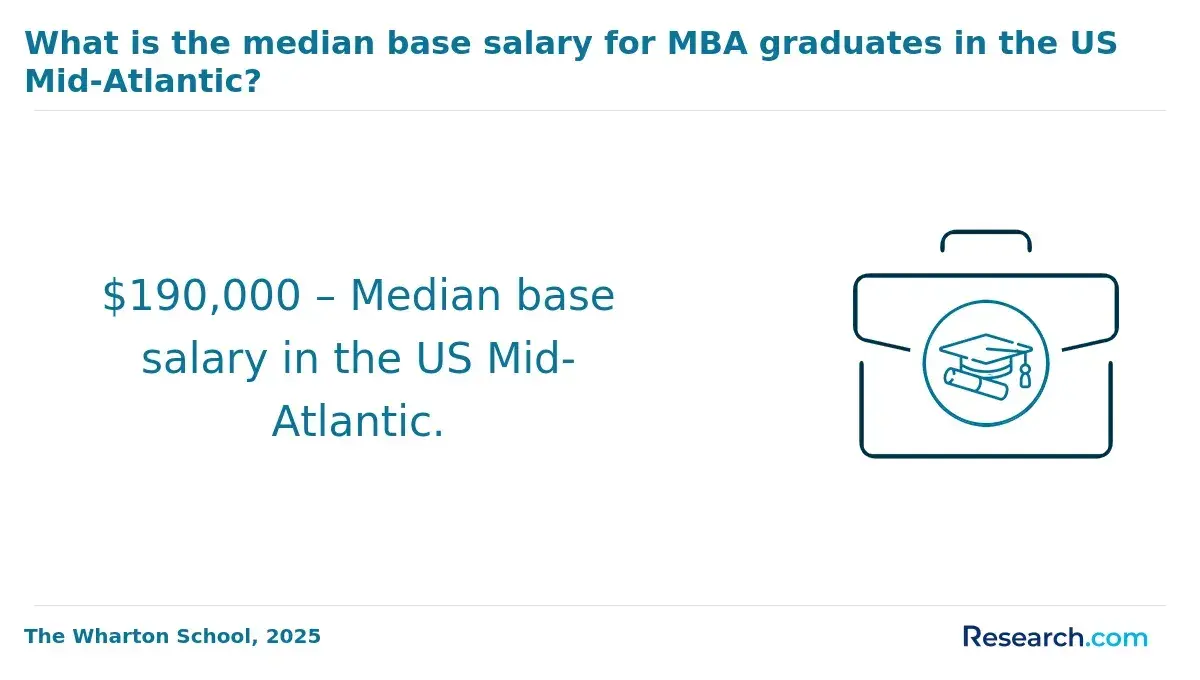
Based on a report by the College Board, in the 2024-25 school year, graduate students received an average of $10,960 in grants, while federal loans to graduate students averaged $17,710. New Jersey business students may use several types of aid, but the best package depends on eligibility, school policy, enrollment level, and whether the student is undergraduate or graduate.
Federal Financial Aid
Students should start with the Free Application for Federal Student Aid (FAFSA). Federal aid may include grants, student loans, and work-study. Eligibility rules differ by aid type, and graduate students generally have different aid options than undergraduates.
State Grants and Scholarships
New Jersey students may qualify for state programs such as the New Jersey Tuition Aid Grant (TAG), Educational Opportunity Fund (EOF) grants, NJ STARS scholarships, and other merit-based or need-based awards.
Institutional Aid
Many New Jersey colleges and universities offer scholarships, grants, tuition discounts, assistantships, or school-specific awards. Students should ask whether awards are renewable, whether GPA requirements apply, and whether aid changes for part-time or online enrollment.
Work-Study Programs
Work-study allows eligible students to earn money through part-time employment while gaining experience. Availability depends on financial need, school participation, and open positions.
Private Scholarships
Students can look for scholarships from employers, professional associations, foundations, civic groups, industry organizations, and community groups. Business students may find awards tied to accounting, finance, entrepreneurship, women in business, first-generation status, or local residency.
Federal Parent PLUS Loans
Parents of dependent undergraduate students may use Parent PLUS Loans to help pay education costs. These loans require a credit check and should be compared carefully with other borrowing options.
Private Student Loans
Private student loans can help cover remaining costs, but they often require credit approval and may have less flexible repayment protections than federal loans. Students should compare interest rates, repayment terms, deferment options, and cosigner requirements before borrowing.
This chart shows the typical cost of programs offered by business schools in New Jersey.
What are the prerequisites for enrolling in a business school in New Jersey?
The NCES reported that 375,400 bachelor’s degrees were awarded in the business field in the US in an academic year. Admissions requirements for New Jersey business schools vary by school and degree level, but most programs evaluate academic preparation, prior coursework, and readiness for college-level business study.
| Requirement | What it usually means | What to verify |
| High school diploma or equivalent | Most undergraduate programs require a diploma or GED-equivalent credential | Whether home-school, international, or GED applicants need extra documentation |
| Academic transcripts | Schools review high school and prior college coursework | Minimum GPA, transfer-credit rules, and whether business prerequisites must be completed |
| Standardized test scores | Some schools request SAT or ACT scores, though many use test-optional policies | Whether submitting scores can improve scholarship or admissions consideration |
| Prerequisite coursework | Some programs expect math, economics, accounting, or business fundamentals | Whether prerequisites must be completed before admission or before upper-division business courses |
| Letters of recommendation | Some programs ask teachers, employers, or mentors to comment on readiness and character | How many letters are required and whether professional references are accepted |
What courses are typically in a business degree program in New Jersey?
Business programs usually combine general education, core business requirements, electives, and a capstone or experiential component. Course titles vary, but the following subjects are common.
- Introduction to Business. Introduces organizational types, business functions, management roles, market environments, and ethical responsibilities.
- Principles of Marketing. Covers customer behavior, market research, branding, promotion, pricing, product strategy, and distribution.
- Financial Accounting. Teaches students how financial transactions are recorded, summarized, reported, and interpreted through financial statements.
- Managerial Accounting. Focuses on budgets, cost behavior, performance measurement, internal reporting, and decision support for managers.
- Microeconomics. Examines supply and demand, consumer choice, pricing, competition, market structures, and government influence on markets.
- Macroeconomics. Explores inflation, unemployment, economic growth, fiscal policy, monetary policy, national income, and international trade.
- Business Statistics. Develops data analysis skills through probability, hypothesis testing, regression, forecasting, and statistical decision-making.
- Business Law and Ethics. Reviews contracts, liability, employment law, business organizations, intellectual property, compliance, and corporate responsibility.
- Finance. Covers capital budgeting, investment analysis, financial markets, corporate finance, risk, and financial management.
- Operations Management. Focuses on process design, production planning, inventory, quality control, supply chains, and continuous improvement.
- Strategic Management. Integrates marketing, finance, operations, leadership, and competitive analysis into long-term organizational planning.
- Human Resource Management. Examines recruiting, hiring, training, compensation, performance evaluation, labor relations, and workforce diversity.
What types of specializations are available in business schools in New Jersey?
In 2025, New Jersey had 167,000 job openings overall. Business specializations help students build deeper knowledge for specific roles and industries. The right concentration should match your career target, not simply sound impressive on a transcript.
- Finance. Suitable for students interested in banking, investment analysis, corporate finance, risk management, and financial planning.
- Marketing. Useful for careers in branding, advertising, digital marketing, consumer insights, sales strategy, and market research.
- Management. Builds leadership, organizational behavior, project management, change management, and strategic planning skills. Students comparing this path can also review a business management degree.
- Entrepreneurship. Designed for students who want to launch ventures, manage small businesses, evaluate opportunities, and develop business plans.
- Accounting. Prepares students for auditing, taxation, financial reporting, managerial accounting, forensic accounting, and CPA-aligned pathways.
- International Business. Focuses on global markets, trade, cross-cultural management, multinational strategy, and international marketing.
- Supply Chain Management. Supports careers in logistics, procurement, inventory management, operations analytics, transportation, and sustainable supply chains.
- Human Resource Management. Covers recruiting, compensation, training, labor relations, employee development, and workforce planning.
- Information Systems. Connects business with technology through databases, business intelligence, e-commerce, cybersecurity, and IT strategy.
- Healthcare Management. Applies business tools to hospitals, healthcare organizations, insurance, healthcare quality, policy, finance, and administration.
- Real Estate. Covers property management, investment analysis, development, real estate law, and real estate finance.
- Sustainability and Corporate Social Responsibility. Examines environmental, social, and governance considerations in business decisions.
How do you choose the best business school in New Jersey?
The best business school is the one that fits your career goal, budget, learning style, schedule, and required credential. A highly ranked school may not be the right choice if it lacks your specialization, costs too much, or does not support your preferred format.
| Selection factor | Why it matters | Questions to ask |
| Accreditation | Accreditation signals that a school or program meets recognized standards | Is the institution regionally accredited? Is the business school accredited by AACSB, ACBSP, or the International Accreditation Council for Business Education? |
| Curriculum | Coursework should match your career target and skill gaps | Does the program include analytics, communication, finance, accounting, leadership, internships, and your desired specialization? |
| Cost and aid | ROI depends on net price, debt, completion time, and career outcomes | Is a degree in business administration worth it for your situation after scholarships, grants, and loans? Have you checked business school scholarships and financial aid in New Jersey? |
| Admissions fit | Applying strategically saves time and fees | Do you meet GPA, prerequisite, test score, essay, recommendation, and work-experience expectations? |
| Reputation and employer access | Employer relationships can affect internships and early career opportunities | Which companies recruit there? Are alumni active in your target field? |
| Location and format | Campus, online, hybrid, full-time, and part-time formats affect your daily life | Can you realistically attend classes, complete group work, and participate in career events? |
| Student support | Advising, tutoring, mental health support, career counseling, and software access can influence persistence | Are services available to online and part-time students, not only full-time campus students? |
| Career outcomes | Job placement, internships, and salary data help estimate value | What roles do graduates actually get? If you are asking, “What kind of jobs can you get with a business administration degree?” does the school publish clear outcomes? |
Common mistakes when choosing a business school
- Choosing only by ranking and ignoring cost, fit, accreditation, and outcomes.
- Looking only at tuition and forgetting fees, housing, commuting, books, and lost income.
- Assuming every online program offers the same internships, career fairs, and advising as the campus program.
- Failing to confirm whether transfer credits apply to major requirements.
- Choosing a specialization before researching entry-level job postings and required skills.
- Assuming a degree alone is enough without internships, projects, certifications, networking, or measurable skills.
This chart shows the high demand for marketing, management, and accounting graduates in New Jersey.
What career paths are available for graduates of business schools in New Jersey?
Business graduates can pursue traditional corporate roles as well as careers in healthcare, public service, entrepreneurship, technology, and operations. The strongest applicants usually combine a business degree with internships, industry projects, software skills, professional networking, and sometimes certification.
- Finance and Banking: Financial analysts, investment bankers, financial advisors, portfolio managers, and loan officers in banks, investment firms, and financial institutions.
- Marketing and Advertising: Marketing managers, brand managers, advertising executives, market researchers, and digital marketing specialists in corporations, agencies, and marketing firms.
- Management and Consulting: Management consultants, business analysts, project managers, operations managers, and supply chain managers in consulting firms, companies, and government agencies.
- Entrepreneurship and Small Business Management: Startup founders, business owners, franchise operators, and small business managers.
- Human Resources and Talent Management: HR managers, recruiters, talent acquisition specialists, and training and development managers.
- Accounting and Auditing: Accountants, auditors, tax professionals, and financial controllers in accounting firms, companies, and public agencies.
- Operations and Supply Chain Management: Operations managers, supply chain analysts, logistics managers, and procurement specialists in manufacturing, retail, logistics, and distribution.
- Information Technology Management: IT managers, systems analysts, IT consultants, and cybersecurity-focused business specialists.
- Healthcare Administration: Healthcare managers, hospital administrators, healthcare consultants, and healthcare policy analysts.
- Real Estate and Property Management: Real estate agents, property managers, real estate developers, and commercial leasing specialists.
What is the job market for graduates of business schools in New Jersey?
The New Jersey business job market is shaped by economic conditions, industry hiring, professional experience, internships, and the student’s chosen specialization. Business graduates can pursue opportunities in pharmaceuticals, finance, technology, manufacturing, healthcare, retail, logistics, and professional services.
In December 2025, New Jersey's seasonally adjusted nonfarm employment reached 4,402,200 jobs, with private sector employment concentrated in private education and health services, professional and business services, and financial activities. This mix matters for business students because many of these industries need finance, accounting, operations, analytics, compliance, HR, marketing, and management talent.
New Jersey’s proximity to New York City and Philadelphia can expand access to employers, internships, conferences, and alumni networks. However, proximity alone does not create opportunity. Students should actively pursue internships, employer events, LinkedIn networking, faculty referrals, and career office support while still enrolled. Graduates should also continue building marketable skills because business careers change with technology, regulation, and employer expectations.
Current trends affecting New Jersey business students
- AI and analytics are changing business roles. Employers increasingly value graduates who can use data, automation tools, dashboards, and AI-assisted workflows responsibly.
- Healthcare and pharmaceutical business roles require regulatory awareness. Students targeting these industries should understand compliance, quality, supply chains, and stakeholder communication.
- Online education is now mainstream, but quality varies. Students should compare online programs by accreditation, faculty access, career services, and internship support.
- Credential stacking is becoming more practical. A degree plus certifications in accounting, finance, project management, analytics, or digital marketing can be stronger than a degree alone.
- Employers want evidence of applied skills. Internships, capstone projects, consulting projects, portfolios, presentations, and software proficiency help students stand out.
How can New Jersey MBA graduates leverage their education in the state's competitive job market?
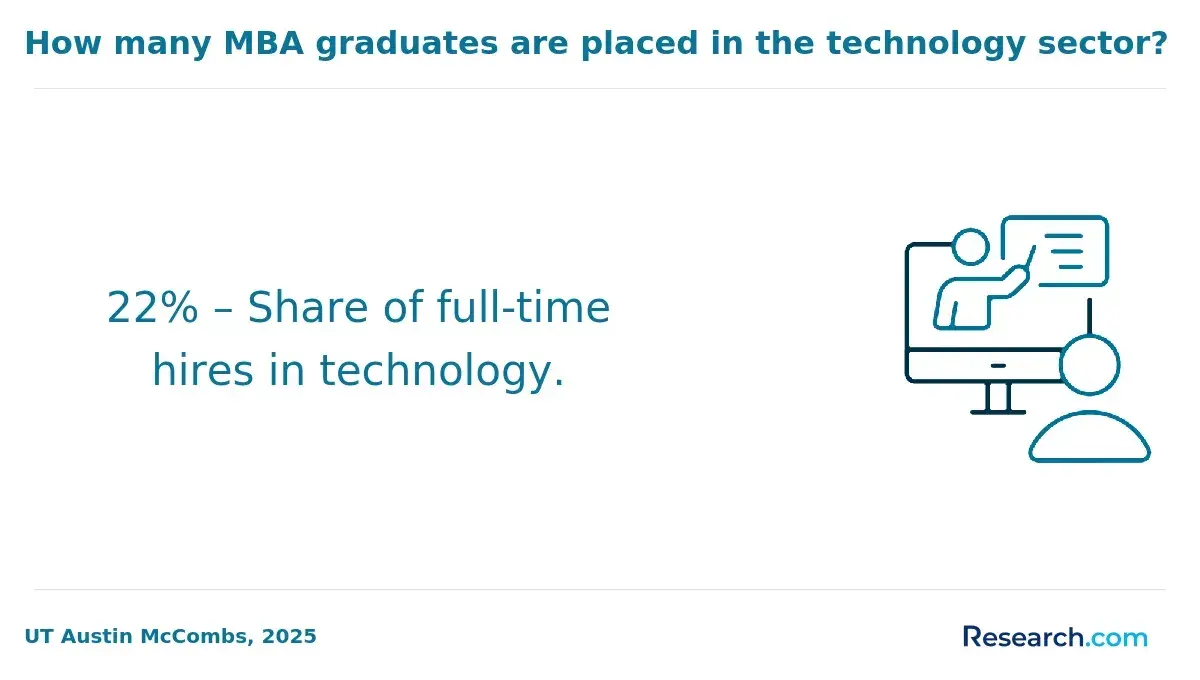
New Jersey MBA graduates can strengthen their position by translating graduate coursework into industry-specific value. An AACSB accredited online MBA may be especially useful for professionals who need flexibility while seeking advancement, but the degree is most powerful when paired with networking, measurable achievements, and targeted career planning.
- Target employers strategically: New Jersey is home to companies such as Johnson & Johnson, Prudential, and Merck. MBA graduates should tailor resumes and interviews to each employer’s industry, challenges, and leadership needs.
- Use the alumni network early: Alumni events, career fairs, LinkedIn outreach, faculty introductions, and mentorship programs can reveal opportunities that are not always visible through job boards.
- Choose industry-relevant electives: Healthcare, finance, technology, analytics, and operations coursework can help graduates signal a clearer fit for competitive roles.
- Build credibility beyond the transcript: AACSB accreditation may reassure employers about academic quality, but candidates still need examples of leadership, problem-solving, and business impact.
- Show leadership outcomes: Employers want to see how MBA learning improved team performance, revenue, processes, costs, customer experience, or strategic decisions.
Can accelerated business programs improve career growth in New Jersey?
Accelerated business programs can help motivated professionals complete a credential faster, but speed should not be the only reason to enroll. These programs work best for students who already have strong time management, a clear career goal, and the ability to handle intensive coursework while meeting work and family obligations. Options such as the fastest executive MBA online can be useful for experienced professionals seeking leadership advancement, provided the program has appropriate accreditation, career support, and a curriculum aligned with the student’s target industry.
Can combining business and psychology education enhance career success in New Jersey?
Business and psychology can be a valuable combination for careers involving leadership, consumer behavior, human resources, organizational development, marketing research, training, and change management. Psychology adds insight into motivation, decision-making, team dynamics, and behavior, while business training provides tools for strategy, finance, operations, and management. Students interested in this interdisciplinary route can compare business programs with the best colleges for psychology in New Jersey to identify complementary academic options.
Can I pursue an MBA if my undergraduate degree isn’t in business?
Yes. Many MBA students come from fields outside business, including engineering, healthcare, liberal arts, education, science, public service, and technology. Applicants without business coursework may need foundation classes in accounting, finance, economics, statistics, or management, depending on the program. Admissions committees often value nonbusiness backgrounds because they bring different perspectives to case discussions and team projects. For more guidance, see Can I get an MBA without a business degree?
How can a business degree drive leadership in substance abuse counseling organizations?
Business graduates can contribute to substance abuse counseling organizations by improving budgeting, staffing, operations, grant management, outreach, compliance processes, and strategic planning. Those who want to work directly in counseling or clinical leadership may need additional healthcare or counseling credentials. Students considering this path should review how to become a licensed substance abuse counselor in New Jersey to understand the credentialing requirements for direct service roles.
What certifications and licenses can enhance the value of a business degree in New Jersey?
Certifications can help business graduates demonstrate specialized skills, especially in fields where employers expect technical competence beyond a general business degree. The best credential depends on the target role.
| Credential area | Examples | Best for |
| Accounting | Certified Public Accountant (CPA) | Tax, audit, public accounting, corporate accounting, financial reporting |
| Finance | Chartered Financial Analyst (CFA) | Investment analysis, portfolio management, finance research, asset management |
| Project management | Project Management Professional (PMP) | Project leadership, operations, consulting, technology implementation, process improvement |
| Digital marketing | Google Ads, HubSpot, and similar credentials | Digital campaigns, marketing analytics, content strategy, customer acquisition |
Students pursuing accounting should pay close attention to state requirements. A CPA pathway may require specific coursework and exam preparation, so students should review how to become a CPA in New Jersey before choosing electives. Students planning accounting careers may also benefit from career guidance on how to become a CPA in New Jersey.
The right time to plan certifications is early. Ask advisors which courses support your intended credential, whether the school offers exam prep, and whether alumni or faculty can connect you with professionals who already hold the certification.
What are the best strategies for networking while studying at a business school in New Jersey?
Networking should begin before graduation. Students who wait until their final semester often miss internships, referrals, mentorship, and hidden job opportunities.
- Attend business school events: Career fairs, employer panels, guest lectures, and industry nights can introduce students to recruiters and professionals.
- Use alumni networks: Ask alumni for informational interviews, career advice, resume feedback, and referrals when appropriate.
- Join business clubs: Finance, marketing, entrepreneurship, accounting, analytics, and consulting clubs can provide leadership experience and peer connections.
- Take advantage of New Jersey’s location: Regional conferences and employer events in New Jersey, New York City, and Philadelphia can broaden your network.
- Build a professional online presence: Use LinkedIn to connect with classmates, professors, alumni, and industry professionals, and share projects or achievements when relevant.
- Find mentors: Faculty, alumni, supervisors, and industry professionals can help you understand career paths, hiring expectations, and skill gaps.
What other career paths are available to business graduates in New Jersey besides traditional business roles?
Business graduates are not limited to corporate departments. They can work in public policy, nonprofit leadership, social entrepreneurship, healthcare operations, urban development, compliance, higher education administration, and community programs. Students interested in development, planning, and public-sector work can explore pathways related to urban planning schools in New Jersey, where business skills can support budgeting, stakeholder management, project evaluation, and sustainable community initiatives.
Can a business degree drive success in health and wellness industries?
A business degree can support leadership and administrative roles in health services, wellness companies, fitness organizations, healthcare startups, nutrition-related businesses, and community health programs. Students who want a more specialized health pathway should confirm whether additional science coursework, supervised experience, or licensure is required. For nutrition-focused careers, review how to become a nutritionist in New Jersey before deciding whether a business degree alone is enough.
Can a business degree enhance leadership in social services?
Social service organizations need leaders who can manage budgets, evaluate programs, supervise staff, secure funding, measure outcomes, and coordinate services. Business training can support nonprofit administration and program management, but direct social work roles may require specialized education and licensure. Students who want to combine management with client-facing service should review how to become a social worker in New Jersey.
Can a business degree open doors to pharmaceutical management careers in New Jersey?
New Jersey’s pharmaceutical sector creates opportunities for business graduates in supply chain, finance, marketing, sales operations, compliance support, procurement, analytics, and product management. These roles often require an understanding of regulated environments and cross-functional collaboration with clinical, scientific, legal, and pharmacy professionals. Students interested in pharmacy-related leadership should also understand pharmacist licensure requirements in New Jersey if their goals include licensed pharmacy practice rather than business operations.
What career support services can boost post-graduate success in New Jersey business schools?
Strong career support can turn a business degree into a more practical career launchpad. Students should compare schools by the availability and quality of career coaching, resume reviews, mock interviews, employer events, alumni introductions, internship placement, job boards, salary negotiation guidance, and industry-specific advising.
- Ask whether career services are available to online, part-time, graduate, and commuter students.
- Review which employers attend job fairs and whether they recruit for your specialization.
- Find out whether internships are required, optional, paid, credit-bearing, or competitively placed.
- Request recent placement information for your program, not only schoolwide outcomes.
- Ask whether the school supports credential preparation for fields such as accounting, finance, analytics, and project management.
Can a business degree lead to success in legal and paralegal careers in New Jersey?
Business graduates can use their analytical, organizational, compliance, finance, and management skills in legal settings, especially in corporate governance, contract administration, risk management, billing, compliance, and litigation support. Students who want a formal legal-support role should consider targeted legal coursework or certification. A focused pathway is outlined in how to become a paralegal in New Jersey.
Can a business degree pave the way for forensic and investigative careers in New Jersey?
Business graduates may contribute to forensic and investigative work in areas such as fraud analysis, compliance audits, financial investigations, insurance review, internal controls, and risk assessment. However, forensic science roles may require specialized science training, laboratory preparation, or additional credentials. Students should review the forensic scientist education requirements in New Jersey before assuming a business degree will meet technical requirements.
What are the opportunities for internships and hands-on experience at business schools in New Jersey?
Hands-on learning is one of the most important parts of a business education. Internships, consulting projects, capstones, simulations, and employer-sponsored assignments help students turn coursework into evidence of job readiness.
- Industry access: New Jersey business schools may connect students with employers in finance, healthcare, technology, logistics, pharmaceuticals, retail, and manufacturing.
- Formal internship programs: Schools such as Rutgers Business School and Seton Hall University offer structured internship opportunities that help students gain practical experience.
- Networking events: Career fairs, employer panels, alumni sessions, and professional events can help students meet hiring managers and learn about roles.
- Capstone projects: Many programs require students to solve business problems through team-based projects that resemble workplace assignments.
- Consulting projects: Some programs, including options connected to the fastest business degree online, may allow students to work with local businesses or startups on strategy, marketing, operations, or analytics problems.
- Global internships: Students interested in international business should ask whether their school has global partnerships, international consulting projects, or study-abroad internship options.
Practical steps for choosing a New Jersey business school
- Define your target role. Choose a program based on the job you want: accounting, finance, marketing, operations, analytics, HR, entrepreneurship, healthcare management, or general management.
- Check accreditation. Confirm institutional accreditation and business-specific accreditation when relevant.
- Calculate net cost. Compare tuition, fees, aid, commuting, housing, books, software, and expected borrowing.
- Compare curriculum details. Look beyond the major name and review required courses, electives, capstones, internships, and analytics content.
- Ask about outcomes. Request placement data, internship employers, job titles, salary context, and graduate school pathways.
- Evaluate support for your format. If you study online or part time, verify access to advising, tutoring, career services, faculty, clubs, and employer events.
- Plan experience early. Build a resume through internships, student organizations, consulting projects, part-time work, competitions, and certifications.
Key Insights
- The best business school in New Jersey is not automatically the most famous one; it is the school that matches your budget, schedule, specialization, accreditation needs, and career goal.
- New Jersey business students can benefit from access to industries such as pharmaceuticals, healthcare, finance, technology, logistics, and professional services, but internships and networking are essential for turning location into opportunity.
- Online business degrees can be flexible and practical, especially for working adults, but students should confirm career support, internship access, faculty interaction, and accreditation before enrolling.
- Costs vary widely by public or private status, residency, degree level, and format. Always compare net price, not only published tuition.
- Specialization matters. Finance, accounting, marketing, information systems, supply chain, healthcare management, and analytics can lead to different roles and skill expectations.
- Certifications such as CPA, CFA, PMP, and digital marketing credentials can strengthen a business degree when they align with a clear career path.
- Students should avoid choosing solely by rankings, assuming salary outcomes are guaranteed, or enrolling before checking transfer policies, accreditation, and program-level career outcomes.
Related Articles for Nearby States
- 2027 Best Business Schools in Delaware – Accredited Colleges & Programs
- 2027 Best Business Schools in Pennsylvania – Accredited Colleges & Programs
- 2027 Best Business Schools in New York – Accredited Colleges & Programs
- 2027 Best Business Schools in Maryland – Accredited Colleges & Programs
- 2027 Best Business Schools in Connecticut – Accredited Colleges & Programs
- 2027 Best Business Schools in Rhode Island – Accredited Colleges & Programs
- 2027 Best Business Schools in Virginia – Accredited Colleges & Programs
- 2027 Best Business Schools in Massachusetts – Accredited Colleges & Programs
- 2027 Best Business Schools in West Virginia – Accredited Colleges & Programs
- 2027 Best Business Schools in Ohio – Accredited Colleges & Programs
References:
- Asbury Park Press (2024). Best online colleges in New Jersey, according to Newsweek's 2025 rankings. app
- College Board (2025). Trends in College Pricing and Student Aid 2025. College Board
- College Board (2025). Trends in Student Aid: Highlights. College Board.
- National Center for Education Statistics (2024). Undergraduate Degree Fields. NCES
- National Center for Education Statistics (2024). Student Enrollment: What is the percent of students enrolled in distance education courses in postsecondary institutions in the fall? NCES
- New Jersey Department of Labor & Workforce Development (2026, January 22). New Jersey Ends 2025 With Job Gains. New Jersey Department of Labor & Workforce Development
- IBISWorld. (2025). New Jersey - State Economic Profile. IBISWorld.
- Investopedia. (2026). New Jersey's Economy: The Top Industries Driving GDP Growth. Investopedia.
- US Bureau of Labor Statistics (2025). New Jersey Job Openings and Labor Turnover — December 2025. BLS
Other Things You Should Know About Business Schools in New Jersey
The main agencies are AACSB International for business and management programs and the Middle States Commission on Higher Education for institutional accreditation. Some schools also hold specialized accreditations, such as ACBSP, but AACSB remains the best-known business-school standard in the United States.
For 2027, top-ranked business schools in New Jersey include Rutgers Business School, which holds AACSB accreditation, and Stevens Institute of Technology, also accredited by AACSB. These schools are recognized for their strong academic programs, experienced faculty, and comprehensive curricula designed to prepare graduates for today's competitive business landscape.
Studying at business schools in New Jersey offers significant advantages due to its proximity to nearby metropolitan areas like New York City and Philadelphia. Students benefit from easy access to these thriving business hubs, which are home to numerous Fortune 500 companies, global financial institutions, and a diverse range of industries. This proximity opens doors to internship opportunities, networking events, and job placements in prestigious organizations. Students can leverage the rich business networks, professional development resources, and cultural experiences of these cities, enhancing their educational journey and positioning themselves for success in competitive business environments post-graduation.
Business schools in New Jersey actively engage with the state's diverse economic sectors and industries, providing students with valuable opportunities for internships, partnerships, and industry-specific learning. New Jersey's economy is characterized by a wide range of industries, including pharmaceuticals, finance, technology, healthcare, and manufacturing. Business schools leverage these local industries to offer students practical experiences that enhance their academic learning. Many schools have established partnerships with leading companies and organizations, facilitating internships, co-op programs, and collaborative projects that allow students to apply their knowledge in real-world settings. Additionally, these schools frequently host industry-specific events, such as guest lectures, networking sessions, and career fairs, where students can connect with professionals and explore various career paths. By fostering strong relationships with local businesses and industry leaders, business schools in New Jersey ensure that their students are well-prepared to meet the demands of the job market and succeed in their chosen fields.





