
2027 Best Business Administration Concentrations To Consider

Co-Founder and Chief Data Scientist
Choosing a business administration concentration is not just a course-planning decision. It can affect the internships you qualify for, the technical skills you build, the jobs you target after graduation, and whether graduate school or certifications make sense later. The challenge is that “business” is broad: finance, accounting, marketing, analytics, human resources, economics, international business, entrepreneurship, and supply chain management can lead to very different day-to-day work.
This 2026 guide is for students comparing business administration concentrations, parents helping with college planning, and working adults considering a business degree or MBA pathway. It explains which concentrations tend to align with stronger salary potential, which offer faster projected employment growth, how to match a concentration to your strengths, and what mistakes to avoid before committing to a program.
Quick Answer: Which Business Administration Concentration Is Best?
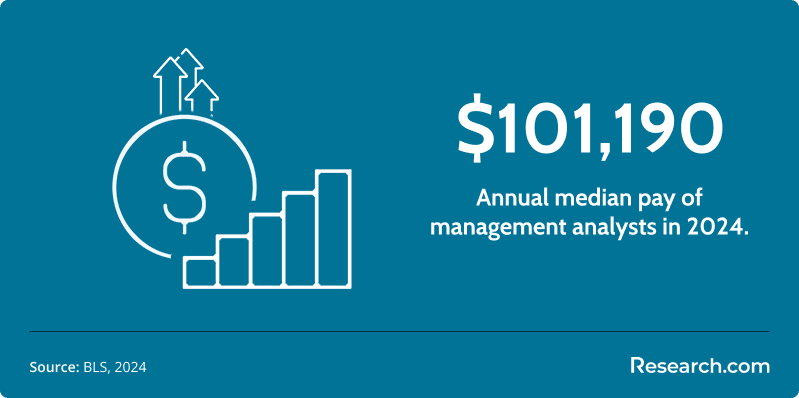
The best business administration concentration depends on your career goal. Finance offers one of the strongest salary profiles, with a $101,350 median salary and 9% projected job growth. Business analytics is a strong choice for students who want data-centered roles, with an 11% growth rate and a $101,190 median salary. Supply chain management has the fastest listed growth projection at 19%, though its entry-level salary is lower at $56,000. Accounting remains a practical option for students who want a stable, credential-friendly path, while marketing is increasingly valuable for students who can combine creativity with digital tools, analytics, and AI-supported campaign work.
Key Things You Should Know About Business Administration Concentrations
- Finance, business analytics, and supply chain management stand out for different reasons: finance lists a $101,350 median salary and 9% job growth, business analytics has an 11% growth rate with a $101,190 median salary, and supply chain management shows 19% projected growth with a $56,000 entry-level salary.
- Accounting and finance continue to offer structured hiring pipelines, especially for students who complete internships and pursue credentials. Across business and financial occupations, approximately 963,500 openings are projected each year because of growth and replacement needs.
- Aspiring entrepreneurs usually benefit from stacking skills instead of relying on one concentration. Pairing entrepreneurship with finance, marketing, analytics, or management can help future founders understand customers, budgets, operations, and growth strategy.
- Best business administration concentrations for 2026
- How to choose the right business concentration
- Highest-paying business concentrations
- Business concentrations with strong job prospects
- Affordable online MBA options for career advancement
- Best concentration for entrepreneurs
- Marketing in a digital-first business environment
- How concentrations affect graduate school
- Affordable online executive MBA options
- Online finance bachelor's degree pathways
- Online master's in economics considerations
- Online project management degree options
Best Business Administration Concentrations for 2026
A business concentration should help you move from a broad degree to a clearer career direction. The strongest choice is not always the highest-paying option on paper. It is the concentration that fits your skills, gives you access to internships, builds marketable tools, and connects to roles you would actually want to do every day.
Use the sections below as a decision guide, not as a one-size-fits-all ranking. A student who enjoys structured rules and financial reporting may thrive in accounting, while a student who prefers ambiguity, customer research, and campaign testing may be better suited for marketing or analytics.
| Concentration | Best fit | Common roles | Salary and outlook noted |
| Accounting | Students who like precision, compliance, reporting, and structured problem-solving | Auditor, tax specialist, corporate accountant, budget analyst | $46,746 entry-level median salary; 6% job growth from 2023–2033; around 130,800 openings expected each year |
| Finance | Analytical students interested in markets, investments, risk, and capital decisions | Financial analyst, investment banker, personal financial advisor, risk manager | $101,350 median salary as of May 2024; 9% job growth from 2023–2033; approximately 30,700 openings projected each year |
| Marketing | Creative, research-minded students who want to understand customers and persuade audiences | Brand manager, market research analyst, digital marketer, advertising executive | $161,030 median salary for marketing managers as of May 2024; 8% job growth from 2023–2033; approximately 36,600 openings projected each year |
| Business Analytics | Students who want to turn data into recommendations for business decisions | Business analyst, data analyst, operations analyst, market research analyst | $101,190 median salary as of May 2024; 11% job growth from 2023–2033; approximately 95,700 openings projected each year |
| Entrepreneurship | Students who want to launch, buy, grow, or advise businesses | Business owner, business consultant, product manager, innovation strategist | $114,000 for entrepreneurs with a bachelor's degree; broader business and financial occupations project approximately 963,500 openings each year |
| International Business | Students interested in global trade, cross-border operations, and multicultural business strategy | International marketing manager, global supply chain analyst, trade compliance officer, business development manager | $62,988 average starting salary for international business majors; broader business and financial occupations project approximately 963,500 openings each year |
| Human Resource Management | People-focused students interested in hiring, benefits, employee relations, and workplace systems | HR specialist, recruiter, benefits coordinator, HR manager | $67,650 for HR specialists in 2025; 8% job growth from 2023–2033; around 29,400 openings expected each year |
| Supply Chain Management | Students who like logistics, systems, coordination, procurement, and operational efficiency | Supply chain analyst, logistics coordinator, procurement specialist, operations manager | $56,000 entry-level salary; experienced roles often exceed $100,000; 19% job growth from 2023–2033; approximately 23,600 openings expected each year |
| Economics | Students who enjoy markets, policy, incentives, forecasting, and quantitative reasoning | Financial analyst, policy advisor, market researcher, data analyst | Around $82,000 early-career salary; professional economists earn about $115,440 annually; 7% job growth from 2023–2033; approximately 7,200 openings expected each year |
1. Accounting
Accounting is a strong choice for students who want a clear, rules-based profession with multiple career ladders. Coursework usually emphasizes financial reporting, auditing, taxation, cost accounting, and regulatory standards. If you are thinking about CPA eligibility, leadership roles, or advanced technical accounting work, it is worth asking whether a master’s in accounting is worth it for your state requirements and career plan.
- Good fit if you: like detail, documentation, deadlines, and financial accuracy.
- Potential drawback: some roles involve seasonal workload spikes, especially in tax and audit.
- Best next step: look for programs with internship pipelines and CPA-aligned coursework.
2. Finance
Finance is often best for students who are comfortable with quantitative analysis, uncertainty, and high-stakes decision-making. The concentration typically covers investments, corporate finance, valuation, financial modeling, risk management, and markets.
- Good fit if you: want to analyze companies, advise clients, evaluate risk, or work with investment decisions.
- Potential drawback: competitive roles may expect strong internships, Excel/modeling skills, and networking.
- Best next step: build a portfolio of finance projects and seek internships early.
3. Marketing
Marketing has shifted far beyond advertising slogans. Strong marketing students now need customer research, analytics, communication, content strategy, digital campaign knowledge, and an understanding of how AI-supported tools affect targeting and measurement.
- Good fit if you: enjoy consumer psychology, storytelling, data interpretation, and creative testing.
- Potential drawback: entry-level roles can vary widely, so practical experience matters.
- Best next step: graduate with campaign samples, analytics experience, and internship work.
4. Business Analytics
Business analytics is one of the most practical concentrations for students who want to work at the intersection of data and management. It prepares students to collect, interpret, visualize, and explain data so organizations can make better decisions. If this path interests you, Research.com’s guide on how to become a business intelligence analyst can help you connect coursework to a specific career route.
- Good fit if you: like spreadsheets, dashboards, database thinking, statistics, and explaining findings to nontechnical teams.
- Potential drawback: programs vary in technical depth, so review software, statistics, and data visualization requirements carefully.
- Best next step: compare course descriptions for SQL, data visualization, forecasting, and applied analytics projects.
5. Entrepreneurship
Entrepreneurship is useful for students who want to create, acquire, or scale a business, but it works best when paired with another concentration. A founder who understands marketing but not cash flow can struggle; a founder who understands finance but not customers may also face problems. The best entrepreneurship plan usually combines venture creation with finance, marketing, management, or analytics.
- Good fit if you: want to build products, test business models, pitch ideas, or manage early-stage growth.
- Potential drawback: the concentration alone does not guarantee a viable business or funding.
- Best next step: choose programs with incubators, pitch competitions, consulting projects, or startup practicums.
6. International Business
International business prepares students to think across borders, currencies, regulations, cultures, and supply networks. Courses often include global strategy, international marketing, trade, cross-cultural management, and global operations. Students comparing degree structures may find a BBA and BSBA degree program comparison helpful because the curriculum design can affect how much quantitative, technical, or liberal arts coursework is included.
- Good fit if you: are interested in global companies, trade, international operations, or cross-cultural negotiation.
- Potential drawback: language skills, regional expertise, or internships may be needed to stand out.
- Best next step: look for study abroad, language, global internship, or trade compliance options.
7. Human Resource Management
Human resource management is for students who want to support hiring, employee development, benefits, compliance, and workplace culture. It can lead to operational HR roles, recruiting, compensation work, employee relations, or HR management. For an entry-level view of this field, review the human resources coordinator career path.
- Good fit if you: like communication, policy, conflict resolution, documentation, and people operations.
- Potential drawback: HR roles can involve sensitive employee issues and compliance responsibilities.
- Best next step: seek internships that expose you to recruiting systems, benefits administration, and employee relations.
8. Supply Chain Management
Supply chain management is a strong option for students who like solving operational puzzles. It covers how goods, services, information, suppliers, warehouses, transportation, and inventory systems work together. The field has become more visible as companies respond to disruptions, climate risks, global sourcing challenges, and AI-supported planning tools.
- Good fit if you: enjoy logistics, process improvement, vendor coordination, and real-time problem-solving.
- Potential drawback: some roles may involve pressure, tight deadlines, and disruption management.
- Best next step: prioritize programs with operations software, analytics, procurement, and internship opportunities.
9. Economics
Economics is a flexible concentration for students who want to understand how markets, incentives, policy, and data shape decisions. It can support careers in finance, consulting, research, policy, analytics, and graduate study. If you are deciding between two quantitative business paths, a guide comparing economics and finance degree programs can clarify the difference between market theory and applied financial decision-making.
- Good fit if you: like abstract reasoning, quantitative analysis, policy questions, and market behavior.
- Potential drawback: some economics roles may require graduate study or advanced quantitative skills.
- Best next step: strengthen statistics, econometrics, spreadsheet modeling, and data analysis experience.
How to Choose the Right Business Concentration for Your Goals
Start with the work you want to do, not only the name of the concentration. A concentration should help you build a credible story for employers: “I studied this, practiced these tools, completed this internship, and can contribute in this type of role.”
Step 1: Match the concentration to your strengths
Look honestly at the tasks that energize you. Accounting, finance, economics, and analytics tend to reward quantitative comfort and precision. Marketing and entrepreneurship often require creativity, experimentation, and communication. HR favors interpersonal judgment and policy awareness. Supply chain management suits students who like systems and operations.
Step 2: Work backward from target roles
Search job descriptions for the roles you want after graduation. Note required tools, internship expectations, certifications, and preferred majors. If most postings for your target role mention data visualization, financial modeling, procurement systems, or HR information systems, your concentration should help you practice those skills before graduation.
Step 3: Read the actual course list
Do not choose based on the title alone. One business analytics concentration may include substantial statistics and database work, while another may focus more on managerial reporting. A marketing concentration may emphasize digital analytics at one school and brand communication at another.
Step 4: Check whether the program supports internships
Internships can make a concentration more valuable because they help you test the field and build evidence for employers. Ask whether students commonly complete internships in your concentration, which employers recruit on campus, and whether the school offers credit-bearing experiential learning.
Step 5: Keep flexibility in mind
If you are unsure, choose a concentration that keeps several doors open. Business analytics, finance, accounting, economics, and management can be portable across industries. Marketing, HR, supply chain, and international business can also be flexible when paired with strong technical or analytical electives.
| If you want this outcome | Consider these concentrations | Why they may fit |
| High salary potential in analytical roles | Finance, business analytics, economics | They build quantitative, forecasting, risk, and decision-support skills. |
| A credential-friendly professional path | Accounting, finance, project management-related study | These areas often connect to licenses or certifications that employers recognize. |
| A startup or small-business career | Entrepreneurship, finance, marketing, management | Founders need customer, cash flow, operations, and leadership skills. |
| People-centered organizational work | Human resource management, management | These paths focus on teams, workplace systems, hiring, and employee support. |
| Operational and logistics careers | Supply chain management, business analytics, international business | These concentrations connect planning, vendors, data, and global movement of goods. |
The same decision process can also help if you are comparing business with a completely different field. For example, students who decide they prefer healthcare operations or patient-centered work may want to compare business degrees with healthcare pathways, including options such as the cheapest online medical assistant to RN programs.
Highest-Paying Business Concentrations
Finance, marketing management, business analytics, economics, and some entrepreneurship paths are associated with higher listed salary figures in this guide. However, salary depends heavily on location, employer, internships, technical skills, graduate education, certifications, and the specific role. A concentration improves your positioning; it does not guarantee a salary.
Salary Snapshot by Concentration
| Concentration or role area | Salary figure provided | Important context |
| Marketing managers | $161,030 as of May 2024 | This is for marketing managers, not every entry-level marketing graduate. |
| Entrepreneurs with a bachelor's degree | $114,000 | Entrepreneur income can vary widely because business ownership carries risk. |
| Finance | $101,350 as of May 2024 | Finance outcomes can differ by role, employer, market, and experience. |
| Business analytics | $101,190 as of May 2024 | Technical ability and project experience can affect competitiveness. |
| Professional economists | About $115,440 annually | Some economist roles may require graduate-level preparation. |
| Supply chain management | $56,000 entry-level; experienced roles often exceed $100,000 | Growth potential may improve with operations experience and analytics skills. |
Industries That Often Pay Business Graduates Well
- Finance and insurance: These sectors frequently hire finance, accounting, analytics, and economics graduates for analyst and advisory roles.
- Management of companies and enterprises: Corporate headquarters and holding-company environments may offer roles in strategy, operations, finance, HR, and analytics.
- Professional, scientific, and technical services: Consulting, advisory, research, and technology-related firms often value business graduates who can analyze problems and communicate recommendations.
Certifications That Can Affect Earnings
Certifications are not automatic salary boosters, but they can strengthen credibility when they match your role. Before pursuing one, confirm whether employers in your target field actually request it.
- Certified Public Accountant (CPA): A CPA license can support accounting advancement, and some studies indicate a 10–15% salary increase.
- Chartered Financial Analyst (CFA): The CFA credential pathway is especially relevant for investment-focused finance careers, and some reports suggest an average salary of $180,000 for CFA charterholders.
- Project Management Professional (PMP): PMP certification can lead to a 33% higher median salary compared with non-certified professionals.
Location and Employer Matter
Business graduates often pursue roles in higher-paying metro areas such as New York, San Francisco, and Chicago. These markets may offer stronger compensation, but they can also bring higher living costs and more competition. Compare total compensation, cost of living, commute, training opportunities, and promotion paths before judging an offer by salary alone.
Business Concentrations With Strong Job Prospects
The business concentrations with the strongest job prospects tend to combine employer demand with practical, transferable skills. Based on the figures in this guide, finance, accounting, business analytics, and supply chain management deserve close attention. Marketing can also be strong when students build digital and analytical capabilities.
Finance and Accounting
Finance and accounting remain attractive because organizations need professionals who can manage reporting, evaluate investments, assess risk, and support financial decisions. The Fuqua School of Business reported that 85% of MBA graduates received job offers within three months of graduation, with a median compensation package of $175,000, including salary and signing bonuses.
The U.S. Bureau of Labor Statistics projects that business and financial occupations will grow faster than the average for all occupations from 2023 to 2033, with approximately 963,500 openings each year because of employment growth and the need to replace workers who leave the occupations permanently.
Job posting volume can also signal demand. LinkedIn lists over 67,000 financial analyst jobs in the United States. If you are considering accounting, it is also useful to understand the difference between public and private accounting careers before choosing internships.
Business Analytics
Business analytics graduates benefit from the fact that many departments now rely on data-informed decisions. The Foster School of Business reported that 93% of Master of Science in Business Analytics graduates secured jobs within six months of graduation, with an average starting salary of $106,000.
Analytics demand is not limited to technology companies. Finance, healthcare, retail, manufacturing, logistics, consulting, and government organizations all need people who can translate data into decisions. The 365 Data Science platform notes that demand for data-driven decision-making across industries has expanded opportunities for data analysts. LinkedIn also features over 32,000 financial analytics job postings.
Internships Can Change Your Outcome
Concentration choice matters, but internships often determine how competitive you are for the first job. The National Association of Colleges and Employers reported that 70% of employers offered full-time positions to their on-site interns, and 80.5% extended offers after virtual internships. When comparing schools, ask how many students in your intended concentration complete internships and which employers recruit them.
Career Stability Depends on More Than the Major
Demand, pay, and placement data are useful, but career durability also depends on adaptability. The hiring trends discussed in financial services show why students should keep building skills after graduation instead of assuming one concentration will protect them from market changes.
Can an Affordable Online MBA Program Be a Strategic Option for Career Advancement?
An online MBA can make sense for working professionals who already have experience and want broader leadership, strategy, finance, analytics, or management training. It is usually most valuable when you can connect the degree to a specific goal, such as moving into management, changing functions, qualifying for internal promotion, or strengthening business knowledge after a nonbusiness undergraduate degree.
Affordability matters because MBA return on investment depends on tuition, employer reimbursement, opportunity cost, program reputation, alumni network, and whether you can keep working while enrolled. If cost is a major factor, compare accredited options, total fees, transfer policies, pacing, and career services before enrolling. Research.com’s guide to the cheapest online MBA program options can help you start that comparison.
Best Business Concentration for Aspiring Entrepreneurs
The best concentration for entrepreneurs is often a combination, not a single label. Entrepreneurship courses can teach business model design, venture planning, pitching, innovation, and startup finance, but founders also need practical skills from other areas.
| Concentration | How it helps entrepreneurs | When it makes sense |
| Entrepreneurship | Builds direct exposure to venture creation, business planning, case studies, incubators, and pitch competitions | You want to start a business or work in startup support, product development, or innovation |
| Marketing | Helps with customer research, branding, digital strategy, and demand generation | You need to attract, understand, and retain customers |
| Finance | Supports budgeting, capital planning, valuation, cash-flow management, and risk assessment | You expect to seek funding, manage tight margins, or evaluate growth decisions |
| Management | Builds leadership, operations, organizational behavior, and team coordination skills | You plan to hire employees, manage vendors, or scale operations |
| Business analytics | Improves your ability to test assumptions, measure performance, and use data in decisions | You want to make evidence-based product, marketing, or operations choices |
If you are considering graduate study and want both broad MBA training and another specialization, some students compare online dual MBA programs. This path can be useful when the second degree directly supports your target industry, but it may not be worth the added time or cost if your goal is general business ownership.
Is Marketing a Smart Concentration in a Digital-First World?
Marketing remains a smart concentration for students who are willing to build digital, analytical, and creative skills together. The field has changed because companies now rely heavily on digital channels, social platforms, search visibility, email, customer data, marketing automation, and AI-supported tools.
Digital marketing roles are growing quickly, with job postings increasing by 76% year-over-year on LinkedIn. Companies are also investing more in digital channels: 94% of small businesses plan to increase digital marketing spending in 2024. Digital marketing managers earn an average of $74,320 per year.
Students should not treat marketing as an “easy” concentration. Employers increasingly expect evidence of practical skill. Build experience with social media strategy, SEO, email marketing, market research, campaign reporting, and analytics. A strong marketing graduate can explain not only what campaign they created, but also what audience it served, what data they used, and how they measured performance.
Current Trends Affecting Business Concentrations
- AI is changing business work: Analytics, marketing, finance, HR, and supply chain roles increasingly use AI-supported tools, but employers still need people who can ask good questions, check outputs, interpret context, and make ethical decisions.
- Digital skills are no longer optional in marketing: SEO, paid media, social platforms, email, content analytics, and customer data are now central to many marketing roles.
- Supply chains are under pressure: Global disruptions, climate risks, and technology adoption have made logistics and supply planning more visible strategic functions.
- Credentials still matter in some fields: Accounting, finance, HR, and project management may reward certifications when those credentials align with the role.
- Employers value applied experience: Internships, portfolio projects, case competitions, dashboards, financial models, and consulting projects can make a concentration more credible.
How Much Do Business Concentrations Matter for Graduate School?
Your undergraduate concentration can shape your graduate school readiness, but it usually does not lock you into one path. MBA programs often admit students from many academic backgrounds, including business, engineering, humanities, social sciences, and other fields. Nearly half of MBA applicants have undergraduate degrees in business, but business is not the only accepted route.
Acceptance patterns can vary by major. Education majors have an acceptance rate of 33% at the top 10 MBA programs, compared with 18% for business majors. Standardized test performance also differs by background, with engineering majors averaging around 591 on the GMAT compared with approximately 530 for business majors.
Specialized master’s programs may be more selective about preparation. A master’s in finance, analytics, or economics may expect stronger quantitative coursework than a general MBA. If you think graduate school is likely, use electives to fill gaps early: statistics, accounting, economics, programming, finance, and research methods can all strengthen your application depending on the program.
Some students ultimately decide that graduate business school is not the right next step. If your interests shift toward education, compare business graduate programs with alternatives such as the cheapest alternative teacher certification programs online.
Could an Affordable Online Executive MBA Accelerate Career Progression?
An executive MBA is usually designed for experienced professionals who already manage people, projects, budgets, or strategy. It may complement a business concentration by adding senior-level leadership, executive communication, global business exposure, and applied decision-making. The key question is whether the credential supports a real advancement opportunity, not whether it simply sounds prestigious.
Before enrolling, ask whether you have enough professional experience to benefit from executive-level coursework, whether your employer values the degree, and whether the schedule fits your workload. If cost is a concern, compare total program cost, format, accreditation, cohort model, and employer reimbursement. Research.com’s overview of the best affordable online MBA executive program options can help you evaluate pathways.
Could an Online Finance Bachelor's Degree Strengthen Your Career Foundation?
An online finance bachelor’s degree can be a focused alternative to a general business administration degree when you already know that finance is your target field. It can build early skill in financial analysis, risk management, corporate finance, markets, and quantitative reasoning. This may help students pursue analyst roles or prepare for later graduate business study.
When comparing programs, look for applied finance assignments, career support, internship access, faculty experience, and transfer-credit policies. If you want a structured finance pathway, review online finance bachelors programs that combine theory with practical analysis.
Is an Online Master's in Economics a Strategic Career Move?
An online master’s in economics can be valuable for students or professionals who want deeper quantitative, policy, forecasting, or market-analysis training than a general business degree provides. It may support careers connected to economic research, analytics, consulting, finance, policy, or doctoral preparation.
This path is most appropriate if you enjoy math, statistics, economic theory, and data interpretation. It may be less suitable if you primarily want broad management training or a general leadership credential. To compare cost-conscious options, explore the cheapest online master in economics programs.
Can a Project Management Degree Online Enhance Your Business Strategy?
A project management degree can complement many business concentrations because organizations need professionals who can plan, budget, coordinate teams, manage risk, and deliver complex work on schedule. This is especially relevant for students interested in operations, consulting, technology, construction, healthcare administration, or cross-functional business roles.
It may be a better fit than a second business concentration if your goal is execution: leading initiatives, managing timelines, coordinating stakeholders, and improving delivery. If you want an online option with a faster format, compare project management degree online pathways.
Online vs. Campus Business Programs: Which Format Fits?
| Program format | Best for | Questions to ask before enrolling |
| Online business degree | Working adults, transfer students, military learners, caregivers, and students who need schedule flexibility | Are classes asynchronous or live? Are internships available? How are group projects handled? What career services are available to online students? |
| Campus business degree | Students who want in-person recruiting, student organizations, networking events, and face-to-face faculty access | Which employers recruit on campus? Are concentration-specific clubs active? How competitive are internships? |
| Hybrid business degree | Students who want flexibility but still value periodic in-person learning | How often are campus visits required? Are required sessions compatible with work or commuting? |
| Part-time MBA or executive format | Professionals who want to keep working while studying | Will your employer support the schedule? Does the curriculum align with your promotion timeline? |
Common Mistakes When Choosing a Business Concentration
- Choosing only by salary: A high median salary does not help if you dislike the work or cannot build the required skills.
- Ignoring accreditation and school quality: Verify institutional accreditation and review the business school’s reputation, outcomes, and employer connections.
- Assuming all online programs offer the same support: Online students should confirm advising, tutoring, career services, internship help, and networking access.
- Skipping internship planning: Waiting until senior year can limit options, especially in finance, accounting, analytics, and marketing.
- Overlooking software and technical skills: Employers may expect Excel, analytics tools, dashboards, databases, financial modeling, HR systems, or marketing platforms depending on the role.
- Relying only on rankings: Rankings can be useful, but they do not replace checking curriculum, cost, employer outcomes, transfer policy, and fit.
- Assuming graduate school will fix a weak plan: A master’s degree is most useful when it supports a clear career move and when the cost is justified by realistic outcomes.
Questions to Ask Before Declaring a Business Concentration
- Which jobs do graduates from this concentration actually get?
- What internship employers recruit students in this concentration?
- Does the curriculum include current tools used in the field?
- Are there required projects, simulations, case competitions, or consulting experiences?
- Can I pair this concentration with a minor, certificate, or elective sequence?
- Will this concentration support graduate school if I decide to continue later?
- Are there certifications I should plan for, and does the coursework help prepare me?
- What is the total program cost, including fees, books, technology, commuting, and time away from work?
- How easy is it to change concentrations if my goals shift?
Practical Next Steps
- Pick three target roles. Search real job postings and list the skills, tools, and qualifications that appear repeatedly.
- Compare concentration course maps. Look beyond titles and read each required course description.
- Talk to students and faculty. Ask what projects, internships, and recruiting opportunities are strongest in each concentration.
- Plan experience early. Join a relevant student organization, complete a project, and apply for internships before your final year.
- Calculate return on investment. Compare tuition, fees, time to completion, financial aid, transfer credits, and likely career outcomes.
- Build a skills portfolio. Save examples of dashboards, marketing campaigns, financial models, research reports, HR projects, or operations analyses.
- Revisit the decision each year. Your concentration should evolve with your interests, grades, internship feedback, and job-market information.
References:
- Cantor, S. (2024, December 18). CPA salary guide for 2025. https://www.becker.com/blog/career/cpa-salary-insights
- Accountants and auditors. (2025, April 18). Bureau of Labor Statistics. https://www.bls.gov/ooh/business-and-financial/accountants-and-auditors.htm
- Employment outlook for 2025. (n.d.). https://www.taxconnex.com/blog-/employment-outlook-2025
- Energage. (2025, January 15). Highest paying finance jobs in 2025. Top Workplaces. https://topworkplaces.com/highest-paying-finance-jobs
- Financial analysts. (2025, April 18). Bureau of Labor Statistics. https://www.bls.gov/ooh/business-and-financial/financial-analysts.htm
- College Recruiter. (2024, October 8). Which industries will hire the most marketing and advertising professionals in 2025? - College Recruiter. https://www.collegerecruiter.com/blog/2024/12/31/which-industries-will-hire-the-most-marketing-and-advertising-professionals-in-2025
- Ltd, S. S. (2025, January 1). 24 Essential digital marketing Statistics you need to know in 2025. The Social Shepherd. https://thesocialshepherd.com/blog/digital-marketing-statistics
- Nanji, A. (n.d.). 2025 Salary Guide: Pay Forecasts for marketing, content, and PR Positions. MarketingProfs. https://www.marketingprofs.com/charts/2025/52516/2025-salary-guide-pay-forecasts-marketing-pr-content-positions
- Management Analysts. (2025, April 18). Bureau of Labor Statistics. https://www.bls.gov/ooh/business-and-financial/management-analysts.htm
- Refonte Learning : Data Science Salary Guide 2025: Average pay, top roles & Career advice. (n.d.). https://www.refontelearning.com/salary-guide/data-science-salaries-unveiled
- Bonenkamp, V. (n.d.). 19 Shocking startup failure statistics that will change how you launch in 2025. https://www.femaleswitch.com/top-startups-2025/tpost/hosh5eak51-19-shocking-startup-failure-statistics-t
- Harshith. (2025, March 3). Why Startups Fail: Top 10 Reasons & Failure Rate Statistics. Eximius VC. https://eximiusvc.com/blogs/why-startups-fail-top-10-reasons-failure-rate
- 2U Wordpress. (2023, October 26). Entrepreneurship Statistics: Current success and looking ahead | Maryville Online. Maryville University Online. https://online.maryville.edu/blog/entrepreneurship-statistics
- Global Trade Update (March 2025): The role of tariffs in international trade. (2025, March 14). UN Trade and Development (UNCTAD). https://unctad.org/publication/global-trade-update-march-2025
- Staff, C. (2025, March 25). Business Degree Salary: 2025 Guide. Coursera. https://www.coursera.org/articles/business-degree-salary
- Paycor. (2025, February 3). HR statistics you need to know for 2025 | Paycor. https://www.paycor.com/resource-center/articles/hr-statistics-you-need-to-know
- SHRM. (n.d.). SHRM HR Certification | SHRM-CP & SHRM-SCP. https://www.shrm.org/credentials/certification
- Navarra, K. (2023, December 12). Gain a Competitive Edge with a SHRM Certification. SHRM. https://www.shrm.org/membership/students/gain-competitive-edge-shrm-certification
- Herron, A. (2025, February 11). Surprising employee turnover and retention statistics - WebMD Health Services. WebMD Health Services. https://www.webmdhealthservices.com/blog/surprising-statistics-about-employee-retention
- Ryan, B. (2025, January 14). 40 Must-Know Employee Retention Statistics for 2025. Thirst. https://thirst.io/blog/employee-retention-statistics-2025
- HR Grapevine. (2025, January.). Diversity amid distraction: HR Grapevine's 2024-25 DEI Snapshot. https://www.hrgrapevine.com/us/content/article/2025-01-14-diversity-amid-distraction-hr-grapevines-2024-25-dei-snapshot
- Logisticians. (2025, April 18). Bureau of Labor Statistics. https://www.bls.gov/ooh/business-and-financial/logisticians.htm
- Baraniuk, C. (2025, May 2). The climate crisis threatens supply chains. Manufacturers hope AI can help. WIRED. https://www.wired.com/story/manufacturers-hope-ai-will-save-supply-chains-from-climate-crisis
- ZipRecruiter. (n.d.). Salary: Economics Graduate Salary (April 2025). https://www.ziprecruiter.com/Salaries/Economics-Graduate-Salary
- Economists. (2025, April 18). Bureau of Labor Statistics. https://www.bls.gov/ooh/life-physical-and-social-science/economists.htm
Key Insights
- The strongest business concentration is the one that connects your strengths to a real job target, not simply the one with the most impressive title.
- Finance, business analytics, and marketing management show some of the highest salary figures in this guide, while supply chain management has the fastest listed growth projection at 19%.
- Accounting remains a practical choice for students who want a structured professional path, especially if they plan around CPA requirements early.
- Business analytics is one of the most flexible modern concentrations because data-driven decision-making now affects finance, marketing, operations, healthcare, logistics, and consulting.
- Entrepreneurs should usually combine entrepreneurship coursework with finance, marketing, analytics, or management rather than relying on startup classes alone.
- Internships, projects, certifications, and technical skills can matter as much as the concentration name when employers evaluate entry-level candidates.
- Before choosing a program, check accreditation, total cost, course content, internship access, online student support, transfer rules, and career outcomes.
Other Things You Should Know About Business Administration Concentrations
In 2027, concentrations like Information Systems Management, Data Analytics, and Digital Marketing stand out for those keen on emerging technologies. These fields prepare students to tackle cutting-edge challenges, leveraging tech advancements to optimize business outcomes.
Human resources management is the strongest choice for careers in hiring, employee relations, and compliance. Many HR roles prefer a bachelor’s degree plus 1–2 years of internship or office experience, and professional certification from SHRM or HRCI can strengthen job prospects.


