2027 Best Business Schools in West Virginia – Accredited Colleges & Programs

Co-Founder and Chief Data Scientist
Choosing an MBA program in West Virginia is not just a school-selection decision. It is a career, cost, schedule, and networking decision that can affect how quickly you move into management, whether you can keep working while studying, and how well your degree connects to employers in the state.
West Virginia’s business schools serve several types of MBA students: early-career professionals preparing for promotion, working adults who need online or hybrid study, career changers entering business roles, and managers who want stronger skills in finance, operations, accounting, healthcare administration, analytics, or leadership.
The state also places visible emphasis on workforce development. Through the Governor’s Guaranteed Workforce Program (GGWP), West Virginia supports new and expanding businesses by helping train, retrain, and upgrade employee skills. Since the program began, nearly 200,000 employees have received training (West Virginia Economic Development, n.d.). The management of companies and enterprises industry in West Virginia also reported wages and salaries totaling $729.1 billion in July 2025, reflecting continued activity in this sector.
This guide explains how to evaluate the best business schools in West Virginia for MBA study, what an MBA can realistically do for your management career, how long programs take, what costs to compare, which accreditation signals matter, and what questions to ask before enrolling.
Best Business Schools in West Virginia Table of Contents
- Is management a strong career path in West Virginia?
- How do you become a manager in West Virginia?
- Why choose an MBA in West Virginia instead of another state?
- How long do MBA programs in West Virginia take?
- How much do MBA programs in West Virginia cost?
- What financial aid can West Virginia MBA students use?
- How should you compare MBA programs in West Virginia?
- What nontraditional careers can managers pursue in West Virginia?
- Can health and wellness trends create new management opportunities?
- Why combine accounting and management skills?
- What are the benefits of earning an MBA online?
- How can psychology improve management decisions?
- What legal issues should West Virginia managers understand?
- How can forensic thinking strengthen managerial risk assessment?
- How do healthcare licensing rules affect management roles?
- Can an accelerated online business degree speed up career progress?
- Which alternative careers use management skills?
- How do accreditation and certifications affect management careers?
- How can managers create social impact in West Virginia?
Quick Answer: Best Business Schools in West Virginia for MBA Students
The best MBA program in West Virginia depends on your career goal, schedule, budget, and preferred learning format. West Virginia University, Marshall University, Fairmont State University, American Public University System, and the University of Charleston all offer MBA options with different strengths, including one-year formats, online study, hybrid delivery, accounting or healthcare-related electives, project management, analytics, and leadership-focused coursework.
For most students, the strongest choice is an accredited MBA program that fits their work schedule, offers relevant concentrations, has transparent tuition, and provides practical learning through consulting projects, simulations, case studies, internships, or applied assignments. Students planning to work in West Virginia should also consider how well each school connects with local employers, industries, alumni, and workforce-development initiatives.
| Student Goal | Best-Fit MBA Feature | Why It Matters |
| Move into management quickly | One-year or accelerated MBA format | Shorter timelines may help students return to full-time career growth sooner. |
| Keep working while enrolled | Online, hybrid, evening, or flexible course delivery | Working adults often need programs that fit around professional and family responsibilities. |
| Advance in finance, accounting, or operations | Relevant electives or concentrations | Specialized coursework can make the MBA more aligned with a target role. |
| Build local business connections | Employer partnerships, consulting projects, internships, or alumni access | Regional networking can be especially useful for students who plan to stay in West Virginia. |
| Control total cost | Clear tuition, financial aid, transfer-credit policies, and employer tuition assistance | The lowest tuition is not always the lowest total cost if fees, time away from work, or extra prerequisites are overlooked. |
Is being a manager a good job in West Virginia?
Management can be a worthwhile career path in West Virginia for professionals who want broader responsibility, higher decision-making authority, and the chance to lead people, budgets, operations, or strategy. The role is not limited to corporate offices. Managers are needed in healthcare, manufacturing, logistics, education, energy, government, nonprofit organizations, retail, financial services, and professional services.
According to the Bureau of Labor Statistics State Occupational Employment and Wage Estimates, West Virginia had approximately 41,750 management jobs. Management occupations in the state reported an annual mean wage of $106,450.
Cost of living is another important part of the decision. West Virginia promotes a range of housing and lifestyle advantages, and the cost of living in the Mountain State is 12% below the national average. For MBA graduates and managers, that can affect real purchasing power, especially compared with higher-cost states.
Still, management is not automatically the right path for every professional. The work often involves accountability for results, conflict resolution, budget pressure, hiring decisions, performance reviews, and communication across departments. A good MBA program can help, but experience, judgment, emotional intelligence, and industry knowledge remain essential.
What are the steps to becoming a manager in West Virginia?
There is no single required path to becoming a manager in West Virginia, but most professionals build a combination of education, practical experience, leadership skills, and role-specific knowledge. An MBA can accelerate advancement for some candidates, but it works best when paired with measurable workplace results.
- Earn a relevant undergraduate degree. Many management roles prefer candidates with a bachelor’s degree in business, operations, finance, accounting, logistics, healthcare administration, or a related field. Students interested in distribution, procurement, and operations may consider a logistics degree, while those focused on budgeting, investments, or corporate finance may benefit from a finance degree.
- Build experience before seeking leadership responsibility. Employers usually want to see evidence that you understand the work being managed. Internships, entry-level roles, project coordination, shift supervision, sales operations, accounting support, or analyst roles can all help build a management foundation.
- Develop people-management and decision-making skills. Strong managers communicate clearly, set priorities, resolve problems, interpret data, coach employees, and make decisions with incomplete information. Look for chances to lead a project, train a new employee, manage a process improvement, or present results to senior leaders.
- Consider graduate education when it matches your goal. An MBA may be useful if you want broader business knowledge, executive preparation, leadership training, or access to a stronger professional network. Some students may instead prefer a specialized graduate degree, such as a supply chain management degree, if their target role is more technical or operations-focused.
- Document results, not just job titles. Promotions often depend on proof that you improved revenue, reduced costs, led teams, improved customer satisfaction, managed compliance, completed projects, or improved operational performance.
MBA employment outcomes vary by school, student background, industry, and job market conditions. The table below shows job acceptance data for master’s generalist MBA students seeking employment.
| Employment Status | Full-Time Percentage | Part-Time Percentage | Total Percentage |
| No acceptance reported | 13.1% | 23.7% | 14.8% |
| Accepting employment between three and six months after graduation | 4.1% | 13.4% | 5.6% |
| Accepting employment after graduation, and by three months | 13.6% | 9.9% | 13.5% |
| Accepting employment by graduation | 69.2% | 53.0% | 66.1% |
What are the advantages of pursuing an MBA in West Virginia versus other states?
An MBA in West Virginia may be a practical choice for students who want a regional network, smaller learning environments, access to local employers, and programs that can connect business education with the state’s economic priorities. It may be less ideal for students who want a national recruiting pipeline into large finance, consulting, or technology hubs, unless the chosen program has the employer relationships to support that goal.
| Potential Advantage | How It Can Help | Best For |
| Regional employer connections | Business schools may maintain relationships with employers in healthcare, energy, manufacturing, government, technology, and professional services. | Students who plan to work in West Virginia or nearby markets. |
| Smaller academic communities | Some programs may offer closer interaction with faculty, classmates, and advisors than very large MBA programs. | Students who value direct support and relationship-based learning. |
| Applied business learning | Consulting projects, simulations, case studies, and workplace-based assignments can help students connect theory to practice. | Working adults and career changers who need immediately usable skills. |
| Entrepreneurship and workforce development | State and local initiatives can support business growth, training, and entrepreneurial activity. | Students interested in startups, family businesses, small business leadership, or regional economic development. |
| Lower-cost lifestyle context | A cost of living 12% below the national average may affect housing, commuting, and overall affordability while studying or working. | Students comparing career ROI across states. |
MBA Program Length in West Virginia
An MBA, or Master of Business Administration, is a graduate degree designed to develop broad business leadership skills. Most programs include coursework in accounting, finance, marketing, operations, strategy, economics, data analysis, organizational behavior, ethics, and leadership.
In West Virginia, MBA programs commonly take one year to two years, depending on the school, format, course load, prerequisites, transfer policies, and whether the student attends full time or part time.
| MBA Format | Typical Time Commitment | When It Makes Sense |
| One-year MBA | Condensed full-time study | Best for students who can prioritize school heavily and want to finish quickly. |
| Two-year MBA | More gradual pacing | Useful for students balancing work, family, and graduate coursework. |
| Online MBA | Flexible scheduling, often designed for working adults | Strong option for professionals who cannot relocate or attend campus regularly. |
| Hybrid MBA | Online coursework plus scheduled campus meetings | Works well for students who want flexibility but still value in-person interaction. |
| Part-time MBA | Reduced course load over a longer period | Appropriate for students who need to maintain full-time employment. |
Tuition and Costs of MBA Programs in West Virginia
MBA costs in West Virginia vary by institution, delivery format, residency status, required credits, fees, books, technology expenses, travel, and whether the program is public, private, online, hybrid, or campus-based.
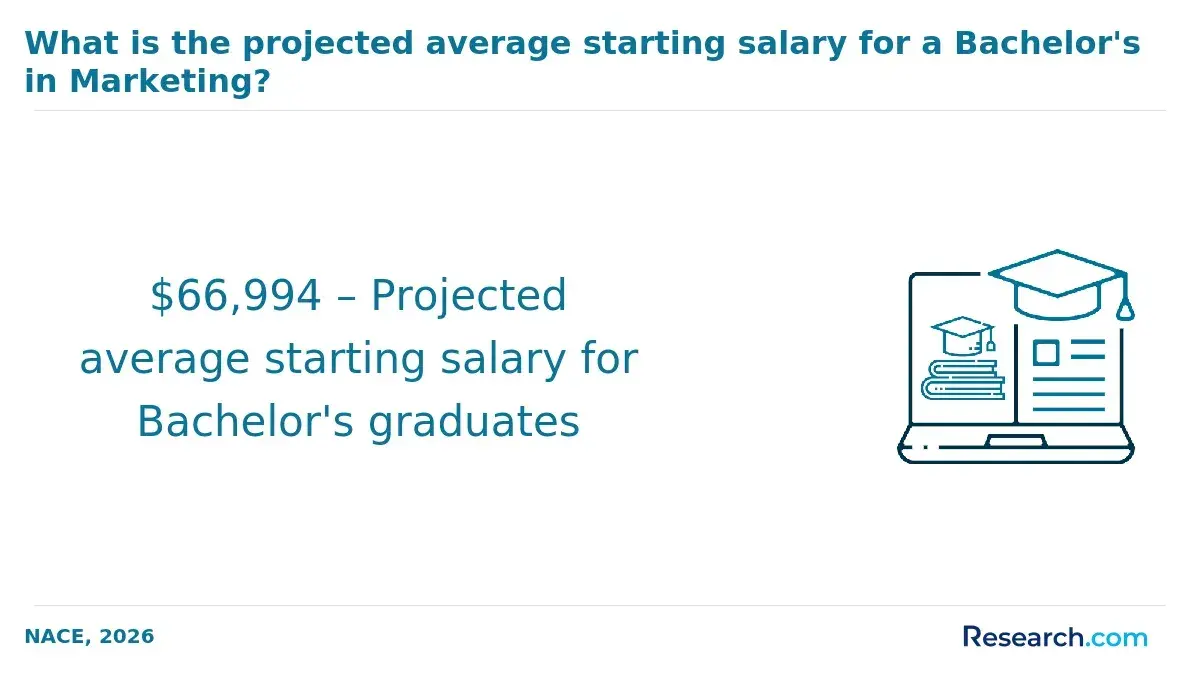
In general, an MBA program can cost anywhere from $44,640 to $71,140. The average online MBA program in West Virginia can cost anywhere from $27,400 to $31,000, while prestigious private schools may charge substantially more for both online and on-campus study.
Prospective students should look beyond advertised tuition. A lower per-credit price may not be the cheapest option if the program requires more credits, extra foundation courses, campus travel, residency weekends, or fees that are not included in the headline tuition rate.
| Cost Item | Why Students Should Check It | Question to Ask |
| Per-credit tuition | This is the most visible cost but not always the full cost. | How many credits are required to graduate? |
| Program fees | Technology, student services, graduation, and course fees can increase the total price. | Are all required fees included in the published estimate? |
| Residency status | Public universities may charge different rates for residents and nonresidents. | Does my residency classification affect tuition? |
| Books and materials | Graduate business courses may require textbooks, cases, simulations, or software. | What are the estimated course-material costs? |
| Lost income or reduced work hours | A full-time program may affect earnings while enrolled. | Can I keep working during the program? |
| Travel and campus attendance | Hybrid and on-campus programs may require commuting, parking, lodging, or schedule changes. | How often must I be physically present? |
For the most accurate tuition and fee information, students should verify costs directly with each university before applying or enrolling.
Financial Aid Options for MBA Programs in West Virginia
An MBA can be a valuable credential, but students should not assume the degree will automatically pay for itself. The right financing strategy begins before enrollment and should include federal aid, institutional scholarships, employer benefits, military benefits, and lower-cost alternatives when appropriate.
Some students may find that a specialized master’s degree, certificate, or lower-cost online business program meets their goal better than a traditional MBA. Students comparing lower-cost undergraduate or business pathways can review Research.com’s guide to the cheapest online business degrees.
- Federal financial aid: Students should start with the Free Application for Federal Student Aid, commonly known as the FAFSA, to determine eligibility for federal student loans and other aid options.
- West Virginia grants: The state offers aid programs for qualifying students pursuing higher education in West Virginia. Students should verify eligibility, deadlines, enrollment requirements, and graduate-student availability directly with state and institutional aid offices.
- Institutional scholarships: Business schools may offer awards based on merit, financial need, professional background, leadership, military service, academic performance, or program fit.
- Employer tuition assistance: Working professionals should ask whether their employer offers tuition reimbursement, tuition assistance, professional development funds, or education benefits tied to retention agreements.
- Military and veteran benefits: Veterans and eligible dependents may qualify for education benefits, and some students may be able to use the Yellow Ribbon Program depending on school participation and individual eligibility.
- Payment plans: Some universities allow students to divide tuition across installments, which may reduce reliance on borrowing.
| Financial Aid Option | Best Use | Important Caution |
| Federal student loans | Covering tuition when grants and scholarships are not enough. | Borrow only what you need and compare repayment obligations. |
| University scholarships | Reducing out-of-pocket cost at a specific school. | Some awards require full-time enrollment, GPA renewal, or early application. |
| Employer reimbursement | Financing an MBA while continuing to work. | Employers may require you to stay for a set period after reimbursement. |
| State aid | Supporting eligible students attending West Virginia institutions. | Graduate eligibility and enrollment rules can vary by program. |
| Military education benefits | Helping eligible service members, veterans, and dependents pay for school. | Confirm school participation, benefit limits, and certification requirements. |
West Virginia Schools Offering MBA Programs for 2027
Higher education attainment can support workforce development and long-term economic opportunity. In West Virginia, about 24.4% of the population had earned a bachelor's degree or higher in 2024.
The following West Virginia MBA programs differ in delivery format, accreditation, tuition structure, program length, and academic focus. Use this section as a starting point, then confirm admissions requirements, costs, curriculum, and current policies directly with each school.
| School | Program Format | Program Length | Credits | Accreditation |
| West Virginia University | On-campus | One year | 36 credit hours | AACSB |
| Marshall University | Online | Two years | 36 credit hours | AACSB |
| Fairmont State University | Residential | In as little as one year | 36 credit hours | ACBSP |
| American Public University System | Online | Two years | 30 credit hours | ACBSP |
| University of Charleston | Fully online or hybrid | Can be completed in as little as one year | 33 credit hours | ACBSP |
1. West Virginia University
West Virginia University offers its MBA through the John Chambers College of Business and Economics. The program is delivered on campus and can be completed in one year.
WVU’s MBA emphasizes practical learning. Students may engage with internships, simulations, case studies, and consulting projects connected to local businesses, giving them opportunities to apply classroom concepts to real business problems.
West Virginia University is accredited by AACSB International. MBA students must maintain a minimum cumulative grade point average of 3.0 for all coursework counted toward the graduate degree.
- Program length: One year
- Tracks/concentrations: Finance, accounting, marketing, entrepreneurship
- Cost per credit/tuition: $530 per credit hour for graduate residents
- Required credits to graduate: 36 credit hours
- Accreditation: AACSB
2. Marshall University
Marshall University offers an online MBA built for students who want to connect business theory with practical workplace application.
Students can shape the degree around a specific area of interest by completing at least two electives in management, finance, marketing, supply chain, health care administration, human resources, or accounting.
Marshall also offers a 3+2 option for students interested in a Master of Accountancy, allowing completion of a Bachelor of Business Administration and a Master’s Degree in Accounting or related fields in a total of five years.
Students considering accounting-focused leadership should review the career options for accounting majors. The Bureau of Labor Statistics projected that employment of accountants and auditors is estimated to grow 5% from 2024 to 2034.
- Program length: Two years
- Tracks/concentrations: Students can specialize by completing at least two electives in accounting, management, marketing, finance, supply chain, health care administration, or human resources.
- Cost per credit/tuition: $395 per credit hour
- Required credits to graduate: 36 credit hours
- Accreditation: AACSB
3. Fairmont State University
Fairmont State University offers a residential MBA requiring 36 credit hours. The program focuses on using business concepts in real-world managerial settings.
Students may choose a fast-track path and complete the MBA in a 12-month period from August to July. The curriculum is designed for both business and non-business undergraduate majors.
- Program length: In as little as one year
- Tracks/concentrations: Project management
- Cost per credit/tuition: For graduate in-state students living on campus, the tuition and fees cost $9,744.
- Required credits to graduate: 36 credit hours
- Accreditation: Accreditation Council for Business Schools and Programs (ACBSP)
4. American Public University System
The American Public University System offers an MBA intended to strengthen skills in management, marketing, leadership, finance, legal and ethical issues, business analytics, and human resources.
Faculty bring career-based perspectives from settings such as Fortune 500 companies, government agencies, contractors, and U.S. and corporate intelligence.
- Program length: Two years
- Tracks/concentrations: Offers a general concentration, allowing students to choose from dozens of different concentration courses so they can create their own focused area of study
- Cost per credit/tuition: $425
- Required credits to graduate: 30 credit hours
- Accreditation: ACBSP
5. University of Charleston
The University of Charleston offers an MBA for current and emerging professionals who want practical business and problem-solving skills for leadership roles.
The curriculum includes management across functions, industries, and organizational boundaries. Students study areas such as human resource management, business law, managerial accounting and finance, applied marketing, forecasting, international business and trade, financial management, ethics, strategic management, and a concentration area.
The University of Charleston MBA offers fully online courses as well as a hybrid format with weekly on-campus class meetings.
- Program length: Can be completed in as little as one year
- Tracks/concentrations: Management, healthcare management, business analytics, experiential learning
- Cost per credit/tuition: $600 per credit hour
- Required credits to graduate: 33 credit hours
- Accreditation: ACBSP
What to Look for in an MBA Program in West Virginia
The right MBA is the one that fits your career target, learning needs, finances, and timeline. Rankings can be useful, but they should not replace a careful review of accreditation, curriculum, faculty, outcomes, student support, and total cost.
- Accreditation: Prioritize schools with recognized business accreditation, including AACSB International and ACBSP. These accreditations indicate that a business program has been reviewed against established academic and quality standards. Specialized programs within AACSB-member schools experienced a 19% surge in enrollment, while standard MBA programs saw a 13% increase, suggesting that many students are paying closer attention to specialized graduate business options.
- Career alignment: Match the program to your target outcome. A student seeking healthcare administration should compare different coursework than a student focused on finance, entrepreneurship, analytics, accounting, or supply chain leadership.
- Curriculum depth: Look for coverage of core business areas such as accounting, finance, marketing, analytics, operations, economics, leadership, ethics, and strategy. Then review electives to see whether the program goes beyond general management.
- Program format: Decide whether campus, online, or hybrid learning fits your schedule. Students comparing flexible options can review accredited online business degree programs as part of their broader planning.
- Total cost and aid: West Virginia offers more than $100 million each year in financial aid for college (Student Financial Aid, n.d.). MBA students should ask about institutional aid, employer reimbursement, and state programs. For part-time students at a public business college in West Virginia, the HEAPS grant may help offset education expenses.
- Applied learning: Case studies, consulting projects, internships, simulations, and capstone projects can help students translate theory into workplace-ready skills.
- Student support: Ask about career coaching, resume help, networking events, faculty access, academic advising, technology support, and alumni connections.
| Question to Ask | Why It Matters |
| Is the business school accredited by AACSB or ACBSP? | Accreditation can signal program quality and may matter to some employers. |
| What are the total tuition and fees for the entire MBA? | Per-credit tuition alone does not show the full cost. |
| Can I complete the program while working full time? | Schedule fit is critical for adult learners and working professionals. |
| What concentrations or electives match my career goal? | A general MBA may not provide enough depth for specialized roles. |
| What career services are available to graduate business students? | Career support can influence networking, interviewing, and job-search outcomes. |
| Does the program publish employment outcomes? | Transparent outcomes can help students evaluate return on investment. |
| Are there prerequisites for non-business majors? | Foundation courses can affect time to completion and total cost. |
Common Mistakes to Avoid When Choosing a West Virginia MBA
- Choosing by name recognition alone: A well-known university is not automatically the best fit if the format, concentration, cost, or schedule does not match your needs.
- Ignoring accreditation: Always verify whether the business program holds AACSB or ACBSP accreditation if that matters for your employer, career path, or doctoral plans.
- Comparing only tuition per credit: Total cost depends on required credits, fees, books, travel, technology charges, and any prerequisite coursework.
- Assuming online always means easier: Online MBA programs can be rigorous and may require strong time management, writing skills, teamwork, and self-discipline.
- Overlooking employer benefits: Tuition reimbursement can significantly change the affordability of a program, but many students forget to ask before enrolling.
- Skipping career-outcome questions: Ask where graduates work, what industries recruit from the program, and whether the school supports students outside traditional campus recruiting.
- Assuming salary outcomes are guaranteed: An MBA can improve qualifications, but compensation depends on experience, industry, location, performance, and employer demand.
What other career paths are available to managers in West Virginia besides traditional business roles?
Management skills can transfer into public-sector, nonprofit, healthcare, infrastructure, education, and community-development roles. A manager who understands budgeting, staffing, project planning, stakeholder communication, and operations can contribute outside conventional corporate departments.
One example is urban and regional planning, where leadership and organizational skills can support land-use decisions, community development, infrastructure planning, and sustainability work. Professionals interested in that direction can explore Research.com’s guide to urban planning careers in West Virginia.
Other possibilities include public policy administration, nonprofit leadership, healthcare operations, workforce development, economic development, grant management, and community program administration.
Can managers leverage health and wellness trends to diversify their careers?
Managers with strong business skills may find opportunities in healthcare, wellness operations, employee well-being programs, nutrition-focused organizations, and health-related consulting. These roles require more than general business knowledge; they often demand sector-specific training, compliance awareness, and an understanding of patient, client, or community needs.
A manager interested in nutrition or wellness should investigate education and credentialing expectations before changing fields. Research.com’s guide on how to become a nutritionist in West Virginia explains one possible pathway for professionals considering that transition.
What are the career growth opportunities and challenges for managers in West Virginia?
Managers in West Virginia may find advancement opportunities in industries such as healthcare, energy, manufacturing, logistics, government, education, financial services, and small business leadership. The state’s workforce-development initiatives can also support upskilling for employees and employers.
Graduate education may help some professionals move toward senior leadership, especially when the program develops skills in strategy, finance, organizational change, and people management. Students focused on leading teams through change may want to compare options such as an MBA in organizational leadership.
The challenges are real. West Virginia’s economy includes industries in transition, and some career networks may be smaller than those in larger metropolitan markets. Managers may need to be proactive about joining professional associations, building alumni relationships, pursuing certifications, and staying current with technology, regulation, and workforce expectations.
What are the career advantages of integrating accounting and managerial expertise?
Accounting knowledge can make a manager more effective because it strengthens financial analysis, budgeting, compliance awareness, cost control, and strategic planning. In industries such as healthcare, energy, manufacturing, government contracting, and nonprofit administration, leaders often need to understand financial statements and operational performance at the same time.
Professionals who want deeper accounting expertise may investigate CPA pathways and accounting-focused graduate study. Research.com’s guide to the best accounting schools in West Virginia can help students compare academic options related to accounting careers.
An MBA with accounting electives can also help students prepare for roles that combine leadership and financial responsibility, such as controller-track management, operations finance, budget administration, business analysis, or executive leadership.
What Are the Benefits of Pursuing an MBA Degree Online?
An online MBA can be a strong fit for West Virginia professionals who need to continue working, avoid relocation, or study around family and job responsibilities. Online programs may also help students practice digital collaboration, remote communication, project management, and technology-enabled leadership.
The main benefit is flexibility, but students should still compare accreditation, faculty access, group-work expectations, live-session requirements, career services, and total cost. Professionals comparing flexible graduate business options can review Research.com’s guide to an affordable MBA degree online.
| Online MBA Benefit | What to Verify Before Enrolling |
| Flexible scheduling | Are classes asynchronous, live, or a mix of both? |
| No relocation requirement | Are there any campus visits, residencies, or in-person exams? |
| Work-school balance | How many hours per week should students expect per course? |
| Digital collaboration experience | Does the program include team projects, presentations, or applied assignments? |
| Potential cost control | Are online students charged separate technology or distance-learning fees? |
Discover Your Path to Success by Exploring the Top Business Schools in West Virginia
The best business school is not necessarily the most famous one. It is the program that helps you build the right skills, earn a credible credential, manage cost responsibly, and connect your MBA coursework to your career goal.
If your target career is logistics, procurement, operations, or distribution leadership, you may also want to compare MBA programs with specialized graduate options. Research.com’s guide to an online Master’s Degree in Supply Chain Management can help you evaluate that alternative.
How can integrating psychology boost managerial decision-making in West Virginia?
Psychology can help managers better understand motivation, communication, conflict, group behavior, change resistance, and employee engagement. These skills are especially useful for leaders responsible for teams, customer service, training, organizational change, or human resources.
Managers who want to explore behavioral science more deeply can compare psychology-related academic pathways through Research.com’s guide to the best colleges for psychology in West Virginia.
What Legal Considerations Should Managers Account for in West Virginia?
Managers in West Virginia should understand the legal issues that affect everyday business decisions, including employment practices, contracts, workplace policies, confidentiality, data handling, regulatory compliance, intellectual property, and ethical decision-making.
Managers do not need to become lawyers to make better legal-risk decisions, but they should know when to involve legal counsel and how to document decisions properly. Professionals who want a stronger foundation in legal processes can review Research.com’s guide on how to become a paralegal in West Virginia.
How Can Forensic Science Principles Enhance Managerial Risk Assessment in West Virginia?
Forensic thinking can strengthen management by encouraging evidence-based investigation, careful documentation, pattern recognition, and disciplined review of irregularities. These habits can be useful in compliance, auditing, fraud prevention, workplace investigations, safety reviews, and operational risk management.
Managers interested in investigative methods can learn more about related academic preparation through Research.com’s overview of forensic scientist education requirements in West Virginia.
How Do Regulatory and Licensing Requirements Shape Managerial Roles in West Virginia’s Healthcare Sector?
Healthcare managers must account for licensing rules, patient safety expectations, staffing regulations, documentation standards, privacy obligations, reimbursement requirements, and professional scope-of-practice rules. These requirements can directly affect hiring, scheduling, service delivery, compliance training, and risk management.
For example, managers who supervise pharmacy-related operations need to understand credentialing and licensure expectations. Research.com’s guide to pharmacist licensure requirements in West Virginia can help explain one regulated healthcare pathway.
Is an Accelerated Online Business Degree the Fast Track to Career Success in West Virginia?
An accelerated online business degree can shorten the time needed to complete a credential, but it is not automatically the fastest route to career success. The value depends on accreditation, academic rigor, employer recognition, student support, transfer-credit policies, and whether the curriculum matches your career target.
Students considering a quicker business pathway should compare workload carefully. Accelerated courses often require intensive weekly study and strong time management. Research.com’s guide to the best rated accelerated business degree online program can help students compare options.
What Are Alternative Career Paths That Leverage Managerial Skills in West Virginia?
Leadership, planning, communication, budgeting, and operations skills can support careers beyond corporate management. Some professionals move into public health, counseling administration, nonprofit leadership, workforce programs, community services, or government-related roles.
For example, a manager interested in behavioral health or community services may explore substance abuse counseling pathways while recognizing that counseling roles have their own education, supervision, and licensing requirements. Research.com’s guide on how to become a licensed substance abuse counselor in West Virginia explains one such path.
How Can Accreditation and Professional Certifications Impact Managerial Careers in West Virginia?
Accreditation helps students identify business programs that have met external quality standards. Professional certifications can also strengthen a manager’s credibility in specialized fields such as accounting, project management, human resources, analytics, supply chain, or healthcare administration.
For finance-related management roles, accounting credentials can be especially useful. Professionals considering that direction can review Research.com’s guide on how to become a CPA in West Virginia.
The best credential depends on the role. Before paying for a certification, ask whether employers in your target industry request it, whether it requires continuing education, and whether it will improve your ability to qualify for the specific jobs you want.
How Can Managers Drive Social Impact in West Virginia?
Managers can create social impact by aligning organizational goals with community needs. That may include workforce training, local hiring, partnerships with schools, support for public services, nonprofit collaboration, rural access initiatives, or employee volunteer programs.
Business leadership can also intersect with social services. Managers interested in community-facing work may explore how social work systems operate by reviewing Research.com’s guide on how to become a social worker in West Virginia.
Key Insights
- West Virginia can be a practical MBA market for regionally focused students: The state offers accredited MBA options in online, hybrid, residential, and one-year formats, making it possible to match school choice with work schedule and career goals.
- Management careers in the state show meaningful opportunity: BLS data reported approximately 41,750 management jobs in West Virginia and an annual mean wage of $106,450 for management occupations.
- Cost comparison must go beyond tuition: MBA programs can cost anywhere from $44,640 to $71,140, while the average online MBA program in West Virginia can cost anywhere from $27,400 to $31,000. Students should also compare fees, credits, travel, books, and time away from work.
- Accreditation matters: AACSB and ACBSP accreditation can help students identify business programs that have undergone external review. It is one of the first things to verify before applying.
- The best MBA is career-specific: A healthcare manager, accountant, entrepreneur, supply chain professional, and nonprofit leader may all need different electives, networks, and applied learning experiences.
- Online MBA programs are useful but not effortless: Flexibility helps working adults, but students still need discipline, technology readiness, and enough weekly study time to succeed.
- Do not treat an MBA as a guaranteed salary increase: Outcomes depend on experience, industry, location, employer demand, networking, and how effectively students apply the degree to a clear career plan.
Related Articles for Nearby States
- 2027 Best Business Schools in Virginia – Accredited Colleges & Programs
- 2027 Best Business Schools in Ohio – Accredited Colleges & Programs
- 2027 Best Business Schools in Kentucky – Accredited Colleges & Programs
- 2027 Best Business Schools in Pennsylvania – Accredited Colleges & Programs
- 2027 Best Business Schools in Maryland – Accredited Colleges & Programs
- 2027 Best Business Schools in North Carolina – Accredited Colleges & Programs
- 2027 Best Business Schools in Tennessee – Accredited Colleges & Programs
- 2027 Best Business Schools in Indiana – Accredited Colleges & Programs
- 2027 Best Business Schools in South Carolina – Accredited Colleges & Programs
- 2027 Best Business Schools in Georgia – Accredited Colleges & Programs
References:
- APUS. (n.d.). Tuition and fees. American Public University System. https://www.apu.apus.edu/tuition-and-financing/tuition-and-fees
- Bryant, J. (2025, October2). How Much Does an MBA Cost? Full Statistics. BestColleges. https://www.bestcolleges.com/business/mba/how-much-does-an-mba-cost/
- Bureau of Labor Statistics. (2025, August 28). Accountants and Auditors. https://www.bls.gov/ooh/business-and-financial/accountants-and-auditors.htm#tab-6
- Fairmont State University. (n.d..). Cost of Attendance. https://www.fairmontstate.edu/financial-aid/cost-attendance.aspx
- Federal Reserve Bank of St. Louis (2025, September 11). Bachelor's Degree or Higher for West Virginia (GCT1502WV). https://fred.stlouisfed.org/series/GCT1502WV
- Grants Division of West Virginia. (n.d.). Student financial aid. https://grants.wv.gov/funding-sources-2/pages/student-financial-aid.aspx
- Hanson, M. (2024, November 23). Average Cost of a Master’s Degree. Education Data Initiative. https://educationdata.org/average-cost-of-a-masters-degree
- IBISWorld (2024). West Virginia Economic Overview. https://www.ibisworld.com/united-states/economic-profiles/west-virginia/
- Marshall University. (2026). Online Program Tuition 2025 – 2026 https://www.marshall.edu/tuition/2025-2026-online-learning-tuition-and-fees/
- Trading Economics (2025). Management of Companies and Enterprises Wages and Salaries in West Virginia. https://tradingeconomics.com/united-states/management-of-companies-and-enterprises-wages-and-salaries-in-west-virginia-fed-data.html
- UCWV (University of Charleston, West Virginia). (n.d.). Cost sheet: 2026-2027 Tuition Rates. https://www.ucwv.edu/admissions/financial-aid/cost-sheet
- West Virginia Advantage. (n.d.). Educational Workforce. https://westvirginia.gov/advantage-west-virginia/educational-workforce
- West Virginia Economic Development. (n.d.). World Class Workforce. https://westvirginia.gov/advantage-west-virginia/world-class-workforce
- West Virginia University (2026). WVU Morgantown On-Campus Graduate and Professional Programs Tuition and Fees by Enrolled Program 2025-26. https://tuition.wvu.edu/graduate-and-professional/morgantown-oncampus
- Zippia. (2026, February 6). 25 Educational MBA Statistics [2026]: Average Age, Cost, And Salary For MBA Graduates. https://www.zippia.com/advice/mba-statistics
Other Things You Should Know About The Best Business Schools in West Virginia
In 2027, business schools in West Virginia offer MBA specializations such as finance, healthcare management, entrepreneurship, and marketing. These programs equip students with the skills needed to excel in specific industries, providing opportunities for targeted career advancement. Specializations often align with regional economic needs, enhancing job prospects within West Virginia.
The duration of an MBA program in West Virginia can range from one to two years, depending on whether you are studying full-time or part-time. Accelerated programs may allow you to complete your MBA in as little as one year.
The cost of MBA programs in West Virginia varies by institution and residency status. On average, in-person MBA programs cost $21,452, but tuition can range from $395 to $1,352 per credit hour. Financial aid and scholarships are available to help offset the costs.
Yes, many institutions in West Virginia offer online MBA programs that provide flexibility for working professionals and those with other commitments. These programs often include the same rigorous curriculum and opportunities for practical application as on-campus programs.
West Virginia business schools collaborate with local industries and startups, offering students real-world consulting projects and internships. Entrepreneurship centers and pitch competitions empower students to launch businesses, leveraging strong local networks and mentorships. These opportunities cultivate entrepreneurial skills and community engagement, enhancing student preparedness for local and global markets.
MBA students in West Virginia can apply for financial aid options such as the West Virginia Higher Education Grant, the HEAPS grant for part-time students, and various scholarships offered by individual institutions. These aid programs help reduce the overall cost of education.