2027 Best Business Schools in New Mexico – Accredited Colleges & Programs

Co-Founder and Chief Data Scientist
Choosing a business school in New Mexico is not just a question of picking the closest campus or the lowest tuition. The better question is whether a program gives you the right mix of accreditation, career support, specialization options, employer connections, and flexibility for the business role you want. New Mexico’s economy includes energy, agriculture, healthcare, tourism, scientific research, technology, government contracting, small business development, and the arts, which means business students can prepare for a wide range of career paths without leaving the state.
This guide is designed for students comparing business programs in New Mexico at the associate, bachelor’s, master’s, and doctoral levels. It explains how long business degrees typically take, what they may cost, which schools stand out, how to evaluate accreditation, and how to think about return on investment. It also connects business education to related fields such as accounting, finance, healthcare management, legal support, social impact, and entrepreneurship, so you can choose a program that fits your goals rather than relying on rankings alone.
If you are still deciding whether to pursue one of the many degrees in business management, use this article as a practical decision guide. The strongest business school for you is the one that matches your budget, schedule, career target, preferred learning format, and need for internships, mentoring, or professional certification support.
Best Business Schools in New Mexico Table of Contents
- Quick answer: Should you study business in New Mexico?
- How long business programs take in New Mexico
- Business school tuition and total cost factors
- Ways to finance a business degree in New Mexico
- Certifications and specialized business career routes
- How to compare business programs in New Mexico
- Trends influencing business education in New Mexico
- How psychology can strengthen business leadership
- How to evaluate the ROI of a business degree
- Using business skills in substance abuse counseling organizations
- The value of an accounting specialization
- Why legal knowledge can help business graduates
- Career services at New Mexico business schools
- Business careers with social impact
- Business opportunities in health and nutrition
- Other career paths for business majors in New Mexico
- Forensic science-related options for business graduates
- Pharmaceutical management opportunities
Quick Answer: Is New Mexico a Good Place for Business Majors?
Yes, New Mexico can be a practical place to study business if you want access to a diversified state economy, public universities with established business programs, and career options connected to energy, healthcare, research, government, tourism, technology, and small business development. The state is also home to three national laboratories and research-oriented universities, which can create opportunities for students interested in innovation, commercialization, analytics, operations, and technology management.
The financial case depends on the degree level, school, residency status, debt, and career path. For example, management occupations in New Mexico report an average annual salary of $121,270, while the median salary for CEOs in New Mexico in 2026 reached $754,100. These figures show that business careers can pay well at the management and executive levels, but they should not be treated as guaranteed outcomes for every graduate.
If you are asking, “Is business administration a good major to invest in in New Mexico?” the answer is strongest when you choose an accredited program, keep borrowing under control, build internship experience, and select a concentration tied to real employer demand. Business administration is broad, so students should pair it with marketable skills such as accounting, finance, data analytics, supply chain management, human resources, project management, or entrepreneurship.
Business Degrees by Credential Level: Which One Fits Your Goal?
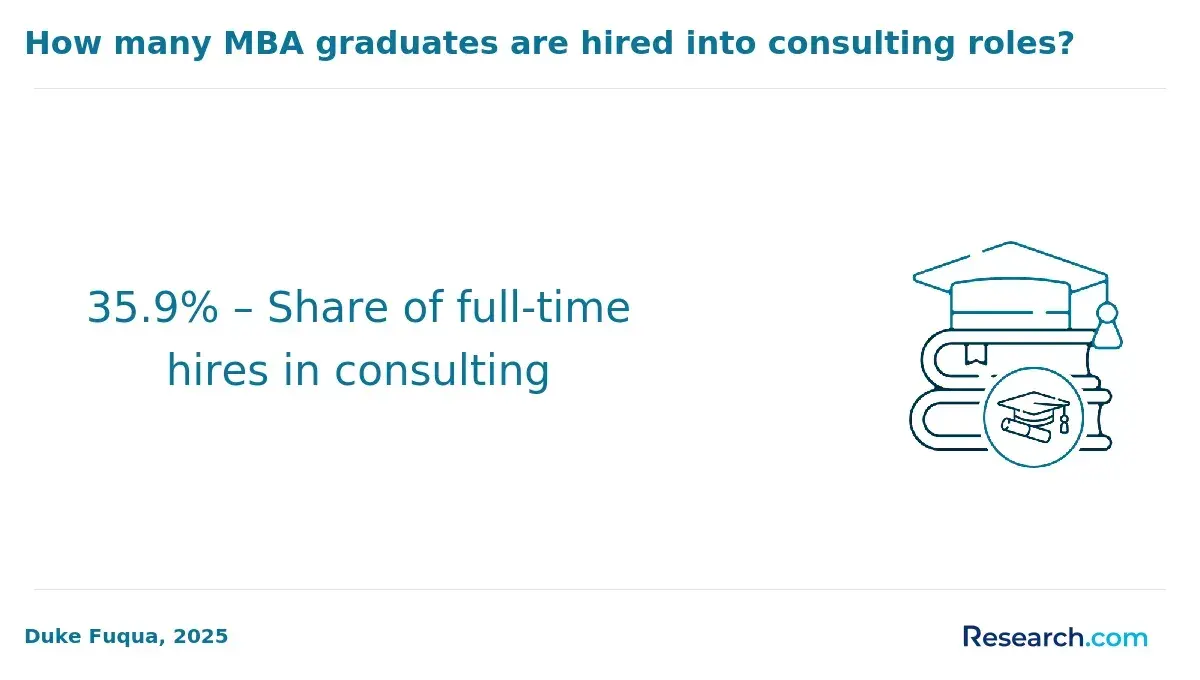
Business education in New Mexico is available from the associate level through doctoral study. Each credential serves a different purpose. An associate degree can help students enter the workforce sooner or transfer into a bachelor’s program. A bachelor’s degree is the standard entry point for many professional business roles. A master’s degree, including an MBA, is often used by working professionals who want to move into leadership, change industries, or develop a specialized skill set. A doctorate is usually best for research, university teaching, senior consulting, or advanced organizational leadership work.
Because New Mexico’s economy includes both traditional sectors and research-driven industries, business students can use their degree in more than one direction. For instance, a graduate with operations or supply chain training may work in healthcare, energy, retail, or manufacturing. A student with finance or accounting preparation may pursue corporate finance, public accounting, government budgeting, or entrepreneurship. A student with business analytics training may be useful in technology, logistics, research administration, or marketing strategy.
| Credential | Typical purpose | Best fit for | Common next step |
| Associate degree | Builds introductory business knowledge and may support transfer | Students seeking lower-cost entry or entry-level office and business roles | Transfer to a bachelor’s program or pursue administrative, sales, or support roles |
| Bachelor’s degree | Provides broad business preparation with room for specialization | Students targeting professional roles in management, marketing, finance, HR, or operations | Internships, entry-level analyst roles, management trainee roles, or graduate study |
| Master’s degree | Develops advanced leadership, technical, or strategic skills | Working professionals, career changers, and students seeking management advancement | Leadership roles, consulting, specialized credentials, or executive-track positions |
| Doctorate | Focuses on advanced research and expert-level business inquiry | Future faculty, researchers, senior consultants, or specialized executives | Academic roles, applied research, executive consulting, or policy-related work |
Industry mix also matters. New Mexico’s top industry by revenue is oil drilling and gas extraction at $27.9 billion. Scientific research and development follows at $11.1 billion, with hospitals at $9.4 billion, health and medical insurance at $9.1B, and new car dealers at $6.2B. These sectors help explain why business graduates with finance, analytics, operations, healthcare administration, and technology management skills may find multiple ways to apply their education.
Why New Mexico Can Support Business Students and Entrepreneurs
New Mexico has support systems that can be especially useful for students who want to start a company, join a family business, consult with small firms, or work in economic development. The New Mexico Small Business Development Center (NMSBDC) and the U.S. Small Business Administration New Mexico District Office provide advising, training, funding guidance, and small business resources. For business students, these organizations can be useful beyond graduation because they expose future managers and entrepreneurs to real problems involving planning, financing, marketing, compliance, and growth.
Students should look for business programs that connect classroom learning with these kinds of local resources. A program that includes consulting projects, internship placement, entrepreneurship labs, or local employer partnerships may provide stronger practical value than a program that relies only on lectures and exams.
How Long Do Business Programs Take in New Mexico?
Business program length in New Mexico generally depends on degree level, enrollment status, transfer credits, and whether the student studies online, on campus, full time, or part time. Students who already have college credits, military credits, professional certifications, or an associate degree may finish faster if the school accepts transfer credit.
- Associate degree, approximately 2 years: A two-year business program usually covers introductory accounting, management, economics, business communication, entrepreneurship, and computer applications. It can prepare students for entry-level work or transfer into a bachelor’s degree.
- Bachelor’s degree, approximately 4 years: A four-year business program usually combines general education, core business courses, electives, and a major or concentration such as accounting, finance, marketing, information systems, supply chain management, or business administration.
- Master’s degree, approximately 1-2 years: A graduate business program may be completed in one to two years, depending on format and course load. MBA and specialized master’s programs often focus on leadership, analytics, accounting, operations, human resources, finance, or strategic decision-making.
- Doctorate, varies: Doctoral business study typically takes several years because it includes advanced coursework, research methods, comprehensive exams, and a dissertation or applied doctoral project.
| Program format | When it makes sense | Trade-offs to consider |
| Full-time campus study | You want a traditional college experience, more face-to-face networking, and faster completion | Less schedule flexibility and potentially higher living or transportation costs |
| Part-time study | You need to work while studying or manage family responsibilities | Longer time to graduation and possible difficulty maintaining momentum |
| Online program | You need location flexibility or are already employed | Requires self-discipline; students should verify accreditation, support services, and employer recognition |
| Hybrid program | You want online convenience with some in-person interaction | Campus visits may still be required, so check schedule and travel expectations |
Business Specializations Offered by New Mexico Schools
A business specialization matters because “business” is a broad field. Employers often look for a specific capability, not just a general degree title. A concentration can signal that you have studied a focused area such as accounting, finance, marketing, business analytics, supply chain management, human resources, entrepreneurship, or information systems.
At the associate level, students often start with practical foundations such as accounting, business management, and entrepreneurship. At the bachelor’s level, they may move into deeper study in marketing, finance, international business, management, or information systems. At the master’s level, students may choose advanced areas such as business analytics, human resource management, supply chain management, project management, or healthcare management. These choices can influence which business careers that are financially lucrative are realistic after graduation.
Doctoral students usually focus less on job-ready concentrations and more on advanced research questions in areas such as organizational behavior, strategic management, information systems, marketing, economics, or accounting. This path is best for students who want to contribute original research, teach at the college level, or become expert practitioners in a highly specialized area.
| Specialization | Useful for students interested in | Skills typically developed |
| Accounting | Auditing, tax, financial reporting, budgeting, compliance | Financial analysis, reporting standards, internal controls, documentation |
| Finance | Banking, corporate finance, investment analysis, financial planning | Valuation, forecasting, risk analysis, capital budgeting |
| Marketing | Brand strategy, digital marketing, sales, market research | Consumer analysis, campaign planning, communication, data interpretation |
| Business analytics | Data-driven management, operations, technology, consulting | Data interpretation, modeling, dashboards, decision support |
| Supply chain management | Logistics, procurement, inventory, operations | Process improvement, vendor management, forecasting, cost control |
| Human resources | Recruiting, employee relations, training, compensation | Workforce planning, employment law awareness, performance management |
Tuition and Costs of Business Programs in New Mexico
Business school costs in New Mexico vary by institution, degree level, residency status, delivery format, and whether the student attends full time or part time. Tuition is only one part of the full cost. Students should also estimate books, supplies, technology, fees, housing, meals, transportation, and lost income if they reduce work hours to study.
Undergraduate Business Degree Costs
Associate and bachelor’s degrees serve different cost and career purposes. Associate programs are commonly offered by community colleges and may provide a lower-cost starting point. Bachelor’s programs are typically broader and deeper, often including advanced business coursework, internships, and more specialization options. Students who plan carefully may begin with an associate degree and transfer into a bachelor’s program to reduce total cost.
| Degree level | In-state tuition and fees estimate | Out-of-state tuition and fees estimate | Typical planning note |
| Associate’s Degree | $3,500 $5,300 | $6,800 $11,000 | Often a cost-conscious route for students planning to transfer or enter entry-level roles |
| Bachelor’s Degree | $4,300 $8,700 | $10,500 $16,500 | Usually the baseline credential for many professional business positions |
Graduate Business Degree Costs
Graduate business programs are designed for students who want advanced expertise, leadership preparation, or a more specialized credential. Master’s programs may be especially useful for professionals seeking advancement or a career pivot. Doctoral programs are more research-intensive and should be chosen only when the long-term career goal justifies the time and cost.
| Degree level | In-state tuition and fees estimate | Out-of-state tuition and fees estimate | Typical planning note |
| Master’s Degree | $6,500 $12,800 | $12,500 $21,000 | Best evaluated by comparing career outcomes, employer support, and specialization value |
| Doctorate Degree | $7,800 $16,000 | $16,000 $27,000 | Most appropriate for research, teaching, consulting, or advanced executive expertise |
Students should also budget for books and supplies, which average between $1,100 and $2,200 per year. Accommodation and meals, including room and board, commonly range from $7,500 to $11,000 per year. Transportation may add approximately $1,250 to $2,300 annually. These expenses can change the real affordability of a program, especially for students comparing online, commuter, and residential options.
Using Financial Aid to Lower the Net Price
The listed tuition price is not always the final amount a student pays. Scholarships, grants, work-study, tuition waivers, employer reimbursement, and federal or state aid may reduce the out-of-pocket cost. The Financial Aid Division of the New Mexico Higher Education Department provides information on state aid options and allocates more than $100 million annually in financial assistance to students in New Mexico.
Before choosing a business school, compare net price rather than sticker price. Ask each school how much grant aid students typically receive, whether business students qualify for departmental scholarships, how transfer credits are evaluated, and whether online students pay different fees.
Financing Your Business Education in New Mexico
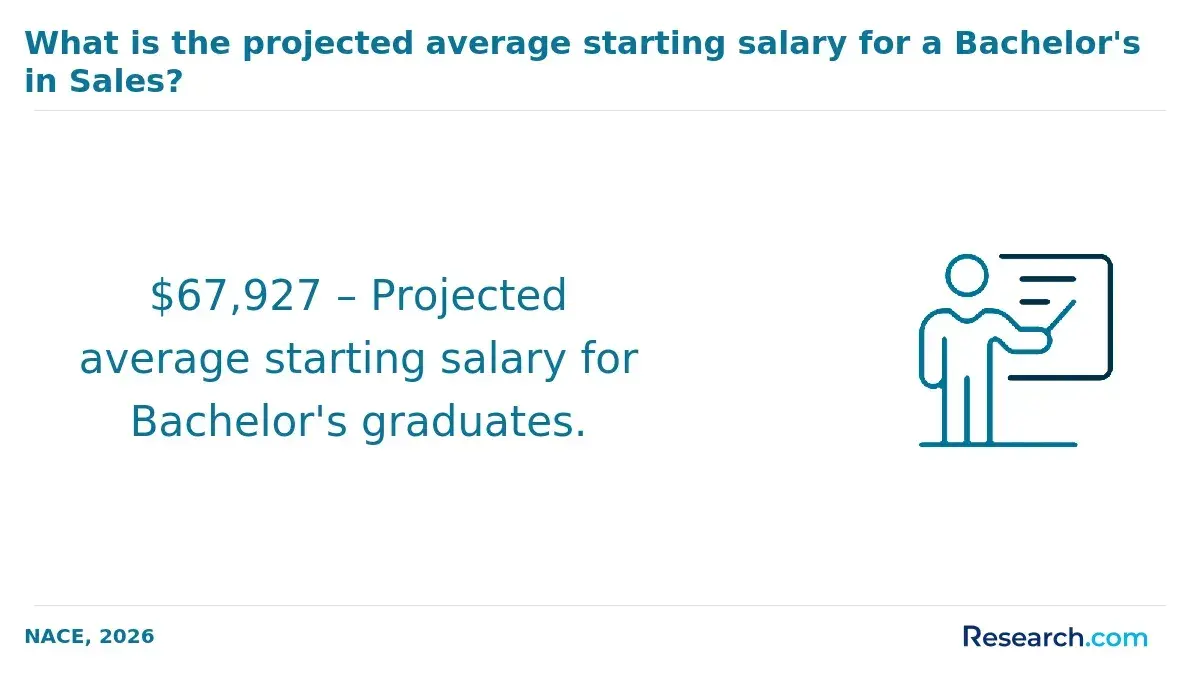
A business degree can be worthwhile, but only if the financing plan is realistic. Students should build a funding strategy before enrolling, not after the first bill arrives. The goal is to reduce borrowing, understand repayment obligations, and choose a program whose likely career benefits justify the cost.
- Scholarships and grants: Start with institutional scholarships, state aid, departmental awards, community scholarships, and private scholarships. Grants and scholarships are especially valuable because they do not need to be repaid when requirements are met.
- Federal and state financial aid: Completing the FAFSA can help students qualify for need-based aid such as Pell Grants and other federal or state programs.
- Work-study programs: Some colleges offer part-time work opportunities that allow students to earn money while staying connected to campus resources.
- Employer tuition reimbursement: Working adults should ask whether their employer will pay for courses, certificates, or degrees related to advancement within the organization.
- Private loans: Private student loans may fill funding gaps, but students should review interest rates, repayment terms, fees, and cosigner obligations before borrowing.
Students who qualify for in-state tuition should prioritize it when comparing schools because out-of-state costs can be much higher. Online learners should also compare fee structures because distance education does not always mean lower total cost. If you are comparing online and campus options, reviewing the online business degree cost can help you understand how affordability varies by format.
| Cost-reduction strategy | Best for | Question to ask before enrolling |
| Start at a community college | Students planning to transfer into a bachelor’s program | Will the target university accept all business and general education credits? |
| Use employer reimbursement | Working adults pursuing advancement | Are there grade, employment, or repayment requirements? |
| Choose online or commuter study | Students trying to reduce housing or relocation expenses | Are online fees, technology fees, or travel requirements added? |
| Apply for departmental scholarships | Business majors with academic merit, need, or leadership experience | Are scholarships renewable, and what GPA is required? |
| Transfer prior credits | Students with previous college, military, or professional training | How many credits will count toward the degree before admission? |
Pathways for Certification and Specialized Business Careers in New Mexico
Many business students strengthen their degree with a professional certification. Certifications can be especially useful when a business major wants to move into accounting, project management, human resources, analytics, financial planning, supply chain management, or compliance. For accounting-focused students, the CPA pathway is one of the most recognized options. Students who want a focused explanation of accounting programs and certification preparation can review how to become a CPA in New Mexico.
Other credentials may align with human resources, data analytics, supply chain management, and project management. These credentials can help graduates show employers that they have applied knowledge beyond general business coursework. They may also be useful in industries important to New Mexico, including healthcare administration, energy, technology, real estate, and government-related contracting.
When comparing business schools, ask whether the curriculum maps to certification exams, whether faculty advise students on credential pathways, and whether the school offers workshops, mentorship, exam preparation, or networking events through professional organizations. A degree gives the foundation; a well-chosen certification can make that foundation more targeted.
New Mexico Schools Offering Business Programs for 2027
New Mexico has several institutions offering business programs, from broad business administration degrees to specialized options such as accounting, hospitality management, marketing, economics, and a degree in finance. The best choice depends on what you need most: AACSB or ACBSP accreditation, online flexibility, graduate options, internship access, affordability, or a specific concentration.
The schools below are included because they offer business programs with recognized academic structures, accreditation, student support, and program variety. Use the list as a starting point, then verify current admission requirements, tuition, course delivery formats, transfer policies, and concentration availability directly with each institution.
1. University of New Mexico Anderson School of Management Albuquerque
The University of New Mexico Anderson School of Management is one of the state’s most established business schools and holds AACSB accreditation. It offers undergraduate and graduate business options, including five graduate programs and 12 Graduate Management Certificates. Its program mix may appeal to students who want a large public university environment, a wide selection of business concentrations, and graduate options suited to executives and working professionals.
- Undergraduate Programs: Bachelor of Science in Business Administration (BSBA) with majors in Accounting, Economics, Finance, Information Systems, Film and Digital Media Arts, Operations Management, Marketing, and Supply Chain Management,
- Graduate Programs: MBA with 13 Tracks: Business Analytics, Cybersecurity, Diversity Leadership, Education, Film & Digital Arts, Finance, General Management, Health Care, Marketing, Operations Management, Organizational Behavior/HR Management, Project Management, Sport Management; Master of Accounting Professional Concentration, Tax Concentration, Information Assurance Concentration
- Accreditation: Association to Advance Collegiate Schools of Business (AACSB)
2. New Mexico State University College of Business Las Cruces
The College of Business at New Mexico State University is AACSB-accredited and offers a broad portfolio of undergraduate, master’s, and doctoral programs. It may be a strong fit for students who want options in economics, finance, accounting, hospitality, statistics, agricultural economics, marketing, management, or economic development.
- Undergraduate Programs: Bachelor’s in Accounting, Applied Economics and Finance, Business Administration, General Business, Hospitality Management, Information Systems, Management, Marketing, Personal Financial Planning
- Graduate Programs: Master of Business Administration (MBA), Master of Arts in Economics, Master of Science in Agricultural Economics and Agricultural Business, Master of Science in Applied Statistics, Master of Accountancy; PhD in Marketing, PhD in Management, Doctor of Economic Development (DED)
- Accreditation: Association to Advance Collegiate Schools of Business (AACSB)
3. Eastern New Mexico University College of Business Portales
The College of Business at Eastern New Mexico University offers business programs that may suit students looking for accessible undergraduate and graduate study, including online learning options. Its ACBSP accreditation and concentration choices can be useful for learners who need flexibility while pursuing business administration, financial planning, hospitality, information systems, marketing, or management-related goals.
- Undergraduate Programs: Bachelor’s in Business Administration (BSBA) in Accounting, Applied Economics and Finance, General Business, Financial Planning, Hospitality Management, Information Systems, International Business, Management, Marketing, Programming Design, Personal Finance Planning
- Graduate Programs: Master of Business Administration (MBA), Financial Planning Certificate Program
- Accreditation: Accreditation Council for Business Schools and Programs (ACBSP)
4. New Mexico Highlands University College of Business Las Vegas
New Mexico Highlands University offers business education with options that may appeal to students seeking undergraduate business preparation or online MBA pathways. Its graduate concentrations in health and entrepreneurship can be especially relevant for students interested in healthcare administration, small business growth, or venture development.
- Undergraduate Programs: Bachelor’s in Business Administration
- Graduate Programs: Online MBA, Online MBA Health Concentration, Online MBA Entrepreneurship Concentration
- Accreditation: Accreditation Council for Business Schools and Programs (ACBSP)
5. Western New Mexico University College of Business Silver City
Western New Mexico University provides business programs for students pursuing associate, undergraduate, minor, and graduate study. It may be a practical option for students who want a business foundation, a management or marketing focus, or an MBA pathway with faculty and institutional support.
- Undergraduate Programs: Accounting, Business Management, General Business, Marketing, AS in Business Administration, Minors
- Graduate Programs: Master of Business Administration
- Accreditation: Accreditation Council for Business Schools and Programs (ACBSP)
What to Look For in a Business Program in New Mexico
A business program should be evaluated by fit, not by name recognition alone. The right program should help you graduate with credible credentials, practical experience, useful connections, and manageable debt. Before applying, compare schools using the factors below.
- Accreditation: Give priority to programs accredited by recognized business accreditors such as AACSB (Association to Advance Collegiate Schools of Business) or ACBSP. Accreditation helps confirm that a program has gone through external quality review.
- Specialization options: Make sure the school offers the concentration you actually need. This is particularly important for students comparing MBA programs in New Mexico because an MBA in analytics, healthcare, finance, or project management can lead to different outcomes.
- Learning format: Check whether courses are available on campus, online, hybrid, full time, part time, during evenings, or in accelerated formats. Flexibility matters most for working adults and students with family responsibilities.
- Faculty background: Review whether faculty have research expertise, industry experience, consulting experience, or professional credentials relevant to your goals.
- Internship access: Strong business programs should help students gain real experience through internships, consulting projects, employer-sponsored projects, or applied capstone work.
- Networking resources: Look for alumni events, employer panels, business competitions, mentoring, and student organizations. These resources can influence business school career outcomes and salaries in New Mexico and beyond.
- Career services: Ask how the school supports resumes, interviews, internship searches, job fairs, employer introductions, and graduate placement.
- Faculty-student interaction: Smaller classes, accessible instructors, and advising availability can make a difference, especially for first-generation students and online learners.
- Experiential learning: Prioritize programs that use case studies, simulations, consulting projects, business plans, data projects, or team-based work.
- Facilities and academic resources: Evaluate libraries, databases, technology platforms, tutoring, writing support, analytics tools, and research centers that support business learning.
| Decision factor | Why it matters | Red flag |
| Accreditation | Signals external academic review and employer credibility | The school cannot clearly explain institutional and business accreditation |
| Net cost | Determines the real affordability after aid | The school discusses tuition but not fees, books, housing, or loan repayment |
| Career support | Helps students turn coursework into internships and jobs | No clear employer relationships, internship support, or placement guidance |
| Specialization fit | Connects your degree to a target career path | The program is broad but lacks courses in your intended field |
| Transfer policy | Can save time and money for students with previous credits | The school will not evaluate credits until after enrollment |
| Online student support | Online learners need advising, tutoring, technology help, and career access | Online students receive fewer services than campus students |
Common Mistakes to Avoid When Choosing a Business School
- Choosing only by tuition: A lower tuition price may not be the best value if the program has weak career services, limited transfer acceptance, or few business concentrations.
- Ignoring accreditation: Accreditation can affect employer trust, graduate school options, and professional credibility.
- Assuming online means easier: Online business programs require time management, writing ability, participation, and consistent access to technology.
- Overlooking transfer credits: Students with previous college work should confirm how credits apply before committing to a school.
- Relying only on rankings: Rankings can help with discovery, but the best program is the one that fits your goals, budget, and schedule.
- Assuming salary outcomes are guaranteed: Earnings depend on experience, industry, location, performance, internships, and the specific role.
What Emerging Trends Are Shaping Business Education in New Mexico?
Business education in New Mexico is increasingly influenced by technology, flexible learning, applied projects, and demand for data-informed decision-making. Many programs now emphasize hybrid instruction, online delivery, business analytics, digital tools, and experiential coursework that connects theory with real organizational problems. Students comparing graduate options may want to consider whether programs such as an AACSB online MBA offer the accreditation, flexibility, and technology-focused curriculum they need.
Another important trend is interdisciplinary business education. Employers often need graduates who can work across departments and sectors, not just complete traditional management tasks. Business students may benefit from coursework in sustainability, entrepreneurship, healthcare, psychology, law, data analysis, operations, and public policy, depending on their goals.
How Can Integrating Psychology Enhance Business Leadership in New Mexico?
Psychology can strengthen business leadership by helping managers understand motivation, team behavior, decision-making, communication, conflict, and consumer response. In New Mexico workplaces, these skills can be useful in healthcare organizations, tourism businesses, government agencies, technology companies, nonprofits, and small businesses where leaders must manage diverse teams and serve varied communities.
Students interested in people-focused leadership may benefit from pairing business coursework with organizational psychology, consumer behavior, or behavioral science. For those considering a deeper interdisciplinary path, Research.com’s guide to the best colleges for psychology in New Mexico can help identify psychology programs that may complement business training.
What Is the ROI of a Business Degree in New Mexico?
The return on investment of a business degree depends on total cost, financial aid, debt, time to completion, career outcomes, and how well the program connects to your target field. A student who pays in-state tuition, earns scholarships, completes internships, and chooses a high-demand concentration may see a very different ROI than a student who borrows heavily for a general program without a clear career plan.
To estimate ROI, compare tuition, fees, books, living costs, and transportation against likely career paths, not just broad salary averages. Ask schools for data on internship participation, graduate employment, employer partnerships, and alumni outcomes by program. Students considering marketing-oriented programs can also review Is business and marketing a good degree? to better understand how business and marketing preparation can translate into career options.
| ROI question | Why it matters |
| How much will I pay after grants and scholarships? | Net price is more useful than published tuition. |
| Will I need to borrow, and how much? | Debt affects career flexibility after graduation. |
| Does the program lead to internships or employer projects? | Experience often helps business graduates compete for better roles. |
| Is the concentration connected to my target industry? | A focused skill set can improve employability. |
| Can I keep working while enrolled? | Maintaining income can reduce borrowing and opportunity cost. |
Can Business Graduates Leverage Their Skills to Enter Substance Abuse Counseling?
Business graduates are not automatically prepared to become substance abuse counselors, but their skills can be valuable in organizations that provide counseling, behavioral health, or community support services. Management, budgeting, operations, grant administration, outreach, and program evaluation are all important in service organizations that address substance abuse needs in New Mexico.
Graduates who want direct counseling roles must understand the education, supervision, and licensing requirements for that field. A business background can support leadership or administration, but clinical practice requires specialized preparation. Students can review how to become a licensed substance abuse counselor in New Mexico to understand the requirements before planning a transition.
What Role Does an Accounting Specialization Play in Advancing Business Careers in New Mexico?
An accounting specialization can make a business degree more career-specific. Accounting students develop skills in financial reporting, auditing, tax preparation, budgeting, risk management, and compliance. These skills are useful in public accounting firms, corporations, hospitals, government agencies, nonprofits, energy companies, and small businesses.
For students who want stronger professional credibility, the CPA pathway may be worth considering. Certification requirements are specific, so students should plan coursework carefully and confirm eligibility early. Research.com’s guide on how to become a CPA in New Mexico can help students understand how accounting education connects to professional advancement.
How Can Business Graduates Leverage Legal Expertise to Enhance Career Prospects in New Mexico?
Legal knowledge can help business graduates work more effectively in compliance, contracts, human resources, real estate, corporate administration, risk management, procurement, and regulated industries. Business decisions often involve legal issues, including employment rules, intellectual property, vendor agreements, licensing, privacy, and liability.
A business graduate does not need to become an attorney to benefit from legal training. Some may pursue paralegal studies, compliance credentials, or contract management experience to strengthen their business profile. Students interested in this path can explore how to become a paralegal in New Mexico to understand how legal support training may complement business education.
Career Services at New Mexico Business Schools
Career services can be one of the most important differences between business schools. A strong curriculum teaches business concepts, but strong career support helps students turn those concepts into internships, interviews, job offers, and professional networks.
- Internship programs: Employer partnerships can help students apply classroom learning in accounting, marketing, finance, operations, management, or analytics settings.
- Networking events: Career fairs, alumni panels, employer visits, and industry meetups can introduce students to hiring managers and mentors.
- Job search assistance: Career offices may help students identify openings, prepare applications, and understand which roles match their concentration.
- Resume and interview coaching: Feedback on resumes, cover letters, LinkedIn profiles, and interview answers can improve competitiveness.
- Alumni networks: Alumni can provide referrals, career advice, internship leads, and insight into local employer expectations.
When speaking with admissions staff, ask for specific examples. Which companies recruit business students? How many students complete internships? Are online students eligible for the same career support as campus students? Are there business-specific advisors, or does the school use a general career center for all majors?
Why Enroll in One of the Best Business Schools in New Mexico?
A strong business school can give students more than a degree. It can provide structured coursework, respected accreditation, experienced faculty, employer connections, applied projects, internships, advising, and access to alumni networks. These elements matter because business careers are competitive, and employers often look for evidence that graduates can solve problems, communicate clearly, analyze data, manage projects, and work with teams.
Students often ask, “What job can you get with a business administration degree?” The answer depends on the concentration and experience gained during the program. Business administration graduates may pursue roles in management, sales, operations, finance, marketing, human resources, consulting, entrepreneurship, healthcare administration, or nonprofit leadership. Those who combine the degree with internships, technical skills, and certifications generally have a stronger career story.
Business school is most valuable when students use every available resource. That means meeting with advisors, attending employer events, building a portfolio of projects, joining student organizations, applying for internships early, and choosing electives that support a specific career direction.
Can Business Graduates Leverage Their Skills to Foster Social Impact in New Mexico?
Business graduates can contribute to social impact by helping nonprofits, public agencies, community organizations, and mission-driven businesses operate more effectively. Skills in budgeting, strategy, grant management, operations, human resources, marketing, and performance measurement can improve how organizations deliver services and report results.
Those interested in direct social services must understand that business training alone does not replace social work education or licensure. However, business knowledge can be powerful in nonprofit administration, program management, fundraising, and community development. Students considering a deeper service-oriented path can review how to become a social worker in New Mexico to understand the training and credential requirements.
How Can Business Graduates Capitalize on Opportunities in the Health and Nutrition Sector?
Healthcare, wellness, and nutrition-related organizations need more than clinical expertise. They also need professionals who understand finance, operations, supply chains, compliance, marketing, staffing, customer experience, and strategic planning. Business graduates may find opportunities in healthcare administration, wellness entrepreneurship, nutrition product management, clinic operations, or health-focused consulting.
Students who want to work directly in nutrition should review the education and credential expectations for that profession. Business knowledge can support leadership or entrepreneurship in the health sector, while nutrition practice requires specialized training. Research.com’s guide on how to become a nutritionist in New Mexico can help students compare the two paths.
Are There Other Career Paths in New Mexico That Business Majors Can Consider?
Business majors in New Mexico are not limited to corporate office roles. Their skills can be useful in urban planning, nonprofit leadership, sustainability, environmental programs, economic development, government administration, hospitality, research operations, and community development. For example, students interested in city growth, land use, public finance, or local economic strategy may explore urban planning schools in New Mexico and related planning careers.
The key is to identify where business skills solve problems. Budgeting, project management, stakeholder communication, data analysis, and operations planning are valuable in many fields. Students should use electives, internships, minors, and certificates to connect their business degree to the industry they want to enter.
Can Business Graduates Transition to Forensic Science Careers in New Mexico?
Business graduates may find connections to forensic science through financial investigations, fraud analysis, compliance, audit support, risk assessment, and investigative administration. A business background can be especially relevant in cases involving corporate fraud, financial discrepancies, procurement issues, or organizational misconduct.
However, forensic science roles often require science-specific education, laboratory training, or investigative credentials. Students should not assume a business degree alone is enough for technical forensic work. Those interested in this route should review forensic scientist education requirements in New Mexico before choosing additional coursework or credentials.
Can Business Graduates Capitalize on Pharmaceutical Management Opportunities in New Mexico?
Business graduates can contribute to pharmacy and pharmaceutical settings through operations management, supply chain coordination, inventory control, compliance administration, finance, staffing, customer service systems, and process improvement. These roles require strong attention to regulation, documentation, and collaboration with licensed clinical professionals.
Students interested in pharmacy-related management should understand the difference between managing business operations and practicing as a pharmacist. Clinical pharmacy work requires specific licensure. Reviewing pharmacist licensure requirements in New Mexico can help business graduates understand where their skills fit and where additional professional education is required.
What Are the Career Outcomes for Business Majors in New Mexico?
Business graduates in New Mexico can pursue careers across technology, scientific research, energy, healthcare, finance, hospitality, government services, small business, and nonprofit organizations. The state’s economic structure creates demand for people who can manage budgets, analyze markets, lead teams, coordinate projects, improve operations, and support growth.
Students aiming for leadership roles may consider graduate study after gaining experience. An online MBA in leadership can be useful for working professionals who want to build strategic management, organizational change, and executive decision-making skills while maintaining employment.
Entrepreneurship is another possible outcome. New Mexico’s small business resources, including support from the New Mexico Small Business Development Center, can help graduates explore business planning, financing, market research, and operational strategy. Students interested in entrepreneurship should look for schools that offer business plan competitions, startup advising, mentorship, and applied consulting projects.
Research universities, national laboratories, and technology-focused initiatives can also create opportunities for business graduates who understand commercialization, project administration, finance, procurement, analytics, and innovation management. These roles may not always have “business” in the title, but they depend heavily on business skills.
Key Insights
- New Mexico can be a strong business education market for the right student: The state’s economy includes energy, healthcare, research, technology, government, tourism, and small business, giving business graduates multiple directions to pursue.
- Accreditation should be a first filter: AACSB and ACBSP accreditation can help students identify programs that have undergone external quality review.
- Specialization matters: A general business degree is more useful when paired with a focused area such as accounting, finance, analytics, marketing, supply chain management, human resources, or healthcare management.
- Cost should be measured by net price, not sticker price: Compare tuition, fees, books, housing, transportation, financial aid, transfer credits, and borrowing before choosing a school.
- Career services can change the value of a program: Internships, employer connections, alumni networks, and interview preparation are essential for turning a business degree into career opportunities.
- ROI depends on choices students control: Keeping debt manageable, gaining experience, choosing a marketable concentration, and using school resources can improve the value of the degree.
- Business skills transfer across sectors: Graduates can use management, finance, operations, and strategy skills in healthcare, nonprofits, legal support, urban planning, pharmaceutical operations, social impact organizations, and entrepreneurship.
Related Articles for Nearby States
- 2027 Best Business Schools in Arizona – Accredited Colleges & Programs
- 2027 Best Business Schools in Colorado – Accredited Colleges & Programs
- 2027 Best Business Schools in Texas – Accredited Colleges & Programs
- 2027 Best Business Schools in Utah – Accredited Colleges & Programs
- 2027 Best Business Schools in Oklahoma – Accredited Colleges & Programs
- 2027 Best Business Schools in Nevada – Accredited Colleges & Programs
- 2027 Best Business Schools in Kansas – Accredited Colleges & Programs
- 2027 Best Business Schools in Wyoming – Accredited Colleges & Programs
- 2027 Best Business Schools in Nebraska – Accredited Colleges & Programs
- 2027 Best Business Schools in California – Accredited Colleges & Programs
References:
- IBISWorld. (2025). New Mexico state economic profile. IBISWorld.
- Madlom, K. (2025, October 30). New Mexico Stands at the Forefront of a Technological Revolution. Livability
- Statista. (2024, June). Median starting salary offered by companies to business school graduates worldwide in 2024, by degree type. Statista.
- U.S. Bureau of Labor Statistics. (2024, May). Occupational Employment and Wage Statistics. Area: New Mexico. BLS.
- ZipRecruiter (2026, March 26). Chief Executive Officers Salary in New Mexico. ZipRecruiter
Other Things You Should Know About Business Schools in New Mexico
In 2027, prominent business schools in New Mexico, such as the University of New Mexico's Anderson School of Management and New Mexico State University's College of Business, are accredited by the Association to Advance Collegiate Schools of Business (AACSB), ensuring high standards in education and academic excellence.
Yes, many business schools in New Mexico offer internship opportunities as part of their programs. For example, the University of New Mexico and New Mexico State University have partnerships with local businesses, providing students with practical, real-world experience that enhances their learning and improves job prospects after graduation.
In 2027, the tuition costs for business schools in New Mexico vary significantly depending on the institution. For example, in-state tuition at the University of New Mexico's Anderson School of Management averages $8,000 per year, while out-of-state students might pay closer to $23,000. Private institutions tend to have higher rates. Always check directly with schools for the most accurate figures and details on available financial aid.