2027 Online Teaching Master's Degree Program Costs: Tuition & Fees

Co-Founder and Chief Data Scientist
The real question is not simply whether an online teaching master’s degree fits your schedule. It is whether the full cost fits your budget, your licensure or advancement goals, and the salary structure in the schools or education roles you plan to pursue.
Tuition is only part of the price. Online students may also pay technology fees, course material charges, practicum or clinical placement fees, proctoring fees, and graduation fees. These costs can change the total investment, especially for students comparing public and private universities, in-state and out-of-state rates, part-time and accelerated formats, or specialization tracks that require fieldwork or certification preparation.
According to recent data, the average total tuition and fees for such programs have risen by 5% annually over the past five years, outpacing many other graduate fields. This guide explains what online teaching master’s programs typically cost, which fees to look for, how enrollment format affects total price, and what financial aid or tuition-reduction strategies may help you make a more informed decision.
Key Things to Know About the Online Teaching Master's Degree Program Costs
- Tuition for online teaching master's programs averages between $10,000 and $25,000, depending on institution type and residency status.
- Additional fees often include technology, application, and graduation fees, typically adding 10-15% to overall costs.
- Total program expenses can exceed $30,000 when factoring books, software, and potential proctoring charges for online exams.
How Much Does an Online Teaching Master's Degree Cost?
An online teaching master’s degree typically costs between $15,000 and $40,000 in total tuition, with many students planning around an average of $25,000 for the full program. The final price depends on the school, credit requirements, residency rules, program format, and whether the degree includes licensure preparation, field placements, or specialized endorsements.
When comparing programs, focus on the total program cost rather than only the per-credit rate. A lower per-credit price may not be the best value if the program requires more credits, charges recurring fees every term, or extends your time to completion. Likewise, a higher tuition program may be more practical if it includes certification support, strong placement coordination, or a shorter timeline that helps you qualify for advancement sooner.
Cost factors to compare before applying
- Total credits required: More credits generally mean higher tuition, even when the per-credit rate looks affordable.
- Mandatory fees: Technology, student services, proctoring, course materials, and graduation fees can raise the total cost beyond published tuition.
- Licensure or endorsement requirements: Programs tied to state certification may include exam, fieldwork, or placement-related costs.
- Program length: A longer timeline may increase recurring fees and delay career benefits connected to earning the degree.
- Institution type: Public universities often publish lower tuition, but residency rules and fees can narrow the gap.
Students comparing graduate costs across fields may also review resources on AI degrees to see how tuition structures differ between education and other online master’s programs.
Do Certain Specializations in an Online Teaching Master's Program Cost More Than Others?
Yes. Even when a university charges the same base tuition for all online teaching master’s students, some specializations cost more because they require extra credits, supervised fieldwork, certification preparation, specialized software, or additional assessments. The difference is often not visible in the headline tuition rate, so students should ask for a specialization-specific cost estimate before enrolling.
Specializations that may carry higher total costs
- Licensure-focused tracks: Programs designed for initial teacher certification or added endorsements may require exams, background checks, field placements, and state documentation fees.
- Special education or clinical-practice tracks: These may involve supervised practicum requirements, specialized assessments, or placement coordination.
- STEM, instructional technology, or curriculum design tracks: Some courses may require digital tools, software licenses, or specific instructional materials.
- Leadership-oriented pathways: Tracks connected to administration, coaching, or curriculum leadership may require portfolios, capstone projects, or additional applied work.
Why specialization costs differ
- Credit hour requirements: A concentration with more required courses will usually cost more than a shorter track.
- Specialization-specific fees: Some programs charge for labs, clinical placement support, software, portfolio review, or materials.
- Certification and licensure preparation: Students may need to budget for exam registration fees and study materials.
- Practicum and internship components: Fieldwork can add placement fees, travel costs, time away from work, or extra terms of enrollment.
The best comparison is not “which specialization has the lowest tuition,” but “which specialization meets my career goal at the lowest total cost.” If your goal is faster advancement into advanced education roles, it may also be useful to compare degree length and tuition models in resources such as the shortest online EdD programs.
What Additional Fees Are Charged in Online Teaching Master's Programs?
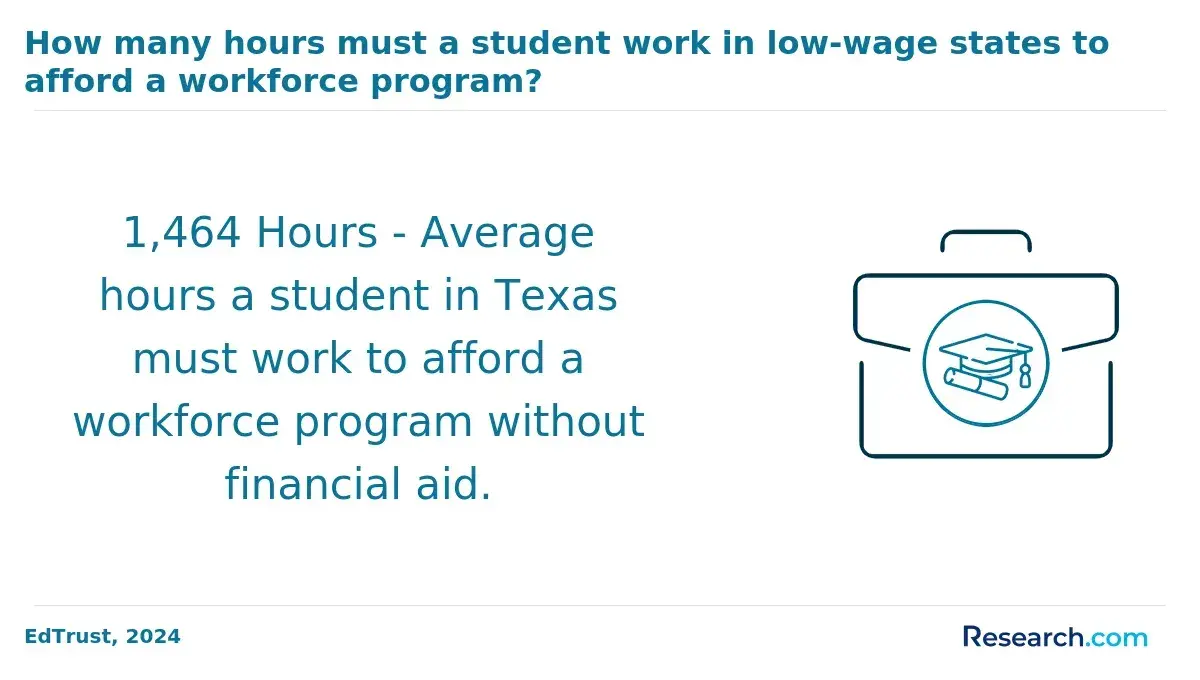
Online teaching master’s programs often charge fees beyond tuition. These expenses may be mandatory, recurring, or tied to specific courses. Technology fees alone can add between $50 and $150 per term, and other charges may appear later in the program, especially during practicum, exam, or graduation stages.
Before committing to a program, ask the admissions or bursar’s office for a full cost-of-attendance breakdown that includes tuition, fees, course materials, fieldwork expenses, and estimated costs by term. This is especially important if you plan to use loans, employer reimbursement, military benefits, or a district salary-lane increase to offset the cost.
Common fees to budget for
- Technology fees: These support online learning systems, digital infrastructure, and IT services. They are commonly charged each academic term.
- Online learning platform fees: These may cover course management tools, video platforms, interactive modules, or remote learning software.
- Digital course materials fees: Some programs bundle ebooks, simulations, or proprietary resources into course charges.
- Practicum or clinical placement fees: These may apply when a program coordinates supervised field experiences or certification-related placements.
- Graduation fees: These are usually one-time administrative charges for degree processing and conferral.
- Student services fees: These may support advising, library access, tutoring, career services, or other institutional resources.
- Proctoring or exam fees: These are charged when courses require monitored online or in-person exams.
A graduate of an online teaching master’s program said the biggest budgeting mistake was focusing only on tuition. “I initially focused only on tuition but quickly realized that tech and exam fees added up,” he recalled. He also noted that some practicum-related costs appeared late in the program, making cash-flow planning difficult. His advice to prospective students was simple: request a “comprehensive fee breakdown” before enrolling so one-time and recurring charges do not become surprises.
Does Attending an Online Teaching Master's Program Part-Time Reduce Total Tuition Costs?
Part-time enrollment can reduce what you pay each term, but it does not always reduce the total cost of an online teaching master’s degree. Most programs charge by credit, so part-time and full-time students often pay the same tuition for the same number of credits. The difference is timing: part-time students spread the cost over more terms, which can help monthly budgeting but may increase recurring fees.
Part-time study is often a practical choice for working teachers because it allows them to keep earning income while completing coursework. However, students should compare the full financial picture, including fees, aid eligibility, employer reimbursement rules, and the delayed career benefit of finishing later.
When part-time study may help
- You need to keep working full time: Continued income can reduce reliance on loans.
- Your employer reimburses tuition gradually: Some reimbursement plans work better when costs are spread across multiple terms.
- You have family or teaching obligations: A lighter course load may improve persistence and reduce the risk of withdrawing from courses.
When part-time study may cost more overall
- Recurring fees add up: Technology or student services fees charged each term may increase total cost over a longer timeline.
- Financial aid may be limited: Part-time students can face different eligibility rules for loans, scholarships, grants, or institutional awards.
- Career advancement may be delayed: If the degree qualifies you for a salary lane, promotion, or specialized role, finishing later may postpone those benefits.
- Tuition may change over time: Longer enrollment can expose students to future tuition increases.
The same trade-off applies in other online fields as well. Students comparing flexible graduate or undergraduate options, including online business degree programs, should evaluate total cost over the full timeline rather than assuming part-time enrollment is automatically cheaper.
Do Online Teaching Master's Programs Charge Out-of-State Tuition?
Some online teaching master’s programs charge out-of-state tuition, while others use one online rate for all students regardless of residency. This policy varies by institution and can make a major difference in total cost. For example, average online graduate tuition may be about $500 per credit for in-state students, while out-of-state learners often face rates closer to $700.
Do not assume that “online” means “same price for everyone.” Public universities may still apply residency-based tuition, while some schools offer online tuition parity to attract students nationally. The only reliable approach is to check the program’s official tuition page and confirm the rate with the bursar or admissions office.
Residency policies to review
- Tuition parity: Some institutions charge the same online tuition to in-state and out-of-state students.
- Traditional residency pricing: Some public universities continue to charge separate in-state and out-of-state rates for online graduate programs.
- Regional reciprocity: Certain state agreements may allow students to pay reduced out-of-state tuition at participating institutions.
- Program-specific fees: Technology, materials, practicum, or administrative fees may apply regardless of residency.
- Field placement rules: Students completing practicum work outside the university’s state should ask whether placement support or authorization requirements affect cost or eligibility.
For the clearest estimate, ask whether the tuition quote includes your residency status, all mandatory fees, and any additional costs tied to certification or supervised teaching requirements in your state.
Are Public Universities Cheaper for Online Teaching Master's Degrees?
Public universities are often cheaper for online teaching master’s degrees, especially for students who qualify for in-state tuition. Public institutions typically charge between $300 and $600 per credit hour, while private schools often exceed $800 per credit. However, the lowest advertised rate is not always the lowest total cost once fees, residency rules, credit requirements, and financial aid are included.
Why public universities often cost less
- State support: Public universities may receive government funding that helps reduce tuition, particularly for residents.
- Lower base tuition: Per-credit rates at public institutions are commonly lower than those at private schools.
- Resident pricing: In-state students may receive a substantial discount compared with out-of-state students.
Why private universities may still be worth comparing
- Flat online pricing: Some private institutions charge a clear online rate that does not vary by residency.
- Scholarship availability: Institutional aid may reduce the effective price for some students.
- Program fit: A private program with the right specialization, licensure support, or accelerated structure may be more valuable than a cheaper program that does not meet your goal.
- Fee structure: Public and private universities may both charge technology, course material, certification exam, and practicum-related fees.
A graduate who completed her online teaching master’s degree through a public university said affordability was a major reason she enrolled. She still had to manage tuition, fees, work, and family responsibilities, but the lower price made the decision realistic. Her experience highlights the main takeaway: public universities can be a strong value, but students still need to calculate the full cost, not just the advertised tuition rate.
Are Accelerated Online Teaching Master's Programs More Expensive?
Accelerated online teaching master’s programs can look more expensive per term because students take a heavier course load in a shorter period. But they are not always more expensive overall. An accelerated program lasting 12 months may have higher term charges while still costing less than a standard two-year program if it reduces recurring fees, shortens enrollment, and helps the student reach salary or career benefits sooner.
The key is to compare total cost, payment timing, workload, and completion risk. Accelerated programs can be cost-effective for students with strong time management, stable work schedules, and enough support to handle intensive coursework. They can become costly if the pace leads to course withdrawals, repeated classes, or reduced work income.
Cost advantages of accelerated programs
- Shorter enrollment period: Fewer terms may mean fewer recurring technology or student services fees.
- Earlier career benefit: Graduating sooner may help students qualify earlier for raises, leadership roles, or additional credentials.
- Potentially lower total tuition: Some accelerated formats use flat per-term pricing that can reduce total cost for students who finish on time.
Cost risks of accelerated programs
- Higher upfront payments: Students may need to pay more in a shorter window.
- Limited schedule flexibility: A compressed timeline may be difficult for full-time teachers during demanding school-year periods.
- Financial aid timing: Aid may be available, but disbursement schedules and enrollment intensity can affect budgeting.
- Less room for disruption: Personal, professional, or health challenges can be harder to absorb in a fast-paced format.
Students comparing accelerated and traditional options should review full-program pricing, fees, refund policies, and workload expectations. Broader affordability resources, such as lists of the cheapest online masters, can also help students see how pricing varies across formats.
Can Prior Learning Assessment (PLA) Reduce Graduate Tuition?
Prior Learning Assessment (PLA) can reduce graduate tuition when a university awards academic credit for approved learning gained outside the program. In online teaching master’s programs, eligible experience may include classroom teaching, professional certifications, military training, prior graduate coursework, or documented professional development. Schools may evaluate this learning through portfolios, exams, faculty review, or interviews.
According to the Council for Adult and Experiential Learning, PLA can lower tuition costs by between 25% and 50% by decreasing required credits. For example, a teacher with substantial classroom experience may be able to satisfy selected foundational requirements, depending on the institution’s policies and the degree’s accreditation or licensure constraints.
What to ask before relying on PLA
- Is PLA available at the graduate level? Some schools allow it broadly, while others limit it to undergraduate programs or selected graduate courses.
- How many credits can be awarded? Many institutions cap PLA awards at 6 to 12 graduate credits.
- Which courses are eligible? Programs may exclude capstones, research courses, practicum work, or licensure-related requirements.
- Are there assessment fees? Portfolio or review fees may apply, even if PLA reduces tuition overall.
- Will PLA affect financial aid? Reducing credits can change enrollment status or aid calculations, so students should confirm this with the financial aid office.
PLA is most valuable when it clearly reduces the number of required credits without weakening licensure eligibility or delaying admission decisions. Students comparing tuition-reduction strategies in other online fields may also review options such as the cheapest cybersecurity degree to understand how credit policies can affect total graduate costs.
What Financial Aid Is Available for Online Teaching Master's Degrees?
Online teaching master’s students may qualify for several types of financial aid, but eligibility depends on accreditation, enrollment status, citizenship or eligible non-citizen status, institutional policies, and the specific funding source. On average, online graduate students receive around $12,000 in financial aid annually. Aid can help cover tuition and fees, though loans must be repaid and some benefits come with service or employment conditions.
Common financial aid options
- Federal loans: Direct Unsubsidized and Grad PLUS loans are common options for eligible graduate students. They can help cover tuition and fees, but borrowers should account for interest and repayment obligations.
- Private loans: Banks and private lenders may offer loans for remaining costs. Terms, rates, and approval standards vary widely, and eligibility often depends on creditworthiness.
- Grants and scholarships: These do not require repayment. Graduate-level awards may be competitive, but some are available for educators, career changers, subject-area specialists, or students committed to teaching.
- Employer tuition reimbursement: School districts, education organizations, and other employers may reimburse part of the cost. Students should confirm annual limits, grade requirements, approved programs, and post-completion employment obligations.
- Military and veteran benefits: Eligible students may use education benefits for approved online programs. Rules vary, so students should verify benefit coverage before enrolling.
How to avoid aid-related mistakes
- Confirm accreditation: Federal aid generally requires attendance at an eligible institution. Accreditation can also matter for licensure and employer reimbursement.
- Check minimum enrollment requirements: Dropping below required credits can affect loan eligibility or disbursement.
- Separate grants from loans: A financial aid package may look generous but still include debt that must be repaid.
- Ask about online student eligibility: Some scholarships or benefits may have campus, residency, or program restrictions.
- Budget for fees and materials: Aid may cover more than tuition, but students should confirm what expenses are included in the official cost of attendance.
What Is the Average Salary After Earning a Teaching Master's Degree?
Graduates with a teaching master’s degree generally earn between $55,000 and $75,000 annually, with median salaries around $60,000, according to sources such as the U.S. Bureau of Labor Statistics and Payscale. Actual earnings vary widely by district, state, role, experience, union contract, specialization, and whether the degree qualifies the educator for a salary-lane increase or leadership position.
For many teachers, the return on investment is not based only on changing jobs. It may come from moving to a higher salary lane, qualifying for specialist roles, taking on curriculum or instructional leadership responsibilities, or improving long-term job stability. Before enrolling, working teachers should review their district’s salary schedule to see how a master’s degree is recognized.
Factors that affect salary after graduation
- Industry sector: Public K-12 schools, private schools, higher education institutions, and instructional design roles may use different pay structures.
- Geographic location: Salaries often differ by state, district, and cost of living.
- Years of experience: Educators with five or more years in the field may see earnings shaped by both degree level and step increases.
- Specialization: Areas such as STEM fields or special education may offer stronger opportunities in some districts or regions.
- Leadership responsibilities: Department chair, curriculum coordinator, instructional coach, or administrative pathways can change earning potential.
Use salary estimates cautiously. A master’s degree does not guarantee a specific raise or promotion. The best ROI estimate comes from comparing the program’s total cost with your employer’s salary schedule, licensure rules, advancement policies, and realistic career timeline.
What Graduates Say About Their Online Teaching Master's Degree Program Costs
- : "Choosing an online teaching master's degree was a game changer for me, especially considering its affordable tuition compared to traditional programs. The flexibility of the online format allowed me to balance work and study without incurring extra living expenses, making the whole experience cost-effective. Today, the degree has opened doors to leadership roles in education that I never thought possible. Lynn"
- : "Pursuing a teaching master's degree online gave me time to reflect on my educational goals while being mindful of the financial investment. Although the fees were significant, the affordability of the online program compared to on-campus studies helped me avoid student debt. Professionally, my new credentials have led to a substantial salary increase and greater job security in my school district. Rex"
- : "The cost savings of an online teaching master's degree program were immediately evident, from eliminating commute costs to flexible scheduling that didn't interrupt my full-time job. I appreciated how the streamlined tuition and fees fit my budget without sacrificing quality. Since graduating, I've witnessed a clear return on investment through promotions and expanded opportunities in curriculum design and administration. Arthur"
Other Things You Should Know About Teaching Degrees
Yes. Students pursuing licensure often pay separate state testing and application fees beyond tuition and university charges. Common costs include Praxis exam fees, which are about $90 to $150 per test, and state educator certification applications, which can add $50 to $200 depending on the licensing board.
In 2027, technology fees for online teaching master's programs can significantly impact overall costs, ranging from $50 to $300 per credit. These fees cover essential online learning infrastructure, technical support, and software, often resulting in a substantial increase in total tuition and fees for the program.
References
- Average Cost of Online College [2025]: Yearly Tuition + Fees https://educationdata.org/average-cost-of-online-college
- The Pros and Cons of Online Education Graduate Programs - Graduate Programs for Educators https://www.graduateprogram.org/blog/the-pros-and-cons-of-online-education-graduate-programs/
- Master of Education (MEd) | MEd Degree Program https://www.css.edu/academics/programs/graduate/master-of-education/
- Online master's degree guide: Programs, costs, and how to apply https://www.edx.org/resources/guide-to-online-masters-degrees
- Funding Your Online Master’s Degree: How to Pay Less with Financial Aid https://www.onlinemastersdegrees.org/financial-aid/
- 2025 Most Affordable Online Master's Degrees in Education https://www.onlineu.com/most-affordable-colleges/education-masters-degrees
- Are Online Master’s Degrees Expensive? https://europestudy.eu/blog/are-online-masters-degrees-expensive
- Online Master of Science in Teaching (M.S.T.) Tuition and Financial Aid https://www.fordham.edu/graduate-school-of-education/academics/degree-and-certificate-programs/become-a-teacher/master-of-science-in-teaching/online-master-of-science-in-teaching/tuition-and-financial-aid/
- Hundreds of online grad programs yield no ROI for their students, new study says | Fortune Education https://fortune.com/education/articles/roi-of-online-graduate-programs-new-report/
- Most Affordable Online Master's Degrees in Education: Top Programs https://www.publicservicedegrees.org/online-degrees/education-teaching-programs/masters/most-affordable/