
2027 Fastest Online TESOL & Multilingual Learners Degree Programs You Can Finish in Under 2 Years

Co-Founder and Chief Data Scientist
Choosing a fast online TESOL and multilingual learners degree is usually a timing decision: you want stronger credentials for ESL, bilingual, international, adult education, or language-support roles, but you cannot spend several years away from work. According to recent data, online enrollments for TESOL and multilingual education programs have increased by 35% in the past five years, reflecting rising demand from schools, language programs, and adult learning providers. At the same time, completing traditional degrees often takes three or more years, which can be difficult for working teachers, career changers, and adult learners.
This guide explains how accredited online TESOL and multilingual learners programs can be completed in under two years, what makes them accelerated, and how to compare formats, admissions rules, transfer credit policies, course loads, costs, employer perception, technology requirements, and career outcomes. It is designed to help you identify programs that are fast without ignoring quality, accreditation, field experience, or your long-term career goals.
Key Benefits of Online TESOL & Multilingual Learners Degree Programs You Can Finish in Under 2 Years
- Accelerated online TESOL & multilingual learners programs enable faster workforce entry, with 75% of graduates securing jobs within six months, responding to growing global demand for language educators.
- Completing degrees in under two years reduces tuition and living costs by up to 30%, making advanced education more affordable for diverse student populations.
- Flexible online formats support working adults balancing jobs and study, reflecting a 40% annual growth in enrollment for accelerated TESOL and language teaching programs.
What Features Make an Online TESOL & Multilingual Learners Program Accelerated?
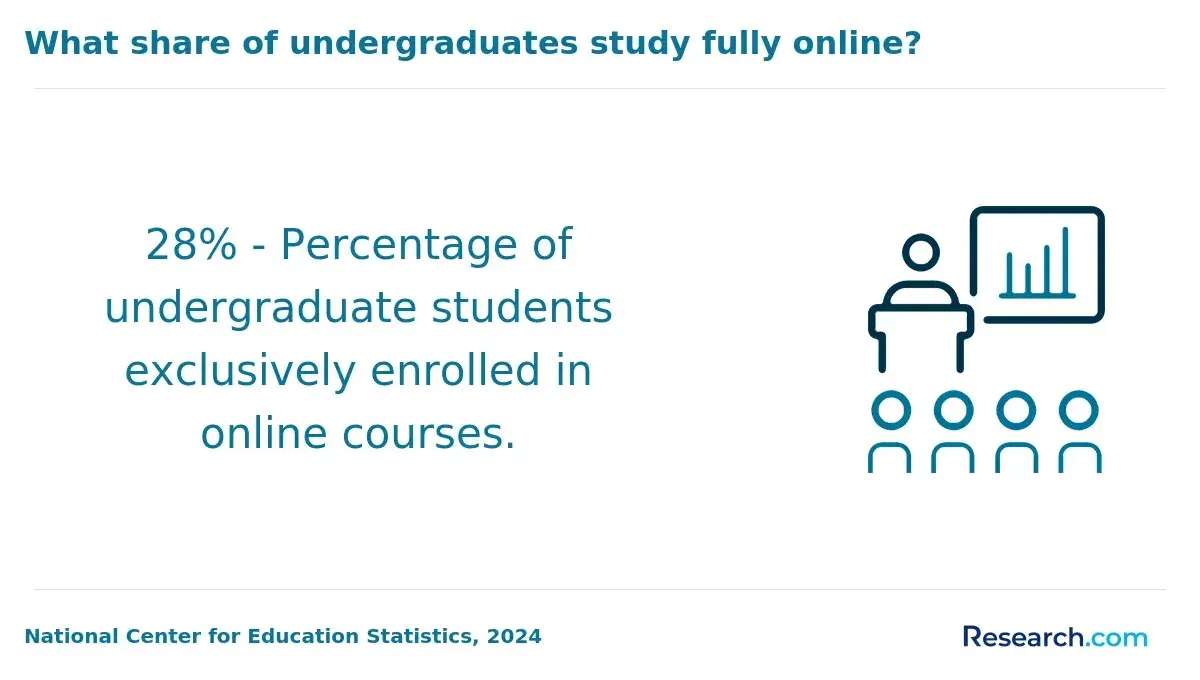
An online TESOL and multilingual learners program is accelerated when its structure lets students complete required credits in less time without removing essential preparation in language acquisition, assessment, teaching methods, culturally responsive instruction, and learner support. According to the U.S. Department of Education's National Center for Education Statistics, accelerated online degree programs can cut completion time by 25-40% compared to traditional formats, a trend also seen in TESOL & multilingual learners education.
The fastest programs usually combine shorter terms, year-round enrollment, intensive pacing, and early applied learning. The trade-off is that students must be ready for a heavier weekly workload and fewer long breaks between courses.
- Compressed course terms: Instead of traditional 15-week semesters, accelerated programs often use 5 to 8 weeks. This format helps students focus on one or two subjects at a time while completing more courses across the year.
- Higher course loads per term: Some programs shorten the calendar by asking students to take more credits in each academic period. This can work well for organized learners, but it can be challenging for students with unpredictable work schedules or major family responsibilities.
- Flexible scheduling options: Asynchronous coursework allows students to complete lectures, discussions, and assignments within weekly deadlines rather than logging in at fixed times. This flexibility is especially useful for teachers, tutors, and working professionals who need to study outside standard business hours.
- Early integration of practical learning: Strong accelerated programs do not postpone all applied work until the end. They may build classroom observations, practicum tasks, lesson planning, or language assessment projects into early courses so students connect theory with practice while progressing quickly.
- Clear course sequencing: Fast programs reduce delays by showing exactly when each course is offered and which prerequisites must be completed first. A program may be advertised as accelerated, but poor sequencing can still slow graduation.
Before enrolling, ask whether the accelerated timeline assumes full-time study, transfer credits, summer enrollment, or prior teaching experience. Students comparing fast-track TESOL and multilingual learners courses may also find it useful to review other accelerated professional pathways, such as online MSW programs, because they often use similar compressed formats for adult learners.
What Are the Online TESOL & Multilingual Learners Degree Formats You Can Finish in Under 2 Years?
The format of an online TESOL and multilingual learners degree has a direct effect on whether you can finish in under two years. A program with the right total credit load may still take longer if courses are offered only once a year, require long breaks between terms, or include fieldwork that must be arranged separately. The fastest options are built around continuous progress.
Common formats that support completion in under two years include:
- Accelerated term-based programs: These programs shorten the academic calendar by replacing long semesters with terms of eight weeks or less. Students may complete more courses across the year while still concentrating on a manageable number of subjects at one time.
- Competency-based education: In this model, students move forward by demonstrating mastery rather than simply sitting through a fixed course schedule. It can be faster for experienced teachers or language professionals who already understand parts of the curriculum, but it requires strong self-direction.
- Full-time intensive tracks: These tracks are designed for students who can commit significant weekly study time. They often provide the clearest path to fast completion, but they may not be realistic for students working full time without schedule flexibility.
- Year-round enrollment models: Programs that offer fall, spring, and summer study help students avoid long academic gaps. Continuous enrollment is one of the simplest ways to reduce total time-to-degree.
- Cohort-based accelerated programs: Some students move through courses with the same group of classmates. This can create accountability and predictable scheduling, though it may offer less freedom if you need to slow down temporarily.
When comparing formats, look beyond the advertised completion time. Ask how many hours per week students typically study, whether all required courses are available online, and whether practicum or field experiences can be completed near your location. For a broader view of how accelerated online formats work in other disciplines, you can also compare models used by online engineering programs.
What Are the Admission Requirements for Accelerated Online TESOL & Multilingual Learners Degrees?
Admission requirements for accelerated online TESOL and multilingual learners degrees are often designed to confirm that applicants can handle a faster pace. Programs may review academic history, teaching background, writing ability, language experience, and readiness for intensive online study. Because these programs move quickly, students who enter without the right foundation may struggle to keep up.
Common admission requirements include:
- Minimum GPA: Applicants typically need a bachelor's degree with a minimum undergraduate GPA around 3.0 on a 4.0 scale. Some schools may review applicants holistically, but a strong GPA helps demonstrate readiness for graduate-level or intensive coursework.
- Prerequisite coursework: Programs may expect prior study in education, linguistics, English, world languages, or a related field. If you lack prerequisites, ask whether bridge courses are available and whether they extend the completion timeline.
- Relevant work experience: Teaching, tutoring, classroom support, language instruction, or international education experience may strengthen an application. Some programs favor applicants who can connect course concepts to real learners.
- Placement or proficiency tests: Some schools use assessments to confirm writing, language, or content knowledge. These requirements help ensure that students can complete advanced TESOL coursework without needing extensive remediation.
- Readiness for intensive study: Admissions committees may look for evidence of time management, professional focus, and ability to complete continuous coursework with limited breaks. Personal statements and recommendation letters often matter here.
- Licensure-related documentation: If the program connects to teacher certification, endorsement, or school-based employment, additional requirements may apply. Always verify licensure rules with the state or jurisdiction where you plan to work.
Applicants should not assume that a fast program is easier to enter or easier to complete. The admissions process is meant to protect both academic quality and student success. If you are exploring efficient pathways in related helping or education-focused fields, reviewing options such as affordable online MFT programs can help you compare how accelerated programs handle prerequisites, field experience, and professional standards.
Transfer credit can be one of the most important factors in finishing a fast online TESOL and multilingual learners program sooner. For many students balancing work and life, this flexibility helps shorten the path and lower overall costs. National data shows about 56% of online graduate students apply transfer credits from previous studies to shorten their path.
Policies vary by school, but accelerated TESOL and multilingual learners programs commonly evaluate transfer credits using these criteria:
- Maximum transferable credits: Most programs cap transfer credits at around 50% of total degree requirements, often accepting between 6 to 15 credits. This limit ensures that students complete a meaningful portion of the curriculum at the institution granting the degree.
- Subject match: Transfer courses usually need to align closely with TESOL, multilingual learners education, applied linguistics, assessment, curriculum design, or related topics. General education or unrelated graduate coursework may not apply.
- Grade and recency standards: Schools often require transferred courses to meet minimum grade requirements and may reject older coursework if the content no longer reflects current practice.
- Documentation: Official transcripts are typically required. Some programs also ask for syllabi, course descriptions, assignments, or catalog pages to confirm content and rigor.
- Impact on program duration: Accepted transfer credits can reduce time to graduation, making it possible to complete some programs in under two years. However, the actual time saved depends on course sequencing and how often remaining requirements are offered.
One professional who completed an accelerated online tesol & multilingual learners degree in less than two years said the transfer process was initially daunting because it required detailed documentation.
"I had to gather detailed syllabi and transcripts, which took some time, but the school's clear communication helped a lot," he said. Once his credits were accepted, he was able to skip several courses and focus on new material, which made the intense program more manageable while he continued working full time.
He described feeling "relieved and motivated" because the approved credits visibly shortened his graduation timeline and increased his confidence that the accelerated plan was realistic.
Most students in fast online TESOL and multilingual learners programs do not simply take a traditional full semester and compress it into the same weekly workload. The number of classes taken at once depends on term length, credit load, course difficulty, fieldwork expectations, and whether the student is enrolled full time or part time. Data from the Distance Education Accrediting Commission reveals that nearly 60% of students in these fast-track programs enroll part-time, highlighting the need to plan course load carefully.
Key factors that influence how many classes students take at once include:
- Term length: Shortened terms of 8 to 12 weeks, instead of traditional 16-week semesters, often mean students take fewer courses at the same time but complete more terms across the year.
- Course sequencing: Prerequisites can limit how many courses a student can begin at once. For example, methods or assessment courses may need to follow foundational work in language acquisition or learner development.
- Pacing model: Asynchronous programs offer more flexibility, but they still require consistent weekly progress. Self-paced or competency-based formats may allow faster movement for experienced learners, but procrastination can quickly delay completion.
- Fieldwork or practicum requirements: Courses that include observations, teaching demonstrations, or work with multilingual learners may require extra scheduling beyond reading and written assignments.
- Work and family obligations: A heavy course load may look efficient on paper but become unrealistic if your job schedule changes frequently or you need evening and weekend flexibility.
A practical approach is to ask the program for a sample accelerated plan and compare it with your weekly availability. If the plan assumes multiple intensive courses at once, confirm whether you can temporarily slow down without losing financial aid eligibility, cohort status, or access to required courses.
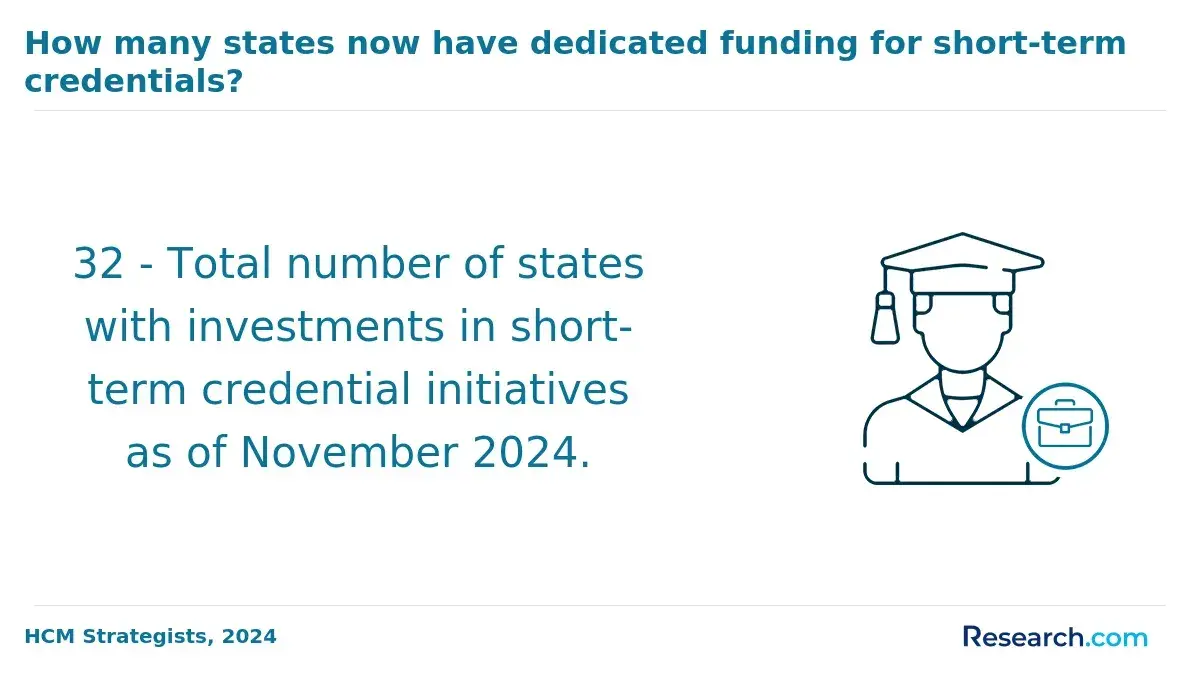
Employers are most likely to respect an accelerated online TESOL and multilingual learners degree when it comes from an accredited institution, includes rigorous coursework, and prepares graduates for real instructional or program-support responsibilities. A 2023 Education Advisory Board survey found that 78% of hiring managers consider online degrees equally credible as on-campus ones if the programs are accredited and offer rigorous training.
In practice, employers usually evaluate the whole credential rather than the speed alone. Important factors include:
- Accreditation: Employers generally prefer degrees from regionally or nationally accredited institutions because accreditation signals that the school has met external quality standards. Accreditation can also matter for transfer credit, graduate study, and some employment requirements.
- Skills relevance: Programs that teach current methods in language instruction, assessment, lesson design, and culturally responsive teaching are more valuable than programs focused only on theory. Employers want graduates who can support multilingual learners effectively from the start.
- Demonstrated experience: Practicum experiences, classroom observations, tutoring, internships, or applied projects can strengthen a resume. Hands-on evidence is especially important for applicants moving into TESOL from another field.
- Program rigor: A condensed timeline does not reduce expectations in a strong program. Employers are more likely to trust accelerated degrees when graduates can describe demanding assignments, supervised practice, and measurable learning outcomes.
- Fit with job requirements: Some roles require a degree only, while others may require a state credential, endorsement, certificate, or teaching license. A TESOL degree may support eligibility, but it does not automatically satisfy every licensure requirement.
For ESL, bilingual education, adult education, and multilingual learner support roles, the key question is not simply whether the degree was online or accelerated. The stronger question is whether the program is accredited, relevant to the role, and supported by evidence of applied teaching skill.
The cost of a fast online TESOL and multilingual learners degree depends on tuition rate, total credits, fees, transfer credit, financial aid, and how quickly you complete the program. Accelerated study can reduce total living and opportunity costs, but it does not always mean a lower tuition bill. Some fast programs charge higher per-credit rates, while others save money through shorter timelines or fewer required credits.
Major cost factors include:
- Per-credit tuition: Rates for accelerated programs typically range from $300 to $700 per credit, varying by institution type and reputation. Public universities may offer lower rates in some cases, while private or highly ranked schools may charge more.
- Total program credits: Programs generally require between 18 and 36 credits. A lower credit requirement can reduce cost and completion time, but students should confirm that the curriculum still covers the skills they need for their target roles.
- Additional fees: Students should budget for technology fees, application charges, course materials, background checks if required for fieldwork, and possible graduation fees. These can add several hundred dollars to the total cost.
- Cost-saving opportunities: Employer tuition reimbursement, scholarships, grants, prior learning assessment, transfer credits, and flat-rate tuition plans can reduce the amount students pay out of pocket.
- Pacing and financial aid: Accelerated programs may affect how aid is disbursed across terms. Students should confirm enrollment minimums, satisfactory academic progress rules, and whether taking fewer or more courses changes aid eligibility.
One graduate of an accelerated online TESOL & Multilingual Learners degree program completed in under two years said the structure helped her manage expenses more strategically.
"Finishing the degree quickly was stressful but rewarding," she noted. By using employer tuition assistance and submitting credits from prior professional experience, she reduced the number of courses she needed to complete.
She also appreciated that most learning materials were provided digitally, reducing textbook costs. Although the pace required discipline, she emphasized that finishing quickly allowed her to save thousands compared to a traditional timeline.
"Choosing an accelerated program made a big difference in both my wallet and my career timeline," she shared, pointing to the combined value of compressed study and careful financial planning.
A fast online TESOL and multilingual learners degree can support careers in English language instruction, multilingual learner services, adult education, curriculum development, international education, and program administration. Employment for adult literacy and remedial education teachers, including TESOL positions, is projected to grow 6% from 2022 to 2032, reflecting continued demand for language education and learner support.
Common career paths include:
- ESL Teacher: ESL teachers design lessons, assess language development, and help non-native English speakers improve reading, writing, listening, and speaking skills. This role requires communication skills, cultural sensitivity, and the ability to adapt instruction for different proficiency levels. Average salaries range from $45,000 to $60,000 annually depending on location and experience.
- Instructional Coordinator: Instructional coordinators who specialize in multilingual education help develop curriculum, train teachers, review instructional materials, and evaluate program effectiveness. Strong knowledge of linguistic theory, assessment, and bilingual education strategies is important. Median incomes are around $67,000 per year.
- Language Program Administrator: These professionals manage bilingual, ESL, or English language learning programs. Duties may include staffing, compliance, scheduling, budgeting, student placement, and program evaluation. Leadership and organization are essential, and salaries typically range between $50,000 and $70,000.
- Adult education or community language instructor: Graduates may teach English to adult learners in community colleges, nonprofit organizations, workforce programs, or continuing education settings.
- International education or language support specialist: Some graduates work with international students, study abroad programs, language centers, or educational organizations that support multilingual populations.
Job eligibility depends on the employer, state rules, grade level, and whether the role requires teacher licensure or a specific endorsement. A fast online TESOL degree jobs path can be efficient, but students should choose a program that matches the employment setting they want. Those still comparing undergraduate pathways may also explore an accelerated bachelors degree online to build career readiness on a shorter timeline.
Accelerated online TESOL and multilingual learners programs depend on reliable technology because assignments, discussions, lectures, assessments, and sometimes live teaching practice happen on a tight schedule. A slow connection or outdated computer can create real academic delays when courses move quickly.
Most students should be prepared with the following:
- Reliable broadband internet with minimum 25 Mbps download speed: Consistent high-speed internet helps students stream lectures, upload assignments, access digital readings, and participate in live sessions. According to a 2023 report by Educause, students with speeds below 25 Mbps often experience delays that impede accelerated learning progress.
- Access to a robust learning management system that is mobile-friendly: The learning management system is where students usually find readings, assignments, discussion boards, grades, quizzes, and instructor announcements. Mobile access can help with quick check-ins, but major assignments are usually easier to complete on a full computer.
- Video conferencing software for live classes: Some programs include synchronous sessions, group presentations, advising meetings, or teaching demonstrations. Students should have a working webcam, microphone, and a quiet space for participation.
- Standard productivity software: Word processing, spreadsheets, and presentation tools are commonly needed for lesson plans, research papers, instructional materials, and data-based assignments. Some programs may also require language assessment or multimedia tools.
- Regular access to a laptop or desktop computer with an updated operating system: A current device helps avoid compatibility problems with course platforms, video tools, online testing systems, and multimedia resources.
- File storage and backup access: Cloud storage or another backup method is important because accelerated courses leave little time to recover from lost files or device problems.
Before enrolling, ask the program for its current technology checklist and confirm whether any software carries extra costs. Many affordable online graduate programs are built around standard technology expectations and flexible timelines; you can compare examples through affordable online graduate programs.
The fastest online TESOL and multilingual learners degree is not automatically the best choice. The right program should help you finish quickly while still meeting your academic, professional, financial, and licensure-related needs. A program that saves a few months may not be worth it if it lacks accreditation, practical training, or alignment with your target job.
Use these criteria when evaluating options:
- Program length and pacing: Confirm the advertised completion time and ask what assumptions it is based on. Some timelines require full-time study, transfer credits, year-round enrollment, or a specific course sequence.
- Accreditation status: Verify regional or national accreditation through recognized agencies. Accreditation affects employer trust, transferability, financial aid access, and future education options.
- Curriculum focus: Review whether the program emphasizes K-12 multilingual learners, adult ESL, international TESOL, bilingual education, assessment, curriculum design, or leadership. Choose the focus that matches your career goal.
- Practical experience: Look for observation, practicum, applied teaching, lesson design, assessment projects, or field-based assignments. Fast programs should still provide evidence that graduates can work with real learners.
- Cost and financial aid: Compare tuition, fees, course materials, transfer credit, employer reimbursement, scholarships, grants, and payment options. A lower sticker price is helpful only if the program also supports completion.
- Flexibility: Check whether courses are asynchronous, synchronous, cohort-based, self-paced, or term-based. The best format depends on your work schedule and study habits.
- Licensure and endorsement fit: If you plan to teach in public schools, verify requirements with the state or jurisdiction where you intend to work. Do not rely only on a program's general description.
- Student support: Accelerated students benefit from responsive advising, clear degree plans, writing support, library access, technology help, and career services.
- Graduate outcomes: Ask about job placement, employer partnerships, alumni roles, and how graduates use the degree. Outcomes should be relevant to the careers you are considering.
A strong shortlist should include programs that are accredited, transparent about time-to-degree, realistic about workload, and aligned with your professional goal. If a school cannot clearly explain course sequencing, fieldwork expectations, costs, and support services, keep comparing.
What Graduates Say About Their Fastest Online TESOL & Multilingual Learners Degree Programs
- : "I found the accelerated online tesol & multilingual learners program to be the perfect fit for my busy schedule. With the total cost being much more affordable than traditional degrees - averaging around $10,000 - I didn't have to worry about excessive student debt. Finishing the program in less than two years allowed me to quickly enhance my teaching credentials and secure a better position in international education, which has truly transformed my career. — Ferdie"
- : "After researching several options, I enrolled in a fast online tesol & multilingual learners program that offered both quality and speed. The program's cost, roughly $8,000, was manageable and the accelerated pacing challenged me to stay focused and disciplined. Completing it under two years gave me a significant edge when applying for ESL instructor roles, and I now feel equipped to support diverse learners with confidence and professionalism. — Doris"
- : "Choosing an accelerated online tesol & multilingual learners degree was a game-changer for me. The affordability-around $9,500-and ability to finish within two years made it an accessible decision. This rapid pathway not only expanded my teaching skills but also opened doors to international career opportunities faster than I expected. I'm grateful for this practical and efficient option that fits modern professionals' needs. — McKayla"
Other Things You Should Know About TESOL & Multilingual Learners Degrees
Institutions like the University of Southern California and Arizona State University offer some of the fastest TESOL & multilingual learners programs in 2027, allowing completion in under two years by offering accelerated coursework and flexible scheduling options. Specific program durations may vary by institution.
Most online TESOL & multilingual learners programs that can be completed in under two years require the GRE or TOEFL for non-native English speakers as entrance exams. Check specific program requirements to understand the necessary exams or potential waivers.
- TESOL and Digital Technology MA https://www.ncl.ac.uk/postgraduate/degrees/4206f/
- TEFL Online Jobs - Start Teaching English Online https://tefl-tesol-certification.com/job/online-teaching-jobs
- Beginning Your Career | TESOL | International Association https://www.tesol.org/careers/career-tools/beginning-your-career/
- 23 Best Teaching English Online Companies (Comparison) | The TEFL Org https://www.tefl.org/teach-english-online/
- Help Young Students Learn English With a TESOL Degree https://online.mountsaintvincent.edu/degrees/education/master-science-tesol/childhood-education-dual-certification/help-young-students-tesol-degree/
- Bridge IDELTOnline | Graduate-Level TEFL/TESOL Certification | Bridge TEFL https://bridge.edu/tefl/courses/online/idelt
- 8 Amazing Companies That Let You Teach English Online from Home | Teach Away https://www.teachaway.com/blog/8-amazing-companies-let-you-teach-english-online-from-home
- What Global Employers Really Think About Online Degrees https://edutech.global/global-employer-view-on-online-degrees/
- CLDE Endorsement https://www.ccu.edu/ccu/tesol/clde/
- TESOL Advanced Level Online Program - East Bridge Training https://www.eastbridgetraining.com/teaching-english-to-speakers-of-other-languages-advanced-level.php


