
2027 Can You Get Licensed With an Online TESOL & Multilingual Learners Degree? Requirements, Rules, and What to Know

Co-Founder and Chief Data Scientist
Many prospective teachers pursuing an online tesol & multilingual learners degree face uncertainty about licensure eligibility. Approximately 40% of U. S. states have specific regulations regarding online education pathways for teacher certification, creating confusion about whether distance learning meets state standards. Applicants often struggle to verify if their credentials from online programs align with requirements for teaching English learners. This article clarifies key licensure rules, examines how online degrees influence credentialing, and outlines state-by-state considerations to help candidates make informed decisions about their professional futures in multilingual education.
Key Benefits of Getting Licensed with an Online TESOL & Multilingual Learners Degree
- Earning licensure with an online TESOL & multilingual learners degree improves career eligibility and professional credibility, meeting state and employer requirements for teaching diverse student populations.
- Licensure expands employment options, enabling work in K-12 schools, adult education, and international programs, enhancing geographic job mobility across regions and countries.
- Licensed professionals in this field typically experience higher long-term earning potential and greater promotional opportunities compared to non-licensed counterparts.
Can You Get Licensed With an Online TESOL & Multilingual Learners Degree?
Obtaining licensure with an online TESOL & multilingual learners degree is achievable when the program fulfills state-specific certification standards. Completing required coursework combined with practicum or supervised teaching experiences equips candidates with the knowledge and skills essential for effective English language instruction. These practical components ensure readiness for real classroom environments, which licensing boards typically require as part of online TESOL degree licensure requirements.
Earning licensure through an online TESOL & multilingual learners program can open doors to regulated and recognized career opportunities. Licensed educators often qualify for advanced roles like lead ESL teachers or program coordinators, reflecting increased responsibilities. Additionally, holding this credential may lead to higher salaries compared to non-licensed positions.
Prospective students interested in getting licensed with multilingual learners certification should also review state policies carefully, as some require extra exams or credentials. For broader insights into affordable online education options, including those pursuing AI degrees, researching available programs can be beneficial.
Do Licensing Requirements for TESOL & Multilingual Learners Vary by State?
Licensing rules for TESOL & multilingual learners are established to ensure educators meet professional competence standards, but these requirements can differ widely by state. For example, a national survey found that over 30% of states require unique testing or certification exams specifically for multilingual teaching credentials. These variations influence the pathway to licensure and career planning for educators in this field.
Key areas where requirements may vary include:
- Exams: Some states mandate specialized licensure exams tailored to multilingual instruction, while others may accept a general teaching certificate. This can impact whether additional test preparation is needed for eligibility in a particular state.
- Supervised experience: The length and nature of supervised teaching practice differ significantly, ranging from just a few weeks to a full year. This supervised experience requirement plays a critical role in practical training and readiness for classroom challenges in multilingual settings.
- Continuing education: Renewal policies often require educators to complete ongoing coursework, but the amount and type of continuing education needed can vary. Staying current with state-specific demands is important for maintaining licensure and advancing professionally.
These state-specific multilingual learner teaching certification differences are important for those moving between states or pursuing licensure after completing an online degree. For example, individuals interested in accelerating their career path may also explore related fields, such as a social work degree fast track, which offers alternative pathways to service-oriented professions.
Are Online TESOL & Multilingual Learners Programs Different From Campus Programs for Licensure?
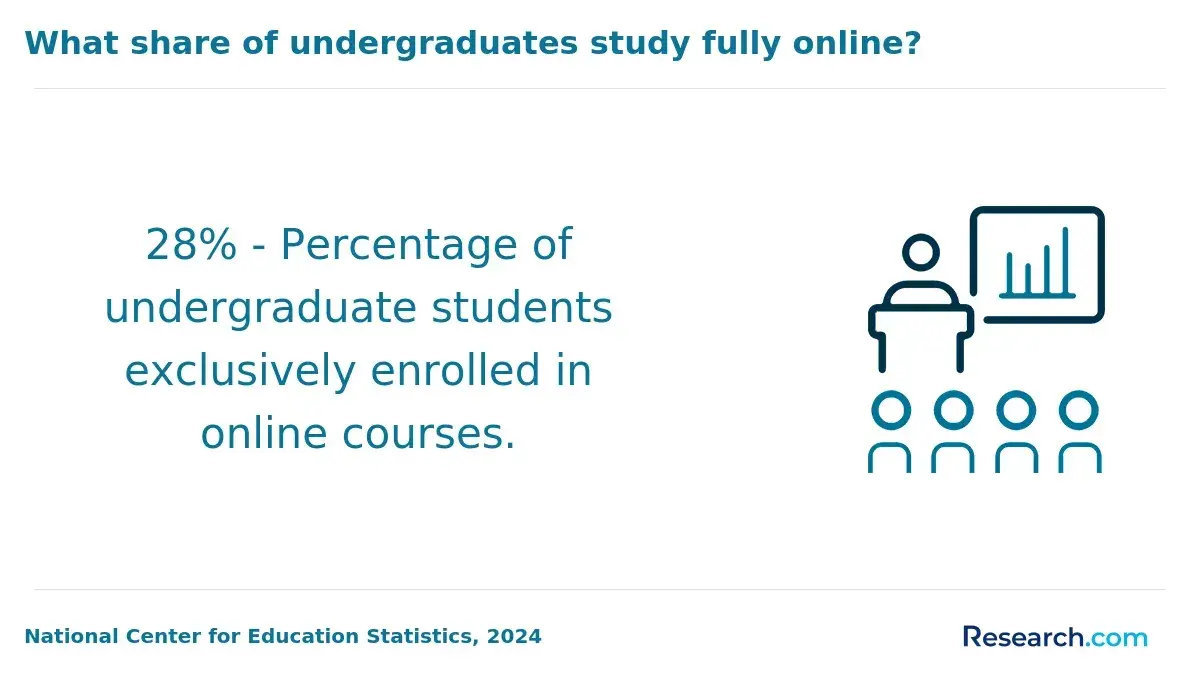
The format of tesol & multilingual learners programs, whether online or on-campus, does not inherently impact eligibility for state licensure. Accreditation and compliance with state requirements are the crucial factors, and today more than 70% of U.S. school districts accept candidates with online credentials for licensure roles.
- Curriculum Content: Accredited online programs align their coursework with on-campus curricula, covering language acquisition, pedagogy, and cultural responsiveness. This consistency ensures candidates gain comparable foundational knowledge regardless of format.
- Practical Components: Hands-on experiences such as student teaching or supervised fieldwork are generally arranged within the student's local area, fulfilling clinical requirements essential for licensure. This local placement ensures real-world training remains integral to both online and campus paths.
- Assessment Methods: Exams, portfolio submissions, and performance-based evaluations are maintained across both delivery formats to verify candidate competency and readiness for certification exams. The integrity of assessments is a shared standard to uphold licensure quality.
- Employer Perspectives: Although some employers may initially prefer traditional programs, employer bias is diminishing as online credentials become increasingly recognized and trusted within the education sector.
- Program Accreditation and State Compliance: The foremost priority is choosing a program accredited by recognized bodies and aligned with specific state licensure criteria. Prospective students should verify these factors before enrollment to ensure eligibility.
Clinical or practicum hours are critical components in preparing students for effective teaching and licensure in online tesol & multilingual learners degree programs. These supervised hours offer direct, hands-on experience where candidates apply instructional theories and methods in real educational environments.
- Typical Hours Required: Programs generally require between 50 to 150 practicum hours, varying by state or institution. These hours fulfill the online TESOL clinical hours requirement crucial for licensure eligibility.
- Placement Settings: Practicum usually takes place in classrooms with multilingual learners, providing exposure to diverse student populations. This immersive setting helps build practical classroom management and teaching skills.
- Supervision and Feedback: Experienced educators or program instructors supervise practicum students, offering constructive evaluation and mentorship that fosters professional growth.
- Skill Development: Candidates develop essential competencies such as lesson planning, language assessment, and adaptive teaching strategies. These skills are vital for meeting the standards set by TESOL licensure boards.
- Online Program Adaptations: Even for fully online degrees, in-person practicum must be arranged locally, often through partnerships or student-driven placements. This ensures students meet practicum hours for TESOL licensure despite completing coursework remotely.
These practicum hours are often mandated for state certification or teaching licensure, underscoring their role in professional readiness. For candidates exploring flexible educational options, it's advisable to consider accredited programs that effectively integrate practicum components. For related fields, researching marriage and family therapy online programs accredited may offer insights into clinical requirements across disciplines.
The licensing exam following an online TESOL & multilingual learners degree verifies that candidates have the essential expertise to teach English language learners effectively. This credential is critical for obtaining state certification and entering classroom roles. Recent data shows that approximately 85% of test takers pass the Praxis ESOL exam on their first try, emphasizing the value of thorough preparation.
Below is an overview of the exam's key characteristics.
- Exam name: Praxis English to Speakers of Other Languages (ESOL) is the primary state licensing test for TESOL educators, measuring readiness to support diverse learners.
- Content areas: Questions focus on language acquisition, teaching methods, cultural awareness, and assessment practices to ensure comprehensive knowledge.
- Format: The exam uses a computer-based format with multiple-choice and constructed-response items, balancing theory and practical application.
- Preparation: Candidates are encouraged to use study guides, practice exams, and professional development resources to enhance their chances of success.
- Retake policies: Test-takers can attempt the exam multiple times, with mandatory waiting periods between retakes, allowing for incremental improvement.
- Relevance for online graduates: The exam fully recognizes candidates who earned their TESOL & multilingual learners degree online, ensuring equal licensure opportunities.
Supervised work experience is commonly required after completing an online nursing degree, though specifics depend on state regulations and certification boards. This experience is designed to develop practical skills and ensure graduates are prepared for independent clinical work. Nearly 60% of nursing certification pathways in the U.S. mandate some form of supervised practice following graduation, reflecting its importance in transitioning from theory to hands-on care.
The following points outline the essential elements of this supervised experience.
- Duration: Typically ranges from 100 to 300 hours, based on state or program requirements, providing sufficient exposure to clinical environments.
- Mentorship: Experienced nurses or clinical educators observe and guide new graduates, offering feedback to improve patient care techniques.
- Skill development: Emphasis on applying theoretical knowledge in patient assessment, care planning, and adapting to diverse medical situations.
- Settings: Occurs in hospitals, clinics, or community health centers, giving exposure to a variety of patient populations and healthcare challenges.
- Career readiness and licensure: Completing supervised practice often serves as a prerequisite for licensure, boosting confidence and competence for autonomous nursing responsibilities.
Licensure reciprocity enables professionals holding teaching credentials in one state or region to obtain an equivalent license in another without repeating the entire initial certification process. This flexibility is crucial for TESOL & multilingual learners graduates who may wish to expand their career opportunities across state lines.
Below are the key factors influencing licensure reciprocity for these graduates.
- Eligibility criteria: Each state education department sets specific rules for accepting out-of-state credentials, often requiring that prior TESOL certification or degrees meet local standards. These criteria directly impact career mobility and the ease of obtaining licensure.
- Program requirements: Many states mandate that TESOL & multilingual learners programs be accredited and aligned with their educational standards. Online programs meeting these requirements tend to have better recognition in reciprocity cases.
- State reciprocity agreements: Formal interstate compacts or reciprocity agreements can simplify the transfer of teaching licenses. However, not all states participate, so understanding state-specific policies is essential for graduates navigating multilingual learners teaching license transfer rules.
- Application process: Applying for licensure in a new state usually involves submitting transcripts, proof of program completion, and sometimes background checks. Graduates should verify that their online qualifications comply with the receiving state's regulations before applying.
- Potential limitations: Some states may not recognize certain online programs or require additional coursework and testing. These restrictions can limit the reciprocal transfer of licensure, particularly for those holding credentials from newer or less widely accepted online institutions.
Those exploring licensure reciprocity for online TESOL graduates may find it helpful to consider advanced degrees that support educational leadership credentials. For example, information on the cheapest online doctorate in educational leadership can provide avenues for expanding qualifications and improving licensing flexibility.
Online TESOL & multilingual learners programs have seen a significant rise in enrollment, growing by over 30% nationwide in recent years. Many students prioritize licensure eligibility when selecting these programs to ensure their credentials meet professional standards. Below is an overview of the key advantages and challenges associated with these online options.
Pros
- Flexibility: Online formats enable students to manage work, family, and study concurrently, supporting steady progress without rigid scheduling.
- Accessibility: These programs open doors for learners in distant locations or those unable to attend traditional campuses, broadening participation.
- Digital Resources: Access to virtual collaboration tools and online materials enhances engagement and prepares students for tech-rich educational environments.
Cons
- Limited Practical Experience: Reduced face-to-face observation and hands-on opportunities may create hurdles in fulfilling some states' clinical or supervised fieldwork requirements.
- Networking Constraints: Less spontaneous interaction can limit relationship-building that often supports job placement and career advancement.
- Employer Perceptions: Some hiring professionals might view online credentials as less rigorous, possibly impacting employment prospects in certain settings.
Students should verify that programs offer supervised practical components aligned with licensure expectations to optimize career outcomes.
Obtaining licensure with an online TESOL & multilingual learners degree directly influences earning potential. Industry data show that licensed TESOL teachers can earn up to 15% more annually compared to their non-licensed counterparts, reflecting the premium placed on recognized expertise and credentialing. This salary gap emphasizes the value of certification in meeting state or institutional standards.
- Access to Higher-Paying Roles: Licensure opens doors to more lucrative teaching positions within reputable school districts or specialized language programs, increasing earning opportunities for licensed multilingual learners teachers.
- Leadership Eligibility: Licensed educators often qualify for supervisory or leadership roles, which come with additional salary bonuses and career advancement possibilities.
- Enhanced Job Security: Formal licensure improves job stability by solidifying professional status, making licensed teachers more competitive and less vulnerable in fluctuating job markets.
- Salary Incentives: Some employers provide specific incentives or salary increments for teachers holding recognized licenses, directly boosting overall compensation.
Graduates of online TESOL & multilingual learners programs must carefully examine state-specific licensing requirements, as these govern eligibility and certification processes. Online degrees can effectively prepare candidates for licensing exams and criteria, but understanding local regulations is essential to leverage licensure benefits fully. Considering the impact of online TESOL licensure salary impact, pursuing licensure can broaden professional roles, including curriculum development and administration, and enhance long-term career growth.
For those exploring accelerated educational paths, reviewing one year masters programs online may provide valuable options to quickly gain qualifications supporting licensure and salary advancement.
Obtaining licensure significantly influences the professional paths available to graduates with an online TESOL & multilingual learners degree, though there are valuable opportunities without formal certification as well. Licensed educators often benefit from expanded career growth and higher salaries, as studies reveal they earn about 20% more on average than their non-licensed peers.
The following outlines common roles accessible with or without a teaching license.
Jobs With a License
- Public school ESL teacher: Employed in K-12 public schools, these teachers deliver structured English language instruction aligned with state curricula and standards, usually requiring official certification.
- Bilingual educator: These professionals support students who speak multiple languages, incorporating curriculum development and classroom management within state guidelines, often affording stronger job stability.
- Curriculum specialist: This role involves designing and assessing language programs focused on English learners, requiring licensure and offering opportunities for leadership and increased compensation.
Jobs Without a License
- Private tutor: Tutors provide individualized language instruction, concentrating on practical skills without formal classroom obligations, but typically with fewer advancement prospects.
- Language trainer: Working in private or corporate settings, trainers design customized lessons emphasizing communication and cultural orientation, often with flexible schedules but lower pay scales.
- Community outreach educator: Employed by nonprofits or community centers, these educators assist immigrant populations through informal teaching and support services, contributing to social integration but with limited career pathways.
What Graduates Say About Getting Licensed with an Online TESOL & Multilingual Learners Degree
- Sparrow: "Enrolling in the online tesol & multilingual learners degree was a game changer for me. The program's cost was surprisingly affordable compared to traditional routes, and the flexibility allowed me to balance work and study seamlessly. Earning licensure has opened so many doors, making me confident and competitive in the field."
- Fennor: "The investment in the online tesol & multilingual learners degree felt substantial at first, but considering the comprehensive curriculum and supportive faculty, it was worth every penny. The learning experience was rigorous yet accessible, enabling me to grasp complex teaching methodologies effectively. This licensure truly empowered my career, allowing me to impact diverse classroom environments professionally."
- Lio: "The online tesol & multilingual learners program offered precise, practical training at a reasonable cost, which was important to me. Navigating the courses online demanded discipline but provided unmatched convenience. Since becoming licensed, I've seen a significant improvement in my teaching opportunities and professional credibility."
Other Things You Should Know About TESOL & Multilingual Learners Degrees
State requirements greatly influence the licensing process for TESOL professionals. In 2027, it's essential to check each state's specific criteria, as some may have additional coursework, supervised teaching hours, or exams beyond the degree for licensure.
State education departments or state boards of education set TESOL licensure rules in 2027, not universities. They decide whether an online TESOL and multilingual learners degree meets requirements, including approved program status, supervised practicum hours, and any state exams such as a basic skills or content test.
- Online TESOL and TEFL Programs Pros and Cons | ITTT TEFL & TESOL https://www.teflcorp.com/ia/online-tesol-and-tefl-programs--pros-and-cons/
- Practicum Placements https://scoreguides.com/practicum-placements/
- TESOL Certificate/Endorsement https://online.csuohio.edu/online-programs-and-courses-online-graduate-programs/tesol-certificateendorsement
- What Is TESOL? Which Certification Is Better - TEFL or TESOL? https://bridge.edu/tefl/blog/what-is-tesol/
- Salary Potential with a TESOL Master's Degree | ITTT https://www.teflcourse.net/pillars/tesol-master-s-degree-guide/salary-potential-with-a-tesol-master-s-degree/
- What are the benefits of getting TESOL certification for digital nomads? | ITTT TEFL & TESOL https://www.tesolonline.com/ai/what-are-the-benefits-of-getting-tesol-certification-for-digital-nomads/
- Experience Requirements for TESOL Jobs | ITTT https://www.teflonline.net/pillars/tesol-jobs-requirements/experience-requirements-for-tesol-jobs/
- 12 Companies That Let You Teach English Online Without a Degree https://www.internationalteflacademy.com/blog/5-companies-that-let-you-teach-english-online-without-a-degree
- PreK-12 Teaching English to Speakers of Other Languages, Master of Education (certification, M.Ed.) https://academiccatalog.umd.edu/graduate/programs/curriculum-instruction-edci/prek12-tesol-cert-med/
- TEFL.com - Worldwide TEFL jobs & online teaching jobs - Updated Daily https://www.tefl.com/


