
2027 Online vs On-Campus TESOL & Multilingual Learners Degree Programs: Pros & Cons

Co-Founder and Chief Data Scientist
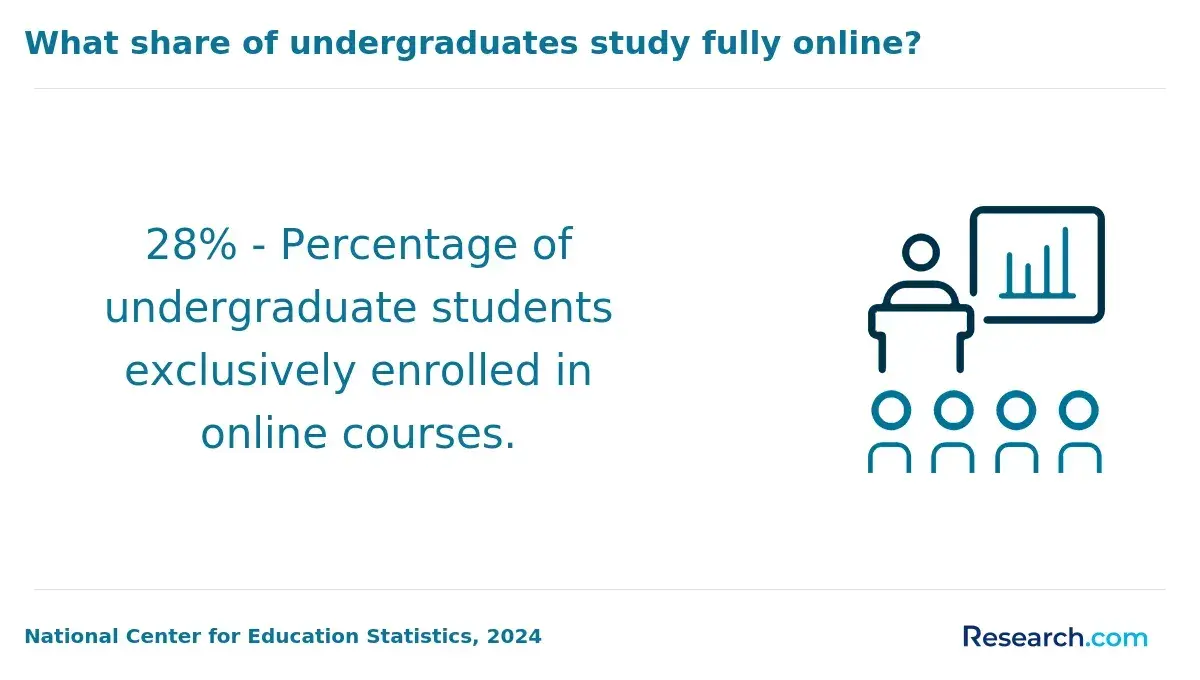
The popularity of online tesol & multilingual learners degree programs has surged, with recent data showing that over 40% of higher education students now enroll in some form of online learning. This growth reflects the increasing demand for flexible, accessible education options. However, prospective students face a critical choice between online and on-campus formats.
This article examines the advantages and disadvantages of each approach, focusing on flexibility, cost, learning experience, and career outcomes. Understanding these factors can help students make informed decisions that align with their professional goals and personal circumstances in the evolving educational landscape.
Key Benefits of Online vs On-Campus TESOL & Multilingual Learners Degrees
- Online tesol & multilingual learners degree programs offer flexible scheduling, allowing students to balance work and family commitments, which is supported by a 30% higher enrollment rate among working adults compared to on-campus programs.
- These online programs often have lower costs, with tuition savings averaging 15-20% due to reduced campus fees and commuting expenses, making education more accessible for a wider range of learners.
- On-campus tesol & multilingual learners degrees provide direct access to immersive, face-to-face interaction and practical classroom experience, which studies link to a 25% higher student engagement level and better preparation for in-person teaching environments.
Are Online vs. On-Campus TESOL & Multilingual Learners Programs Structured the Same Way?
The structure of online and on-campus TESOL & multilingual learners degree programs differs significantly due to their mode of delivery and learning environments. These differences influence how students manage their time, engage with content, and participate in collaborative experiences. Below is a comparison of core structural elements that distinguish online and on-campus TESOL & multilingual learners programs in key areas such as scheduling, course delivery, and student engagement.
- Course Delivery: Online programs rely on digital platforms, providing access to recorded lectures, readings, and interactive modules that support self-paced learning. In contrast, on-campus programs involve face-to-face instruction and live classroom discussions, which foster an immediate and interactive learning environment.
- Class Schedules: Online formats generally offer asynchronous schedules, enabling students to complete coursework flexibly around existing commitments like work or family. On-campus programs require fixed class times with mandatory in-person attendance, promoting routine but less flexibility.
- Interaction and Collaboration: Students in online programs connect through forums, video calls, and virtual group projects, using technology to facilitate communication. Meanwhile, on-campus students benefit from spontaneous discussions, peer networking, and hands-on collaboration in a shared physical space.
- Teaching Practice: On-campus TESOL programs typically include supervised classroom observations and practicum placements, offering real-world teaching experience with direct feedback. Online programs may provide virtual simulations or remote practicum options but often lack the immediacy and depth of in-person teaching practice.
- Learning Environment: In-person students experience a collaborative campus culture enhanced by extracurricular activities, workshops, and language exchanges that enrich cultural understanding. Online learners usually study independently, though many programs now add live sessions and interactive components to partially replicate the on-campus atmosphere.
Are Admission Requirements the Same for Online vs On-Campus TESOL & Multilingual Learners Degree Programs?
Colleges and universities generally uphold consistent academic standards for both online and on-campus TESOL & multilingual learners degree programs, ensuring the rigor and quality of instruction are maintained regardless of format. However, institutions may differ in how they evaluate applicants' preparedness for online learning, sometimes requiring additional proof of self-direction or technical skills for online admission. This overview compares key similarities and differences in admission requirements for online versus on-campus TESOL programs.
Here's a clear comparison of the most common admission criteria that highlight where the differences in admission requirements for online vs on-campus TESOL programs typically emerge:
- Academic Qualifications: Both online and on-campus programs usually require applicants to hold a bachelor's degree from an accredited institution with a minimum cumulative GPA of about 3.0 on a 4.0 scale. Online programs may occasionally accept slightly lower GPAs for candidates with relevant professional experience, targeting working educators who seek flexible learning.
- Standardized Tests: GRE scores are sometimes requested for both formats, but online TESOL programs often provide waivers for applicants who demonstrate substantial teaching experience or possess advanced degrees. In contrast, on-campus programs tend to enforce standardized test requirements more strictly.
- English Language Proficiency: International students must prove English proficiency through tests like TOEFL, IELTS, or Duolingo for both program types. The required scores remain consistent across online and on-campus tracks.
- Application Materials: Both formats require graduate applications, academic transcripts, statements of purpose, resumes, and letters of recommendation. Online programs, however, may place extra emphasis on the statement of purpose to assess an applicant's motivation and readiness for remote study.
- Work Experience: Online TESOL programs often prefer or mandate prior teaching experience, reflecting their audience of in-service educators. On-campus programs are generally more open to accepting recent graduates who might have limited professional experience.
- Departmental Interview: On-campus applicants might participate in face-to-face interviews, while online candidates may complete video interviews or written assessments instead, adapting to the remote nature of the program.
- Technical Readiness: Applicants for online programs usually need to demonstrate basic technical skills and reliable internet access, requirements not typically enforced for on-campus admission.
Students interested in TESOL programs should weigh these factors carefully since tesol online program admission criteria compared to on-campus alternatives can affect their application strategy and readiness. For those exploring flexible options, examining specialized one year master programs online may also provide valuable insights into accelerated pathways.
Do Online TESOL & Multilingual Learners Students Receive the Same Academic Support as On-Campus Students?
Universities have significantly enhanced their academic support systems to ensure that online tesol & multilingual learners students have access to resources and assistance comparable to those offered on-campus. These improvements aim to address the unique challenges of virtual learning while maintaining quality support.
Below is a comparison of key academic support services available to tesol & multilingual learners students in both online and on-campus formats.
- Tutoring Services: Online students can access tutoring through video calls, chat, and forums, often with extended hours to fit diverse schedules. On-campus students typically receive face-to-face tutoring, benefiting from immediate feedback and group interactions. Both formats help improve academic performance and language skills, with online tutoring offering greater flexibility.
- Career Counseling: Online students engage with career counselors via webinars, emails, and virtual meetings, gaining access to job boards and networking events remotely. On-campus students meet counselors in person and participate in campus career fairs and workshops. Satisfaction levels are similar between both groups, as many online graduates report positive career support experiences.
- Library Access: Universities provide extensive digital libraries that include e-books, journals, and databases accessible to online students anywhere. On-campus students also benefit from physical library spaces for quiet study and in-person assistance. Digital resources help online learners overcome location barriers and develop independent research skills.
- Faculty Interaction: Online students maintain contact with faculty via discussion boards, email, and video conferencing, receiving personalized feedback. On-campus students enjoy immediate face-to-face engagement, fostering close mentorship opportunities. Though some prefer in-person contact, online platforms increasingly support meaningful faculty-student communication.
The length of time it takes to complete a TESOL & multilingual learners degree can vary widely depending on whether you choose an online or on-campus program. Factors such as student pace, course scheduling, and program structure also play critical roles in determining how quickly you can finish your studies. To better understand these differences, here is a comparison of the average completion times for online versus on-campus TESOL & multilingual learners degrees.
- Online TESOL & multilingual learners degree programs offer substantial flexibility, allowing students to tailor their pace according to personal and professional commitments. Certificate programs typically require 120-150 hours and can be completed within 4-12 weeks, while advanced degrees like master's programs may range from 15 months to three years for part-time learners depending on self-paced or accelerated options. These programs often include rolling admissions and asynchronous coursework, with practicum requirements completed locally or online, supporting a more adaptable timeline.
- On-campus TESOL & multilingual learners degree programs usually follow a more traditional semester-based calendar, commonly requiring about two years for full-time students and up to three years for part-time students to complete a master's degree. The structured schedule with fixed start and end dates generally limits opportunities for acceleration, and in-person practicum hours must be completed on campus. This format provides direct access to faculty and campus resources, which can benefit in-person academic support and networking but demands adherence to a more rigid timeframe.
- Additional factors influencing completion time include cost differences, employer perceptions, and career outcomes, which are largely similar between online and on-campus formats when degrees come from accredited institutions. Online programs may be more economical due to lower commuting and campus fees and have grown more accepted in professional circles, while both formats continue to meet strong job demand in multilingual education fields.
In comparing online tesol degree cost comparison with on-campus tesol program tuition and expenses, online TESOL & Multilingual Learners programs generally offer lower tuition and reduce many additional costs. While both formats provide quality education, the online option eliminates numerous expenses that on-campus students must typically incur. The following breakdown outlines the primary cost factors that impact the total price of each program type:
Here are key cost differences between online and on-campus TESOL & Multilingual Learners programs:
- Tuition and Fees: Online programs usually charge less tuition because they do not require funding for physical classrooms or campus services. For example, online TEFL or TESOL courses often range from $300 to $600, whereas similar on-campus courses can cost between $1,500 and $2,500 or more.
- Living Expenses: Students attending on-campus programs must budget for housing, meals, and other living costs that can substantially increase overall expenses, especially in expensive cities. Online students avoid these by studying from home, which typically results in significant savings.
- Travel and Commuting: On-campus students may face regular commuting or relocating expenses, adding to the financial load. Online learners generally eliminate transportation costs, saving money throughout their program duration.
- Technology Costs: Although online students may need to invest in a reliable computer and internet access, these costs tend to be lower than the cumulative expenses associated with living on campus and commuting. Many students already own necessary technology, so extra costs often remain minimal.
- Financial Aid Availability: Both online and on-campus students can access federal financial aid and various scholarships. However, some scholarships might target campus-based students, so applicants should verify eligibility. Prospective students aiming for affordable degree options might explore programs recognized in rankings similar to those listed for an easy associates degree.
Both online and on-campus students in TESOL & multilingual learners programs may qualify for financial aid, but eligibility and accessibility often differ based on the program's delivery format and the institution's policies. Understanding these differences is key to maximizing available resources for funding your education. Below is an overview comparing the main financial aid options for online versus on-campus TESOL & multilingual learners programs to help you navigate your choices.
Major financial aid options include:
- Federal Aid: Most accredited TESOL & multilingual learners programs allow U.S. citizens and eligible non-citizens to apply for federal aid, including student loans and grants, by completing the FAFSA. On-campus programs nearly always meet federal eligibility, while some online-only or certificate tracks may not, so verifying Title IV eligibility with the financial aid office is essential.
- State Aid: State grants and scholarships often require enrollment at a public institution within the state. Both online and on-campus students can qualify if their program is officially recognized by a state university, although fully online out-of-state programs might be excluded from state-based aid.
- Scholarships and Grants: Universities and foundations offer scholarships and grants targeting TESOL & multilingual learners that are open to both online and on-campus students. Some awards are need- or merit-based, such as the TEACH Grant, which provides up to $4,000 annually for eligible teaching credential candidates. Competition can be higher for online students due to limited institutional funds, so applying early is advisable.
- Employer Tuition Reimbursement: Many employers offer tuition assistance for TESOL & multilingual learners coursework, supporting both study modes. Online programs, with their flexible schedules, often appeal to working professionals seeking employer support while balancing work and study.
- Private Student Loans: Private loans are available for both online and in-person programs, but lenders typically require program accreditation and Title IV eligibility. Online students should confirm their program's status to avoid loan denial or less favorable terms. Considering student loan options for tesol and multilingual learners programs carefully can help ensure financial stability throughout study.
For those eager to accelerate their studies, exploring a fast track master's degree online might provide additional flexibility and financial planning benefits.
Accreditation, faculty qualifications, and curriculum standards play a crucial role in establishing the credibility of both online and on-campus tesol & multilingual learners programs. Established online programs, such as the Trinity College CertTESOL, adhere to the same rigorous accreditation processes and curriculum requirements as their on-campus equivalents, ensuring graduates receive identical certificates.
High-quality programs maintain parity by employing equally qualified faculty and incorporating supervised teaching practice and comprehensive assessment. This consistency means that, academically and professionally, online and on-campus programs offer comparable credentials and preparation. However, prospective students should carefully verify that any online program is recognized by respected accrediting bodies and government organizations to ensure its legitimacy.
Perceptions of online versus on-campus tesol & multilingual learners degrees have evolved significantly, especially in recent years. While on-campus qualifications once held more favor, surveys and hiring trends now show growing acceptance of accredited online credentials, a shift accelerated by the pandemic's impact on education. Key institutions such as the British Council and various language schools recognize reputable online TESOL certifications for employment when industry standards are met.
Advances in virtual learning technology, including real-time teaching simulations and remote observation, have further narrowed differences in practical training quality. Additionally, partnerships with industry players and job placement support services are strengthening the professional value and credibility of online programs for educators both in the US and internationally.
Employer attitudes toward online versus on-campus tesol & multilingual learners degrees have shifted markedly in recent years, with a growing acceptance of online credentials. Surveys such as NACE's Job Outlook 2024 report show that 87.4% of employers have hired graduates with online degrees, and notably, 100% of those employers offer equal starting salaries regardless of degree delivery method. While over 70% of organizations hired candidates holding online credentials in the past year and 61% of HR leaders regard online learning as equal or superior to traditional formats, some employers in fields demanding hands-on skills remain inclined to favor in-person graduates.
These preferences often stem from perceptions that on-campus programs better develop leadership and communication competencies, though this gap continues to narrow as digital education becomes more mainstream. Despite these nuances, both pathways are increasingly valued, especially when institutional reputation and program quality are given precedence.
The strongest factors influencing hiring decisions center less on whether a degree was earned online or on-campus and more on university reputation, program accreditation, and demonstrated candidate skills. Employers widely recognize accredited online degrees, particularly when curricula mirror those of on-campus programs, which bolsters confidence in their rigor and value. In tesol & multilingual learners education, practical teaching experience and language proficiency hold as much weight as the degree format itself.
Additionally, evolving workplace norms, such as the rise of remote and hybrid work environments, have normalized online learning and made employers more receptive to candidates from virtual programs-provided they show readiness for diverse and flexible work conditions. Graduates from reputable, accredited programs consistently report comparable salary opportunities and career progress, underlining institutional quality as the key hiring determinant.
Salary comparisons between online and on-campus tesol & multilingual learners graduates are increasingly shaped by factors such as location, employer type, and individual qualifications, rather than the mode of study alone. While the learning format once more strongly influenced pay outcomes, today hiring decisions focus more on skills, credentials, and experience. The following points outline key trends and factors affecting salary outcomes for online versus on-campus tesol & multilingual learners program graduates.
Major influences on earning potential include:
- Employer perception and accreditation: Salaries are more dependent on the institution's accreditation and reputation than on whether the degree was earned online or on-campus. Employers typically offer comparable salaries to graduates from accredited programs regardless of learning format, especially within public schools and reputable language institutions.
- Geographical location: Salary ranges vary widely by region due to cost of living and demand. For example, in the United States, tesol degree salary comparison online vs on-campus united states shows that metropolitan areas tend to offer higher salaries, unrelated to program delivery mode.
- Type of position and institution: Online graduates teaching English virtually might earn hourly wages ranging from $10 to $40, translating to part-time monthly incomes around $1,600. In contrast, in-person roles at international schools or universities can provide greater annual salaries, sometimes reaching $2,000-$5,000 monthly, with earning differences driven by job type rather than degree format.
- Level of education and experience: Holding a master's degree significantly increases salary prospects, with online tesol graduate salary vs classroom tesol salary nearly equal if the master's is from an accredited university. Experience further boosts earnings across both formats.
- Access to career resources and networking: On-campus students may benefit from direct career services and networking opportunities; however, many online programs now offer strong support services that help graduates compete effectively in the job market. For those interested in accelerated paths, programs such as the one year PhD may provide additional advancement opportunities.
Choosing between online and on-campus tesol & multilingual learners programs depends largely on your personal learning preferences, lifestyle, and long-term professional goals. Both options come with distinct benefits and challenges that can influence your academic experience and career trajectory. To help you evaluate which program format aligns best with your needs, consider the following key factors:
- Learning style: If you prefer direct, face-to-face interaction and hands-on teaching practice, on-campus programs provide rich opportunities for classroom observations and practicum experiences essential for developing practical skills. Online programs are better suited for self-disciplined learners who excel with independent study and virtual engagement.
- Flexibility needs: One of the biggest advantages of online programs is scheduling flexibility, allowing you to study from anywhere and often at your own pace, making them ideal for working professionals or those with family responsibilities. On-campus programs typically require fixed attendance, which might be less accommodating for those with unpredictable schedules, positioning them among the best online tesol & multilingual learners programs for flexibility.
- Budget: Online programs tend to be more cost-effective by eliminating travel, housing, and campus-related fees. When conducting an on-campus tesol & multilingual learners degree cost comparison, factor in that some online options can reduce expenses by up to 30%. However, keep in mind that certain employers or positions might value on-campus credentials more highly.
- Networking opportunities: On-campus students benefit from direct access to peers, faculty, and industry professionals, fostering valuable in-person connections that can support future job searches and career growth. While online programs offer virtual networking, the immediacy and depth of these relationships may be less impactful.
- Access to campus resources: Being on campus grants you immediate access to libraries, language labs, and academic support services, enriching your overall learning experience. Online learners typically rely on digital resources, which may not fully replicate the benefits of physical access to campus facilities.
For those interested in exploring degree options that combine these factors with dual credentials, the best dual degrees resource offers valuable insights into programs that might fit your ambitions.
Here's What Graduates of Online vs On-Campus TESOL & Multilingual Learners Programs Have to Say About Their Degree
- Czar: "Completing my TEFL & multilingual learners degree entirely online was a game changer for me. I could balance my part-time job and family responsibilities while advancing my education at my own pace. The flexibility allowed me to immediately apply what I learned in real-world teaching scenarios, which boosted my confidence and effectiveness as an educator. Now, I work as an ESL coordinator and feel proud to support students from diverse backgrounds every day. "
- Nick: "Attending the on-campus TESOL & multilingual learners program immersed me in a vibrant community of passionate peers and inspiring professors. The face-to-face interactions deepened my understanding of language acquisition theories and teaching methods. This traditional setting helped me develop strong professional networks, which have been invaluable as I progressed to a leadership role in my school district's bilingual education department. Reflecting back, the rich campus experience transformed my personal growth and commitment to helping multilingual learners succeed. "
- Gideon: "The hybrid format of my TESOL & multilingual learners degree perfectly suited my busy schedule and teaching career. I appreciated the blend of interactive online modules and on-site practical workshops that allowed me to develop hands-on skills alongside theoretical knowledge. This combination prepared me well for the diverse challenges I face in the classroom daily, and it opened doors to professional development opportunities I wouldn't have accessed otherwise. I feel incredibly equipped and motivated to make a positive impact on my students' lives. "
Other Things You Should Know About Online & On-Campus TESOL & Multilingual Learners Degree Programs
Most TESOL and multilingual learners programs require 100 to 150 hours of supervised practicum or fieldwork, plus an internship or student-teaching placement. Many state licensure tracks also require clinical observation logs signed by a mentor teacher and university supervisor before graduation.
In 2027, online TESOL & multilingual learners students may encounter challenges like limited face-to-face interaction, which can affect networking opportunities. Technical issues and varying quality of digital resources might also impact their learning experience. Additionally, self-discipline is crucial, as students must manage their schedules independently.
On-campus programs typically offer more direct, supervised teaching practicums and opportunities for immediate feedback. Online programs may include virtual practicums or local placements, but hands-on experience could be less integrated or varied depending on the program.
- TESOL Teacher Salary: How Much Can You Make? https://gsep.pepperdine.edu/blog/posts/tesol-teacher-salary-how-much-can-you-make.htm
- Cost of Online Education vs. Traditional Education [2025]: Comparison https://educationdata.org/cost-of-online-education-vs-traditional-education
- Language Support for Multilingual Learners of English: Comparing Three Models | TESOL | International Association https://www.tesol.org/blog/posts/language-support-for-multilingual-learners-of-english-comparing-three-models/
- Supporting international graduate students’ academic language and literacies development through online and hybrid communities of practice - ScienceDirect https://www.sciencedirect.com/science/article/abs/pii/S1475158522000984
- Online degree costs vs traditional degrees: which is more affordable? https://collegeonline.io/blogs/online-degree-costs-vs-traditional-degrees
- Online vs. In-Person TESOL Courses: Pros and Cons | ITTT https://www.tesolcourse.com/pillars/tesol-course-comparison/choosing-the-right-tesol-course-for-you/online-vs-in-person-tesol-courses-pros-and-cons/
- What are the key differences between teaching TESOL in a monolingual vs. multilingual classroom? | ITTT TEFL & TESOL https://www.tesolonline.com/ai/what-are-the-key-differences-between-teaching-tesol-in-a-monolingual-vs--multilingual-classroom/
- Considering Online vs. In-Person TESOL Courses | ITTT https://www.teflcourse.net/pillars/tesol-certification-process/choosing-the-right-tesol-program/considering-online-vs-in-person-tesol-courses/


