2027 Is TESOL & Multilingual Learners a Hard Major? What Students Should Know

Co-Founder and Chief Data Scientist
The academic demands of a TESOL & multilingual learners major are often misunderstood, with many assuming it is either exceptionally difficult or overly simplistic. In reality, programs emphasize a balance of linguistic theory and practical teaching skills. According to recent data, over 25% of students enrolled in language education fields report considerable workload challenges, highlighting the major's commitment to developing effective educators for diverse classrooms.
This article will explore key elements affecting the difficulty of a tesol & multilingual learners major, including course rigor, expected workload, and essential skills such as cultural competence and language analysis. Understanding these factors can help prospective students gauge how their background and learning style might impact their experience in this specialized field.
Key Benefits of TESOL & Multilingual Learners as a Major
- TESOL & multilingual learners programs develop essential cross-cultural communication and instructional skills, supporting career changers in transitioning smoothly into education roles.
- The major offers flexible coursework and practical experiences ideal for full-time workers returning to school, balancing professional and academic demands effectively.
- Students build confidence through diverse language acquisition theories and teaching methods, enhancing their ability to handle rigorous content and specialized challenges.
Where Does TESOL & Multilingual Learners Rank Among the Hardest College Majors?
Disciplines like engineering, physics, and architecture typically top these lists due to their heavy workloads, numerous technical requirements, and substantial lab or practicum hours.
In contrast, TESOL & multilingual learners programs are generally seen as moderately demanding, with challenges arising from a mix of academic study, cultural understanding, and educational practice.
For example, a report from the National Survey of Student Engagement (NSSE) found that education majors, including TESOL & multilingual learners, average about 15-18 hours of study outside class per week, which is less than the 19-21 hours reported by engineering students.
Perceptions of difficulty in TESOL & multilingual learners differ widely depending on the institution's specific curriculum and the student's skills. While this major usually involves less technical content compared to fields like mathematics or biology, it may be challenging for those less comfortable with public speaking or cross-cultural communication.
Conversely, students with strong language and interpersonal abilities may find it more accessible than traditionally tough STEM programs. Ultimately, like many areas of study, the difficulty of TESOL & multilingual learners hinges on individual preparation and strengths rather than a fixed ranking.
What Factors Make TESOL & Multilingual Learners a Hard Major?
TESOL & multilingual learners programs demand a blend of academic rigor and practical skills, making them challenging for many students. Success requires mastering complex theories while effectively applying them in diverse educational settings. The factors that influence program difficulty include:
- Academic Rigor in TESOL Programs: The curriculum covers advanced subjects like second language acquisition, linguistics, discourse analysis, curriculum design, and intercultural rhetoric. Students must deeply understand these concepts and demonstrate the ability to apply theory to real-world teaching scenarios, balancing both analytical thinking and practical application.
- Time Commitment: These programs often require 30 or more credit hours, including a capstone project and a foreign language exam, demanding sustained study and research. Students must synthesize scholarly research and create instructional materials, involving extensive reading, writing, and critical analysis.
- Technical and Analytical Complexity: Mastery of English structure alongside pedagogy is essential. This includes grammar, phonology, and computer-assisted language learning, with a focus on adapting instruction to learners from various linguistic backgrounds and proficiency levels.
- Field-Specific Demands: Developing cultural competence and the ability to foster inclusive classrooms is critical. Educators balance high academic standards while supporting multilingual learners' language development, which adds complexity to teaching strategies.
Prospective students should consider these challenges carefully before pursuing the major. Those seeking an alternative path might explore options such as a fast track bachelor degree to accelerate their progress in related fields.
Who Is a Good Fit for a TESOL & Multilingual Learners Major?
Knowing who is a good fit for a TESOL & multilingual learners major can help students assess whether the program will match their strengths and interests. Reflecting on the qualities of successful TESOL students is essential for managing both the academic and practical demands of this field. These include:
- Adaptable Learners: These students thrive in dynamic environments, embracing change and diverse linguistic backgrounds. Their flexibility helps them navigate varied classroom settings and different learner needs effectively.
- Empathetic Communicators: Strong communication skills and genuine empathy enable students to connect with multilingual learners. This trait is vital for addressing challenges and supporting student growth.
- Curious Thinkers: Interest in language acquisition, culture, and linguistics motivates these learners to explore new perspectives, enriching both theory and practical coursework.
- Resilient Self-Starters: Managing lesson planning and classroom dynamics requires self-efficacy and persistence, qualities that help students stay engaged despite challenges.
- Collaborative Team Players: Enjoying people-centered work and collaboration makes it easier to learn through group projects and hands-on teaching experiences.
Those seeking the easiest online degrees might find TESOL or related options in their area, so check the available resources.
Students often find a TESOL & multilingual learners major demanding due to its blend of theoretical knowledge and applied skills. However, using targeted methods can significantly simplify the workload and improve learning outcomes. Here are several learning strategies to apply:
- Establish steady study routines: Breaking assignments into smaller, manageable segments and maintaining regular review sessions helps in gradually building understanding without overload.
- Prioritize effective time management: Utilizing planners or digital calendars and setting weekly objectives enables better coordination between coursework and practical experiences.
- Focus on core language and academic abilities: Enhancing vocabulary, writing techniques, and participating in discussions strengthens foundational competencies crucial for success.
- Leverage academic support options: Engaging with instructors, study groups, and campus resources such as tutoring provides clarity on complex material.
- Incorporate self-monitoring strategies: Using tools like progress checklists and visual aids encourages reflection and helps identify areas needing improvement promptly.
When I spoke with a graduate who majored in TESOL & multilingual learners, she shared that balancing theory-heavy classes with teaching practicums initially felt overwhelming. She recalled how breaking large readings into focused sections and setting daily goals transformed her approach from reactive to proactive.
"At first, I was constantly stressed trying to keep up," she said, "but creating structured study blocks and regularly checking my understanding made a huge difference." Through seeking feedback and joining peer-led study sessions, she gained both confidence and clarity.
Her experience illustrates the power of active engagement and disciplined planning to navigate the complexities of this field more smoothly.
Admissions to TESOL & multilingual learners programs are generally not highly competitive, largely because many schools admit students on a rolling basis and offer conditional acceptance for those lacking some requirements.
While interest in these fields is growing, program capacities often accommodate most applicants who meet basic prerequisites such as a bachelor's degree and letters of recommendation. This accessibility means admissions tend to focus more on candidate preparedness than on fierce competition.
Several factors shape selectivity among these programs. Most require minimum GPAs between 2.7 and 3.0, with additional standards for non-native English speakers, including TOEFL or IELTS scores.
Some institutions seek prior teaching or language experience but do not always mandate it. Rising demand for qualified English language educators has led to competitive financial aid opportunities rather than strict admission limits.
One professional in the field shared his experience, saying, "Applying felt straightforward because admission criteria were clear, but I did feel a lot of pressure to highlight my unique background and dedication in my personal statement."
He reflected that the interview and writing components tested his commitment more than academic credentials, making the process demanding yet rewarding.
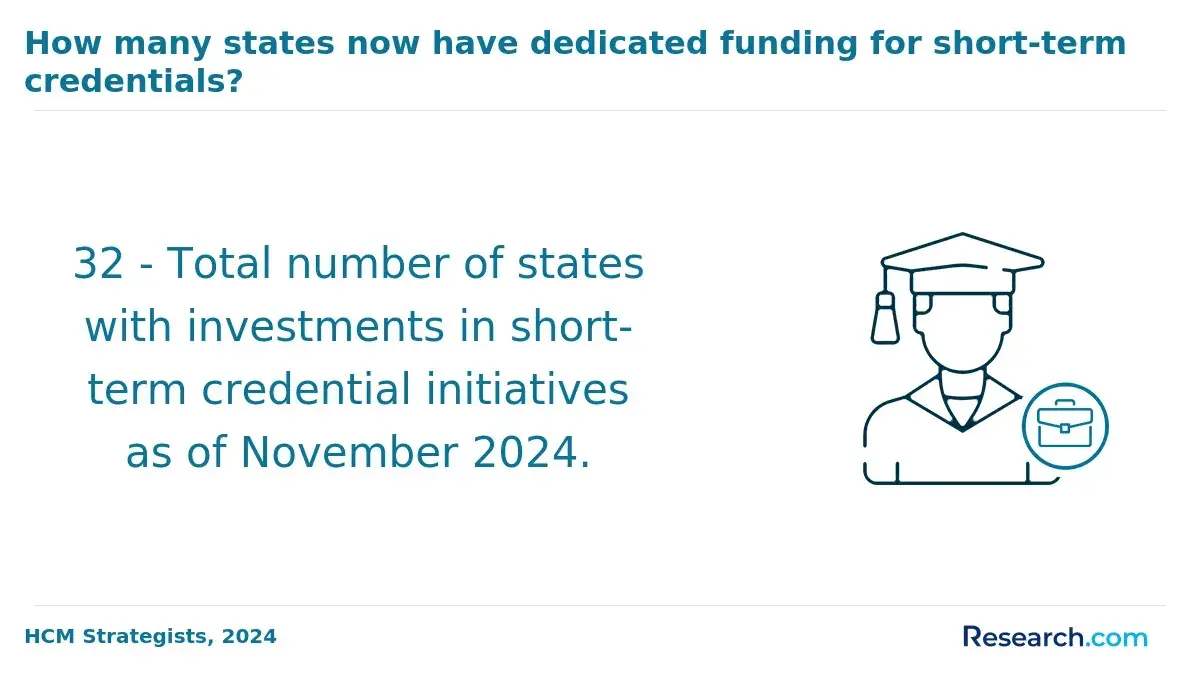
Online TESOL & multilingual learners programs are generally neither harder nor easier than their on-campus counterparts. The overall challenge depends on the program's structure and individual student preferences.
A comparison of key factors highlights distinctions between online and in-person TESOL & multilingual learners programs:
- Academic expectations: Both formats require mastery of reading, writing, speaking, and listening skills, along with engagement with complex linguistic and pedagogical concepts.
- Workload and pacing: Online TESOL programs flexibility vs structured learning often allows students to set their own schedules, demanding strong self-discipline, while on-campus programs usually follow fixed timetables.
- Interaction and support: Online learners rely on forums, video calls, and digital resources, which can feel less immediate than the spontaneous discussions and real-time feedback available in-person.
- Learning environment: In-person TESOL courses hands-on experience and practical teaching provide direct collaboration opportunities that many find helpful for mastering material.
- Unique challenges: Online students may face technology hurdles and isolation, whereas campus students must balance on-site attendance with other obligations.
Success in either mode often relates more to a student's learning style and ability to adapt. For those interested in affordable higher education options, consulting resources such as the cheapest online doctorate programs can offer insight into flexible online pathways.
Accelerated TESOL & multilingual learners programs are generally perceived as more challenging than traditional formats due to condensed timelines and intensified pacing, which increase workload demands and require efficient time management from students.
Here is a comparison focusing on important aspects of accelerated TESOL programs vs traditional TESOL degrees:
- Course pacing and content density: Accelerated programs cover material more quickly with fewer breaks, demanding rapid comprehension and adaptation, while traditional courses allow more time to absorb content.
- Workload management: Students in accelerated TESOL courses workload comparison often face higher weekly assignments and readings, requiring strong self-discipline, whereas traditional formats spread workload more evenly.
- Academic expectations and skill demands: Both formats expect mastery of linguistic concepts and teaching methods, but accelerated programs may intensify pressure on students to apply skills promptly.
- Learning retention and stress levels: Fast pacing in accelerated programs can challenge long-term retention and raise stress, while traditional pacing supports gradual learning with potentially lower stress.
- Flexibility and daily scheduling: Traditional TESOL courses often offer more predictable schedules, whereas accelerated formats may demand longer daily commitments or less flexibility.
Unfortunately, comprehensive data comparing these program formats on workload and retention remains limited.
For students seeking affordable options that can fit varying schedules, exploring low tuition online schools that accept FAFSA may provide additional pathways for pursuing TESOL education.
Balancing a part-time job while majoring in TESOL & multilingual learners is possible but depends on key factors such as the program's intensity, weekly workload, and the student's study habits. These programs usually require 30 to 38 credit hours, including demanding courses in linguistics, language acquisition, and teaching methods.
The workload often includes significant reading, lesson planning, and supervised practica, which can require 10 to 20 hours weekly. Students with flexible or remote job options tend to manage better, though some may struggle during practice-heavy semesters.
Students who successfully juggle work and study typically rely on strong time management and carefully choose their course loads each semester to avoid overload.
Jobs that adapt to academic schedules or offer flexible hours help maintain balance, especially during periods heavy with teaching practicums or projects. Access to campus or online academic resources supports students in managing their responsibilities.
The practical nature of TESOL & multilingual learners courses, with field placements and substantial reading demands, means that balancing work and study varies greatly depending on individual circumstances and proactive workload adjustments.
Career paths for tesol & multilingual learners graduates vary widely in difficulty, responsibility, and required skills. While some jobs match the academic rigor of the degree, others may feel less demanding or challenging in different ways, reflecting diverse workplace settings and expectations.
- ESL Teacher (K-12 or Adult): Teaches English to non-native speakers in public schools, community colleges, or adult education centers. This role involves lesson planning, individualized instruction, and classroom management, and is typically as demanding as the major due to responsibility for student outcomes and ongoing assessment.
- Curriculum Developer: Designs educational materials and language programs for schools or organizations. This position requires strong analytical skills, knowledge of language acquisition, and staying updated with educational trends. It is demanding in a different way, focusing on research, innovation, and collaboration rather than direct classroom teaching.
- Language Program Administrator: Oversees ESL or multilingual education programs, manages staff, and ensures compliance with standards. Leadership and organizational skills are essential, making this role more demanding in responsibility but less rigorous academically compared to the degree itself.
- Private Tutor or Online Instructor: Provides tailored English instruction to individuals or small groups, often with flexible scheduling. This job tends to be less demanding than the major in workload and bureaucracy, but requires adaptability and strong interpersonal skills to meet diverse learner needs.
- Corporate Trainer: Delivers language and intercultural communication training in business settings, developing materials and evaluating progress. This role is demanding differently, focusing on adult learning, professional communication, and customizing instruction for workplace goals.
TESOL-related majors often report a moderate-to-high workload with a strong emphasis on practicum and applied linguistics, making the academic experience more challenging compared to some other education fields.
However, not all TEFL jobs reflect the same workload. For those exploring career options, especially outside traditional education settings, reviewing trade school job options may provide further insights into the diverse roles available for multilingual learners' career paths.
There is no direct link between the difficulty of a TESOL & multilingual learners major and higher salaries.
While challenging coursework can enhance important skills, these alone do not guarantee increased earnings. Salary levels are more closely tied to external factors like labor market needs and practical experience. Employers tend to value how well graduates apply their knowledge in relevant settings rather than the academic rigor of their program.
Several key elements influence the pay scale for TESOL & multilingual learners graduates. Geographic location plays a significant role: areas with large immigrant populations, such as California, typically offer salaries ranging from $41,000 to $62,200, with some top earners making nearly $79,000.
Experience and advanced degrees, like a master's, can substantially boost income. For instance, adult ESL instructors nationwide have a median salary of about $60,000. Urban centers often provide higher wages due to greater demand and living costs, underscoring the importance of where and how one applies their expertise.
What Graduates Say About TESOL & Multilingual Learners as Their Major
- Rauni: "Choosing TESOL & multilingual learners as a major was definitely challenging but incredibly rewarding. The coursework pushed me to deeply understand diverse language acquisition strategies, which has been invaluable in my teaching career. Considering the average cost of attendance was high, I was initially worried, but the real-world skills and career growth I gained made it worth every penny. "
- Alize: "Pursuing TESOL & multilingual learners felt tough at times, especially balancing theory with practical application. However, reflecting back, it has profoundly shaped my approach to inclusive education and widened my career options in international settings. While the program is not cheap, its impact on my professional path justifies the investment. "
- Irene: "From a professional standpoint, TESOL & multilingual learners is a demanding major that requires dedication but strengthens your expertise greatly. The learning journey equipped me with tools to address diverse classroom challenges, directly influencing my effectiveness as an educator. Despite the average costs being considerable, the personal and career benefits are undeniable. "
Other Things You Should Know About TESOL & Multilingual Learners Degrees
Students in TESOL & multilingual learners programs should have at least a strong foundation in English and a willingness to develop proficiency in additional languages. While native fluency in English is helpful, many programs also encourage learning a second or third language to better understand language acquisition processes and cultural diversity. Linguistic sensitivity and communication skills are essential to success in this major.
Most TESOL & multilingual learners majors include practical components such as teaching practicums or internships. These field experiences are designed to help students apply theoretical knowledge in real classroom settings, often with multilingual or English language learners. Completing these requirements is important for gaining hands-on skills and meeting certification standards for future teaching careers.
Many graduates prepare for state English as a Second Language licensure exams, often the Praxis ESOL test, along with a background check and supervised student-teaching requirement. States set the exact rules, but most require a bachelor’s degree, approved coursework, and passing scores before licensure.
Cultural competence is a critical aspect of studying TESOL & multilingual learners. Understanding and respecting cultural differences enables teachers to create inclusive and supportive learning environments for students from diverse backgrounds. Coursework often emphasizes intercultural communication skills to prepare graduates for working in multicultural classrooms worldwide.
- What Is TESOL? Which Certification Is Better - TEFL or TESOL? https://bridge.edu/tefl/blog/what-is-tesol/
- I'm not competitive - next step M.Ed TESOL? https://www.internationalschoolsreview.com/v-web/bulletin/bb/viewtopic.php
- Teaching English to Speakers of Other Languages (TESOL) https://advising.utah.edu/majors/quick-look/teaching-english-tesol.php
- TESOL Master of Arts in Teaching English to Speakers of Other Languages https://www.hamline.edu/academics/graduate/teaching-english-speakers-other-languages-masters
- Job Prospects and Salaries with a TESOL Masters | ✔️ ✔️ ✔️ ITTT https://www.tesolcourse.com/pillars/tesol-master-s-degree-guide/career-opportunities-with-a-tesol-masters/job-prospects-and-salaries-with-a-tesol-masters/
- Best TESOL, ESL and Bilingual colleges in California https://www.universities.com/find/california/best/education-and-liberal-arts/tesol-esl-and-bilingual
- Teaching English to Speakers of Other Languages https://www.siena.edu/programs/master-of-arts-in-teaching-english-to-speakers-of-other-languages/
- From side-hustle to career: start teaching English in 2020 https://hongkongtesol.com/blog/side-hustle-career-start-teaching-english-2020
- Are language technologies counterproductive to learning? – Language on the Move https://www.languageonthemove.com/are-language-technologies-counterproductive-to-learning/