2027 Accredited Online Public Health Degree Master's Programs: How to Verify & Avoid Scams

Co-Founder and Chief Data Scientist
Maria enrolled in an online public health master's program only to discover her degree lacked accreditation, jeopardizing her job prospects. Unfortunately, nearly 30% of online public health degrees offered by unrecognized institutions fail to meet U.S. accreditation standards, according to recent industry reports. These scams can lead to wasted time, financial loss, and difficulties securing professional licensure.
As the demand for flexible education grows, verifying program legitimacy has become critical for prospective students. This article explains how to confirm accreditation status and identify red flags, ensuring informed decisions that protect students from fraudulent online public health programs.
Key Benefits of Verifying Accredited Online Public Health Degree Master's Programs
- Verifying online public health master's programs ensures degree credibility, which is critical as 20% of online degree seekers face unaccredited institutions, risking professional legitimacy.
- Accredited programs protect your financial investment by preventing losses associated with fraudulent schools, which cost students over $500 million annually nationwide.
- Ensuring accreditation safeguards future career opportunities, as employers increasingly require recognized degrees to qualify for licensure and advanced roles in public health fields.
Why Is It Important to Verify Accreditation for an Online Public Health Master's Degree Program?
Verifying accreditation for an online public health master's degree program involves confirming that the program or institution is officially recognized by a reputable accrediting body. This process ensures the educational quality and legitimacy of the program, verifying that the curriculum meets established academic standards and that faculty qualifications are appropriate.
Prospective students should independently confirm an institution's accreditation status instead of relying solely on school claims, as each year hundreds of diploma mills-unaccredited entities offering fake or substandard degrees-are identified and shut down in the United States. This due diligence is especially important for those exploring online public health master's degree accreditation benefits in the United States to avoid fraudulent or substandard programs.
Failing to verify accreditation exposes students to significant risks, including challenges with employer acceptance, as many employers review accreditation status when evaluating degrees. Professional licensure boards often require degrees from accredited programs, so graduates from unaccredited institutions might be ineligible for certification.
Moreover, eligibility for federal financial aid typically depends on attending an accredited school, which means students may face financial difficulties if their program is not recognized. Prospective students seeking reliable pathways to advance their careers may also consider options such as RN to BSN online programs as part of broader educational planning.
How Can I Check If an Online Public Health Master's Program Is Accredited?
Confirming accreditation is essential before enrolling in an online public health master's program, as it ensures the education meets recognized quality standards. The U.S. Department of Education recognizes over 60 accrediting agencies responsible for evaluating institutions and programs. Enrolling in unaccredited programs can hinder professional licensure, credit transfers, and employment opportunities.
The following key steps will help you verify a program's accreditation status:
- Visit Official Accrediting Agency Websites: Check whether the program or institution appears on the official lists of recognized accrediting bodies. This is a primary source for accurate accreditation information.
- Check the U.S. Department of Education Database: Use the Database of Accredited Postsecondary Institutions and Programs (DAPIP) to confirm verified status. It provides up-to-date accreditation records.
- Review Institution Documentation: Examine the school's website and materials carefully for explicit accreditation statements and detailed information about the accrediting body involved.
- Contact the School Directly: Ask specific questions about their accreditation and request official documents or proof to verify claims firsthand.
- Look for Professional or Programmatic Accreditation: Identify accreditation from specialized bodies relevant to public health education such as the Council on Education for Public Health (CEPH), which signifies program quality.
Prospective students considering various graduate degrees could also explore information about the DNP degree to understand accreditation verification practices in related health fields, highlighting the importance of recognized credentials across disciplines.
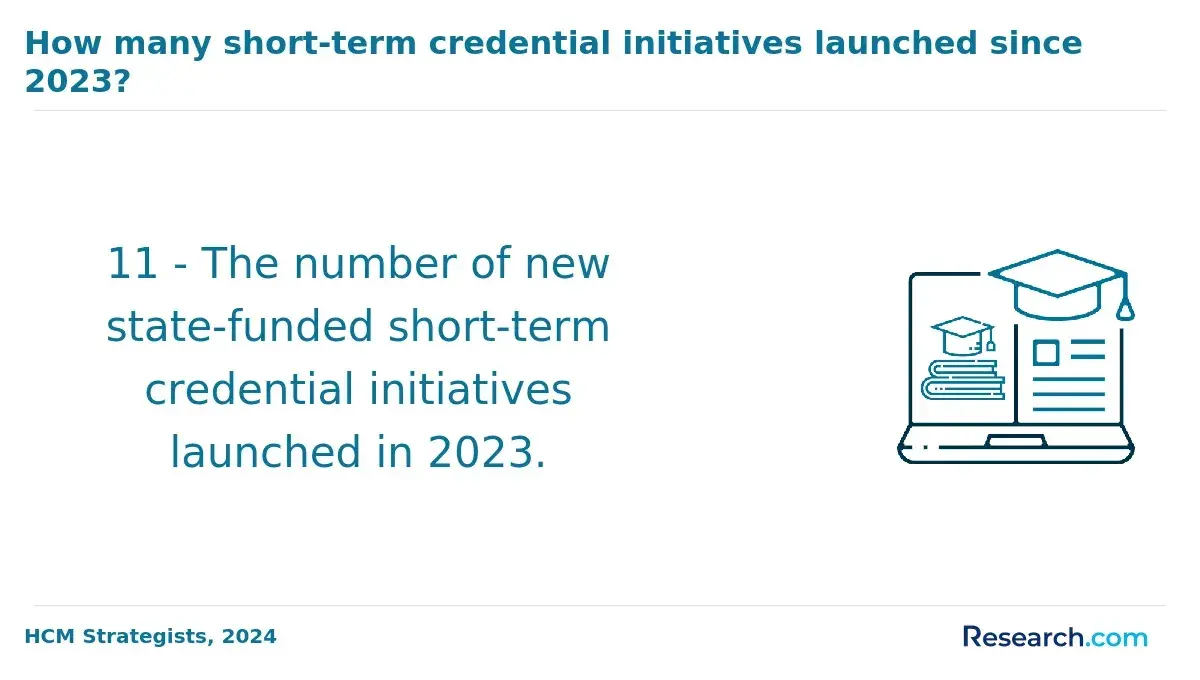
What Are the Top Recognized Accrediting Agencies in the U.S. for Online Public Health Master's Programs?
Accrediting agencies are vital in upholding the academic standards and trustworthiness of online master's programs. They rigorously assess institutions and specific curricula to confirm quality education, helping students avoid unrecognized or fraudulent degrees.
Below are the top recognized accrediting bodies for online public health master's programs in the U.S.
- Council on Education for Public Health (CEPH): A specialized accreditor focusing solely on public health programs, CEPH ensures curricula meet professional standards crucial for careers and research in public health. Graduating from CEPH-accredited programs is often preferred or required by employers and licensure boards.
- Regional Accrediting Commissions: Entities such as the Higher Learning Commission (HLC), Middle States Commission on Higher Education (MSCHE), and Southern Association of Colleges and Schools Commission on Colleges (SACSCOC) accredit entire institutions, guaranteeing overall academic quality and institutional integrity. Their endorsement affects federal aid eligibility and credit transferability.
- Accrediting Bureau of Health Education Schools (ABHES): This agency occasionally accredits health education-focused schools but is less frequent for public health master's degrees. Students should confirm both institutional and programmatic accreditation to ensure legitimate recognition.
When searching for top accredited online public health master's programs, verifying accreditation status is essential for degree acceptance and career prospects. Prospective students might also explore related educational paths like the cheapest RN to BSN online programs as part of their academic planning.
Accredited online master's degrees in public health have gained increased acceptance and are often viewed as equally credible compared to traditional on-campus degrees, especially from reputable institutions.
A 2023 survey by the Society for Human Resource Management found that nearly 79% of employers regard online degrees from accredited schools as comparable in value to those earned in person. Accreditation is key in ensuring that these programs meet stringent academic and professional criteria, significantly influencing employer recognition and industry respect.
Beyond accreditation, the overall respectability of an online degree can depend on various factors including the university's reputation, the qualifications and experience of faculty members, and the comprehensiveness and challenge of the curriculum. These elements contribute to the perceived quality and rigor of the program, which in turn affect how employers and colleagues view the degree holder's expertise and preparedness for the field of public health.
When I spoke with a graduate of an accredited online master's degree in public health, he shared how initial skepticism from some employers made him question the value of his credential. He described navigating job interviews where he often had to explain the credibility of his online program and emphasize the demanding coursework and faculty support he received.
Despite these challenges, he added, "Once I demonstrated my knowledge and skills, the fact that my degree was earned online didn't hold me back. It was about proving what I could do." His perspective highlights the importance of both accreditation and personal performance in overcoming biases against online education.
Transfer credit acceptance varies widely among U.S. accredited universities, with accreditation status heavily influencing decisions. Data from the National Center for Education Statistics reveals nearly 70% of regionally accredited institutions refuse credits from non-accredited programs.
Several important factors determine if credits will be recognized for graduate public health studies:
- Institutional Transfer Policies: Universities establish individual guidelines that typically prioritize credits from accredited programs to uphold educational quality.
- Accreditation Status: Credits from regionally or nationally accredited schools have a higher chance of transfer, while those from non-accredited programs face significant barriers.
- Course Equivalency Review: Schools assess course content, learning outcomes, and credit hours to ensure alignment with their curriculum standards before accepting transfer credits.
- Residency Requirements: Many graduate programs require a minimum number of credits to be completed on-site, restricting the number of transferable credits.
Prospective students should thoroughly verify the accreditation of any program prior to enrollment and investigate the transfer credit policies of their intended universities. This preparation can prevent unexpected obstacles and support a smoother transition when pursuing a graduate public health degree.
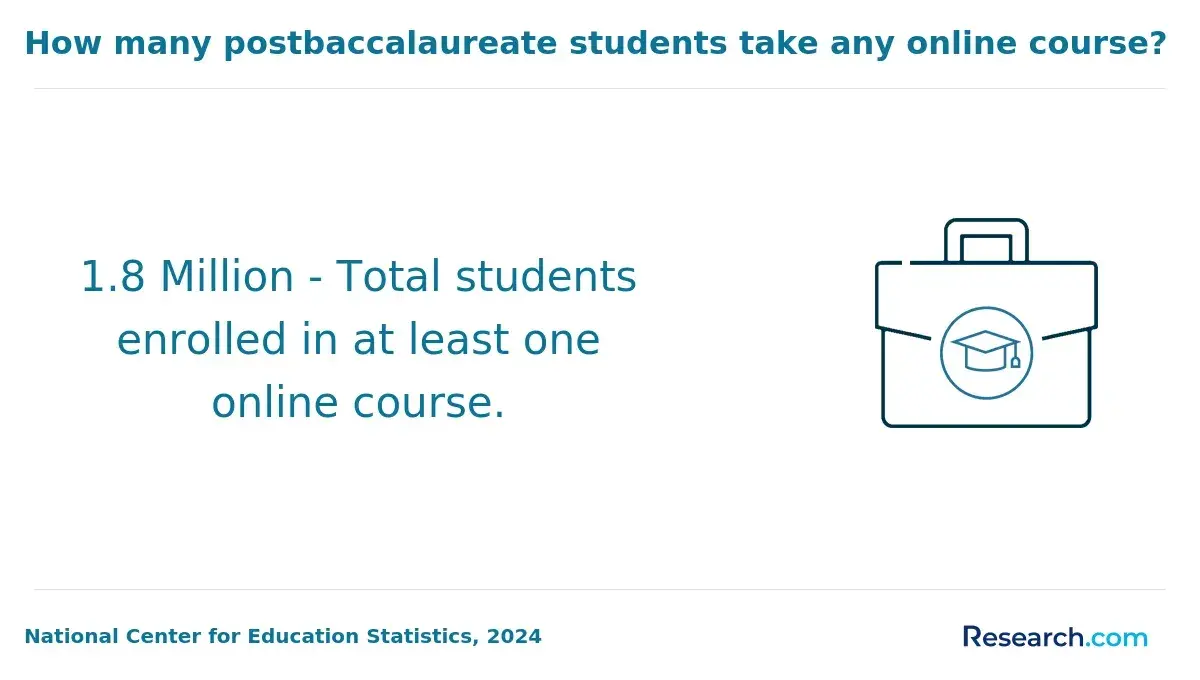
Before enrolling in an accredited online Public Health master's program, it's crucial to confirm that financial aid offers are genuine and reliable. Graduate students may be eligible for multiple federal assistance programs, including Direct Unsubsidized Loans, which provide up to $20,500 per year.
The following steps will help ensure you access legitimate support options:
- Complete the FAFSA: Submit the Free Application for Federal Student Aid to determine your qualification for federal loans and grants. This is the foundational step for securing any federal funding.
- Confirm Institutional Eligibility: Verify the school's participation in federal financial aid programs by checking the U.S. Department of Education's Database of Accredited Postsecondary Institutions and Programs. Only accredited institutions authorized for federal aid should be considered.
- Review Official Financial Aid Disclosures: Examine the school's provided information on loan conditions, repayment plans, and total costs. Transparent disclosures signal a trustworthy institution.
- Check Loan Servicer Information: Identify which companies manage the loans, ensuring they are federally approved servicers listed on the Federal Student Aid website. Beware of any demands for upfront payments or guaranteed loan approvals.
- Consult the School's Financial Aid Office: Reach out to ask about scholarships, grants, and loan programs specifically for master's candidates. A prompt, clear response indicates institutional credibility.
When discussing how to verify financial aid options in accredited online Public Health master's programs with a professional preparing to enroll, she emphasized the anxiety tied to encountering inconsistent or incomplete information. "It took careful research to distinguish trusted sources from misleading ones," she explained.
Contacting the financial aid office directly proved invaluable; "Their transparency made me feel confident about moving forward." Despite initial uncertainty, the process of verifying eligibility and loan details gradually became empowering, highlighting the importance of patience and due diligence in making an informed educational investment.
Employers increasingly encounter online degrees and rely on specific verification methods to confirm their legitimacy. About 85% of employers conduct formal education background checks during the hiring process to ensure credentials are authentic.
Below are key methods organizations use to verify an online public health master's degree:
- Accreditation Confirmation: Employers verify that the degree originates from a regionally or nationally accredited institution recognized by the U.S. Department of Education or CHEA to ensure program quality and legitimacy.
- Background Checks: These include reviewing candidates' educational histories in detail to identify inconsistencies or potential fraud related to their academic credentials.
- Official Transcript Requests: Employers often request transcripts directly from the issuing university, confirming coursework completion and verifying the degree was awarded.
- Third-Party Verification Services: External companies specializing in education verifications provide efficient, secure confirmation of a candidate's academic credentials, minimizing employer liability.
- Institutional Reputation Review: Employers assess the school's standing within the public health academic community, considering factors such as program rigor and recognition to ensure the degree's value.
These steps help maintain trust in online master's degrees in public health, reinforcing the importance of pursuing programs with recognized accreditation and strong academic reputations.
Many legitimate accredited online public health master's programs are available; however, fraudulent operations continue to target prospective students. Education-related scams account for estimated annual financial losses exceeding $100 million in the United States alone.
Being aware of common scams can help those researching online degrees avoid costly mistakes and identify red flags early in the process. Below are some typical online degree scams to watch out for:
- Diploma Mills: These organizations offer degrees with minimal or no academic requirements, often lacking proper accreditation. Warning signs include unusually fast degree completion times and vague or missing faculty information.
- Fake Accrediting Agencies: Some online programs claim accreditation from sham agencies that are not recognized by the U.S. Department of Education. It is essential to verify accreditation status through official government websites to confirm legitimacy.
- Upfront Financial Aid Fees: Scammers may request payment for nonexistent financial aid or scholarship programs. Genuine financial aid typically does not require students to pay fees upfront.
- Guaranteed Admission Claims: Offers that promise admission despite missing qualifications or application requirements should raise suspicion. Legitimate programs always have transparent admission criteria.
- Unverifiable Institutional Information: Institutions that lack a physical address, clear contact details, or a transparent curriculum may be fraudulent. Thorough research is necessary before enrolling in any program.
For those seeking pathways into healthcare education, it's also useful to be aware of related programs such as fast-track medical training options that can complement academic studies. Recognizing these scams supports making informed decisions while exploring common online degree scams in the United States and how to spot fake accredited online degrees.
Acting quickly is essential if you suspect an online public health program is fraudulent to protect your finances and academic records. The Federal Trade Commission reports thousands of consumer fraud complaints annually related to education scams, making vigilance crucial.
Below are key steps to safeguard yourself when facing suspicious circumstances involving a public health master's program:
- Pause Enrollment or Payments: Stop all enrollment and financial transactions immediately to prevent further risk while you investigate the program's legitimacy.
- Verify Accreditation Independently: Check recognized accrediting bodies such as the Council on Education for Public Health (CEPH) or the U.S. Department of Education database. Avoid relying solely on the institution's claims.
- Document Communications: Save all emails, receipts, advertisements, and correspondence with the school. This evidence will support your case if you need to report the fraud.
- Report to Federal or State Authorities: Notify entities like the Federal Trade Commission, your state attorney general, or the Better Business Bureau. Reporting can help protect others and prompt official investigations into fake programs.
- Notify Your Financial Institution: Contact your bank or credit card provider to dispute unauthorized payments and secure your accounts if you have already made transactions.
Because identifying legitimate programs can be challenging, prospective students researching online public health master's programs should carefully verify credentials to avoid scams. For those interested in expedited options, exploring a trusted fast-track program may be a legitimate and efficient alternative while minimizing risk.
Choosing an accredited online master's program in public health demands careful consideration of factors that balance academic quality, flexibility, and potential career success. Accredited programs in the U.S. typically show an average graduation rate near 70%, reflecting their reliability and student support.
Below are essential aspects to examine when evaluating programs:
- Accreditation Status: Ensure the program holds accreditation from respected agencies like CEPH, guaranteeing it meets professional standards and is recognized by employers and licensing bodies.
- Curriculum Quality: Look for comprehensive courses that cover core public health topics while also addressing current and emerging health challenges, ensuring relevance and skill development.
- Faculty Expertise: Review the qualifications and research experience of instructors, as knowledgeable faculty enhance learning and can provide valuable professional connections.
- Student Support Services: Verify the availability of advising, technical help, and career resources tailored for online students to promote engagement and successful degree completion.
- Career Outcomes: Investigate employment rates, internship access, and alumni networks to determine how effectively the program prepares graduates for diverse roles within public health.
What Graduates Say About Verifying Accredited Online Public Health Degree Master's Programs
- Renee: "Deciding which school to trust for an online public health master's degree was daunting, but focusing on accreditation helped me filter out scams. I found accredited programs that balanced cost and quality, making a significant difference in my educational experience. Verifying the program's legitimacy not only saved me money but also opened doors in my career where employers valued that credibility."
- Nicole: "Reflecting on my journey through an online public health master's, cost was a major factor, but I quickly learned the importance of choosing a fully accredited institution. The investment felt worthwhile knowing my degree was respected and rigorously reviewed. This verification gave me confidence as a professional, especially when applying for competitive roles where accreditation often differentiates candidates."
- Tanja: "As someone navigating the crowded field of online public health programs, I approached the process with caution and professionalism. I prioritized schools with transparent accreditation and clear outcomes, which ensured my education was recognized and genuine. This diligence paid off, as my verified degree not only enhanced my resume but also boosted my standing among colleagues and employers."
Other Things You Should Know About Public Health Degrees
Look for accreditation from recognized bodies like the Council on Education for Public Health (CEPH) or the Higher Learning Commission (HLC). These badges indicate adherence to rigorous academic and professional standards, helping students avoid scams in 2027.
Ask the program directly for proof of accreditation, such as official letters or certification documents from accrediting agencies. Verify the details by cross-checking the program's name and accreditation status on the accreditor's official website. Be cautious if a program is unwilling or unable to provide this documentation promptly.
Yes. Many accredited MPH programs require a supervised practicum, often 150 to 200 hours, and some include a capstone or field experience. Before enrolling, confirm the practicum site approval process, supervision rules, and whether the university places students or expects them to secure their own placement.
- Understanding Academic Accreditation for Online Universities https://www.qahe.org/article/understanding-academic-accreditation-for-online-universities/
- Potential scam targeting personal information https://www.phsd.ca/potential-scam-targeting-personal-information/
- Admissions and Financial Aid https://onlinemph.sph.brown.edu/admissions
- The Essential Guide to Choosing an Online Master in Public Health Program https://tutorcity.sg/blog/the-essential-guide-to-choosing-an-online-master-in-public-health-program
- Understanding Common Online Scams That Target University Students https://www.researchprospect.com/common-online-scams-that-target-university-students/
- Discover How to Spot an Untrustworthy Online Program https://www.edumed.org/articles/untrustworthy-online-program/
- Top 50 Online Master’s in Public Health Administration (MPH) Degree Programs 2018 - Healthcare Administration Degree Programs https://www.healthcare-administration-degree.net/best/top-online-masters-in-public-health-administration-mph-degree-programs/
- List of Accredited Schools and Programs - Council on Education for Public Health https://ceph.org/about/org-info/who-we-accredit/accredited/